


On 04/27/2011,
in business, digital learning, game-changing environment, global, higher education, innovation, new business models, publishing, strategy, vendors,
by Daniel Christian
Pearson acquisitions — from FutureLearn.org by George Siemens
Excerpt:
Education is on a path to globalization, roughly where businesses were in the 1970s. No clear leader exists, conglomerates haven’t made a huge impact yet, technology is marginally used for conducting business, and acquisitions to expand market capacity are rare. That’s changing. Pearson is rapidly pursuing acquisitions. The education sector, from the stance of corporations, is ripe for innovation. For startups this is a great opportunity. The Silicon Valley effect (create a startup with the intention of being purchased by Google, Microsoft, Facebook) is starting to gain traction in the education sector.
On 04/27/2011,
in 21st century, 24x7x365 access, digital audio, digital learning, digital video, disruption, education technology, elearning, emerging technologies, engagement / engaging students, face-to-face, flipping -- inverted learning, future of higher education, game-changing environment, generational differences, higher education, innovation, internet, learning ecosystem, learning preferences, mobile learning, motivation, multimedia, online learning, online media, participation, pedagogy, social learning / networks, strategy, student-related, teaching & learning, tools, trends, Virtual Reality (VR) / worlds / learning, vision/possibilities, web-based collaboration,
by Daniel Christian
On 04/25/2011,
in A/V -- audio/visual, convergence, cost of getting a degree, Daniel S. Christian, digital learning, digital video, education technology, educational games / serious games, future, future of higher education, game-changing environment, homeschooling/homeschoolers, internet, social learning / networks, social media, technologies for your home, telepresence, television, videoconferencing,
by Daniel Christian
Study: 30% of all US households already have TV connected to Internet
 New consumer research from Leichtman Research Group, Inc. (LRG) finds that 30% of all households have at least one television set connected to the Internet via a video game system, a Blu-ray player, and/or the TV set itself — up from 24% a year ago. Overall, 10% of all adults watch video from the Internet via one of these devices at least weekly, compared to 5% last year. This increased usage is heavily driven by Netflix subscribers, with 30% of Netflix subscribers watching video from the Internet via one of these connected devices weekly, compared to 3% weekly use among all non-Netflix subscribers.
Also see:
- Online TV Revenues Up as Living Rooms Shift to Digital
- Facebook vs. Twitter: Heavyweights Battle for Social TV
- Second Screen Race Heats Up – Fox Teams up with Miso for Multiplatform Play – Moving Beyond the Checkin
- twowaytv.com
Addendums:
- Study: 123 million connected TVs to ship in 2014
- Yahoo Acquires TV-Tagging Startup IntoNow for $20M to $30M
- What NBC’s New Social TV App Means For The Future Of Television
From DSC:
Why post this? Because:
- These postings demonstrate a continued convergence, a continued trend that is impacting the distribution of content. If it hasn’t already (in some shape or form), online-based learning — with social networking capabilities/functionality baked in — will be entering your living room. Given the budgetary pressures out there, such change may happen sooner rather than later.
- The Forthcoming Walmart of Education is definitely involved here.
On 04/21/2011,
in collaboration, digital learning, multimedia, new media literacies, web-based collaboration,
by Daniel Christian
What are digital literacies? Let’s ask the students — from DMLcentral.net by Cathy Davidson

It was with these critiques in mind that I asked undergraduate students in my two classes, “This Is Your Brain on the Internet” and “Twenty-First Century Literacies” to come up with a list of skills they had mastered in my peer-driven, peer-assessed, peer-led classes they had not gained elsewhere. We might call these skills “digital literacies.”
Check out their list, and then tell me if you recognize those self-absorbed, no-nothing, isolated, and distracted students described by the pundits. To my mind, this is a list of digital literacies any of us might aspire to:
On 04/21/2011,
in design, digital learning, digital photography, digital storytelling, digital textbooks, graphics, online media, photography,
by Daniel Christian
40 free premium stock images to spice up your education blog — from EduDemic
From DSC:
I also like istockphoto.com — very reasonable for pricing. I’ve heard Blue Vertigo is a good place to start as well.
Some other ones I used to keep track of — several of which are NOT free — as well as some potentially interesting/helpful sites to you — are:
- PicLits.com
- http://visualsymbols.com/Dispatch.pl?do=display_page&page=about_how.tmpl
- http://www.gograph.com/
- http://www.shutterstock.com
- http://www.graphics-free.com/index.html
- http://www.fotosearch.com
- http://creative.gettyimages.com/source/home/home.aspx
- http://www.digitalvisiononline.com/
- http://www.indexstock.com/ <– http://www.photolibrary.com/
- http://picturequest.com/
- http://www.photonica.com/
- http://www.eyewire.com/
- http://images.com/
- http://corbis.com/
- (Really) Stunning Desktop Wallpapers
Stunning desktop wallpapers related to typography, art, technology, photography and abstract themes. - 35 (Really) Incredible Free Icon Sets
Amazing free icon sets which you can use for your web designs or your desktop. - 100 Excellent Free WordPress themes
Together with hundreds of other designs, these themes have been manually selected, installed and tested. They all can be used for free in personal and commercial projects. - 40+ Excellent Freefonts For Professional Design
An overview of over 40 excellent free fonts you might use for your professional designs in 2008. - Also see –> Royalty Free Music and Images — from Creating Lifelong Learners blog
- For icons, see iconfinder.net
On 04/18/2011,
in A/V -- audio/visual, convergence, corporate / business world, corporate universities / corporate training, Daniel S. Christian, digital audio, digital learning, digital storytelling, digital textbooks, digital video, disruption, future, future of higher education, game-changing environment, global, higher education, interaction design, interactivity, internet, K-12 related, learning ecosystem, learning spaces, multimedia, new media literacies, online learning, participation, personalized/customized learning, smart classrooms, social learning / networks, social media, technologies for your home, telepresence, television, trends, vendors, videoconferencing, web-based collaboration,
by Daniel Christian
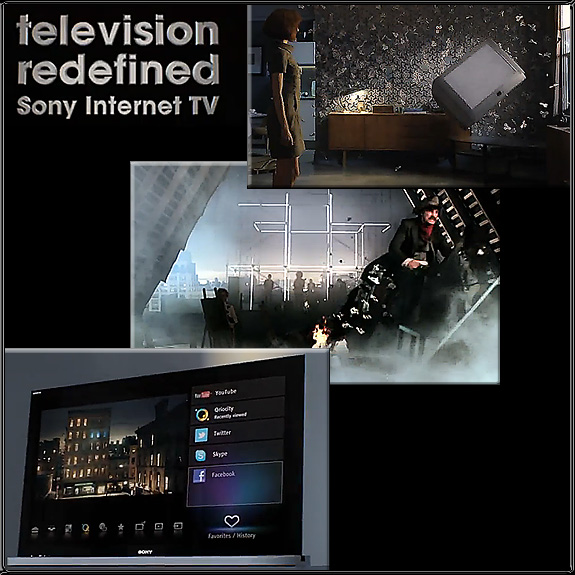
New Sony TV Ad: Television Redefined, Internet TV, 4/15/11 — from electrictv.com
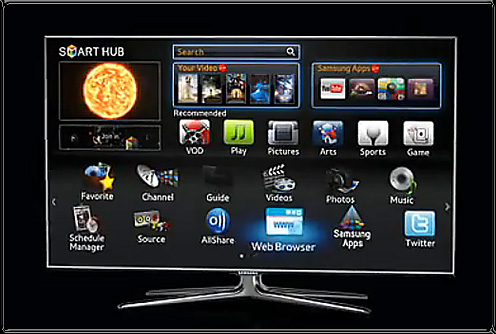
New Samsung Smart TV Ad: Internet TV, 4/13/11 — from electrictv.com
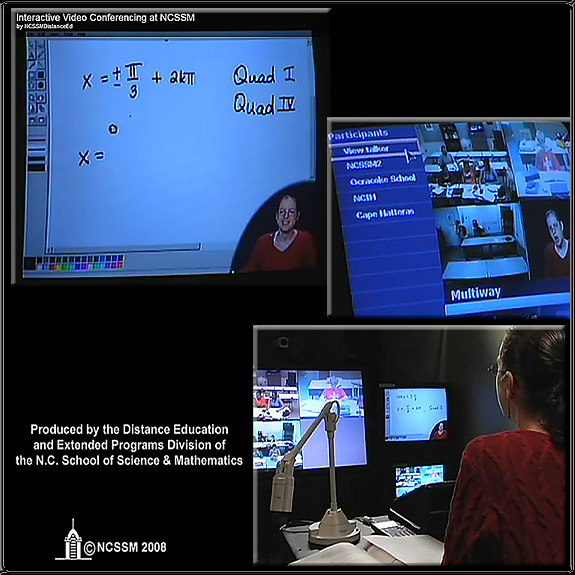
[WATCH]: Interactive Video Conferencing at NCSSM
On 04/15/2011,
in 21st century, 24x7x365 access, A/V -- audio/visual, content development, aggregation, repositories, convergence, corporate universities / corporate training, Daniel S. Christian, digital audio, digital learning, digital storytelling, digital textbooks, digital video, disruption, distance education, e-readers, entrepreneurship, future, higher education, human-computer interaction (HCI), innovation, intelligent systems, interaction design, interactivity, K-12 related, mobile learning, multimedia, online learning, online media, online tutoring, social learning / networks, social media, training / L&D, usability, user experience (UX), user interface design, web-based collaboration,
by Daniel Christian


On 04/09/2011,
in 21st century, 24x7x365 access, A/V -- audio/visual, change, colleges, convergence, dangers of the status quo, Daniel S. Christian, digital audio, digital learning, digital photography, digital storytelling, digital textbooks, digital video, disruption, distance education, e-readers, education, education reform, education technology, educational games / serious games, elearning, emerging technologies, engagement / engaging students, entrepreneurship, future of higher education, game-changing environment, generational differences, global, higher education, homeschooling/homeschoolers, human-computer interaction (HCI), hybrid learning, immersion, informal learning, innovation, instructional design, intelligent systems, intelligent tutoring, interaction design, interactivity, interface design, internet, IT in HE, K-12 related, learning agents, learning ecosystem, learning spaces, lifelong learning, marketplaces, mobile learning, mobile technologies, multimedia, new business models, new media literacies, online learning, online media, online tutoring, pace of change, personalized/customized learning, platforms, play, podcasting, professional development, reinvent, simulations, smart classrooms, social learning / networks, social media, society, storytelling, strategy, student teaching/teacher education, student-related, surviving, teaching & learning, teaching online, technologies for your home, technology (general), telecommunications, telepresence, television, trends, ubiquitous learning, universities, user experience (UX), using teams, videoconferencing, virtual field trips, virtual K-12 schools, Virtual Reality (VR) / worlds / learning, virtual tutoring, vision/possibilities, web-based collaboration,
by Daniel Christian
Daniel Christian:
A Vision of Our Future Learning Ecosystems
In the near future, as the computer, the television, the telephone (and more) continues to converge, we will most likely enjoy even more powerful capabilities to conveniently create and share our content as well as participate in a global learning ecosystem — whether that be from within our homes and/or from within our schools, colleges, universities and businesses throughout the world.
We will be teachers and students at the same time — even within the same hour — with online-based learning exchanges taking place all over the virtual and physical world. Subject Matter Experts (SME’s) — in the form of online-based tutors, instructors, teachers, and professors — will be available on demand. Even more powerful/accurate/helpful learning engines will be involved behind the scenes in delivering up personalized, customized learning — available 24x7x365. Cloud-based learner profiles may enter the equation as well.
The chances for creativity, innovation, and entrepreneurship that are coming will be mind-blowing! What employers will be looking for — and where they can look for it — may change as well.
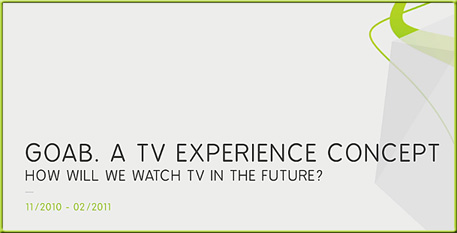
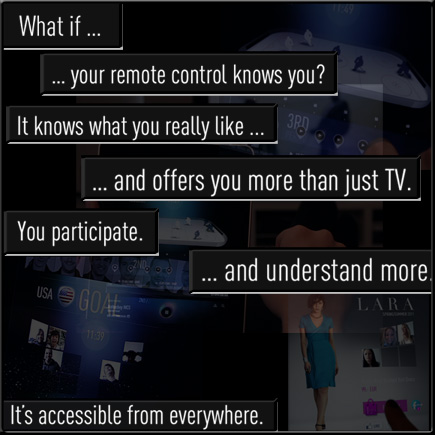
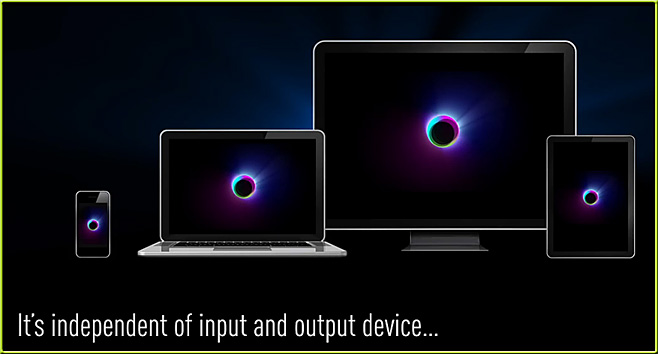
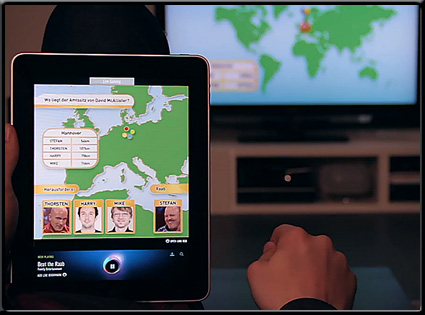
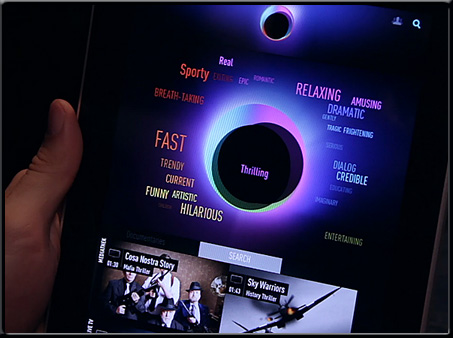
What we know today as the “television” will most likely play a significant role in this learning ecosystem of the future. But it won’t be like the TV we’ve come to know. It will be much more interactive and will be aware of who is using it — and what that person is interested in learning about. Technologies/applications like Apple’s AirPlay will become more standard, allowing a person to move from device to device without missing a beat. Transmedia storytellers will thrive in this environment!
Much of the professionally done content will be created by teams of specialists, including the publishers of educational content, and the in-house teams of specialists within colleges, universities, and corporations around the globe. Perhaps consortiums of colleges/universities will each contribute some of the content — more readily accepting previous coursework that was delivered via their consortium’s membership.
An additional thought regarding higher education and K-12 and their Smart Classrooms/Spaces:
For input devices…
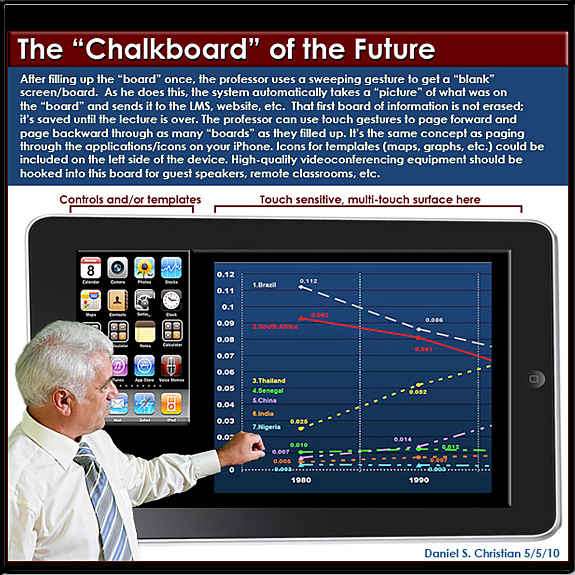
The “chalkboards” of the future may be transparent, or they may be on top of a drawing board-sized table or they may be tablet-based. But whatever form they take and whatever is displayed upon them, the ability to annotate will be there; with the resulting graphics saved and instantly distributed. (Eventually, we may get to voice-controlled Smart Classrooms, but we have a ways to go in that area…)
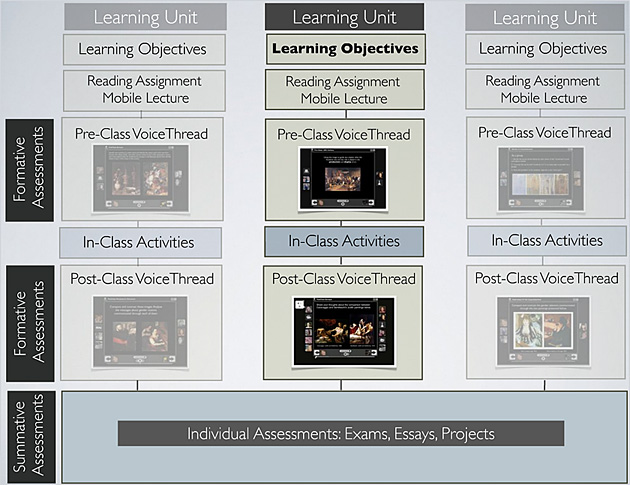
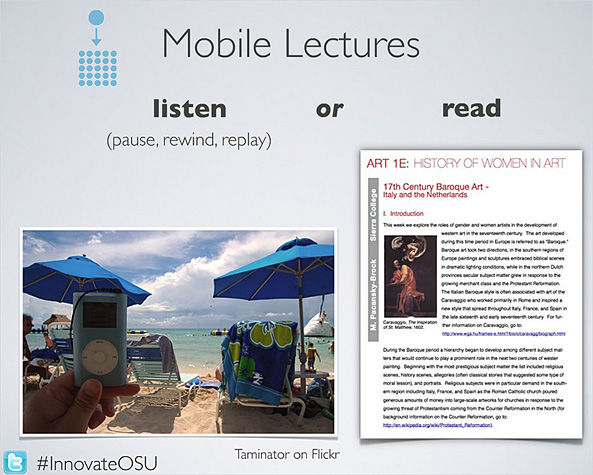
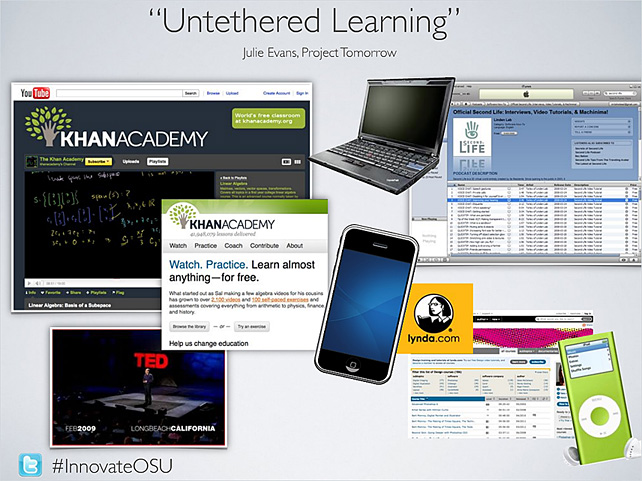
Below are some of the graphics that capture a bit of what I’m seeing in my mind…and in our futures.
Alternatively available as a PowerPoint Presentation (audio forthcoming in a future version)
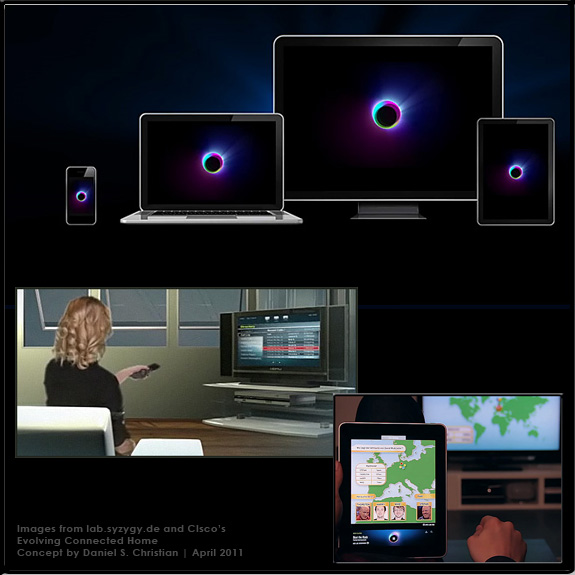
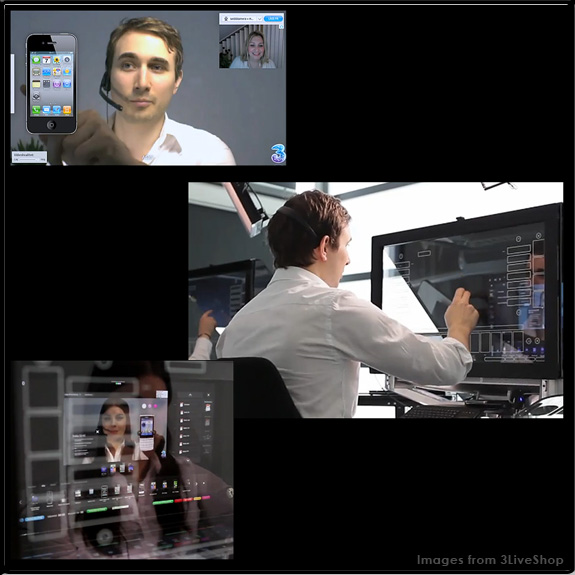
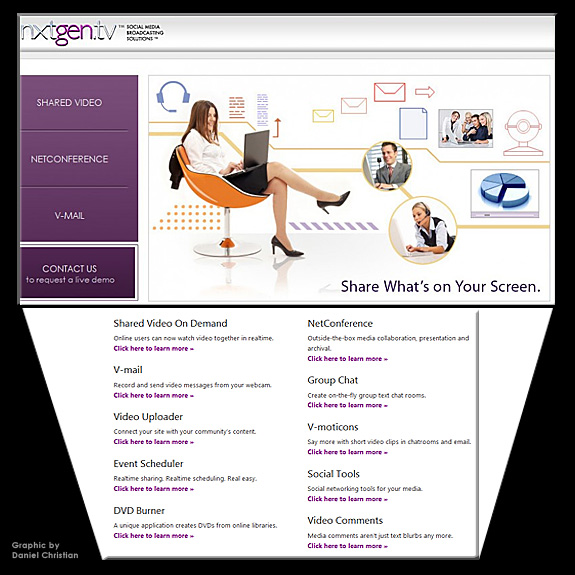
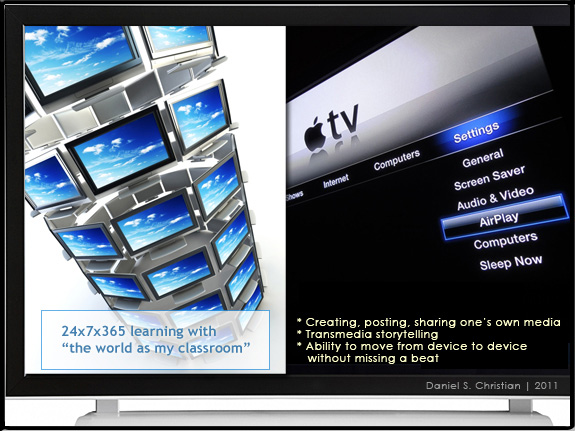
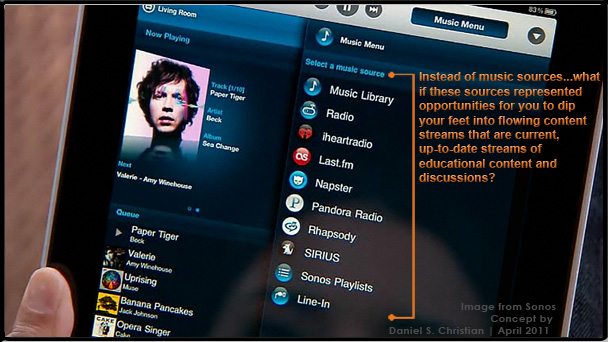
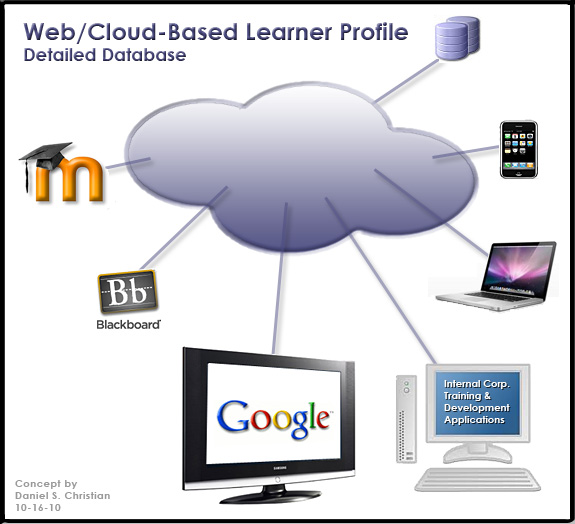
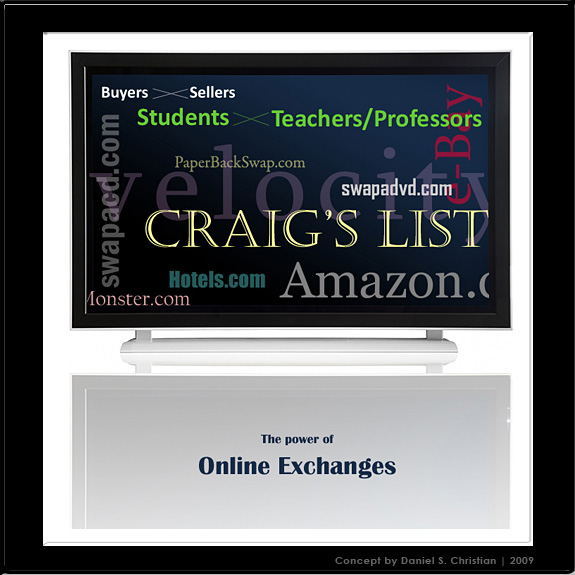
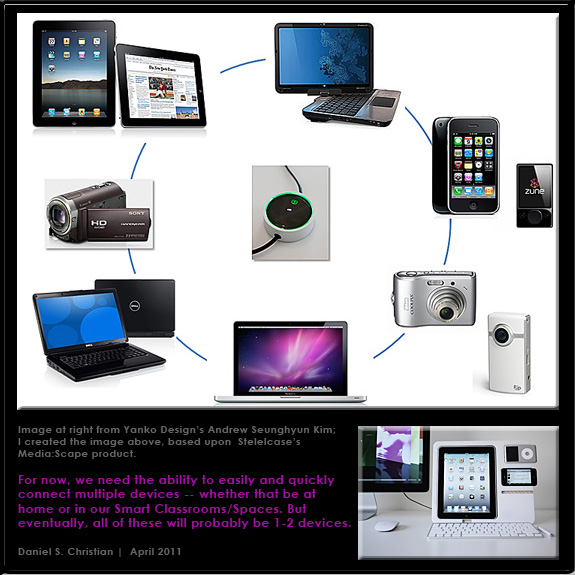
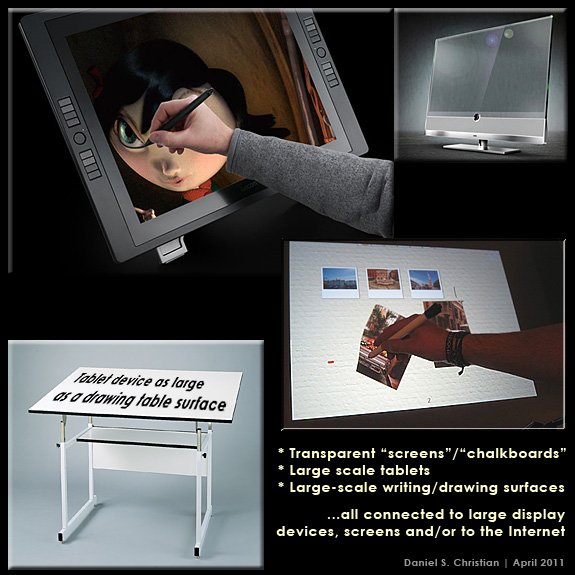
— from Daniel S. Christian | April 2011
- Hunch brings predictions to Internet TV — from ReadWriteWeb.com by Mike Melanson
- Group video calling comes to iPhone & Android in Fring beta test – from Mashable.com by Jennifer Van Grove
- State of the Art Tutoring is Going Online — from chatam.patch.com by K.F. Rogers (originally saw at Ray Schroeder’s blog)
- Storytelling: Video games’ next killer app — from CNN.com by Scott Steinberg
- YouTube finally launches live streaming portal to select partners — from ReadWriteWeb.com by Marshall Kirkpatrick
- The art of immersion, digital storytelling and transmedia — from Six Pixels of Separation
- Reversing course, U. of California to borrow millions for online classes — from The Chronicle by Josh Keller
- Non-stop Learning Futures conference spans three time zones to mirror demands of 24/7 global society — from 24dash.com
- Call for presentations: Online learning, teaching, and research in the new media ecology — from Ray Schroeder and the Sloan Consortium
…It is clear that we are in the midst of rapid and ongoing changes in the way that we communicate and represent ideas and these changes have profound consequence for how we know, learn, think, and teach in higher education and beyond. The dizzying pace of change is highlighted by the fact that even the relatively new conventions of online education associated with asynchronous learning networks are being challenged by emerging means of access, such as mobile and cloud computing, new forms of communication, such as video streaming and instant messaging, as well as the innovative modes of participation represented in social media.
Addendum on 4-14-11:
- Surprise! Online TV is billion-dollar biz — from cnn.com
On 04/07/2011,
in 21st century, 24x7x365 access, 3D, A/V -- audio/visual, convergence, creativity, Daniel S. Christian, digital audio, digital learning, digital storytelling, digital textbooks, digital video, disruption, distance education, e-readers, education technology, educational games / serious games, emerging technologies, engagement / engaging students, flipping -- inverted learning, future, future of higher education, game-changing environment, higher education, homeschooling/homeschoolers, human-computer interaction (HCI), intelligent systems, intelligent tutoring, interactivity, internet, K-12 related, learner profiles, learning agents, learning ecosystem, learning spaces, lifelong learning, mobile learning, multimedia, online learning, online media, online tutoring, personalized/customized learning, platforms, relationships, social learning / networks, social media, technologies for your home, technology (general), telecommunications, telepresence, television, training / L&D, ubiquitous learning, videoconferencing, virtual field trips, virtual K-12 schools, virtual tutoring, web-based collaboration,
by Daniel Christian

On 04/07/2011,
in digital learning, elearning, instructional design, learning theories, memory, online learning,
by Daniel Christian
What is cognitive load? — from theelearningcoach.com by Connie Malamed

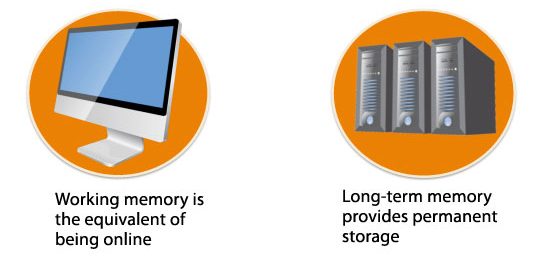
What causes too much demand on working memory? One cause comes from an abundance of novel information. More information than the person can process. But high cognitive load is also strongly influenced by the number of elements in working memory that interact with each other. Often, complex learning is based on interacting elements that must be processed simultaneously. For example, learning to drive involves understanding how several elements simultaneously interact, such as considering the pressure required to brake, the amount to turn the steering wheel and making adjustments for weather conditions and traffic.
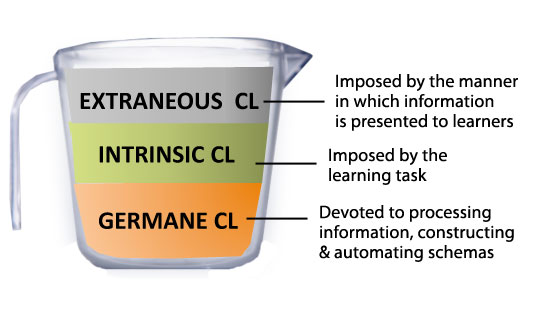
Working memory is vulnerable to overload…
On 04/06/2011,
in digital audio, digital learning, digital photography, digital storytelling, digital textbooks, digital video, education technology, pedagogy, productivity / tips and tricks, teaching & learning, tools,
by Daniel Christian
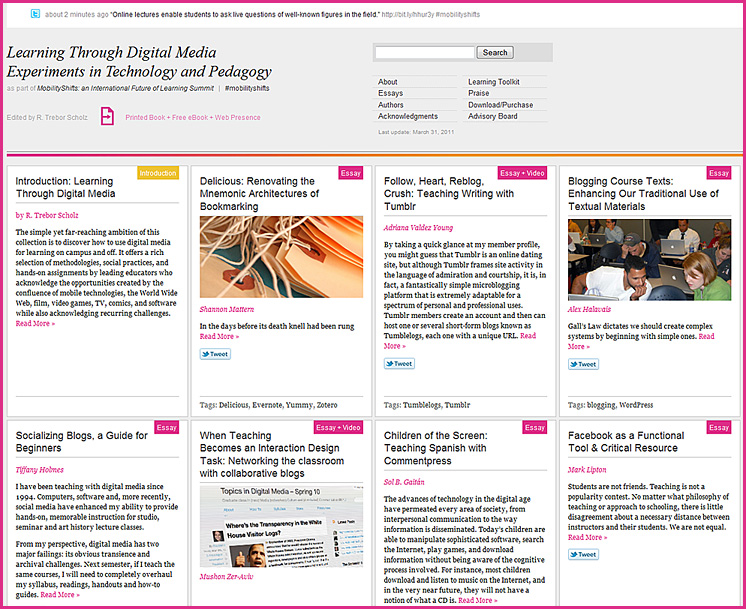
From DSC:
Though I saw this posted at a variety of blogs/social learning sites,
it’s definitely worth relaying here for those who might have missed it.
On 04/06/2011,
in accessibility / UDL, digital audio, digital learning, digital video, tools, web-based collaboration,
by Daniel Christian
Accessibility

At VoiceThread, we believe universal accessibility means more than just saying we meet a few guidelines in Section 508 of the US Rehabilitation Act. We do want to make our software usable by all people, and Section 508 does a good job of encouraging that, but we want to go one step further and make it straightforward and pleasant for everyone to use, as well. We want to serve the needs of a person with dyslexia or ADHD, an outdoor classroom with mobile devices, a user in the developing world without high-speed internet, a kindergartner, or an elderly lifelong learner. In our experience, the only way to do this is by thoughtful and sensitive design, with lots of input from our differently-abled users, and that’s something that can’t be contained in any number of checkboxes.
Also see:
- A “universal” VoiceThread? Not quite. And, Google and Prezi
- http://voicethread.com/universal/guide/
- http://voicethread.com/about/features/accessibility/