Teaching in the Age of Participation — keynote address by Michelle Pacansky-Brock
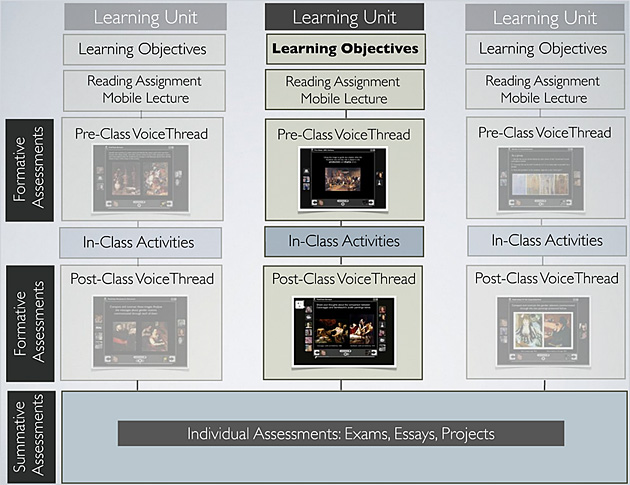
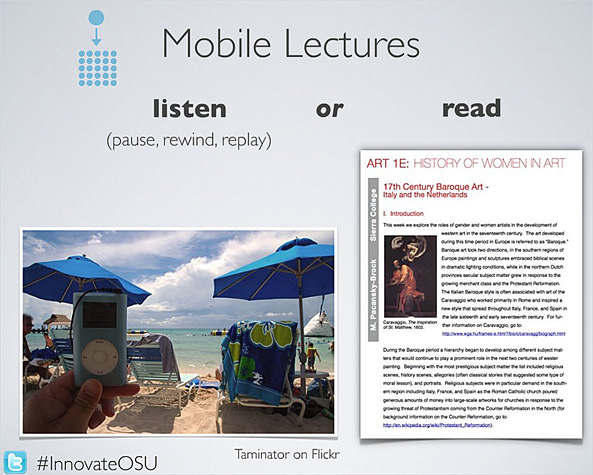
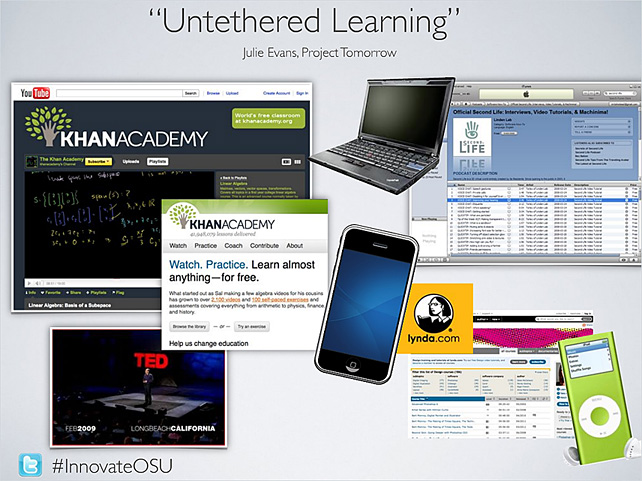
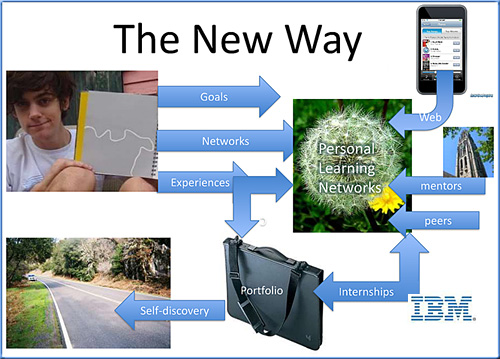
Sample slides:
Study: 30% of all US households already have TV connected to Internet
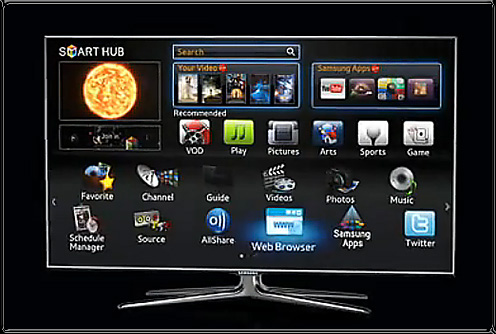
 New consumer research from Leichtman Research Group, Inc. (LRG) finds that 30% of all households have at least one television set connected to the Internet via a video game system, a Blu-ray player, and/or the TV set itself — up from 24% a year ago. Overall, 10% of all adults watch video from the Internet via one of these devices at least weekly, compared to 5% last year. This increased usage is heavily driven by Netflix subscribers, with 30% of Netflix subscribers watching video from the Internet via one of these connected devices weekly, compared to 3% weekly use among all non-Netflix subscribers.
Also see:
Addendums:
From DSC:
Why post this? Because:
New Sony TV Ad: Television Redefined, Internet TV, 4/15/11 — from electrictv.com
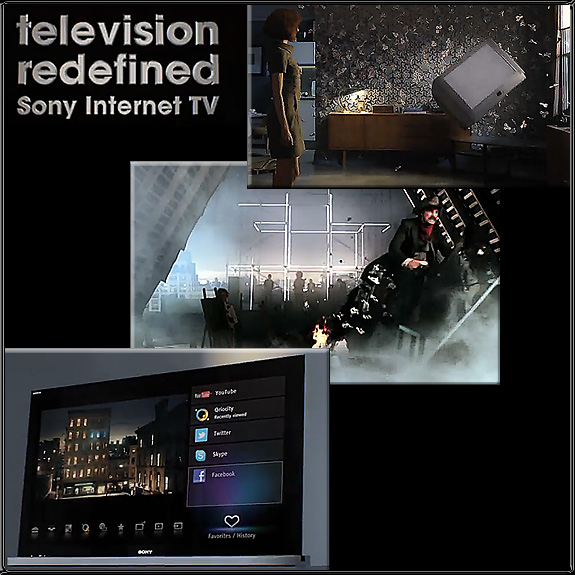
New Samsung Smart TV Ad: Internet TV, 4/13/11 — from electrictv.com
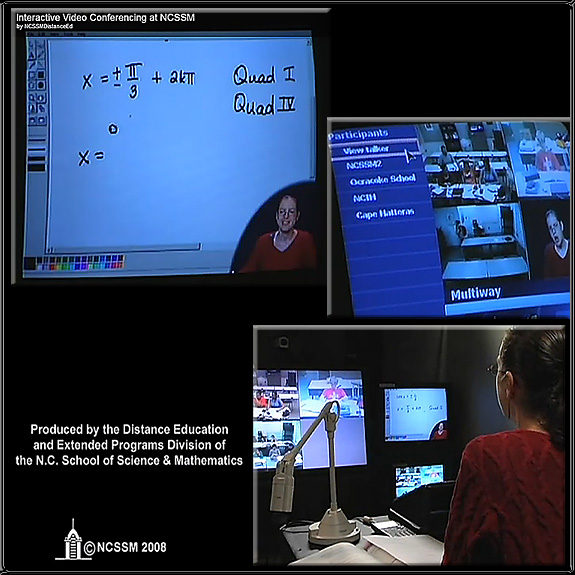
[WATCH]: Interactive Video Conferencing at NCSSM


Magic Quadrant for Corporate Learning Systems — from Gartner

Source: Gartner (March 2011)
Market Definition/Description
CLSs continue to expand the functionality and robustness of their components. The five core components that a CLS should provide are:
Daniel Christian:
A Vision of Our Future Learning Ecosystems
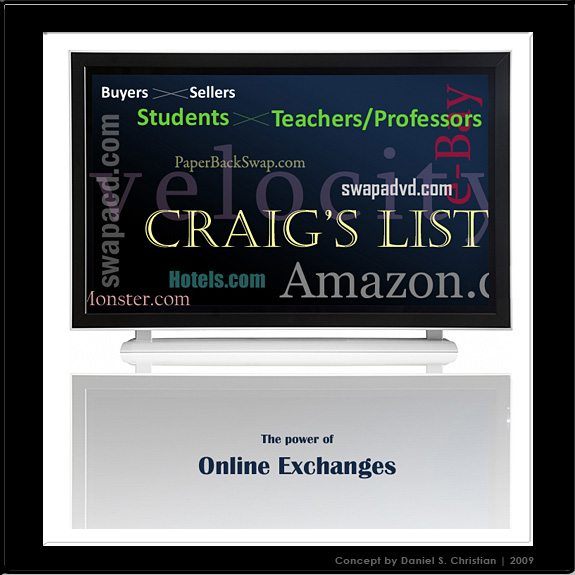
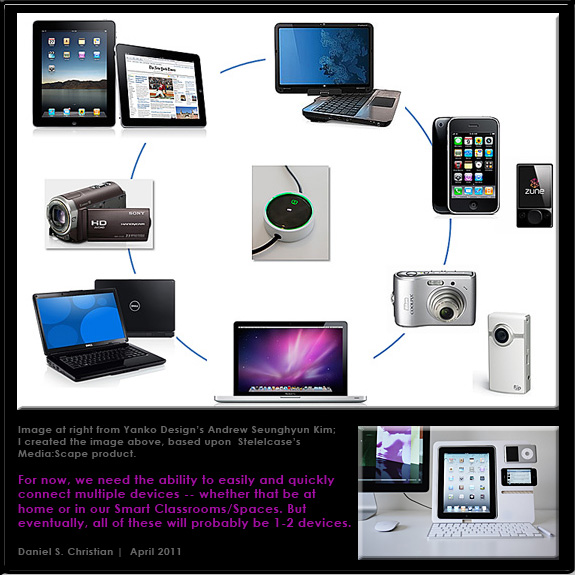
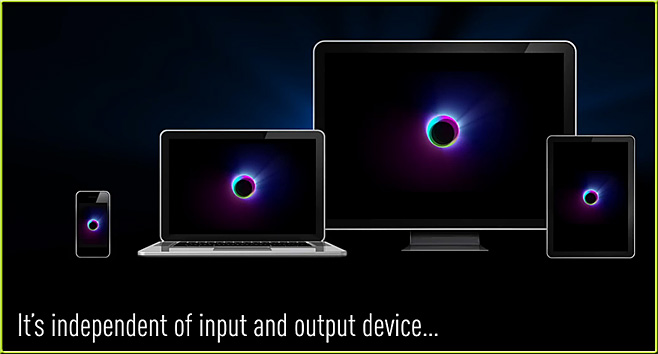
In the near future, as the computer, the television, the telephone (and more) continues to converge, we will most likely enjoy even more powerful capabilities to conveniently create and share our content as well as participate in a global learning ecosystem — whether that be from within our homes and/or from within our schools, colleges, universities and businesses throughout the world.
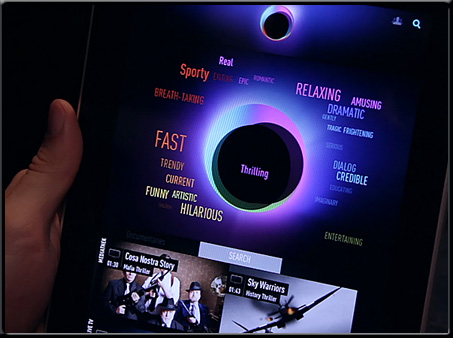
We will be teachers and students at the same time — even within the same hour — with online-based learning exchanges taking place all over the virtual and physical world. Subject Matter Experts (SME’s) — in the form of online-based tutors, instructors, teachers, and professors — will be available on demand. Even more powerful/accurate/helpful learning engines will be involved behind the scenes in delivering up personalized, customized learning — available 24x7x365. Cloud-based learner profiles may enter the equation as well.
The chances for creativity, innovation, and entrepreneurship that are coming will be mind-blowing! What employers will be looking for — and where they can look for it — may change as well.
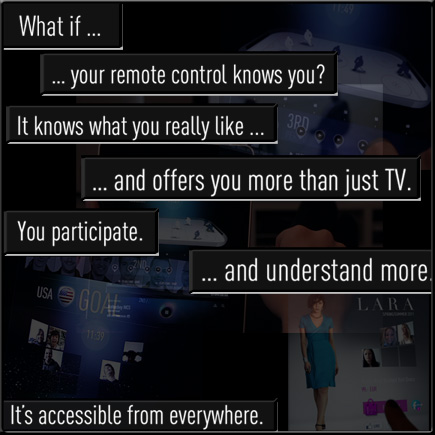
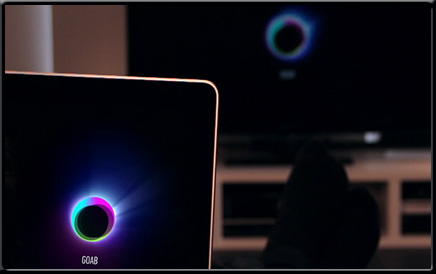
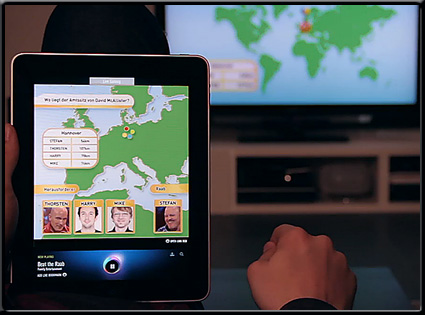
What we know today as the “television” will most likely play a significant role in this learning ecosystem of the future. But it won’t be like the TV we’ve come to know. It will be much more interactive and will be aware of who is using it — and what that person is interested in learning about. Technologies/applications like Apple’s AirPlay will become more standard, allowing a person to move from device to device without missing a beat. Transmedia storytellers will thrive in this environment!
Much of the professionally done content will be created by teams of specialists, including the publishers of educational content, and the in-house teams of specialists within colleges, universities, and corporations around the globe. Perhaps consortiums of colleges/universities will each contribute some of the content — more readily accepting previous coursework that was delivered via their consortium’s membership.
An additional thought regarding higher education and K-12 and their Smart Classrooms/Spaces:
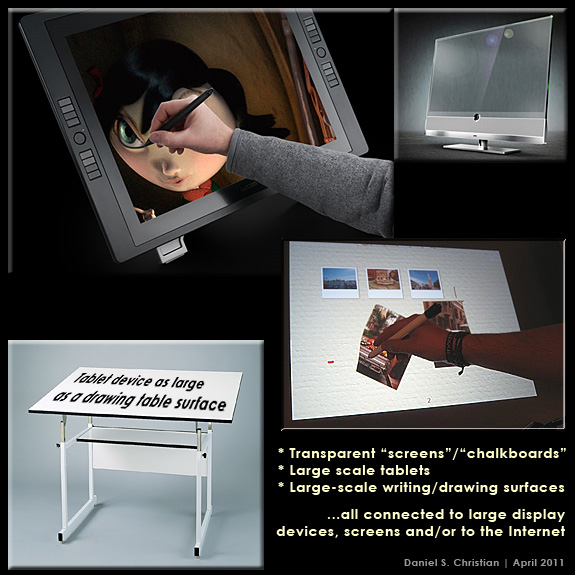
For input devices…
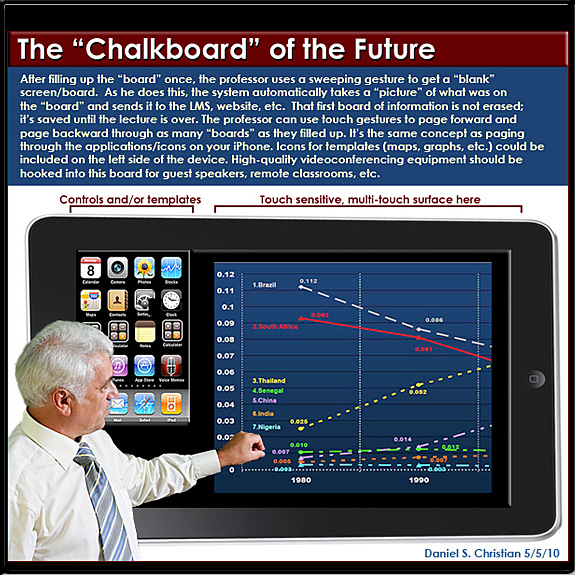
The “chalkboards” of the future may be transparent, or they may be on top of a drawing board-sized table or they may be tablet-based. But whatever form they take and whatever is displayed upon them, the ability to annotate will be there; with the resulting graphics saved and instantly distributed. (Eventually, we may get to voice-controlled Smart Classrooms, but we have a ways to go in that area…)
Below are some of the graphics that capture a bit of what I’m seeing in my mind…and in our futures.
Alternatively available as a PowerPoint Presentation (audio forthcoming in a future version)
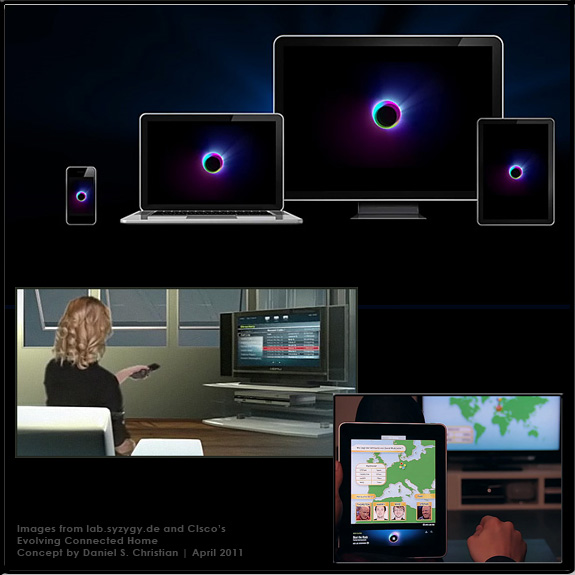
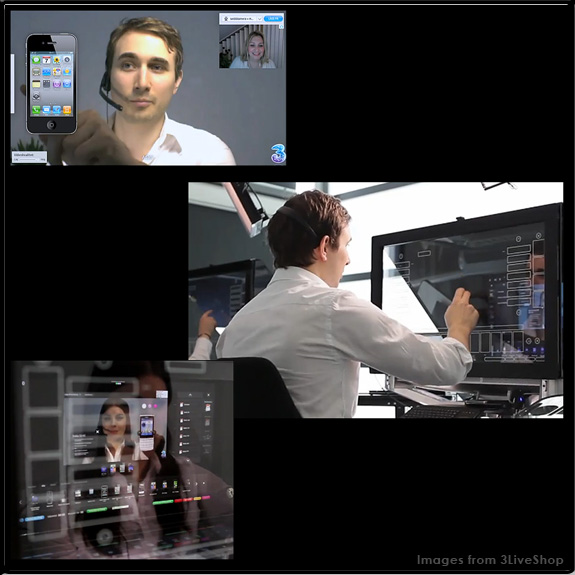
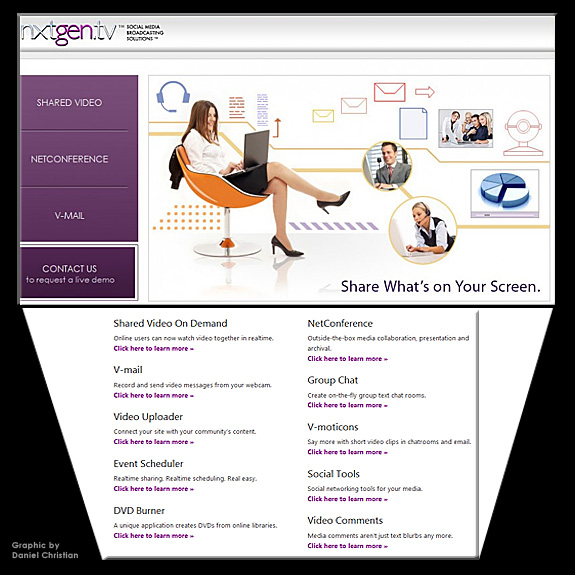
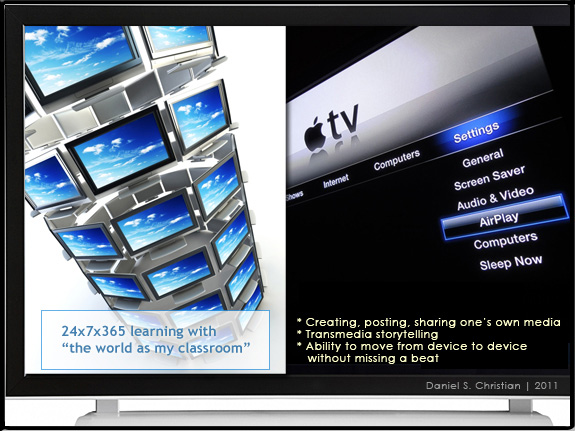
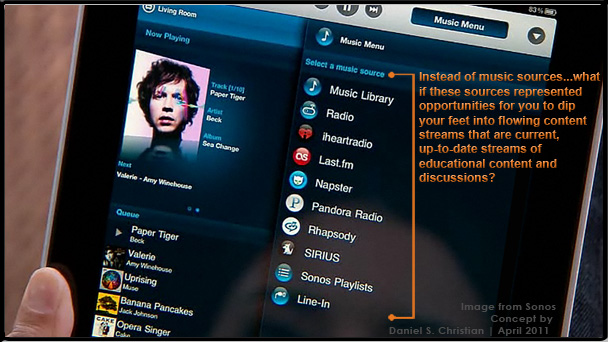
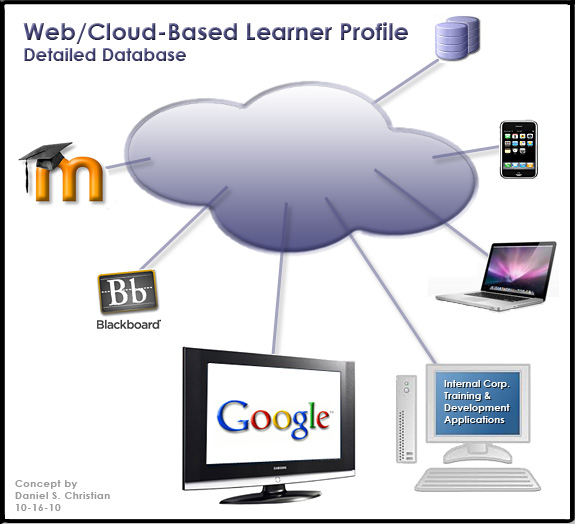
— from Daniel S. Christian | April 2011
Addendum on 4-14-11:
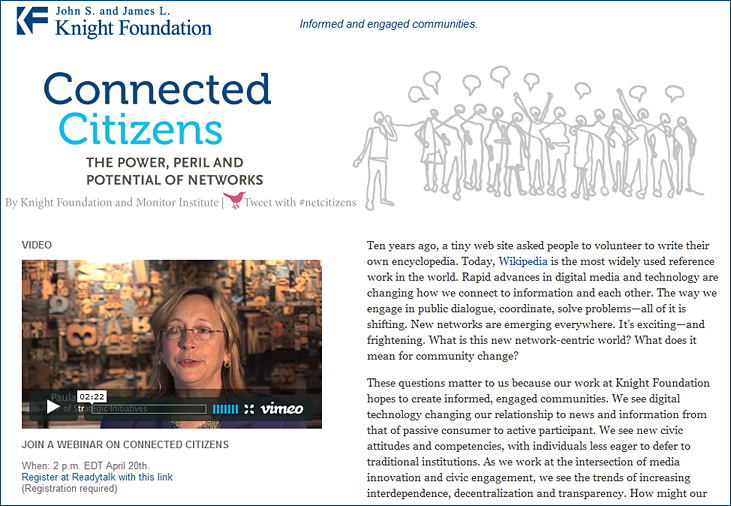
April 2011:
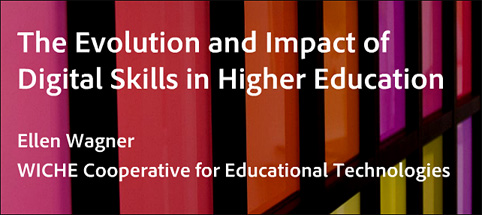
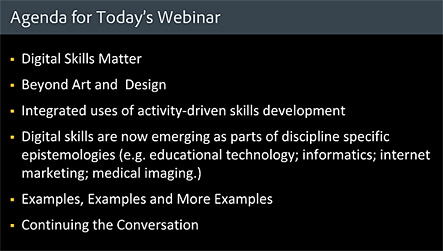
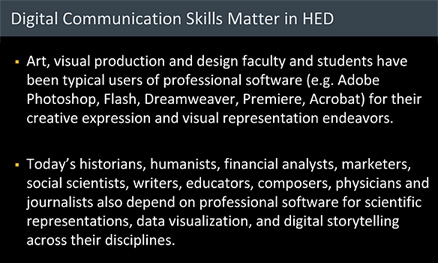
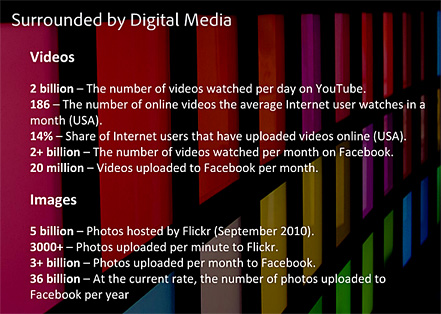
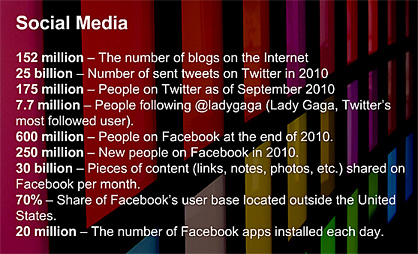
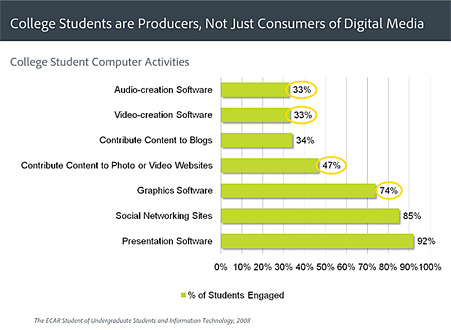
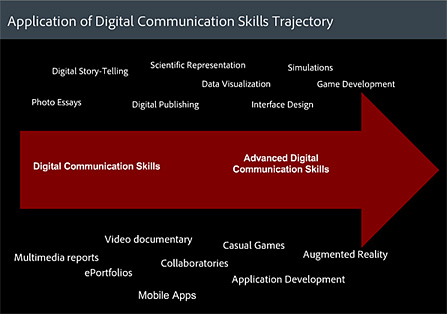
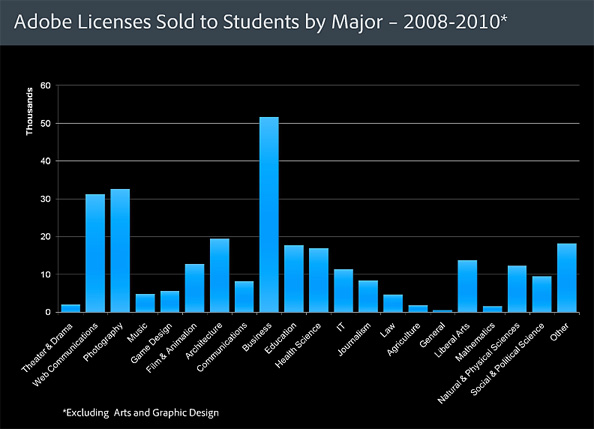
Hear from analyst Ellen Wagner as she covers research showing the expansion of technology in higher education. Evolving expectations for digital skills for students and faculty require use of technology that have traditionally been used by art and design schools.
Also see:
The future of broadcast is more than integrating tweets into programming — from Brian Solis

The future of broadcast is literally at our fingertips…

.
.
From DSC:
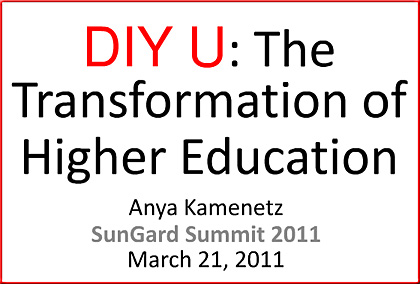
For those of us in more traditional institutions of higher education, if this is where things are heading — or even if pieces of Anya’s presentation come to fruition — what is our response? Strategy?