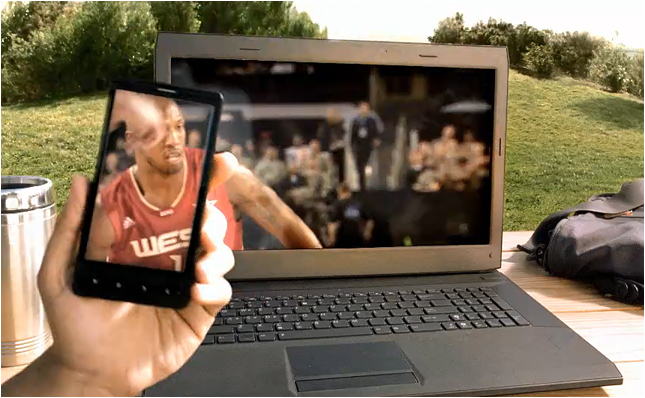
Living room video calling users to surpass 16 million in 2015 — from instat.com

Excerpt:

The video calling market can be divided into three sub-markets depending on the device which is being used to make the call: PCs, Mobile, and living room (digital home) devices.  Living room video calling is a nascent market and currently has a relatively small user base. New NPD In-Stat (www.in-stat) research forecasts that total users will increase from 1.5 million in 2011 to 16.4 million in 2015. Asia Pacific will be the largest market for living room video calling by a significant margin as this is the region with the highest video calling enabled device shipments.

.

From DSC:

  1. The massive convergence of the TV, the computer, and the telephone continues
  2. The current model of higher ed has run it’s course — the model is breaking down
  3. The cost of obtaining an education must decrease; new business models are and will continue to come to fruition
  4. One of those business models is what I call “The Forthcoming Walmart of Education
  5. One of the pieces of this “Walmart of Education” will involve “learning from the living room
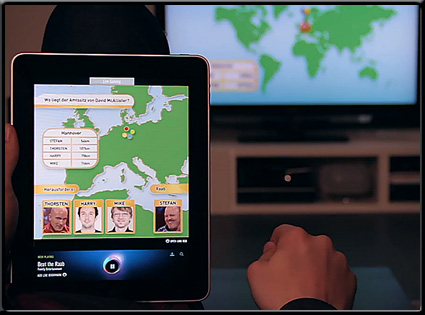
  6. “Students” will be able to watch one device while interacting with another device (though I could also see everything happening via one device as well)
  7. Learning will likely be more interactive, multimedia-based, available 24x7x365, personalized, customized and backed up by some serious social networking/learning, analytics, artificial intelligence, learning agents, and online-based tutoring
  8. “Textbooks” will flow into the living rooms as well as to tablets, smart phones, and other devices; but they will be more like apps where updates will occur as necessary
  9. Rock-star profs are likely to emerge
  10. Anyway…”stay tuned”


Also see:

A Disrupted Higher-Ed System — from The Chronicle by Jeff Selingo

Excerpt:
Just look at the last month:

  • The Massachusetts Institute of Technology announced that it would create MITx, a self-service learning system in which students can take online tests and earn certificates after watching free course materials posted by the university.
  • StraighterLine, which offers self-paced introductory courses online, said that it would give students access to the Collegiate Learning Assessment and other similar tests, allowing them to take results to employers or colleges to demonstrate their proficiency in certain academic areas.
  • Apple introduced three free pieces of software that allow students to download or create textbooks, and that permit instructors to create a digital curriculum in iTunesU.
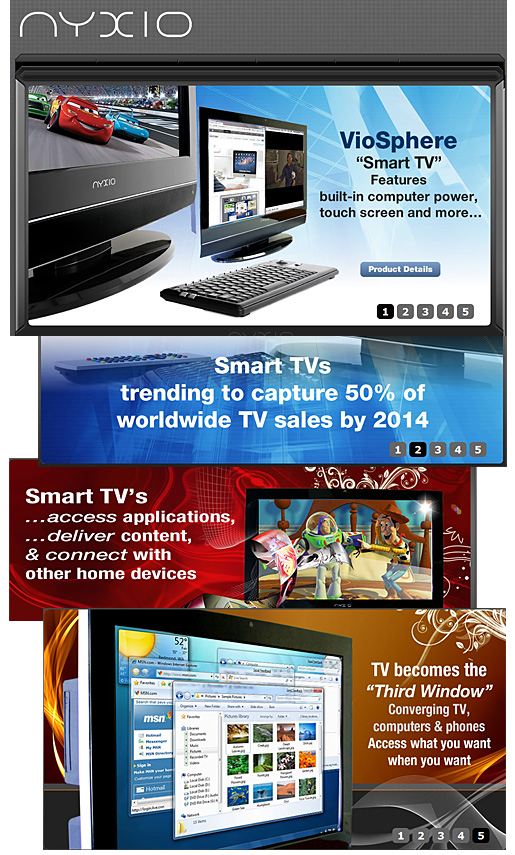


Intel predicts Smart TV is the device of the future — from nyxiotechnologies.com’s blog
Chipmaker Intel believes that the Smart TV is the electronic device of the future, in the living room anyway.
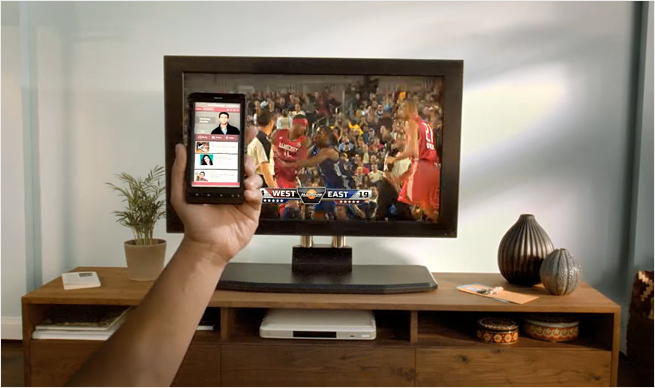
Excerpt:

The Smart TV is already upon us, in its various forms from various manufacturers. It has arrived with 3D capabilities, web browsing and social networking and applications. Currently Samsung and LG seem to be two of the big players pushing the Smart TV to consumers.

Also see:


Telepresence in the classroom: Enhancing breadth and depth of learning — from Cisco by Kerry Best

Excerpt:

All of a sudden, the classrooms lost their walls, and prior geographic and instructional limitations ceased to restrict learning.

  • …[telepresence] can bring in teachers for important subjects in which current instructors may not have specialized expertise
  • …take students on virtual field trips
  • …for teacher education
  • …bring historical figures to life


Christie Serves Up Content With Modular Multi-Touch Interactivity Kit and High Performance Software and Media Server

INFOCOMM/ORLANDO, Fla. – (June 15, 2011) –  Christie, a global visual technology company, today unveiled the newest members of its Christie® MicroTiles™ solutions family, the Christie® i-Kit touch interactivity kit, powered by Baanto™ ShadowSense™, and the Christie® JumpStart software and media server, both on technology preview at the Christie InfoComm booth #2127 through to June 17.


Also see:

Example shown above from Weill Cornell Medical College


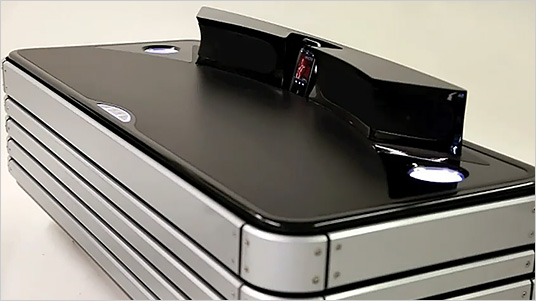
From DSC: It would be sharp (and somewhat James Bond-ish) if you could take the concepts within the iTable from Kyle Buckner Designs.com(esp. motorized parts and a customizable design)


Kyle Buckner Designs -- i table


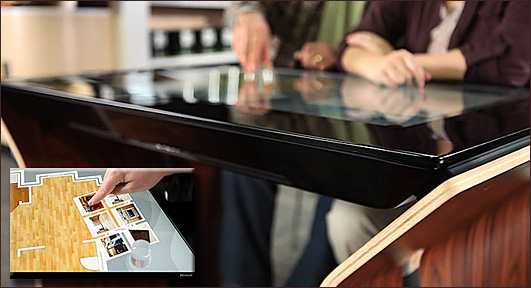
…and combine those concepts with concepts found within a Microsoft Surface type of table: (esp. multi-touch capabilities for a group of people to work collaboratively on)


Microsoft Surface


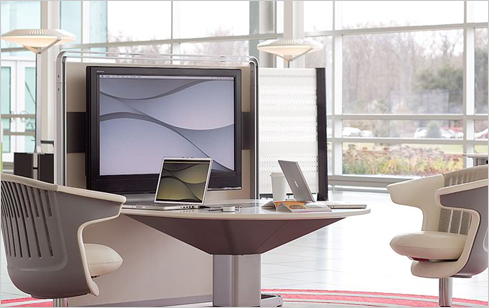
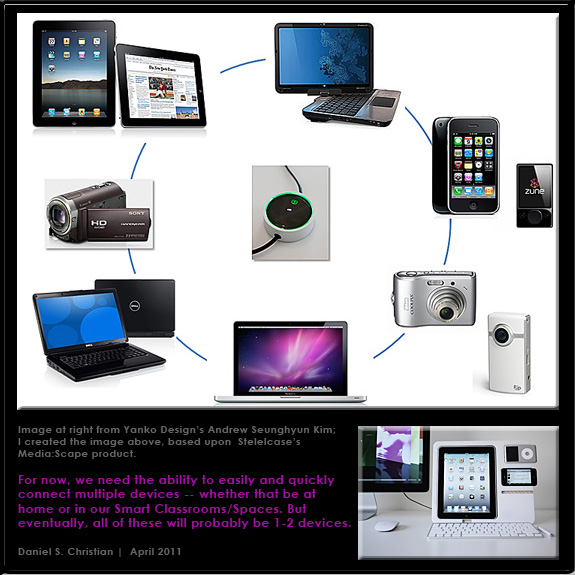
…and combine those concepts with concepts found within Steelcase’s Media:Scape product (esp. the ability to bring your own device and instantly “connect” it and press a puck-like device to begin displaying it on the screen/table)


Steelcase's MediaScape

media:scape illustration


…kinda gives us a flavor for what may very well be part of the integration and continued convergence of devices…and it may be a device in your living room or study.

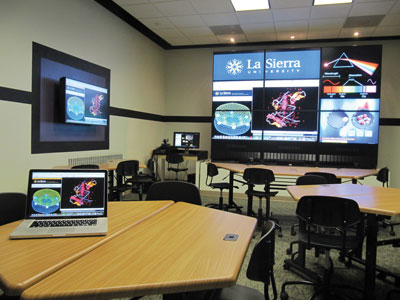
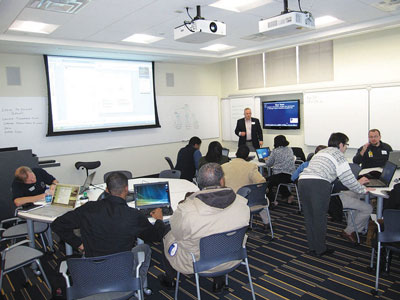
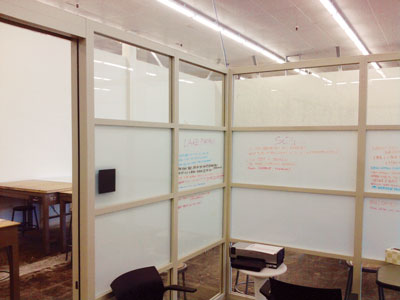
Next-Gen Classrooms: Aces of Space — from CampusTechnology.com by Jennifer Demski
Four schools use cutting-edge design principles and technology to create next-gen learning spaces, with a focus on collaboration and student engagement.


media:scape with HD videoconferencing


Video conference project sparks meaningful learning — from ConvergeMag.com by Tanya Roscorla

Also see:

  • A Taste for Telepresence — from The Journal by Dian Schaffhauser
    Although high-end videoconferencing is still new to this Maryland school district, it’s a sensible next step on a well-planned path to location-free communication.


A hugely powerful vision: A potent addition to our learning ecosystems of the future


Daniel Christian:
A Vision of Our Future Learning Ecosystems


In the near future, as the computer, the television, the telephone (and more) continues to converge, we will most likely enjoy even more powerful capabilities to conveniently create and share our content as well as participate in a global learning ecosystem — whether that be from within our homes and/or from within our schools, colleges, universities and businesses throughout the world.

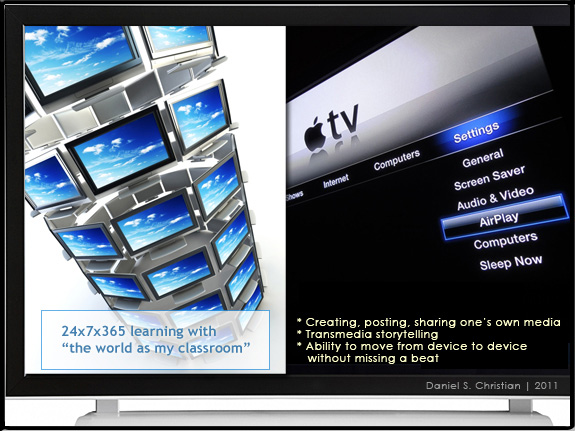
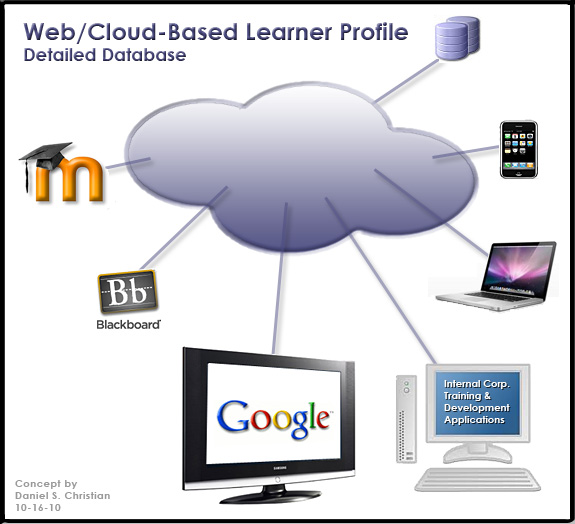
We will be teachers and students at the same time — even within the same hour — with online-based learning exchanges taking place all over the virtual and physical world.  Subject Matter Experts (SME’s) — in the form of online-based tutors, instructors, teachers, and professors — will be available on demand. Even more powerful/accurate/helpful learning engines will be involved behind the scenes in delivering up personalized, customized learning — available 24x7x365.  Cloud-based learner profiles may enter the equation as well.

The chances for creativity,  innovation, and entrepreneurship that are coming will be mind-blowing! What employers will be looking for — and where they can look for it — may change as well.

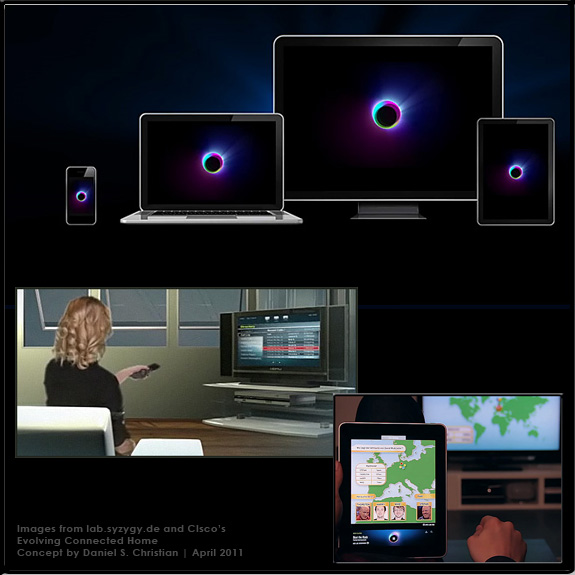
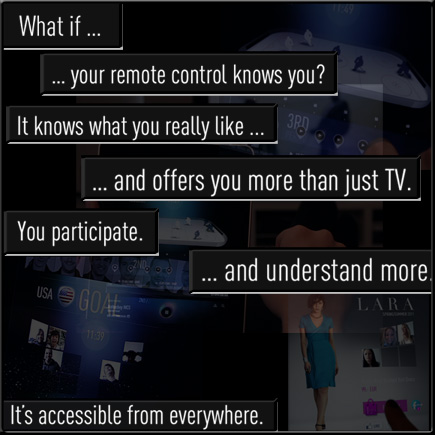
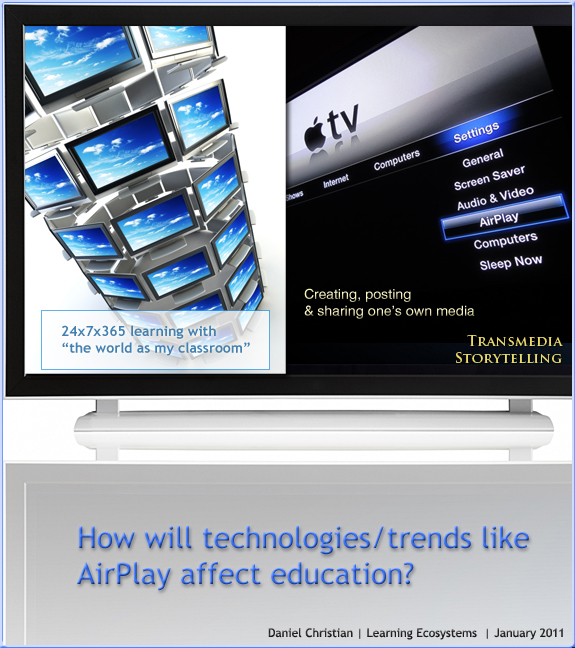
What we know today as the “television” will most likely play a significant role in this learning ecosystem of the future. But it won’t be like the TV we’ve come to know. It will be much more interactive and will be aware of who is using it — and what that person is interested in learning about. Technologies/applications like Apple’s AirPlay will become more standard, allowing a person to move from device to device without missing a  beat. Transmedia storytellers will thrive in this environment!

Much of the professionally done content will be created by teams of specialists, including the publishers of educational content, and the in-house teams of specialists within colleges, universities, and corporations around the globe. Perhaps consortiums of colleges/universities will each contribute some of the content — more readily accepting previous coursework that was delivered via their consortium’s membership.

An additional thought regarding higher education and K-12 and their Smart Classrooms/Spaces:
For input devices…
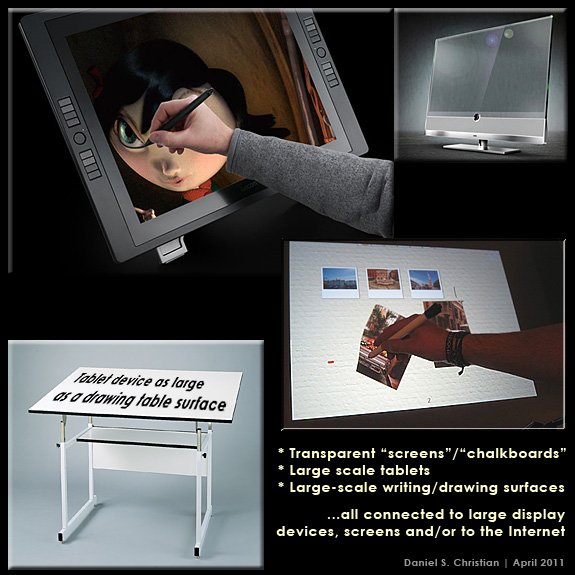
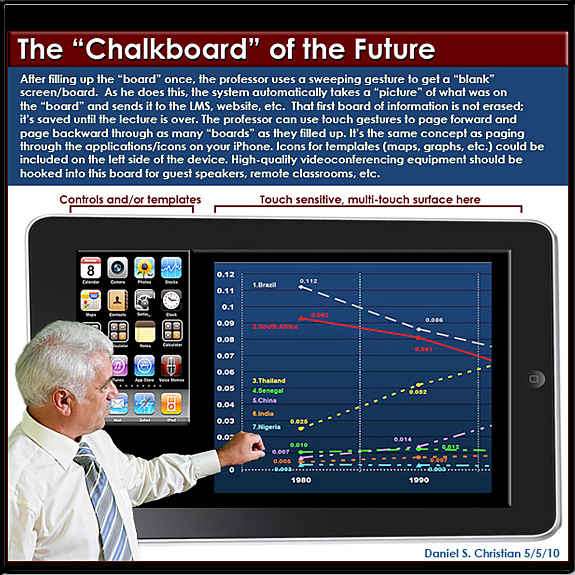
The “chalkboards” of the future may be transparent, or they may be on top of a drawing board-sized table or they may be tablet-based. But whatever form they take and whatever is displayed upon them, the ability to annotate will be there; with the resulting graphics saved and instantly distributed. (Eventually, we may get to voice-controlled Smart Classrooms, but we have a ways to go in that area…)

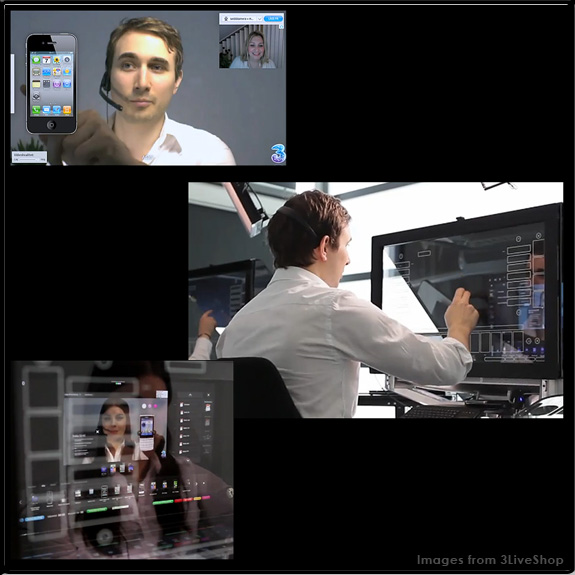
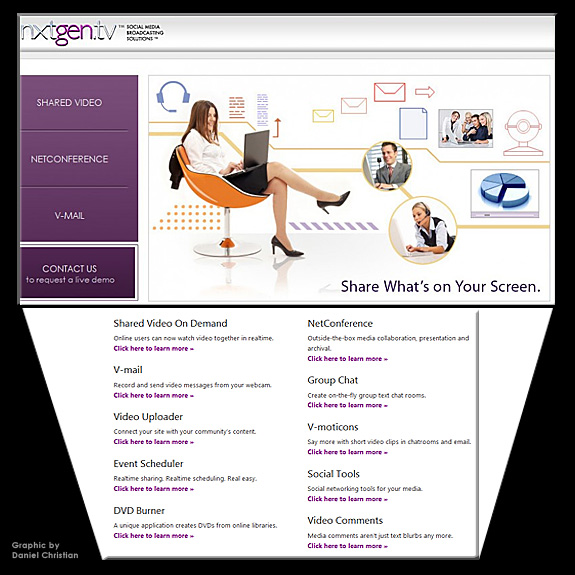
Below are some of the graphics that capture a bit of what I’m seeing in my mind…and in our futures.

Alternatively available as a PowerPoint Presentation (audio forthcoming in a future version)


— from Daniel S. Christian | April 2011

See also:

Addendum on 4-14-11:


Tagged with:  

Skype Community Comes to the Classroom — from The Journal by David Nagel

Skype in the classroom offers teachers a free platform for communications and collaboration.

Skype has launched a global community for educators called Skype in the classroom.

The free service is focused on connecting teachers from around the world to allow them to communicate, collaborate on projects, draw expertise from one another, and share learning materials and best practices. It also serves as a launchpad for connecting students with their peers in classrooms across the planet using Skype video.


Addendum on 4/1/11:

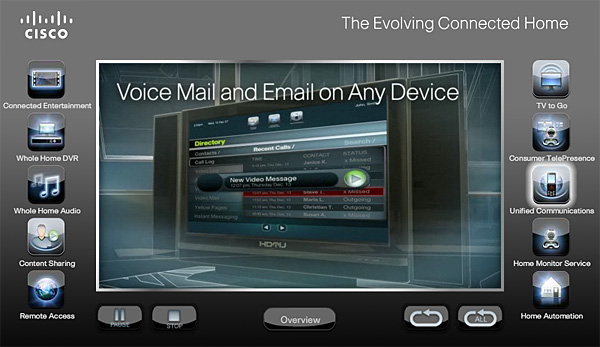
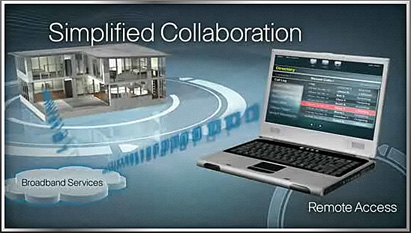
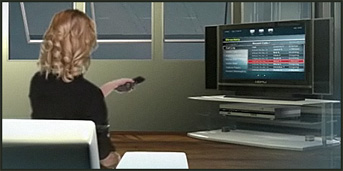
The connected life at home -- from Cisco

.

.

From DSC:

How will these types of technologies affect what we can do with K-12 education/higher education/workplace training and development? I’d say they will open up a world of new applications and opportunities for those who are ready to innovate; and these types of technologies will move the “Forthcoming Walmart of Education” along.

Above item from:

Tagged with:  
Toyota iWall –by Justin Micklish; originally from Interactive Multimedia Technology blog
and
“Reality Touchscreen” is 10 meters long, accepts 100 touch inputs — from CrunchGear; by some students at the University of Groningen in the Netherlands

Educators move beyond the hype over Skype — from Digital Directions by Ian Quillen

.

Olivia Flick, a 3rd grader at Washington Street Elementary School in Brewer Maine,
shares facts about her state via Skype with students in South Dakota.
—Carl D. Walsh_Digital Directions
.

Educators are now using the videoconferencing tool to connect foreign-language students to native speakers, hold virtual field trips and host conversations with scientists and other experts

While conceding the potential for frivolous use of Skype, its advocates say the tool can be particularly valuable for connecting foreign-language students to native speakers, holding virtual field trips, and visiting with real-world subject experts while saving precious funds and preventing logistical headaches. In many cases, teachers are reporting that aspects of video communication actually make teaching and learning more effective than the comparable in-person experiences.

Also see:

Framing a Skype Learning Experience — from Langwitches blog by Silvia Tolisano

Millions of TV’s (as completely converged/Internet-connected devices) = millions of learners?!?

From DSC:

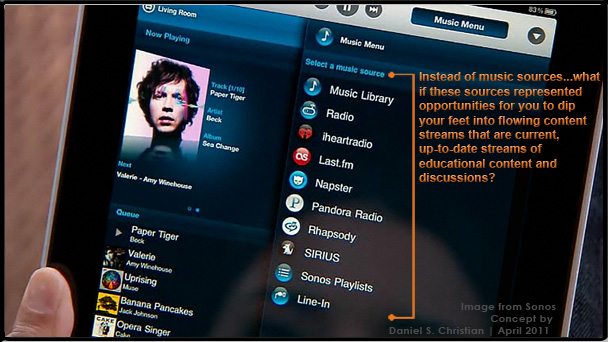
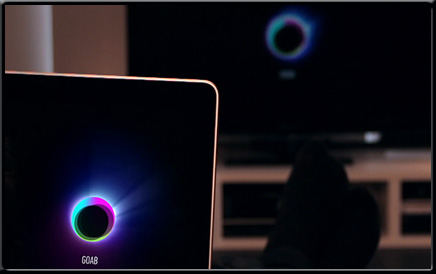
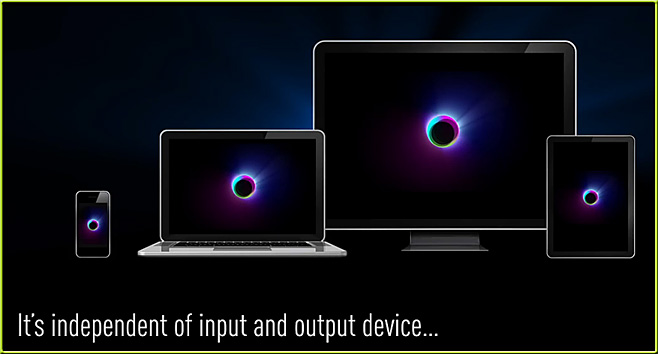
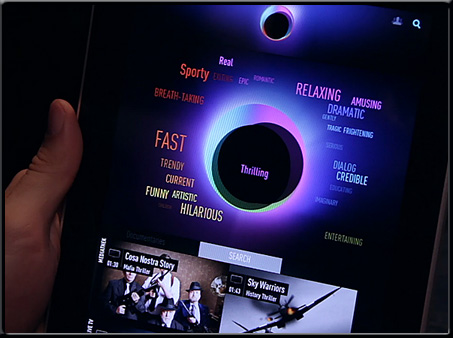
The other day, I created/posted the top graphic below. Take the concepts below — hook them up to engines that use cloud-based learner profiles — and you have some serious potential for powerful, global, ubiquitous learning! A touch-sensitive panel might be interesting here as well.

Come to think of it, add social networking, videoconferencing, and web-based collaboration tools — the power to learn would be quite impressive.  Multimedia to the nth degree.

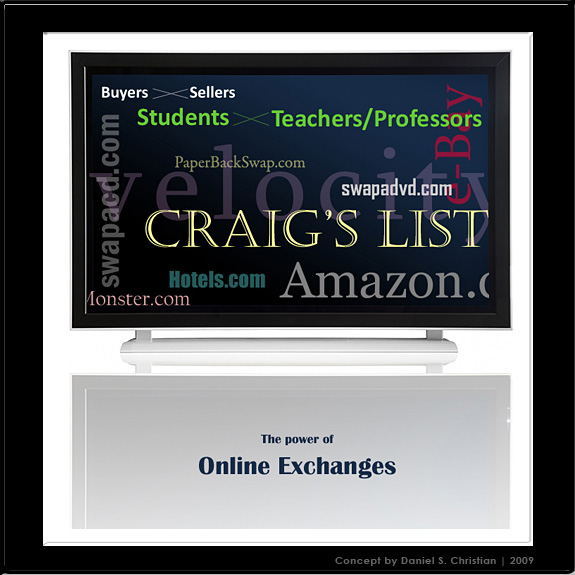
Then add to that online marketplaces for teaching and learning — where you can be both a teacher and a learner at the same time — hmmm…

.

.

From DSC:
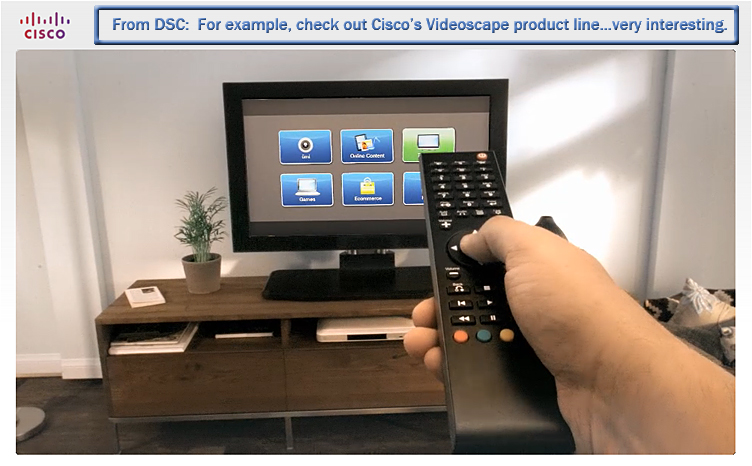
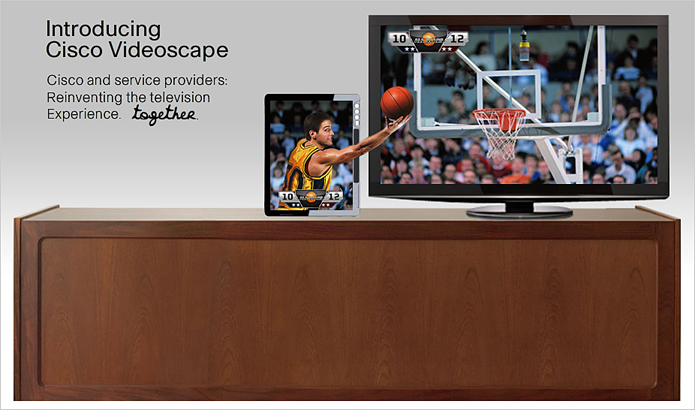
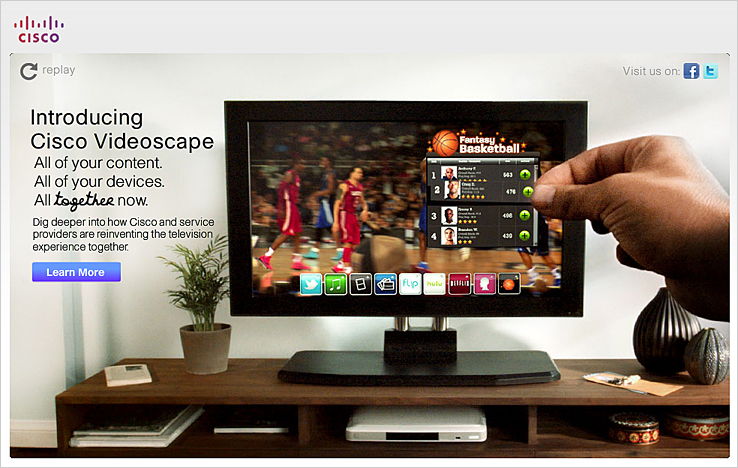
Then today, I saw Cisco’s piece on their Videoscape product line! Check it out!

.

.


.

.

.

.

© 2025 | Daniel Christian