


Smartphones as Cognitive Prosthetics — from insidedigitalmedia.com by Phil Leigh
From DSC:
Watch the Digimarc Discover video below — then think about how this might apply to anytime, anywhere learning!!! Wow!
 .

Smartphones as Cognitive Prosthetics — from insidedigitalmedia.com by Phil Leigh
From DSC:
Watch the Digimarc Discover video below — then think about how this might apply to anytime, anywhere learning!!! Wow!
.
Five high-tech business trends — from Reuters
1. 4G Connectivity
2. Tablet Takeover
3. Apps Everywhere
4. Online Communications
5. Cloud Computing
Ambient Insight Reports Resilient US eLearning Market
U.S. self-paced e-Learning revenues reached $18.2 Million in 2010 — from Ambient Insight Reports by Tyson Greer, Chief Executive Officer
Seattle, WA – January 20, 2010 – The US market for self-paced e-Learning will grow to $24.2 billion by 2015 according to a new report by Ambient Insight called, “The US Market for Self-paced eLearning Products and Services: 2010-2015 Forecast and Analysis.”
This report forecasts five-year online learning expenditures by eight buyer segments: consumer, corporate, federal government, state and local government, PreK-12 academic, higher education, non-profits and associations, and healthcare.
The five-year compound annual growth rate (CAGR) growth rate for Self-paced eLearning across all eight of the buyer segments is 5.9%, but growth is much higher in particular segments. For example, growth rates in the PreK-12, healthcare, and association segments are 16.8%, 16.3%, and 14.3%, respectively.
For mobile learning:
The US Market for Mobile Learning Products and Services: 2009-2014 Forecast and Analysis
The US market for Mobile Learning products and services reached $632.2 million in 2009. The demand is growing by a five-year compound annual growth rate (CAGR) of 18.3% and revenues will reach $1.4 billion by 2014.
From DSC:
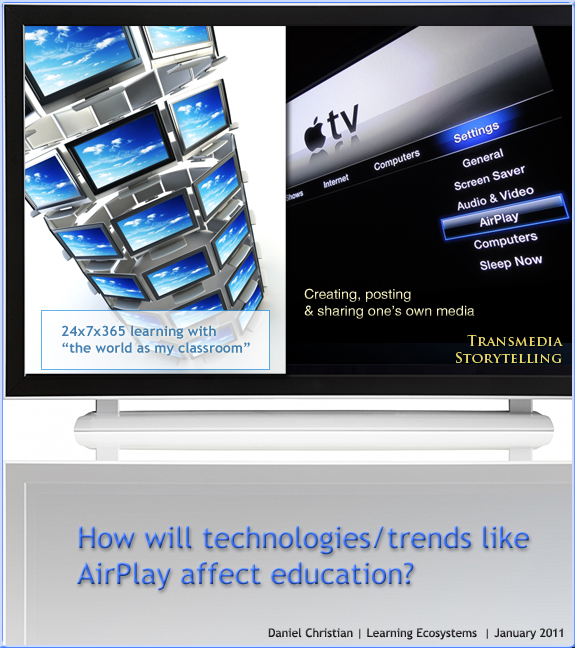
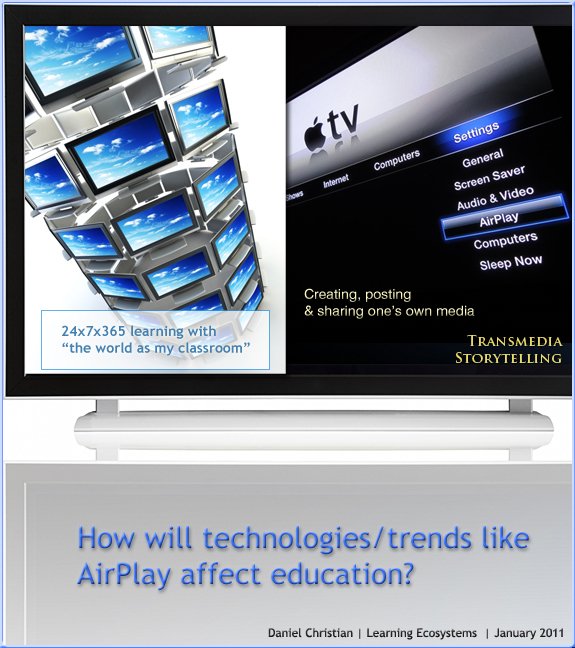
The other day, I created/posted the top graphic below. Take the concepts below — hook them up to engines that use cloud-based learner profiles — and you have some serious potential for powerful, global, ubiquitous learning! A touch-sensitive panel might be interesting here as well.
Come to think of it, add social networking, videoconferencing, and web-based collaboration tools — the power to learn would be quite impressive. Multimedia to the nth degree.
Then add to that online marketplaces for teaching and learning — where you can be both a teacher and a learner at the same time — hmmm…
.
.
From DSC:
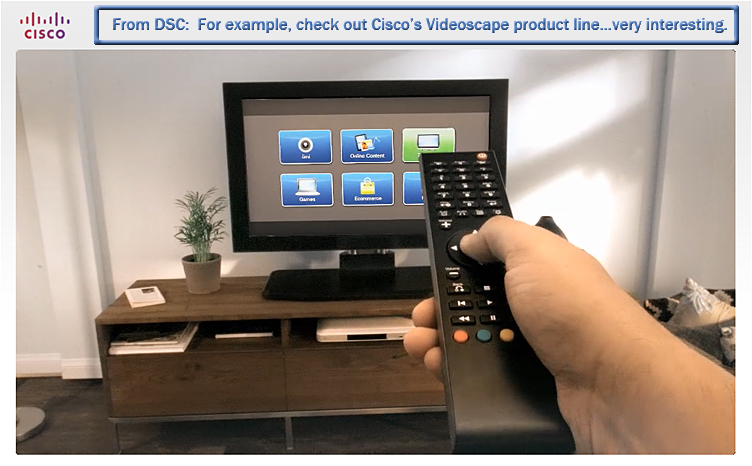
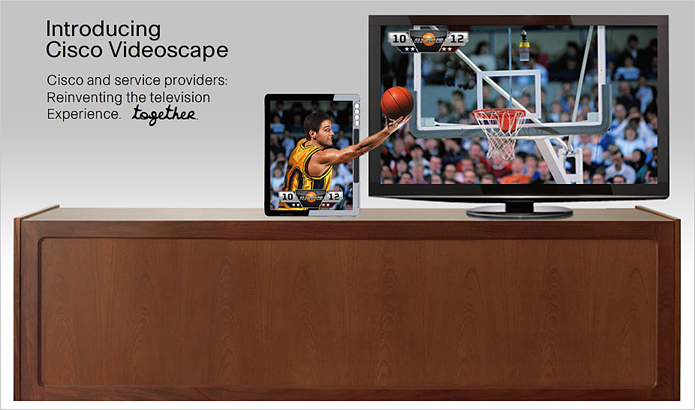
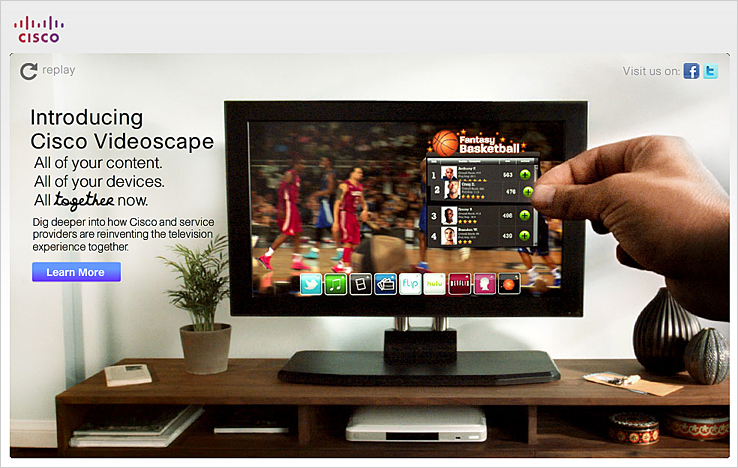
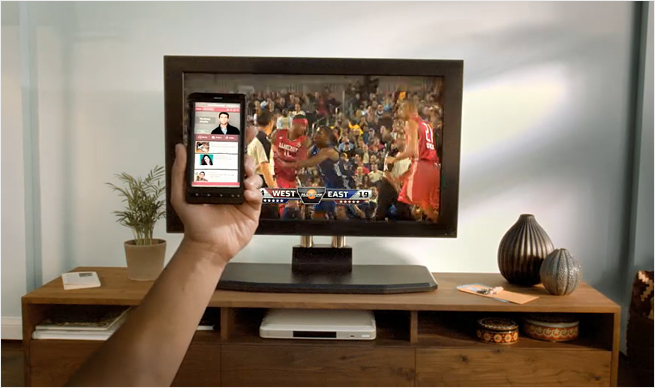
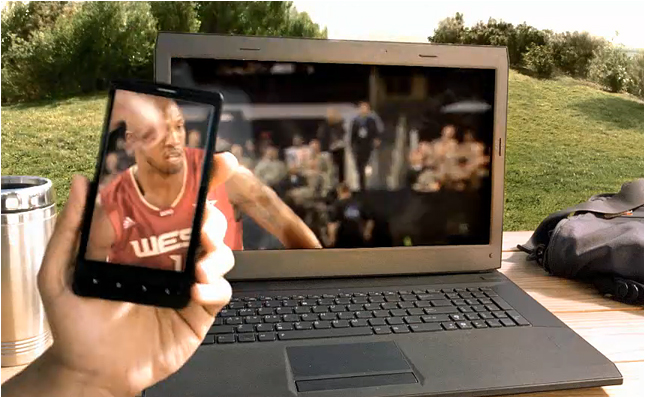
Then today, I saw Cisco’s piece on their Videoscape product line! Check it out!
.
 .
.
.
.
.

To “appify” old media, we need a new approach — from gigaom.com
The publishing industry is keeping its formerly inky fingers crossed that mobile devices, including the seemingly ubiquitous iPad, will save its behind. With the mobile market still in its infancy, it’s a tad early to be calling definitive trends, but there is one interesting tendency underway that may endure long-term — and that is the “appification” of media content.
This “appification” is being driven by one question — what is it that the audience wants? And the answer resoundingly is this: don’t just replicate the brand, give us something different.
High Speed Ahead–– from CampusTechnology.com
Excerpt re: expanding WiFi coverage :
“WiFi is local; that’s the trouble with it,” said McCartney. “With the 4G network, users will have wireless coverage both indoors and while outside walking around between the buildings. That’s a whole lot of coverage that we didn’t have before.”
Besides the clear advantages of faster, more reliable Internet access, the 4G service helps Purdue’s faculty and staff deliver and use bandwidth-intensive applications and solutions to students in a more seamless fashion. Known for developing proprietary mobile technologies to enhance traditional college classroom experiences, the school’s latest developments include the Facebook academic application Mixable and a student discussion tool, HotSeat, which allows students to interact with their classmates and faculty using Twitter and text messages.
Another new application that was implemented in 2010 finds students making instructional use of video in the institution’s forensics classes, among others. The program and the material produced with it are bandwidth-intensive and difficult to manipulate on a traditional WiFi network. The new 4G access will help fill that gap. “To use this application solution, you have to be able to take video, deliver it and [watch] it,” said McCartney. “You can’t do that on 3G.”
With Purdue’s 4G tower activated since early-December, staff and students are already developing new applications that will have a “measurable and material impact on learning,” said McCartney, who added he expects more colleges to jump on the 4G bandwagon as the successful implementations are documented. “As a leading university, we have to keep up with the plumbing around here, and make sure that all of our services work as expected, and as advertised.”
.
Addendum on 1-20-11:
The future of the TV is online — from telegraph.co.uk
Your television’s going to get connected, says Matt Warman
.
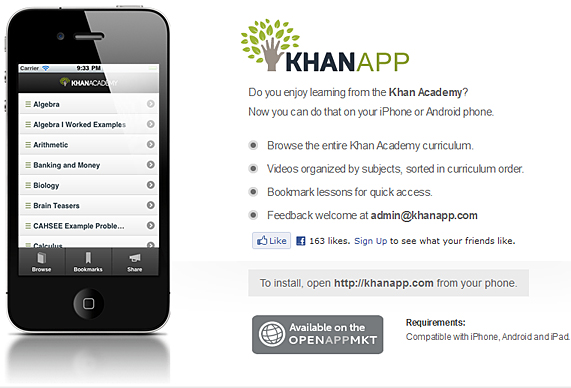
— originally from Richard Byrne’s Free Technology for Teachers blog
— from DSC: I couldn’t get the actual video files to load on my iPhone, perhaps I missed a step
Check out Paul Simbeck-Hampson’s posting:
The Future of Mobile Tagging
.
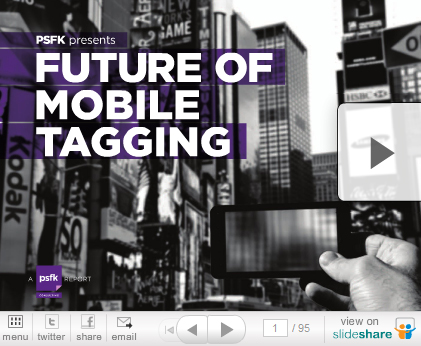
From DSC:
How might this impact education? Hmmm…
‘First iPhone app that lets you transfer money’ — from The Telegraph by Kara Gammell
First Direct has become the first UK bank to launch a true transactional banking app for Apple’s iPhone and iPod Touch.
.
From DSC:
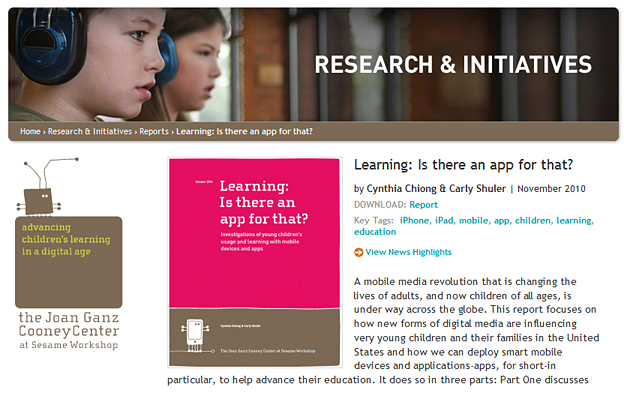
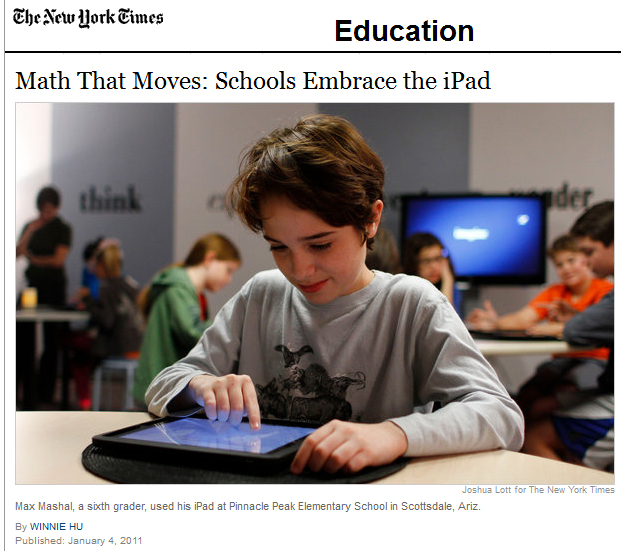
I post this here — with higher ed included in the tags/categories — because if the trend within K-12 continues (i.e. that of using such technologies as the iPad, digital textbooks, mobile learning devices, etc.), students’ expectations WILL be impacted. When they hit our doorsteps, they will come with their heightened sets of expectations. The question is, will we in higher ed be ready for them?
Some articles on this announcement:
