


.
.
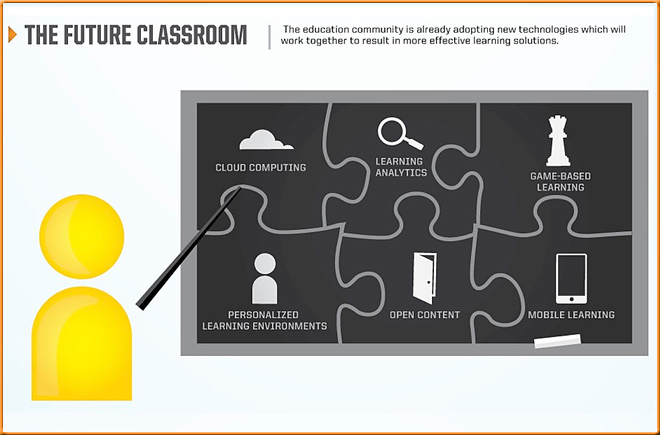
Gamedesk’s “Classroom of the Future.” Why is it so hard to reinvent K-12 education? — from pandodaily.com by David Holmes
Excerpts:

.

Notes from DSC:
.
.
From DSC:
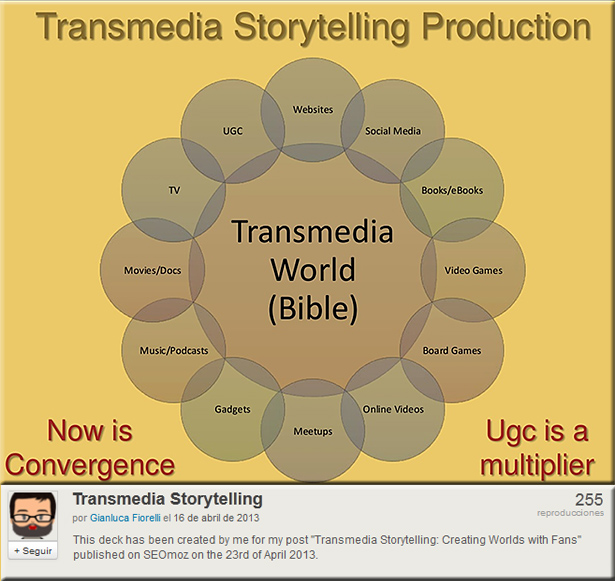
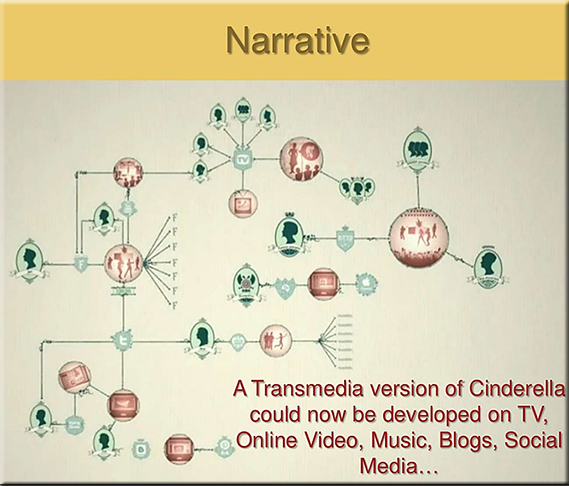
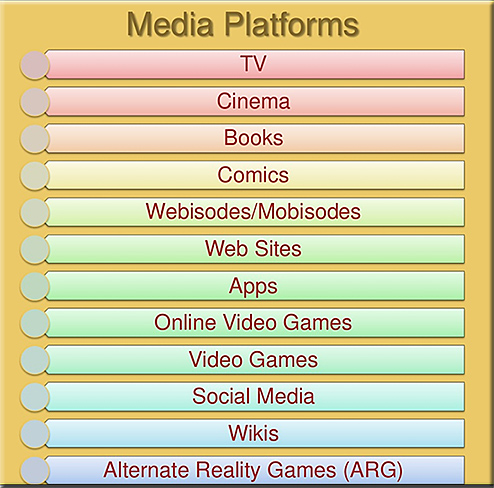
The word Bible is here not quite I think of as the Bible…but you’ll get the point if you review Gianluca’s presentation.
.
.
.
Questions from DSC:
Employers identify top 5 job skills
From DSC:
Though K-12 and higher ed do more than
develop skills — and I could add several key
traits/characteristics that we work on
developing (such as integrity, honesty, work
ethic, etc.) — I wanted to reflect on a question:
On a regular basis, are we doing
the things to help foster these traits?

From DSC:
At a range between 79%-82%, note how high up the scale the desire is for people who have the ability and willingness to learn new skills! In other words, employers want lifelong learners.
However, if people come out of their K-12 and/or higher ed experiences and don’t really enjoy learning in the first place, that’s going to be hard to deliver on. I continue to suggest that we need to cultivate more of a love of learning in students — giving them more choice, more control to identify and pursue their passions….things they WANT to work on. If learning is fun, the other things will take care of themselves.
Games grow up: Colleges recognize the power of gamification — from edtechmagazine.com by Jacquelyn Bengfort
Universities enliven education through the power of play.
.

Jane McGonigal on Gamification – IBM Connect 2013 Day 3 – Jan 30, 2013– with thanks to the curation done on this by siobhan-o-flynn
Description:
World renowned game designer, Jane McGonigal, dropped some amazing facts about gamification that will change your perspective. IBM Connect 2013 Session on Gamification
A solid list of apps from 21innovate.com — a blog by Brad Wilson, Educational Technology Consultant with the Jackson County ISD (Detroit, MI)
As Brad mentions on his website (emphasis DSC):
Innovate with an iDevice
I’ve evaluated thousands of educational apps so that you don’t have to! Landing in 17 categories, here are more than 150 of the best FREE apps, along with 100+ that will be worth a small investment for many classrooms.
Also see:
APPitic is a directory of apps for education by Apple Distinguished Educators (ADEs) to help you transform teaching and learning.
Also see:
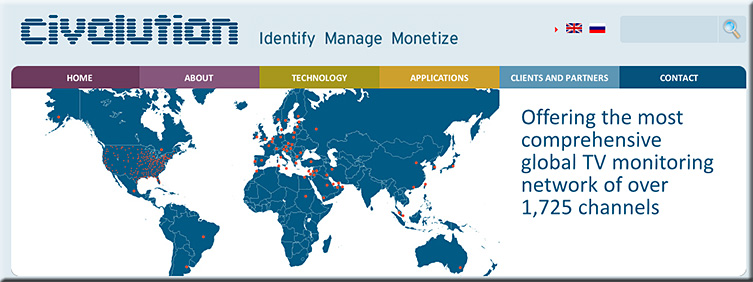
PayWizard launches first dedicated payment and subscriber management solution for TV and media industry — from PayWizard
Excerpt:
London, 21 February 2013 – PayWizard, specialists in payment and subscription management, has launched the TV and media industry’s first dedicated, end to end payment and subscription solution. The integrated solution brings together a strong heritage in the Pay-TV market with a deep understanding of the challenges TV operators and media companies face in monetising the multiplatform world.
Using its award-winning modular Payment and Subscription platform, PayWizard combines payment processing, intelligent subscriber management technology and real-time customer service operations to tailor-make solutions that enhance the consumer experience across all screens.
With 16.8 billion video-enabled devices set to be in the global marketplace by 2015, content owners are facing the challenge of enhancing existing services while creating compelling experiences that embrace new routes to market. PayWizard’s comprehensive set of products and services has enabled clients, such as the UK’s biggest commercial broadcaster, ITV, to address these commercial challenges by enabling new monetisation strategies to drive revenue and profitability.
Also see:
.

.

.
.
Also see:
From DSC:
See the categories listed above for the items/topics/disciplines/trends that are relevant here.
Addendum:
Check this out!
Massive Open Online Course offered by UMass Boston to feature the first adaptive MOOC technology
Enables students to be taught according to individual learning strategies
Excerpt from email:
(Boston, MA) – February 27, 2013 – If you’ve ever been in a course and struggled because you just aren’t “getting it,” the reason might be less your ability than the way in which the material is being presented.
New technology is now allowing online course environments to analyze how individual students learn, customizing instruction to individualized learning strategies. The College of Advancing and Professional Studies (CAPS) at the University of Massachusetts Boston has teamed up with USDLA 21st Century Sponsor, Synaptic Global Learning (SGL), to use the new learning management system, Adaptive Mobile Online Learning (AMOL), to deliver the first adaptive Massive Online Open Course (a-MOOC) ever offered. The course launches March 25.
From DSC:
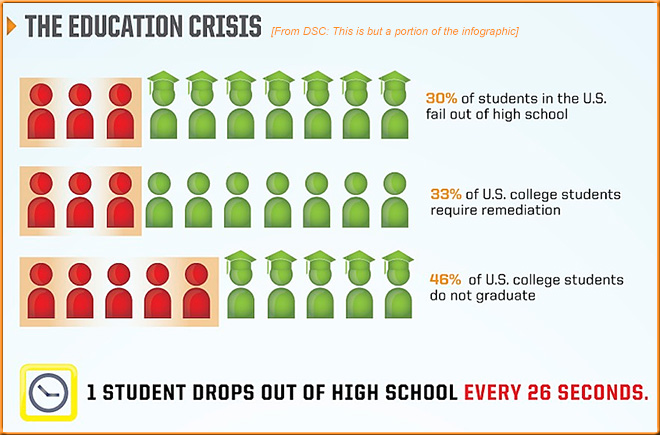
A solid infographic is out at Knewton.com — of which I want to highlight 2 portions of it (below).
This first excerpt is not to dog teachers but rather it’s meant to support them and to say that we need to change a losing game (at least a part of the solution in ed reform is to get out of the business of focusing so much on standardized tests and another part of the solution resides in the second graphic below):
.
Also relevant see:
.
.
![The Living [Class] Room -- by Daniel Christian -- July 2012 -- a second device used in conjunction with a Smart/Connected TV](http://danielschristian.com/learning-ecosystems/wp-content/uploads/2012/07/The-Living-Class-Room-Daniel-S-Christian-July-2012.jpg "The-Living-Class-Room-Daniel-S-Christian---July-2012")
.
From DSC:
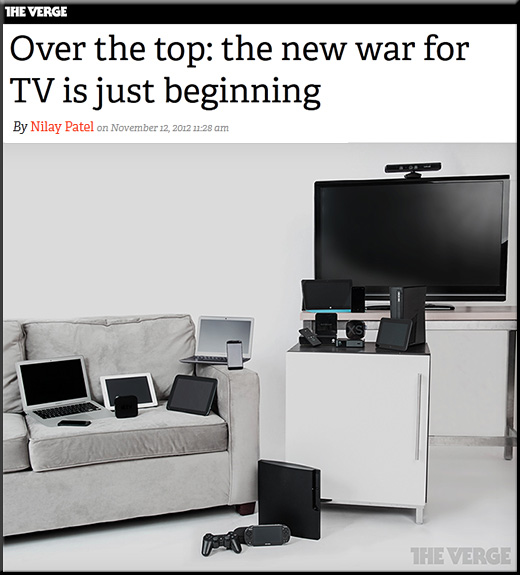
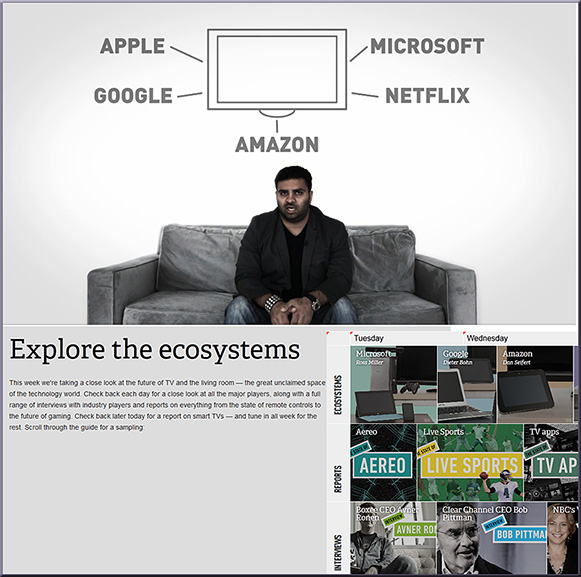
I’m beginning to wonder if many of us will be moving off of Moodle, Sakai, Bb Learn, Desire2Learn, etc. to platforms and ecosystems that are being created by Apple, Google, Amazon, and Microsoft. Rockstar professors on “primetime” — or anytime. If that happens, you can be sure there will be teams of specialists creating and delivering the content and learning experiences.
From DSC:
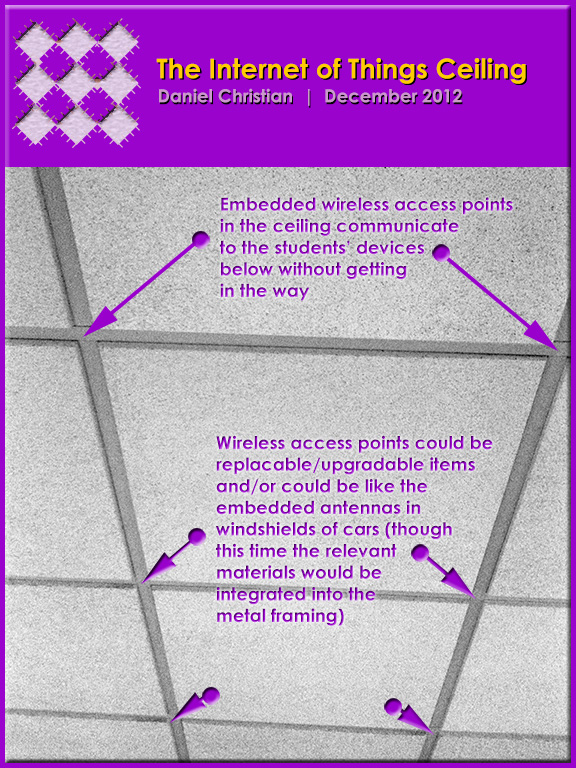
I’ve been trying to figure out the best ways to incorporate a BYOD/BYOT into the Smart Classroom. That is, how can students’ devices seamlessly communicate with the main displays around the classroom? How can they quickly display a blog posting or a Google doc for example…or play a song they wrote, etc. So I was excited to wake up this morning with the following concept/idea:
.

.
.
Other features/thoughts:

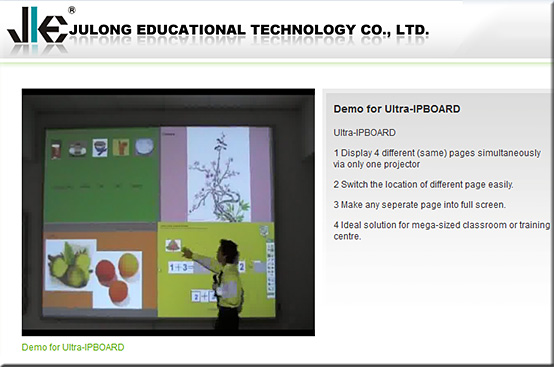
So…what if the 4 screen’s on Julong’s Ultra-IPBOARD were coming from 4 different sources? Perhaps:
Also see:
.
An animated highlight of John Seely Brown’s Keynote Presentation, “Cultivating the Entrepreneurial Learner in the 21st Century,” at the 2012 Digital Media and Learning Conference. Published on Sep 18, 2012 by DMLResearchHub.. With thanks going out to Mr. Joseph Byerwalter for this find/resource.

.

Also see:
.
From DSC: I like how Jackie titles her blog:
User Generated Education
Education as it should be – passion-based.