The Pivot to Digital Learning: 40 Predictions — from Tom Vander Ark, Partner, Revolution Learning — via EdNet Insights
From DSC:
That posting includes predictions for changes that we’ll see in the next 1, 5 and 10 years…with some excerpts below:
3. Lingering budget woes will cause several districts and charter networks, particularly in California, to flip to a blended model, with a shift to online or computer-based instruction for a portion of the day to boost learning and operating productivity.
9. The instant feedback from content-embedded assessment, especially learning games, simulations, virtual environments, and MMOs (massively multiplayer online games), will be widely used in formal and informal learning and will build persistence and time on task.
10. Adaptive content will result in more time on task (in some cases, two times the productive learning time over the course of a year), and better targeted learning experiences will boost achievement, particularly among low-income and minority students.
11. Comprehensive learner profiles will gather keystroke data from learning platforms, content-embedded applications, as well as after-school, summer school, tutoring, and test prep providers. Students and families will manage privacy using Facebook-like profiles.
12. Most learning platforms will feature a smart recommendation engine, like iTunes Genius, that will build recommended learning playlists for students.
18. All U.S. students will have access to online courses for Advanced Placement, high-level STEM courses, and any foreign language (this should happen next year, but it will take us five years to get out of our own way).
23. Second-generation online learning will replace courseware with adaptive components in a digital content library (objects, lessons, units, and sequences).
27. Most high school students will do most of their learning online and will attend a blended school.
28. More than one-third of all learning professionals will be in roles that do not exist today; more than 10% will be in organizations that do not exist today.
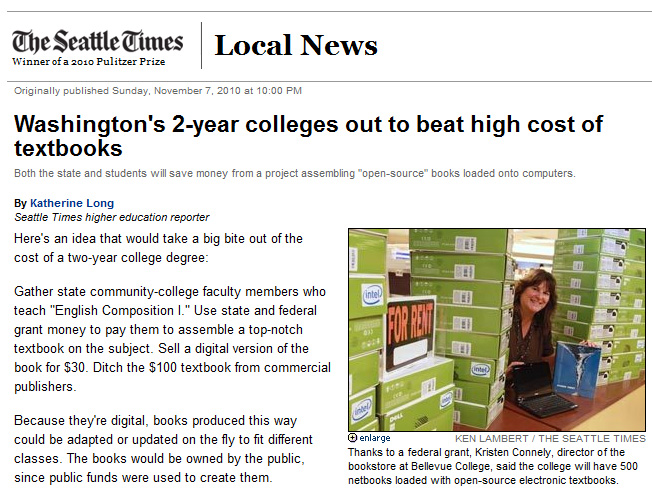
29. The higher ed funding bubble will burst, and free and low-cost higher education alternatives will displace a significant portion of third tier higher education (emphasis DSC).
37. There will be several DIY High options—online high schools with an engaging and intuitive merit badge sequence that will allow students to take ownership of and direct their own learning. They will still benefit from adult assessment, guidance, and mentorship but in a more student-directed fashion.