Frog Disection app from Punflay

Per Nicola Santiago at Punflay:

  • We develop educational iPhone/iPad apps for kids. Our Frog Dissection app which is being used in many schools was awarded the Mark Twain’s Ethical Science award by PETA and was also selected as the Best Science app by IEAR. We also have a Rat Dissection app in the store.

Side reflection from DSC:

This type of work shows the power of using teams of specialists. One person can’t do it all anymore — we need to face up to this fact and stop thinking that simply providing more professional development is the answer. I realize that using textbooks brings in teams of specialists — but it seems to me that we still think that simply by providing more professional development, our teachers and professors will be able to meet the constantly (and quickly) rising bar. That type of approach has outlived its usefulness and it just won’t cut it anymore; we do our students a major disservice by clinging to that outdated, status-quo-based model.

How can we move to using more teams of specialists to create and deliver our educational materials?

Nice work to the teams at Punflay in India!



Publishers launch first digital-only textbook for K-12 — from Mashable.com by Sarah Kessler

Excerpt:

McGraw-Hill launched its first all-digital, cloud-based textbook for the K-12 market on Monday at the International Society for Technology in Education (ISTE) conference.

Unlike the company’s previous digital efforts for this age group, the books are intended to be used as primary texts (other McGraw-Hill digital texts have been sold as a companion of physical textbooks). This is the first time a major publisher has launched such a platform.

Report from EduBloggerCon at ISTE11: Trends and Tools — from Edutopia.org by Betty Ray

Excerpt:

There are a few interesting ideas that are emerging this year.

  1. “Flipped” Classrooms
  2. Digital Learning Toolsets (Formerly Known as “Textbooks”)
  3. Videogames in the Classroom: World of Warcraft
  4. Management of Digital Life
  5. Some Cool New Tools of Note

…and more

PressForward: A new project aims to rethink scholarly communication for the age of new media journalism — from niemanlab.org by Tim Carmody

Excerpt:

How journalists communicate has been radically changed by the Internet. Is it time for the academic world to catch up?

Today, the Roy Rosenzweig Center for History and New Media at George Mason University launches PressForward, a new discovery portal and publishing platform for scholarship and intellectual discussion on the web.

The big idea of PressForward is to create a digital-first alternative to the cumbersome mechanisms of traditional gatekeepers — academic journals — while keeping main benefits of print publication and peer review: their ability to concentrate a community’s attention around the best emergent writing and research. The project is bankrolled through a grant from the Alfred P. Sloan Foundation’s Digital Information Technology program.

Addendum on 6/28/11:

Expand TV

Excerpts (emphasis DSC):

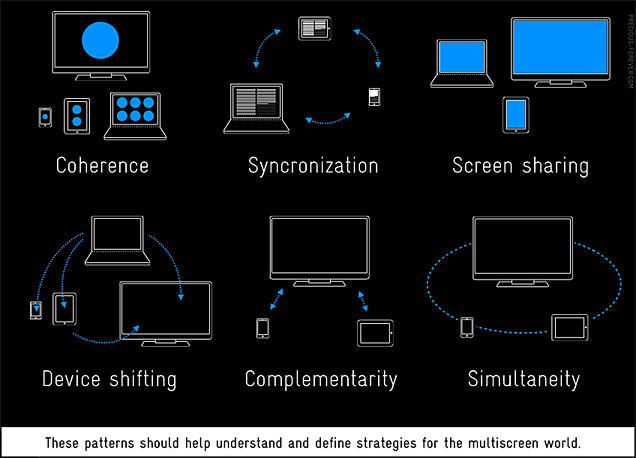
What is interactive TV?
Interactive TV is technology that allows viewers to interact directly with content and brands through use of their TV remote control to request product samples, discounts and information, express opinions, engage in polling and trivia, and more. In a study, 82% of viewers said they would like to be exposed to additional interactive television advertising. (The Efficacy of Advanced Advertising and In-Program Interactivity, Canoe Ventures, 2010)

Also see Canoe Ventures (New York, NY):

The Next Great Digital Medium
Canoe VenturesTM is changing television. We’re creating innovative products and services for networks to enhance programming and empower viewers to interact with their TVs.

We are accelerating TV’s evolution by combining the impact and reach of traditional TV with new technologies and marketing solutions that will better connect consumers with brands.

Founded in 2008 by the country’s leading cable operators, Canoe is making TV the next great digital medium.


Addendum from later on 6/27/11:

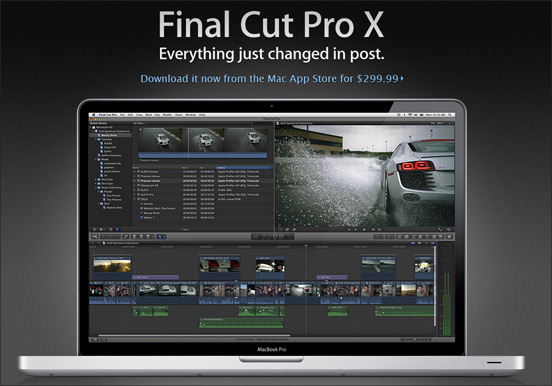
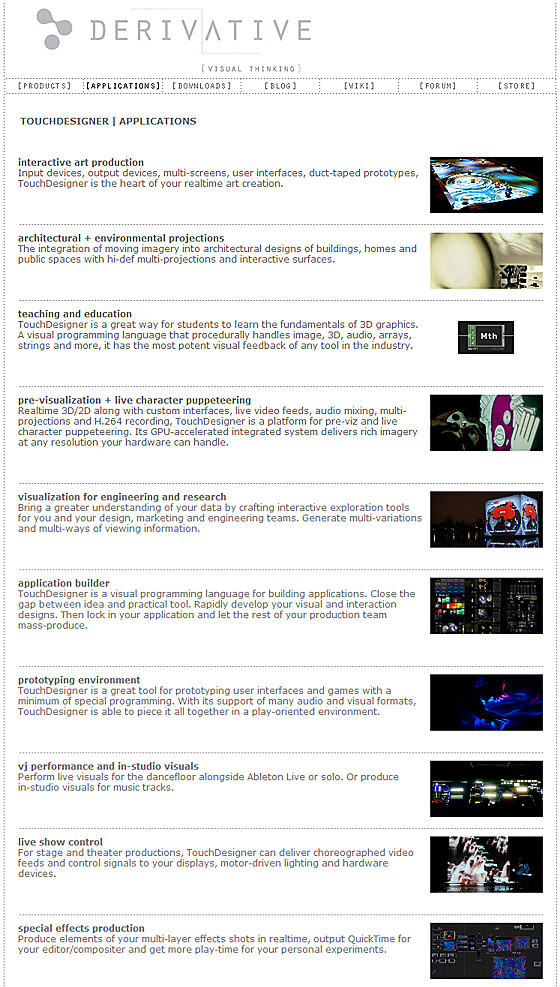
Final Cut Pro X released today -- 6-21-11 -- download it from the App Store for $299


Some of the other items/articles on this include:


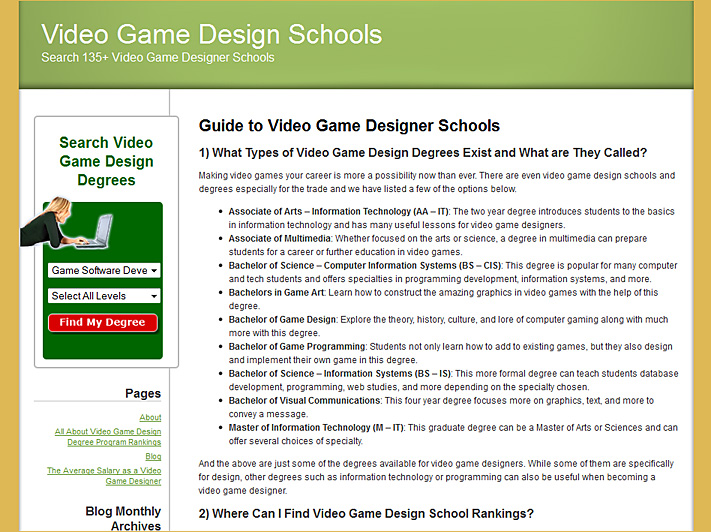
videogamedesignschools.net

From DSC:
My thanks to Sara McDowell for this resource, which she developed.


Addendums on 6/16/11 — also see:

Action! The Digital Learning Farm — from the Langwitches blog by Silvia Rosenthal Tolisano


Tagged with: • •  

An infant with great potential — from Critical Reflections by Saul Carliner

Excerpt:

Yesterday’s post explored that, despite the hype, e-books are still in their infancy.

But everyone has high hopes for them.  Some of those hopes are admittedly hype.  But some are based on actual data and experience. Here are three cases:

  • A partner approach to online and print
  • Signs of life in the nonfiction market for e-books
  • New online course packs

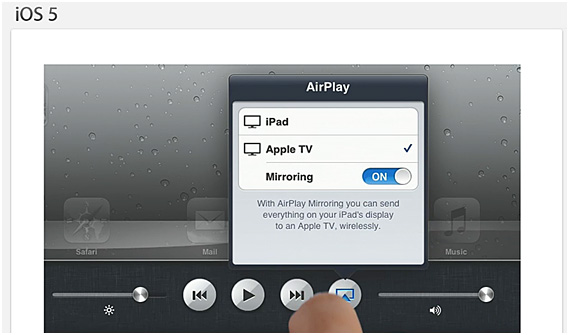
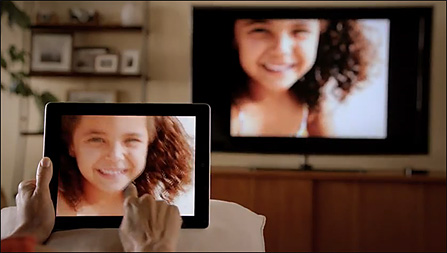
Apple’s new video regarding their iOS 5 operating system


Apple's video regarding their new iOS5


Apple's video regarding their new iOS5


From DSC:
I have it that these technologies will be used for educationally-related purposes/materials as well; including digital storytelling, transmedia storytelling, transmedia-based interactive/participative educational materials and more.


Digital storytelling tools (K-12) — from Tech & Learning by Özge Karaoglu

  • Audio tools
  • Picture tools
  • Animations tools
  • …and more

College? There’s an app for that: How USC built a 21st century classroom — from theatlantic.com by Derek Thompson | May 27 2011
“Everything about this program pushes definitions about what is a semester, what is the university, what is a classroom, and where do the faculty belong?”

Excerpt:

usc5.png


In the spring of 2008, John Katzman, the founder of the Princeton Review, approached the Masters of Arts in Teaching (MAT) program at at the University of Southern California with a revolutionary idea. USC could increase its graduates by a factor of ten without building another room.

Every year, California adds 10,000 new teachers. And every year until 2008, USC graduated about 100. The school felt “invisible.” How could it build influence without new buildings? Katzman said his new project, 2tor, Inc, an education technology company, promised a solution. Forget the brick and mortar, and go online, he said. USC was skeptical. Surely, no Web program could possibly deliver an in-classroom quality of instruction.

Katzman disagreed. I have something to show you, he said.

© 2025 | Daniel Christian