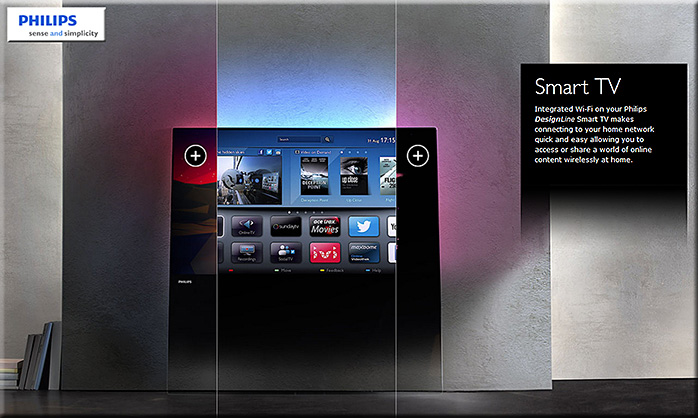
UK University deploys open source video platform for teaching and learning — from campustechnology.com by Leila Meyer
.
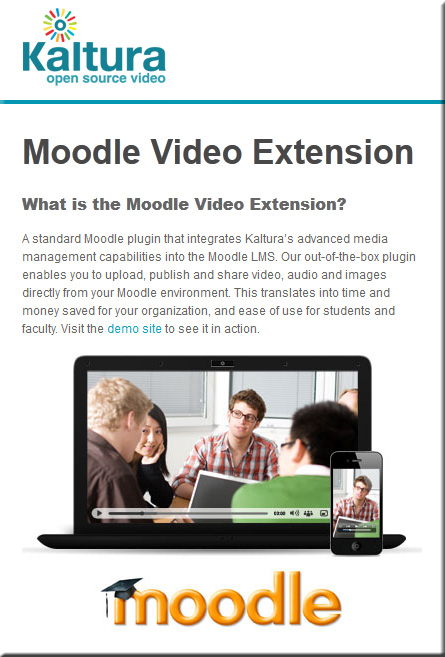
UK University deploys open source video platform for teaching and learning — from campustechnology.com by Leila Meyer
.
Netflix CEO: ‘TV in the future will be like a giant iPad’ — from business.financialpost.com by Armina Ligaya
Excerpt (emphasis DSC):
Q: What do you think is going to happen over the next five or 10 years in internet video?
A: Well, you know, the fundamental thing is the internet has been getting faster. And now it’s video capable, which is really a last-five-years phenomenon. And, internet video will be very transformative across all societies for telemedicine, for online learning, for education. For communication of various sorts. And it brings, whether it’s person to person, or a recorded video like a movie or a TV show, to a person it will be very transformative.
And, TV in the future will be like a giant iPad. It will have a bunch of apps on it, each app will have a unique experience.
…
So we’re getting beyond just a stream of video, which is all broadcast technology can do, to really try to be innovative about the interaction.
.
.
.
.
From the Oblong.com website:
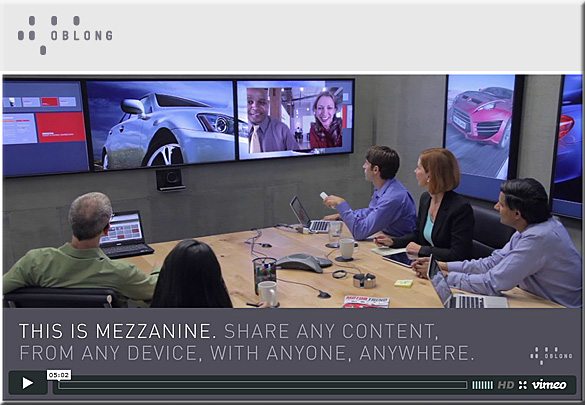
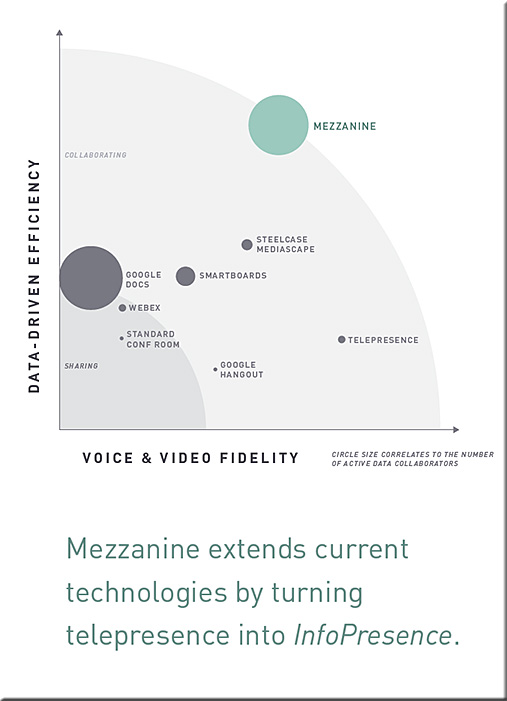
Mezzanine™ is a collaborative conference room solution that introduces multi-user, multi-screen, multi-device collaboration. This is next-generation communication: share any content from any device with anyone, anywhere.
Mezzanine transforms creative teamwork, executive meetings, and sales presentations into real-time, collaborative work sessions. Mezzanine expands on existing telepresence technology by providing what we call InfoPresence™—the incorporation of multiple users, multiple devices, and multiple streams of information in the collaboration environment. The future of conference room collaboration is here.
A Mezzanine workspace lets any person on a network bring their own device and share content and applications with any colleague, anywhere in the world, interactively. Mezzanine is a collaborative conference room solution combining presentation design and delivery, application sharing, whiteboard capture, and video conferencing, all within a framework of multi-participant control.
.
Also see:
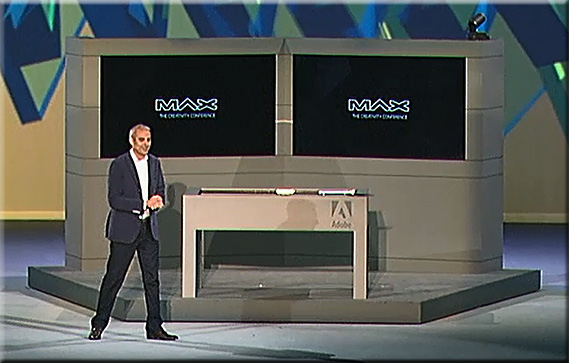
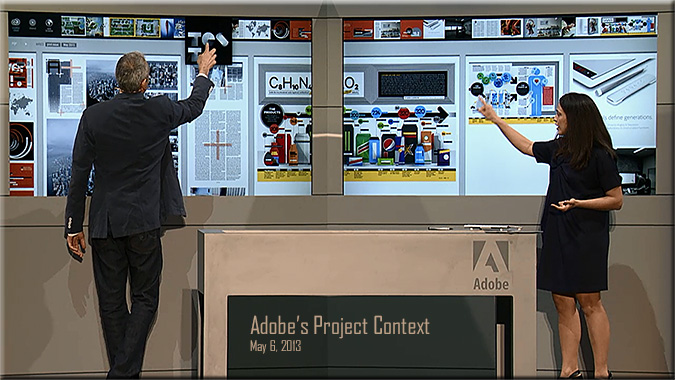
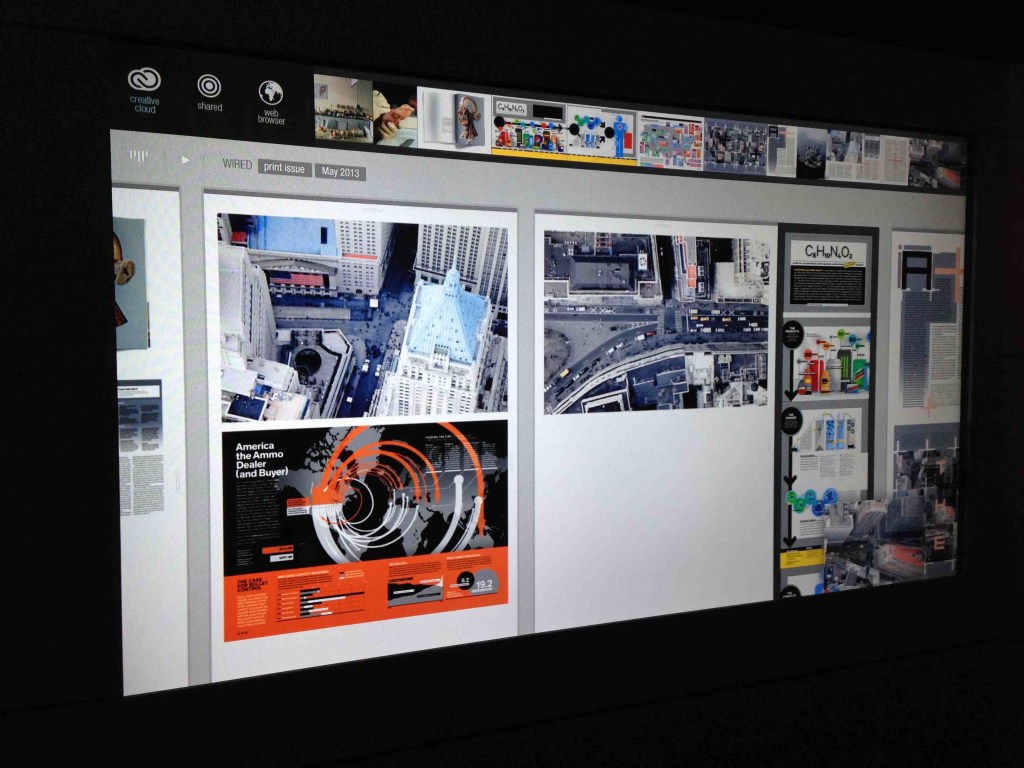
From DSC: re: Adobe’s Project Context:
This is the type of hardware/software combination that I’ve been hoping for and envisioning! Excellent!
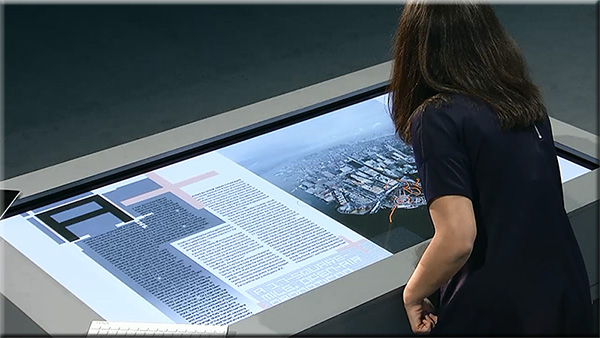
It appears to be the type of setup whereby students could quickly and easily collaborate with one another — in a face-to-face setting (and ideally in remote locations as well) — by not just displaying files but also being able to share files with one another. Files can be sent up to the interactive, multi-touch displays as well as to an interactive table. So it’s not just displaying files, but actually sharing files and being able to collaboratively work on a project.
Eventually, I see this being able to be done in your living room. What if MOOCs could integrate this type of web-based collaboration into their projects?
But for now, this is a HUGE step forward in this vision. Great work Adobe! This is innovative! Very helpful!
Example screenshots:
.
.
.
..
Also see:
.
Lake Forest school unveils high-tech classroom — from by Danielle Gensburg
Excerpt (emphasis DSC):
The new space, previously home to administrative offices, is colored with blues, greens, oranges and yellows and contains movable furniture, a green room for recording and filming movie projects, three large monitors, iPads, computers, digital recording equipment and library bookshelves.
“They wanted it to be set up where it would be more of a learning lab for life-long learners to engage and have student-directed learning,” Zeeman said.
.
Deerpath Middle School unveiled “The Cube,” a new technology classroom, in April.
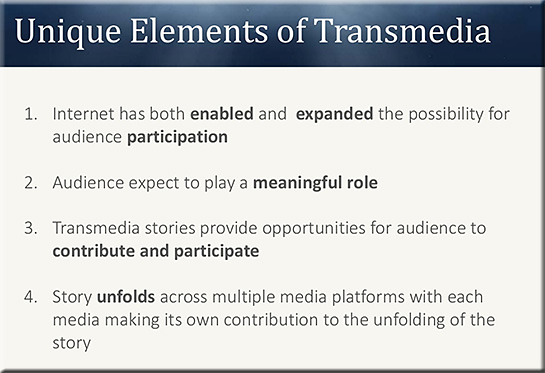
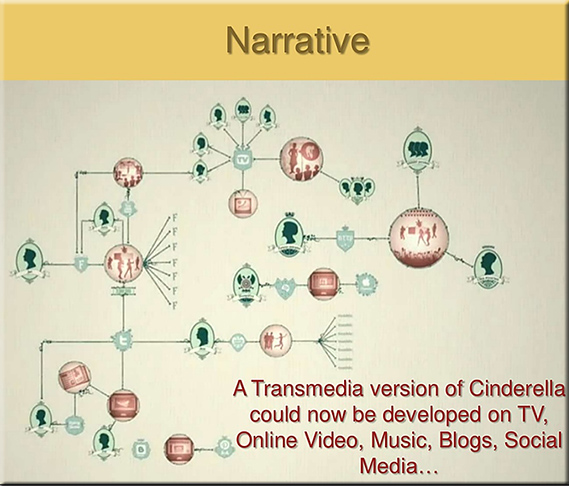
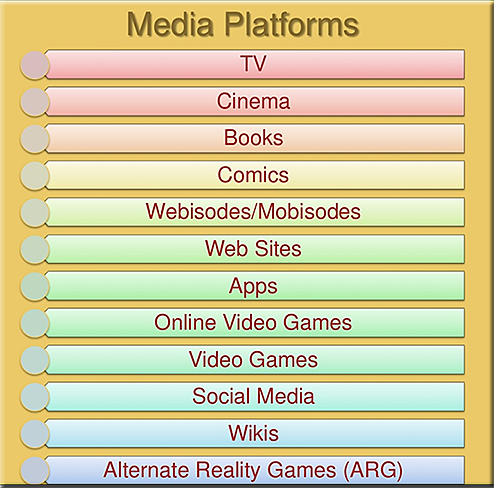
Beyond the Page: Transmedia Storytelling — from macict.edu.au by Cathie Howe
Below are some excerpted slides from:
Rethinking literacy through transmedia storytelling final from Cathie Howe and Katy Lumkin
.
.
.
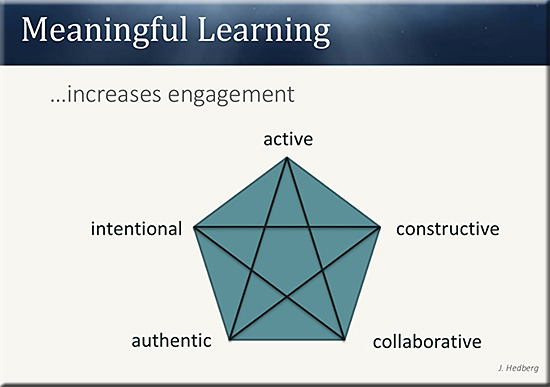
.
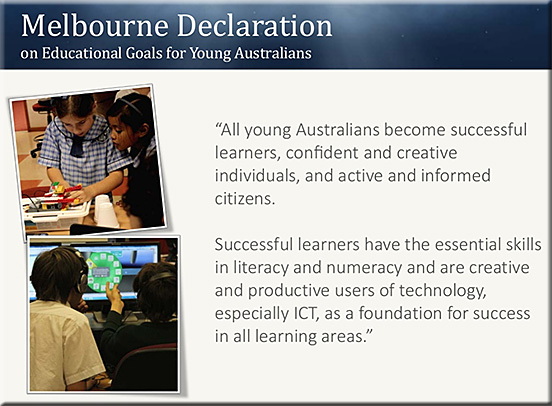
From DSC:
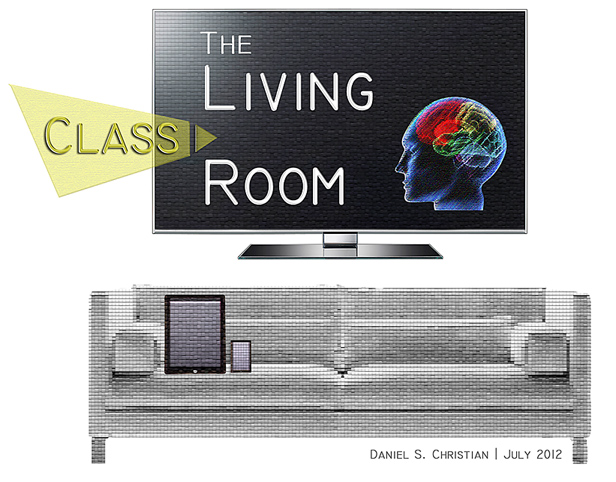
Transmedia storytelling ties in very nicely with my thoughts re: Learning from the Living [Class] Room!
.
Notes from DSC:
.
.
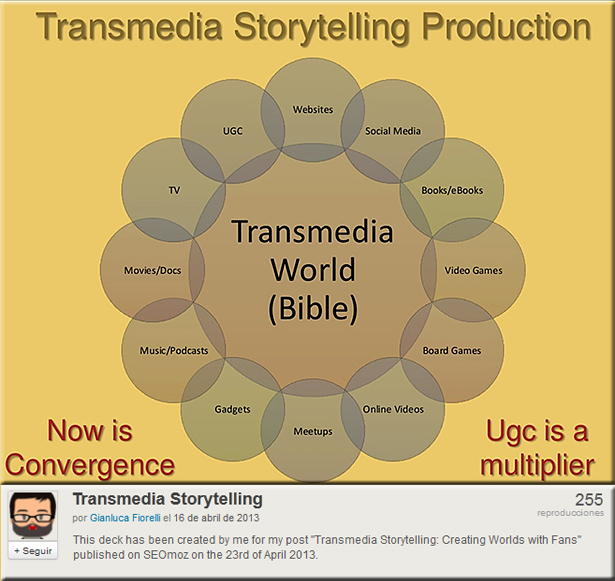
From DSC:
The word Bible is here not quite I think of as the Bible…but you’ll get the point if you review Gianluca’s presentation.
.
.
.
Questions from DSC:
BII REPORT: Here’s why the “second screen” industry is set to explode — BusinessInsider.com
Excerpt:
Here’s why the second screen industry will ultimately succeed:
From DSC:
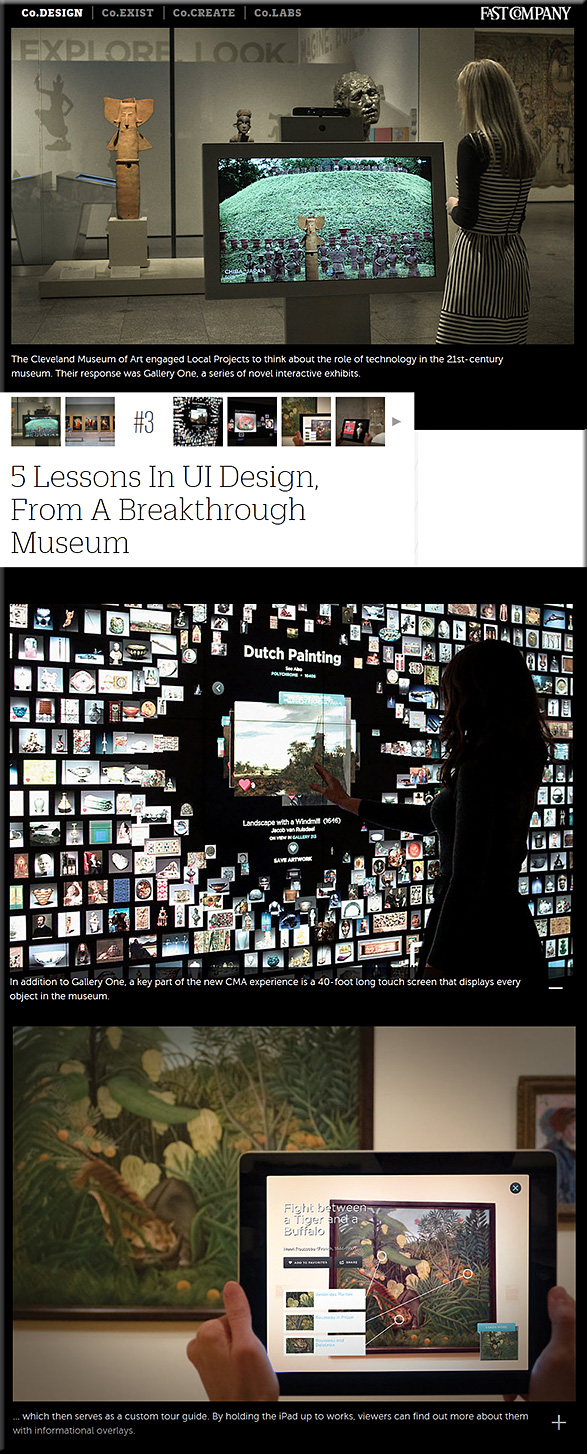
As this article alludes to, I wouldn’t rule the living room out in terms of where interactive, multimedia-based, educationally-related, second screen-based applications will turn up (apps backed up by data mining, AI, and opportunities for social learning). This area is poised for some serious growth.
Also, the PDF file of this article is here.
.
From DSC:
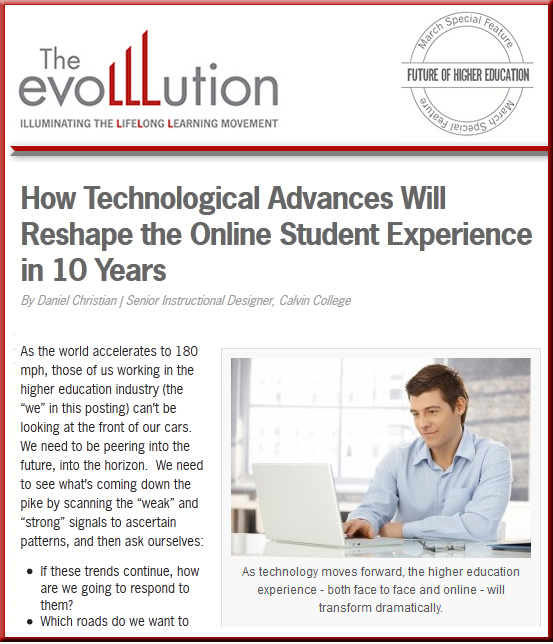
Though the title of this article I wrote says 10 years, it may be more or less (and given the pace of change, I would lean towards sooner rather than later).
If you haven’t read Christensen’s/Horn’s/Johnson’s work re: disruption — such as Disrupting Class and/or The Innovator’s Dilemma — it would be worth your time to do so. They are right on the mark. What they have been asserting is happening within higher education. The article briefly addresses face-to-face learning and hybrid learning as well. Readers of this blog will know that I have been pressing for higher ed to reinvent itself in order to stay relevant. There is danger in the status quo, especially when the conversation continues to move away from traditional higher education.
See other perspectives out at evoLLLution.com as well.
A solid list of apps from 21innovate.com — a blog by Brad Wilson, Educational Technology Consultant with the Jackson County ISD (Detroit, MI)
As Brad mentions on his website (emphasis DSC):
Innovate with an iDevice
I’ve evaluated thousands of educational apps so that you don’t have to! Landing in 17 categories, here are more than 150 of the best FREE apps, along with 100+ that will be worth a small investment for many classrooms.
Also see:
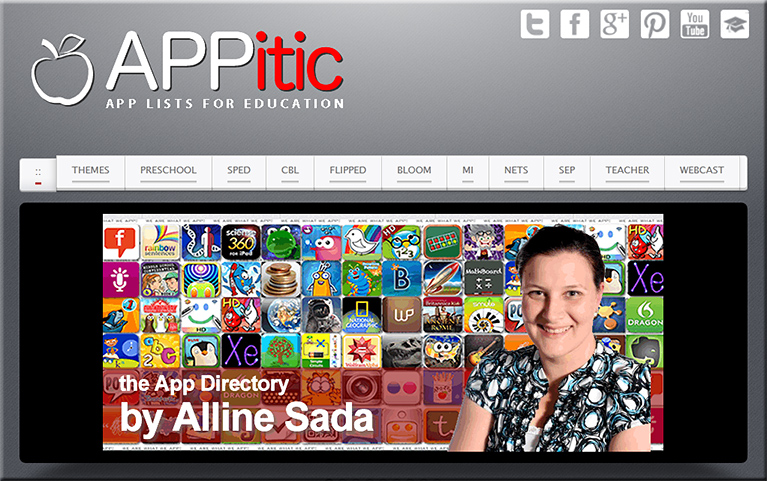
APPitic is a directory of apps for education by Apple Distinguished Educators (ADEs) to help you transform teaching and learning.
Also see:
PayWizard launches first dedicated payment and subscriber management solution for TV and media industry — from PayWizard
Excerpt:
London, 21 February 2013 – PayWizard, specialists in payment and subscription management, has launched the TV and media industry’s first dedicated, end to end payment and subscription solution. The integrated solution brings together a strong heritage in the Pay-TV market with a deep understanding of the challenges TV operators and media companies face in monetising the multiplatform world.
Using its award-winning modular Payment and Subscription platform, PayWizard combines payment processing, intelligent subscriber management technology and real-time customer service operations to tailor-make solutions that enhance the consumer experience across all screens.
With 16.8 billion video-enabled devices set to be in the global marketplace by 2015, content owners are facing the challenge of enhancing existing services while creating compelling experiences that embrace new routes to market. PayWizard’s comprehensive set of products and services has enabled clients, such as the UK’s biggest commercial broadcaster, ITV, to address these commercial challenges by enabling new monetisation strategies to drive revenue and profitability.
Also see:
.

.
.
.
Also see:
From DSC:
See the categories listed above for the items/topics/disciplines/trends that are relevant here.
Addendum:
Check this out!
Massive Open Online Course offered by UMass Boston to feature the first adaptive MOOC technology
Enables students to be taught according to individual learning strategies
Excerpt from email:
(Boston, MA) – February 27, 2013 – If you’ve ever been in a course and struggled because you just aren’t “getting it,” the reason might be less your ability than the way in which the material is being presented.
New technology is now allowing online course environments to analyze how individual students learn, customizing instruction to individualized learning strategies. The College of Advancing and Professional Studies (CAPS) at the University of Massachusetts Boston has teamed up with USDLA 21st Century Sponsor, Synaptic Global Learning (SGL), to use the new learning management system, Adaptive Mobile Online Learning (AMOL), to deliver the first adaptive Massive Online Open Course (a-MOOC) ever offered. The course launches March 25.