.
Also see:
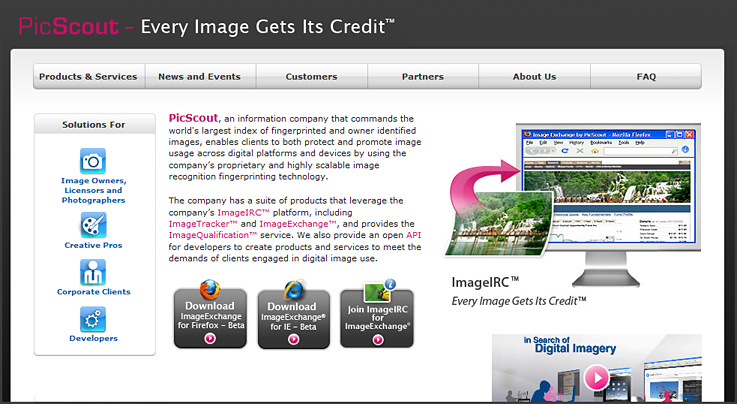
Download the plug-in for Firefox
The blog at picscount.com:
http://blog.picscout.com/
.
Also see:
.
.
Addendums:
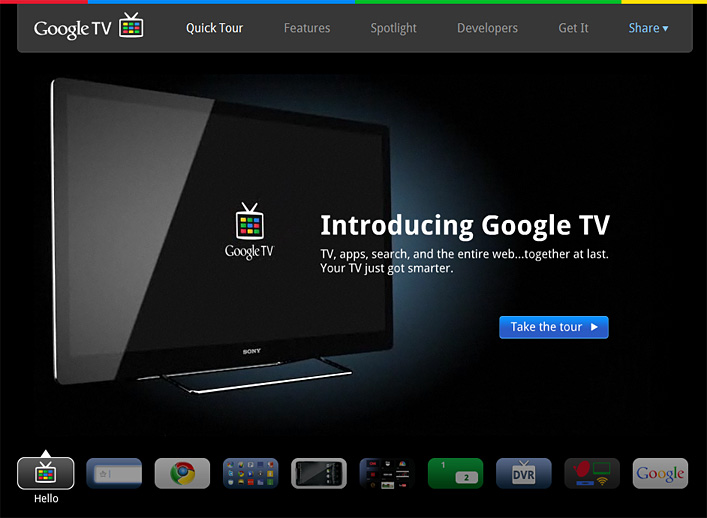
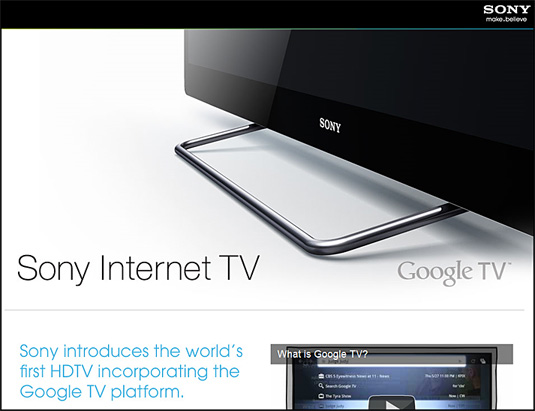
10-5-10– from Google announces TV deals with HBO, NBA, others
“One of our goals with Google TV is to finally open up the living room and enable new innovation from content creators, programmers, developers and advertisers,” Ambarish Kenghe, developer product manager for Google TV, said in the post.
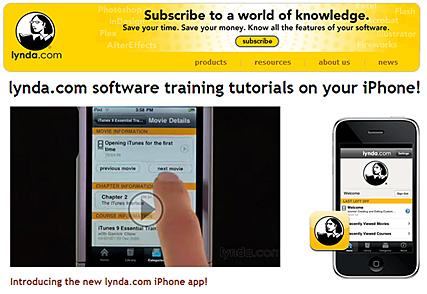
We use Lynda.com and the feedback has been excellent. Back in 1997, I took a 1-day seminar from Lynda Weinman out at SFSU’s Multimedia Studies Program. I learned more from her in a few hours then I have in many courses. She knows how to make things very understandable…and she’s a great teacher. If she doesn’t know the topic, she selects people who know how to explain that topic in easy-to-understand terms.
So when I saw this item — Connect@NMC: Panel Discussion Led By Laurie Burruss of Lynda.com – Implementing Lynda.com Campus-Wide — I felt that I should pass it along.
.
speakertext.com — application for educational-related videos?
From DSC:
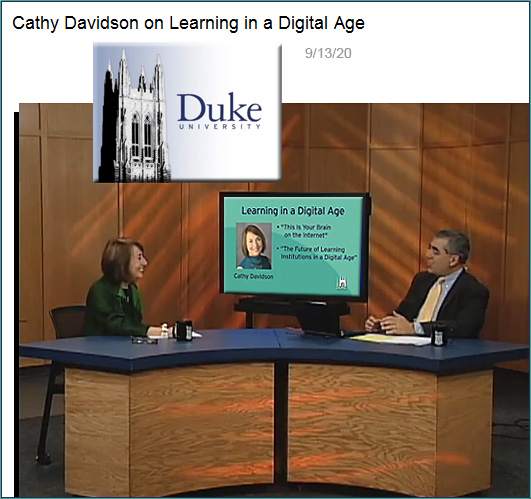
Perspectives from an English professor at Duke University, who has also studied biology and neuroscience, and who has been working for years on a variety of items surrounding this topic.

Why is the device compelling? [Marc] Andreessen and [Osman] Rashid talk about how Kno is offering a total product – software, hardware and services – that will be compelling to the college user. They can purchase textbooks and view them just as they look in printed format. Users will be able to take notes, draw on the pages, etc., just like the print versions. And they’ll be able to access those books on a variety of devices – even eventually their desktop and laptops – because Kno’s software is built on webkit and designed to run on a variety of hardware setups. And there’s a normal web browser too for the Internet in general.
As for textbook pricing, Rashid says the model will work. Imagine an iTunes for college textbooks, he says, and users who purchase the tablet and all their books will be paying about the same amount v. just buying print books over the first 13 months. That means individual books on the Kno will be priced lower than the average of $100 for the print versions.
Post textbook world — from HuffingtonPost.com by Tom Vander Ark
Most of the digital courseware being used is decidedly first generation–it’s flat and sequential, not engaging and adaptive. But we’re beginning to see adaptive content libraries that enable personalized digital learning. There will still be a role for curation but that will come in the form of content collections, learning games and virtual worlds, and playlists that (like iTunes Genius but smarter) that stitch objects and sequences together.
Because learning object libraries will replace textbooks, eReaders won’t be big in education. They only make sense where there is a tight narrative. Tablets that can support a full web experience and are also a useful input device will compete with netbooks for 1:1 supremacy.
Digital native kids and teachers expect a more social experience than ‘log in, follow directions, and email me if you have a problem.’ The shift from digital textbook to content libraries requires more flexibility than current learning management systems offers and will kick off more data than anyone is ready to handle.
Top five applications for video in higher education — from Cisco
.
Also see: