Microsoft Announces New Laptops and OS Perfect for 21st-Century Students — from edtechmagazine.com by Meghan Bogardus Cortez
Windows 10 S, Surface Laptop and other updates are coming to classrooms in the fall.

Excerpt:

Surface Laptop Introduces Seamless Technology
Perhaps the biggest cheers from the crowd came from the announcement of the new Surface Laptop, which will be available in June 2017.

The laptop checks in at 2.76 pounds with a 13.5-inch PixelSense display and 3:2 aspect ratio. Equipped with a fabric overlay on the backlit keyboard, the laptop is so seamless it doesn’t even have speaker grills. Instead, Panay says users can be immersed in sound while working on things like video. With a Surface Pen and the laptop’s LCD touch module, annotation is easy, even on videos.


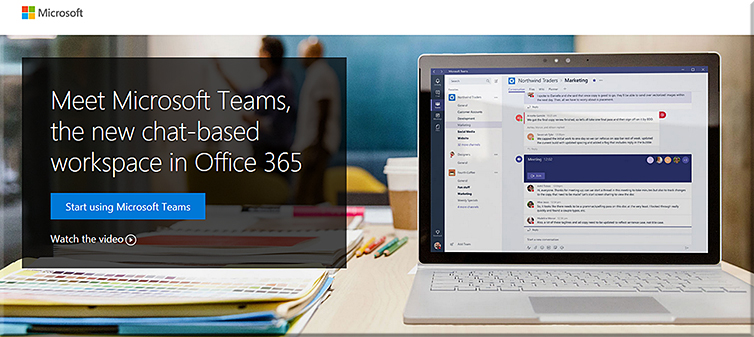
Microsoft Debuts Surface Laptops, Windows 10 S for Education, Teams for Office 365 for Education — from campustechnology.com by David Nagel

Excerpt:

Microsoft has unveiled several new offerings for education, including the forthcoming Surface Laptop and a new version of Windows 10 designed for school environments — Windows 10 S.


Also see:


Also see:

From Mixed Reality to New Minecraft and OS, Microsoft Unleashes a Flurry of EDU Upgrades — from edsurge.com by Jenny AbamuMay

Excerpt:

“How can technology create more opportunity, not for a few but for all,” asked Nadella, noting how his own grandfather was not able to go to school because of the limited resources his family had. “Democratizing education must be something that is for everyone and not just for a select few, this is something that is deeply personal.”

His passionate and personal plea set the tone for the flurry of announcements and updates that followed. By the end of the whirlwind showcase, educators were weary but excited about future possibilities.


Also  see:


Microsoft Unveils K-12 Operating System, Tools to Challenge Google — from edweek.org by Sean Cavanagh

Excerpt:

Microsoft unveiled a new, streamlined operating system, a slim laptop and a bevy of classroom tools, a group of products that in design and spirit seem aimed at competing with ascendant Chromebooks and other Google offerings in the school market.

At a product announcement on Tuesday crowded with company employees and tech journalists, Microsoft executives repeatedly touted a theme in describing the new operating system, Windows 10 S, and the accompanying products: simplicity.

The goal is “simplify to magnify,” Terry Myerson, Microsoft’s executive vice president of the Windows and devices group, told the assembled crowd. “Simplicity is power.”

“Technology should help, not hinder, teachers’ work in the classroom,” Microsoft CEO Satya Nadella said. It should make educators’ jobs easier, and “spark students’ creativity.”


From DSC:
First of all, let me say again that I’m not suggesting that we replace professors with artificial intelligence, algorithms, and such.

However, given a variety of trends, we need to greatly lower the price of obtaining a degree and these types of technologies will help us do just that — while at the same time significantly increasing the productivity of each professor and/or team of specialists offering an online-based course (something institutions of higher education are currently attempting to do…big time). Not only will these types of technologies find their place in the higher education landscape, I predict that they will usher in a “New Amazon.com of Higher Education” — a new organization that will cause major disruption for traditional institutions of higher education. AI-powered MOOCs will find their place on the higher ed landscape; just how big they become remains to be seen, but this area of the landscape should be on our radars from here on out.

This type of development again points the need for team-based
approaches; s
uch approaches will likely dominate the future.


California State University East Bay partners with Cognii to offer artificial intelligence powered online learning — from prnewswire.com
Cognii’s Virtual Learning Assistant technology will provide intelligent tutoring and assessments to students in a chatbot-style conversation

Excerpt:

HAYWARD, Calif., April 14, 2017 /PRNewswire/ — Cal State East Bay, a top-tier public university, and Cognii Inc., a leading provider of artificial intelligence-based educational technologies, today announced a partnership. Cognii will work with Cal State East Bay to develop a new learning and assessment experience, powered by Cognii’s Virtual Learning Assistant technology.

Winner of the 2016 EdTech Innovation of the Year Award from Mass Technology Leadership Council for its unique use of conversational AI and Natural Language Processing technologies in education, Cognii VLA provides automatic grading to students’ open-response answers along with qualitative feedback that guides them towards conceptual mastery. Compared to the multiple choice tests, open-response questions are considered pedagogically superior for measuring students’ critical thinking and problem solving skills, essential for 21st century jobs.

Students at Cal State East Bay will use the Cognii-powered interactive tutorials starting in summer as part of the online transfer orientation course. The interactive questions and tutorials will be developed collaboratively by Cognii team and the eLearning specialists from the university’s office of the Online Campus. Students will interact with the questions in a chatbot-style natural language conversation during the formative assessment stage. As students practice the tutorials, Cognii will generate rich learning analytics and proficiency measurements for the course leaders.


The Hidden Costs of Active Learning — from by Thomas Mennella
Flipped and active learning truly are a better way for students to learn, but they also may be a fast track to instructor burnout.

Excerpt:

The time has come for us to have a discussion about the hidden cost of active learning in higher education. Soon, gone will be the days of instructors arriving to a lecture hall, delivering a 75-minute speech and leaving. Gone will be the days of midterms and finals being the sole forms of assessing student learning. For me, these days have already passed, and good riddance. These are largely ineffective teaching and learning strategies. Today’s college classroom is becoming dynamic, active and student-centered. Additionally, the learning never stops because the dialogue between student and instructor persists endlessly over the internet. Trust me when I say that this can be exhausting. With constant ‘touch-points,’ ‘personalized learning opportunities’ and the like, the notion of a college instructor having 12 contact hours per week that even remotely total 12 hours is beyond unreasonable.

We need to reevaluate how we measure, assign and compensate faculty teaching loads within an active learning framework. We need to recognize that instructors teaching in these innovative ways are doing more, and spending more hours, than their more traditional colleagues. And we must accept that a failure to recognize and remedy these ‘new normals’ risks burning out a generation of dedicated and passionate instructors. Flipped learning works and active learning works, but they’re very challenging ways to teach. I still say I will never teach another way again … I’m just not sure for how much longer that can be.


From DSC:
The above article prompted me to revisit the question of how we might move towards using more team-based approaches…? Thomas Mennella seems to be doing an incredible job — but grading 344 assignments each week or 3,784 assignments this semester is most definitely a recipe for burnout.

Then, pondering this situation, an article came to my mind that discusses Thomas Frey’s prediction that the largest internet-based company of 2030 will be focused on education.

I wondered…who will be the Amazon.com of the future of education? 

Such an organization will likely utilize a team-based approach to create and deliver excellent learning experiences — and will also likely leverage the power of artificial intelligence/machine learning/deep learning as a piece of their strategy.


Don’t discount the game-changing power of the morphing “TV” when coupled with AI, NLP, and blockchain-based technologies! [Christian]

From DSC:

Don’t discount the game-changing power of the morphing “TV” when coupled with artificial intelligence (AI), natural language processing (NLP), and blockchain-based technologies!

When I saw the article below, I couldn’t help but wonder what (we currently know of as) “TVs” will morph into and what functionalities they will be able to provide to us in the not-too-distant future…?

For example, the article mentions that Seiki, Westinghouse, and Element will be offering TVs that can not only access Alexa — a personal assistant from Amazon which uses artificial intelligence — but will also be able to provide access to over 7,000 apps and games via the Amazon Fire TV Store.

Some of the questions that come to my mind:

  • Why can’t there be more educationally-related games and apps available on this type of platform?
  • Why can’t the results of the assessments taken on these apps get fed into cloud-based learner profiles that capture one’s lifelong learning? (#blockchain)
  • When will potential employers start asking for access to such web-based learner profiles?
  • Will tvOS and similar operating systems expand to provide blockchain-based technologies as well as the types of functionality we get from our current set of CMSs/LMSs?
  • Will this type of setup become a major outlet for competency-based education as well as for corporate training-related programs?
  • Will augmented reality (AR), virtual reality (VR), and mixed reality (MR) capabilities come with our near future “TVs”?
  • Will virtual tutoring be one of the available apps/channels?
  • Will the microphone and the wide angle, HD camera on the “TV” be able to be disconnected from the Internet for security reasons? (i.e., to be sure no hacker is eavesdropping in on their private lives)


Forget a streaming stick: These 4K TVs come with Amazon Fire TV inside — from techradar.com by Nick Pino

Excerpt:

The TVs will not only have access to Alexa via a microphone-equipped remote but, more importantly, will have access to the over 7,000 apps and games available on the Amazon Fire TV Store – a huge boon considering that most of these Smart TVs usually include, at max, a few dozen apps.


The Living [Class] Room -- by Daniel Christian -- July 2012 -- a second device used in conjunction with a Smart/Connected TV


Addendums


“I’ve been predicting that by 2030 the largest company on the internet is going to be an education-based company that we haven’t heard of yet,” Frey, the senior futurist at the DaVinci Institute think tank, tells Business Insider.

.

  • Once thought to be a fad, MOOCs showed staying power in 2016 — from educationdive.com
    Dive Brief:

    • EdSurge profiles the growth of massive online open courses in 2016, which attracted more than 58 million students in over 700 colleges and universities last year.
    • The top three MOOC providers — Coursera, Udacity and EdX — collectively grossed more than $100 million last year, as much of the content provided on these platforms shifted from free to paywall guarded materials.
    • Many MOOCs have moved to offering credentialing programs or nanodegree offerings to increase their value in industrial marketplaces.
 

From DSC:
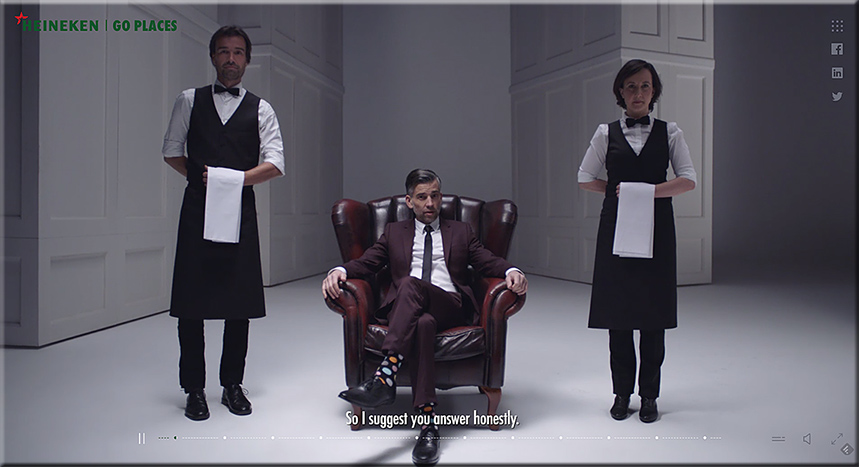
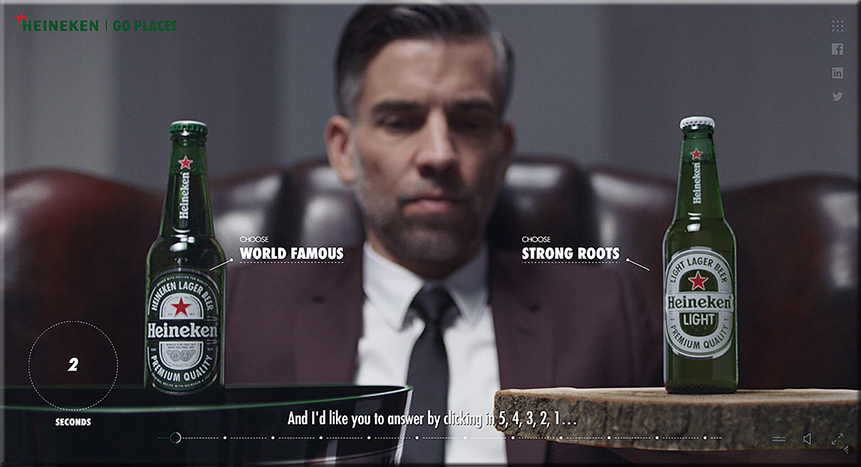
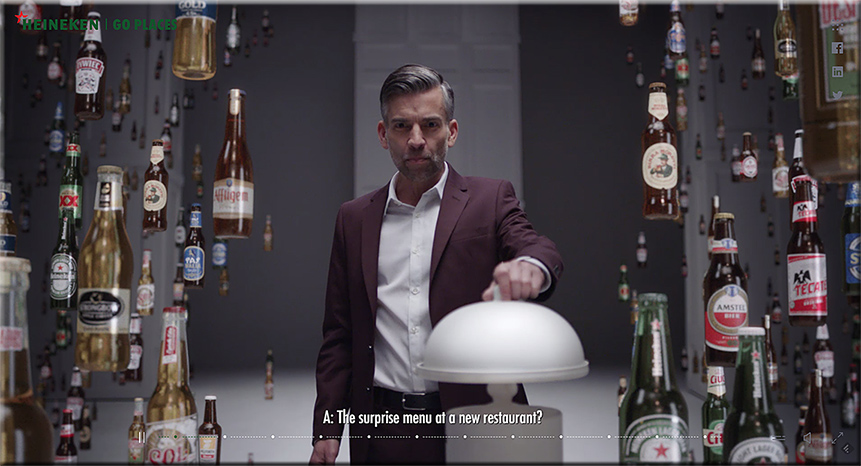
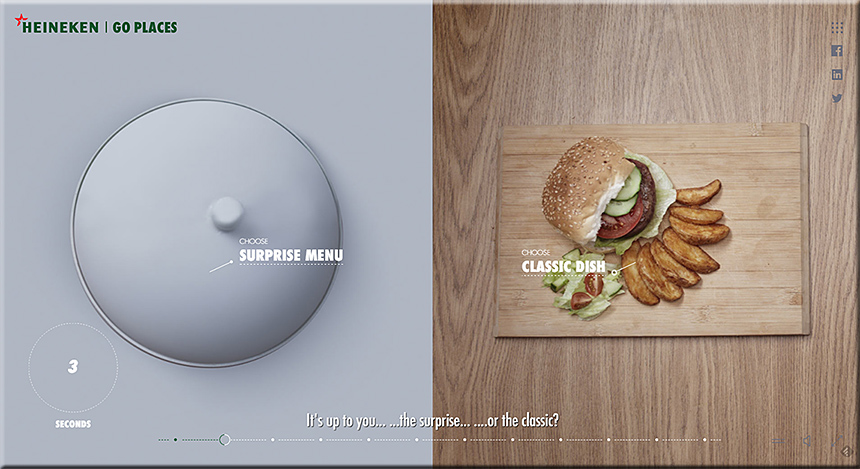
Interactive video — a potentially very powerful medium to use, especially for blended and online-based courses or training-related materials! This interactive piece from Heineken is very well done, even remembering how you answered and coming up with their evaluation of you from their 12-question “interview.”

But notice again, a TEAM of specialists are needed to create such a piece. Neither a faculty member, a trainer, nor an instructional designer can do something like this all on their own. Some of the positions I could imagine here are:

  • Script writer(s)
  • Editor(s)
  • Actors and actresses
  • Those skilled in stage lighting and sound / audio recording
  • Digital video editors
  • Programmers
  • Graphic designers
  • Web designers
  • Producers
  • Product marketers
  • …and perhaps others

This is the kind of work that I wish we saw more of in the world of online and blended courses!  Also, I appreciated their use of humor. Overall, a very engaging, fun, and informative piece!


heineken-interactive-video-cover-sep2016


heineken-interactive-video-first-sep2016


heineken-interactive-video0-sep2016


heineken-interactive-video1-sep2016


heineken-interactive-video2-sep2016


heineken-interactive-video3-sep2016


From DSC:
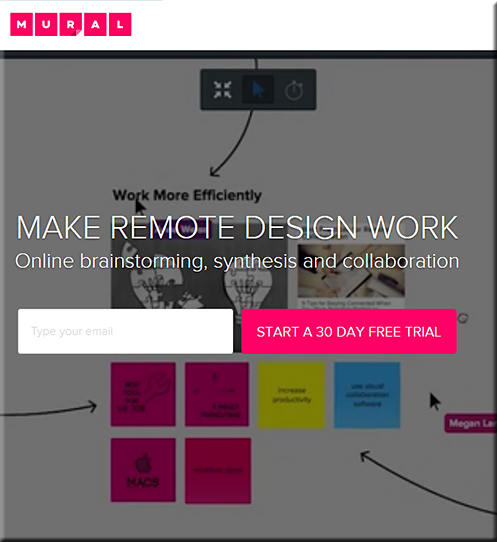
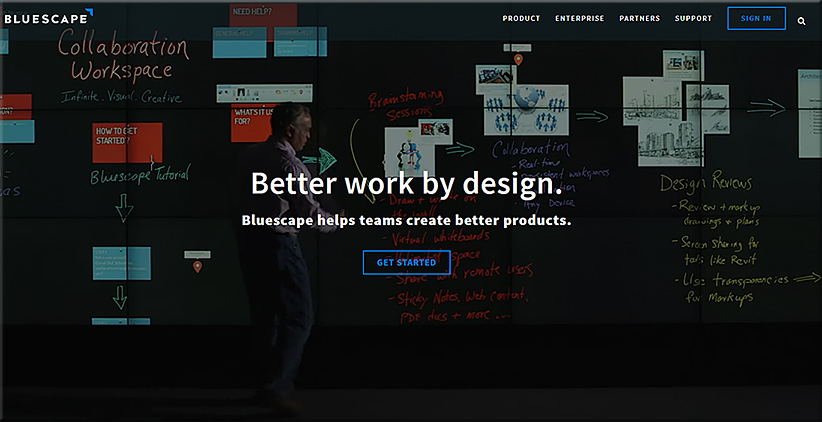
How much longer before the functionalities that are found in tools like Bluescape & Mural are available via tvOS-based devices? Entrepreneurs and VCs out there, take note. Given:

  • the growth of freelancing and people working from home and/or out on the road
  • the need for people to collaborate over a distance
  • the growth of online learning
  • the growth of active/collaborative learning spaces in K-12 and higher ed
  • the need for lifelong learning

…this could be a lucrative market. Also, it would be meaningful work…knowing that you are helping people learn and earn.


Mural-Aug-2016


Bluescape-Aug2016


The Living [Class] Room -- by Daniel Christian -- July 2012 -- a second device used in conjunction with a Smart/Connected TV


Augmented reality gets sinister as Pokemon Go leads players to a real-life dead body and armed robbers – – from quartz.com by Olivia Goldhill

Excerpt:

Augmented reality game Pokemon Go has inadvertently led users down disturbing paths less than a week after its launch.

On July 8, a teenager in Wyoming was hunting for a Pokemon on a riverbank, but discovered a man’s corpse instead. Police have said the death “appears to be accidental” and the teenager, 19-year-old Shayla Wiggens, told CNN that she’ll continue to hunt for water Pokemon.

Two days later, on July 10, robbers reportedly used Pokemon Go to lure victims to a remote area and rob them at gunpoint.

Police in O’Fallon, Missouri, responded to a report of an armed robbery at 2am, according to an update on the police department’s Facebook page. Having found the suspects and their handgun, the police linked the suspects to a series of earlier robberies which they believe all used Pokemon Go to lure players into their trap.

The smartphone game, which lets players hunt for virtual items in the real world, allows players to meet up and form teams.


A somewhat-related posting:


UX to LX: The Rise of Learner Experience Design — from edsurge.com by Whitney Kilgore

Excerpt:

Instructional design is now approaching a similar transition. Most student consumers have yet to experience great learning design, but the commoditization of online learning is forcing colleges and universities to think differently about how they construct digital courses. Courseware is enabling the development of new modalities and pedagogical shifts. An abundance of data now enables instructional designers to decode learning patterns. As a result, we are witnessing the growth of a new field: Learner Experience Design.

Parse higher-education job postings and descriptions, and it’s evident that LX design is, as a discipline, among the fastest growing fields in education. But what exactly makes for great learning design, and how can instructional designers ensure they remain competitive in this new era of student-centric education?

The transition to digital content has made entirely new layers of student data available. Learners now leave a digital footprint that allows designers to understand how students are interacting with course materials and for how long. LX designers can develop course pathways that connect student challenges to specific sections of content. For the first time, faculty have insights into time on task—before, during and after class. Ready access to student behavior data is helping institutions develop powerful predictive analytics, and LX designers are leading the field to make more and better informed choices on content delivery to help students better understand the critical concepts.

The groundswell of data and learning technology shows no sign of slowing down, and a LX designer’s job will grow more complex alongside it. Learner experience designers must rise to the challenge, so universities can deliver online courses that captivate and resonate with each unique student.


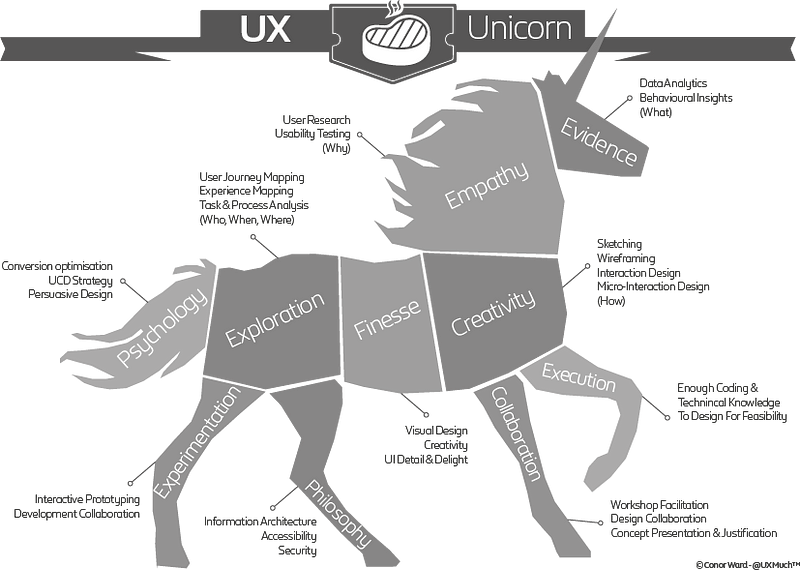
Ten skills you need to be a UX unicorn — from medium.com by Conor Ward

Excerpt:

So if the discipline of UX is not about improving how things LOOK, but instead how they WORK, then of course UX Design includes a multitude of varied deep specialisms and expertise. How could it not?

Well, thats where the mythical part of this discussion comes in, many UX designers out there still believe very strongly (and for good reason) that this multi skilled ‘specialist-generalist’ cannot exist.

They could well be correct in their current circumstances. For example if their company does not work like this, then how could they? Especially if their company is an agency, and their access to users is limited or non-existent.

My own experience is that we must strive towards unicorn-ism. I have created and curated a fantastic team of UX Unicorns (yes a group of unicorns is called a blessing, Google says so) and more importantly together with my colleagues and bosses we have created the environment for them to survive and thrive.


From DSC:
The above two articles get at a piece of what I was trying to relay out at The EvoLLLution.com. And that is, the growing complexities of putting digitally-based materials online — with a high degree of engagement, professionalism, and quality — require the use of specialists.  One person simply can’t do it all anymore. In fact, User Experience Designers and Learner Experience Designers are but a couple of the potential players at the table.


Specialists central to high-quality, engaging online programming [Christian]

DanielChristian-TheEvoLLLution-TeamsSpecialists-6-20-16


Specialists central to high-quality, engaging online programming — from EvoLLLution.com (where the LLL stands for lifelong learning) by Daniel Christian

Excerpts:

Creating high-quality online courses is getting increasingly complex—requiring an ever-growing set of skills. Faculty members can’t do it all, nor can instructional designers, nor can anyone else.  As time goes by, new entrants and alternatives to traditional institutions of higher education will likely continue to appear on the higher education landscape—the ability to compete will be key.

For example, will there be a need for the following team members in your not-too-distant future?

  • Human Computer Interaction (HCI) Specialists: those with knowledge of how to leverage Virtual Reality (VR), Augmented Reality (AR), and Mixed Reality (MR) in order to create fun and engaging learning experiences (while still meeting the learning objectives)
  • Data Scientists
  • Artificial Intelligence Integrators
  • Cognitive Computing Specialists
  • Intelligent Tutoring Developers
  • Learning Agent Developers
  • Algorithm Developers
  • Personalized Learning Specialists
  • Cloud-based Learner Profile Administrators
  • Transmedia Designers
  • Social Learning Experts


What Gen Z thinks about ed tech in college — from edtechmagazine.com by D. Frank Smith
A report on digital natives sheds light on their learning preferences.

Excerpt (emphasis DSC):

A survey of the collegiate educational-technology expectations of 1,300 middle and high school students from 49 states was captured by Barnes and Noble. The survey, Getting to Know Gen Z, includes feedback on the students’ expectations for higher education.

“These initial insights are a springboard for colleges and universities to begin understanding the mindset of Gen Z as they prepare for their future, focusing specifically on their aspirations, college expectations and use of educational technology for their academic journey ahead,” states the survey’s introduction.

Like the millennials before them, Generation Z grew up as digital natives, with devices a fixture in the learning experience. According to the survey results, these students want “engaging, interactive learning experiences” and want to be “empowered to make their own decisions.” In addition, the students “expect technology to play an instrumental role in their educational experience.”


From DSC:
First of all, I’d like to thank D. Frank Smith for the solid article and for addressing the topic of students’ expectations. These messages were echoed in what I heard a few days ago at the MVU Online Learning Symposium, a conference focused on the K-12 space.


MoreChoiceMoreControl-DSC2


I want to quote and elaborate on one of the items from the report (as mentioned in the article):

“There is a need for user-friendly tools that empower faculty to design the kinds of compelling resources that will comprise the next wave of instructional resources and materials,” the report states.

Most likely, even if such tools were developed, the end goal from the quote above won’t happen. Why? Because:

  • Most faculty simply don’t have the time — they are being overrun with all sorts of other demands on their time (committees, task forces, advising, special projects, keeping up with the changes in their disciplines, etc.)
  • Even with user-friendly tools, one still needs a variety of skill sets to create engaging, sophisticated content and learning environments. Creating “the next wave of instructional resources and materials” is waaaaaay beyond the skillsets of any one person!!! Numerous skills will be required to create the kinds of learning materials that we can expect to see in the future:
    • Information architecture
    • Instructional design
    • Interaction design
    • Videography and creating/working with multiple kinds of media
    • Programming/coding
    • Responsive web design and knowing how best to design content for multiple kinds of devices
    • User experience design
    • Graphic design
    • Game design
    • Knowledge of copyrights
    • Expertise in accessibility-related items
    • The ability to most effectively write for blended and/or online-based approaches
    • Knowing how to capture and use learning analytics/data
    • Keeping up with advancements in human computer interfaces (HCI)
    • Staying current with learning space design
    • How best to deliver personalized learning
    • and much more!

This is why I continue to assert that we need a much more team-based approach to creating our learning environments. The problem is, very few people are listening to this advice.

How can I say this?

Because I continue to hear people discussing how important professional development is and how much support is needed for faculty members.  I continue to see quotes, like the above one, that puts the onus solely on the backs of our faculty members. Conferences are packed full with this type of approach.

Let’s get rid of that approach — it’s not working!  Or at least not nearly to the degree that students need it to. There may be a small percentage of faculty members who have the time and skills to pull some things off here, but even they will run into some walls eventually (depending upon the level of sophistication being pursued). None of us can do it all.

But for the most part, years have gone by and not much has changed. Rather, we need to figure out how we could use teams to create and deliver content. That would be a much wiser use of our energies and time. This perspective is not meant to dog faculty members — it’s just recognizing realities:

  • One person simply can’t do it all anymore.
  • Tools don’t exist that can pull all of the necessary pieces together.
  • Even if such tools existed, they won’t be able to keep pace w/ the exponential rate of technological changes that we’re currently experiencing — and will likely continue to experience over the next 10-20 years.

If we’re going to insist on faculty members creating the next wave of instructional materials and resources, then faculty members better look out — they don’t know what’s about to hit them.  Forget about having families. Forget about having a life outside of creating/delivering content.  And find a way to create a 50-60 hour work DAY (not week) — cause that’s how much time one will need to achieve any where’s close to mastery in all the prerequisite areas.


Key point from DSC:
Digitally-based means of learning are going to skyrocket!!! Far more than what we’ve seen so far!  There are several trends that are occurring to make this so.


As background here, some of the keywords and phrases that are relevant to this posting include:

  • Wireless content sharing
  • Wireless collaboration solutions
  • Active learning based classrooms
  • Conference rooms
  • Bring Your Own Device (BYOD)
  • Enterprise wireless display solutions
  • Enterprise collaboration solutions
  • Cross platform support: iOS, Android, Windows
  • Personalized learning
  • Learning analytics

Some of the relevant products in this area include:

  • Bluescape
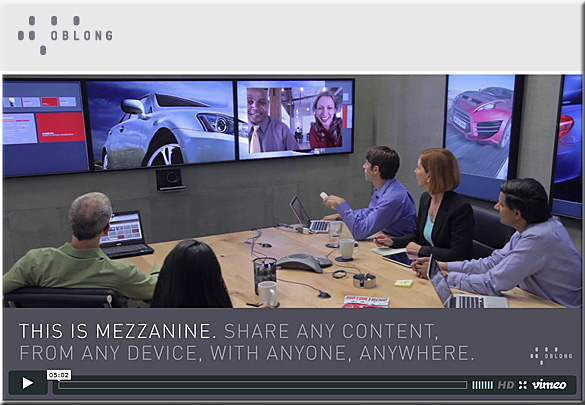
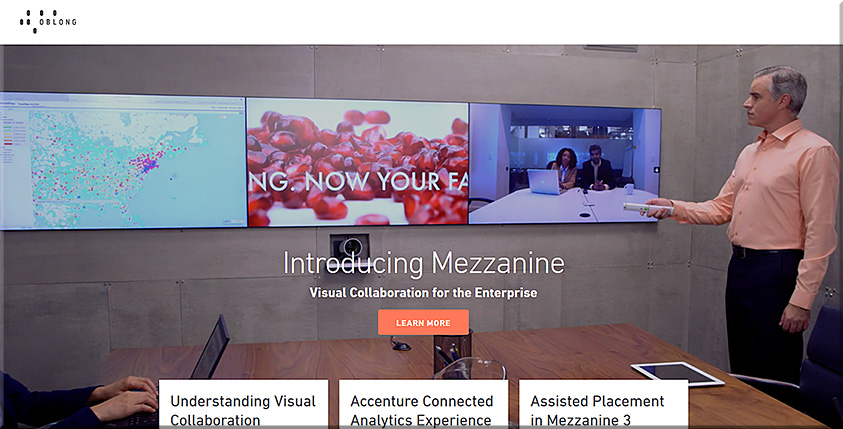
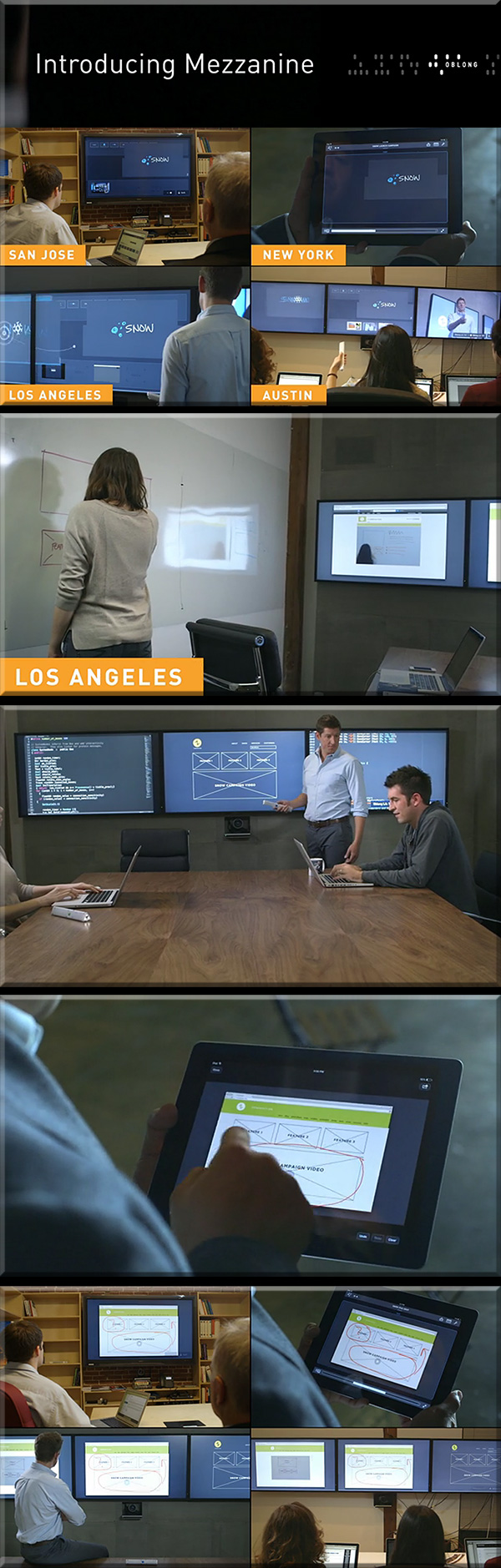
  • Mezzanine from Oblong Industries
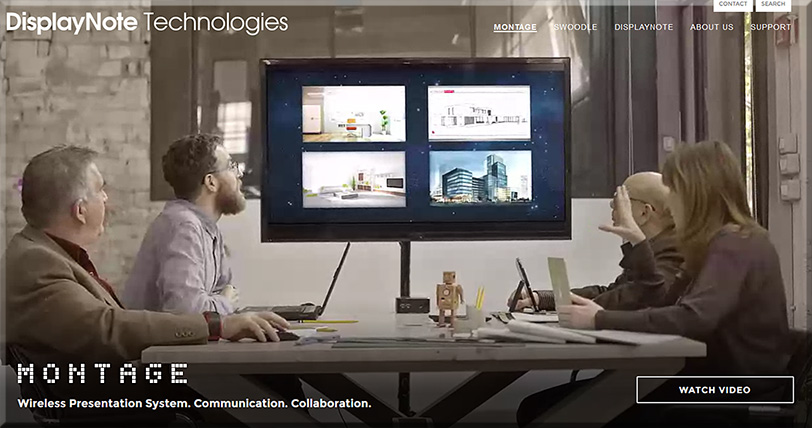
  • Montage from DisplayNote Technologies
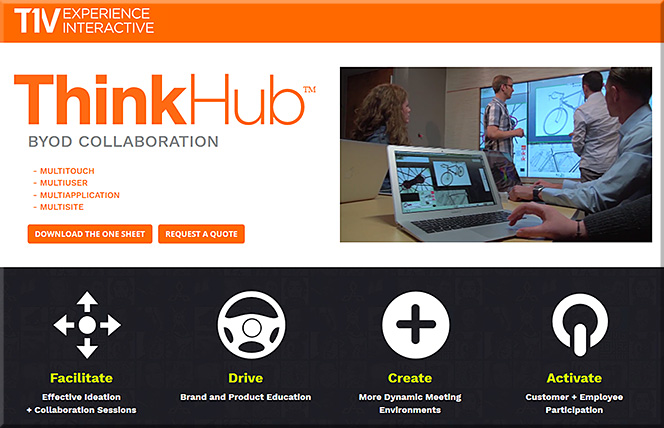
  • ThinkHub and ViewHub from T1V
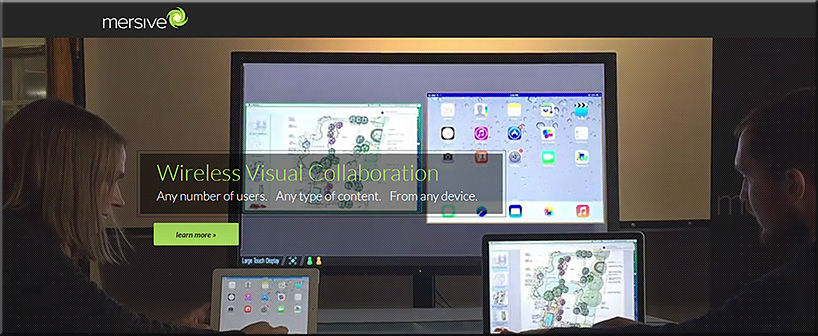
  • Mersive Solstice
  • Crestron AirMedia
  • Barco Clickshare
  • Haworth Workware Wireless
  • Christi Brio
  • AMX enzo
  • NovoConnect from Vivitek
  • Arrive MediaPoint
  • Apple TV
  • Chromecast

From DSC:

First of all, consider the following products and the functionalities they offer.

People who are in the same physical space can collaborate with people from all over the world — no matter if they are at home, in another office, on the road, etc.

For several of these products, remote employees/consultants/trainers/learners can contribute content to the discussions, just like someone in the same physical location can.
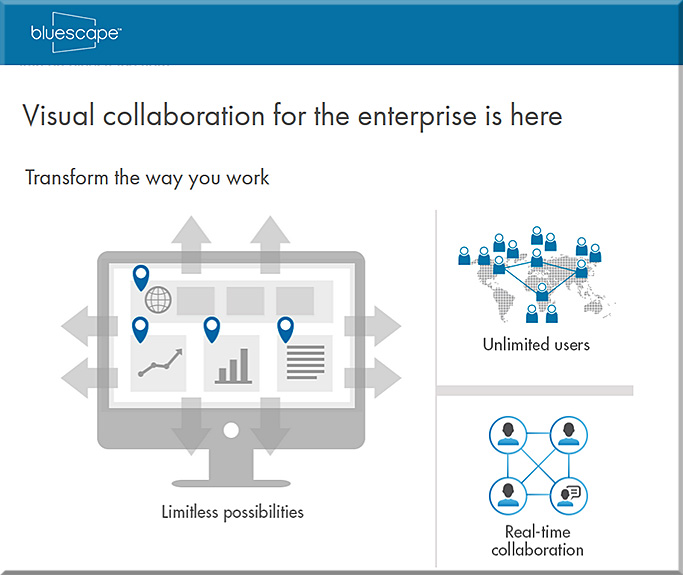

 

Bluescape-March2016


BlueScape-2015


Mezzanine-from-Oblong-May2013

Mezzanine-By-Oblong-Jan2016


mezzanine-feb-2015


ThinkHub-March2016


mersive-March2016

Montage-March2016

ArriveMediaPoint-March2016


From DSC:

Many of these sorts of systems & software are aimed at helping people collaborate — again, regardless of where they are located. Remote learners/content contributors are working in tandem with a group of people in the same physical location. If this is true in business, why can’t it be true in the world of education?

So keep that in mind, as I’m now going to add on a few other thoughts and trends that build upon these sorts of digitally-based means of collaborating.

Q: Towards that end…ask yourself, what do the following trends and items have in common?

  • The desire to capture and analyze learner data to maximize learning
  • Colleges’ and universities’ need to increase productivity (which is also true in the corporate & K-12 worlds)
  • The trend towards implementing more active learning-based environments
  • The increasing use of leveraging students’ devices for their learning (i.e., the BYOD phenomenon)
  • The continued growth and increasing sophistication of algorithms

A: All of these things may cause digitally-based means of learning to skyrocket!!!

To wrap up this line of thought, below are some excerpts from recent articles that illustrate what I’m trying to get at here.


Embrace the Power of Data
A continuous improvement mindset is important. Back-end learning analytics, for example, can reveal where large numbers of students are struggling, and may provide insights into questions that require new feedback or content areas that need more development. Data can also highlight how students are interacting with the content and illuminate things that are working well—students’ lightbulb moments.

Five Principles for Your Learning Design Toolkit
from edsurge.com by Amanda Newlin


Mitchell gave the example of flight simulators, which not only provide students with a way to engage in the activity that they want to learn, but also have data systems that monitor students’ learning over time, providing them with structured feedback at just the right moment. This sort of data-centric assessment of learning is happening in more and more disciplines — and that opens the door to more innovation, he argued.

A promising example, said Thille, is the use of educational technology to create personalized and adaptive instruction. As students interact with adaptive technology, the system collects large amounts of data, models those data, and then makes predictions about each student based on their interactions, she explained. Those predictions are then used for pedagogical decision-making — either feeding information back into the system to give the student a personalized learning path, or providing insights to faculty to help them give students individualized support.

“We need the models and the data to be open, transparent, peer-reviewable and subject to academic scrutiny.”

“We began to actually examine what we could do differently — based not upon hunches and traditions, but upon what the data told us the problems were for the students we enroll,” said Renick. “We made a commitment not to raise our graduation rate through getting better students, but through getting better — and that gain meant looking in the mirror and making some significant changes.”

A 21st-century learning culture starts with digital content. In 2010, Jackson State University was looking for ways that technology could better address the needs of today’s learner. “We put together what we call our cyberlearning ecosystem,” said Robert Blaine, dean of undergraduate studies and cyberlearning. “What that means is that we’re building a 21st-century learning culture for all of our students, writ large across campus.” At the core of that ecosystem is digital content, delivered via university-supplied iPads.

7 Things Higher Education Innovators Want You to Know
from campustechnology.com by Rhea Kelly


On Bennett’s wish list right now is an application that allows students to give feedback at specific points of the videos that they’re watching at home. This would help him pinpoint and fix any “problem” areas (e.g. insufficient instructions for difficult topics/tasks) and easily see where students are experiencing the most difficulties.

TechSmith’s now-retired “Ask3” video platform, for example, would have done the trick. It allowed users to watch a video and ask text-based questions at the point where playback was stopped. “I’d like to be able to look at my content and say, ‘Here’s a spot where there are a lot of questions and confusion,'” said Bennett, who also sees potential in an “I get it” button that would allow students to hit the button when everything clicks. “That would indicate the minimum viable video that I’d need to produce.” Learning Catalytics offers a similar product at a fee, Bennett said, “but I can’t charge my students $20 a year to use it.”

6 Flipped Learning Technologies To Watch in 2016
from thejournal.com by Bridget McCrea


All of these trends lend themselves to causing a major increase in the amount of learning that occurs via digitally-based means and methods.


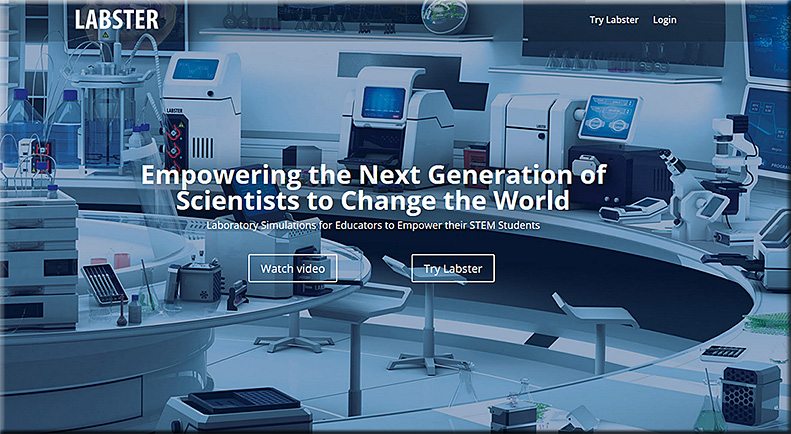
Labster: Empowering the Next Generation of Scientists to Change the World
Laboratory Simulations for Educators to Empower their STEM Students

From DSC:
I recently met Maaroof Fakhri at the Next Generation Learning Spaces Conference. It was a pleasure to meet him and hear him speak of the work they are doing at Labster (which is located in Denmark). He is very innovative, and he shines forth with a high degree of energy, creativity, and innovation.

Keep an eye on the work they are doing. Very sharp.


labster-march2016


Also see:


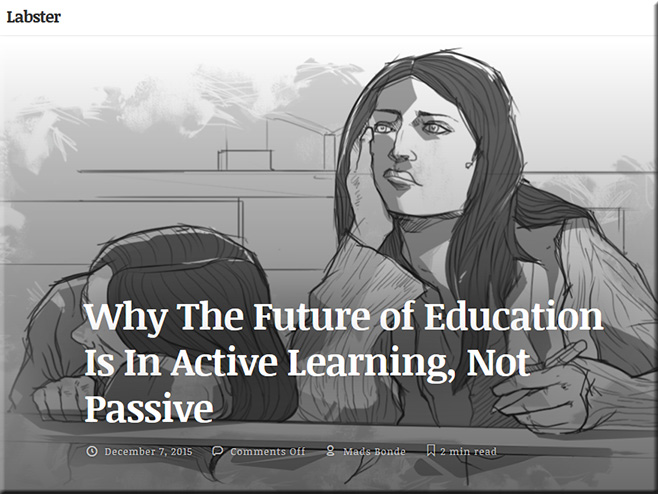
activelearning-labster-dec2015


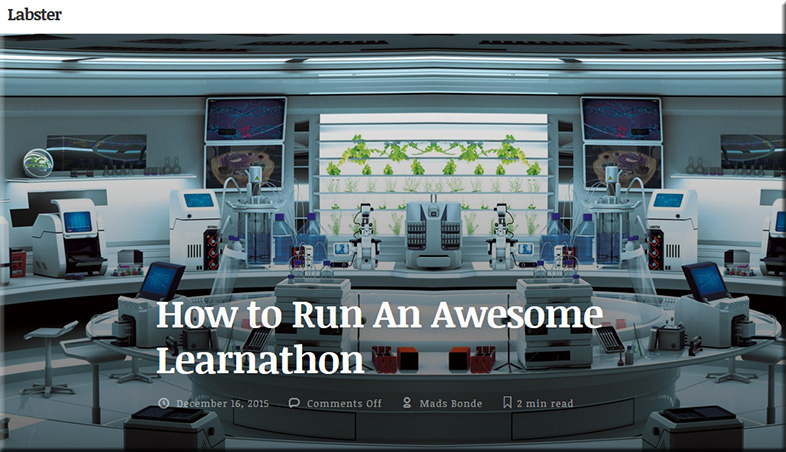
learnathon


Learnathons, on the other hand are optimized sessions that teach participants how to apply what they learn as soon as possible. They are on the opposite end of how classroom teaching is organized, with lessons spread out over the course of a semester focusing on theory and weekly practice. They are a fairly new concept, but have created an environment for learning that is speeding up comprehension and application to levels that aren’t seen elsewhere.


Addendum on 3/16/16:

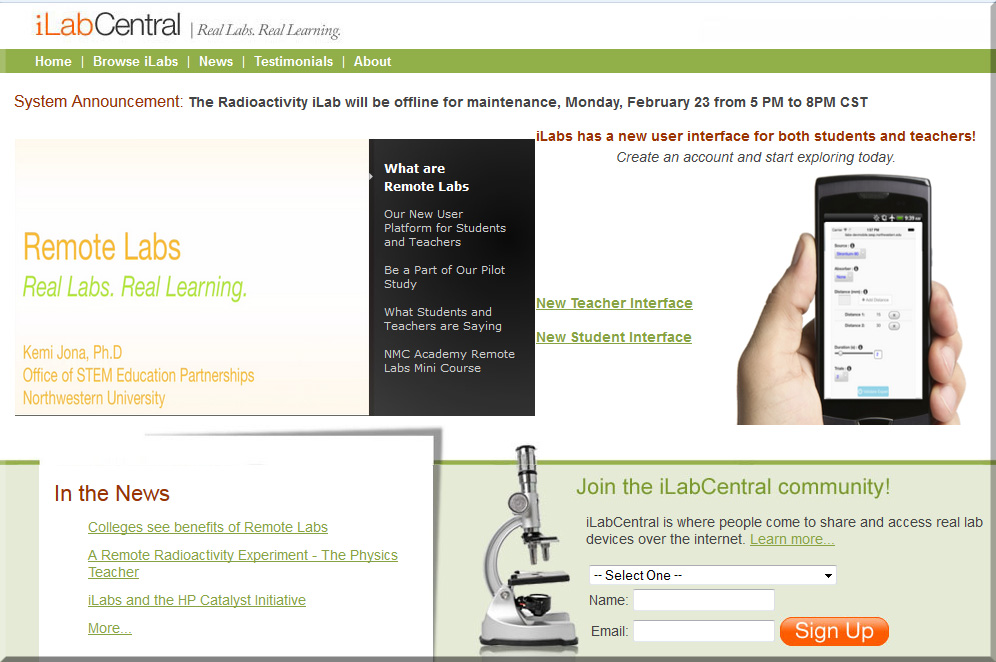
What are Remote Labs? <– from ilabcentral.org

Making high school science labs more real, more engaging, and more accessible
Remote Online laboratories (iLabs) are experimental facilities that can be accessed through the Internet, allowing students and educators to carry out experiments from anywhere at any time.


iLabCentral-march2016


© 2025 | Daniel Christian