Gartner Legal Tech Hype Curve – 2020 Positions — from artificiallawyer.com

Excerpt:

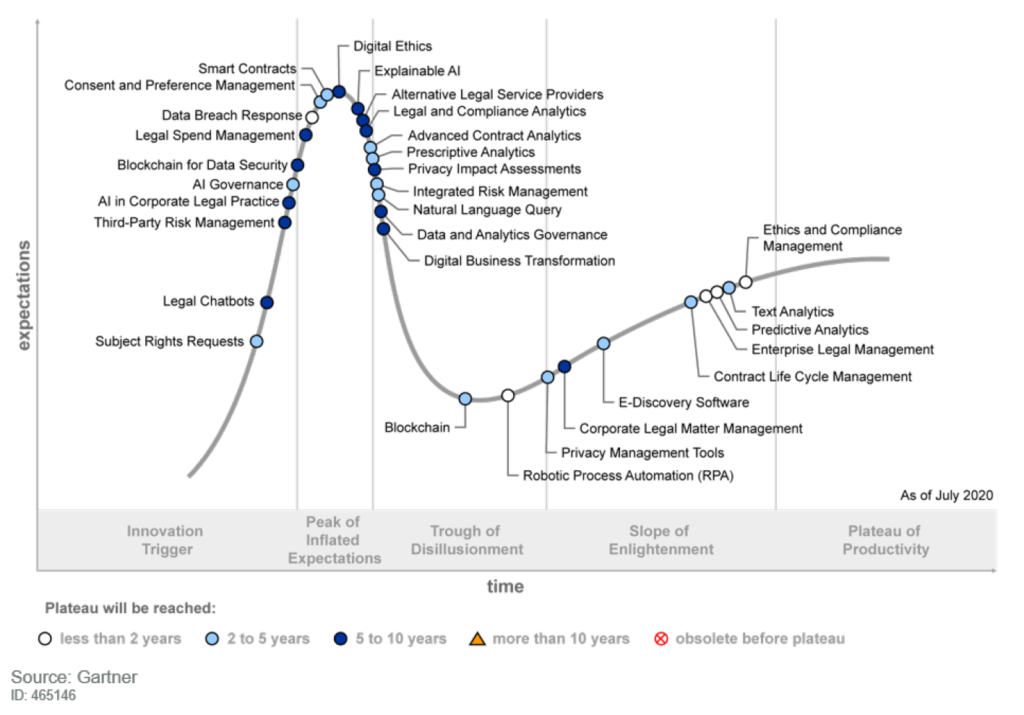
Research company Gartner has published its Legal Tech Hype Curve analysis for 2020, showing where various types of tech are on their famous development and real world adoption chart.

Have a look at the main chart below:


Trying to make sense of a fluid fall — from insidehighered.com by Doug Lederman
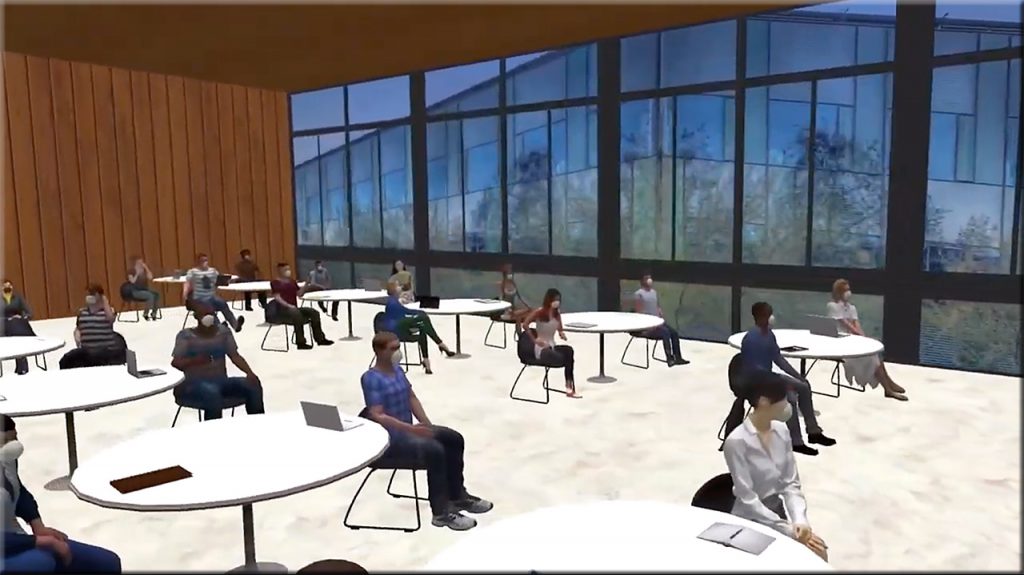
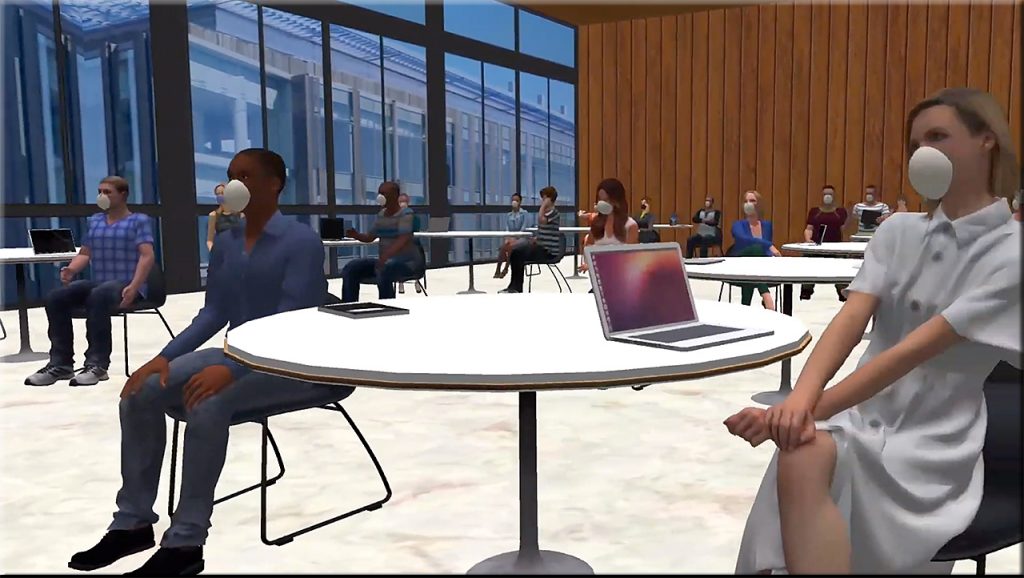
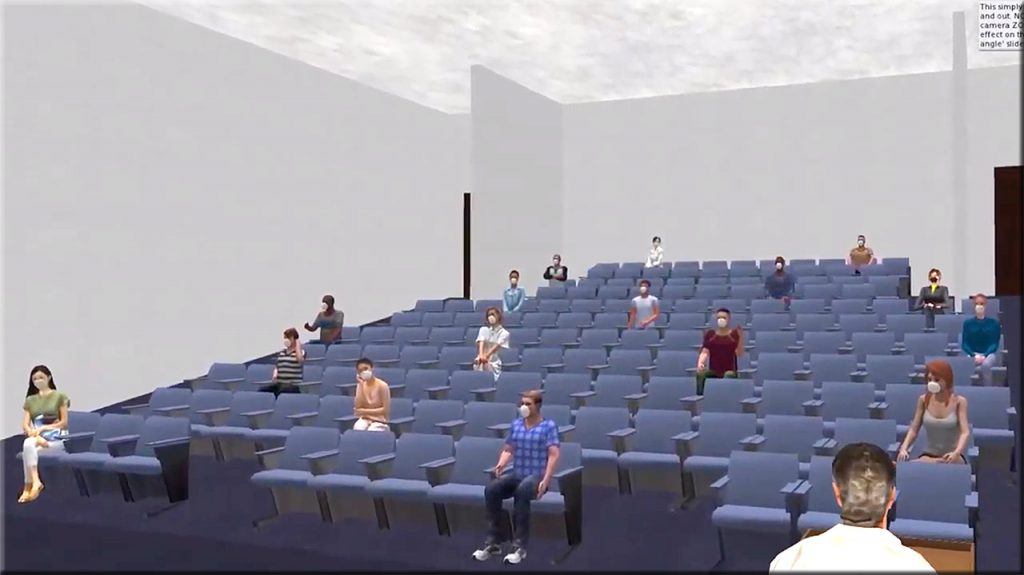
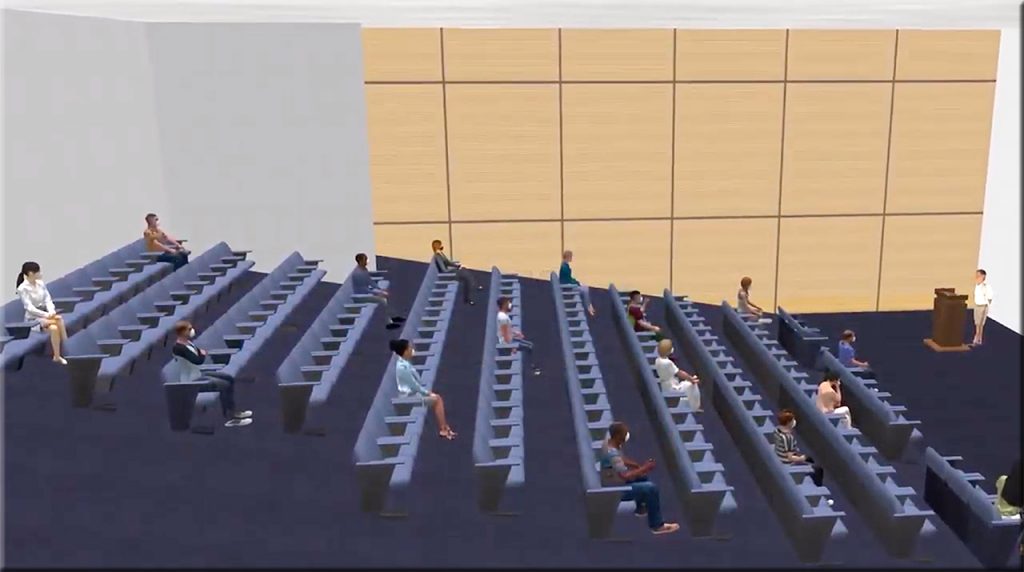
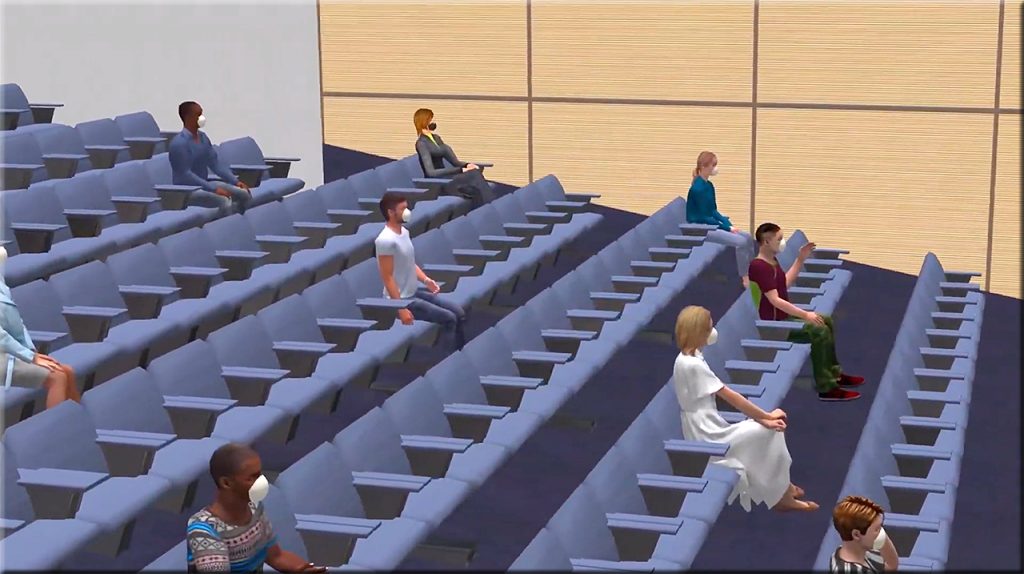
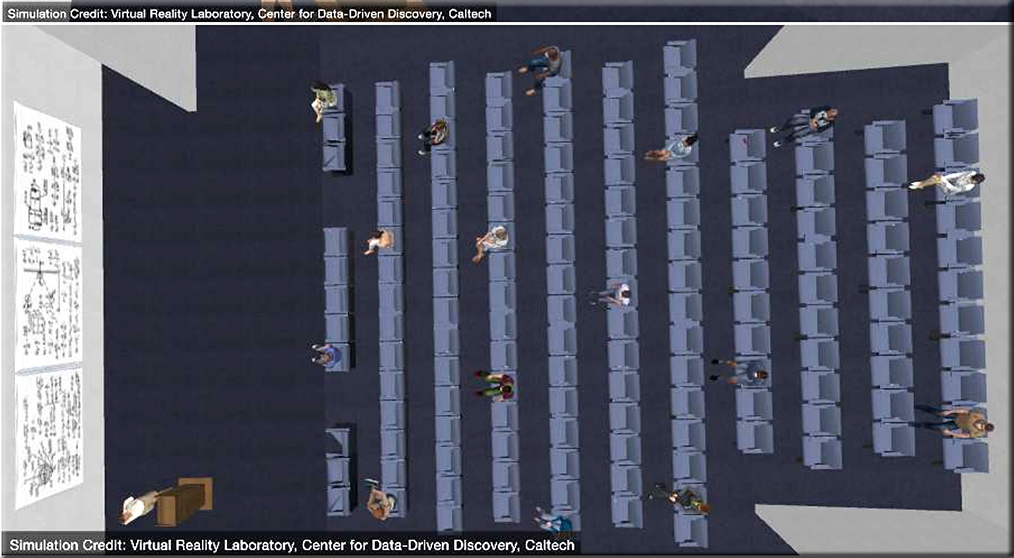
As more colleges announce their instructional plans, two simulations suggest some of the likely challenges to a physical return. Others see opportunity for experimentation around teaching and learning.

Some interesting simulations for face-to-face (F2F) classrooms from Caltech


From DSC: I’d like to thank Ryan Craig for mentioning several interesting articles and thoughts in a recent Gap Letter. At least 2-3 of the articles he mentioned got me to thinking…


With a degree no longer enough, job candidates are told to prove their skills in tests — from hechingerreport.org by Jon Marcus
Instead of relying on credentials, more employers want applicants to show their stuff

Excerpts (emphasis DSC):

Among the many frustrations ahead for millions of Americans thrown out of work by the pandemic is one that may surprise them: To get a new job, it’s increasingly likely they will have to take a test.

As the number of candidates balloons while health risks make it hard for hiring managers to meet with them in person, a trend toward “pre-hiring assessments” — already under way before Covid-19 — is getting a huge new push.

Skeptical that university degrees are the best measure of whether candidates have the skills they need, employers were already looking for ways that applicants could prove it — including in fields where that was not previously required.

“It’s like try before you buy,” said Price.
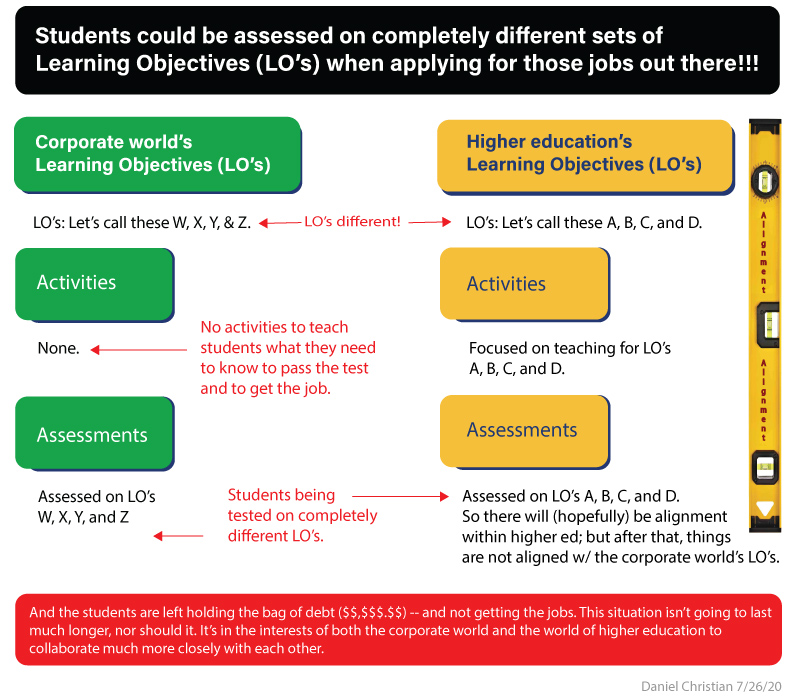
It's very possible that students will have to take assessments to get that job -- assessments that are based on a completely different set of Learning Objectives (LO's).

PDF version here.

Also see:

From DSC:
There is a huge misalignment between the Learning Objectives (LO’s) that the corporate world supports — and ultimately hires by — as compared to the LO’s that faculty, provosts, & presidents support.

This happened to me a while back when I was looking for a new job. I traveled to another city — upon the company’s request (though they never lifted a finger to help me with the travel-related expenses). Plus, I dedicated the time and got my hopes up, yet again, in getting the job. But the test they gave me (before I even saw a human being) blew me away! It was meant for PhD-level candidates in Computer Science, Programming, or Statistics. It was ridiculously hard.

The article above got me to thinking….

Higher education increasingly puts a guerrilla of debt on many students’ backs, which adds to the dispiriting struggle to overcome these kinds of tests. Also, the onslaught of the Applicant Tracking Systems that students have to conquer (in order to obtain that sought after interview) further adds to this dispiriting struggle.

How can we achieve better alignment here? Students are getting left holding the bag…a situation that will likely not last much longer. If higher ed doesn’t address this situation, we shouldn’t be surprised to see a mass exodus when effective alternatives pick up steam even further. Last call to address this now before the exodus occurs.

Along these lines see:

Better Connecting College and Career — from insidehighered.com by Steven Mintz
How to improve career readiness.

Excerpt:

How can colleges best prepare students for careers in a volatile, uncertain environment? This is the question recently asked by Marie Cini, the former provost at University of Maryland University College and former president of CAEL.

Career service offices, she observes, are first and foremost job search centers: reviewing résumés, publicizing job openings and arranging interviews. What they are not about, for the most part, is career preparation, a longer and more intense process involving self-analysis, skills building and genuine insights into the job market.


The 12 Shifts for Student-Centered Hybrid Environments — from gettingsmart.com by Kyle Wagner

During the time of remote learning, our students have become more independent and empowered. They have been given more freedom in establishing their own learning outcomes, and organizing schedules and deadlines to meet them. When they return to us in the fall, whether for an in-person, hybrid, or a 100% online learning experience, we will have to offer them something different than we have in the past. Instead of disconnected, impersonalized, one-size-fits-all learning, we will need to offer our students deep, personalized, and more connected learning experiences.

Our role as a result will shift from being the ‘sage on stage,’ to a ‘facilitator of learning experiences.’ To make this transformation possible, we will have to make 12 key shifts.

The 12 shifts are the result of conversations and insights from expert practitioners worldwide, who have not only adapted to an uncertain education climate, but thrived.

The 12 Shifts for Student-Centered Hybrid Environments

From DSC:
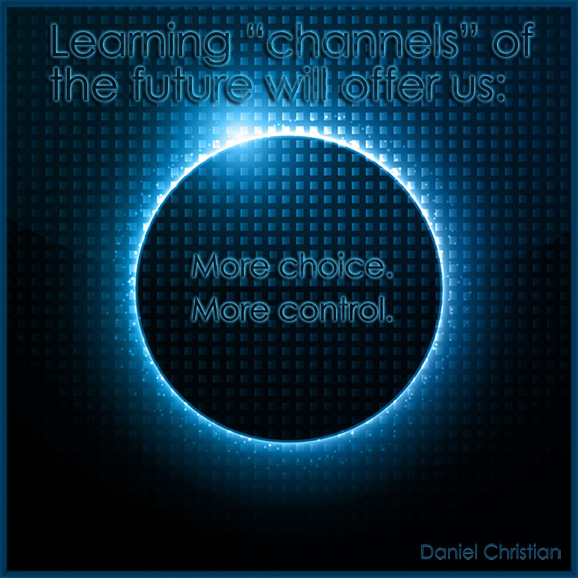
This was a great article with numerous solid ideas and suggestions! What I saw several times was offering the students more choice, more control. In fact, the point hit close to home. Our son finally said, “I actually want to learn this stuff!” (i.e., how to act and thrive within the world of the theatre). When we’re able to tap into students’ intrinsic motivation, we unleash a *huge* amount of creativity,  energy, and effort!!!


Surveys: Most teachers don’t want in-person instruction, fear COVID-19 health risks — from blogs.edweek.org by Madeline Will

Excerpts:

Teachers are more likely than administrators to express concerns about returning to school. The vast majorities of school leaders (96 percent) and district leaders (90 percent) say they are willing to return to their school building for in-person instruction, compared to 81 percent of teachers.

Also, teachers of color are more likely than white teachers to be concerned about going back into the classroom. Just 35 percent of teachers of color say there should be in-person instruction this fall, compared to 47 percent of white teachers. Eighty-three percent of white teachers said they’re willing to go back into school buildings, compared to 66 percent of teachers of color.

Those are some of the key findings from a nationally representative online survey by the EdWeek Research Center. The survey was conducted July 22-23, and 1,366 educators responded—873 teachers, 251 principals, and 242 district leaders.

Also see:


How to homeschool your child during the pandemic — from learningliftoff.com by AnnElise Hatjakes

Excerpts:

According to J. Allen Weston, the executive director of the National Home School Association (NHSA), parents’ interest in homeschooling has skyrocketed in the face of the coronavirus pandemic. In an interview with The Sacramento Bee, he explained that the NHSA used to receive 40-50 emails a day. Now, it is receiving thousands. More parents are exploring this option for the first time as they confront the uncertainties surrounding the 2020-2021 school year.

Homeschooling is an educational format in which parents are responsible for all of the instructional and administrative duties associated with schooling. Parents who homeschool their children choose the curriculum, teach that curriculum, and keep records in accordance with their respective state’s laws.

If you were to do an online search of homeschool curriculum, you might be overwhelmed by the number of results. A good place to start is with Cathy Duffy’s curriculum reviews, which is a well-known resource for homeschoolers.


Welcome to 1L: Here’s your law school orientation kit — from the ABA Law Student Division

Excerpt:

When we started putting this toolkit for incoming law students together, law school looked a lot different. And at this point, the experience for all law students will vary widely from law school to law school as remote, in-person, and hybrid plans are implemented.

And while most of these tips were written in the context of in-person legal education, we’re hoping the information will help you with the nuts-and-bolts work.


Zoom Launches Zoom for Home

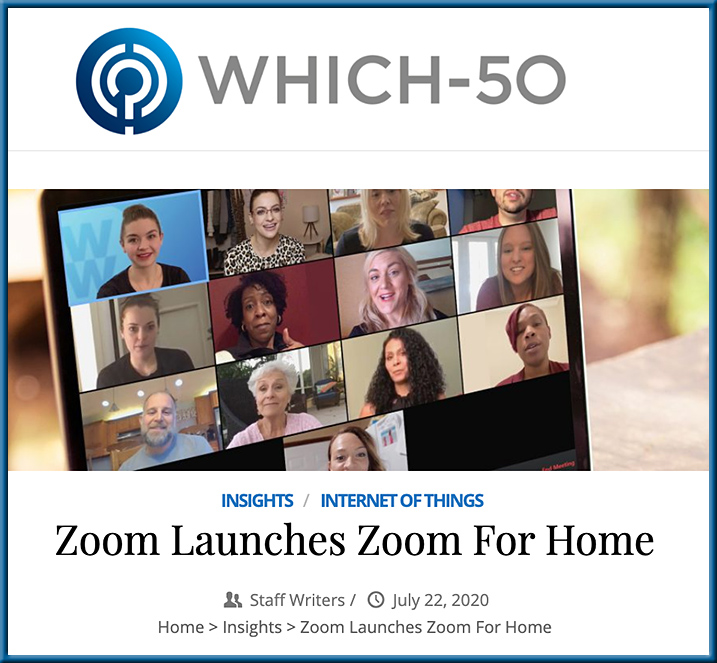
Zoom Launches Zoom For Home — from which-50.com

Excerpts:

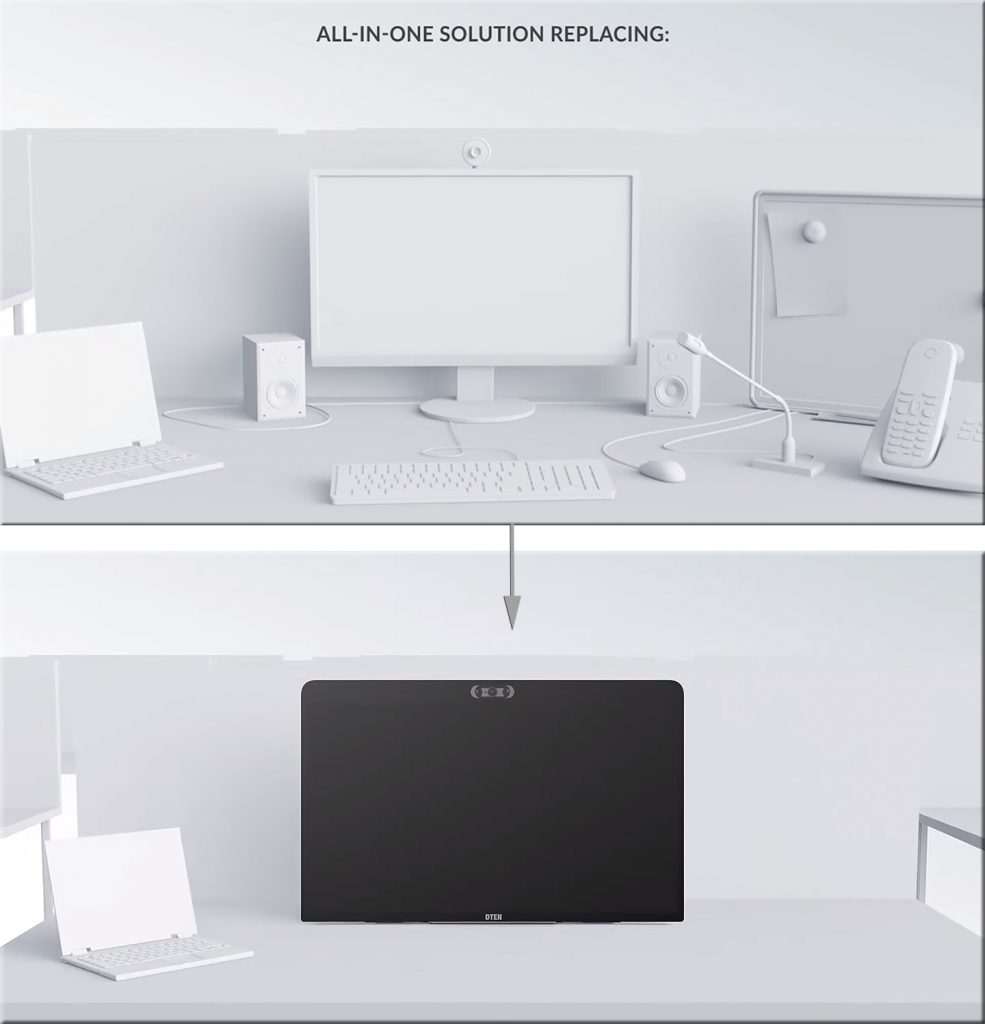
Zoom Video Communications has announced Zoom for Home, which it describes as a new category of software experiences and hardware devices to support remote work use cases. The focus is on improving employee experiences to connect remotely and be productive.

Features for the all-in-one 27-inch device include: three built-in wide-angle cameras for high-resolution video; an 8-microphone array for crystal-clear audio in meetings and phone calls; and, an ultra-responsive touch display for interactive screen sharing, whiteboarding, annotating, and ideation.

Also see:

From DSC:
Again, we see some further innovation in this space. The longer the Coronavirus impacts things, the further ahead the online-learning space will be catapulted. This type of device consolidates several devices into one, while making it intuitive and likely easy to annotate items on it.

Zoom Launches Zoom For Home


7 Things You Should Know About the HyFlex Course Model — from library.educause.edu

Excerpt:

What is it? The hybrid flexible, or HyFlex, course format is an instructional approach that combines face-to-face (F2F) and online learning. Each class session and learning activity is offered in-person, synchronously online, and asynchronously online. Students can decide—for each class or activity—how to participate. As Brian Beatty notes in Hybrid-Flexible Course Design, the result is “a student-directed, multi-modal learning experience.” The HyFlex approach provides students autonomy, flexibility, and seamless engagement, no matter where, how, or when they engage in the course. Central to this model is the principle that the learning is equivalent, regardless of the mode. The approach was developed with a focus on student flexibility, but the benefits also extend to faculty. For example, an instructor, along with some students, could “attend” class remotely, while other students join physically from a room on campus.


Pedagogical considerations for instructional videoconferencing sessions — from onlinelearningconsortium.org by Amanda Major

Excerpt:

Presented here are recommendations and strategies to support educators.

We hope you find these pedagogical considerations for faculty holding a synchronous class session via a video conferencing tool as timely, practical, and rewarding. The intent is to allay your anxieties about offering quality instruction to your students; thereby, helping you to adapt quickly to this new situation.

The ending points of your content delivery should make a lasting impression. Try these ideas:

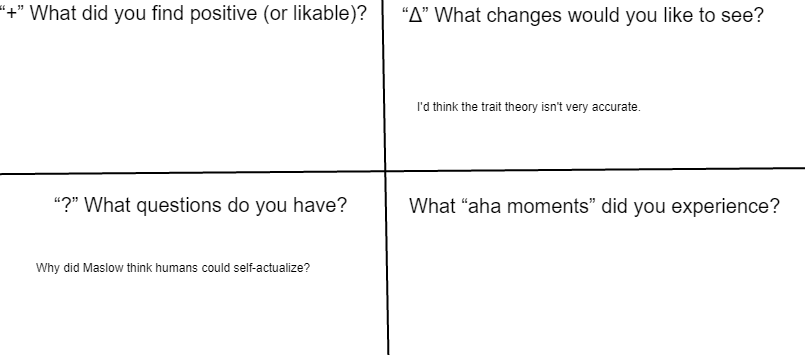
    • Wrap-up your session with a Parking Lot designed as a quadrant (see below), use a shared document and include the following quadrant headings/questions so students can respond in real time:


Also see the idea of a learning journal here.

Have the students keep a learning journal, while answering these questions each week


What should schools, colleges and Universities do in September? …7 actions — from donaldclarkplanb.blogspot.com by Donald Clark

Excerpts:

Let me start with a tough question. Weighing your wish to return to schools or campuses, given the current surge of Covid cases, is the return to the classroom or chasing the cash worth a single dead student, teacher or parent? Or should we see the September return as an opportunity to change things for the better and by that I mean for teachers, lecturers, students and parents? We need a reset.

Necessity is the mother of invention. I hope that this human tragedy allows us to transform the learning landscape to be better and more inclusive through Blended Learning. We have an opportunity to use contemporary technology to reduce teacher workload and improve learning at the same time.


A New Model for Career Exploration in a Volatile, Uncertain, Complex, Ambiguous (VUCA) World — from ed2work-com.cdn.ampproject.org by Marie A. Cini

Excerpts (emphasis DSC):

Career development is not the same as job placement. Almost everyone confuses the two, including the learners using these services. Too often, students would get through their entire program of study and then visit the “career center” to begin the process of finding and getting placed in a job. Instead, I would challenge them to learn more about themselves and what they wanted in their life and in a career as part of their development process.

In the US, we emphasize the importance of “getting a job” over helping an individual deeply explore their talents, preferences, and desires.

From DSC:
This was a major difference that I noticed working at a Christian college for many years. The idea of a calling was emphasized much more so than I experienced anywhere else. Students were encouraged to be very introspective in terms of what they perceived their passions, gifts, interests, and abilities to be. They were encouraged to pray to the LORD and listen for His leading in their lives…to seek His counsel. Where does the LORD want them? What purpose are they called to fulfill/address?

One more solid quote from Marie here:

The problem lies in an imperfect, incomplete market that does not provide comprehensive information over an individual’s lifetime to encourage a broader awareness of careers. Nor do we help individuals understand that career development is a process and not a destination, while showing them how to develop their lifelong approach to making a living.

 
© 2025 | Daniel Christian