U of Minnesota System makes tuition free for low-income students — from highereddive.com by Jeremy Bauer-Wolf

Dive Brief:

  • The University of Minnesota System greenlit a program eliminating tuition costs for students whose families earn $50,000 or less in a year.
  • The system’s regent board approved the move unanimously on Friday, according to local media reports. It’s a part of its five-year strategic plan, which also set the goal of reducing the average debt of undergraduates with loans to $25,000 at graduation.
  • President Joe Biden touted free college proposals on the campaign trail. Such arrangements have also seen renewed interest in the wake of the economic tumult of the pandemic.
 

Frank Gehry reveals latest design for supertall skyscraper in Toronto — from dezeen.com by India Block

Excerpt:

Frank Gehry has released visuals of a pair of twisting shiny skyscrapers, one of which will be over 300 metres, for King Street West in Toronto.

Currently named the Gehry Project, the plan is to build a 289-metre-high supertall and a 262-metre-high skyscraper at the intersection King Street West and Ed Mirvish Way.

Frank Gehry reveals latest design for supertall skyscraper in Toronto -- from dezeen.com by India Block

Also see:

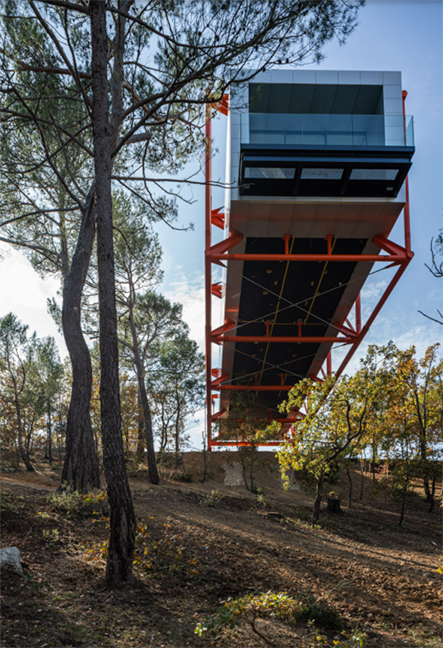
Richard Rogers balances his final building over Provence vineyard — from dezeen.com


40 Spectacular Sights of Nature You Should Know, Vol. 1 — from hongkiat.com by Nancy Young

Salar de Uyuni, Bolivia Image Source: Libertas Magazine

From DSC:
I realize that I’m biased here…but I say, “Glory to God!” when I see these pictures. He’s an awesome designer and creator. Only He can “paint a canvas” like this.


The Great Contraction Cuts alone will not be enough to turn colleges’ fortunes around. — from chronicle.com by Lee Gardner

Excerpts:

With higher education facing average revenue losses of 14 percent or more due to Covid-19, the pandemic presents an existential challenge for the hundreds, maybe thousands, of colleges that entered last March with already precarious finances. Every week or so seems to bring new headlines about institutions making jaw-dropping cuts.

But slashing budgets alone, experts agree, isn’t enough to survive. Struggling colleges must cut strategically and adapt to a new way of operating, in order to find a way to eventually grow and thrive.

From DSC:
As I mentioned to a friend who wondered about those two words –“grow” and “thrive” in the last sentence above…

For too long many colleges and some universities have not been experimenting with other business models. They didn’t pay attention to the surrounding landscapes and economic realities of the masses. I think some of the institutions out there will grow and thrive — but it will be far fewer institutions who see such growth. SNHU, Arizona State, Western Governors University, and the like have done well. But then again, they thought big as well and did so years ago. They have a major leg up on other institutions.

She has served as a college president for nearly 20 years, and in that time, she has watched students’ view of higher education shift to be predominantly about “the outcome of being prepared for a job,” she says.

Funny how that corresponds directly to the increase in tuition, fees, books, room and board, etc. that took place during that same time. 


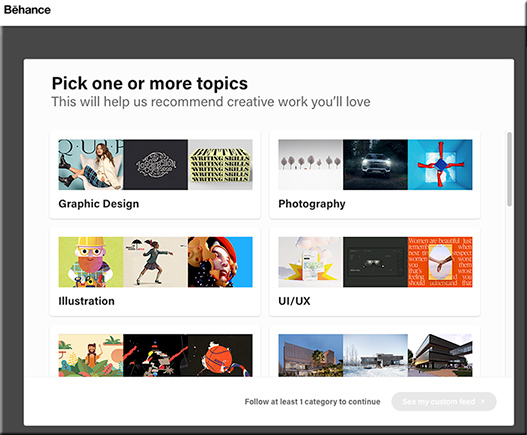
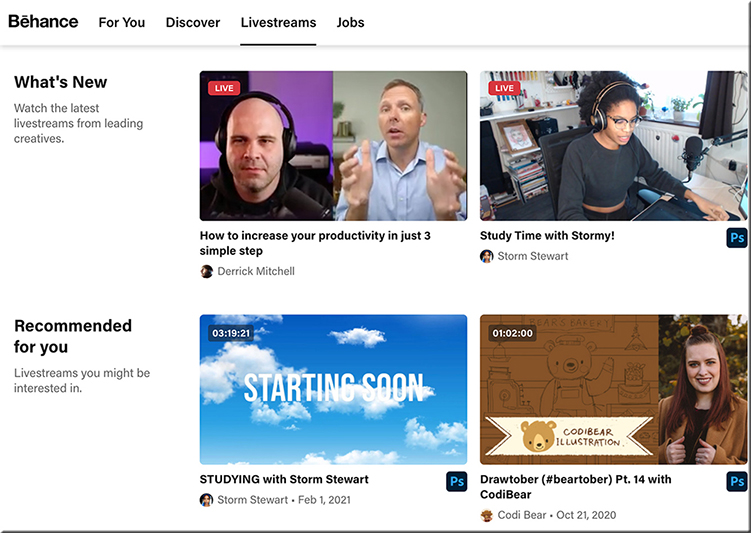
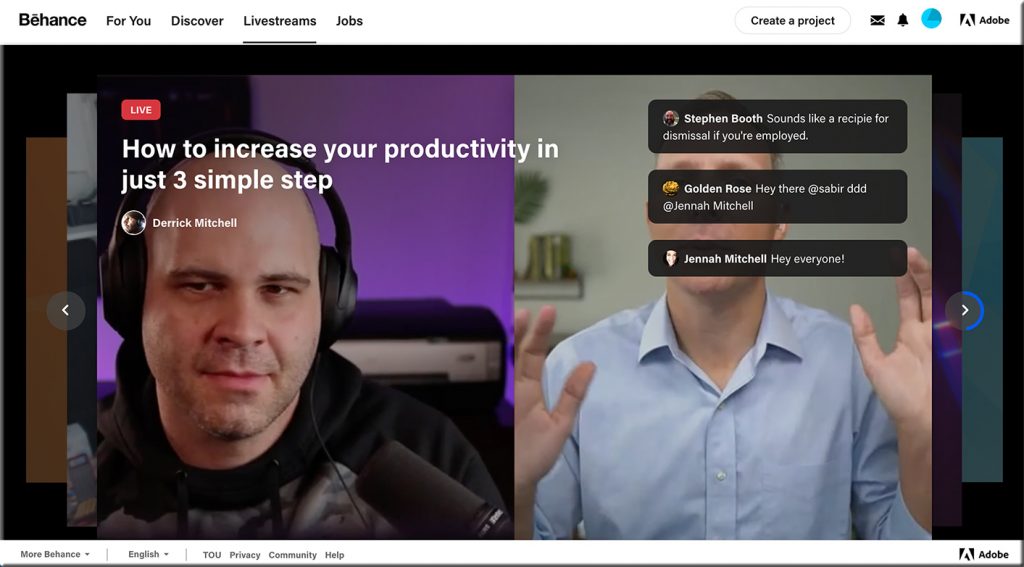
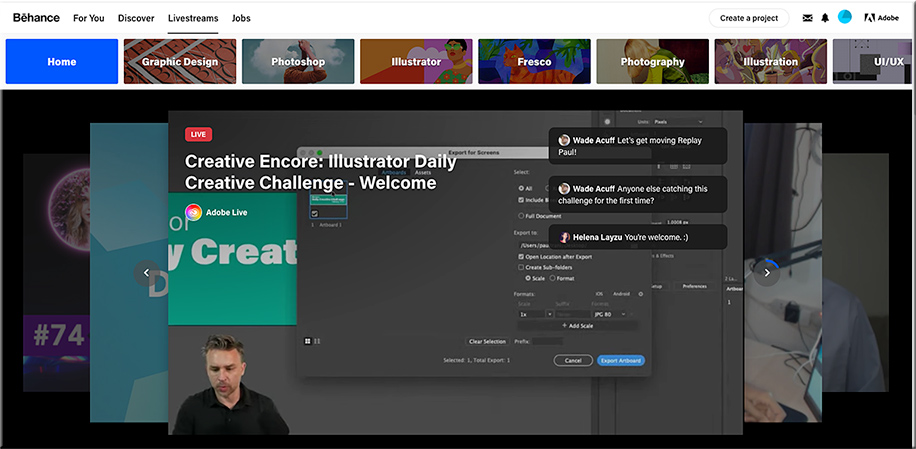
Learning from the Living [Class] Room: Adobe — via Behance — is already doing several pieces of this vision.

From DSC:
Talk about streams of content! Whew!

Streams of content

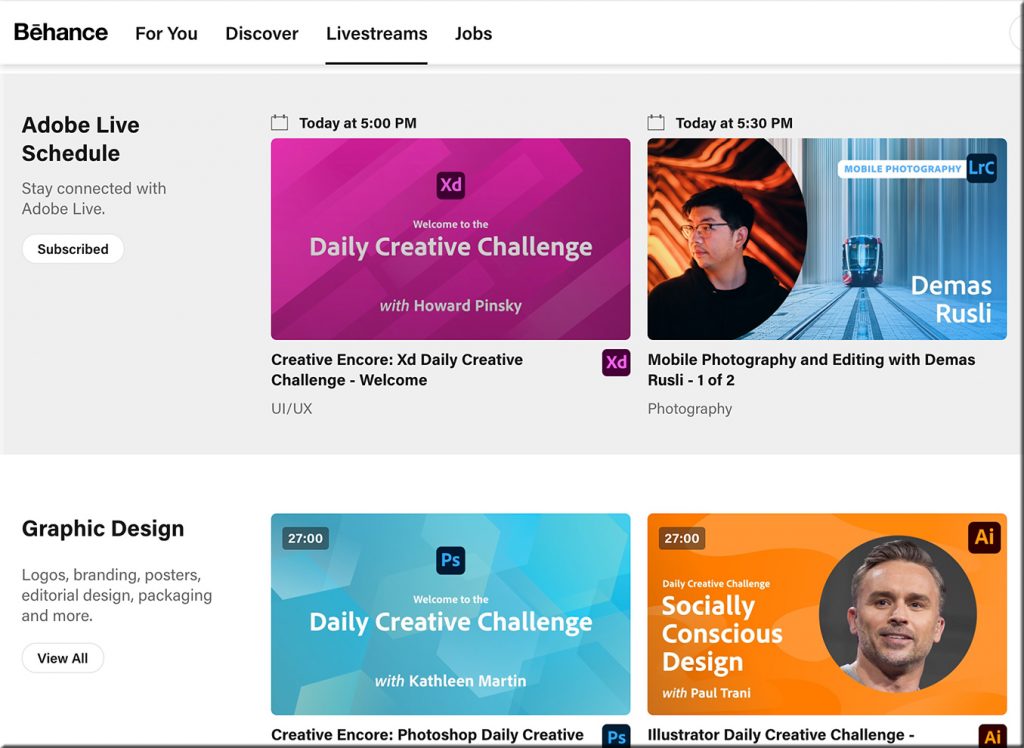
I received an email from Adobe that was entitled, “This week on Adobe Live: Graphic Design.”  (I subscribe to their Adobe Creative Cloud.) Inside the email, I saw and clicked on the following:

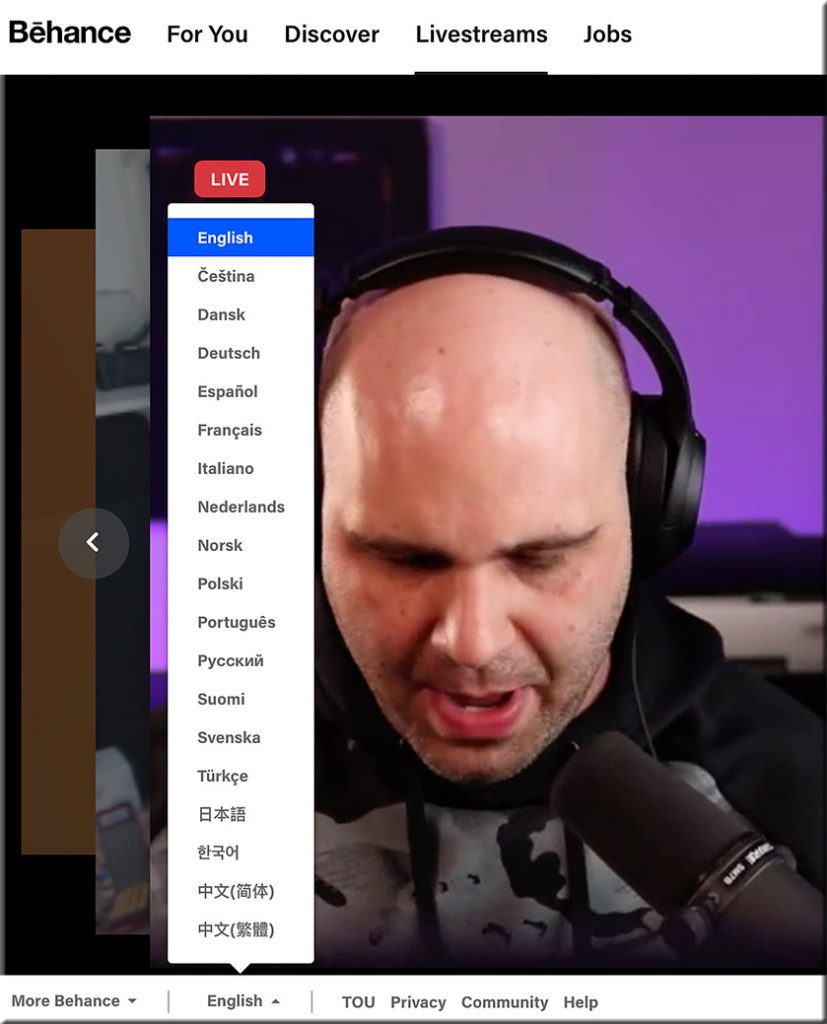
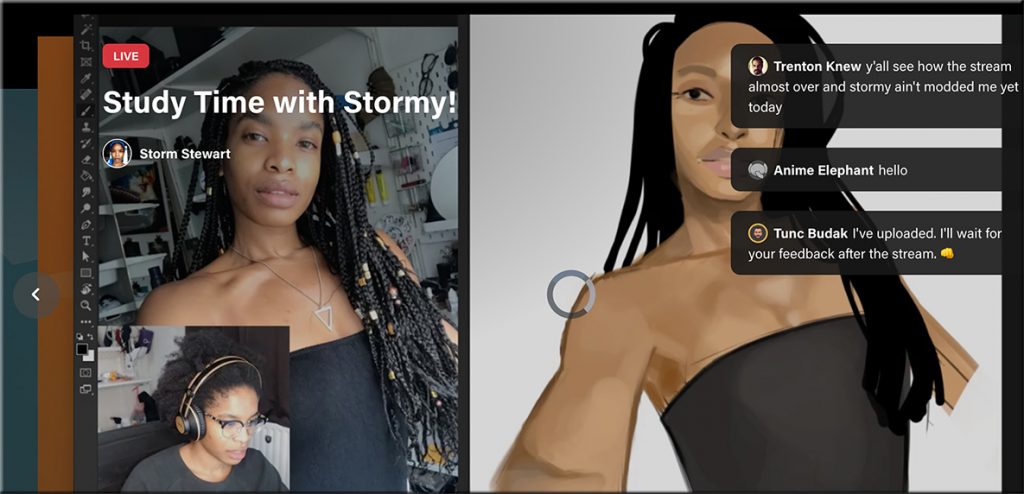
Below are some of the screenshots I took of this incredible service! Wow!


Adobe -- via Behance -- offers some serious streams of content


Adobe -- via Behance -- offers some serious streams of content


Adobe -- via Behance -- offers some serious streams of content


Adobe -- via Behance -- offers some serious streams of content


Adobe -- via Behance -- offers some serious streams of content

Adobe -- via Behance -- offers some serious streams of content

Adobe -- via Behance -- offers some serious streams of content


From DSC:
So Abobe — via Behance — is already doing several pieces of the “Learning from the Living [Class] Room” vision. I knew of Behance…but I didn’t realize the magnitude of what they’ve been working on and what they’re currently delivering. Very sharp indeed!

Churches are doing this as well — one device has the presenter/preacher on it (such as a larger “TV”), while a second device is used to communicate with each other in real-time.



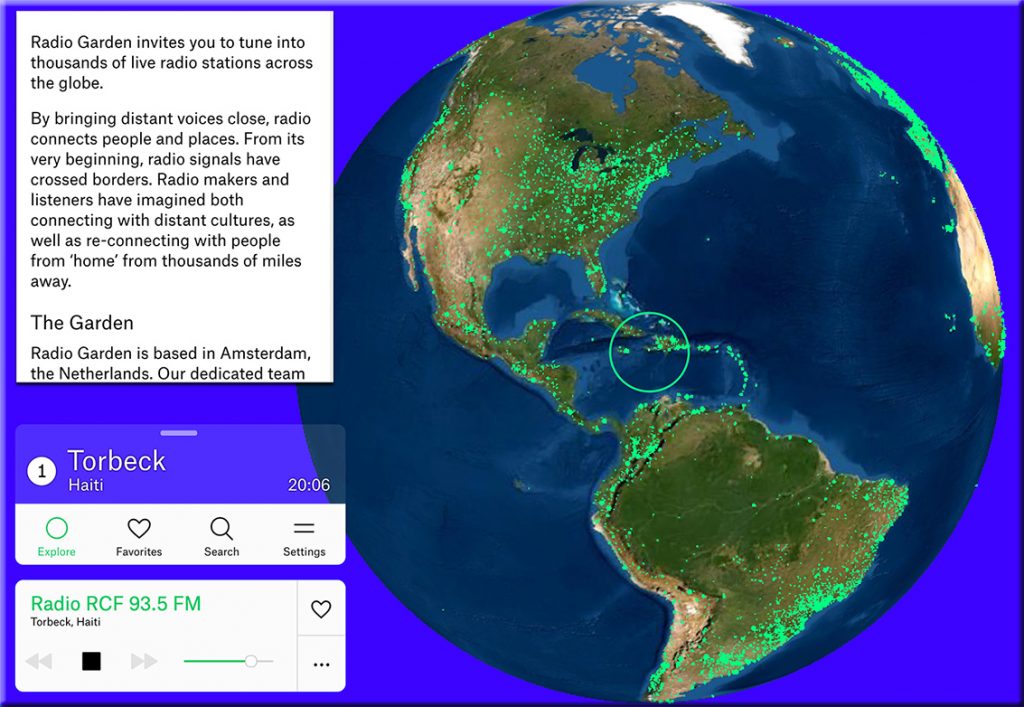
Radio.Garden — with thanks to David Pogue for this resource

From DSC:
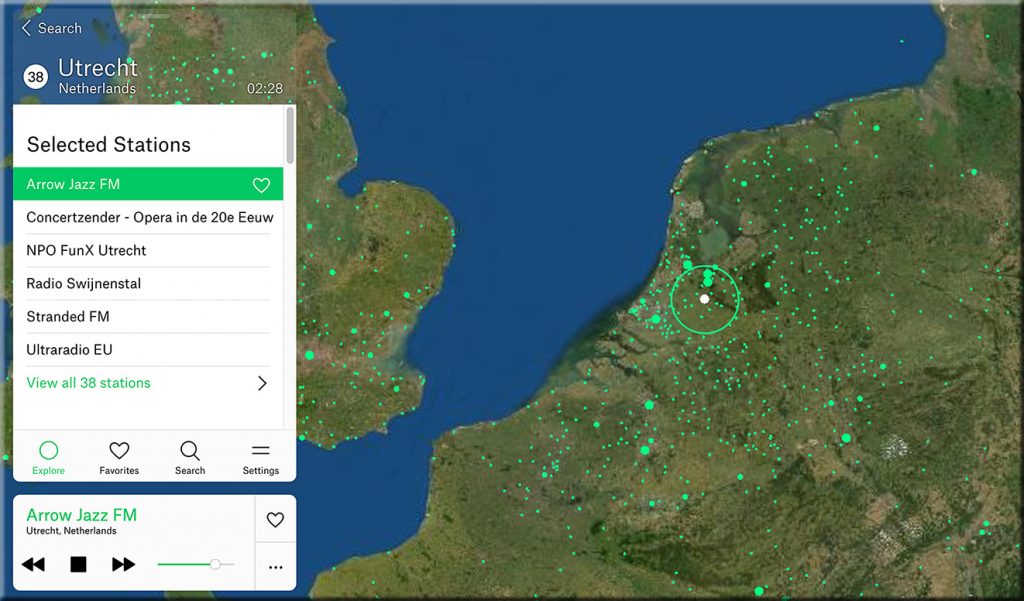
This is amazing! Some screenshots:

Radio.garden -- tune into thousands of live radio stations across the globe!

Radio.garden -- tune into thousands of live radio stations across the globe!

Several questions/reflections come to my mind:

  • What could those teachers and professors who are trying to teach someone a language do with this?!
  • If this can be done with radio stations, what can be done with learning-related streams of content?!
  • Talk about “More Choice. More Control.”  Man o’ man!

Streams of content


Addendum on 2/28/21:
Could this type of interface be used to navigate the world of work? Where instead of nations, you would have arenas of work?


More states require telehealth coverage going into 2021 — from by
Several states passed recent laws that would require commercial insurance plans to cover more telehealth services on a permanent basis. More states now require health plans to pay the same amount for telehealth as in-person visits.

From DSC:
Telelegal on deck…? What about in your area of work…what’s coming down the pike in this regard?


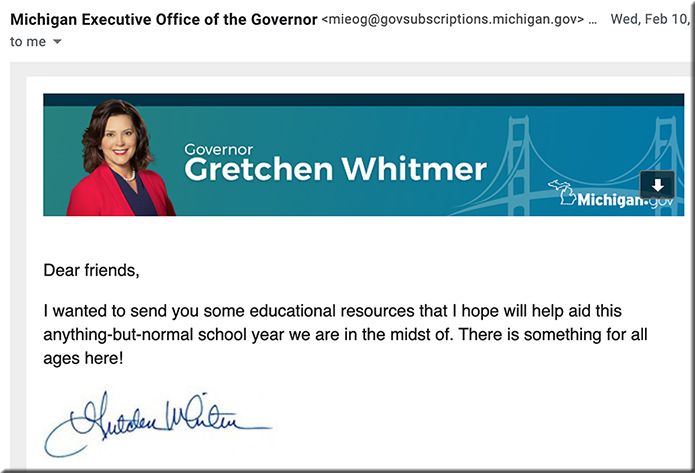
MI Governor Gretchen Whitmer's email from

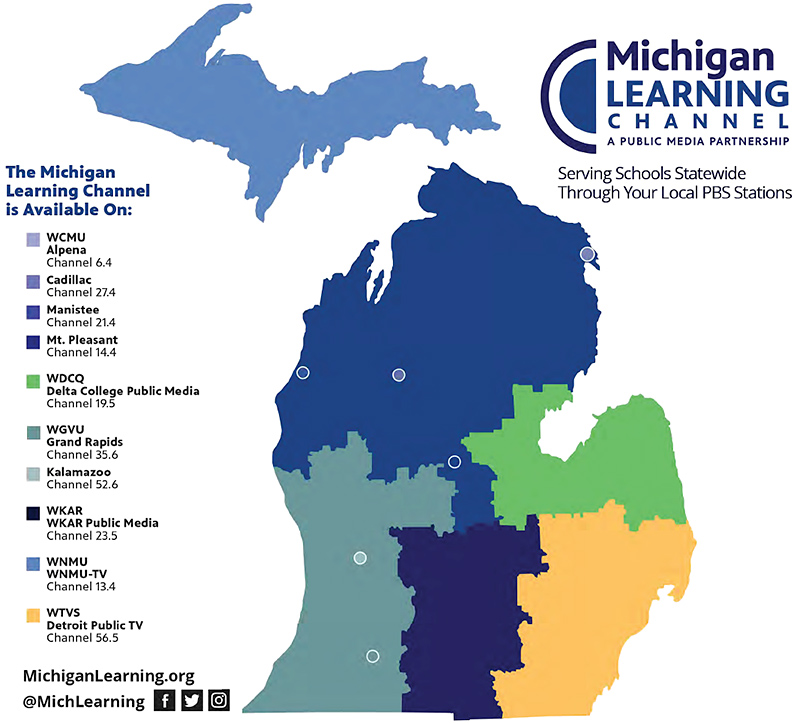
This programming is being broadcast on special on-air channels established by each of the participating public television stations in Michigan. It is also available as a livestream and stored for on-demand viewing on a variety of digital platforms, ensuring accessibility to all students, teachers and families in the state.

Michigan Learning Channel -- which stations carry it

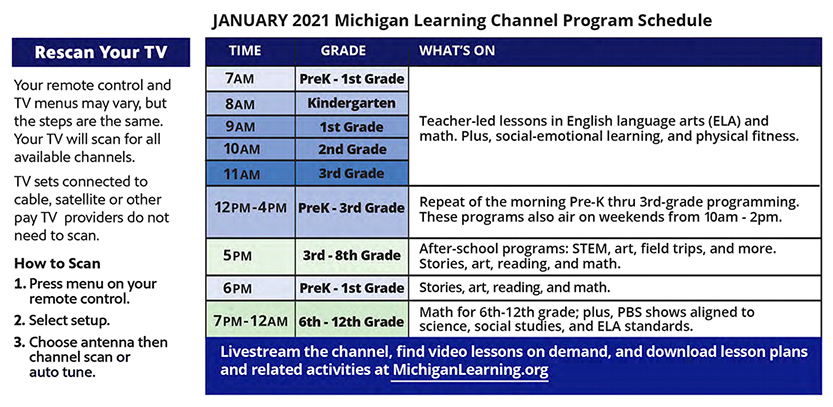
An example schedule from About MLC:

Michigan Learning Channel Program Schedule for January 2021


From DSC:
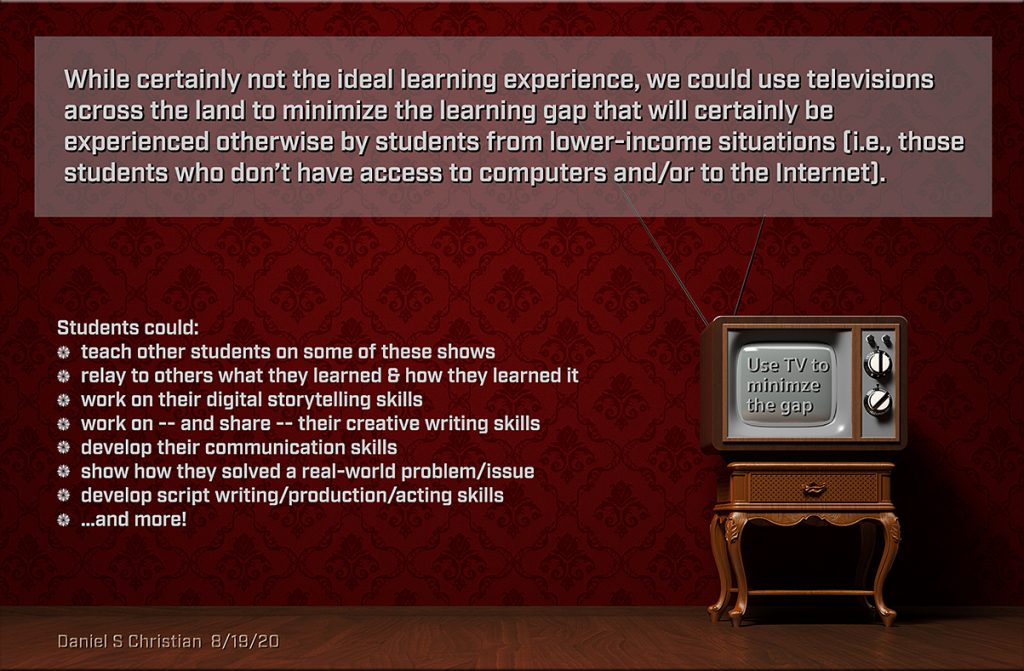
It’s great to see this inclusive, FREE, convenient piece of the K-12 learning ecosystem! I’m all about this. Perhaps such a developing platform could integrate further interactivity and social/network-based learning into it:

Let's use television -- and later on smart TVs -- to provide a free medium to all K-12 students -- and build on top of that platform as time goes by.


Also see:

The MIchigan Learning Channel on Twitter


Public Colleges Are Going After Adult Students Online. Are They Already Too Late? — from chronicle.com by Lee Gardner

Excerpts:

But competing with the established national players in online education presents a tall order. The so-called megauniversities have a huge head start and deep pockets, two advantages public universities are unlikely to overcome easily, if at all.

Mega-universities have spent more than a decade building and honing well-funded and sophisticated operations that function on a scale few start-ups can hope to match. They spend hundreds of millions of dollars each year marketing themselves nationwide to students.

Mega-universities have also developed recruitment and admissions operations designed to make things as easy as possible for working adults to enroll.


Remote Learning Isn’t Just for Kids — from nytimes.com by Kerry Hannon
New online tools and an array of remote classes and programs are ramping up education and training for adults.

Excerpt:

Adult education, however, is “the Wild West” of education technology, according to Mr. Yoquinto. There are many outlets experimenting with ways to get a handle on the online adult education marketplace, including community colleges and universities, for-profit learning platforms, workshop providers and nonprofit organizations.

Above resource per Laurie Burruss out on LinkedIn:

The internet has empowered adult learners by providing new online tools to ramp up education and training. “The need for workers to keep pace with fast-moving economic, cultural and technological changes, combined with longer careers, will add up to great swaths of adults who need to learn more than generations past — and faster than ever,” said Luke Yoquinto, a research associate at the M.I.T. AgeLab and co-author of “Grasp: The Science Transforming How We Learn


Learning from the living class room

 
© 2025 | Daniel Christian