Why mobile learning is the future of workplace learning [infographic by UpsideLearning; as found on wiredacademic.com]
From DSC:
Here’s a portion of the infographic that I want to highlight — look at how many streams of content are flowing by (perfect for building one’s own learning ecosystem!)
.
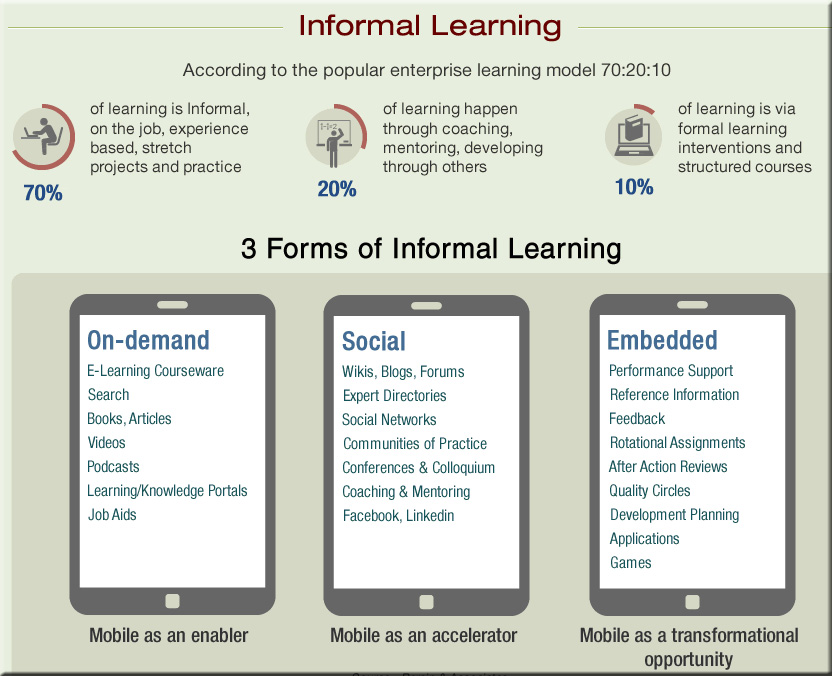
I would add augmented reality-based apps
to the on-demand and embedded areas as well…
.

From DSC:
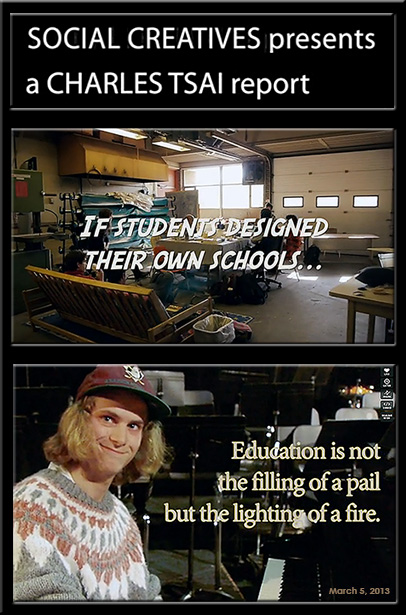
THIS is what it could look like if students OWNED their own learning and could pursue their own passions! — A powerful piece! Well worth your time if you are involved with — or concerned about — education in any way, shape, or form.
The video starts off with this troubling/deep assertion by a student (which I’m sure varies in actuality across the board):
From DSC:
A few radical — but powerful ideas — to help students OWN their own learning (something that they will need for the rest of their lives):
A couple of questions kept running through the back of my mind:
With that said, this is a very powerful piece — well worth your time to check out.
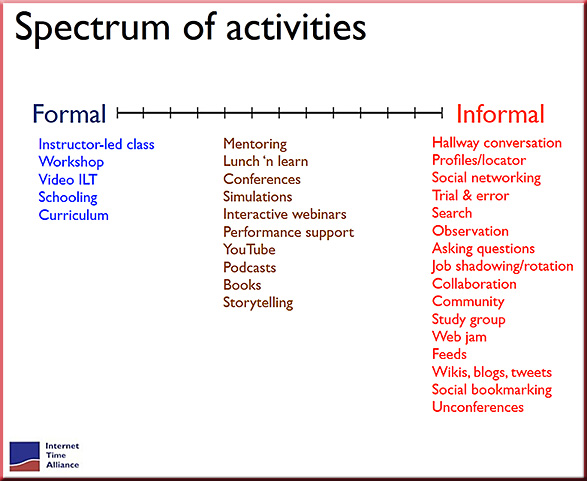
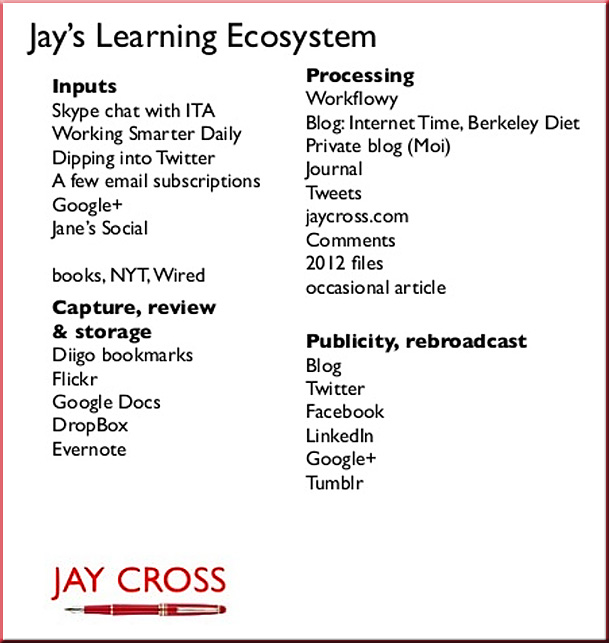
Jay’s Informal Learning Super Deck — from internettime.com by Jay Cross; thanks Jay for sharing this information/these slides
.
.
From DSC:
As I mentioned the other day…perhaps helping folks build their own learning ecosystems — based upon one’s gifts/abilities/passions — should be an objective for teachers, professors, instructional designers, trainers, and consultants alike. No matter whether we’re talking K-12, higher ed, or corporate training, these ever-changing networks/tools/strategies will help keep us marketable and able to contribute in a variety of areas to society.
Thanks again Jay for sharing this information/these slides with us!
Why are organizations wringing their hands over informal learning instead of doing something about it? — from internettime.com by Jay Cross
A Google+ Hangout with Craig Wiggings, Charles Jennings, Enzo Silva, Pascal le Rudulier, Clark Quinn, and Jay Cross.
Excerpt:
Learning industry should pay more attention to:
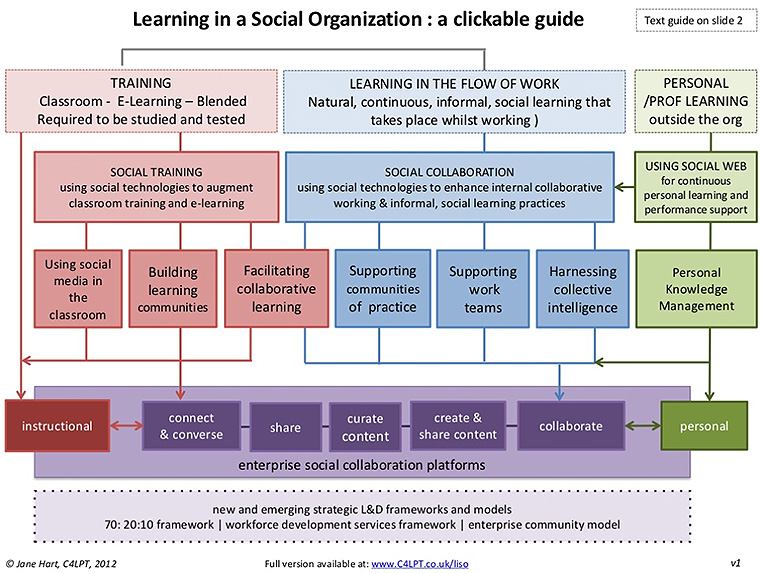
Learning in a Social Organization (LISO): a clickable guide — from by Jane Hart
From DSC:
A great picture of a dynamic, active, practical, constantly-changing, learning ecosystem:
![Learnstreaming: Take control of your online informal learning experience [Callahan]](http://danielschristian.com/learning-ecosystems/wp-content/uploads/2011/10/Learnstreaming-DCallahan-Oct2011.jpg "Learnstreaming-DCallahan-Oct2011")
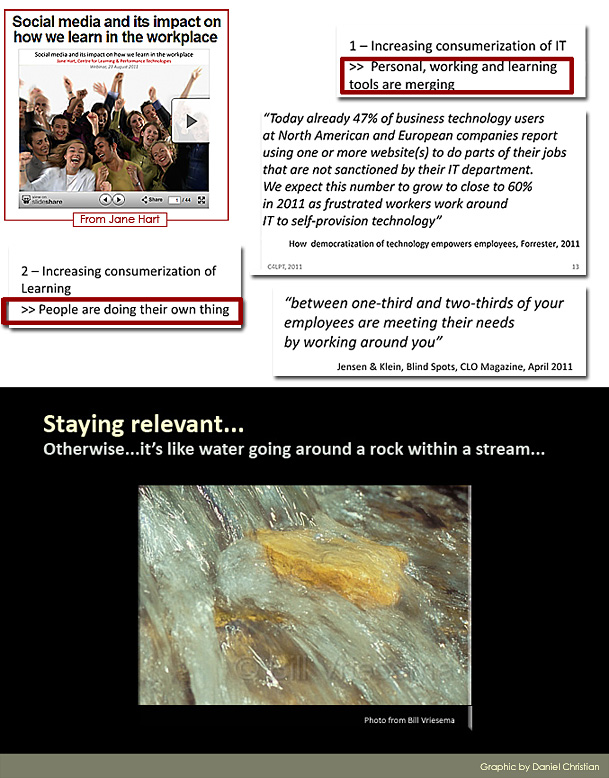
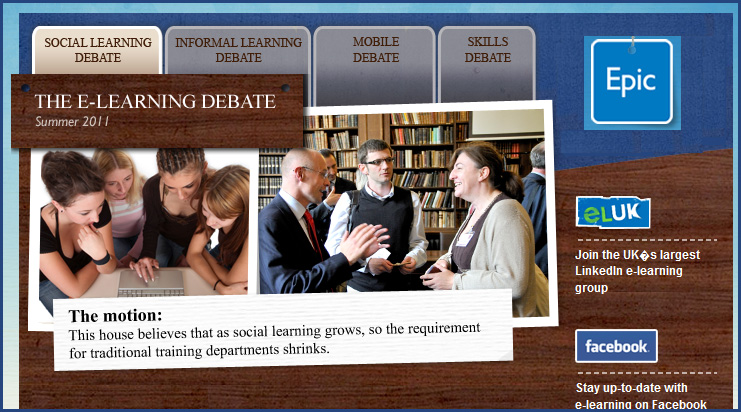
Social media and its impact on how we learn in the workplace — from C4PLT by Jane Hart
From DSC:
One reflection that jumped out at me from Jane’s excellent presentation…and that I believe is a universal truth:
If an organization doesn’t respond to changing conditions, needs, desires, preferences, best interests, and/or the requirements of its customers, that organization will diminish in usefulness and will most likely (albeit eventually) go out of business.
I know I’m not introducing a new thought here and the above statement seems very self-evident, but do we heed this advice in corporate L&D? Corporate IT? IT within higher education? In higher education as an industry?
Also see:
Why we need less instruction — from Clive on Learning by Clive Sheperd
Excerpt:
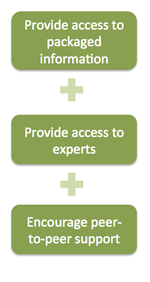
Another reason you might back away from instruction as a strategy is because it is more efficient to provide how-to materials at the point-of-need – it isn’t learning that’s required, it’s performance support:
A question of balance — by Clive Sheperd
Excerpt:
The issue, as ever, is getting the balance right between taking advantage of new developments as they come available, while continuing to exploit the potential of long-standing approaches.