16 BigLaw firms have no Black partners, including firm ranked No. 1 for diversity — from abajournal.com by Debra Cassens Weiss

Excerpt:

Many law firms that ranked relatively well on the American Lawyer’s 2021 Diversity Scorecard have no Black partners, including an immigration law firm ranked No. 1 for diversity.

The number of Black partners increased only slightly last year, rising from 2.1% to 2.2%, Law.com reports.

Law firms with no Black partners that ranked well on the 2021 Diversity Scorecard are: Berry Appleman & Leiden ranked No. 1 on the diversity scorecard; Wood Smith Henning & Berman, ranked No. 6 on the diversity scorecard; Kobre & Kim ranked No. 8 on the diversity scorecard; Irell & Manella; ranked No. 9 on the diversity scorecard; and Knobbe Martens, ranked 15th on the scorecard.

Law firms surveyed for the scorecard are among the nation’s 200 top grossing firms (the Am Law 200) and the nation’s 250 largest law firms (the National Law Journal 250).


Nalukai Academy: Harvesting Hawai’i’s Next Generation of Leaders — from gettingsmart.com by Ashley Ranan

Excerpt:

Nalukai’s program curriculum includes 5 areas of interest:

  • Digital storytelling – branding & marketing, content creation, web design
  • Leadership – project management, collaboration, team dynamics
  • Entrepreneurship – networking, investor pitches, business plan development
  • Design thinking –  prototyping, mind-mapping, iteration
  • Technology – coding, web development, digital business tools

Also see:

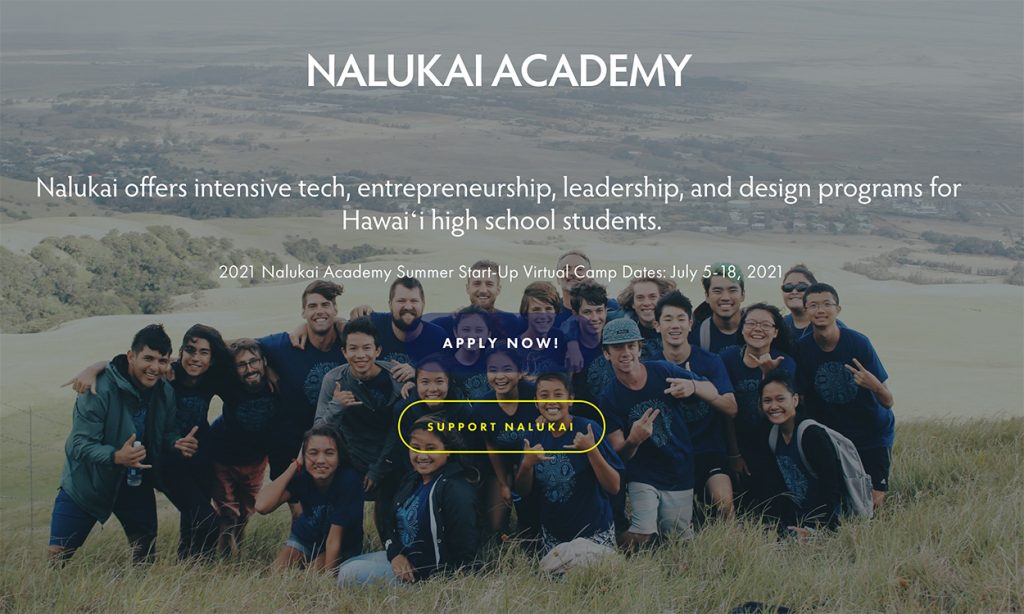
The Nalukai Academy offers intensive tech, entrepreneurship, leadership, and design programs for Hawai?i high school students. This image portrays some of those students.


Microcredential programs on the rise in Canada — from by Sharon Aschaiek; with thanks to Amrit Ahluwalia for this resource out on LinkedIn
Low rates of awareness about microcredentials by prospective students and employers remains a challenge.

Excerpt:

A new report on current views about microcredentials in Canada reveals a majority of higher education institutions are keen to create these concise, competency-focused upskilling programs, and many say the COVID-19 pandemic has made them even more relevant.

Released by the Higher Education Quality Council of Ontario (HEQCO) earlier this month, “Making Sense of Microcredentials” reveals what this emerging training trend means from the perspectives of three key stakeholder groups: universities and colleges, prospective students and employers. The 32-page descriptive research report is based on the results of a literature review, 44 interviews (17 with postsecondary schools), and 2,362 surveys, which included 161 representatives from 105 postsecondary institutions, including 41 universities.

Along these lines, see:

Mapping Out a ‘Credential As You Go’ Movement For Higher Education — from edsurge.com by Rebecca Koenig

Excerpt (emphasis DSC):

A new initiative called “Credential As You Go” aims to shift this status quo by making it easier for students and workers to earn recognition for their learning—in increments smaller than the colossal college degree.

Its goals include creating a national credentialing system designed around what the journey through higher education and job training actually looks like for many people: intermittent, nonlinear and unpredictable.

Also along the lines of keeping things brief, see:


Walt Whitman’s doctor annotates his patient intake form — from mcsweeneys.net by Amanda Lehr

Excerpt:

NAME:
Whitman, Walter

Physician Notes: Goes by “Walt.”

ADDRESS:
The Grass

Notes: Is this a housing development? Clarify with patient.

AGE:
I, now thirty-seven years old in perfect health begin,
Hoping to cease not till death.
I know I am deathless.

Notes: Well, aren’t we optimistic?

OCCUPATION:
I am the actor, the actress, the voter, the politician,
The emigrant and the exile, the criminal that stood in the box,
He who has been famous and he who shall be famous after to-day,

Notes: Unemployed.

ARE YOU SEXUALLY ACTIVE?
The armies of those I love engirth me and I engirth them.

Notes: Yes.


June 2021: Rethinking Lawyer Regulation — by Jim Sandman

Excerpts:

The National Center for State Courts estimates that in 76 percent of civil cases in state courts, at least one party is unrepresented. That figure does not include family law cases. If it did, the percentage would be even higher. It is common for more than 90 percent of tenants facing eviction in the United States to be without counsel, even though more than 90 percent of landlords have lawyers. It is common for more than 80 percent of domestic violence victims seeking protection orders to be without counsel.

The model on which our adversary system of justice is based – with each party represented by counsel who present evidence and arguments on behalf of their clients – is a fiction in the majority of civil cases in the United States today. Unrepresented litigants fend for themselves in tens of millions of cases every year involving the most basic of human needs: shelter (evictions and foreclosures), family stability (child custody child support, adoptions, and guardianships), personal safety (protection orders against abusers), and economic subsistence (access to unemployment insurance, health care, food, and other benefits programs). The lack of access to counsel affects not just low-income people, but the middle class and small businesses, too.

Our nation is defaulting on its foundational promise of justice for all. We need solutions commensurate with the magnitude and the urgency of the problem, and those solutions must include regulatory reform.


Growth Mindset Leadership & The Pygmalion Effect — from by Trevor Ragan and the Learning Lab; featuring Robert Rosenthal, Christine Rubie-Davies, and Michael Merznich. With thanks to Chris Church, Tenured Professor and prior Associate Dean of Academic Programs at the WMU-Cooley Law School
Our mindsets impact others more than we realize. As leaders, we can use this to improve the learning environment.

Excerpt:

We know that our individual mindsets (growth mindset & fixed mindset) can impact our capacity to grow. But how do our mindsets impact others?

Renowned researcher, Robert Rosenthal outlines his work and shows how our expectations can have a huge impact on the performance and development of the people around us.

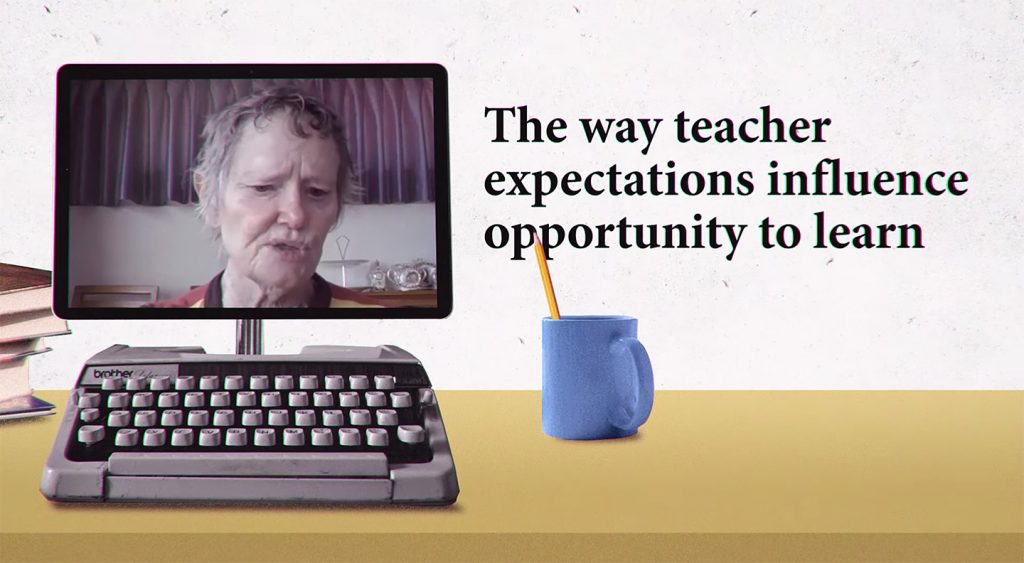
Christine Rubie-Davies from the University of Auckland shows us how teacher expectations play a role in student development.

From DSC:
I highly recommend that all professors, teachers and student teachers, trainers — and even those supervising others — check this piece out! Nice work Trevor & Company! Below are some snapshots from this presentation.

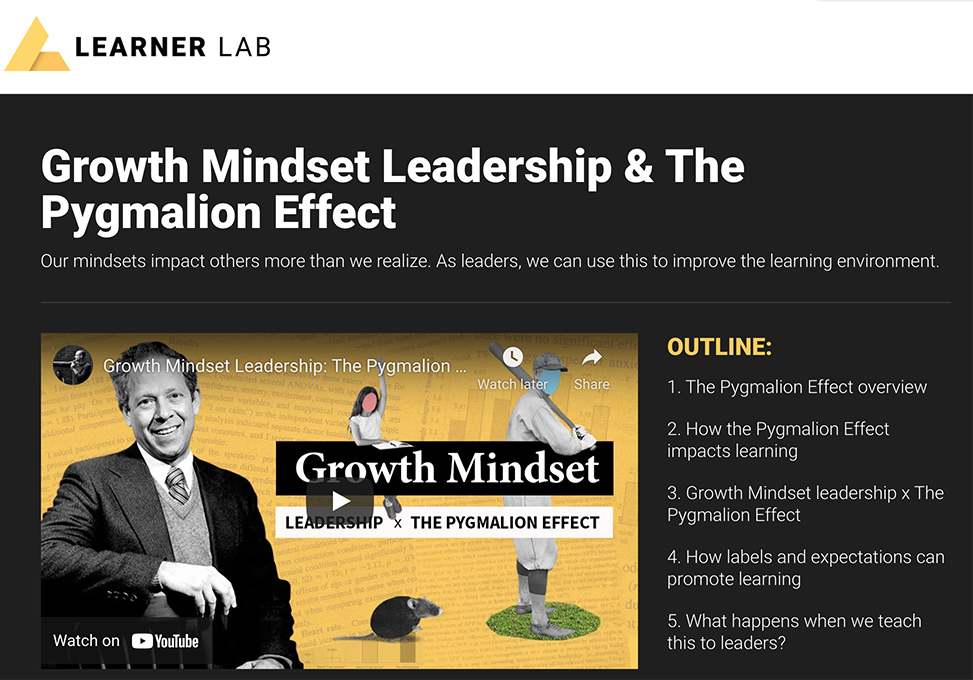
The agenda for Trevor Ragan's presentation re: the Pygmalion Effect


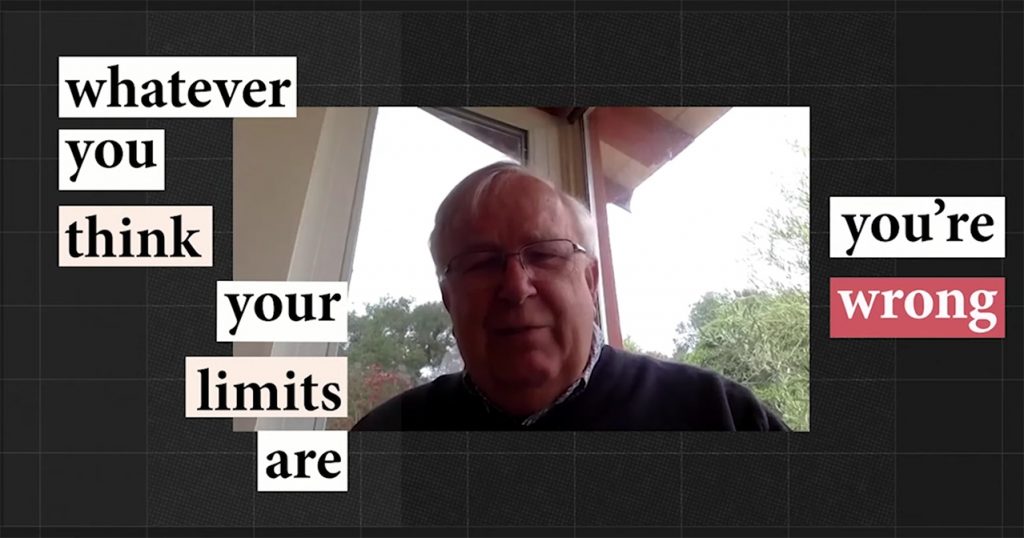
Whatever you think your limits are...you're wrong.


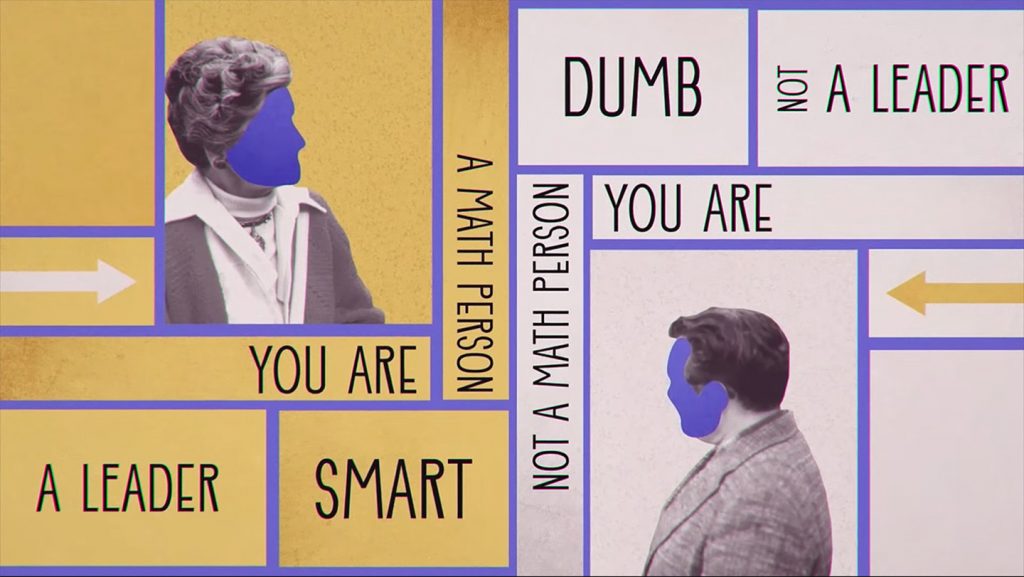
There are many labels that we put on others -- and that has real consequences and ramifications...both positive and negative depending upon the label.

Teachers expectations of someone matters!


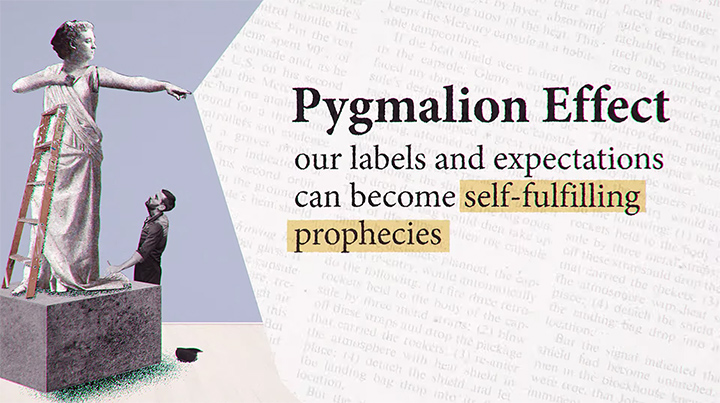
The Pygmalion Effect -- our labels and expectations can become self-fulfilling prophecies


Put the label of learner at the top! We can all grow and learn, even though we aren't all equally gifted in all disciplines.


Top blogging platforms worth considering in 2021 — from webdesignerdepot.com by Rebekah Carter

Excerpt:

Want to know which of the top blogging platforms you should consider using this year?

Blogging is still one of the best ways to draw attention to your brand, generate thought leadership, and build your credibility. Research suggests that US internet users spend 3x more of their browsing time on blogs than on email. Additionally, people view about 20 billion blog pages on average each month.

So, how do you join the blogging revolution? You’ll need the right platform.

Essentially, a blogging platform is a CMS (Content Management System) which supports blog creation. Many come with additional tools like SEO support and integrations with email marketing too. There are tons of great blogging platforms out there, which means knowing where to start searching can be tough. To help you, we’ve put together this list of the leading blogging platforms.

Top blogging platforms worth considering in 2021 -- from webdesignerdepot.com by Rebekah Carter

From DSC:
This is a great list of tools for those who want to blog — complete with the pros and cons of each platform/tool. Students, I would encourage you to start blogging — as it helps you process information, pulse check the landscapes, improve your writing, shows others what you are thinking about, and more.


Microsoft President Warns of Orwell’s 1984 ‘Coming to Pass’ in 2024 — from interestingengineering.com by Chris Young
Microsoft’s Brad Smith warned we may be caught up in a losing race with artificial intelligence.

Excerpt (emphasis DSC):

The surveillance-state dystopia portrayed in George Orwell’s 1984 could “come to pass in 2024” if governments don’t do enough to protect the public against artificial intelligence (AI), Microsoft president Brad Smith warned in an interview for the BBC’s investigative documentary series Panorama.

During the interview, Smith warned of China’s increasing AI prowess and the fact that we may be caught up in a losing race with the technology itself.

“If we don’t enact the laws that will protect the public in the future, we are going to find the technology racing ahead, and it’s going to be very difficult to catch up,” Smith stated.

From DSC:
This is a major heads up to all those in the legal/legislative realm — especially the American Bar Association (ABA) and the Bar Associations across the country! The ABA needs to realize they have to up their game and get with the incredibly fast pace of the twenty-first century. If that doesn’t occur, we and future generations will pay the price. Two thoughts come to my mind in regards to the ABA and for the law schools out there:

Step 1: Allow 100% online-based JD programs all the time, from here on out.

Step 2: Encourage massive new program development within all law schools to help future lawyers, judges, legislative reps, & others build up more emerging technology expertise & the ramifications thereof.

Google’s plan to make search more sentient — from vox.com by Rebecca Heilweil
Google announces new search features every year, but this time feels different.

Excerpt:

At the keynote speech of its I/O developer conference on Tuesday, Google revealed a suite of ways the company is moving forward with artificial intelligence. These advancements show Google increasingly trying to build AI-powered tools that seem more sentient and that are better at perceiving how humans actually communicate and think. They seem powerful, too.

Two of the biggest AI announcements from Google involve natural language processing and search.

Google also revealed a number of AI-powered improvements to its Maps platform that are designed to yield more helpful results and directions.

Google’s plans to bring AI to education make its dominance in classrooms more alarming — from fastcompany.com by Ben Williamson
The tech giant has expressed an ambition to transform education with artificial intelligence, raising fresh ethical questions.

Struggling to Get a Job? Artificial Intelligence Could Be the Reason Why — from newsweek.com by Lydia Veljanovski; with thanks to Sam DeBrule for the resource

Excerpt:

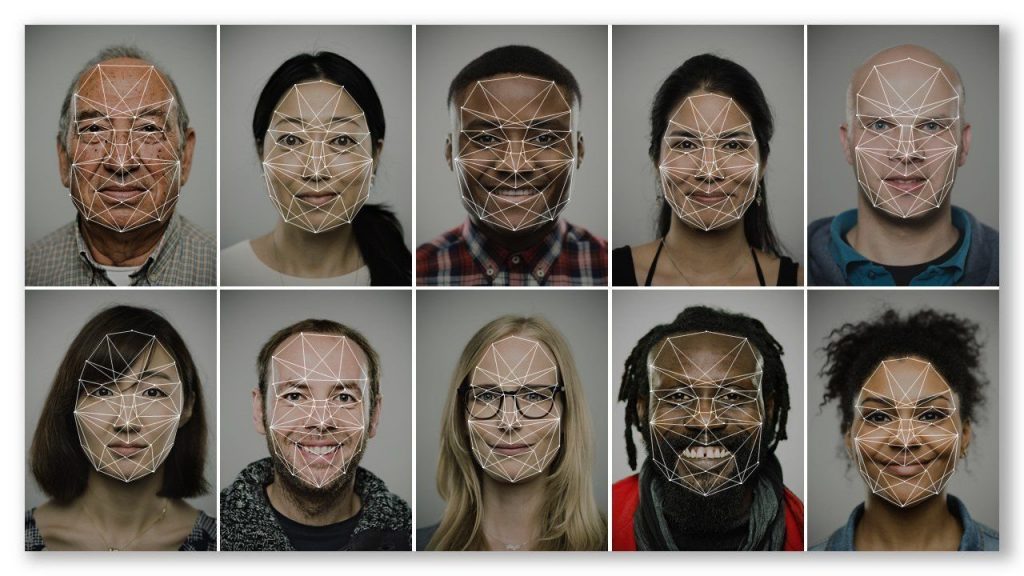
Except that isn’t always the case. In many instances, instead of your application being tossed aside by a HR professional, it is actually artificial intelligence that is the barrier to entry. While this isn’t a problem in itself—AI can reduce workflow by rapidly filtering applicants—the issue is that within these systems lies the possibility of bias.

It is illegal in the U.S. for employers to discriminate against a job applicant because of their race, color, sex, religion, disability, national origin, age (40 or older) or genetic information. However, these AI hiring tools are often inadvertently doing just that, and there are no federal laws in the U.S. to stop this from happening.

These Indian edtech companies are shaping the future of AI & robotics — from analyticsinsight.net by Apoorva Komarraju May 25, 2021

Excerpt:

As edtech companies have taken a lead by digitizing education for the modern era, they have taken the stance to set up Atal Tinkering Labs in schools along with other services necessary for the budding ‘kidpreneurs’. With the availability of these services, students can experience 21st-century technologies like IoT, 3D printing, AI, and Robotics.

Researchers develop machine-learning model that accurately predicts diabetes, study says — from ctvnews.ca by Christy Somos

Excerpt:

TORONTO — Canadian researchers have developed a machine-learning model that accurately predicts diabetes in a population using routinely collected health data, a new study says.

The study, published in the JAMA Network Open journal, tested new machine-learning technology on routinely collected health data that examined the entire population of Ontario. The study was run by the ICES not-for-profit data research institute.

Using linked administrative health data from Ontario from 2006 to 2016, researchers created a validated algorithm by training the model on information taken from nearly 1.7 million patients.

Project Guideline: Enabling Those with Low Vision to Run Independently — from ai.googleblog.com by Xuan Yang; with thanks to Sam DeBrule for the resource

Excerpt:

For the 285 million people around the world living with blindness or low vision, exercising independently can be challenging. Earlier this year, we announced Project Guideline, an early-stage research project, developed in partnership with Guiding Eyes for the Blind, that uses machine learning to guide runners through a variety of environments that have been marked with a painted line. Using only a phone running Guideline technology and a pair of headphones, Guiding Eyes for the Blind CEO Thomas Panek was able to run independently for the first time in decades and complete an unassisted 5K in New York City’s Central Park.

Deepfake Maps Could Really Mess With Your Sense of the World — from wired.com by Will Knight
Researchers applied AI techniques to make portions of Seattle look more like Beijing. Such imagery could mislead governments or spread misinformation online.

In a paper published last month, researchers altered satellite images to show buildings in Seattle where there are none.


Teaching: Why an Active-Learning Evangelist Is Sold on Online Teaching — from chronicle.com by Beth McMurtrie

Excerpts:

Now, says Mazur, the results are in and he’s convinced: online teaching is better. Not in all circumstances, to be sure. But in his applied-physics courses, students showed larger learning gains and felt more supported than students had in in-person classes. In fact, they appear to have learned so much more effectively in this new format that he wonders if it’s “almost unethical,” to return to the classroom this fall.

“I have never been able to offer a course of the quality that I’m offering now,” he says. “I am convinced that there is no way I could do anything close to what I’m doing in person. Online teaching is better than in person.”

One benefit of this setup, says Mazur, is that students go at their own pace. He has thought a lot about how classroom-based work, even when it is student-led, is hostage to the clock and the instructor. Not every group works at the same pace, yet everyone has to wait until others are ready, or rush ahead when they fall behind. When groups set their own pace, it gives them the space to work through problems or get help as needed. The value of self-paced learning is also evident outside of class, says Mazur, who built more asynchronous work into his online course.

“I have never seen students work this hard for my course,” he says. “Never. And so consistently.”

Also see:

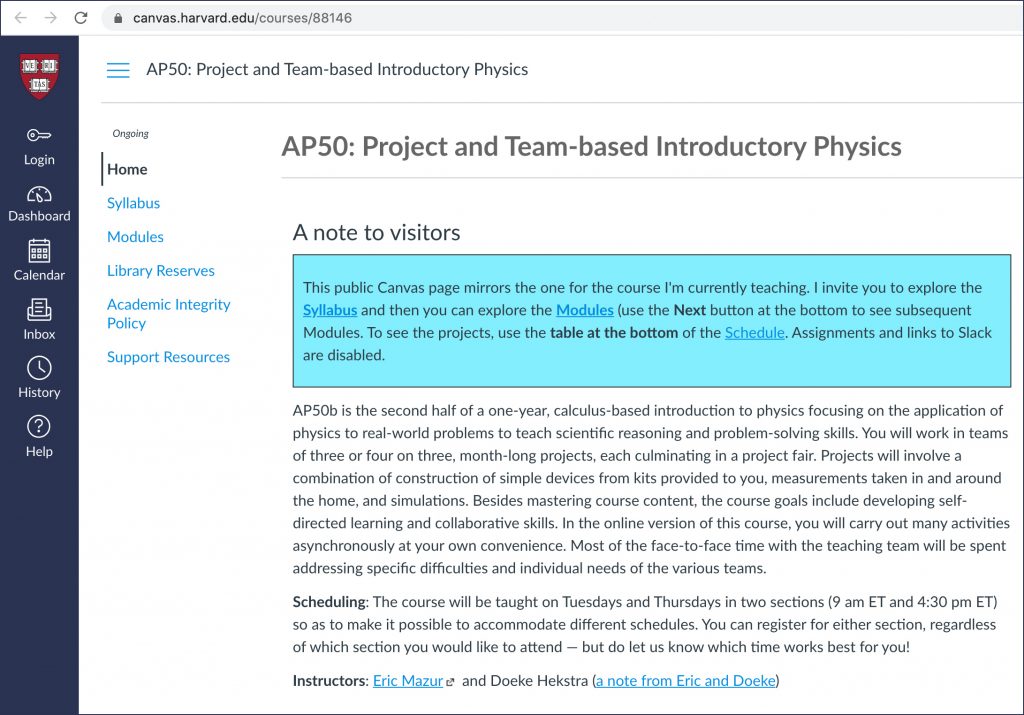
A snapshot of Eric Mazur's physics class from Canvas.

But he’s so convinced of how valuable this model is that he asked Harvard to allow him to keep teaching online this fall. 

Also relevant/see:


Ed Department Sets Expectations For Special Education As Schools Reopen — from disabilityscoop.com by Michelle Diament

Excerpt:

With schools across the nation increasingly eyeing a return to normalcy, federal education officials are further clarifying what that should mean for students with disabilities.

In a 23-page question-and-answer document, the U.S. Department of Education is laying out how the Individuals with Disabilities Education Act, Section 504 of the Rehabilitation Act and other civil rights laws apply as schools return to in-person learning.

The guidance addresses schools’ responsibilities to students with disabilities in remote, hybrid and in-person situations, touching on everything from the right to a free appropriate public education to handling children who are unable to wear masks or maintain social distance.


2 Chronicles 10 (NIV) — from biblegateway.com (emphasis DSC)

Excerpt:

10 Rehoboam went to Shechem, for all Israel had gone there to make him king. When Jeroboam son of Nebat heard this (he was in Egypt, where he had fled from King Solomon), he returned from Egypt. So they sent for Jeroboam, and he and all Israel went to Rehoboam and said to him: “Your father put a heavy yoke on us, but now lighten the harsh labor and the heavy yoke he put on us, and we will serve you.”

Rehoboam answered, “Come back to me in three days.” So the people went away.

Then King Rehoboam consulted the elders who had served his father Solomon during his lifetime. “How would you advise me to answer these people?” he asked.

They replied, “If you will be kind to these people and please them and give them a favorable answer, they will always be your servants.”

But Rehoboam rejected the advice the elders gave him and consulted the young men who had grown up with him and were serving him. He asked them, “What is your advice? How should we answer these people who say to me, ‘Lighten the yoke your father put on us’?”

10 The young men who had grown up with him replied, “The people have said to you, ‘Your father put a heavy yoke on us, but make our yoke lighter.’ Now tell them, ‘My little finger is thicker than my father’s waist. 11 My father laid on you a heavy yoke; I will make it even heavier. My father scourged you with whips; I will scourge you with scorpions.’”

12 Three days later Jeroboam and all the people returned to Rehoboam, as the king had said, “Come back to me in three days.” 13 The king answered them harshly. Rejecting the advice of the elders, 14 he followed the advice of the young men and said, “My father made your yoke heavy; I will make it even heavier. My father scourged you with whips; I will scourge you with scorpions.”

From DSC:
The new, younger king didn’t listen to the older, more experienced people (i.e., the elders) who had worked with King Solomon (a king who reigned over a united Israel for 40 years…and a person whom the Bible says was the wisest king of all time). Instead the younger king sought the counsel of his younger peers and went with that advice. This led to Rehoboam’s downfall — at least in terms of keeping a strong, united Israel. He was only a king of a much smaller kingdom due to his decision and actions.

What might the youth of today learn from this? How might entrepreneurs learn from this? What might companies like Google, Facebook, and others learn from this? How might this impact how we go about developing the culture of a company? What’s valued and what’s not valued?

There are probably different lessons one can learn from 2 Chronicles Chapter 10. But here’s one example that comes to my mind…

…just because we can…

just because we can does not mean we should


…doesn’t mean we should.


just because we can does not mean we should


21 jobs of the future: A guide to getting — and staying — employed over the next 10 years — from cognizant.com and  the Center for The Future of Work

Excerpt:

WHAT THE NEXT 10 YEARS WILL BRING: NEW JOBS
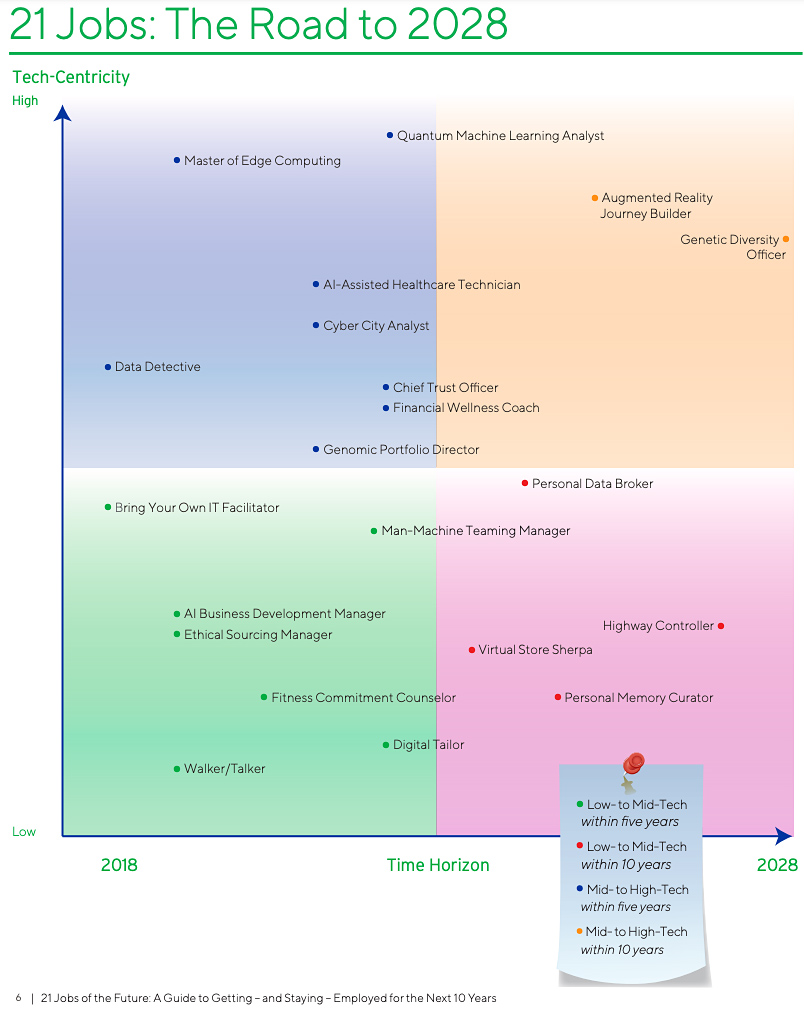
In this report, we propose 21 new jobs that will emerge over the next 10 years and will become cornerstones of the future of work. In producing this report, we imagined hundreds of jobs that could emerge within the major macroeconomic, political, demographic, societal, cultural, business and technology trends observable today, e.g., growing populations, aging populations, populism, environmentalism, migration, automation, arbitrage, quantum physics, AI, biotechnology, space exploration, cybersecurity, virtual reality.

Among the jobs we considered, some seemed further out on the horizon and are not covered here: carbon farmers, 3-D printing engineers, avatar designers, cryptocurrency arbitrageurs, drone jockeys, human organ developers, teachers of English as a foreign language for robots, robot spa owners, algae farmers, autonomous fleet valets, Snapchat addiction therapists, urban vertical farmers and Hyperloop construction managers. These are jobs that younger generations may do in the further off future.

21 jobs on a chart where tech-centricity is on the vertical axis and the time horizon is on the horizontal axis. 21 jobs are represented in this graphic and report.

Also see:

Here are the top 10 jobs of the future — from bigthink.com by Robert Brown
Say hello to your new colleague, the Workplace Environment Architect.

Excerpt:

6. Algorithm Bias Auditor – “All online, all the time” lifestyles for work and leisure accelerated the competitive advantage derived from algorithms by digital firms everywhere. But from Brussels to Washington, given the increasing statutory scrutiny on data, it’s a near certainty that when it comes to how they’re built, verification through audits will help ensure the future workforce is also the fair workforce.


Leveraging EdTech: brilliant tools for student voice — from global-edtech.com by Cecilia Astolfi
Cecilia Astolfi provides three very useful tips for any teachers wishing to promote student voice in the classroom

There are three tools I recommend in order to enhance the ability of students to express their views in a constructive and valuable manner.

Best Microsoft PowerPoint Tips and Tricks for Teachers — from by Luke Edwards
You may be amazed to see how much you can get out of Microsoft PowerPoint as a teacher

Excerpt:

5. Create Instagram Stories in PowerPoint
Another social media app that has great traction with students is Instagram, specifically the Stories feature that allows you to share images or videos from the day, which are wiped for a fresh set each day.

Imagine doing this in class? Perhaps the students could carry on a story you were studying in class. Maybe they could tell the tale of a comet as it travels through space. The options are huge and it’s easy to do using this PowerPoint template as a starting point.

6 kids games that make math learning engaging and entertaining — from educatorstechnology.com

Excerpt:

BBC School Radio Maths is an excellent educational resource we learned from MakeUseOf‘ s list of 10 Cool Math Games for Kids. School Radio Maths offers a wide variety of educational games to help kids develop their math skills. Kids will get to grapple with various numeracy challenges that involves a higher degree of mental skills. The games are entertaining enough to keep pupils motivated and focused on the learning task at hand.

6 strategies to help you improve your math skills — from educatorstechnology.com

Excerpt:
As a child, did you love math back in the elementary? Now that you are an adult, do you feel awkward with your Mathematic’s skills? Let’s admit it – not everyone is great at Math. Some find it fun, brilliant, stimulating others find it too difficult to comprehend.

However, the stigma associated with math learning is not always true especially knowing that Math is omnipresent and is being used in almost every facet of our life. The purpose of this post is to share with you  some of the ways to help you  strengthen your Math skills.

This map lets you fly along the path of a drop of water from any place in the U.S. — from fastcompany.com by Adele Peters
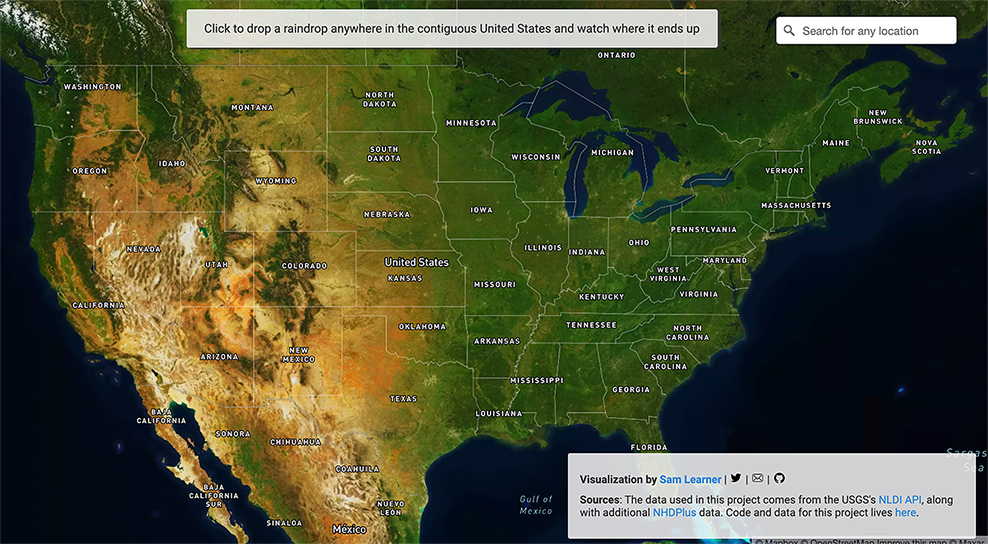
Click on any spot or enter an address, and it will show where the water is likely to flow. Good for both learning how pollution and plastic spreads, but also for an aerial visual ride of the country’s waterways.
Also see: river-runner.samlearner.com/

This image portrays a map of the United States.

Hands-On with the Lego Snapchat Augmented Reality Experience That Lets You Build With Friends Remotely — from next.reality.news by Adario Strange

Excerpt:

The world of Lego is timeless primarily because everyone, regardless of age or background, can build a wide variety of amazing things with the simple component blocks from the classic toymaker.

But now that Snapchat has brought that dynamic to augmented reality via the Rebuild the World Snapchat Lens the possibilities are truly endless.

Snap Spectacles Early Prototype, Volkswagen Drives into AR, Inside Lego Snapchat, & Instagram Updates AR — from next.reality.news by Tommy Palladino

Best Apps To Learn The Korean Language — from edtechreview.in by Saniya Khan

Excerpt:

Korean, one of the popular Asian languages for non-native speakers, is the official language of the Republic of Korea (South Korea) and the Democratic People’s Republic of Korea (North Korea).

This is an increasingly important language globally considering South Korea’s powerful economy, geopolitical importance, and growing presence in Asian pop culture; perhaps one reason for garnering a surprising amount of interest in people worldwide to learn the Korean language.

5 Places to Sell Your Artwork Online — from hongkiat.com

Excerpt:

Selling art online is making a comeback. Artists have been selling their work on the Internet but as of late, there’s an increase in online art sales. You can of course build your own website to share your art, run your own marketing and promotional exercise via social media and other channels but you will probably gain more exposure with the following websites . Time to get your beautiful art out there.

12 good edtech tools to use in your distance education — from educatorstechnology.com

Excerpt:

Looking for some educational websites to help you with the management of your online (and also face-to-face) classroom teaching? The list below has you covered. It features a collection of  some popular web tools you can use to perform a wide variety of educational tasks. These include: creating interactive video lessons, collect formative assessments and provide real-time feedback to students, enhance students learning through the use of digital games and flashcards, create online classes and share assignments and learning resources with students, organize students into appropriate learning groups and many more. Links to these websites are under the visual.


Evolving Instruction in a Rapidly Changing World — from esheninger.blogspot.com by Eric Sheninger

Excerpts:

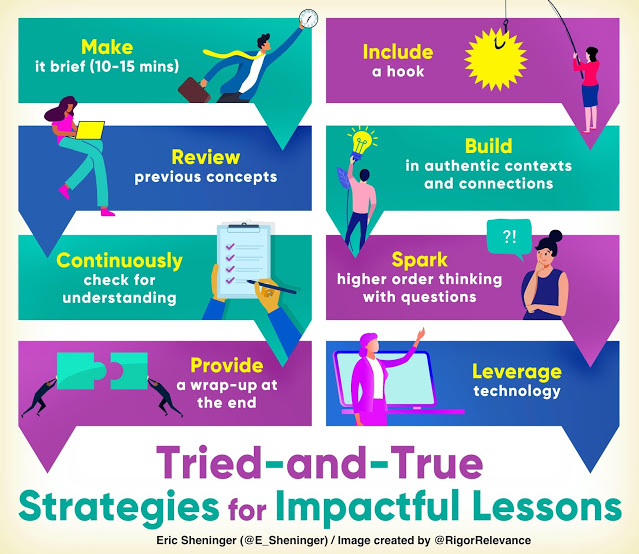
In Chapter 3 of Disruptive Thinking in Our Classrooms, I lay out tried and true strategies to consider during any direct instruction component of a lesson while setting the stage for learning that empowers students to think disruptively by replacing conventional ideas with innovative solutions to authentic problems.  Below is a summary of things to consider as you plan out your instructional design:

This image lays out the tried and true strategies Eric recommends for instructional design


President Speaks: 5 higher education trends the pandemic is accelerating — from highereddive.com by Adam Weinberg
Technology, student choice and career prep will factor more heavily into colleges’ decision-making going forward, one president explains.

Excerpt:

Over the last several weeks, it has become clearer what the post-COVID-19 higher education landscape will look like. The trends that will shape the sector’s future are not new. But the pandemic has accelerated them.

Trends are like water. As they run faster, they cut deeper and in unexpected ways. Here are five that COVID-19 has given momentum to.


© 2025 | Daniel Christian