Future Today Institute's 2022 Tech and Science Trends Report is now available

The Future Today Institute’s 15th Anniversary Tech Trends Report

Excerpt:

Future Today Institute’s 2022 Tech and Science Trends Report is now available. Downloaded more than 1 million times each year, FTI’s annual Tech Trends Report is a must-read for every industry. Learn the key trends impacting finance, insurance, transportation, healthcare, sports, logistics, telecom, work, government and policy, security, privacy, education, agriculture, entertainment, music, CPG, hospitality and dining, ESGs, climate, space and more. Discover critical insights. See what strategic action you can take on the futures, today.


Digest #166: Perfectionism in Education — from learningscientists.org by Carolina Kuepper-Tetzel

“Perfection is the opposite of done!” I came across this statement recently and it made me think about how perfectionism really affects one’s work and studying. Growing up, I always thought of perfectionism as a good thing, as something to aspire to. However, more recently I am questioning this thought. It adds unnecessary pressure that it difficult to live up to and sustain. I see that many issues that my students are experiencing can be traced back to perfectionism. To incredibly high goals and standards that are impossible to achieve and that makes your work not being “good enough” – when it actually is. The consequences of high perfectionism can be manifold and in today’s digest, I’d like to offer an overview of resources on perfectionism in education.

From DSC:
Somewhere along the lines, I heard that if an interviewer asks you to state a negative characteristic, choose something like perfectionism — to turn something that could be a negative into a positive. And back in my earlier days, I thought that made sense.

But I have to agree with Carolina here. The older I get, the more my empathy levels would rise if someone gave me that answer today. I’m a perfectionist and I can truly say that perfectionism is a joy-robber! It can destroy a good day. It can destroy a good mood. It can destroy joy. I don’t recommend it.


Instructure Research Reveals Higher Education’s New Directive as Students Demand Flexibility and Return on Investment — from prnewswire.com by Instructure

Excerpt:

SALT LAKE CITYOct. 26, 2022 /PRNewswire/ — Instructure, the maker of Canvas, recently released its annual global report focused on the state of higher education. Key findings from the report include the factors that lead to student success, what’s hindering students from succeeding and important elements for measuring success, such as the importance of mental health support for students. View the full report: State of Student Success and Engagement in Higher Education.

“We are seeing a growing group of non-traditional students that demand change in the way institutions offer courses,” said Melissa Loble, chief customer experience officer at Instructure. “Learners are looking for flexibility and an emphasis on career skills in preparation for entering the workforce. Institutions that offer holistic solutions, such as mental health resources and mentoring programs, will go a long way in ensuring student success.”

In its third year, the “State of Higher Education” research reflects a survey of over 7,500 current students, administrators and faculty from 23 countries representing a mixture of two-year, four-year, public and private higher education institutions. The report uncovered six key trends:

Also relevant/see:


Michigan’s public universities have lost 45,000 students since 2011. It’s about to get worse. — from mlive.com by Matthew Miller

Excerpt:

The decline is partly a pandemic phenomenon. It’s mostly the product of a shrinking number of 18 to 22-year-olds and a slow decline in the percentage of high school graduates choosing to enroll in college.

It is almost certain to get worse. After 2025, the number of students graduating each year from Michigan high schools is projected to drop steadily for more than a decade.

Barring significant and unlikely shifts in the number of high school graduates enrolling in college or in the ability of the state’s less selective regional universities to draw out-of-state and adult students, those schools are simply going to get smaller.

Also related/see (and also recently from mlive.com):


Attention higher-ed leaders: Faculty and staff have something to say — from ecampusnews.com by Jen Landon; with thanks to Ray Schroeder for this resource
Higher-ed leaders can apply the same listening skills and level of investment put forth for students toward their workers

Excerpts:

An organization’s greatest asset is its people. In no other industry is that more true than in higher education. The importance of faculty and staff can’t be overstated; they are, in every way, core to carrying out the mission of higher education.

Institutions should put employee satisfaction at the top of their list from day one: investing in the growth and success of faculty and staff with as much determination as they invest in student success. This mindset should extend to job candidates as well.

From DSC:
I appreciate some attention being paid here to the career/skill development of faculty and staff, as well as to the attempts to create caring cultures. Higher ed has a lot to learn from the corporate world in terms of training its managers, supervisors, and leadership. Provosts, for example, move out of the academic ranks and I’d bet that most of them have never had any training in being a leader — especially re: the business side of higher ed. 

Staff members are key to all institutions of higher education, yet many of them are second-class citizens on many (most?) campuses. They have limited say and even more limited budgets. Even though they have transformed institutions — such as the case with providing online/blended/hyflex-learning — they aren’t lifted up.

For myself, if I didn’t feel like I was growing and learning, I felt stagnant. That’s why blogging has been so wonderful and important to me through the years. The budgets for training one’s staff are very important — as staff members need to stay marketable and relevant. As with most others in the workplace, staff and faculty members may need to reinvent themselves from time to time. Hopefully, this type of growth/reinvention is being supported by the institutions of traditional higher education out there.


Speaking of the workplace and higher education, you might be interested in The Job newsletter. This week’s edition was interesting indeed! 


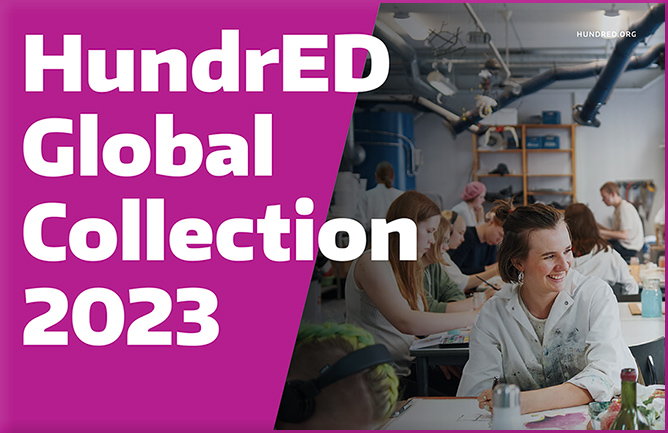
HundrED Global Collection 2023 — from hundred.org
Meet the 100 most impactful innovations that are changing the face of education in a post-COVID world.

The HundrED Global Collection 2023

Excerpt:

The year 2022 has been a year to look to the future, as the global education conversation moves again toward themes of education transformation and the futures of education. The 100 innovations selected for this year’s global collection are impacting the lives of over 95 million students worldwide. The collection highlights the important role of teachers in education innovation; the continued need for students to develop 21st century skills, including social and emotional learning; an increasing focus on student wellbeing and mental health; and equity in education.

For more information, download the full Global Collection 2023 report.
You can also browse the innovation pages of the selected innovators here.
.

From DSC:
Here’s an excerpt of the email I received today from EducationHQ out of Australia — though I think it applies here in the United States as well:

.

Amplify and value teachers’ voice in education policymaking: researchers — from educationhq.com
Amplify and value teachers’ voice in education policymaking: researchers

Excerpt:

Monash University’s Teachers’ Perceptions of their Work Survey has revealed teachers’ waning satisfaction in their role and highlighted their…

Also from educationhq.com

Teachers changed my life: Trauma-informed education shows kids they matter — from educationhq.com by Beck Thompson
.

Nonprofit Bringing Businesses to Life in the Classroom — to the Tune of $400,000 — from the74million.org by Tim Newcomb
Making candles out of crayons, building birdhouses, fashioning furniture: Real World Scholars has helped 50,000 students become entrepreneurs

Not much entices a second grader to skip out on recess to get back to schoolwork. But excitement around a classroom-run business can do just that, especially when it means creating candles out of crayons and selling them in the local community.

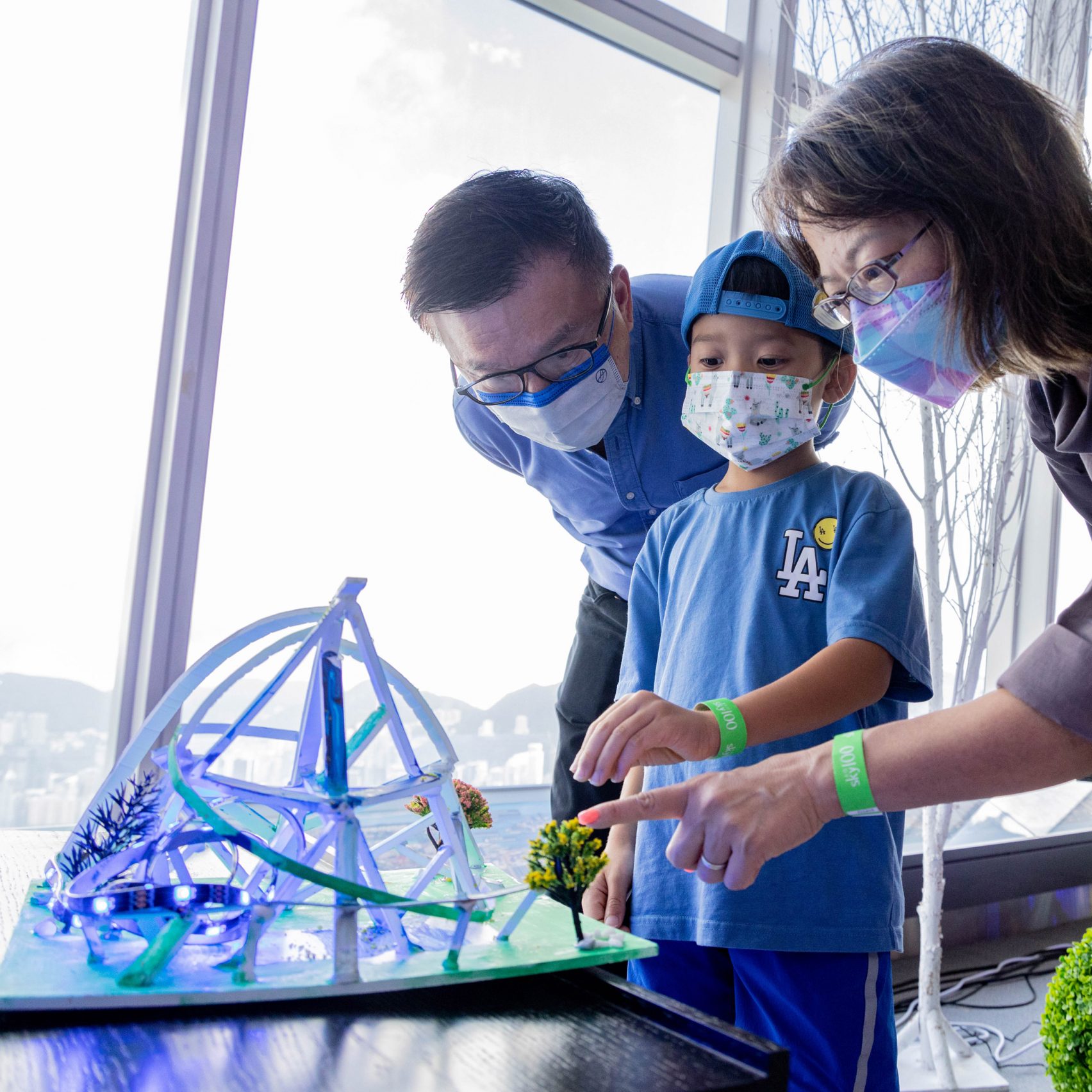
Students design their ideal urban home in My ArchiSchool exhibition — from dezeen.com

Students were able to bring family members to the exhibition. Architectural model by Ethan Chan

Excerpt:

Promotion: fifty-two students presented digital designs and architectural models of their ideal home as part of Hong Kong-based education institute My ArchiSchool’s latest exhibition. As part of the exhibition, My ArchiSchool students were asked to design their ideal home within an urban environment. The exhibition, which took place on 2 October 2022 at the Sky100 on the 100th floor of the International Commerce Centre in Hong Kong, showcased photomontages of digital designs presented alongside physical models.

5 Resources that help students become digital citizens — from rdene915.com by Rachelle Dene Poth

Excerpt:

We need to create opportunities for students to become more digitally aware and literate, and to be responsible when using technology. There are many ways to do this, depending on our content area and grade level. We can model best practices for our students, bring in a specific digital citizenship curriculum to guide them through their learning, or use digital tools and resources available to have students explore and create.

Helping students learn to safely navigate what has become a highly digital world is something that we are all responsible for. Students need to be aware of the impact of their posts online, how to create and manage social accounts and protect their information, and how to properly access and use resources they obtain through technology.

3 Reasons School and District Leaders Should Get on Social Media — from edweek.org by Marina Whiteleather

Excerpt:

School and district leaders can—and should—be using social media in their work.

That’s the message shared by Stephanie McConnell, a superintendent in the Hawkins Independent School District in Texas, and Salome Thomas-El, a K-8 principal in Delaware, during an Education Week K-12 Essentials forum on Oct. 13.

At the event, McConnell and Thomas-El provided insights and advice for school leaders who are hesitant to post on certain social platforms or unsure how to use them.


How to Stanch Enrollment Loss — from chronicle.com by Jeff Selingo
It’s time to stop pretending the problem will fix itself.

Excerpt:

The latest enrollment numbers from the National Student Clearinghouse Research Center, for the fall of 2022, paint an ominous picture for higher education coming out of the pandemic. Even in what many college leaders have called a “normal” fall on campuses, enrollment was down 1.1 percent across all sectors. And while the drop was smaller than the past two Covid-stricken fall semesters, colleges across every sector still have lost more than a million students since the fall of 2019.

At some point, colleges need to stop blaming the students who sat out the pandemic or the economic factors and social forces buffeting higher education for enrollment losses. Instead, institutions should look at whether the student experience they’re offering and the outcomes they’re promising provide students with a sense of belonging in the classroom and on campus and ultimately a purpose for their education.


The Key Podcast | Ep.91: The Pros and Cons of HyFlex Instruction — from insidehighered.com with Doug Lederman, Enilda Romero-Hall and Alanna Gillis

Excerpt:

During the pandemic, many colleges and universities embraced a form of blended learning called HyFlex, to mixed reviews. Is it likely to be part of colleges’ instructional strategy going forward?

This week’s episode of The Key explores HyFlex, in which students in a classroom learn synchronously alongside a cohort of peers studying remotely. HyFlex moved from a fringe phenomenon to the mainstream during the COVID-19 pandemic, and the experience was imperfect at best, for professors and students alike.

This conversation about the teaching modality features two professors who have both taught in the HyFlex format and done research on its impact.

From DSC:
When I worked for a law school, we had a Weekend Blended Learning Program.  Student evaluations of these courses constantly mentioned that these WBLP-based courses saved many students hundreds of dollars for each particular class that we offered online (i.e., cost savings in flights, hotels, meals, rental cars, parking fees, etc.).

Another thought/idea:

  • What if traditional institutions of higher education were to offer tiered pricing? That is, perhaps students participating remotely could listen in and even audit classes, but pay less.

Colleges should use K-12 performance assessments for course placement, report says — from highereddive.com by Jeremy Bauer-Wolf

Dive Brief:

  • Colleges should use K-12 performance assessments like capstone papers or portfolios for student course placements and advising, according to a recent report.
  • Typical methods of determining students’ placement in early college classes — like standardized tests — don’t fully illustrate their interests and academic potential, according to the report, which was published by postsecondary education access group Complete College America. Conversely, K-12 performance assessments ask students to demonstrate real-world skills, often in a way that ends with a tangible product.
  • The organizations recommend colleges and K-12 schools mesh their processes, such as by mutually developing a high school graduation requirement around performance assessments. This would help strengthen the K-12 school-college relationship and ease students’ transition from high school to college, the report states.

From DSC:
I post this particular item because I like the tighter integration that’s being recommended between K12 and higher education. It seems like better overall learning ecosystems design, design thinking, and on-ramping.

Along these lines, also see:

How Higher Ed Can Help Remedy K-12 Learning Losses — from insidehighered.com by Johanna Alonso
Low national scores have spurred discussion of how K-12 schools can improve student performance. Experts think institutions of higher education can help.

Excerpt:

Now educators at all levels are talking about ways to reverse the declines. Higher education leaders have already added supports for college students who suffered pandemic-related learning losses; many now aim to expand their efforts to help K-12 students who will eventually arrive on their campuses potentially with even more ground to make up.

It’s hard to tell yet what these supports will look like, but some anticipate they will involve strengthening the developmental education infrastructure that already exists for underprepared students. Others believe universities must play a role in the interventions currently ongoing at the K-12 level.


Also see:

CIN EdTech Student Survey | October 2022 — from wgulabs.org

Excerpt:

Our report shares three key takeaways:

  1. Students’ experiences with technology-enabled learning have improved since 2021.
  2. Students want online learning but institutions must overcome perceptions of lower learning quality.
  3. Students feel generally positive about an online-enabled future for higher education, but less so for themselves..

5 things colleges can do to help save the planet from climate change — from highereddive.com by Anthony Knerr
A strategy consultant explores ways colleges can improve sustainability.

Overwhelming demand for online classes is reshaping California’s community colleges — from latimes.com by Debbie Truongs; with thanks to Ray Schroeder out on LinkedIn for this resource

Excerpt:

Gallegos is among the thousands of California community college students who have changed the way they are pursuing higher education by opting for online classes in eye-popping numbers. The demand for virtual classes represents a dramatic shift in how instruction is delivered in one of the nation’s largest systems of public higher education and stands as an unexpected legacy of the pandemic.

Labster Hits Milestone of 300 Virtual Science Lab Simulations — from businesswire.com
Award-winning edtech pioneer adds new STEM titles and extensive product enhancements for interactive courseware for universities, colleges, and high schools

Excerpt:

Labster provides educators with the ability to digitally explore and enhance their science offerings and supplement their in-classroom activities. Labster virtual simulations in fields such as biology, biochemistry, genetics, biotechnology, chemistry, and physics are especially useful for pre- and post-lab assignments, so science department leads can fully optimize the time students spend on-site in high-demand physical laboratories.

AAA partners with universities to develop tech talent — from ciodive.com by Lindsey Wilkinson
Through tech internships and for-credit opportunities, the auto club established a talent pipeline that has led to new feature development.

5 enrollment trends to keep an eye on for fall 2022 — from highereddive.com by Natalie Schwartz
Although undergraduate and graduate enrollment are both down, some types of institutions saw notable increases, including HBCUs and online colleges.


How lawyers can unlock the potential of the metaverse — from abajournal.com by Victor Li

Excerpt:

One such firm is Grungo Colarulo, a personal injury law firm with offices in New Jersey and Pennsylvania. Last December, the firm announced that it had set up shop in the virtual world known as Decentraland.

Users can enter the firm’s virtual office, where they can interact with the firm’s avatar. They can talk to the avatar to see whether they might need legal representation and then take down a phone number to call the firm in the physical world. If they’re already clients, they can arrive for meetings or consultations.

Richard Grungo Jr., co-founder and name partner at Grungo Colarulo, told the ABA Journal in December 2021 that he could see the potential of the metaverse to allow his firm to host webinars, CLEs and other virtual educational opportunities, as well as hosting charity events.

Grungo joined the ABA Journal’s Victor Li to talk about how lawyers can use the metaverse to market themselves, as well as legal issues relating to the technology that all users should be aware of.

From DSC:
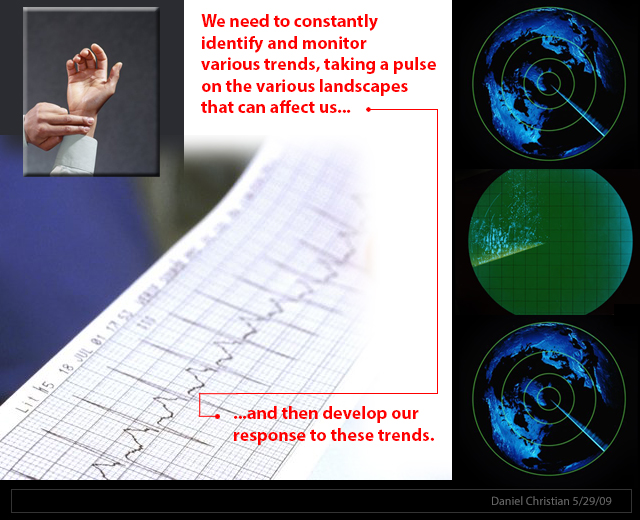
I post this to put this on the radars of legal folks out there. Law schools should join the legaltech folks in pulse-checking and covering/addressing emerging technologies. What the Metaverse and Web3 become is too early to tell. My guess is that we’ll see a lot more blending of the real world with the digital world — especially via Augmented Reality (AR).

We need to constantly be pulse-checking the landscapes out there and developing scenarios and solutions to such trends


4 Ways Classroom Design Impacts Executive Functioning — from edutopia.org by Andrew Ayers and Amelia Glauber
Effective classroom design can help elementary students develop skills like organization and task initiation.Excerpt:

Executive functions are process skills that allow us to successfully complete tasks. In any given classroom, there will be a wide range of students with a variety of executive functioning skill levels. These skills include working memory, task initiation, organization, metacognition, inhibition, planning and prioritizing, time management, emotional control, sustained attention, flexibility, and goal-directed persistence.

Also relevant/see:

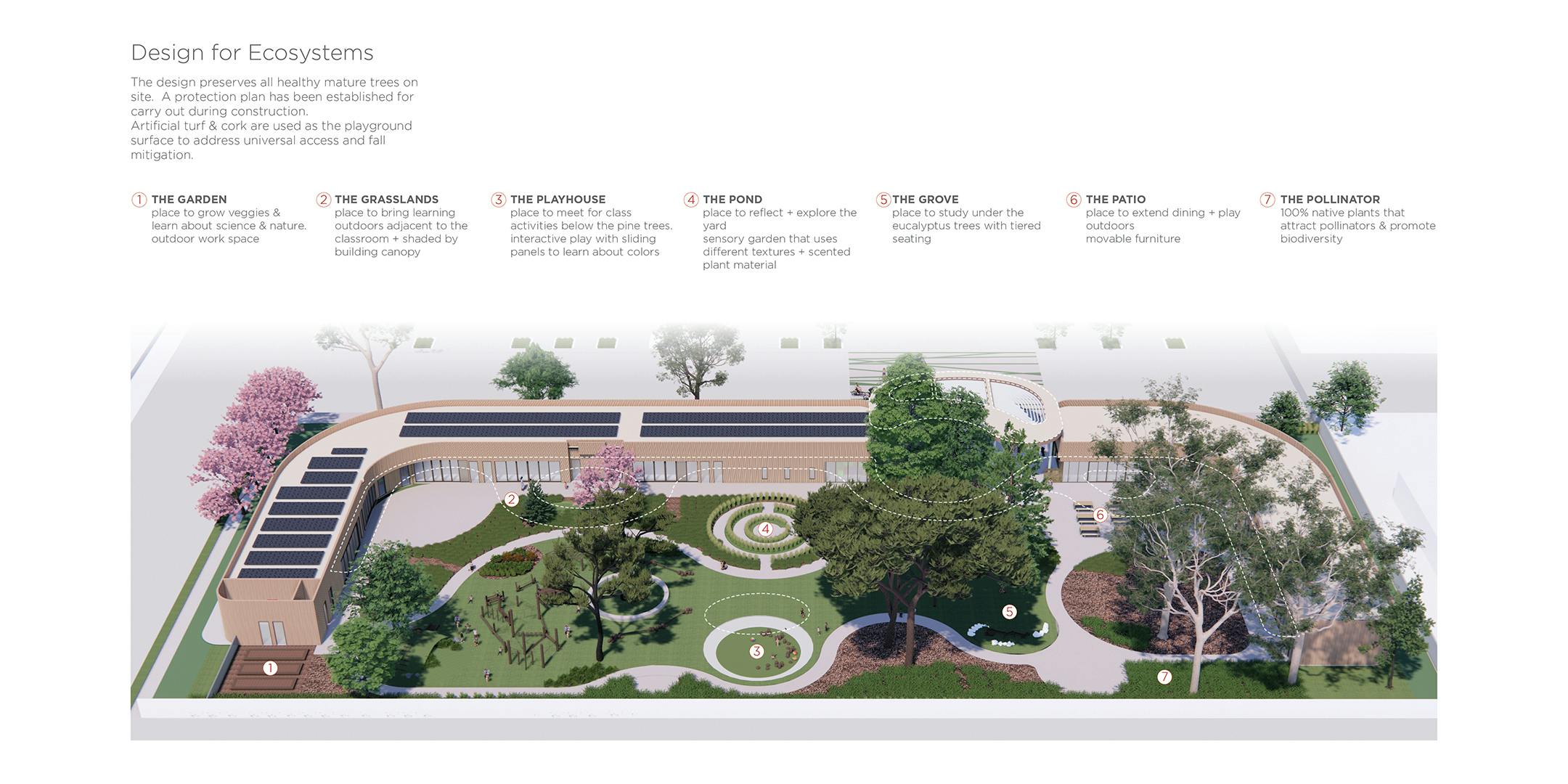
Designing Classrooms Fit for Early Learners — from edsurge.com by Ozzie Tapia
With deliberate design, learning environments can promote independence, discovery and creativity for early learners.

Excerpt:

Working closely with districts has helped us hone these five strategies, which emphasize how the facility itself can play an active role in the teaching dynamic. When applied effectively, a facility—and the learning spaces inside and around it—becomes a tool for discovery and creative play, which is essential for learners at these early stages of development.

From DSC:
Along the lines of PreK-12th grade learning spaces, I’d like to see more innovations in regards to providing places within classrooms (or within a given facility at least) where students can go who want to/need to block out the cacophony of sites and sounds that may be occurring — in order to help them focus.


7 Technologies that are Changing Healthcare — from digitalsalutem.com by João Bocas

In this article we are going to talk about the seven technologies that are changing healthcare:

  1. Artificial Intelligence
  2. Blockchain
  3. Virtual Reality
  4. Robots
  5. Mapping technologies
  6. Big Data
  7. Neurotechnology

This startup 3D prints tiny homes from recyclable plastics — from interestingengineering.com by Nergis Firtina; with thanks to Laura Goodrich for this resource

A 3D printed house by Azure

Satellite Billboards Are a Dystopian Future We Don’t Need — from gizmodo.com by George Dvorsky; with thanks to Laura Goodrich for this resource
Brightly lit ads in orbit are technologically and economically viable, say Russian scientists. But can we not?

Artist’s conception of a cubesat ad showing the Olympic rings. Image: Shamil Biktimirov/Skoltech

South Korea to Provide Blockchain-based Digital Identities to Citizens by 2024 — from blockchain.news by Annie Li; with thanks to Laura Goodrich for this resource

Excerpt:

South Korea plans to provide digital identities encrypted by blockchain with smartphones to citizens in 2024 to facilitate its economic development., Bloomberg reported Monday.

The South Korean government stated that with the expansion of the digital economy, the ID embedded in the smartphone is an indispensable emerging technology to support the development of data.

From DSC:
Interesting to see blockchain show up in the first item above on healthcare and also on this item coming out of South Korea for digital identities.

The Bruce Willis Deepfake Is Everyone’s Problem — from wired.com by Will Bedingfield; with thanks to Stephen Downes for this resource
There’s a fight brewing over how Hollywood stars can protect their identities. But it’s not just actors who should be paying attention.

Excerpts:

Yet the question of “who owns Bruce Willis,” as Levy put it, isn’t only a concern for the Hollywood star and his representatives. It concerns actors unions across the world, fighting against contracts that exploit their members’ naivety about AI. And, for some experts, it’s a question that implicates everyone, portending a wilder, dystopian future—one in which identities are bought, sold, and seized.

“This is relevant not just to AI contracts [for synthetic performances], but any contract involving rights to one’s likeness and voice,” says Danielle S. Van Lier, assistant general counsel, intellectual property and contracts at SAG-AFTRA. “We have been seeing contracts that now include ‘simulation rights’ to performers’ images, voices, and performances. These contract terms are buried deep in the boilerplate of performance agreements in traditional media.”


Addendum on 10/26/22:


From DSC:
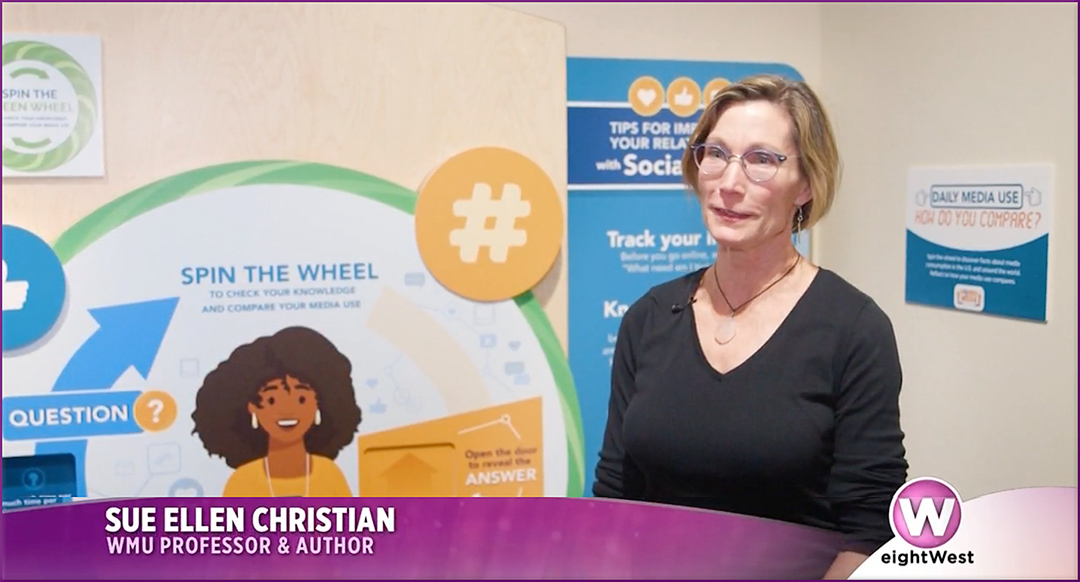
I’m very proud of our sister Sue Ellen — who worked hard to bring this idea/vision/exhibit to reality.

Sue Ellen Christian


Kalamazoo Valley Museum explores media & its messages — from woodtv.com by Jessica Jurczak

Excerpt:

GRAND RAPIDS, Mich. (WOOD) – We are constantly on the lookout for fun ideas that also involve learning and one of our go-to spots is the Kalamazoo Valley Museum! There’s a big exhibition there now called “Wonder Media: Ask the Questions!” As we all know, we’re bombarded everyday with messages from all types of media: TV, movies, social media and this exhibit encourages us to stop and evaluate some of those messages. The Kalamazoo Valley Museum also has a planetarium, and vast science and history galleries and today, we’re taking you inside!


Great leaders ask great questions: Here are 3 steps to up your questioning game. — from bigthink.com by Christopher J. Frank, Oded Netzer, and Paul F. Magnone; with thanks to Roberto Ferraro for this resource
Questioning isn’t just a way to get the right answer — it’s also a means for sustaining relationships and creative thinking.

Excerpt:

Building an inquisitive team
One of the best LinkedIn profiles starts with “I am insatiably curious.” What would it take to build a team of insatiably curious, truly inquisitive people? Building an inquisitive culture involves a combination of what and how. The what is a combination of the types of questions previously outlined, and the how is the environment you create. Great leaders create great cultures. There are three basic steps to building an inquisitive culture:

  1. Start with an open-ended question.
  2. Respond, don’t react. Embrace silence.
  3. Ask a stream of questions.

Also relevant/see:


Addendum on 10/29/22:

Innovation starts with the quality of your questions — from edte.ch by Tom Barrett
In the final publication of the October throughline we explore how to build a culture of innovation one question at a time.

Snapshot
A quick synthesis of this issue to share

  • Innovation starts with the quality of your questions. Asking the right questions leads to new possibilities and innovative solutions.
  • We are often drawn to ideas because we want to fix problems; starting with an idea feels safe and more fun than starting with a problem.
  • If we want an innovative culture in our teams, we need to start with questions instead of ideas.
  • Trust and psychological safety create the culture for collective negative capability, which John Keats coined as “the ability to live with ambiguity and uncertainty.”
  • Commit to action by being aware of your need for certainty, make space for ambiguity and uncertainty in development work, and build trust by encouraging questions.


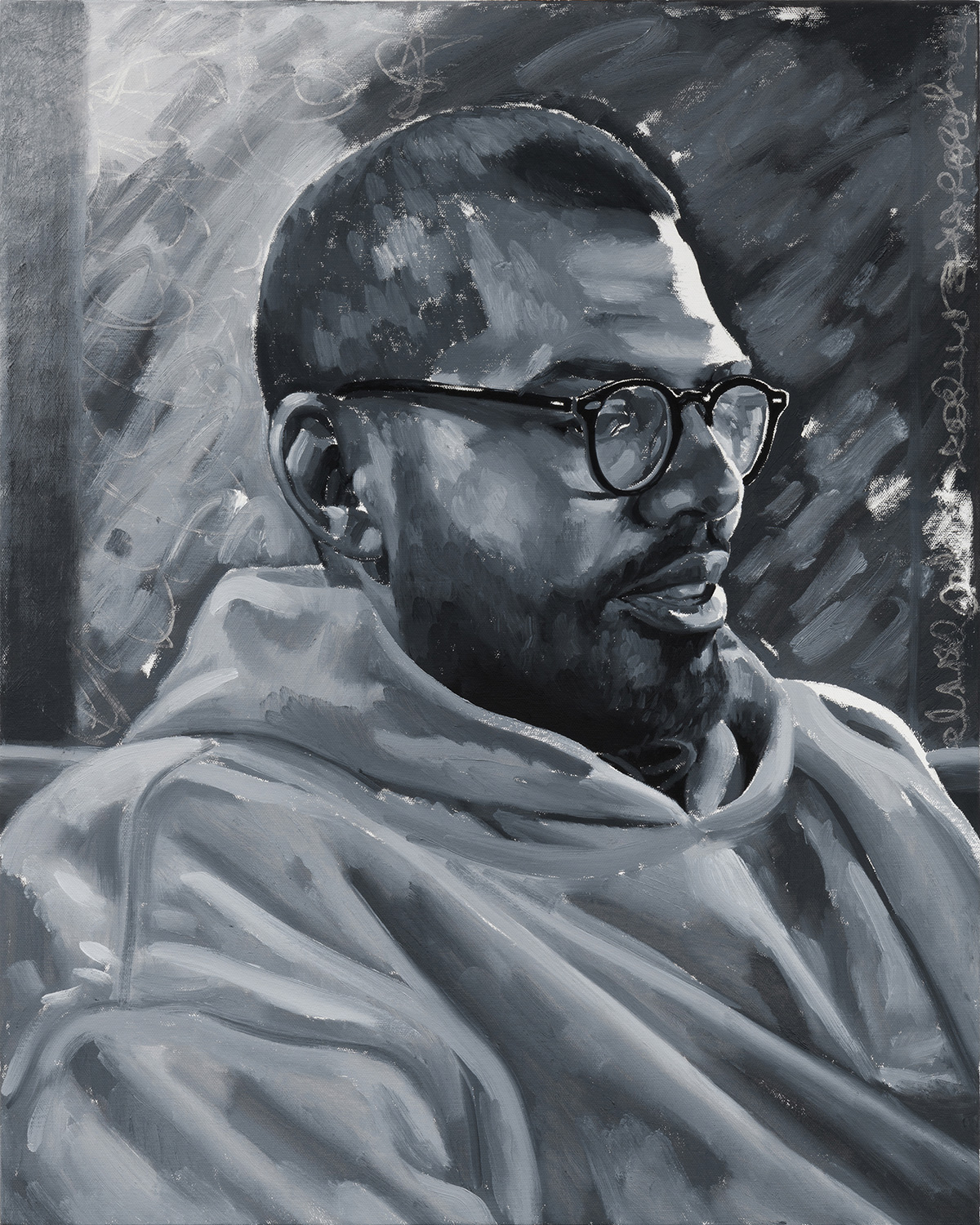
“Eight Artworks” by Artist Kohshin Finley


Many, Lord my God,
    are the wonders you have done,
    the things you planned for us.
None can compare with you;
    were I to speak and tell of your deeds,
    they would be too many to declare.

22 Plans fail for lack of counsel,
    but with many advisers they succeed.

23 A person finds joy in giving an apt reply—
    and how good is a timely word!


Deloitte State of AI Report 2022 calls out underachievers — from venturebeat.com by Sharon Goldman

Excerpt:

Deloitte released the fifth edition of its State of AI in the Enterprise research report today, which surveyed more than 2,600 global executives on how businesses and industries are deploying and scaling artificial intelligence (AI) projects.

Most notably, the Deloitte report found that while AI continues to move tantalizingly closer to the core of the enterprise – 94% of business leaders agree that AI is critical to success over the next five years – for some, outcomes seem to be lagging.

What is a surprise, she added, is how quickly the AI landscape is changing – to the point that what began as an every-other-year Deloitte report is now created annually. 

From DSC:
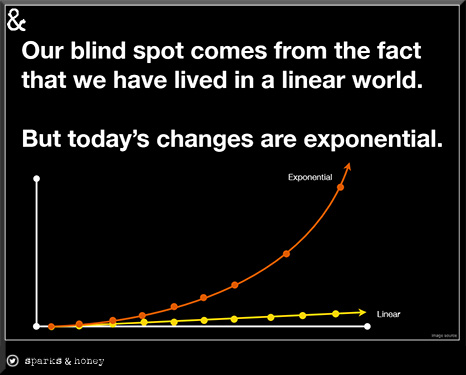
I’m reminded of some graphics here…


Also relevant/see:

‘State of AI in the Enterprise’ Fifth Edition Uncovers Four Key Actions to Maximize AI Value — from deloitte.com
Research reveals the key actions leaders can take to accelerate AI outcomes

Key takeaways

For Deloitte’s “State of AI in the Enterprise,” Fifth Edition, we surveyed 2,620 global business leaders representing six industry areas and dozens of sectors. Key findings include:

  • Ninety-four percent of business leaders surveyed agree that AI is critical to success over the next five years.
  • Seventy-nine percent of leaders say they have fully deployed three or more AI applications, compared to 62% last year.
  • There was a 29% increase in the number of respondents self-identifying as “underachievers,” suggesting that many organizations are struggling to achieve meaningful AI outcomes.
  • Top challenges associated with scaling according to respondents are managing AI-related risk (50%), lack of executive commitment (50%), lack of maintenance and post launch support (50%).
 
© 2025 | Daniel Christian