LinkedIn announced several things yesterday (9/22/16). Below are some links to these announcements:


Introducing LinkedIn Learning, a Better Way to Develop Skills and Talent — from learning.linkedin.com

Excerpt (emphasis DSC):

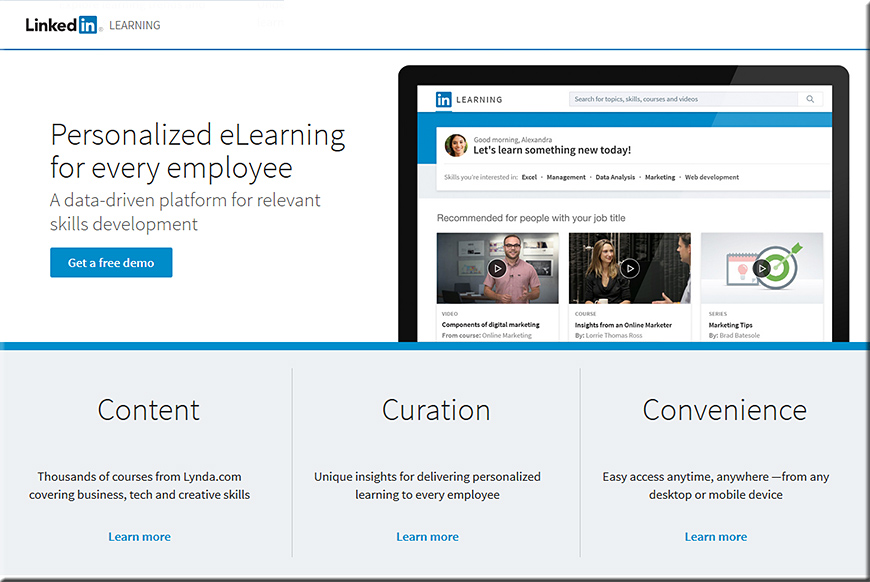
Today, we are thrilled to announce the launch of LinkedIn Learning, an online learning platform enabling individuals and organizations to achieve their objectives and aspirations. Our goal is to help people discover and develop the skills they need through a personalized, data-driven learning experience.

LinkedIn Learning combines the industry-leading content from Lynda.com with LinkedIn’s professional data and network. With more than 450 million member profiles and billions of engagements, we have a unique view of how jobs, industries, organizations and skills evolve over time. From this, we can identify the skills you need and deliver expert-led courses to help you obtain those skills. We’re taking the guesswork out of learning.

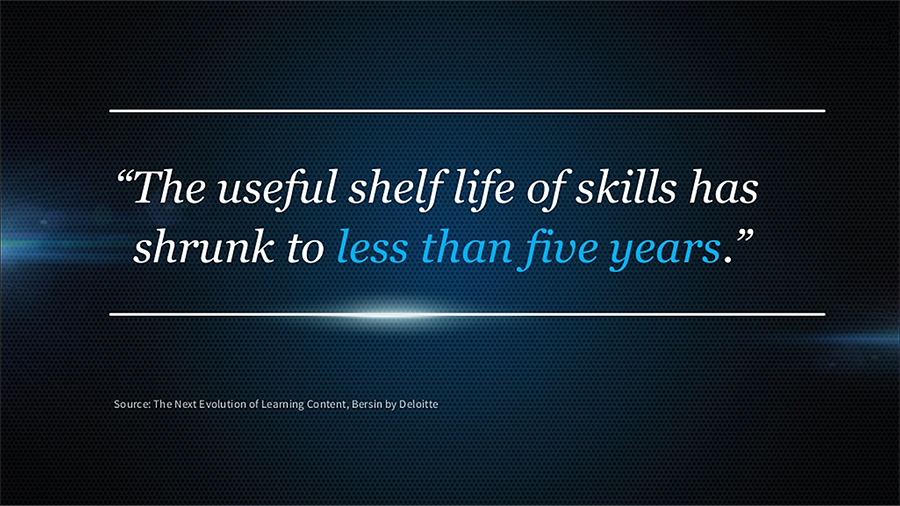
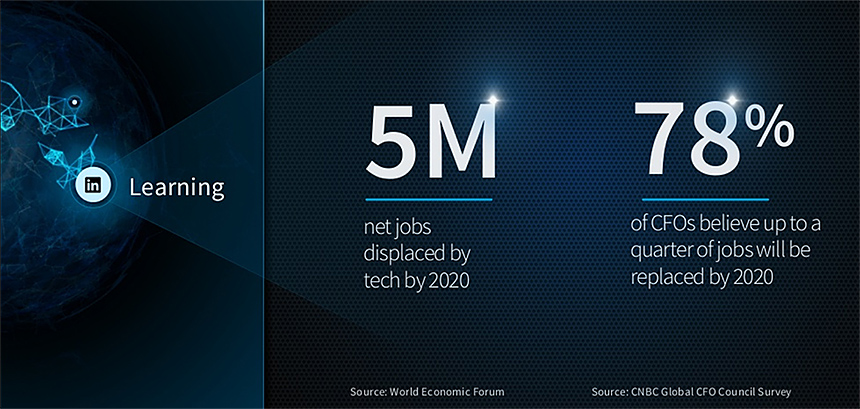
The pressure on individuals and organizations to adapt to change has never been greater. The skills that got you to where you are today are not the skills to prepare you for tomorrow. In fact, the shelf-life of skills is less than five years, and many of today’s fastest growing job categories didn’t even exist five years ago.

To tackle these challenges, LinkedIn Learning is built on three core pillars:
…
Data-driven personalization: We get the right course in front of you at the right time. Using the intelligence that comes with our network, LinkedIn Learning creates personalized recommendations, so learners can efficiently discover which courses are most relevant to their goals or job function. Organizations can use LinkedIn insights to customize multi-course Learning Paths to meet their specific needs. We also provide robust analytics and reporting to help you measure learning effectiveness.
 

linkedinlearning-announced-9-22-16


LinkedIn’s first big move since the $26.2 billion Microsoft acquisition is basically a ‘school’ for getting a better job — from finance.yahoo.com

Excerpt:

Today, LinkedIn has launched LinkedIn Learning — its first major product launch since the news last June that Microsoft would be snapping up the social network for $26.2 billion in a deal that has yet to close.

LinkedIn Learning takes the online skills training classes the company got in its 2015 acquisition of Lynda.com for $1.5 billion.

The idea, says LinkedIn CEO Jeff Weiner, is to help its 433 million-plus members get the skills they need to stay relevant in a world that’s increasingly reliant on digital skills.


LinkedIn’s New Learning Platform to Recommend Lynda Courses for Professionals — from edsurge.com by Marguerite McNeal

Excerpt:

Companies will also be able to create their own “learning paths”—bundles of courses around a particular topic—to train employees. A chief learning officer, for instance, might compile a package of courses in product management and ask 10 employees to complete the assignments over the course of a few months.
…
LinkedIn is also targeting higher-education institutions with the new offering. It is marketing the solution as a professional development tool that can help faculty learn how to use classroom tools such as Moodle, Adobe Captivate and learning management systems.


“Increasingly predictions of tech displacing workers are coming to fruition,” he added. “The idea that you can study a skill once and have a job for the rest of your life—those days are over.”


LinkedIn Learning for higher education


Accelerating LinkedIn’s Vision Through Innovation — from slideshare.net

linkeinlearning-sept2016


linkeinlearning2-sept2016


LinkedIn adding new training features, news feeds and ‘bots’ — from finance.yahoo.com

Excerpt:

LinkedIn is also adding more personalized features to its news feed, where members can see articles and announcements posted by their professional contacts. A new “Interest Feed” will offer a collection of articles, posts and opinion pieces on major news events or current issues.



Jane’s Top 10 Tools for Learning 2016 — from c4lpt.co.uk by Jane Hart

Excerpt:

On Friday 23rd September, voting closes in the 10th Annual Survey of Learning Tool  – so it’s not too late to vote!

You can find out how to do so HERE – essentially it involves sharing your own Top 10 Tools for Learning – privately or publicly.

Anyway, as we reach the final few days of voting in 2016, I thought it was time to share my personal top 10 tools – so here they are:


Also see:


From DSC:
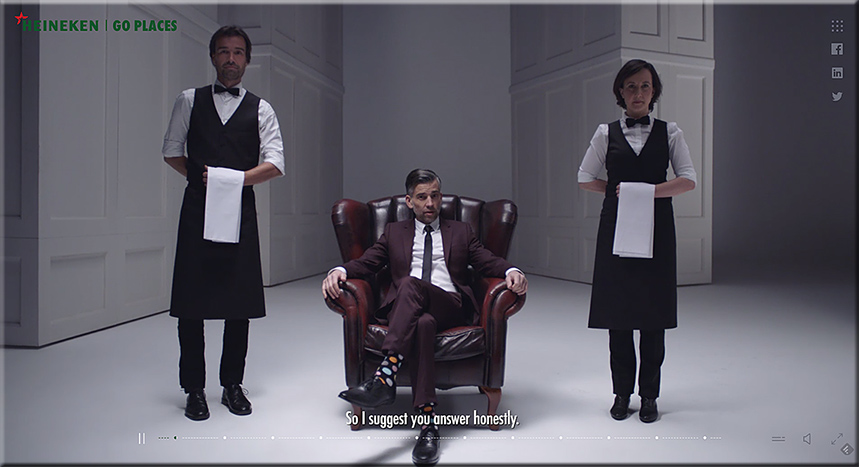
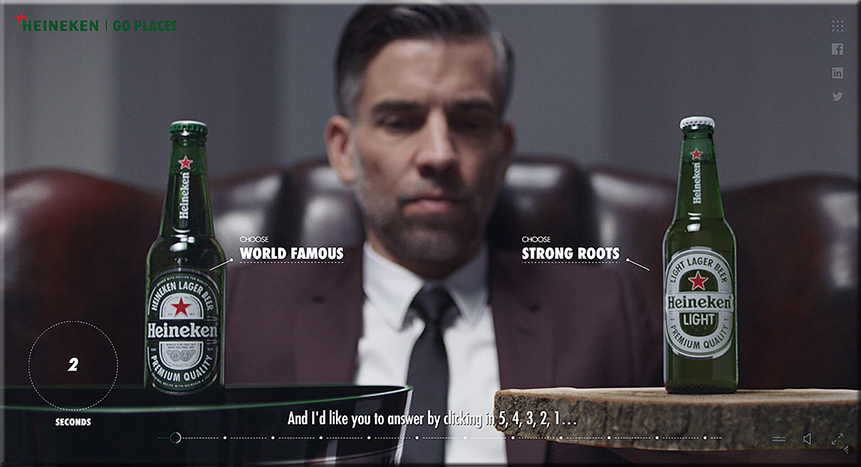
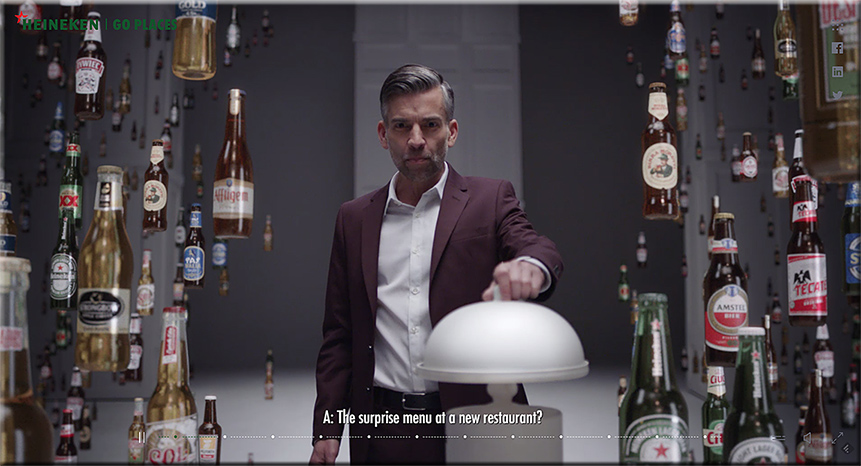
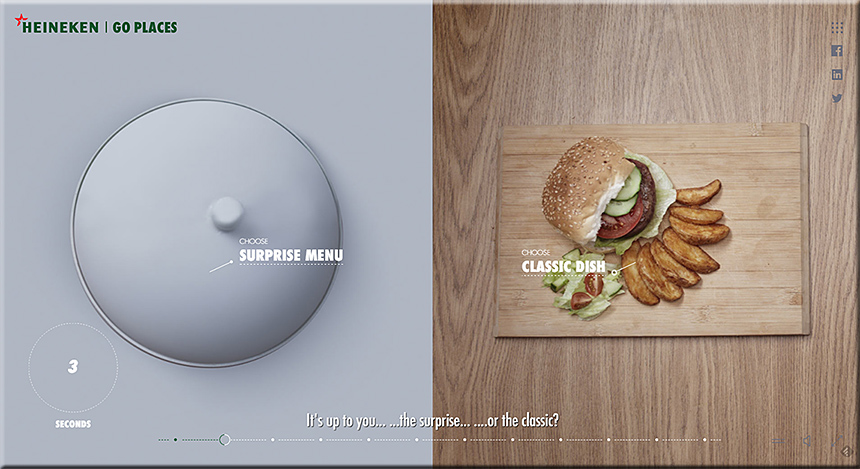
Interactive video — a potentially very powerful medium to use, especially for blended and online-based courses or training-related materials! This interactive piece from Heineken is very well done, even remembering how you answered and coming up with their evaluation of you from their 12-question “interview.”

But notice again, a TEAM of specialists are needed to create such a piece. Neither a faculty member, a trainer, nor an instructional designer can do something like this all on their own. Some of the positions I could imagine here are:

  • Script writer(s)
  • Editor(s)
  • Actors and actresses
  • Those skilled in stage lighting and sound / audio recording
  • Digital video editors
  • Programmers
  • Graphic designers
  • Web designers
  • Producers
  • Product marketers
  • …and perhaps others

This is the kind of work that I wish we saw more of in the world of online and blended courses!  Also, I appreciated their use of humor. Overall, a very engaging, fun, and informative piece!


heineken-interactive-video-cover-sep2016


heineken-interactive-video-first-sep2016


heineken-interactive-video0-sep2016


heineken-interactive-video1-sep2016


heineken-interactive-video2-sep2016


heineken-interactive-video3-sep2016


The first truly awesome chatbot is a talking T. Rex — from fastcodesign.com by John Brownlee
National Geographic uses a virtual Tyrannosaur to teach kids about dinosaurs—and succeeds where other chatbots fail.


Excerpt:

As some have declared chatbots to be the “next webpage,” brands have scrambled to develop their own talkative bots, letting you do everything from order a pizza to rewrite your resume. The truth is, though, that a lot of these chatbots are actually quite stupid, and tend to have a hard time understanding natural human language. Sooner or later, users get frustrated bashing their heads up against the wall of a dim-witted bot’s AI.

So how do you design around a chatbot’s walnut-sized brain? If you’re National Geographic Kids UK, you set your chatbot to the task of pretending to be a Tyrannosaurus rex, a Cretaceous-era apex predator that really had a walnut-sized brain (at least comparatively speaking).


She’s called Tina the T. rex, and by making it fun to learn about dinosaurs, she suggests that education — rather than advertising or shopping — might be the real calling of chatbots.


Also relevant/see:

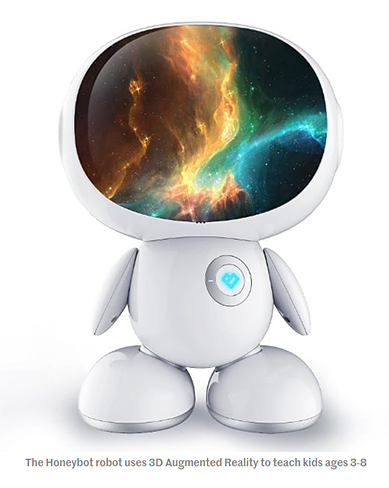
Honeybot-August2016


LinkedIn ProFinder expands nationwide to help you hire freelancers — from blog.linkedin.com

Excerpt:

The freelance economy is on the rise. In fact, the number of freelancers on LinkedIn has grown by nearly 50% in just the past five years. As the workforce evolves, we, too, are evolving to ensure we’re creating opportunity for the expanding sector of professionals looking for independent, project-based work in place of the typical 9 to 5 profession.

Last October, we began piloting a brand new platform in support of this very endeavor and today, we’re excited to announce its nationwide availability. Introducing LinkedIn ProFinder, a LinkedIn marketplace that connects consumers and small businesses looking for professional services – think Design, Writing and Editing, Accounting, Real Estate, Career Coaching – with top quality freelance professionals best suited for the job.


Also see:


linkedin-profinder-aug2016


Also see:


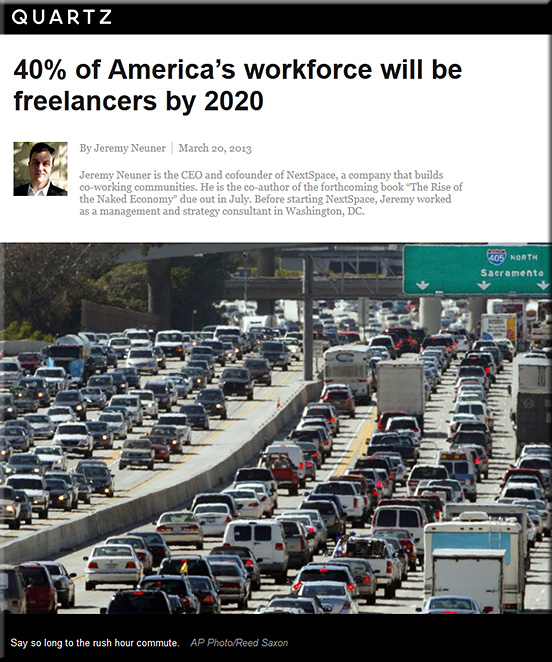
40percentfreelancersby2020-quartz-april2013


Imagination in the Augmented-Reality Age — from theatlantic.com by Georgia Perry
Pokémon Go may have reached the zenith of its popularity, but the game has far-reaching implications for the future of play.

Excerpt:

For young people today, however, it’s a different story. “They hardly play. If they do play it’s some TV script. Very prescribed,” Levin said. “Even if they have friends over, it’s often playing video games.”

That was before Pokémon Go, though.

The augmented-reality (AR) game that—since its release on July 6, attracted 21 million users and became one of the most successful mobile apps ever—has been praised for promoting exercise, facilitating social interactions, sparking new interest in local landmarks, and more. Education writers and experts have weighed in on its implications for teaching kids everything from social skills to geography to the point that such coverage has become cliché. And while it seems clear at this point that the game is a fad that has peaked—it’s been losing active players for over a week—one of the game’s biggest triumphs has, arguably, been the hope it’s generated about the future of play. While electronic games have traditionally caused kids to retreat to couches, here is one that did precisely the opposite.


What Pokémon Go is, however, is one of the first iterations of what will undeniably be many more AR games. If done right, some say the technology Go introduced to the world could bring back the kind of outdoor, creative, and social forms of play that used to be the mainstay of childhood. Augmented reality, it stands to reason, could revitalize the role of imagination in kids’ learning and development.


Campus Technology 2016: Revolution is in the air — from edtechmagazine.com by Amy Burroughs
Georgia Tech educator and author forecasts that technology may be the answer to higher education’s ‘triple threat.’

Excerpts:

In his keynote address at Campus Technology 2016, educator and author Richard DeMillo predicted that technology will be the key to resolving the toughest challenges facing higher education. In his speech, “A Revolution in Higher Education: Tales from Unlikely Allies,” DeMillo said that this revolution may be quiet, but it is happening, as more educators and leaders embrace innovation.
…
One problem, he said, is that the model of education that has dominated until now — small classrooms built around lecture-based pedagogy — is too expensive to be sustainable. Technology, however, now makes it possible to deliver education that is equally effective, yet less costly and less exclusionary (think MOOCs, online learning and emerging capabilities such as artificial intelligence). All this prompts a revolutionary rethinking of time-tested assumptions, he said.


What persists, he said, is his belief that higher education, for all its greatness, is not immune from the influence of politics, business, sociology and the economy.


From DSC:
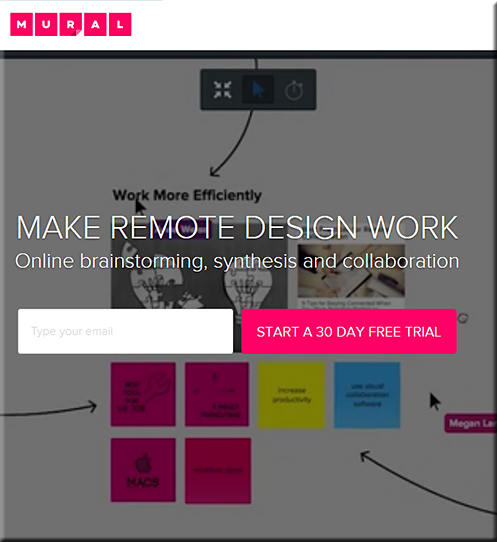
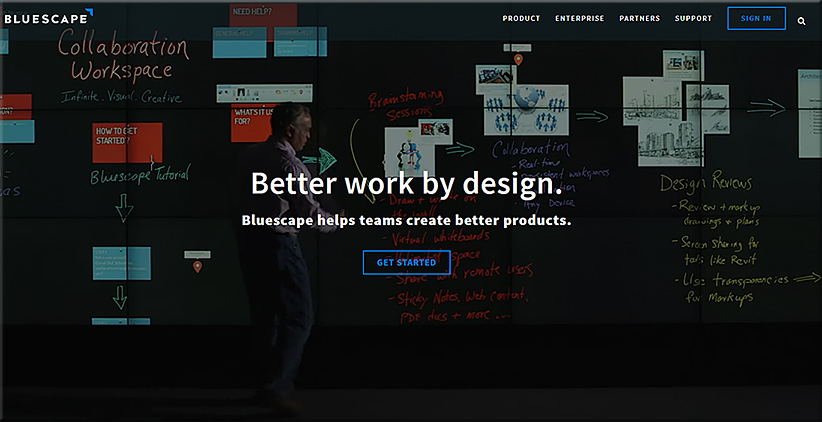
How much longer before the functionalities that are found in tools like Bluescape & Mural are available via tvOS-based devices? Entrepreneurs and VCs out there, take note. Given:

  • the growth of freelancing and people working from home and/or out on the road
  • the need for people to collaborate over a distance
  • the growth of online learning
  • the growth of active/collaborative learning spaces in K-12 and higher ed
  • the need for lifelong learning

…this could be a lucrative market. Also, it would be meaningful work…knowing that you are helping people learn and earn.


Mural-Aug-2016


Bluescape-Aug2016


The Living [Class] Room -- by Daniel Christian -- July 2012 -- a second device used in conjunction with a Smart/Connected TV


In Memory: Seymour Papert — from media.mit.edu; with thanks to Mr. Joe Byerwalter for this resource

Excerpt:

Seymour Papert, whose ideas and inventions transformed how millions of children around the world create and learn, died Sunday, July 31, 2016 at his home in East Blue Hill, Maine. He was 88.

Papert’s career traversed a trio of influential movements: child development, artificial intelligence, and educational technologies. Based on his insights into children’s thinking and learning, Papert recognized that computers could be used not just to deliver information and instruction, but also to empower children to experiment, explore, and express themselves. The central tenet of his Constructionist theory of learning is that people build knowledge most effectively when they are actively engaged in constructing things in the world. As early as 1968, Papert introduced the idea that computer programming and debugging can provide children a way to think about their own thinking and learn about their own learning.


Also see:

  • AI and Computer Learning Lion Seymour Papert Dies at 88 — from fortune.com by  Barb Darrow
    Excerpt:
    Seymour Papert, the MIT professor who helped blaze the trail for artificial intelligence and computer-aided education for children at a time when no one saw the potential for using these massive machines for such purposes, died Sunday at the age of 88 in East Blue Hill, Maine.


“In this particular art class they were all carving soap,” he continued, “but what each student carved came from wherever fancy is bred, and the project was not done and dropped but continued for many weeks. It allowed time to think, to dream, to gaze, to get a new idea and try it and drop it or persist, time to talk, to see other people’s work and their reaction to yours — not unlike mathematics as it is for the mathematician, but quite unlike math as it is in junior high school.”

.

  • Seymour Papert, 88, Dies; Saw Education’s Future in Computers — from nytimes.com by Glenn Rifkin
    Excerpt:
    Seymour Papert, a visionary educator and mathematician who well before the advent of the personal computer foresaw children using computers as instruments for learning and enhancing creativity, died on Sunday at his home in Blue Hill, Me. He was 88.


He added, “In the past, education adapted the mind to a very restricted set of available media; in the future, it will adapt media to serve the needs and tastes of each individual mind.”


Take a step inside the classroom of tomorrow — from techradar.com by Nicholas Fearn
Making learning fun


Excerpt:

But the classroom of tomorrow will look very different. The latest advancements in technology and innovation are paving the way for an educational space that’s interactive, engaging and fun.

The conventions of learning are changing. It’s becoming normal for youngsters to use games like Minecraft to develop skills such as team working and problem solving, and for teachers to turn to artificial intelligence to get a better understanding of how their pupils are progressing in lessons.

Virtual reality is also introducing new possibilities in the classroom. Gone are the days of imagining what an Ancient Egyptian tomb might look like – now you can just strap on a headset and transport yourself there in a heartbeat.

The potential for using VR to teach history, geography and other subjects is incredible when you really think about it – and it’s not the only tech that’s going to shake things up.
…

Artificial intelligence is already doing groundbreaking things in areas like robotics, computer science, neuroscience and linguistics, but now they’re now entering the world of education too.

London-based edtech firm Digital Assess has been working on an AI app that has the potential to revolutionise the way youngsters learn.

With the backing of the UK Government, the company has been trialing its web-based application Formative Assess in schools in England.

Using semantic indexing and natural language processing in a similar way to social networking sites, an on-screen avatar – which can be a rubber duck or robot – quizzes students on their knowledge and provides them with individual feedback on their work.


Love this VR of a classroom lesson – 7 uses that really takes you there — from donaldclarkplanb.blogspot.com by Donald Clark

Excerpt:

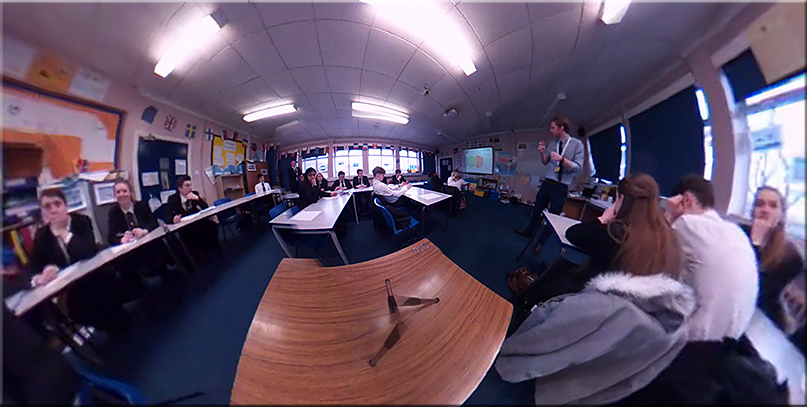
I received a fascinating link via Twitter from Chris Edwards, a Deputy Head in Surrey, who was interested in views on his experiment with a 360 camera and VR. In the 360 degree video, Mike Kent, a Geography teacher, delivers a great lesson and you can look round the entire room as students and teacher move around, get things done, interact with the teacher and go through a Q&A session. It is fascinating. They’re using this approach for lesson observations allowing the teacher, or their colleagues, to watch it back in full Virtual Reality. This gives the teacher a view of themselves, from the student’s point of view, as well as observe ‘everything’ that happens in the classroom. It made me think of different possibilities…..


Good lessons by great teachers must surely be worth viewing by novice teachers. The rich set of processes, actions, behaviours, body language and interactions that go into a great lesson are complex, wonderfully captured in this example and could be done on any subject. A bank of such lessons would be far more useful than dry lesson plans.


From DSC:
Donald covers a range of ideas including using these 360 degree cameras and VR in regards to addressing:

  1. Exemplar lessons
  2. Teacher training in school
  3. Behaviour training
  4. Students
  5. Parents
  6. Class layout
  7. Research


Also see:
(You can turn around/view the entire room and somewhat move about the space by zooming in and out):

bubl-in-classroom-july2016


Also see:

bubl-july2016


The new Google Arts & Culture, on exhibit now’  — from googleblog.blogspot.com

Excerpt (emphasis DSC):

Just as the world’s precious artworks and monuments need a touch-up to look their best, the home we’ve built to host the world’s cultural treasures online needs a lick of paint every now and then. We’re ready to pull off the dust sheets and introduce the new Google Arts & Culture website and app, by the Google Cultural Institute. The app lets you explore anything from cats in art since 200 BCE to the color red in Abstract Expressionism, and everything in between. Our new tools will help you discover works and artifacts, allowing you to immerse yourself in cultural experiences across art, history and wonders of the world—from more than a thousand museums across 70 countries…


Also see:

Google’s new app isn’t the next best thing to the Louvre. It might be better
Google Arts & Culture turns art from all over the world into a meta museum.


How might these enhancements to Siri and tvOS 10 impact education/training/learning-related offerings & applications? [Christian]

From DSC:
I read the article mentioned below.  It made me wonder how 3 of the 4 main highlights that Fred mentioned (that are coming to Siri with tvOS 10) might impact education/training/learning-related applications and offerings made possible via tvOS & Apple TV:

  1. Live broadcasts
  2. Topic-based searches
  3. The ability to search YouTube via Siri

The article prompted me to wonder:

  • Will educators and trainers be able to offer live lectures and training (globally) that can be recorded and later searched via Siri? 
  • What if second screen devices could help learners collaborate and participate in active learning while watching what’s being presented on the main display/”TV?”
  • What if learning taken this way could be recorded on one’s web-based profile, a profile that is based upon blockchain-based technologies and maintained via appropriate/proven organizations of learning? (A profile that’s optionally made available to services from Microsoft/LinkedIn.com/Lynda.com and/or to a service based upon IBM’s Watson, and/or to some other online-based marketplace/exchange for matching open jobs to potential employees.)
  • Or what if you could earn a badge or prove a competency via this manner?

Hmmm…things could get very interesting…and very powerful.

More choice. More control. Over one’s entire lifetime.

Heutagogy on steroids.

Micro-learning.

Perhaps this is a piece of the future for MOOCs…


MoreChoiceMoreControl-DSC


The Living [Class] Room -- by Daniel Christian -- July 2012 -- a second device used in conjunction with a Smart/Connected TV


StreamsOfContent-DSC


Apple TV gets new Siri features in tvOS 10 — from iphonefaq.org by Fred Straker

Excerpt:

The forthcoming update to Apple TV continues to bring fresh surprises for owners of Apple’s set top box. Many improvements are coming to tvOS 10, including single-sign-on support and an upgrade to Siri’s capabilities. Siri has already opened new doors thanks to the bundled Siri Remote, which simplifies many functions on the Apple TV interface. Four main highlights are coming to Siri with tvOS 10, which is expected to launch this fall.


Addendum on 7/17/16:

CBS News Launches New Apple TV App Designed Exclusively for tvOS — from macrumors.com

Excerpt:

CBS today announced the launch of an all-new Apple TV app that will center around the network’s always-on, 24-hour “CBSN” streaming network and has been designed exclusively for tvOS. In addition to the live stream of CBSN, the app curates news stories and video playlists for each user based on previously watched videos.

The new app will also take advantage of the 4th generation Apple TV’s deep Siri integration, allowing users to tell Apple’s personal assistant that they want to “Watch CBS News” to immediately start a full-screen broadcast of CBSN. While the stream is playing, users can interact with other parts of the app to browse related videos, bookmark some to watch later, and begin subscribing to specific playlists and topics.


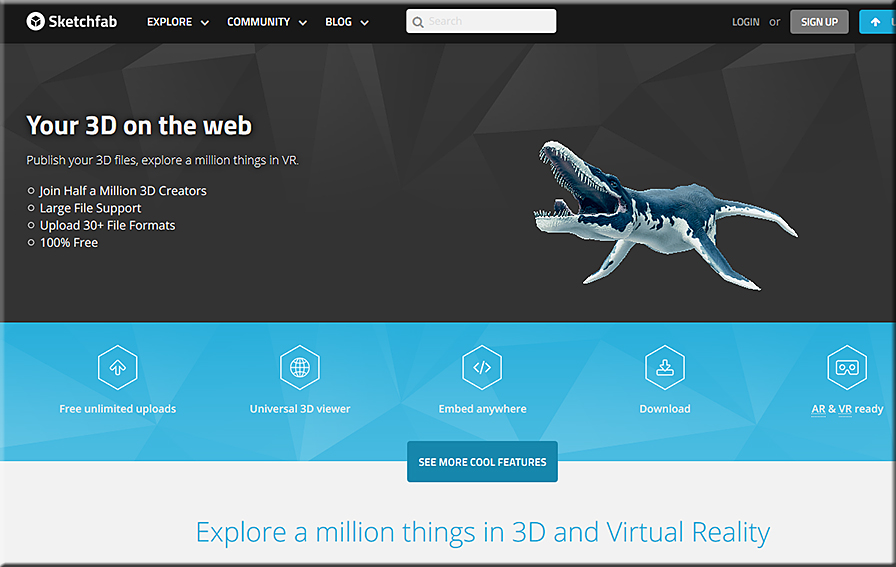
Sketchfab-June2016


Paper 53 is the ‘sketch-iPad’ you always wanted — from edtech4beginners.com

Excerpt:

Paper 53 is a brilliant app which combines drawings, notes, photos and sketches. It is available on the Appstore. The app is simple and user-friendly; just use your finger (or a stylus) to draw, paint, select colours, erase and lots more.


Google’s virtual reality field trips are available to everyone — from engadget.com by Jon Fingas
Students can also use Google Cast to share their screens across the classroom.


10 very good new educational web tools — from educatorstechnology.com

Excerpt:

Below is a collection of some new educational web tools and mobile apps to try out in your instruction.  The purpose is to keep you updated about the new releases in the EdTech world and empower you with the necessary technology to take your teaching and learning to the next level.  Some of the things you can do with these applications include: Learn English pronunciation from native speakers, easily save web content to Google, search YouTube without having to stop the video playing, learn basic math skills through challenging games and activities, unshare sent files in Gmail, create interactive and engaging videos by adding polls, short questions and quizzes, create beautiful presentations and animations  using drawn images and stick figures and many more.


Teaching with digital timelines — from Derek Bruff

Excerpt:

This year the Center for Teaching hosted a few educational technology working groups for faculty, staff, and students interested in exploring ways particular technologies might meet their instructional goals. One of the groups investigated the use of digital timeline tools, like Tiki-Toki and TimelineJS, that facilitate the creation of online, multimedia, interactive, and collaborative timelines. I had used such tools in my own teaching, having asked my 2010 writing seminar students to create a class timeline on the history of cryptography, and I was eager to talk with other instructors about the potential of student-produced timelines.


Top 5 AI virtual assistants: Now and into the future — from interestingengineering.com

Excerpt:

In Silicon Valley and elsewhere there’s currently an AI arms race going on. The first wave of this race is centered around artificial virtual assistants that are poised to become our new digital best friends in the very near future. While many people are familiar with Apple’s popular AI virtual assistant, Siri, there are four other main players in the AI virtual assistant space.


From DSC:
Twitter is also a tool that you should consider putting in your toolbox — or in your students’ toolboxes. Consider how it was used here –> This Henry VIII Twitter Account Is The Best Way To Learn About Brexit | @KngHnryVIII tells it like it is (and like how it was in the 1500s).


TwitterandKingHenryVIII-June2016


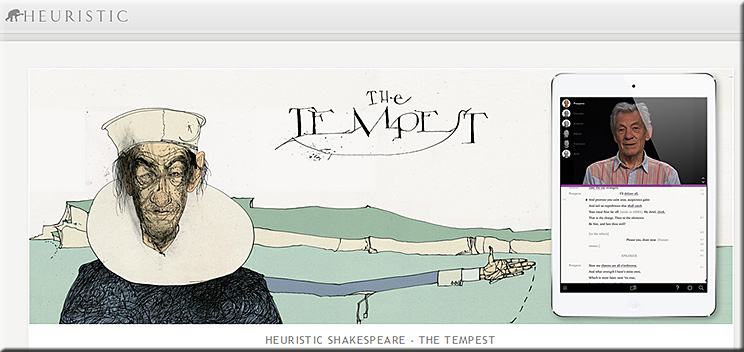
Heuristic Media is working on 37 apps, 1 for each Shakespeare play — with The Tempest as its pilot app.


TheTempest-IanM-Spring2016


Addendum on 6/30/16:


Stanford’s virtual reality lab cultivates empathy for the homeless — from kqed.org by Rachael Myrow


Excerpt:

The burgeoning field of Virtual Reality — or VR as it is commonly known — is a vehicle for telling stories through 360-degree visuals and sound that put you right in the middle of the action, be it at a crowded Syrian refugee camp, or inside the body of an 85-year-old with a bad hip and cataracts.  Because of VR’s immersive properties, some people describe the medium as “the ultimate empathy machine.” But can it make people care about something as fraught and multi-faceted as homelessness?

A study in progress at Stanford’s Virtual Human Interaction Lab explores that question, and I strapped on an Oculus Rift headset (one of the most popular devices people currently use to experience VR) to look for an answer.

A new way of understanding homelessness
The study, called Empathy at Scale, puts participants in a variety of scenes designed to help them imagine the experience of being homeless themselves.

 
© 2025 | Daniel Christian