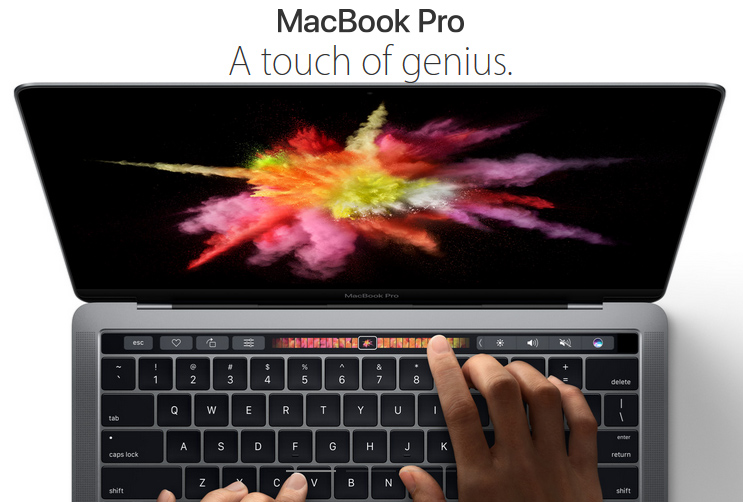
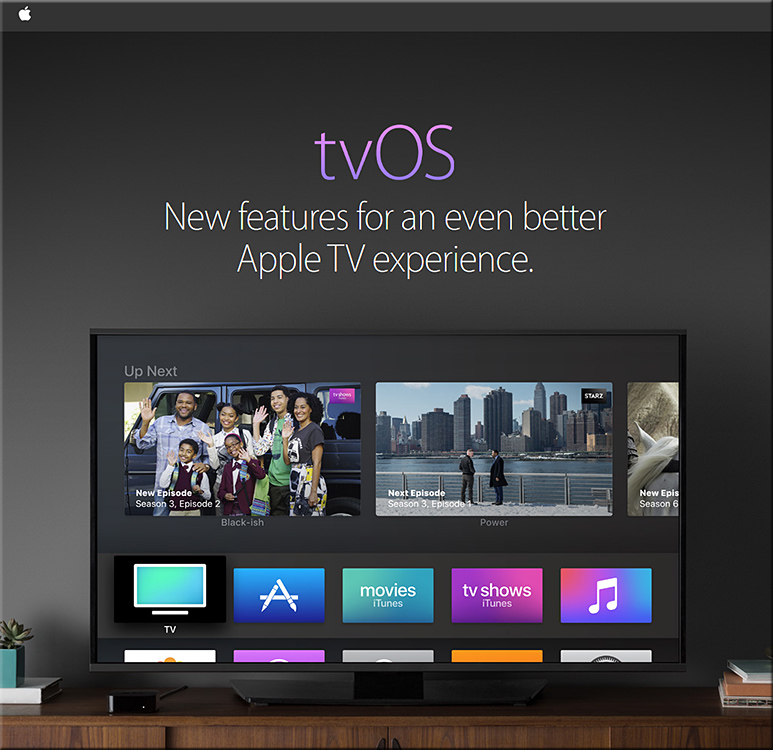
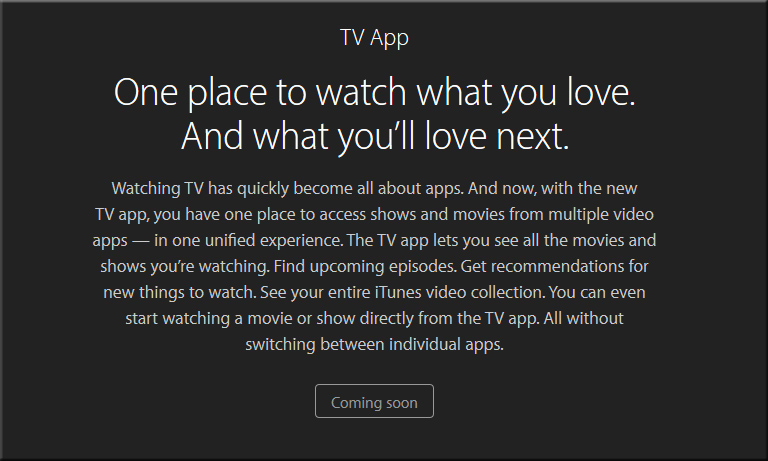
From DSC: How long before recommendation engines like this can be filtered/focused down to just display apps, channels, etc. that are educational and/or training related (i.e., a recommendation engine to suggest personalized/customized playlists for learning)?
That is, in the future, will we have personalized/customized playlists for learning on our Apple TVs — as well as on our mobile devices — with the assessment results of our taking the module(s) or course(s) being sent in to:
A credentials database on LinkedIn (via blockchain) and/or
A credentials database at the college(s) or university(ies) that we’re signed up with for lifelong learning (via blockchain)
and/or
To update our cloud-based learning profiles — which can then feed a variety of HR-related systems used to find talent? (via blockchain)
Will participants in MOOCs, virtual K-12 schools, homeschoolers, and more take advantage of learning from home?
Will solid ROI’s from having thousands of participants paying a smaller amount (to take your course virtually) enable higher production values?
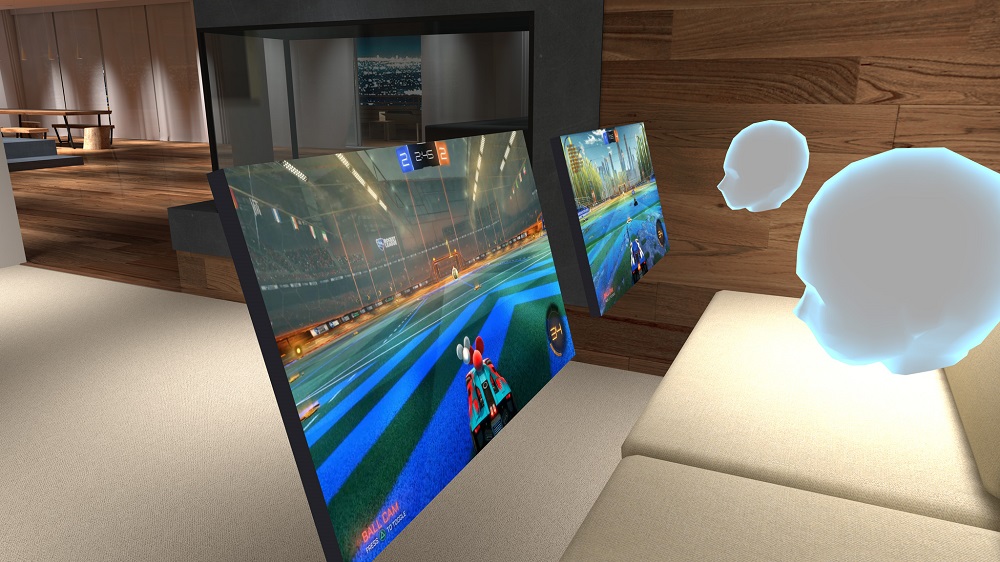
Will bots and/or human tutors be instantly accessible from our couches?
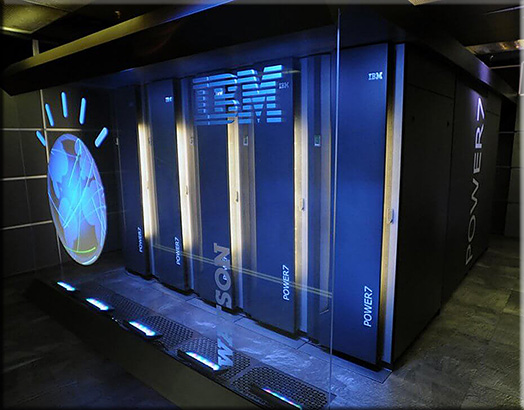
LAS VEGAS, Oct. 25, 2016 /PRNewswire/ — IBM (NYSE: IBM) and Pearson (FTSE: PSON) the world’s learning company, today announced a new global education alliance intended to make Watson’s cognitive capabilities available to millions of college students and professors.
Combining IBM’s cognitive capabilities with Pearson’s digital learning products will give students a more immersive learning experience with their college courses, an easy way to get help and insights when they need it, all through asking questions in natural language just like they would with another student or professor. Importantly, it provides instructors with insights about how well students are learning, allowing them to better manage the entire course and flag students who need additional help.
For example, a student experiencing difficulty while studying for a biology course can query Watson, which is embedded in the Pearson courseware. Watson has already read the Pearson courseware content and is ready to spot patterns and generate insights. Serving as a digital resource, Watson will assess the student’s responses to guide them with hints, feedback, explanations and help identify common misconceptions, working with the student at their pace to help them master the topic.
Online education platform Udacity has partnered with IBM Watson to launch a new artificial intelligence (AI) Nanodegree program.
Costing $1,600 for the full two-term, 26-week course, the AI Nanodegree covers a myriad of topics including logic and planning, probabilistic inference, game-playing / search, computer vision, cognitive systems, and natural language processing (NLP). It’s worth noting here that Udacity already offers an Intro to Artificial Intelligence (free) course and the Machine Learning Engineer Nanodegree, but with the A.I. Nanodegree program IBM Watson is seeking to help give developers a “foundational understanding of artificial intelligence,” while also helping graduates identify job opportunities in the space.
As artificial intelligence (AI) begins to power more technology across industries, it’s been truly exciting to see what our community of developers can create with Watson. Developers are inspiring us to advance the technology that is transforming society, and they are the reason why such a wide variety of businesses are bringing cognitive solutions to market.
With AI becoming more ubiquitous in the technology we use every day, developers need to continue to sharpen their cognitive computing skills. They are seeking ways to gain a competitive edge in a workforce that increasingly needs professionals who understand how to build AI solutions.
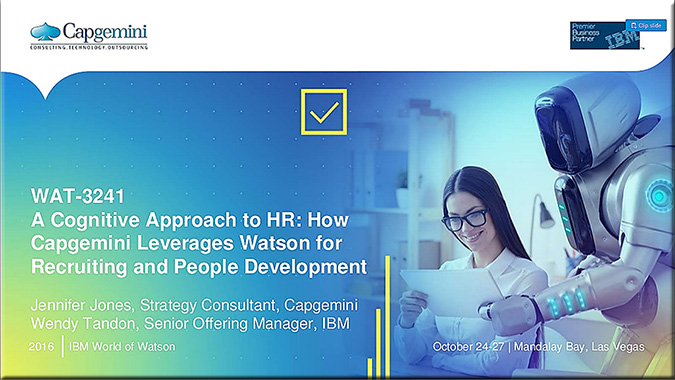
It is for this reason that today at World of Watson in Las Vegas we announced with Udacity the introduction of a Nanodegree program that incorporates expertise from IBM Watson and covers the basics of artificial intelligence. The “AI Nanodegree” program will be helpful for those looking to establish a foundational understanding of artificial intelligence. IBM will also help aid graduates of this program with identifying job opportunities.
Announced today at World of Watson, and as Rob High outlined in the first post in this series, IBM has partnered with Udacity to develop a nanodegree in artificial intelligence. Rob discussed IBM’s commitment to empowering developers to learn more about cognitive computing and equipping them with the educational resources they need to build their careers in AI.
To continue on this commitment, I’m excited to announce another new program today geared at college students that we’ve launched with Kivuto Solutions, an academic software distributor. Via Kivuto’s popular digital resource management platform, students and academics around the world will now gain free access to the complete IBM Bluemix Portfolio — and specifically, Watson. This offers students and faculty at any accredited university – as well as community colleges and high schools with STEM programs – an easy way to tap into Watson services. Through this access, teachers will also gain a better means to create curriculum around subjects like AI.
LAS VEGAS, Oct. 25, 2016 /PRNewswire/ — IBM (NYSE:IBM) today unveiled a series of new cognitive solutions intended for professionals in marketing, commerce, supply chain and human resources. With these new offerings, IBM is enabling organizations across all industries and of all sizes to integrate new cognitive capabilities into their businesses.
Watson solutions learn in an expert way, which is critical for professionals that want to uncover insights hidden in their massive amounts of data to understand, reason and learn about their customers and important business processes. Helping professionals augment their existing knowledge and experience without needing to engage a data analyst empowers them to make more informed business decisions, spot opportunities and take action with confidence.
“IBM is bringing Watson cognitive capabilities to millions of professionals around the world, putting a trusted advisor and personal analyst at their fingertips,” said Harriet Green, general manager Watson IoT, Cognitive Engagement & Education. “Similar to the value that Watson has brought to the world of healthcare, cognitive capabilities will be extended to professionals in new areas, helping them harness the value of the data being generated in their industries and use it in new ways.”
IBM says new Watson Data Platform will ‘bring machine learning to the masses’ — from techrepublic.com by Hope Reese On Tuesday, IBM unveiled a cloud-based AI engine to help businesses harness machine learning. It aims to give everyone, from CEOs to developers, a simple platform to interpret and collaborate on data.
Excerpt:
“Insight is the new currency for success,” said Bob Picciano, senior vice president at IBM Analytics. “And Watson is the supercharger for the insight economy.”
Picciano, speaking at the World of Watson conference in Las Vegas on Tuesday, unveiled IBM’s Watson Data Platform, touted as the “world’s fastest data ingestion engine and machine learning as a service.”
The cloud-based Watson Data Platform, will “illuminate dark data,” said Picciano, and will “change everything—absolutely everything—for everyone.”
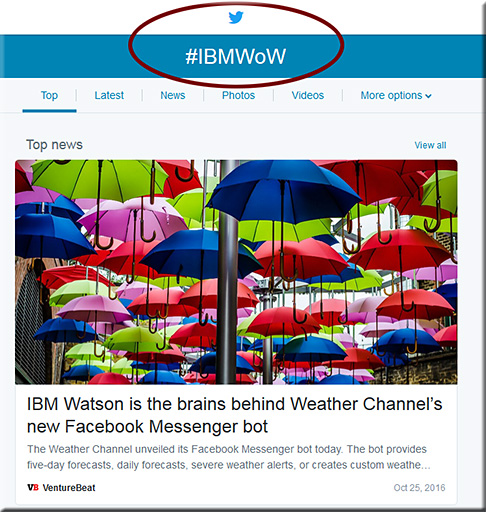
See the #IBMWoW hashtagon Twitter for more news/announcements coming from IBM this week:
Previous postings from earlier this month:
IBM Watson’s latest gig: Improving cancer treatment with genomic sequencing — from techrepublic.com by Alison DeNisco A new partnership between IBM Watson Health and Quest Diagnostics will combine Watson’s cognitive computing with genetic tumor sequencing for more precise, individualized cancer care.
IBM launches industry first Cognitive-IoT ‘Collaboratory’ for clients and partners Excerpt:
IBM have unveiled an €180 million investment in a new global headquarters to house its Watson Internet of Things business. Located in Munich, the facility will promote new IoT capabilities around Blockchain and security as well as supporting the array of clients that are driving real outcomes by using Watson IoT technologies, drawing insights from billions of sensors embedded in machines, cars, drones, ball bearings, pieces of equipment and even hospitals. As part of a global investment designed to bring Watson cognitive computing to IoT, IBM has allocated more than $200 million USD to its global Watson IoT headquarters in Munich. The investment, one of the company’s largest ever in Europe, is in response to escalating demand from customers who are looking to transform their operations using a combination of IoT and Artificial Intelligence technologies. Currently IBM has 6,000 clients globally who are tapping Watson IoT solutions and services, up from 4,000 just 8 months ago.
The New Media Consortium (NMC) has released Digital Literacy: An NMC Horizon Project Strategic Brief in conjunction with the 2016 EDUCAUSE Annual Conference.
…
In analyzing the progress and gaps in this area, the NMC’s report has identified a need for higher education leaders and technology companies to prioritize students as makers, learning through the act of content creation rather than mere consumption. Additionally, the publication recommends that colleges and universities establish productive collaborations with industry, government, and libraries to provide students with access to the latest technologies and tools.
…
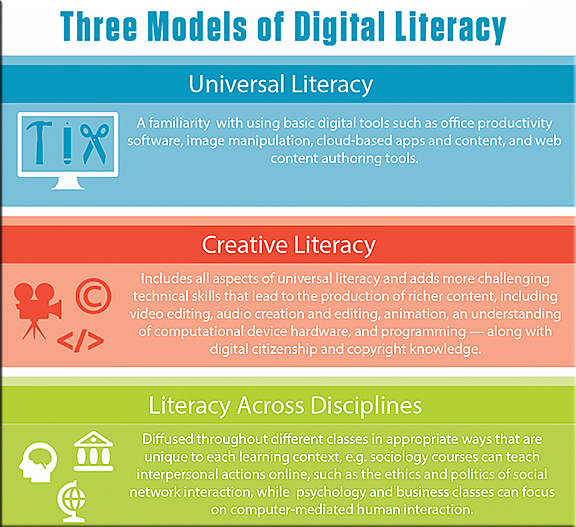
Based on the variety and complexity of these results, NMC cannot identify just one model of digital literacy. Instead three different digital literacies are now evident, each with distinct standards, potential curriculum, and implications for creative educators.
The aim of this publication is to establish a shared vision of digital literacy for higher education leaders by illuminating key definitions and models along with best practices and recommendations for implementing successful digital literacy initiatives.
To be digitally literate, you need to be:
fluent at critical thinking, collaborating,
being creative, and problem-solving in
digital environments.
Computer science and digital media classes can instruct on everything from office productivity applications to programming and video editing, for example. Sociology courses can teach interpersonal actions online, such as the ethics and politics of social network interaction, while psychology and business classes can focus on computer-mediated human interaction. Government and political science classes are clearly well equipped to explore the intersection of digital technology and citizenship mentioned above. Communication, writing, and literature classes have the capacity to instruct students on producing digital content in the form of stories, arguments, personal expression, posters, and more.
From DSC: If faculty members aren’t asking students to create multimedia in their assignments and/or take part in online/digitally-based means of communications and learning, the vast majority of the students won’t (and don’t) care about digital literacy…it’s simply not relevant to them: “Whatever gets me the grade, that’s what I’ll do. But no more.”
This type of situation/perspective is quite costly. Because once students graduate from college, had they built up some solid digital literacy — especially the “creative literacy” mentioned above — they would be in much better shape to get solid jobs, and prosper at those jobs. They would be much better able to craft powerful communications — and reach a global audience in doing so. They would have honed their creativity, something increasingly important as the onward march of AI, robotics, algorithms, automation, and such continues to eat away at many types of jobs (that don’t really need creative people working in them).
This is an important topic, especially as digitally-based means of communication continue to grow in their usage and impact.
Part of digital literacy is not just understanding how a tool works but also why it is useful in the real world and when to use it.
These affordances are just now starting to be uncovered as machines are increasingly able to ascertain patterns, things, objects…even people (which calls for a separate posting at some point).
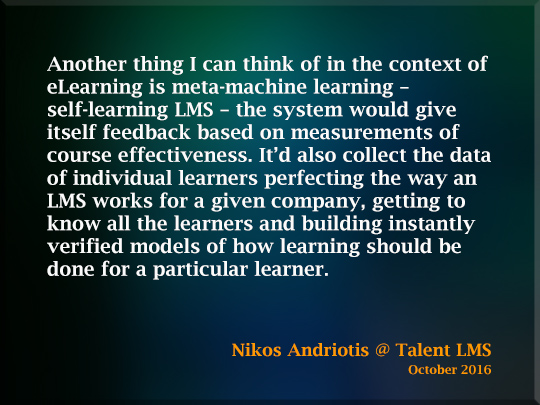
But mainly, for today, I wanted to highlight an excellent comment/reply from Nikos Andriotis @ Talent LMS who gave me permission to highlight hissolid reflections and ideas:
From DSC: Excellent reflection/idea Nikos — that would represent some serious personalized, customized learning!
Nikos’ innovative reflections also made me think about his ideas in light of their interaction or impact with web-based learner profiles, credentialing, badging, and lifelong learning. What’s especially noteworthy here is that the innovations (that impact learning) continue to occur mainly in the online and blended learning spaces.
How might the ramifications of these innovations impact institutions who are pretty much doing face-to-face only (in terms of their course delivery mechanisms and pedagogies)?
Given:
That Microsoft purchased LinkedIn and can amass a database of skills and open jobs (playing a cloud-based matchmaker)
Everyday microlearning is key to staying relevant (RSS feeds and tapping into “streams of content” are important here, and so is the use of Twitter)
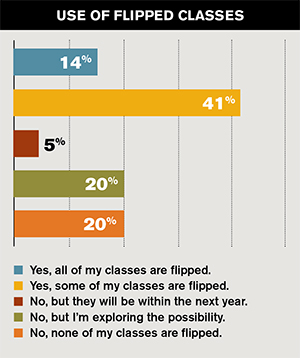
55% of faculty are flipping the classroom— from campustechnology.com by Dian Schaffhauser, Rhea Kelly Our first-ever Teaching with Technology survey gauged educators’ use of the flipped classroom model, blended/online teaching environments and more.
Excerpt:
The majority of higher education faculty today are flipping their courses or plan to in the near future, according to Campus Technology‘s 2016 Teaching with Technology survey. The survey polled faculty members across the country about their use of technology for teaching and learning, their wish lists and gripes, their view of what the future holds and more.
From DSC: Speaking of flipping the classroom…I’ve listed some ideas below for a recording studio for your college or university — with the idea to provide more choice, more control to faculty members who want to record their lectures.
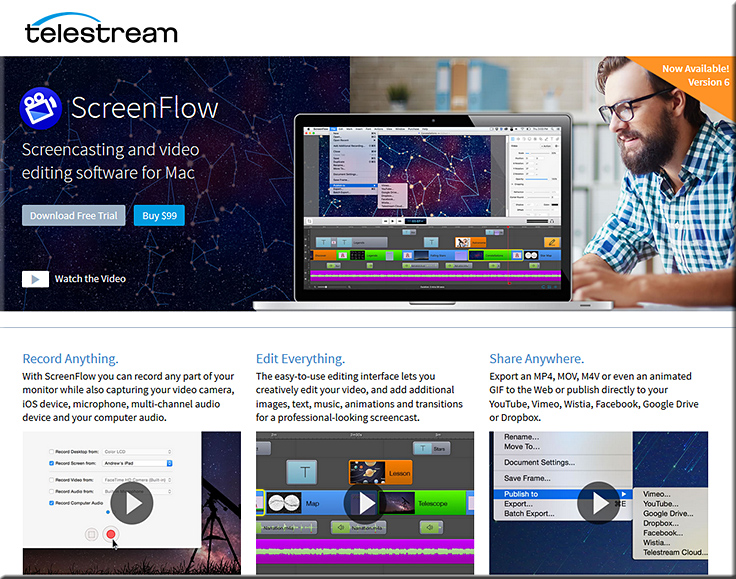
A small recording booth with a Mac in it that has ScreenFlow loaded on it; alternatively, you could use a PC with a desktop recording app such as Adobe Captivate, Camtasia Studio, Jing, or something similar.
…and likely other booths with other options that faculty can walk in and use. Again, the idea is to let the faculty members choose what’s most comfortable/convenient for them.
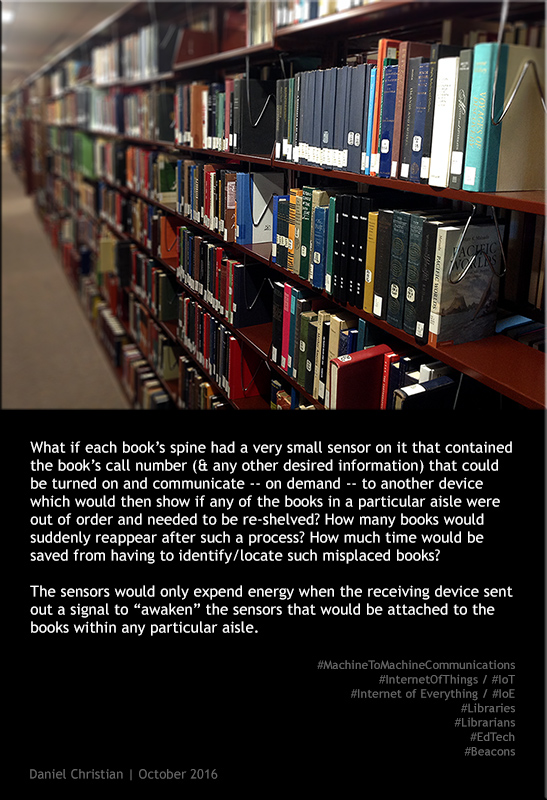
From DSC: Here’s an idea that came to my mind the other day as I was walking by a person who was trying to put some books back onto the shelves within our library.
From DSC: Perhaps this idea is not very timely…as many collections of books will likely continue to be digitized and made available electronically. But preservation is still a goal for many libraries out there.
Today, the IoT sits at the peak of Gartner’s Hype Cycle. It’s probably not surprising that industry is abuzz with the promise of streaming sensor data. The oft quoted “50 billion connected devices by 2020!” has become a rallying cry for technology analysts, chip vendors, network providers, and other proponents of a deeply connected, communicating world. What is surprising is that academia has been relatively slow to join the parade, particularly when the potential impacts are so exciting. Like most organizations that manage significant facilities, universities stand to benefit by adopting the IoT as part of their management strategy. The IoT also affords new opportunities to improve the customer experience. For universities, this means the ability to provide new student services and improve on those already offered. Perhaps most surprisingly, the IoT represents an opportunity to better engage a diverse student base in computer science and engineering, and to amplify these programs through meaningful interdisciplinary collaboration.
…
The potential benefits of the IoT to the academic community extend beyond facilities management to improving our students’ experience. The lowest hanging fruit can be harvested by adapting some of the smart city applications that have emerged. What student hasn’t shown up late to class after circling the parking lot looking for a space? Ask any student at a major university if it would improve their campus experience to be able to check on their smart phones which parking spots were available. The answer will be a resounding “yes!” and there’s nothing futuristic about it. IoT parking management systems are commercially available through a number of vendors. This same type of technology can be adapted to enable students to find open meeting rooms, computer facilities, or café seating. What might be really exciting for students living in campus dormitories: A guarantee that they’ll never walk down three flights of stairs balancing two loads of dirty laundry to find that none of the washing machines are available. On many campuses, the washing machines are already network-connected to support electronic payment; availability reporting is a straightforward extension.
Also see:
2016 Innovators Awards | A Location-Aware App for Exploring the Library — from campustechnology.com by Meg Lloyd To help users access rich information resources on campus, the University of Oklahoma Libraries created a mobile app with location-based navigation and “hyperlocal” content.
Category: Education Futurists
Institution: University of Oklahoma
Project: OU Libraries NavApp
Project lead: Matt Cook, emerging technologies librarian
From DSC: Consider the affordances that we will soon be experiencing when we combine machine learning — whereby computers “learn” about a variety of things — with new forms of Human Computer Interaction (HCI) — such as Augment Reality (AR)!
The educational benefits — as well as the business/profit-related benefits will certainly be significant!
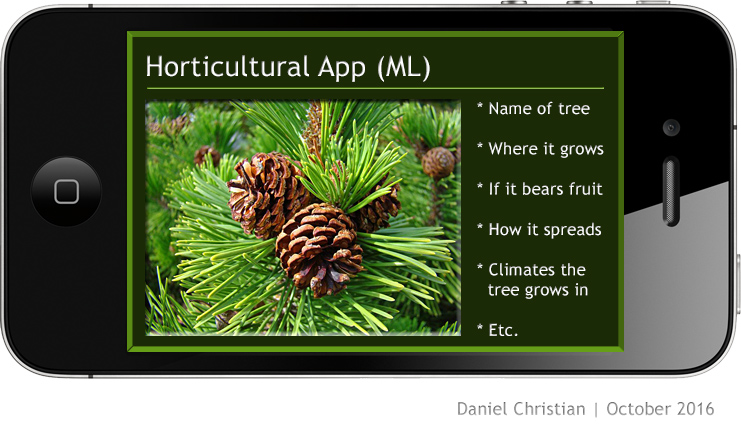
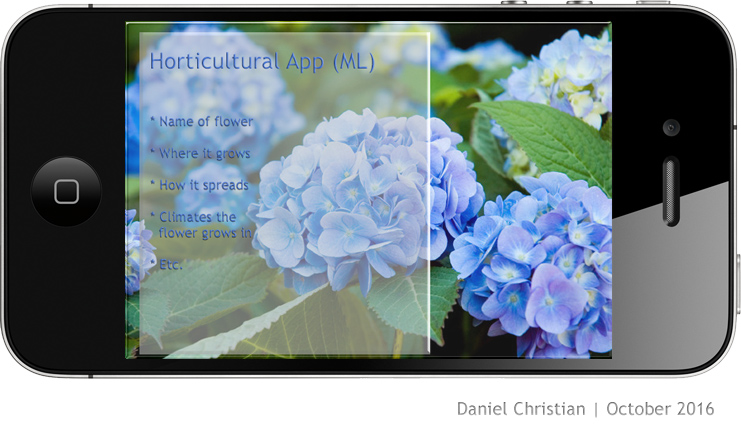
For example, let’s create a new mobile app called “Horticultural App (ML)” * — where ML stands for machine learning. This app would be made available on iOS and Android-based devices.(Though this is strictly hypothetical, I hope and pray that some entrepreneurial individuals and/or organizations out there will take this idea and run with it!)
Some use cases for such an app:
Students, environmentalists, and lifelong learners will be able to take some serious educationally-related nature walks once they launch the Horticultural App (ML) on their smartphones and tablets!
They simply hold up their device, and the app — in conjunction with the device’s camera — will essentially take a picture of whatever the student is focusing in on. Via machine learning, the app will “recognize” the plant, tree, type of grass, flower, etc. — and will then present information about that plant, tree, type of grass, flower, etc.
In the production version of this app, a textual layer could overlay the actual image of the tree/plant/flower/grass/etc. in the background — and this is where augmented reality comes into play. Also, perhaps there would be an opacity setting that would be user controlled — allowing the learner to fade in or fade out the information about the flower, tree, plant, etc.
Or let’s look at the potential uses of this type of app from some different angles.
Let’s say you live in Michigan and you want to be sure an area of the park that you are in doesn’t have anyEastern Poison Ivyin it — so you launch the app and review any suspicious looking plants. As it turns out, the app identifies some Eastern Poison Ivyfor you (and it could do this regardless of which season we’re talking about, as the app would be able to ascertain the current date and the current GPS coordinates of the person’s location as well, taking that criteria into account).
Or consider another use of such an app:
A homeowner who wants to get rid of a certain kind of weed. The homeowner goes out into her yard and “scans” the weed, and up pops some products at the local Lowe’s or Home Depot that gets rid of that kind of weed.
Assuming you allowed the app to do so, it could launch a relevant chatbot that could be used to answer any questions about the application of the weed-killing product that you might have.
Or consider another use of such an app:
A homeowner has a diseased tree, and they want to know what to do about it.The machine learning portion of the app could identify what the disease was and bring up information on how to eradicate it.
Again, if permitted to do so, a relevant chatbot could be launched to address any questions that you might have about the available treatment options for that particular tree/disease.
Or consider other/similar apps along these lines:
Skin ML (for detecting any issues re: acme, skin cancers, etc.)
Minerals and Stones ML (for identifying which mineral or stone you’re looking at)
Fish ML
Etc.
Image from gettyimages.com
So there will be many new possibilities that will be coming soon to education, businesses, homeowners, and many others to be sure! The combination of machine learning with AR will open many new doors.
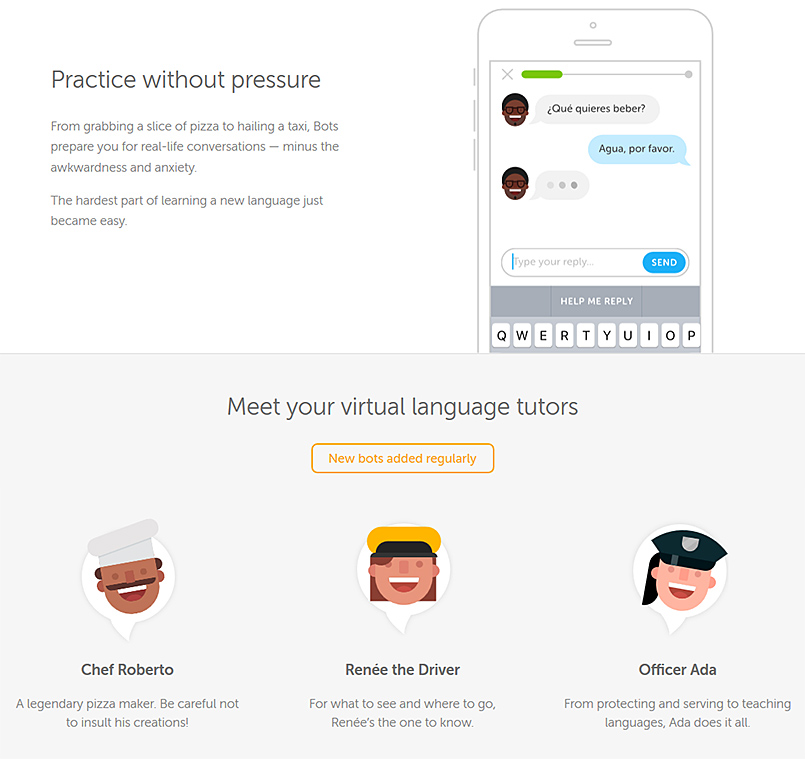
Free app Duolingo is a great way to learn the basics of a new language, with small daily lessons that gradually increase your skills, with rewards for progressing. Now the service has added a new feature that’s a little different from the back-and-forth translation — text-based chatbots.
These are aimed at helping you improve your conversational skills and skills you might use in real life, such as ordering food, visiting a tourist attraction, shopping for clothing or catching a cab. A variety of scenarios will see you learning how to follow a set of directions, or talk with a doctor. According to the Duolingo chatbot Web page, these bots are programmed to react to thousands of different responses.
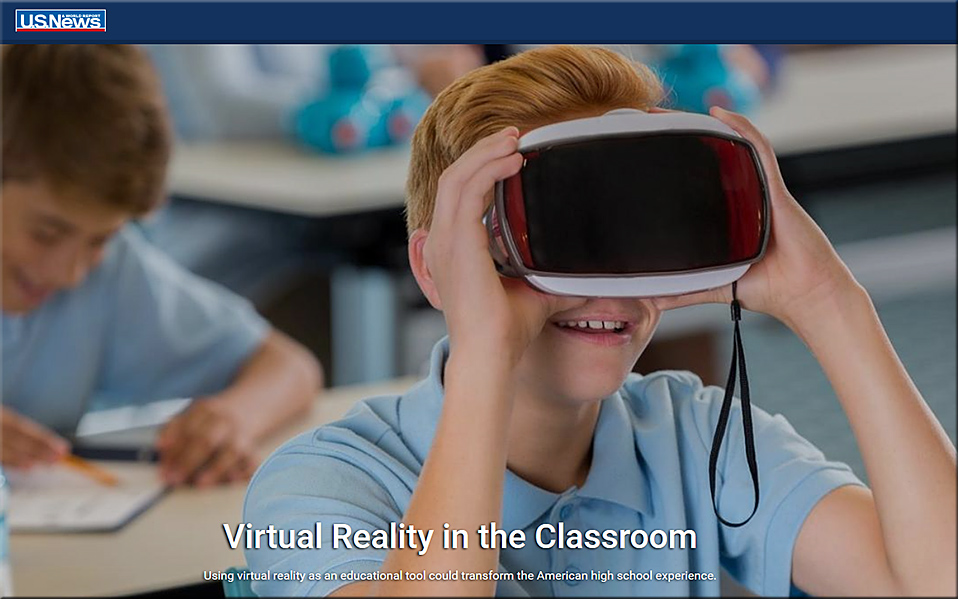
Virtual Reality in the Classroom— from usnews.com by Charles Sahm Using virtual reality as an educational tool could transform the American high school experience.
Excerpt:
Listening to Andrew describe the potential of virtual reality tools to improve education is thrilling. He talks about the evolution of a student reading about France in a textbook, to watching a YouTube video about France, to, via virtual reality, being able to walk the streets of Paris. He imagines students not only being able to read about the Constitutional Convention, but to actually be in “the room where it happens.” (Andrew, like many, is enamored of the musical “Hamilton.”)
…
Andrew acknowledges, however, that virtual reality as an educational tool is still in the very early stages. Washington Leadership Academy intends to develop a number of programs and then share them with other schools. It is exciting to consider what could be accomplished if the power of virtual reality were harnessed for education rather than gaming; if developers turned their resources away from creating games that teach children how to steal cars and kill people and toward allowing them to explore history, science, art and other subjects in innovative new ways.
2016 has been promoted as the year of virtual reality. In the space of a few months, we have seen brands like Facebook, Samsung and Sony have all come out with VR products of their own. But another closely related industry has been making a growing presence in the tech industry. Augmented reality, or simply AR, is gaining ground among tech companies and even consumers. Google was the first contender for coolest AR product with its Google Glass. Too bad that did not work out; it felt like a product too ahead of its time. Companies like Microsoft, Magic Leap and even Apple are hoping to pick up from where Google left off. They are creating their own smart glasses that will, hopefully, do better than Google Glass. In our article, we look at some of the coolest Augmented Reality smart glasses around.
Some of them are already out while others are in development.
It’s no secret that we here at Labster are pretty excited about VR. However, if we are to successfully introduce VR into education and training we need to know how to create VR simulations that unlock these new great ways of learning.
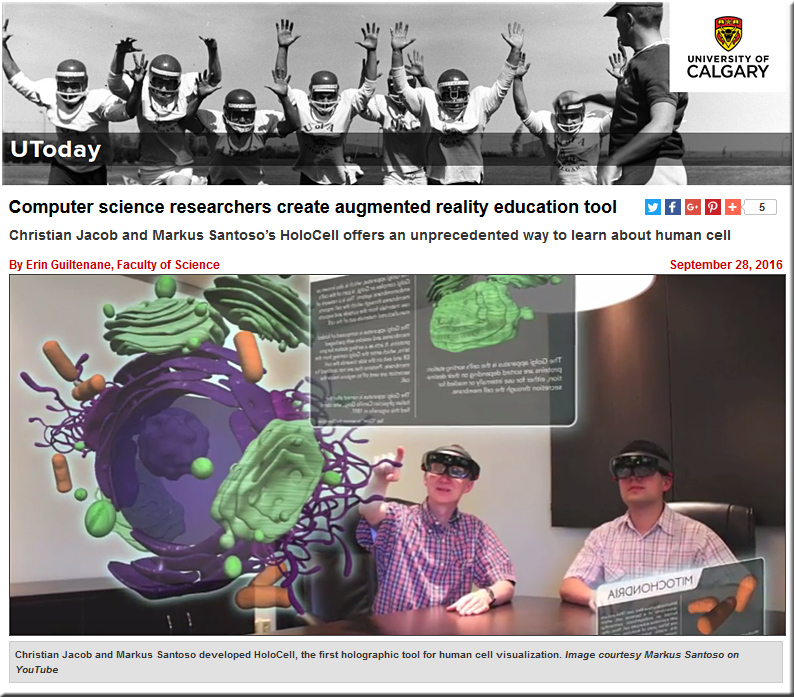
Christian Jacob and Markus Santoso are trying to re-create the experience of the aforementioned agents in Fantastic Voyage. Working with 3D modelling company Zygote, they and recent MSc graduate Douglas Yuen have created HoloCell, an educational software. Using Microsoft’s revolutionary HoloLens AR glasses, HoloCell provides a mixed reality experience allowing users to explore a 3D simulation of the inner workings, organelles, and molecules of a healthy human cell.
Upload is teaming up with Udacity, Google and HTC to build an industry-recognized VR certification program.
…
According to Udacity representatives, the organization will now be adding a VR track to its “nanodegree”program. Udacity’s nanodegrees are certification routes that can be completed completely online at a student’s own pace. These courses typically take between 6-12 months and cost $199 per month. Students will also receive half of their tuition back if they complete a course within six months. The new VR course will follow this pattern as well.
The VR nanodegree program was curated by Udacity after the organization interviewed dozens of VR savvy companies about the type of skills they look for in a potential new hire. This information was then built into a curriculum through a joint effort between Google, HTC and Upload.
Virtual reality helps Germany catch last Nazi war criminals — from theguardian.com by Agence France-Presse Lack of knowledge no longer an excuse as precise 3D model of Auschwitz, showing gas chambers and crematoria, helps address atrocities
Excerpt:
German prosecutors and police have developed 3D technology to help them catch the last living Nazi war criminals with a highly precise model of Auschwitz.
German prosecutors and police have begun using virtual reality headsets in their quest to bring the last remaining Auschwitz war criminals to justice, AFP reported Sunday.
Using the blueprints of the death camp in Nazi-occupied Poland, Bavarian state crime office digital imaging expert Ralf Breker has created a virtual reality model of Auschwitz which allows judges and prosecutors to mimic moving around the camp as it stood during the Holocaust.
Technology is hoping to turn empathy into action. Or at least, the United Nations is hoping to do so. The intergovernmental organization is more than seven decades old at this point, but it’s constantly finding new ways to better the world’s citizenry. And the latest tool in its arsenal? Virtual reality.
Last year, the UN debuted its United Nations Virtual Reality, which uses the technology to advocate for communities the world over. And more recently, the organization launched an app made specifically for virtual reality films. First debuted at the Toronto International Film Festival, this app encourages folks to not only watch the UN’s VR films, but to then take action by way of donations or volunteer work.
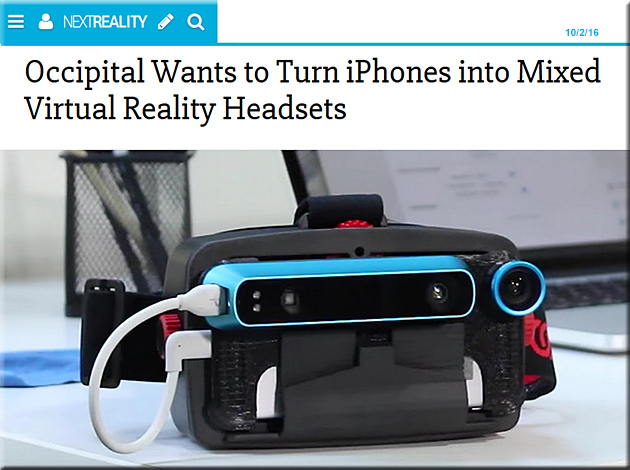
If you’re an Apple user and want an untethered virtual reality system, you’re currently stuck with Google Cardboard, which doesn’t hold a candle to the room scale VR provided by the HTC Vive (a headset not compatible with Macs, by the way). But spatial computing company Occipital just figured out how to use their Structure Core 3D Sensor to provide room scale VR to any smartphone headset—whether it’s for an iPhone or Android.
The Body VR is a great example of how the Oculus Rift and Gear VR can be used to educate as well as entertain. Starting today, it’s also a great example of how the HTC Vive can do the same.
The developers previously released this VR biology lesson for free back at the launch of the Gear VR and, in turn, the Oculus Rift. Now an upgraded version is available on Valve and HTC’s Steam VR headset. You’ll still get the original experience in which you explore the human body, travelling through the bloodstream to learn about blood cells and looking at how organelles work. The piece is narrated as you go.
For a moment, students were taken into another world without leaving the great halls of Harvard. Some students had a great time exploring the ocean floor and saw unique underwater animals, others tried their hand in hockey, while others screamed as they got into a racecar and sped on a virtual speedway. All of them, getting a taste of what virtual and augmented reality looks like.
All of these, of course, were not just about fun but on how especially augmented and virtual reality can transform every kind of industry. This will be discussed and demonstrated at the i-lab in the coming weeks with Rony Abovitz, CEO of Magic Leap Inc., as the keynote speaker.
Abovitz was responsible for developing the “Mixed Reality Lightfield,” a technology that combines augmented and virtual reality. According to Abovitz, it will help those who are struggling to “transfer two-dimensional information or text into “spatial learning.”
“I think it will make life easier for a lot of people and open doors for a lot of people because we are making technology fit how our brains evolved into the physics of the universe rather than forcing our brains to adapt to a more limited technology,” he added.
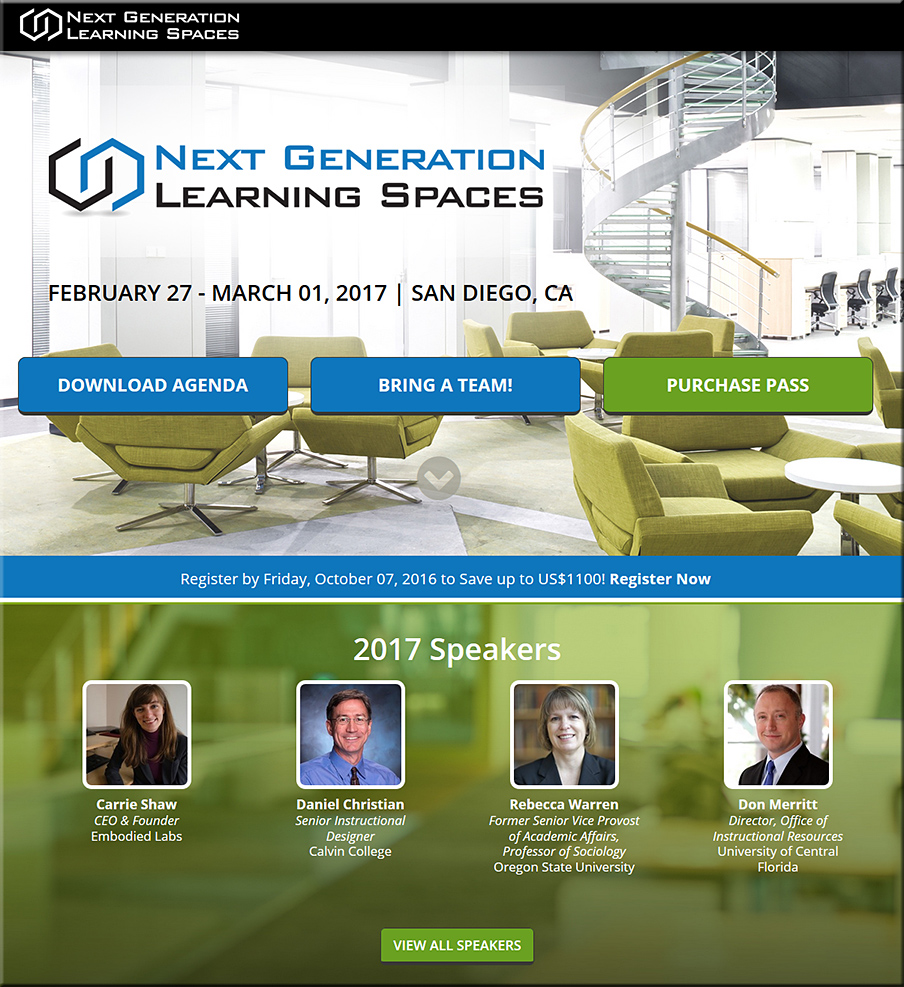
From DSC: I have attended theNext Generation Learning Spaces Conferencefor the past two years. Both conferences were very solid and they made a significant impact on our campus, as they provided the knowledge, research, data, ideas, contacts, and the catalyst for us to move forward with building a Sandbox Classroom on campus. This new, collaborative space allows us to experiment with different pedagogies as well as technologies. As such, we’ve been able to experiment much more with active learning-based methods of teaching and learning. We’re still in Phase I of this new space, and we’re learning new things all of the time.
For the upcoming conference in February, I will be moderating a New Directions in Learning panel on the use of augmented reality (AR), virtual reality (VR), and mixed reality (MR). Time permitting, I hope that we can also address other promising, emerging technologies that are heading our way such as chatbots, personal assistants, artificial intelligence, the Internet of Things, tvOS, blockchain and more.
The goal of this quickly-moving, engaging session will be to provide a smorgasbord of ideas to generate creative, innovative, and big thinking. We need to think about how these topics, trends, and technologies relate to what our next generation learning environments might look like in the near future — and put these things on our radars if they aren’t already there.
Key takeaways for the panel discussion:
Reflections regarding the affordances that new developments in Human Computer Interaction (HCI) — such as AR, VR, and MR — might offer for our learning and our learning spaces (or is our concept of what constitutes a learning space about to significantly expand?)
An update on the state of the approaching ed tech landscape
Creative, new thinking: What might our next generation learning environments look like in 5-10 years?
I’m looking forward to catching up with friends, meeting new people, and to the solid learning that I know will happen at this conference. I encourage you to check outthe conferenceandregister soon to take advantage of the early bird discounts.
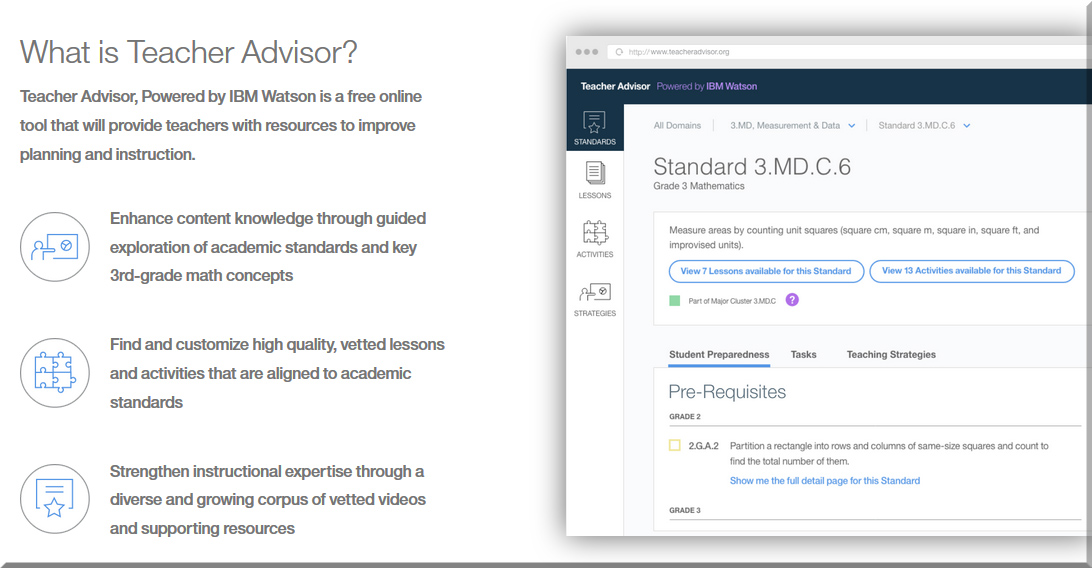
ARMONK, N.Y., Sept. 28, 2016 /PRNewswire/ — Teachers will have access to a new, first-of-its-kind, free tool using IBM’s innovative Watson cognitive technology that has been trained by teachers and designed to strengthen teachers’ instruction and improve student achievement, the IBM Foundation and the American Federation of Teachers announced today.
Hundreds of elementary school teachers across the United States are piloting Teacher Advisor with Watson – an innovative tool by the IBM Foundation that provides teachers with a complete, personalized online resource. Teacher Advisor enables teachers to deepen their knowledge of key math concepts, access high-quality vetted math lessons and acclaimed teaching strategies and gives teachers the unique ability to tailor those lessons to meet their individual classroom needs.
…
Litow said there are plans to make Teacher Advisor available to all elementary school teachers across the U.S. before the end of the year.
In this first phase, Teacher Advisor offers hundreds of high-quality vetted lesson plans, instructional resources, and teaching techniques, which are customized to meet the needs of individual teachers and the particular needs of their students.
Also see:
Educators can also access high-quality videos on teaching techniques to master key skills and bring a lesson or teaching strategy to life into their classroom.
From DSC: Today’s announcement involved personalization and giving customized directions, and it caused my mind to go in a slightly different direction. (IBM, Google, Microsoft, Apple, Amazon, and others like Smart Sparrow are likely also thinking about this type of direction as well. Perhaps they’re already there…I’m not sure.)
But given the advancements in machine learning/cognitive computing (where example applications include optical character recognition (OCR) and computer vision), how much longer will it be before software is able to remotely or locally “see” what a third grader wrote down for a given math problem (via character and symbol recognition) and “see” what the student’s answer was while checking over the student’s work…if the answer was incorrect, the algorithms will likely know where the student went wrong. The software will be able to ascertain what the student did wrong and then show them how the problem should be solved (either via hints or by showing the entire problem to the student — per the teacher’s instructions/admin settings). Perhaps, via natural language processing, this process could be verbalized as well.
Further questions/thoughts/reflections then came to my mind:
Will we have bots that teachers can use to teach different subjects? (“Watson may even ask the teacher additional questions to refine its response, honing in on what the teacher needs to address certain challenges.)
Will we have bots that students can use to get the basics of a given subject/topic/equation?
Will instructional designers — and/or trainers in the corporate world — need to modify their skillsets to develop these types of bots?
Will teachers — as well as schools of education in universities and colleges — need to modify their toolboxes and their knowledgebases to take advantage of these sorts of developments?
How might the corporate world take advantage of these trends and technologies?
Will MOOCs begin to incorporate these sorts of technologies to aid in personalized learning?
What sorts of delivery mechanisms could be involved? Will we be tapping into learning-related bots from our living rooms or via our smartphones?
IBM Watson will help educators improve teaching skills — from zdnet.com by Natalie Gagliordi The IBM Foundation has teamed with teachers and the American Federation of Teachers union to create an AI-based lesson plan tool called Teacher Advisor.
Virtual reality technology holds enormous potential to change the future for a number of fields, from medicine, business, architecture to manufacturing.
Psychologists and other medical professionals are using VR to heighten traditional therapy methods and find effective solutions for treatments of PTSD, anxiety and social disorders. Doctors are employing VR to train medical students in surgery, treat patients’ pains and even help paraplegics regain body functions.
In business, a variety of industries are benefiting from VR. Carmakers are creating safer vehicles, architects are constructing stronger buildings and even travel agencies are using it to simplify vacation planning.
Google has unveiled a new interactive online exhibit that take users on a tour of 10 Downing street in London — home of the U.K. Prime Minister.
The building has served as home to countless British political leaders, from Winston Churchill and Margaret Thatcher through to Tony Blair and — as of a few months ago — Theresa May. But, as you’d expect in today’s security-conscious age, gaining access to the residence isn’t easy; the street itself is gated off from the public. This is why the 10 Downing Street exhibit may capture the imagination of politics aficionados and history buffs from around the world.
The tour features 360-degree views of the various rooms, punctuated by photos and audio and video clips.
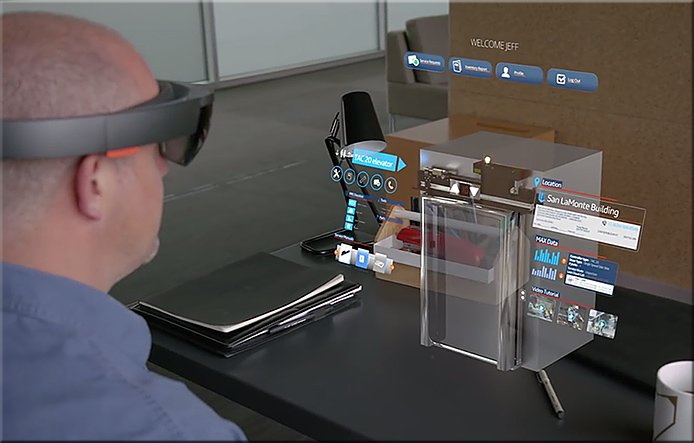
In a slightly more grounded environment, the HoloLens is being used to assist technicians in elevator repairs.
Traversal via elevator is such a regular part of our lifestyles, its importance is rarely recognized…until they’re not working as they should be. ThyssenKrupp AG, one of the largest suppliers for elevators, recognizes how essential they are as well as how the simplest malfunctions can deter the lives of millions. Announced on their blog, Microsoft is partnering with Thyssenkrupp to equip 24,000 of their technicians with HoloLens.
Insert from DSC re: the above piece re: HoloLens:
Will technical communicators need to augment their skillsets? It appears so.
But in a world where no moment is too small to record with a mobile sensor, and one in which time spent in virtual reality keeps going up, interesting parallels start to emerge with our smartphones and headsets.
Let’s look at how the future could play out in the real world by observing three key drivers: VR video adoption, mobile-video user needs and the smartphone camera rising tide.
“Individuals with autism may become overwhelmed and anxious in social situations,” research clinician Dr Nyaz Didehbani said.
“The virtual reality training platform creates a safe place for participants to practice social situations without the intense fear of consequence,” said Didehbani.
The participants who completed the training demonstrated improved social cognition skills and reported better relationships, researchers said.


![The Living [Class] Room -- by Daniel Christian -- July 2012 -- a second device used in conjunction with a Smart/Connected TV](http://danielschristian.com/learning-ecosystems/wp-content/uploads/2012/07/The-Living-Class-Room-Daniel-S-Christian-July-2012.jpg)