Ed Dept. Names Finalists for Virtual and Augmented Reality Competition — from campustechnology.com by Sri Ravipati

Excerpt:

The finalists are:

  • Case Western Reserve University, which developed “Holographic Anatomy to Transform Healthcare,” a simulation that provides an alternative to using cadavers to teach medical anatomy. Combining the Microsoft HoloLens and the VR experience, medical students can practice dissection techniques in a virtual environment.
  • Embodied Labs for a series of VR patient experiences called “The Alfred Lab,” designed to teach students how to take better care of elderly populations.
  • Octothorpe, the creator behind “The Irregular: Sherlock Holmes,” which challenges students to work together on chemistry and psychology problems.
  • Osso VR, for its realistic, hands-on orthopaedic surgical training platform; and
  • Smart Sparrow, an education company that created “LifeCraft,” which explores life on Earth through various archaeology, biology and astronomy expeditions.


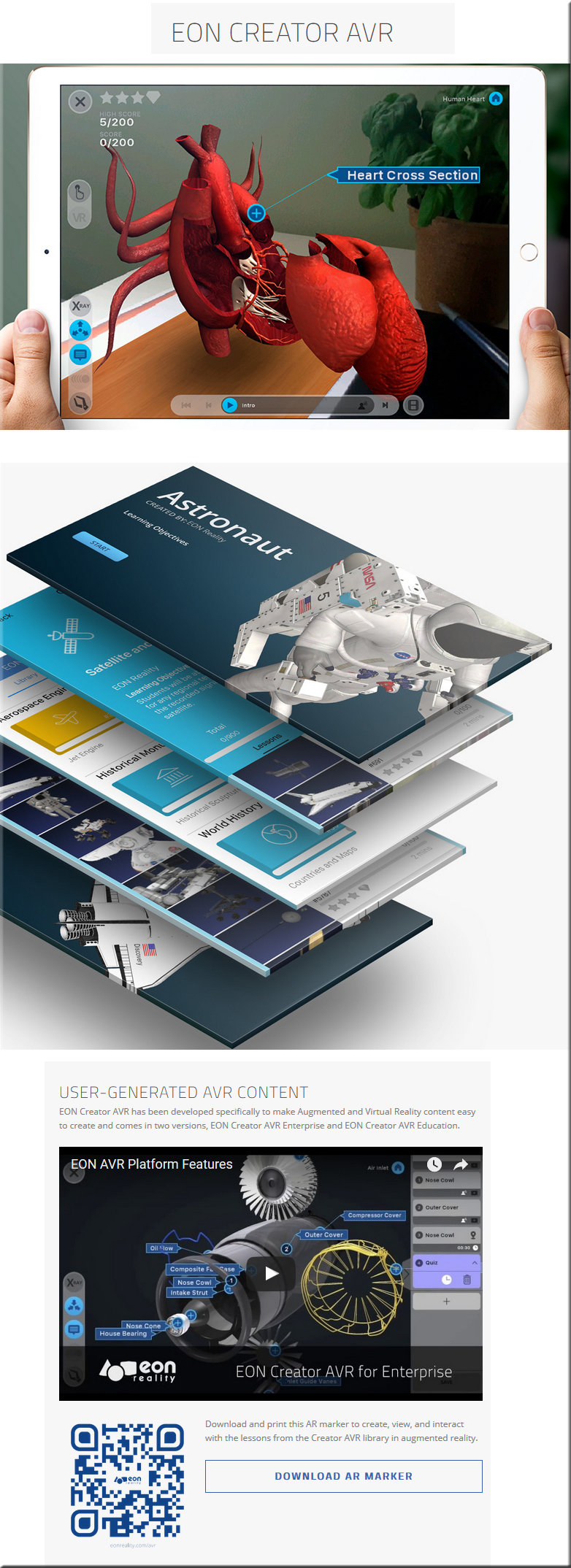
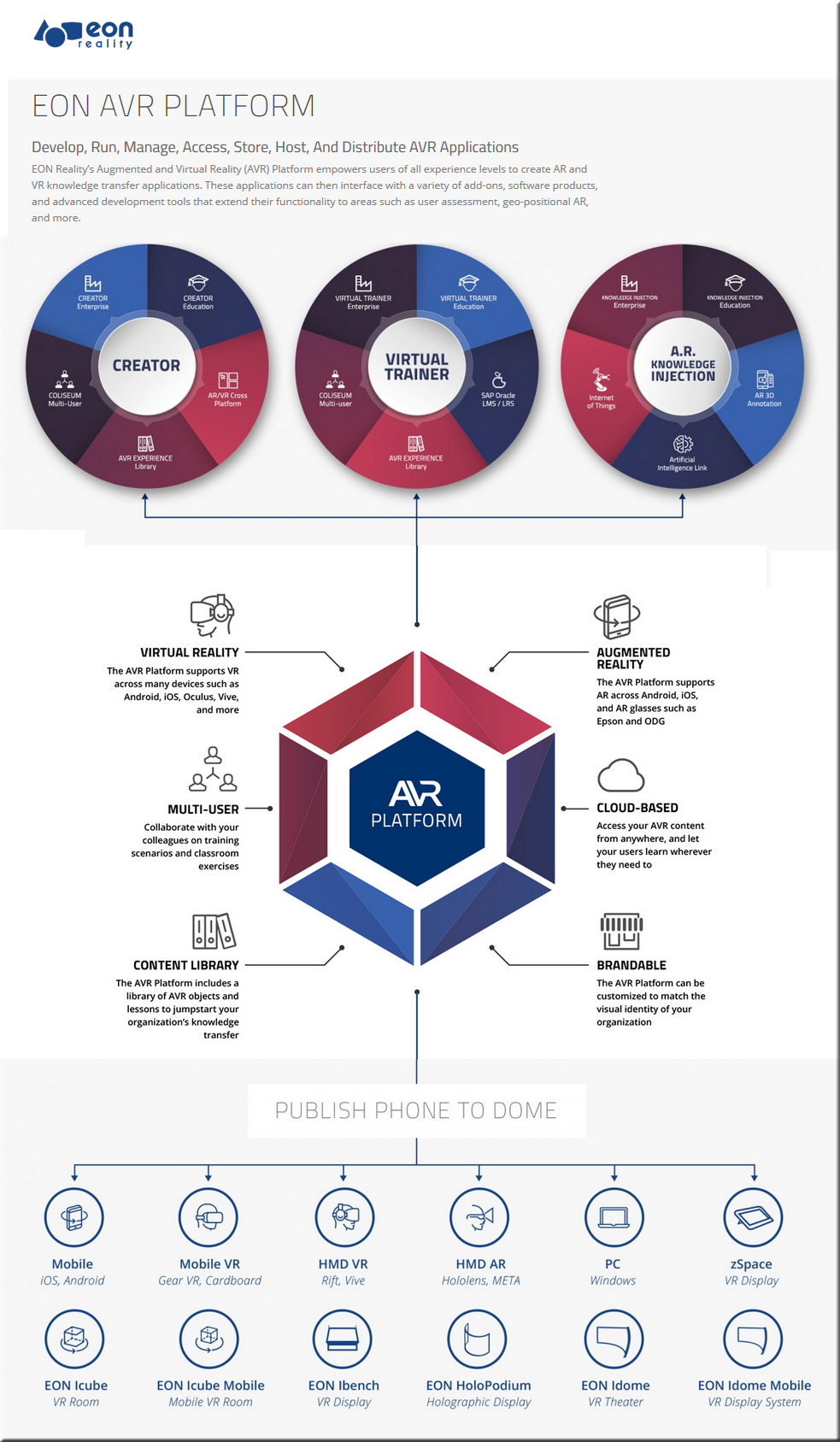
EON CREATOR AVR

The EON Creator AVR Enterprise and Education content builder empowers non-technical users to create compelling AR and VR applications in minutes, not weeks.

ENTERPRISE
With no programming required, EON Creator AVR Enterprise empowers workers to accelerate learning and improve performance, safety, and efficiency in the workplace.

EDUCATION
Teachers and students can create, experience, and share AVR learning applications with EON Creator AVR and quickly add them to their current classroom, seamlessly.


Also see:


Also see:


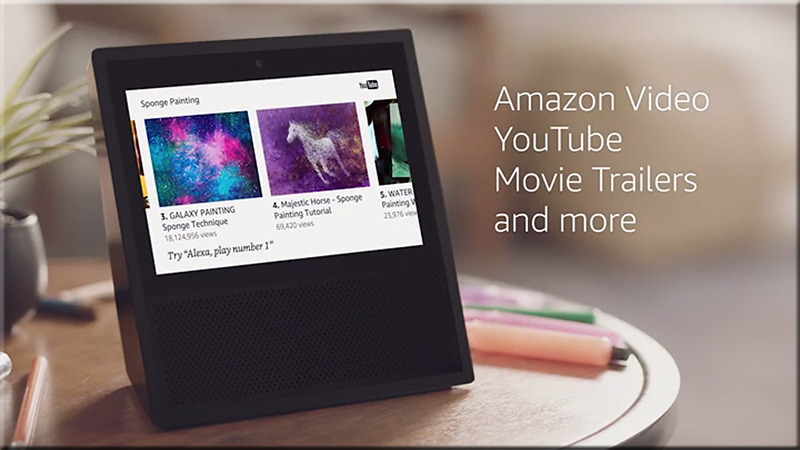
Amazon introduces Echo Show

The description reads:

  • Echo Show brings you everything you love about Alexa, and now she can show you things. Watch video flash briefings and YouTube, see music lyrics, security cameras, photos, weather forecasts, to-do and shopping lists, and more. All hands-free—just ask.
  • Introducing a new way to be together. Make hands-free video calls to friends and family who have an Echo Show or the Alexa App, and make voice calls to anyone who has an Echo or Echo Dot.
  • See lyrics on-screen with Amazon Music. Just ask to play a song, artist or genre, and stream over Wi-Fi. Also, stream music on Pandora, Spotify, TuneIn, iHeartRadio, and more.
  • Powerful, room-filling speakers with Dolby processing for crisp vocals and extended bass response
  • Ask Alexa to show you the front door or monitor the baby’s room with compatible cameras from Ring and Arlo. Turn on lights, control thermostats and more with WeMo, Philips Hue, ecobee, and other compatible smart home devices.
  • With eight microphones, beam-forming technology, and noise cancellation, Echo Show hears you from any direction—even while music is playing
  • Always getting smarter and adding new features, plus thousands of skills like Uber, Jeopardy!, Allrecipes, CNN, and more


From DSC:

Now we’re seeing a major competition between the heavy-hitters to own one’s living room, kitchen, and more. Voice controlled artificial intelligence. But now, add the ability to show videos, text, graphics, and more. Play music. Control the lights and the thermostat. Communicate with others via hands-free video calls.

Hmmm….very interesting times indeed.


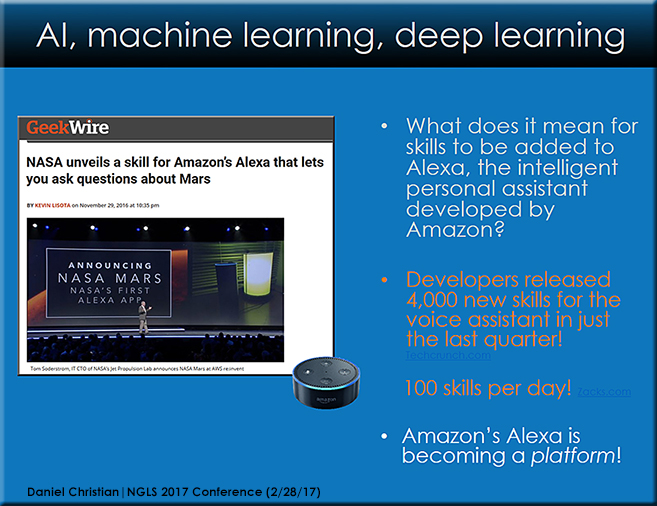
Developers and corporates released 4,000 new skills for the voice assistant in just the last quarter. (source)


…with the company adding about 100 skills per day. (source)


The Living [Class] Room -- by Daniel Christian -- July 2012 -- a second device used in conjunction with a Smart/Connected TV


Addendum on 5/10/17:


The 2017 Dean’s List: EdTech’s 50 Must-Read Higher Ed Blogs [Meghan Bogardus Cortez at edtechmagazine.com]


The 2017 Dean’s List: EdTech’s 50 Must-Read Higher Ed Blogs — from edtechmagazine.com by Meghan Bogardus Cortez
These administrative all-stars, IT gurus, teachers and community experts understand how the latest technology is changing the nature of education.

Excerpt:

With summer break almost here, we’ve got an idea for how you can use some of your spare time. Take a look at the Dean’s List, our compilation of the must-read blogs that seek to make sense of higher education in today’s digital world.

Follow these education trailblazers for not-to-be-missed analyses of the trends, challenges and opportunities that technology can provide.

If you’d like to check out the Must-Read IT blogs from previous years, view our lists from 2016, 2015, 2014 and 2013.


From DSC:
I would like to thank Tara Buck, Meghan Bogardus Cortez, D. Frank Smith, Meg Conlan, and Jimmy Daly and the rest of the staff at EdTech Magazine for their support of this Learning Ecosystems blog through the years — I really appreciate it. 

Thanks all for your encouragement through the years!


Microsoft Cortana-Powered Speaker Challenges Amazon’s Echo With Skype Calls — from foxbusiness.com by y Jay Greene

Excerpt:

Microsoft Corp. is hoping to challenge Amazon.com Inc.’s Echo smart speaker for a spot on the kitchen counter with a device from Samsung Electronics Co. that can make phone calls. The Invoke, which will debut this fall, comes more two years after the release of the Echo, which has sold more 11 million units through late last year, according to estimates by Morgan Stanley. It also will compete with Alphabet Inc.’s Google Home, which was released last fall. The voice-controlled Invoke, made by Samsung’s Harman Kardon unit, will use Microsoft’s Cortana digital assistant to take commands.


Microsoft Screams ‘Me Too’ With Cortana-Powered Rival to Amazon Echo and Google Home — from gizmodo.com by Alex Cranz

Excerpt:

With Microsoft’s Build developer conference just two days away, the company has revealed one of the most anticipated announcements from the event: A new Cortana-powered speaker made by German audio giant Harman Kardon.

Now, it’s fair to see this speaker for what it is: An answer to the Google Home and Amazon Echo. Both assistant-powered speakers are already in homes across our great nation, listening to your noises, noting your habits, and in general invading your lives under the guise of smart home helpfulness. The new Microsoft speaker, dubbed “Invoke,” one will presumably do the good stuff, let giving you updates on the weather and letting you turn on some soothing jazz for your dog with just a spoken command. Microsoft is also hoping that partnering with Harmon Kardon means its speaker can avoid one of the bigger problems with these devices—their tendency to sound cheap and tinny.


Harman Kardon’s Invoke speaker is a Cortana-powered take on an Amazon Echo — from theverge.com by Chaim Gartenberg

Excerpt:

As teased earlier, the Invoke speaker will offer 360-degree speakers, Skype calling, and smart home control all through voice commands. Design-wise, the Invoke strongly resembles Amazon’s Echo that its meant to compete with: both offer a similar cylindrical aluminum shape, light ring, and a seven-microphone array. That said, Harmon Kardon seems to be taking the “speaker” portion of its functionality more seriously than Amazon does, with the Invoke offering three woofers and three tweeters (compared to the Echo, which offers just a single of each driver). Microsoft is also highlighting the Invoke’s ability to make and receive Skype calls to other Skype devices as well as cellphones and landlines, which is an interesting addition to a home assistant.


From DSC:
Here we see yet another example of the increasing use of voice as a means of communicating with our computing-related devices. AI-based applications continue to develop.


From DSC and Adobe — for faculty members and teachers out there:

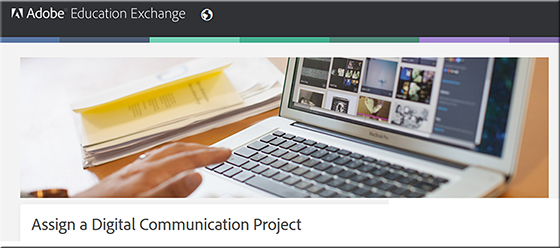
Do your students an enormous favor by assigning them a digital communications project. Such a project could include images, infographics, illustrations, animations, videos, websites, blogs (with RSS feeds), podcasts, videocasts, mobile apps and more. Such outlets offer powerful means of communicating and demonstrating knowledge of a particular topic.

As Adobe mentions, when you teach your students how to create these types of media projects, you prepare them to be flexible and effective digital communicators.  I would also add that these new forms and tools can be highly engaging, while at the same time, they can foster students’ creativity. Building new media literacy skills will pay off big time for your students. It will land them jobs. It will help them communicate to a global audience. Students can build upon these skills to powerfully communicate numerous kinds of messages in the future. They can be their own radio station. They can be their own TV station.

For more information, see this page out at Adobe.com.


From DSC:
This is where we may need more team-based approaches…because one person may not be able to create and grade/assess such assignments.


The Future of Jobs and Jobs Training — from by Lee Rainie and Janna Anderson
As robots, automation and artificial intelligence perform more tasks and there is massive disruption of jobs, experts say a wider array of education and skills-building programs will be created to meet new demands. There are two uncertainties: Will well-prepared workers be able to keep up in the race with AI tools? And will market capitalism survive?

Excerpt:

Machines are eating humans’ jobs talents. And it’s not just about jobs that are repetitive and low-skill. Automation, robotics, algorithms and artificial intelligence (AI) in recent times have shown they can do equal or sometimes even better work than humans who are dermatologists, insurance claims adjusters, lawyers, seismic testers in oil fields, sports journalists and financial reporters, crew members on guided-missile destroyers, hiring managers, psychological testers, retail salespeople, and border patrol agents. Moreover, there is growing anxiety that technology developments on the near horizon will crush the jobs of the millions who drive cars and trucks, analyze medical tests and data, perform middle management chores, dispense medicine, trade stocks and evaluate markets, fight on battlefields, perform government functions, and even replace those who program software – that is, the creators of algorithms.

Several policy and market-based solutions have been promoted to address the loss of employment and wages forecast by technologists and economists. A key idea emerging from many conversations, including one of the lynchpin discussions at the World Economic Forum in 2016, is that changes in educational and learning environments are necessary to help people stay employable in the labor force of the future. Among the six overall findings in a new 184-page report from the National Academies of Sciences, the experts recommended: “The education system will need to adapt to prepare individuals for the changing labor market. At the same time, recent IT advances offer new and potentially more widely accessible ways to access education.”


In the next 10 years, do you think we will see the emergence of new educational and training programs that can successfully train large numbers of workers in the skills they will need to perform the jobs of the future?
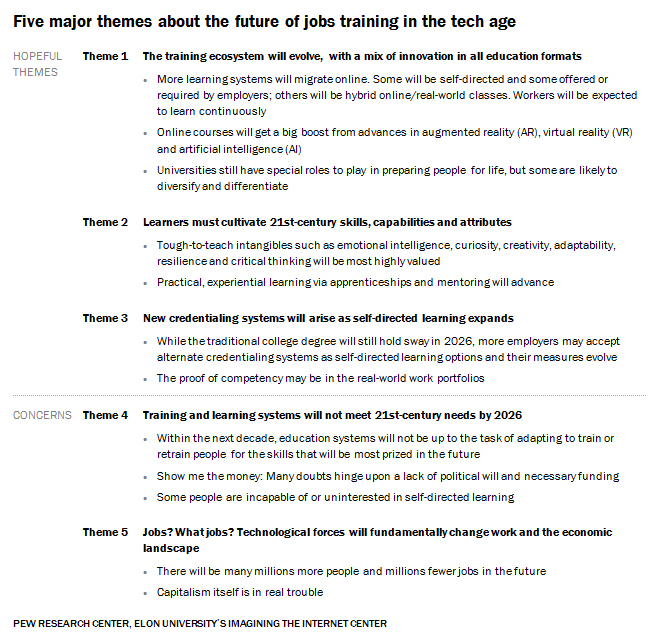


From DSC:
The following questions (from the article) might be fodder for initial conversations regarding what changes need to immediately occur within higher education. Those changes might be to establish teams/task forces/etc. charged with answering these kinds of questions.

  • What are the most important skills needed to succeed in the workforce of the future?
  • Which of these skills can be taught effectively via online systems – especially those that are self-directed – and other nontraditional settings?
  • Which skills will be most difficult to teach at scale?
  • Will employers be accepting of applicants who rely on new types of credentialing systems, or will they be viewed as less qualified than those who have attended traditional four-year and graduate programs?

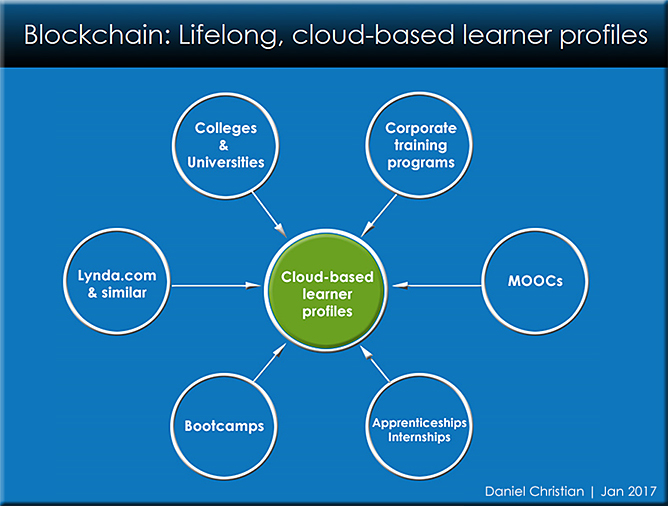
The following section further supports a vision that I’ve been tracking entitled, “Learning from the Living [Class] Room” — where I see the “New Amazon.com of Higher Education” unfolding. Blockchain-based technologies will likely be involved here.

A diversifying education and credentialing ecosystem: Most of these experts expect the education marketplace – especially online learning platforms – to continue to change in an effort to accommodate the widespread needs.  Some predict employers will step up their own efforts to train and retrain workers. Many foresee a significant number of self-teaching  efforts by jobholders themselves as they take advantage of proliferating online opportunities.

Respondents see a new education and training ecosystem emerging in which some job preparation functions are performed by formal educational institutions in fairly traditional classroom settings, some elements are offered online, some are created by for-profit firms, some are free, some exploit augmented and virtual reality elements and gaming sensibilities, and a lot of real-time learning takes place in formats that job seekers pursue on their own.

A considerable number of respondents to this canvassing focused on the likelihood that the best education programs will teach people how to be lifelong learners. Accordingly, some say alternative credentialing mechanisms will arise to assess and vouch for the skills people acquire along the way.


DC: Many societies around the globe are looking at massive change coming at them. What changes should those of us working in higher education begin to make — immediately? In the longer term?


These respondents suggest that workers of the future will learn to deeply cultivate and exploit creativity, collaborative activity, abstract and systems thinking, complex communication, and the ability to thrive in diverse environments.


Addendum on 5/6/17:

  • How to Prepare for an Automated Future — from nytimes.com by Claire Cain Miller
    Excerpt:
    We don’t know how quickly machines will displace people’s jobs, or how many they’ll take, but we know it’s happening — not just to factory workers but also to money managers, dermatologists and retail workers. The logical response seems to be to educate people differently, so they’re prepared to work alongside the robots or do the jobs that machines can’t. But how to do that, and whether training can outpace automation, are open questions.


Brace yourselves: AI is set to explode in higher ed in the next 4 years –from ecampusnews.com by Laura Ascione
As AI grows in the education sector, its impact could be felt in student learning programs, websites and admissions programs

Excerpt:

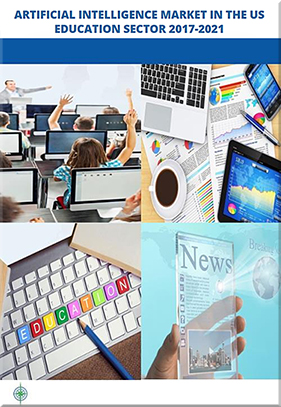
A new report predicts that artificial intelligence (AI) in the U.S. education sector will grow 47.5 percent through 2021.

The report, Artificial Intelligence Market in the U.S. Education Sector 2017-2021, is based on in-depth market analysis with inputs from industry experts.

One of the major trends surrounding AI and education is AI-powered educational games. Because games have the potential to engage students while teaching them challenging education concepts in an engaging manner, vendors are incorporating AI features into games to enhance their interactivity.

Educational games that include adaptive learning features give students frequent and timely suggestions for a guided learning experience.


From DSC:
I can’t say how many AI-based solutions we’ll see within higher education in the next 4 years…it could be a lot…it could be a little. But it will happen. At some point, it will happen.

The use of AI will likely play a key role in a future organization that I’m calling the Next Amazon.com of Higher Education.  AI will likely serve as a foundational piece of what futurist Thomas Frey claims will be the largest company on the internet: “an education-based company that we haven’t heard of yet.” (source)

Web-based learner profiles and blockchain-based technologies should also be on our radars, and are relevant in this discussion.


Also see:

Key questions answered in this report

  • What will the market size be in 2021 and what will the growth rate be?
  • What are the key market trends?
  • What is driving this market?
  • What are the challenges to market growth?
  • Who are the key vendors in this market space?
  • What are the market opportunities and threats faced by the key vendors?
  • What are the strengths and weaknesses of the key vendors?


Q&A: Artificial Intelligence Expert Shares His Vision of the Future of Education — from edtechmagazine.com by Amy Burroughs
Artificial intelligence expert Joseph Qualls believes AI can solve some of the biggest challenges facing higher education — and the change is already underway.

Excerpts:

EDTECH: What AI applications might we see in higher education?

QUALLS: You are going to see a massive change in education from K–12 to the university. The thought of having large universities and large faculties teaching students is probably going to go away — not in the short-term, but in the long-term. You will have a student interact with an AI system that will understand him or her and provide an educational path for that particular student. Once you have a personalized education system, education will become much faster and more enriching. You may have a student who can do calculus in the sixth grade because AI realized he had a mathematical sense. That personalized education is going to change everything.


New Google Earth has exciting features for teachers — from thejournal.com by Richard Chang

Excerpt:

Google has recently released a brand new version of Google Earth for both Chrome and Android. This new version has come with a slew of nifty features teachers can use for educational purposes with students in class. Following is a quick overview of the most fascinating features…


What’s New for Video and Audio (April 2017) | Adobe Creative Cloud


Adobe Creative Cloud Propels Video Forward at NAB 2017 — from news.adobe.com
Latest Release Features New Capabilities in AI, VR, Motion Graphics, Live Animation and Audio

Excerpt:

SAN JOSE, Calif.–(BUSINESS WIRE)–Ahead of the National Association of Broadcasting (NAB) conference, Adobe (Nasdaq:ADBE) today announced a major update for video in Adobe Creative Cloud to help filmmakers and video producers collaborate and streamline video workflows. The Creative Cloud release, available today, delivers new features for graphics and titling, animation, polishing audio and sharing assets; support for the latest video formats, such as HDR, VR and 4K; new integrations with Adobe Stock; and advanced artificial intelligence capabilities powered by Adobe Sensei. Announced at Adobe Summit 2017, Adobe Experience Cloud also allows brands to deliver connected video experiences across any screen at massive scale, while analyzing performance and monetizing ads.

Technology advancements and exploding consumer demand for impactful and personalized content require video producers to create, deliver and monetize their video assets faster than ever before. From the largest studio to next generation YouTubers, a scalable, end-to-end solution is required to create, collaborate and streamline video workflows with robust analytics and advertising tools to optimize content and drive more value.


Adobe Makes Big Leaps in Video, Just in Time for NAB — from blogs.adobe.com

Excerpt:

Next week, thousands of broadcasters, video producers and digital content lovers will gather for the National Association of Broadcasters (NAB) annual conference. Just in time for the event, Adobe is unveiling big updates to our video tools for graphics and titling, animation, and sharing assets; support for the latest formats including HDR, VR and 4K; lots of improvements to video workflows; and more power from Adobe Sensei, our artificial intelligence technology. It’s all part of a major Adobe CC product update available today.

“The newest Creative Cloud video release integrates the advanced science of Adobe Sensei to make common tasks faster and easier. All video producers – whether they’re part of the major media companies or up and coming YouTubers – can now bring their creative vision to life without having to be motion graphics or audio experts,” says Steven Warner, vice president of digital media at Adobe.


These are the latest features in After Effects CC 2017, available now — from provideocoalition.com by Mark Christiansen
Get up to date and up to speed with these additions & changes

[For a detailed overview, check back during NAB when the course After Effects CC 2017: New Features from LinkedIn Learning (otherwise known as Lynda.com) will be updated with everything that’s brand new as of today. This course will feature the examples depicted here in step-by-step detail.]


Adobe updates Premiere Pro CC for April 2017 — from provideocoalition.com by Scott Simmons
And instead of waiting months for the new CC versions they should be available soon, as in probably today


After Effects NAB 2017 Update — from provideocoalition.com by Chris and Trish Meyer
How to play nice(r) with Premiere Pro editors, as well as other updates


 Also see:


From DSC:
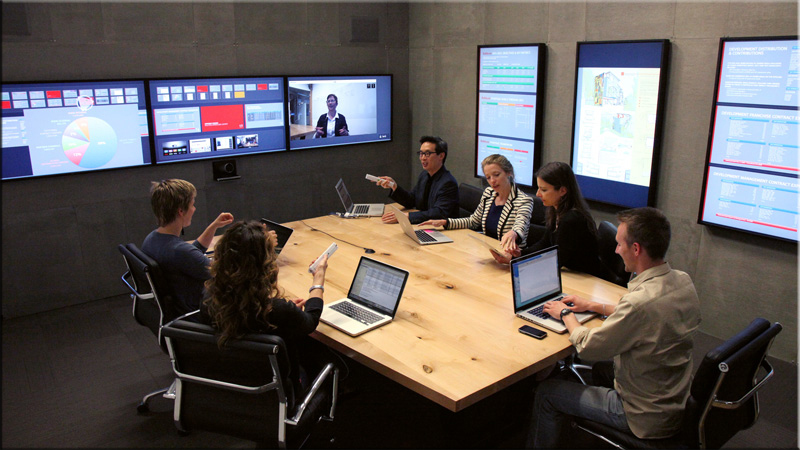
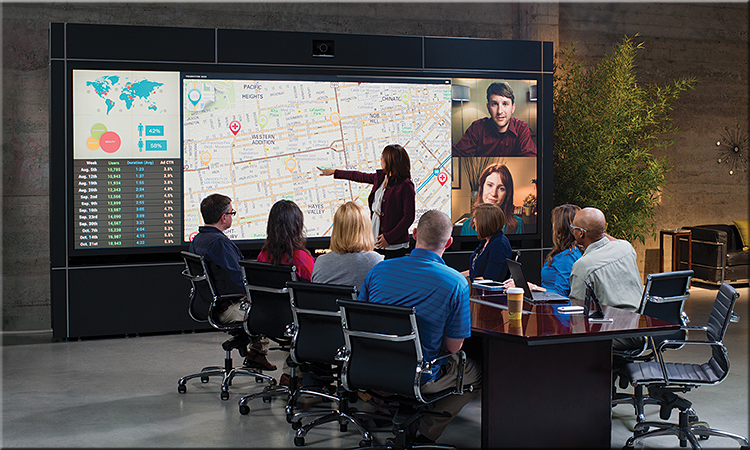
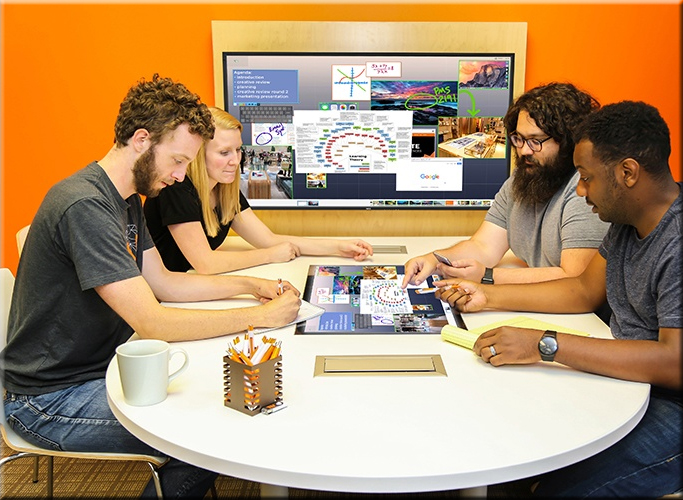
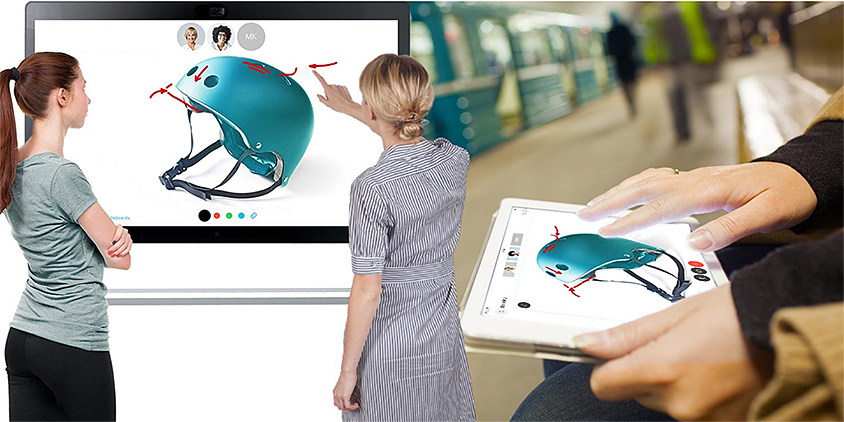
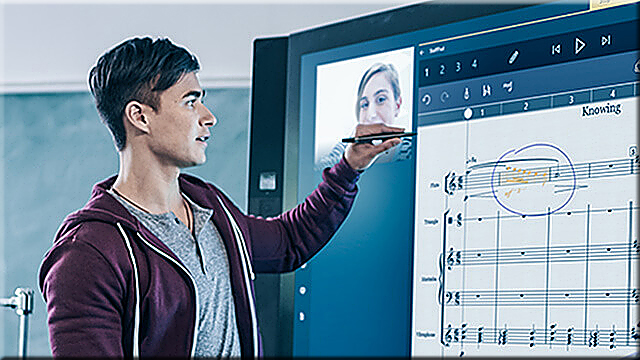
In terms of learning, having to be in the same physical place as others continues to not be a requirement nearly as much as it used to be. But I’m not just talking about online learning here. I’m talking about a new type of learning environment that involves both hardware and software to facilitate collaboration (and it was designed that way from day 1). These new types of setups can provide us with new opportunities and affordances that we should begin experimenting with immediately.

Check out the following products — all of which allow a person to contribute to a discussion or conversation from anywhere they can get Internet access:

When you go to those sites, you will see words and phrase such as:

  • Visual collaboration software
  • Virtual workspace
  • Develop
  • Share
  • Inspire
  • Design
  • Global teams
  • A visual collaboration solution that links locations, teams, content, and devices in an immersive, shared workspace
  • Teamwork
  • Create and brainstorm with others
  • Digital workplace platform
  • Eliminate the distance between in-office and remote employees
  • Jumpstart spontaneous brainstorms and working sessions

So using these types of software and hardware setups, I can contribute regardless of where I’m located. Remote learning — from anywhere in the world — being combined with our face-to-face based classrooms.

Also, the push for Active Learning Classrooms (ALCs) continues across higher education. Such hands-on, project-learning based, student-centered approaches fit extremely well with the collaboration setups mentioned above.

Then, there’s the insight from Simon Dudley in this article:

“…video conferencing is increasingly an application within in a larger workflow…”

Lastly, if colleges and universities don’t have the funds to maintain their physical plants, look for higher education to move increasingly online — and these types of solutions could play a significant role in that environment. Plus, for working adults who need to reinvent themselves, this is an extremely efficient means of picking up some new skills and competencies.

So the growth of these types of setups — where the software and hardware work together to support worldwide collaboration — will likely create a powerful, new, emerging piece of our learning ecosystems.


Remote learning — from anywhere in the world — being combined with our face-to-face based classrooms.


From DSC:
First of all, let me say again that I’m not suggesting that we replace professors with artificial intelligence, algorithms, and such.

However, given a variety of trends, we need to greatly lower the price of obtaining a degree and these types of technologies will help us do just that — while at the same time significantly increasing the productivity of each professor and/or team of specialists offering an online-based course (something institutions of higher education are currently attempting to do…big time). Not only will these types of technologies find their place in the higher education landscape, I predict that they will usher in a “New Amazon.com of Higher Education” — a new organization that will cause major disruption for traditional institutions of higher education. AI-powered MOOCs will find their place on the higher ed landscape; just how big they become remains to be seen, but this area of the landscape should be on our radars from here on out.

This type of development again points the need for team-based
approaches; s
uch approaches will likely dominate the future.


California State University East Bay partners with Cognii to offer artificial intelligence powered online learning — from prnewswire.com
Cognii’s Virtual Learning Assistant technology will provide intelligent tutoring and assessments to students in a chatbot-style conversation

Excerpt:

HAYWARD, Calif., April 14, 2017 /PRNewswire/ — Cal State East Bay, a top-tier public university, and Cognii Inc., a leading provider of artificial intelligence-based educational technologies, today announced a partnership. Cognii will work with Cal State East Bay to develop a new learning and assessment experience, powered by Cognii’s Virtual Learning Assistant technology.

Winner of the 2016 EdTech Innovation of the Year Award from Mass Technology Leadership Council for its unique use of conversational AI and Natural Language Processing technologies in education, Cognii VLA provides automatic grading to students’ open-response answers along with qualitative feedback that guides them towards conceptual mastery. Compared to the multiple choice tests, open-response questions are considered pedagogically superior for measuring students’ critical thinking and problem solving skills, essential for 21st century jobs.

Students at Cal State East Bay will use the Cognii-powered interactive tutorials starting in summer as part of the online transfer orientation course. The interactive questions and tutorials will be developed collaboratively by Cognii team and the eLearning specialists from the university’s office of the Online Campus. Students will interact with the questions in a chatbot-style natural language conversation during the formative assessment stage. As students practice the tutorials, Cognii will generate rich learning analytics and proficiency measurements for the course leaders.


Looking to build the campus of tomorrow? 5 trends you should know — from ecampusnews.com by Laura Ascione
Today’s trends will bring about a new vision for the traditional college campus.

Excerpt:

“Innovations in physical space must be made to accommodate demands for accessibility, flexibility and affordability,” according to The State of Higher Education in 2017, a report from professional services firm Grant Thornton.
…
Changes in infrastructure are being driven by a handful of trends, including:

  • Digital technology is decoupling access to the classroom and information from any specific geographic location.
  • Learning is becoming more “modular,” credentialing specific competencies, such as certificates and badges,, rather than the model of four years to a degree via fixed-class schedules. This requires a less broad range of academic buildings on campus.
  • Students will engage with their coursework at their own time and pace, as they do in every other aspect of their lives.
  • Price pressure on colleges will create incentives for cost efficiencies, discouraging the fixed-cost commitment embodied in physical structures.
  • Deferred maintenance is a problem so large that it can’t be solved by most colleges within their available resources; the result may be reducing the physical plant footprint or just letting it deteriorate further.

These developments will prompt physical space transformation that will lead to a new kind of campus.


The State of Higher Education in 2017 — from grantthornton.com


Browse the report articles:


Innovative thinking will be vital to successfully moving into the future.


© 2025 | Daniel Christian