


Learn Creative Suite 5 on Adobe TV
Deliver innovative ideas in print, web, interactive and mobile. Learn the new features and how to get started with all CS5 products on the How To channel on Adobe TV. Watch now
Learn Creative Suite 5 on Adobe TV
Deliver innovative ideas in print, web, interactive and mobile. Learn the new features and how to get started with all CS5 products on the How To channel on Adobe TV. Watch now
From DSC:
Below is a great book that I highly recommend for instructional designers, multimedia developers, and any teacher or professor who is putting materials online. Check it out — especially the chapters on cognitive load theory.
e-Learning and the Science of Instruction: Proven Guidelines for Consumers and Designers of Multimedia Learning — Dr. Ruth Clark


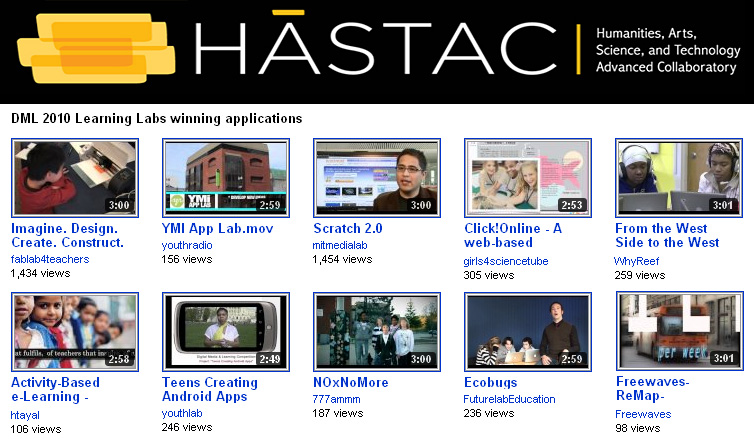
10 innovative digital media & learning projects win $1.7M — from DMLcentral.net
The results of the MacArthur Foundation’s 2010 Digital Media and Learning Competition are in, and the 10 winning projects can’t help but to inspire anyone even remotely interested in understanding the potential of the Internet and digital technology to transform learning and knowledge creation.
From DSC:
The article provides a link to:
From DSC:
For an assignment for class last week, I put together this graphic and MP3 file (you will need to click on the Sound/Speaker icon to here the audio).

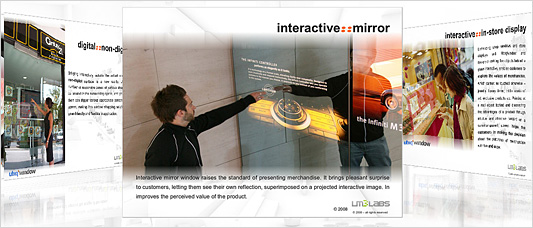
What sorts of cross-disciplinary assignments come to mind when you view these items?
For these and other reasons, I’m trying to get a multi-touch wall built into our future smart classrooms.
Talk about keeping students engaged! Talk about working together in teams — very real-world!

From DSC:
In an assignment for a class last week, I ran across a time-saving tool offered via timetoast.com. If you want to put together interactive timelines — without having to know programming languages or scripting languages — you might be interested in kicking the tires on this web-based tool. As an example, I was able to put together the following timeline of instructional media* in an hour or so:
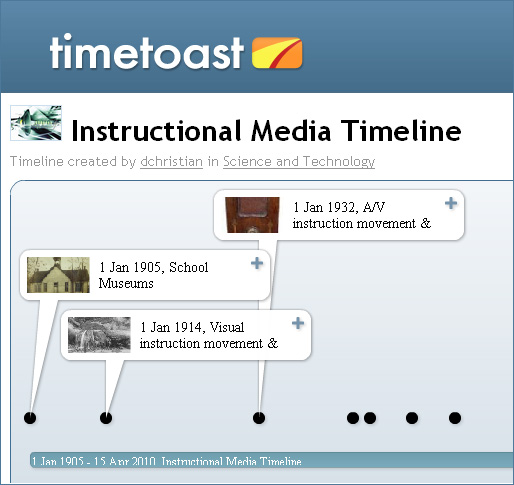
Further reflections on this from DSC:
So what am I saying here?
I’m saying that we are used to using/hearing/seeing audio, video, interactivity, multi-directional communications because of these technologies. They cultivated the ground for people using the technologies that we are:
So when we employ highly-powerful, multimedia-based, educationally-beneficial items on the Net today — when we contribute podcasts, vodcasts, lectures, exercises, animations, etc. to the Net — we can thank these technologies for being the technological ancestors in the tech-family tree. They really didn’t disappoint after all. They were the seeds that were planted over time to create a wonderful harvest….a very powerful communications network…the most powerful one the world has ever known. Not bad for 100 years.
* Based upon article by Robert Reiser:
Reiser, R. (2001). A history of instructional design and technology: Part I: A history of instructional media. ETR&D. Vol. 49(1). pp. 53-64.
**As Jesus once responded when asked about why his disciples didn’t fast, he replied:
16“No one sews a patch of unshrunk cloth on an old garment, for the patch will pull away from the garment, making the tear worse. 17Neither do men pour new wine into old wineskins. If they do, the skins will burst, the wine will run out and the wineskins will be ruined. No, they pour new wine into new wineskins, and both are preserved.”
These technologies created the environment…the proper wineskins…to lay the foundation for the “new wine” to be poured into our worlds without this new wine “running out” and ruining the wineskins. Can you imagine if someone had been able to introduce these technologies within 10-20 years…would they have taken? Given human nature, I doubt it. The wineskins took time to change. The thing is, the pace of change is quickening and is increasingly more difficult to keep up with.
I wonder…will the current wineskins hold? Or are our wineskins now very used to this pace of change?
Also see:
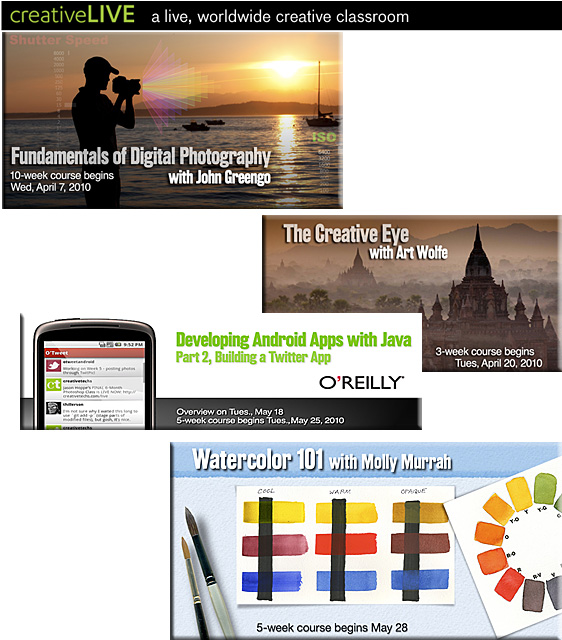
Introducing creativeLIVE.com: Worldwide FREE Creative Education — from Chase Jarvis
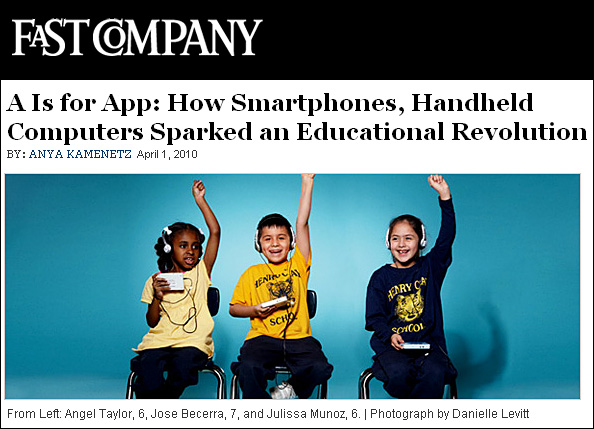
Above resource is from the Mobile iEducator blog

Inside the March 2010 Issue of The Journal:
*DIGITAL VIDEO
Flippin’ Out
With its school-friendly price, user-friendly design, and project-friendly capabilities, the Flip Video camcorder is a must-have addition to your classroom technology arsenal.
*OPEN CONTENT
A Custom Fit
The movement toward open educational resources is gaining steam, empowering teachers to modify existing materials and create content that is a better match for their instructional needs.
*21st CENTURY SKILLS
An ‘A’ in Abstractions
How do you assess students on how well they can communicate, solve problems, and be responsible self-learners? First step: Toss out your bubble sheets and multiple-choice questions.
Plus:
-Network Security – Identity Scramble
-Here & Now
-Policy & Advocacy – Was I Wrong on Obama?
-Drill Down – Digital Citizenship is Fundamental
-Product Focus
-Upcoming Events & Webinars
