The Transformative Power of Arts Education | A Conversation with Dr. Lucy Chen — from gettingsmart.com by Mason Pashia

Key Points

  • Arts education boosts academic performance, communication skills, and student engagement, supported by long-term data.
  • Tailoring arts programs to individual student needs creates impactful pathways, from foundational exposure to professional aspirations.

12 Shifts to Move from Teacher-Led to Student-Centered Environments — from gettingsmart.com by Kyle Wagner

Key Points

  • Despite modern technological advancements in classroom tools, many educational settings still center around a traditional model where the teacher is the primary source of information and students passively receive content.
  • Slowly, learning environments are inviting students to actively participate and take ownership of their learning through collaborative projects, inquiry-based experiences, and real-world problem-solving, thereby transforming traditional educational roles and practices.

From Readiness to Relevance: 3 Ways to Transform Career Connected Learning — from gettingsmart.com by Dr. Mahnaz R. Charania

Key Points

  • Career-connected learning must start early and be integrated across K–12 to provide students with exposure and informed choices for their futures.
  • Real-world, immersive learning experiences enhance student engagement and help build critical skills, social capital, and opportunities for success.



Artist Spotlight: Yuwei Tu — from booooooom.com


Artist Spotlight: Jay Stern — from booooooom.com


Whimsical and Wild, ‘Weird Buildings’ Celebrates Architects Who Think Outside the Box — from thisiscolossal.com by Kate Mothes


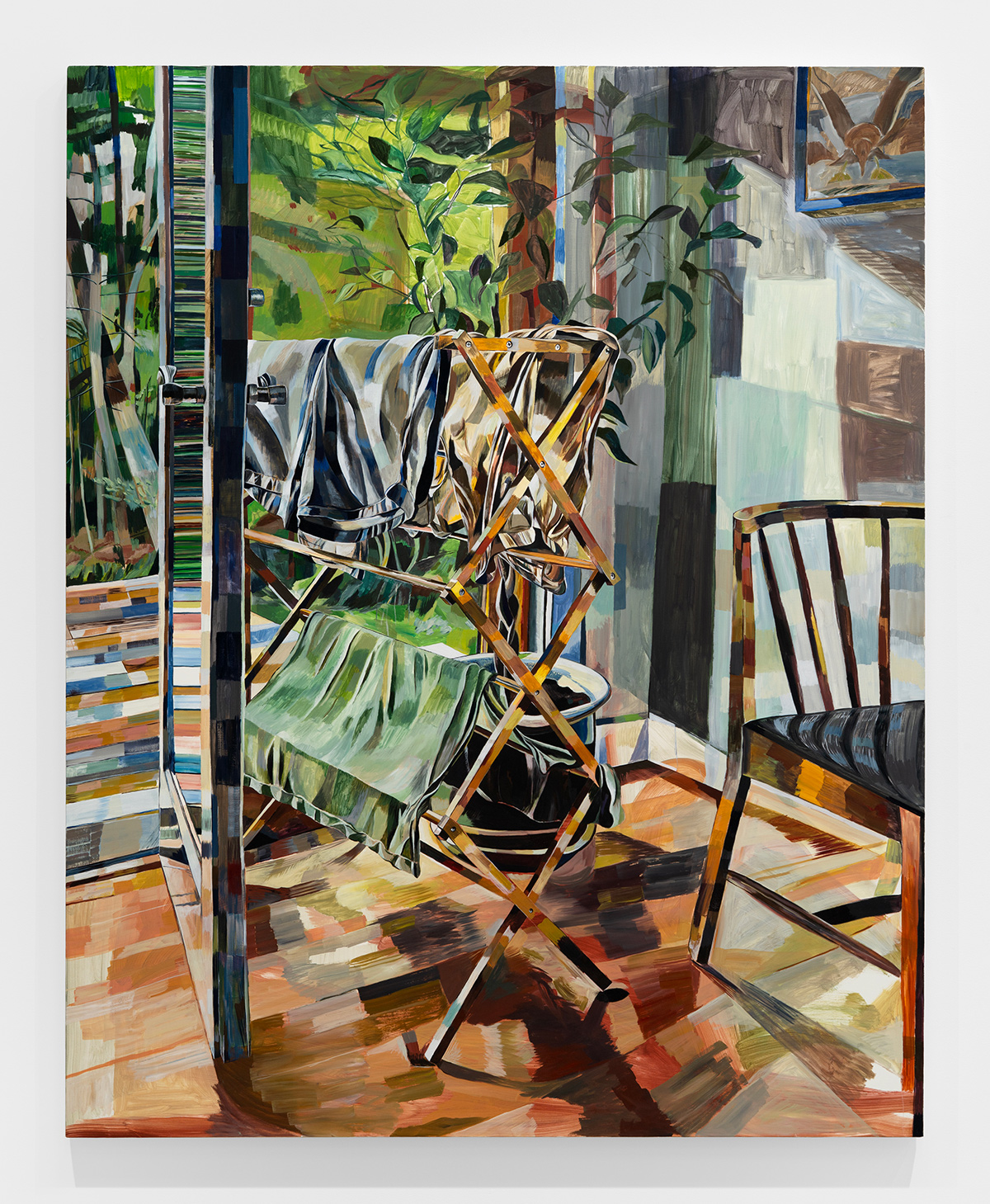
Experimenting with Color and Reflection, Kenny Harris Brews Beautiful Still Lifes — from thisiscolossal.com by Kenny Harris and Kate Mothes


5 Ways to Spark Critical Thinking About AI in the Art Room — from theartofeducation.edu by Paige Wilde

Here are five AI activities to explore this summer to help you and your students navigate artificial intelligence with an ethical, responsible, and creative approach.

1. Use Google’s Quick, Draw! to have fun and get curious about AI.
We all have a desire to doodle–even students and adults who say, “I can’t even draw a stick figure!” Bring lots of light-hearted energy into your art room with Google’s Quick Draw! tool. This platform allows you to draw simple prompts, such as a bike, a cat, or a cup, in 20 seconds. While you’re drawing, AI attempts to recognize the subject.

This tool works with any skill level and is a space to draw freely without overthinking. Beyond quick sketching, this activity demonstrates that human input builds machine learning, and it’s only as “smart” as the information (or in this case, drawings) we feed it. It’s a fun way to explore the evolving role of AI in our visual world!

No tech? No problem! Use paper to run the same activity. You can even use the Thumbnail Sketches template in FLEX Curriculum. Students sketch quick prompts in groups and then guess the drawings to spark conversation about how AI “learns.”


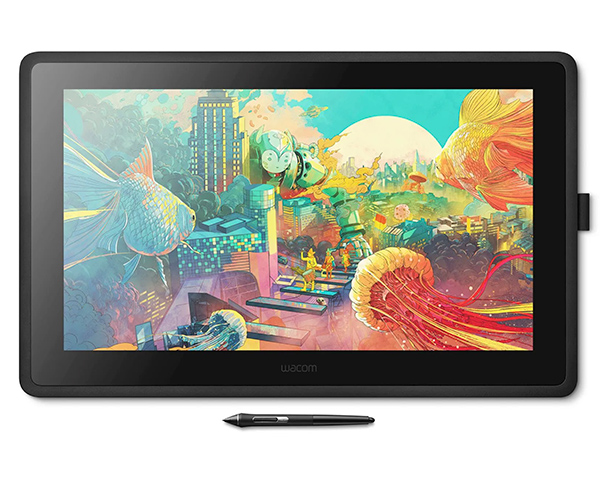
The No Bulls**t Guide To Drawing Tablets — from booooooom.com

SO WHICH DEVICE SHOULD YOU BUY?

If you’re anything like me, the answer is an iPad AND a drawing display. I heavily rely on both my desktop apps and Procreate, so limiting myself to only one device doesn’t cut it for my creative workflow.

However, it all comes down to personal preference and understanding which apps you rely on, whether portability is essential, how vital ergonomics are, and ultimately what you can afford. Once you answer those questions, everything falls into place.


Get Up Close to Frank Lloyd Wright’s Unrealized Buildings with David Romero’s Digital Models — from thisiscolossal.com by Kate Mothes and David Romero
.


.


A Rippling Townhouse Facade by Alex Chinneck Takes a Seat in a London Square — from thisiscolossal.com by Alex Chinneck and Kate Mothes


In ‘The Quilters,’ Men in a Missouri Prison Sew Gifts for Children — from thisiscolossal.com by Grace Ebert

In a room bigger than most at South Central Correctional Center in Licking, Missouri, a group of men has volunteered for a creative project that stretches beyond prison walls. For about 40 hours each week, they cut and stitch quilts for children in foster care or with disabilities, sewing vibrant, patterned patchworks and finding joy and camaraderie while doing so.


Excerpt:


Some sharp artwork — via embroidery!

 
© 2025 | Daniel Christian