What is NaNoWriMo and How Can It Be Used to Teach Writing? — from techlearning.com by Erik Ofgang
November is National Novel Writing Month (NaNoWriMo) and there are plenty of ways to have your class participate and learn in the process.

Excerpt:

National Novel Writing Month (NaNoWriMo) aims to help aspiring writers of all ages and levels, including students, get their novels written. Every year, tens of thousands of participating writers commit to writing a first draft of their novel within the month of November.

The NaNoWriMo program is designed to help writers silence their inner critic and get their thoughts down on the page, which it accomplishes by encouraging participants to wait until the end of the month to go back and edit, by helping them establish a deadline, and by using technology to help them connect and inspire one another.

Educators can facilitate their students’ participation in NaNoWrMo in order to teach storytelling, grammar, written communication, creativity, and more, all while helping encourage young novelists.


 

travel through time -- a creative photograph out at 500px.com

Also see:

The Ocean Photographer of The Year — from fubiz.net


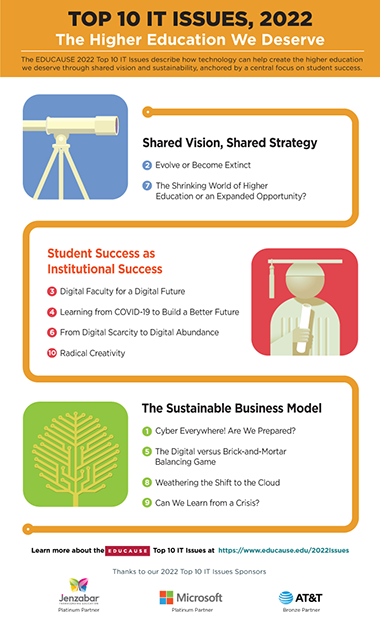
2022 Top 10 IT Issues -- from Educause

2022 Top 10 IT Issues


From DSC:
Time will tell which institutions have the prerequisite culture of innovation that will help reinvent themselves, stay relevant, and survive. 

And for people (who have worked in higher education for years) who don’t like to see learners as customers…well…when those learners are often paying $100,000-$250,000 or more for a four-year degree, those folks don’t have much say or credibility any longer. The price increases that they never stepped in to stop from occurring have forever changed the learning ecosystems within higher education. The idea of supporting  the perspective that says:

Well, we’re proud (and content) that our institution will have the lowest price increase in X (where X is a city, state,  or geographic region)
or
We’re proud that our institution will have the lowest price increase within our group of similar/comparative institutions.

…well, that type of perspective hasn’t cut it for years now. But the danger of that status quo perspective is only becoming apparent to many now that one’s very survival is at stake.


Addendum/also see:


Surveillance in Schools Associated With Negative Student Outcomes — from techlearning.com by Erik Ofgang
Surveillance at schools is meant to keep students safe but sometimes it can make them feel like suspects instead.

Excerpt:

“We found that schools that rely heavily on metal detectors, random book bag searches, school resource officers, and other methods of surveillance had a negative impact relative to those schools who relied on those technologies least,” says Odis Johnson Jr., the lead author of the study and the Bloomberg Distinguished Professor of Social Policy & STEM Equity at Johns Hopkins.

The researchers also found that Black students are four times more likely to attend a high- versus low-surveillance school, and students who attend high-surveillance schools are more likely to be poor.


Microsoft announces plan to cut cybersecurity workforce shortage in half by 2025 — from cnbc.com by Lauren Feiner

Excerpt:

  • Microsoft will partner with community colleges across the U.S. and provide free resources in an attempt to help end a shortage in cybersecurity workers, the company announced Thursday.
  • The company believes it can help train and recruit 250,000 people into the cybersecurity workforce by 2025.
  • Microsoft also believes the effort will help diversify the cybersecurity workforce.
 

Three Steps to Building a Learning Culture That Delivers Innovation — from sloanreview.mit.edu by Ori Mor
To create technological solutions for grand challenges, companies must foster cultures that support continuous learning and team optimism.

Excerpt:

Now that we’re on the other side, with our system up and running in retail outlets, helping to reduce e-waste (such as cords and batteries), we’re able to look back and see what it took to get here. While the skills of our team were essential, the biggest reason we ultimately succeeded was our culture of continuous learning. Three steps in particular allowed that culture to thrive.

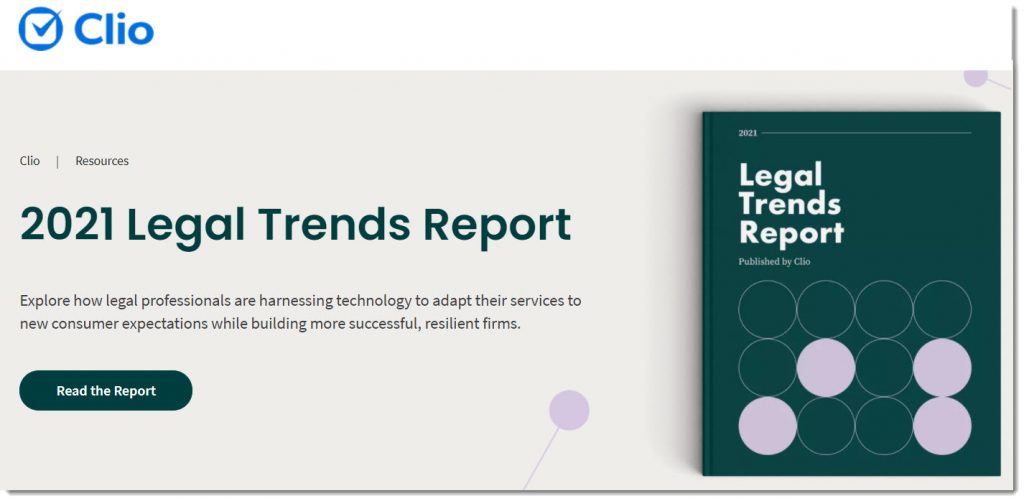
Also relevant — especially to those working in higher education — see:


Along these lines, also see:

From DSC:
Again, this is the type of thing that would be very helpful to learn about in high school.


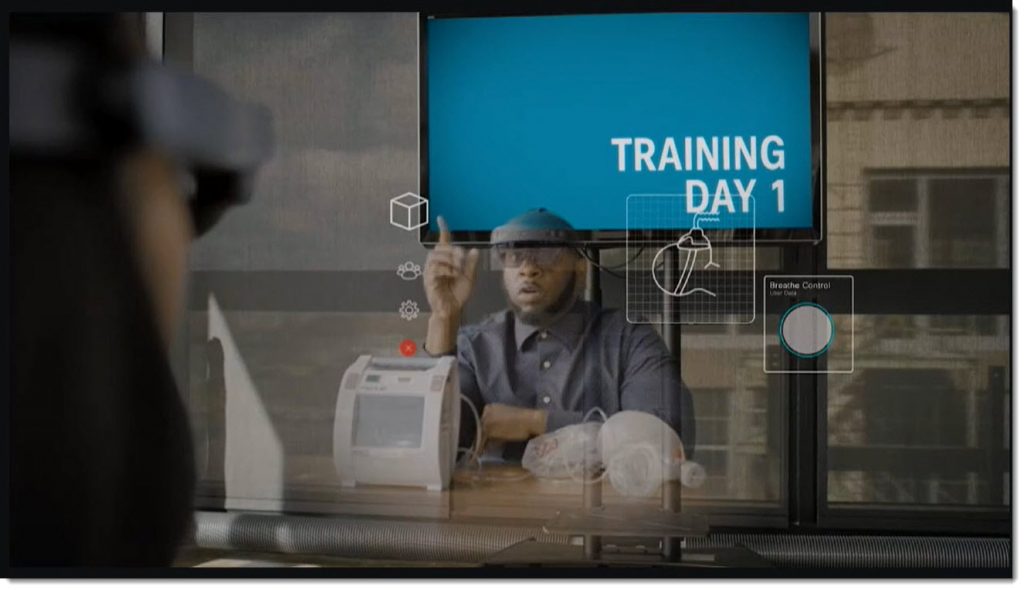
DC: This should be very interesting to see how this plays out in the future! A real-time, holographic collaboration solution called “Webex Hologram.” 

#Cisco #holographic #remotework #collaboration


The pandemic kicked off an entrepreneurial renaissance. These are the people, industries and cities leading the way. — from linkedin.com by Jordyn Dahl

Excerpt:

Who is behind this new wave of entrepreneurship? And what kinds of companies are they launching? LinkedIn’s State of Entrepreneurship report offers a portrait of this generation of budding businesses, highlighting the people, industries and cities at the heart of these new enterprises.


An excerpt from Eva Keiffenheim’s Learn Letter re: A New Education Paradigm (emphasis DSC)

Here are a couple of underlying assumptions within our current education paradigm:

  • assessment through standardized testing and grades
  • outcome-focus on academic achievements
  • the purpose of education is to produce future workforce
  • teachers and professors are the unique source of knowledge
  • an inherent dominance (adults > children; professionals > students)
  • lectures and listening are a valid form of learning
  • subjects exist in hierarchies (math, languages > art, music)
  • content should be delivered in discrete subjects

I invite you to question the current paradigm: How would schools and universities look like so that all young people can flourish?


From DSC:
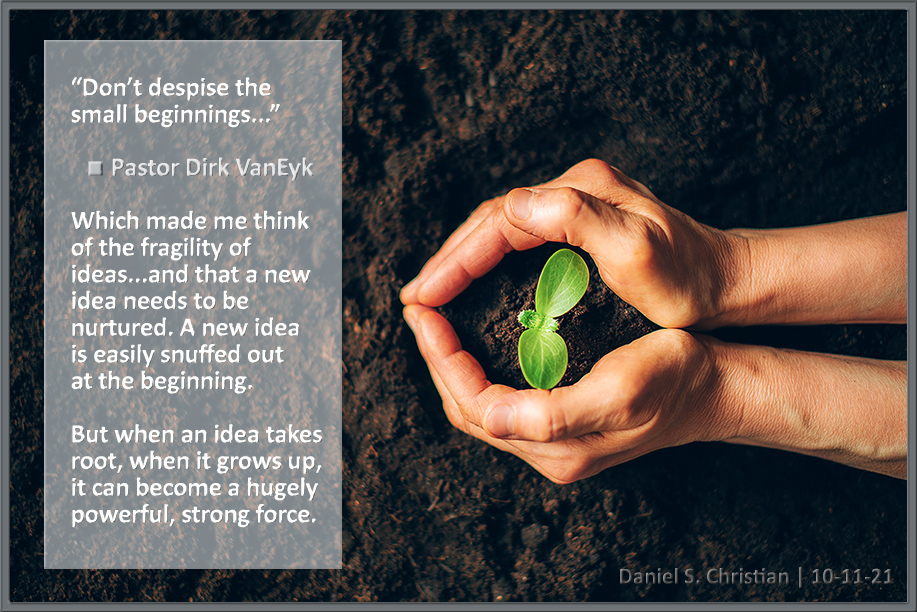
Eva’s reflections remind me of what I was trying to say the other day about how ideas start out as fragile…but if they take hold, they become very powerful. Today’s education paradigms are a great example of that. These paradigms have deep roots that are very hard to change.

Ideas start out fragile...but if they take root, they grow to be very strong.


 The new frontier: Why visionary CLOs are switching focus to developing technical teams rather than people managers — from chieflearningofficer.com by Alastair Gordon
The new frontier for CLOs is this: How do we unleash the untapped potential of our technical experts to gain competitive advantage or community benefit? 

Excerpt:

The race to develop talent is changing its focus.

Historically, success relied on developing extraordinary leaders to inspire and lead large groups of people. But today, and in the future, the new challenge for learning teams is to create an edge for their organization by radically improving their development of technical specialists.

Engineers, economists, researchers, software developers and data scientists — they’re in the vanguard of innovation. No other group has the same potential to create value, cut costs or introduce better processes. This trend is seeing early adopter organizations in the vanguard of a shift to rebalance the annual learning budget toward developing technical experts in nontechnical capabilities.

Also relevant/see:


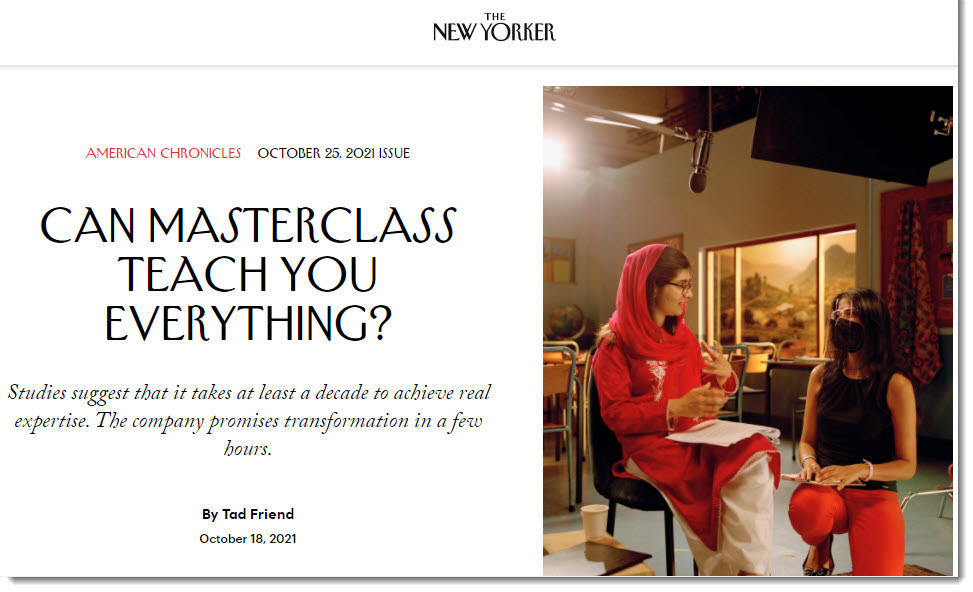
Can MasterClass teach you everything? — from newyorker.com by Tad Friend

Can MasterClass teach you everything?

Malala Yousafzai on set. Though the site’s C.E.O., David Rogier, says, “Learning is uncomfortable,” the shoots are lavish. Photograph by Lewis Khan for The New Yorker

Excerpt:

When MasterClass launched, in 2015, it offered three courses: Dustin Hoffman on acting, James Patterson on writing, and Serena Williams on tennis. Today, there are a hundred and thirty, in categories from business to wellness. During the pandemic lockdown, demand was up as much as tenfold from the previous year; last fall, when the site had a back-to-school promotion, selling an annual subscription for a dollar instead of a hundred and eighty dollars, two hundred thousand college students signed up in a day. MasterClass will double in size this year, to six hundred employees, as it launches in the U.K., France, Germany, and Spain. It’s a Silicon Valley investor’s dream, a rolling juggernaut of flywheels and network effects dedicated to helping you, as the instructor Garry Kasparov puts it, “upgrade your software.”


© 2025 | Daniel Christian