


On 11/09/2021,
in collaboration, Daniel S. Christian, music, participation, passions, play, United States, using teams,
by Daniel Christian
On 11/09/2021,
in career development, colleges, cost of getting a degree, credentialing, dangers of the status quo, education, funding / grants, future of higher education, game-changing environment, generational differences, higher education, legislatures / government / legal, society, sociology, staying relevant, United States, universities, vendors, vocational / trades,
by Daniel Christian
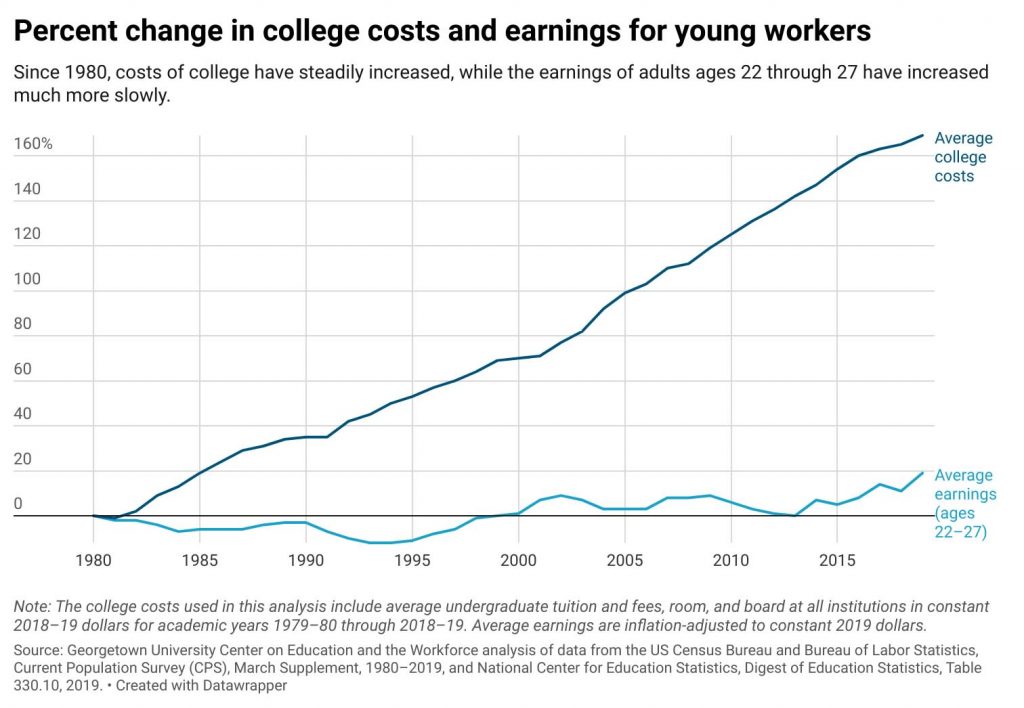
College costs have increased by 169% since 1980—but pay for young workers is up by just 19%: Georgetown report — from cnbc.com by Abigail Johnson Hess
Excerpt:
The report, titled “If Not Now, When? The Urgent Need for an All-One-System Approach to Youth Policy,” breaks down seven trends that have made it difficult for workers to transition from education to the workforce since 1980.
“Postsecondary education policy has failed to keep higher education affordable even as formal education beyond high school has become more essential,” reads the report. “Today, two out of three jobs require postsecondary education and training, while three out of four jobs in the 1970s required a high school diploma or less. Yet while young people today need more education than ever to compete in the labor market, a college education is more expensive than in the past.”
Also see:
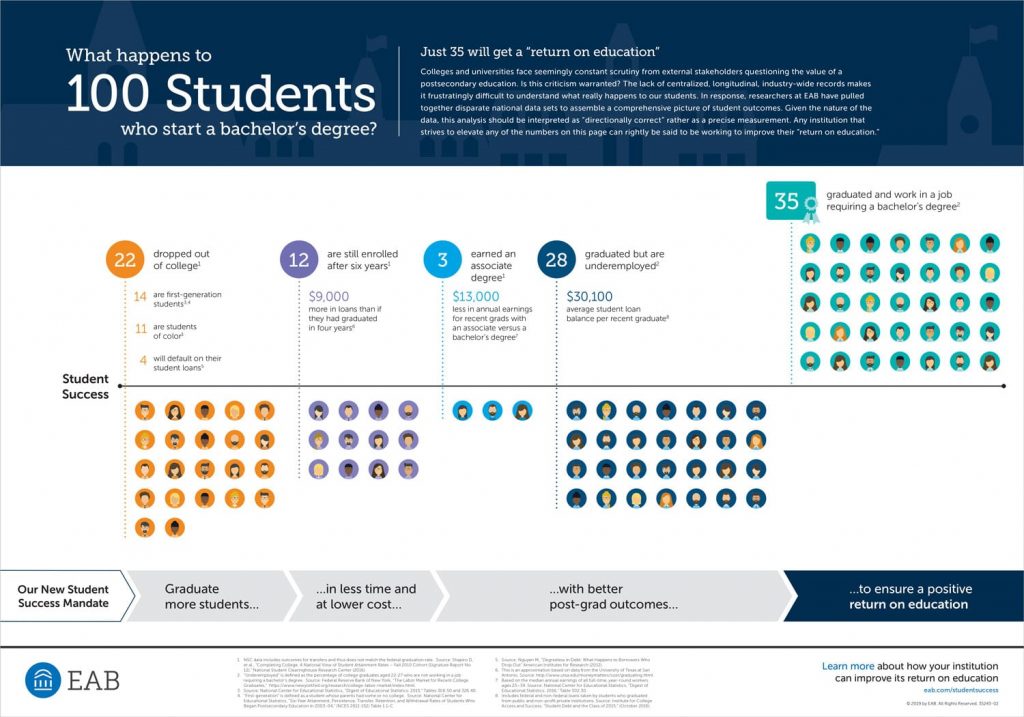
- Infographic: What Really Happens to Our Students? — from eab.com by Ed Venit; with thanks to Bryan Alexander for this resource out on LinkedIn
Constructing an Estimate of Outcomes for 100 Students Who Start a Bachelor Degree
On 11/09/2021,
in faith, global / globalization, hearts -- matters of the heart, relationships, religion,
by Daniel Christian
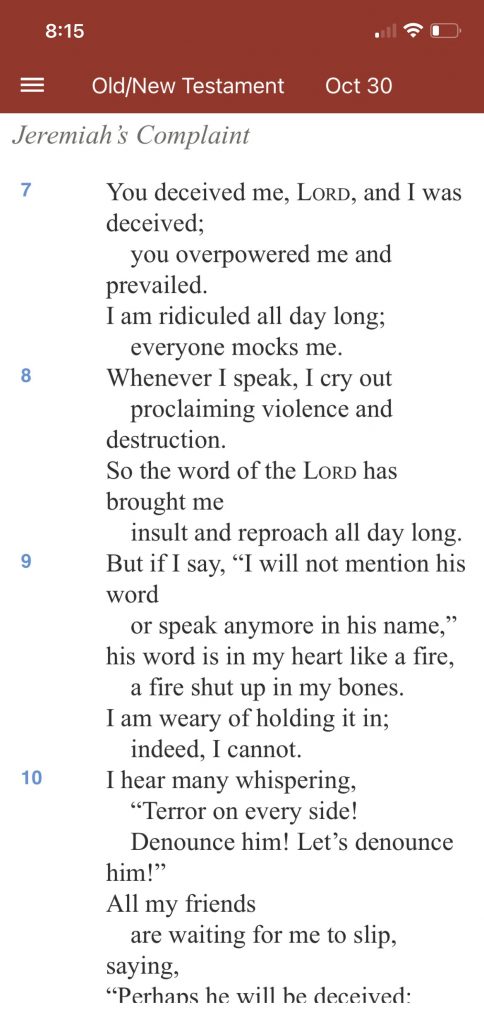
Jeremiah 22:15-16 — from biblegateway.com
15 “Does it make you a king
to have more and more cedar?
Did not your father have food and drink?
He did what was right and just,
so all went well with him.
16 He defended the cause of the poor and needy,
and so all went well.
Is that not what it means to know me?”
declares the Lord.
On 11/08/2021,
in Access to Justice (A2J), game-changing environment, law schools, legal reform, legal technologies, legislatures / government / legal,
by Daniel Christian
“Bloomberg Law 2022” Releases Today – Explores Future of Legal Industry and Practice Trends — from legaltechmonitor.com by Jean O’Grady
Excerpt:
BLOOMBERG LAW 2022 SERIES EXPLORES KEY LEGAL TRENDS THAT WILL SHAPE THE YEAR TO COME
Arlington, Va. (November 1, 2021) — Bloomberg Law today announced the availability of its Bloomberg Law 2022 series, its exploration of key issues across four major topic areas – Litigation, Transactions & Contracts, Regulatory & Compliance, and The Future of the Legal Industry – that will shape the legal market in the coming year. The full series, which is issued annually and features 25 articles from Bloomberg Law’s team of legal analysts, is available on a complimentary basis at http://onb-law.com/tXw850GAeS4.
Topic area coverage includes:
- Litigation: Developments that will shape the course of litigation in 2022 are examined, ranging from Covid-related employment and contractual issues to emerging trends in antitrust cases and bankruptcy filings.
- Regulatory & Compliance: Learn how a heightened enforcement environment will impact everything from return-to-office mandates to privacy and tech industry regulation to potential actions by the SEC and Congress on cryptocurrency.
- Transactions & Contracts: Take a look at the forces shaping the transactional landscape and key markets of interest, from trends in M&A and IPOs to the nuanced impacts of new data security laws on contract language.
- The Future of the Legal Industry: Hot topics such as diversity & inclusion and attorney well-being and the rapidly expanding areas of law such as legal operations and litigation finance are analyzed.
Also see:
- Friday, 3 December, 2021 #SoLI2021 | FUTURES FREQUENCY | Via Zoom (so everywhere + anywhere)
Futures Frequency* is a future-focused workshop designed to expose and challenge our assumptions about the future of work in the legal profession and how we shape it. And empower us to act now to imagine and ideate the future we wish to see. - CLE is Broken (as is our approach to learning/innovation) — from geeklawblog.com by Casey Flaherty
I am getting CLE right now. While typing these words, a CLE audio file is playing in the background on mute. I felt compelled to acquire hard evidence before launching into a tirade. What’s missing from the advertisement is any suggestion I might learn. No mention of quality or relevance. Rather, the repeated, bolded promise of “no final exam” struck me as an assurance there would be no requirement I pay attention—i.e., I could avoid learning anything at all. A promise made; a promise kept. - The Paths of the Pandemic: Courts Must Continue to Innovate and Learn from Rapid Changes — from legaltechmonitor.com by Brittany Kauffman and Brooke Meyer
Moving forward, the pandemic will have lasting implications for our justice system. The immediate focus on keeping the doors of justice open will inevitably shift to growing case backlogs, reduced funding, increased demand for low-cost legal assistance, inequities in access, and deepening concerns regarding public trust and confidence. Our justice system must be ready, but how do we create paths forward to achieve justice for all?
- Everlaw Becomes Legal Tech’s Latest Unicorn, with $202M Raise at $2B Valuation — from lawsitesblog.com by Bob Ambrogi
- On LawNext: Tech Edge J.D. Director Laura Norris On Giving Law Grads A Competitive Edge in Tech Careers — from lawsitesblog.com by Bob Ambrogi
- Emerging Legal Technology Trends in Europe, Africa, and the Middle East — from jdupra.com
- Tech Tools that Transform: Modernize your Legal Practice — from jdupra.com
On 11/05/2021,
in communications, Emotion, faith, global / globalization, hearts -- matters of the heart, leadership, relationships, religion, society, sociology,
by Daniel Christian
- From DSC:
This is what true strength and confidence look like. That is, the LORD doesn’t mind putting complaints, issues, pleas, anger, frustration, sadness, and similar emotions in His Word. I guess that’s part of relationships…part of communications. To me, that’s true strength.
On 11/05/2021,
in CMS/LMS, colleges, communities of practice, community colleges, corporate / business world, corporate universities / corporate training, Daniel S. Christian, digital learning, education, education reform, education technology, elearning, higher education, ideas, instructional design, IT in HE, K-12 related, law schools, learning, learning ecosystem, Learning Experience Design, Learning from the Living [Class] Room, learning hubs & pods & microschooling, learning spaces, learning theories, liberal arts, online learning, online media, pedagogy, platforms, research, student teaching/teacher education, student-related, teachers, teaching & learning, teaching online, tools, training / L&D, United States, universities, vision/possibilities,
by Daniel Christian
From DSC:
I was reading about a Ph.D. who was currently doing some research into the science of learning. This person had been teaching in a School of Education for years, but just (relatively) recently embarked on a Ph.D. During this person’s research, they came across a lot more information regarding the science of learning.
If this was true with someone who had been in education for years (and I can relate to that as well), it made me wonder:
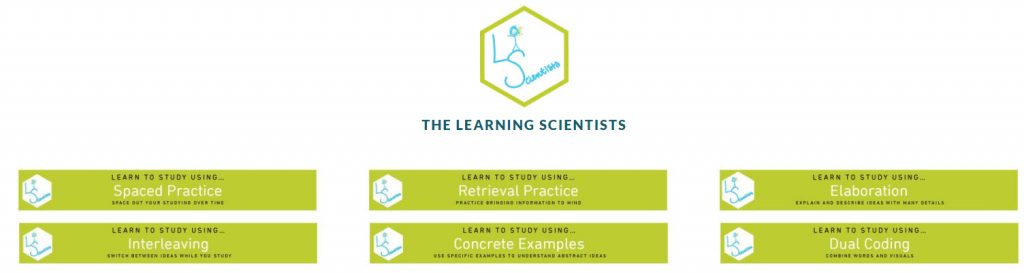
- How can we better get the word out to our learners re: how they can maximize their Return On Investment (ROI) from their studying time and efforts…?
Then I thought, why couldn’t we put these tips directly into our banners on our CMS’s and LMS’s and/or link our banners to some other web pages/resources that provide such best practices and tips for our learners!?! This could occur within the corporate training world as well.
Examples:


Along these lines, we should have 11×17 (or larger) posters like this plastered in every hallway of every learning space out there:
On 11/05/2021,
in 21st century, 24x7x365 access, content development, aggregation, repositories, corporate / business world, corporate universities / corporate training, education technology, innovation, instructional design, intelligent systems, intelligent tutoring, learning, learning agents, learning ecosystem, Learning Experience Design, Learning from the Living [Class] Room, personalized/customized learning, platforms, teaching & learning, user experience (UX), vendors, vision/possibilities,
by Daniel Christian
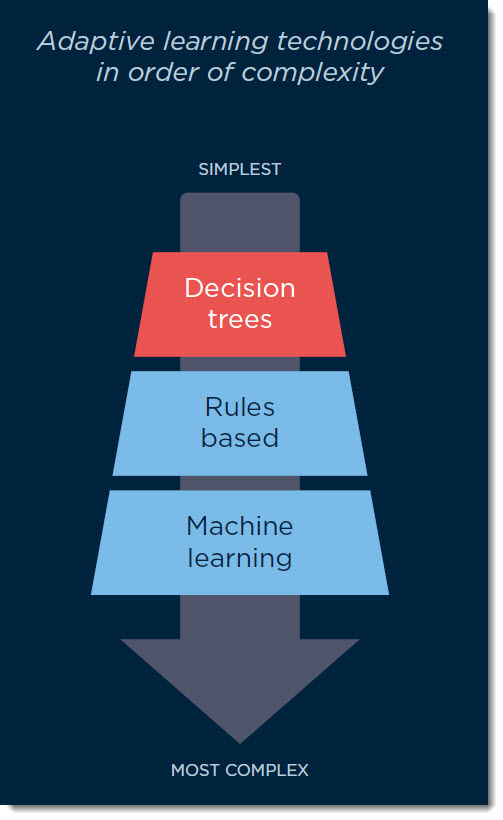
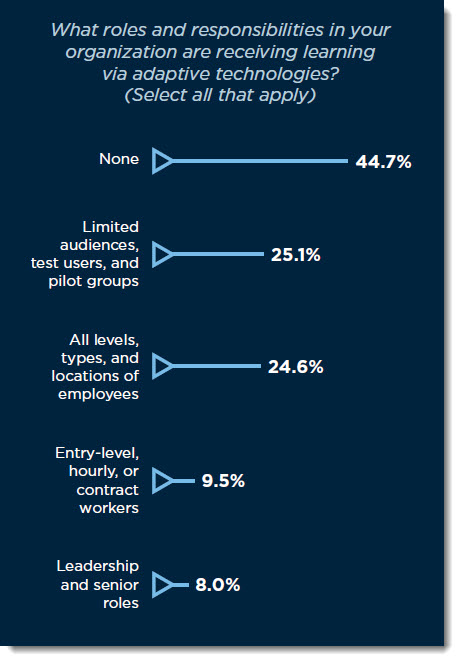
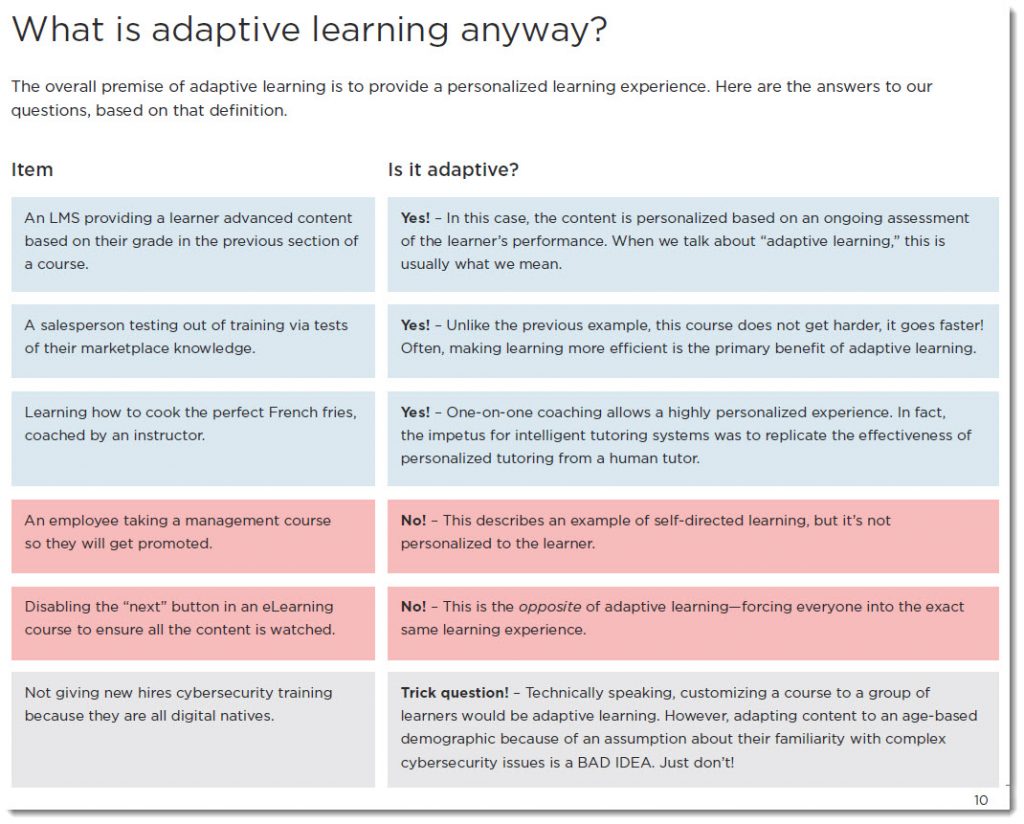
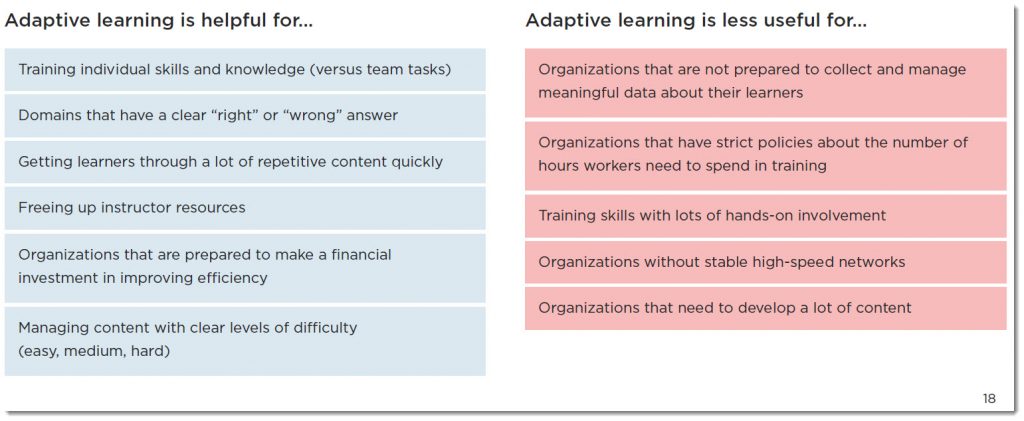
Adaptive and Personalized Learning Experiences — from learningguild.com by Chad Udell and Jennifer Murphy
Excerpts:

On 11/04/2021,
in game-changing environment, innovation, law schools, Legal operations, legal reform, legal technologies, legislatures / government / legal, technology (general), telelegal,
by Daniel Christian
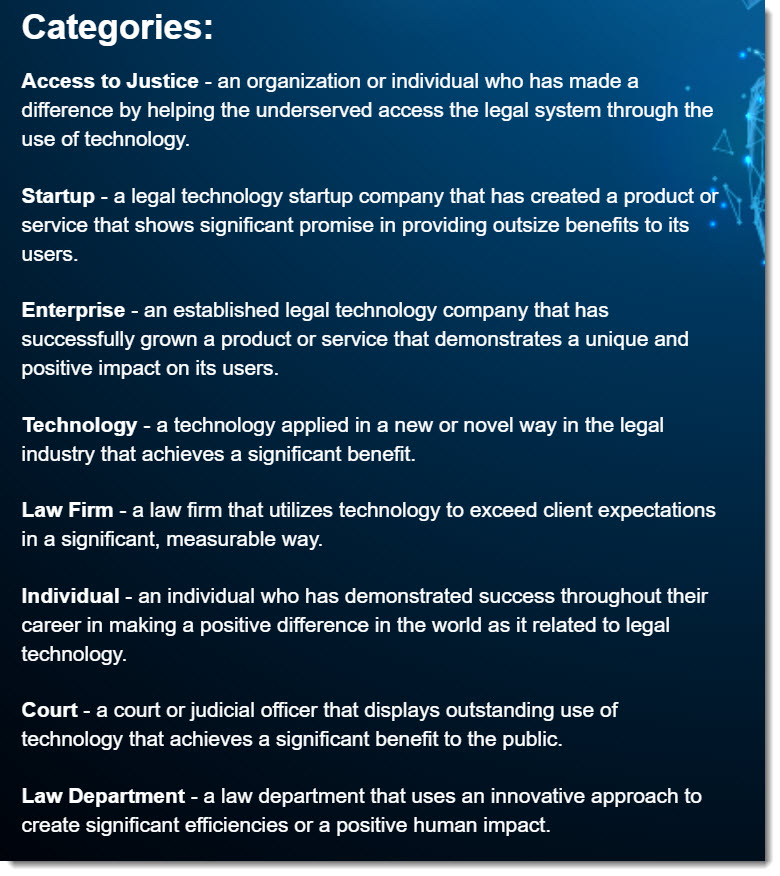
Winners Named for 2021 American Legal Technology Awards — from lawsitesblog.com by Bob Ambrogi
Excerpt:
Winners have been named for the second annual American Legal Technology Awards, a competition launched last year to honor exceptional achievements in legal technology.
This year, the competition added the announcement of a runner up and honorable mention in each category. A series of videos showcasing the winners in each category will be posted to the ALTA site between now and Nov. 10.
On 11/04/2021,
in 21st century, 24x7x365 access, Access to Justice (A2J), law schools, Legal operations, legal reform, legal technologies, legislatures / government / legal, reinvent, society, telelegal, United States,
by Daniel Christian
Courts 2021 AWARD WINNER || American Legal Technology Awards 2021https://t.co/9GD2IhdwBS#legaltech #legal #A2J #society #emergingtechnologies #courts #Court #AccessToJustice
— Daniel Christian (he/him/his) (@dchristian5) November 4, 2021
On 11/02/2021,
in adjunct faculty, faculty/staff, Google, internet, IT in HE, law schools, teachers, tools,
by Daniel Christian
10 great Chrome tips for teachers and educators — from educatorstechnology.com

On 11/02/2021,
in career development, entrepreneurship, global / globalization, Microsoft, platforms, workplace,
by Daniel Christian
LinkedIn rolls out its freelance services marketplace globally after picking up 2M users in smaller US beta — from techcrunch.com by Ingrid Lunden
Excerpt:
LinkedIn, the Microsoft-owned platform for those connecting with others in their fields of work and those looking for work, has been known best in recruitment for sourcing candidates and advertising job openings for permanent work. Now, to complement that, LinkedIn is opening up a new front in the job market for freelancers.
Today it is taking the wraps off its Service Marketplace, a new feature that will let people advertise themselves for short-term engagements to those looking to hire people for such roles, competing against the likes of Fiverr and Upwork for sourcing skilled knowledge workers.
On 11/01/2021,
in Blockchain, career development, change, economics, emerging technologies, MBA, society, strategy, universities, vendors, vision/possibilities, workplace,
by Daniel Christian
All aboard: Bitcoin’s rise inspires even big banks to staff up on crypto talent — from linkedin.com by George Anders
Excerpt:
That’s according to a new analysis by LinkedIn’s Economic Graph team, which finds that major financial services firms will add more than three times as many staff steeped in digital-asset experience this year than in 2015. That pace jumped 40% in the first half of 2021 alone, compared with the same period last year.
“The opportunities in digital assets are plentiful,” BNY Mellon’s Roman Regelman, the bank’s CEO of asset servicing and head of digital, told LinkedIn News. “We can now attract talent in a very different way.”
Also relevant, see:
- Wharton’s New Crypto Course to Take Crypto for Tuition Fees — from insidehighered.com by Suzanne Smalley
Excerpt:
The Wharton School of the University of Pennsylvania last week announced it would become the first Ivy League school and the first American business school to accept enrollment payments in cryptocurrency via Coinbase. The announcement came alongside news that the prestigious business school also has launched an online certificate program focused on the economics of blockchain and digital assets.