From DSC:
Just because we have ears doesn’t mean we are actually hearing someone. And just because we have eyes doesn’t mean we are actually seeing someone.


Native American Students Build STEM Skills While Exploring Their Cultural Stories with VR/AR Design Projects — from campustechnology.com by Mary Grush and Tilanka Chandrasekera

Excerpt:

Through a $1.5million, four-year NSF grant, Oklahoma State University researchers are leveraging their earlier work with proven, college-level design courses that incorporate VR, AR, and 3D printing technologies. But this time, they are helping underserved Native American middle school students develop STEM skills.

Here, Campus Technology talks with Principal Investigator Dr. Tilanka Chandrasekera, who is an endowed professor at OSU and director of the Mixed Reality Lab, to find out more about the grant that the NSF titled, “Engaging Native American Students in STEM Career Development Through a Culturally Responsive After School Program Using Virtual Environments and 3D Printing.”


What is Stop Motion Studio and How Does It Work? Best Tips and Tricks — from techlearning.com by Luke Edwards
Stop Motion Studio is a movie maker that’s easy to use and ideal for students and teachers

Excerpt:

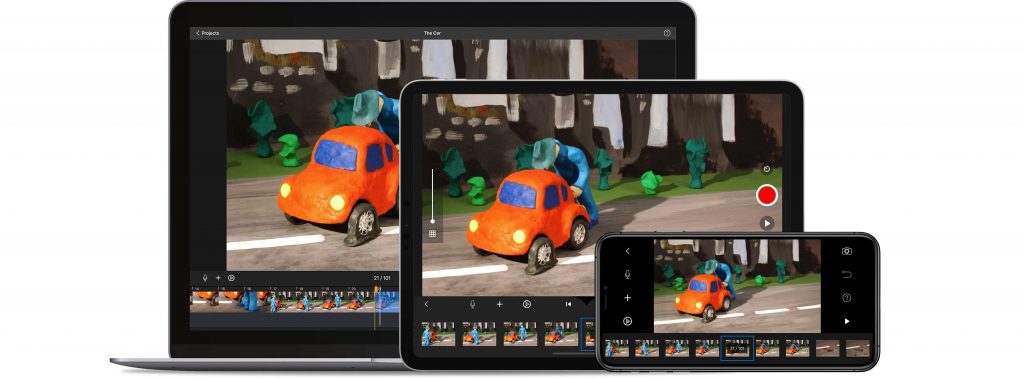
Stop Motion Studio is an app that makes turning images into video a fun and educational process for students.

Designed to be easy to use, and with the basics coming free, this is a useful tool to allow students to express ideas in video format. Since it is app-based it can be accessed on personal devices, both in class and elsewhere.

Also see the Stop Motion Studio website:

Stop Motion Studio


NVIDIA OMNIVERSE: Creating and Connecting Virtual Worlds

A NEW ERA OF 3D DESIGN COLLABORATION AND SIMULATION
NVIDIA Omniverse™ is an easily extensible, open platform built for virtual collaboration and real-time physically accurate simulation. Creators, designers, researchers, and engineers can connect major design tools, assets, and projects to collaborate and iterate in a shared virtual space. Developers and software providers can also easily build and sell Extensions, Apps, Connectors, and Microservices on Omniverse’s modular platform to expand its functionality.


Also see:


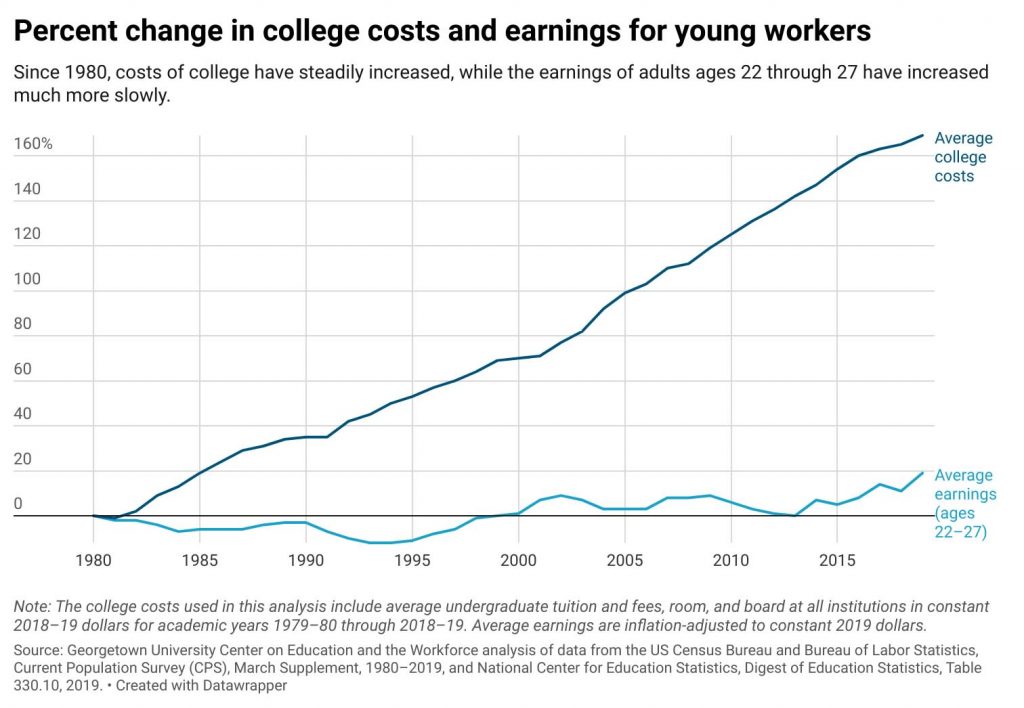
College costs have increased by 169% since 1980—but pay for young workers is up by just 19%: Georgetown report — from cnbc.com by Abigail Johnson Hess

Excerpt:

The report, titled “If Not Now, When? The Urgent Need for an All-One-System Approach to Youth Policy,” breaks down seven trends that have made it difficult for workers to transition from education to the workforce since 1980.

“Postsecondary education policy has failed to keep higher education affordable even as formal education beyond high school has become more essential,” reads the report. “Today, two out of three jobs require postsecondary education and training, while three out of four jobs in the 1970s required a high school diploma or less. Yet while young people today need more education than ever to compete in the labor market, a college education is more expensive than in the past.”


Also see:


15 “Does it make you a king
    to have more and more cedar?
Did not your father have food and drink?
    He did what was right and just,
    so all went well with him.
16 He defended the cause of the poor and needy,
    and so all went well.
Is that not what it means to know me?”
    declares the Lord.


“Bloomberg Law 2022” Releases Today – Explores Future of Legal Industry and Practice Trends — from legaltechmonitor.com by Jean O’Grady

Excerpt:

BLOOMBERG LAW 2022 SERIES EXPLORES KEY LEGAL TRENDS THAT WILL SHAPE THE YEAR TO COME
Arlington, Va. (November 1, 2021) — Bloomberg Law today announced the availability of its Bloomberg Law 2022 series, its exploration of key issues across four major topic areas – Litigation, Transactions & Contracts, Regulatory & Compliance, and The Future of the Legal Industry – that will shape the legal market in the coming year. The full series, which is issued annually and features 25 articles from Bloomberg Law’s team of legal analysts, is available on a complimentary basis at http://onb-law.com/tXw850GAeS4.

Topic area coverage includes:

  • Litigation: Developments that will shape the course of litigation in 2022 are examined, ranging from Covid-related employment and contractual issues to emerging trends in antitrust cases and bankruptcy filings.
  • Regulatory & Compliance: Learn how a heightened enforcement environment will impact everything from return-to-office mandates to privacy and tech industry regulation to potential actions by the SEC and Congress on cryptocurrency.
  • Transactions & Contracts: Take a look at the forces shaping the transactional landscape and key markets of interest, from trends in M&A and IPOs to the nuanced impacts of new data security laws on contract language.
  • The Future of the Legal Industry: Hot topics such as diversity & inclusion and attorney well-being and the rapidly expanding areas of law such as legal operations and litigation finance are analyzed.

Also see:

Moving forward, the pandemic will have lasting implications for our justice system. The immediate focus on keeping the doors of justice open will inevitably shift to growing case backlogs, reduced funding, increased demand for low-cost legal assistance, inequities in access, and deepening concerns regarding public trust and confidence. Our justice system must be ready, but how do we create paths forward to achieve justice for all?


We Need to Make Schools Human Again. That Means Treating Teachers With Respect. – from edsurge.com by Jennifer Yoo-Brannon

Excerpts:

The first thing I noticed when we returned to school after remote learning was that my conversations with teachers got real deep real fast.

But we are not just educators, of course. We are mothers of multiple school-aged children, parents of special needs students who need a high level of support, individuals with anxiety disorders exacerbated by the worldwide anxiety of the pandemic. We are human too. While we transform our schools into welcoming spaces for students, we must also make them a human place to work for educators as well. We can’t forget that we saw each other’s humanity—shared a universal human experience—and then return to business as usual. We must make schools human again.

Avoid toxic positivity. Toxic positivity is the belief that no matter how bad a situation is, we should all have a positive mindset about it. Toxic positivity isn’t optimism. Toxic positivity rejects or refuses to acknowledge how difficult things can be. This message is for administrators in particular.

From DSC:
When I read this…

In other words, the question is not “How do we get teachers to participate in professional development?” but rather, “How can we create a context in which everyone will want to engage in professional learning?” To feel human in our workplace, we all need to feel like we have choices and teachers need to feel trusted and empowered to make those choices.

…I’m thinking to myself…isn’t this the same for our students?

 
  • From DSC:
    This is what true strength and confidence look like. That is, the LORD doesn’t mind putting complaints, issues, pleas, anger, frustration, sadness, and similar emotions in His Word. I guess that’s part of relationships…part of communications. To me, that’s true strength.


5 Ways to Make Edtech More Inclusive — from techlearning.com by Erik Ofgang
Better communication with students and more representation within edtech are just some ways we can better serve all special education students with technology, says University of California, Irvine’s Gillian Hayes.

Excerpt:

Making edtech accessible to all students has always been important but as it is now an essential part of the classroom, it has never been more vital.

Gillian Hayes, vice provost for graduate education and dean of the Graduate Division at University of California, Irvine, has studied edtech accessibility extensively. Making technology more accessible in the classroom is one of her goals at The Connecting the EdTech Research EcoSystem (CERES), which she coleads with UCI colleague Candice Odgers.

She shares strategies for how educators, programmers, and researchers can help foster more accessibility in edtech.

 
© 2025 | Daniel Christian