DC: Interesting. https://t.co/k3LvqL6u0g
— Daniel Christian (he/him/his) (@dchristian5) January 24, 2022
DC: Interesting. https://t.co/k3LvqL6u0g
— Daniel Christian (he/him/his) (@dchristian5) January 24, 2022
The Surprising Impact of Meeting-Free Days — from sloanreview.mit.edu by Ben Laker, Vijay Pereira, Pawan Budhwar, and Ashish Malik
Many organizations are implementing no-meeting days, but finding the optimal weekly balance requires deliberation.
Excerpt:
Though building trust and achieving team cohesion rely on frequent, quality interactions, meetings are no longer the best way to accomplish this. As a result, many organizations…are taking a stand by adopting no-meeting days, during which people operate at their own rhythms and collaborate with others at a pace and on a schedule that is convenient, not forced.
…
The subsequent impact of introducing meeting-free days was profound, as outlined in the table below. When one no-meeting day per week was introduced, autonomy, communication, engagement, and satisfaction all improved, resulting in decreased micromanagement and stress, which caused productivity to rise.
Work based Learning Case Study: A Stakeholder's Perspective https://t.co/kdjApaQ5BP
Also see:https://t.co/9voME4ppmr
— Daniel Christian (he/him/his) (@dchristian5) January 24, 2022
Tip of the week: Make websites more readable — from fastcompany.com by Jared Newman
How to easily hide ads, auto-play videos, and other clutter in every major browser.
Excerpt:
Ever get annoyed by the intolerable reading experience on certain websites? By activating your browser’s reader mode, you can make web pages more reader-friendly by hiding ads, menus, pop-ups, and other distractions. Some web browsers even let you switch to reader mode automatically on specific websites. Here’s how:
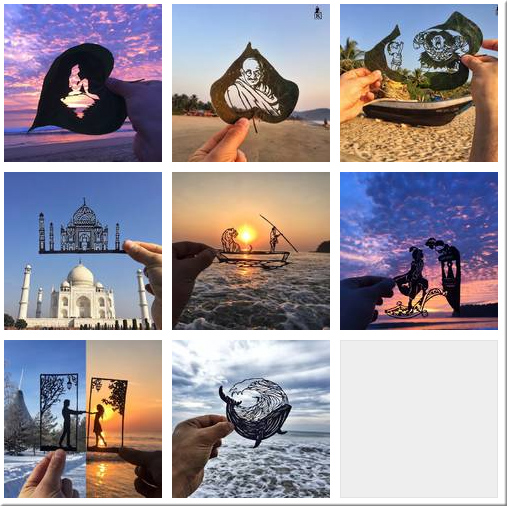
Wiki Loves Monuments 2021 winners — from commons.wikimedia.org
Excerpt:
Below are some of the pictures from Greece.

Make Learning a Part of Your Daily Routine — from hbr.org by Helen Tupper and Sarah Ellis; with thanks to Learning Now TV for the resource
In a squiggly career, everyone’s a learner and everyone’s a teacher.
Summary:
In our increasingly “squiggly” careers, where people change roles more frequently and fluidly and develop in different directions, the ability to unlearn, learn, and relearn is vital for long-term success. It helps us increase our readiness for the opportunities that change presents and our resilience to the inevitable challenges we’ll experience along the way. Adaptive and proactive learners are highly prized assets for organizations, and investing in learning creates long-term dividends for our career development. Based on their experience designing and delivering career development training for over 50,000 people worldwide, the authors present several techniques and tools to help you make learning part of your day-to-day development.
Our capacity for learning is becoming the currency we trade on in our careers. Where we once went to work to learn to do a job, learning now is the job. Adaptive and proactive learners are highly prized assets for organizations, and when we invest in our learning, we create long-term dividends for our career development.
Also see (with thanks again to Learning Now TV):
Virtual brainstorming creates the maximum number of novel ideas, gaining an innovation advantage. It also provides the optimal experience for the largest number of group members, balancing the preferences of introverts and extroverts, optimists and pessimists, lower-status and higher-status members. Team leaders who wisely prioritize focusing on integrating introverts, pessimists, and lower-status team members into the team—which is more difficult than with extroverts, pessimists, and higher-status members—find virtual brainstorming especially beneficial.
? The #NFT market has exploded over the past year.
? Sales soared past $24.9 billion in 2021, according to market tracker @DappRadar.
?? But more artists are sounding the alarm over thieves stealing their digital work.
?? How big is the industry’s fraud problem? ? pic.twitter.com/3CvrgqndpZ
— Thomson Reuters Foundation News (@TRF_Stories) January 18, 2022
5 brands already boldly embracing the metaverse — from thedrum.com by Dani Gibson
As part of The Drum’s Metaverse Deep Dive, we round up some of the best examples of brands causing a stir within the virtual online world by creating out of this world experiences.
Marketing in the metaverse — from thedrum.com
11 Trends that Will Shape Work in 2022 and Beyond — from hbr.org by Brian Kropp and Emily Rose McRae
Excerpt:
9. The chief purpose officer will be the next major C-level role.
Issues of politics, culture, and social debate have fully entered the workplace. Employees have been asked to bring their whole self to work as organizations try to create a more inclusive and productive work environment. This is fundamentally different than a decade ago when employees were expected to leave their personal perspectives “at the door.”
Employees also expect their employer to get more involved in the societal and political debates of the day…
Addendum on 1/24/22 (emphasis DSC):
Inside Melbourne’s Major New Interactive Gallery, Where Art and Science Collide — from broadsheet.com.au by Liv Downing
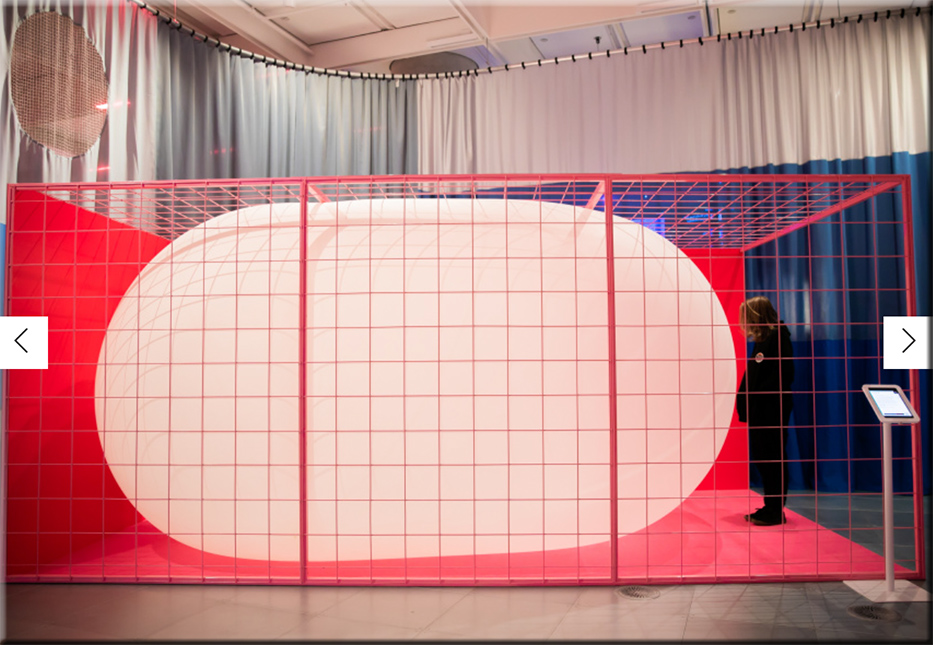
The inaugural Science Gallery exhibition tackles mental health head-on, but with an out-of-the-box approach. Across 3500 square metres, there’s a kaleidoscopic human-sized hamster wheel you can step inside, a gigantic white balloon trapped in a pink cage, and a fake bedroom where two performance artists will live for a week.