For recalculating those due dates out there: timeanddate.com — with thanks to Lisa Smith at the WMU-Cooley Law School for this resource; Lisa showed how this was used with Cidi Labs Multi-Tool to batch change dates and times within Canvas
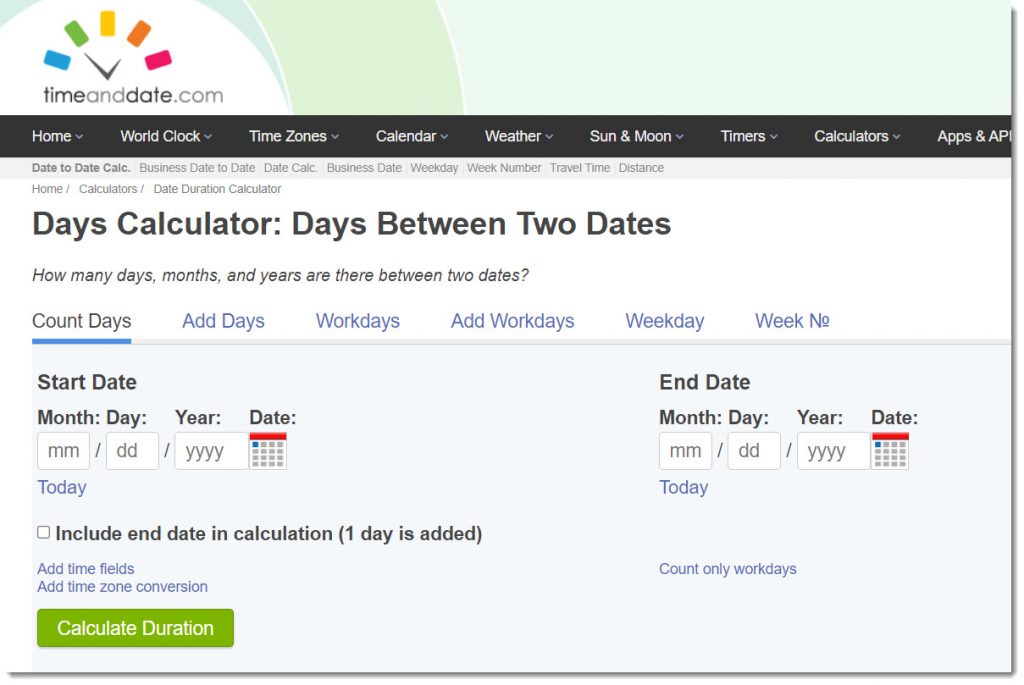
Days Calculator -- calculating days between two dates

From DSC:
Along the lines of time and tools for the classroom…I also find classroomscreen.com helpful in providing some solid timers.
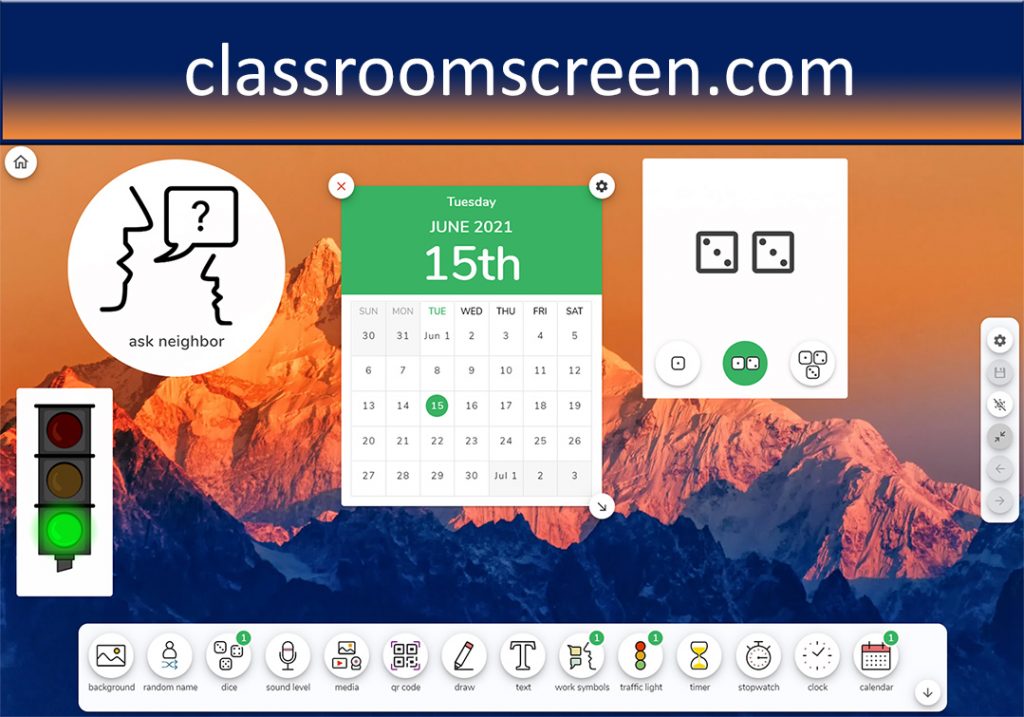
classroomscreen.com


Many Americans aren’t aware they’re being tracked with facial recognition while shopping  — from techradar.com by Anthony Spadafora
You’re not just on camera, you’re also being tracked

Excerpt:

Despite consumer opposition to facial recognition, the technology is currently being used in retail stores throughout the US according to new research from Piplsay.

While San Francisco banned the police from using facial recognition back in 2019 and the EU called for a five year ban on the technology last year, several major retailers in the US including Lowe’s, Albertsons and Macy’s have been using it for both fraud and theft detection.

From DSC:
I’m not sure how prevalent this practice is…and that’s precisely the point. We don’t know what all of those cameras are actually doing in our stores, gas stations, supermarkets, etc. I put this in the categories of policy, law schools, legal, government, and others as the legislative and legal realm need to scramble to catch up to this Wild Wild West.

Along these lines, I was watching a portion of 60 minutes last night where they were doing a piece on autonomous trucks (reportedly to hit the roads without a person sometime later this year). When asked about oversight, there was some…but not much.

Readers of this blog will know that I have often wondered…”How does society weigh in on these things?”

Along these same lines, also see:

  • The NYPD Had a Secret Fund for Surveillance Tools — from wired.com by Sidney Fussell
    Documents reveal that police bought facial-recognition software, vans equipped with x-ray machines, and “stingray” cell site simulators—with no public oversight.
 

The Use Framework revisited — from mattguyan.com by Matt Guyan
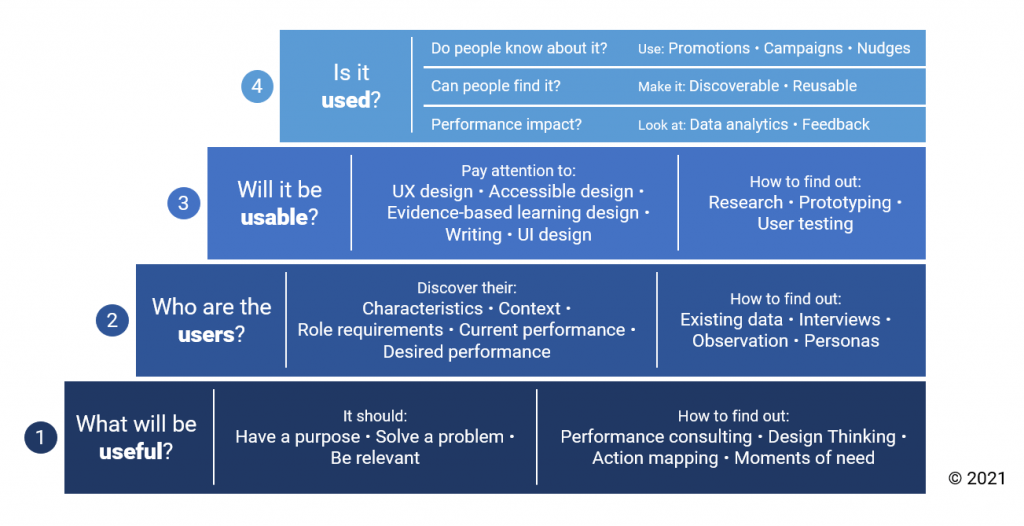
The Use Framework revisited -- by Matt Guyan


The Role of Blockchain in Web 3.0 — from blog.simbachain.com by Simba Chain

Excerpt:

The internet is a constantly evolving and growing place. As new sites and companies add to the internet with websites and programs, the way we use the internet is changing as we learn to adapt to the new technologies. Technology experts view the age of the internet we’re currently in as the end of Web 2.0 with the beginning of Web 3.0 just around the corner. Since Web 3.0 has been spurred on by the advancements of blockchain technology, we thought we would take this opportunity to explain how they are connected. What is Web 3.0 and how does it use blockchain technology? Let’s find out…


10 Principles of Learning Experience Design — from stylelearn.com by Alexander Salas

Excerpts:

Learning Experience Design (LXD) is the creative and intentional process of designing learning experiences for lasting results.

Here are the basic principles of LXD and how they contribute to highly effective learning. Their order is not hierarchical.


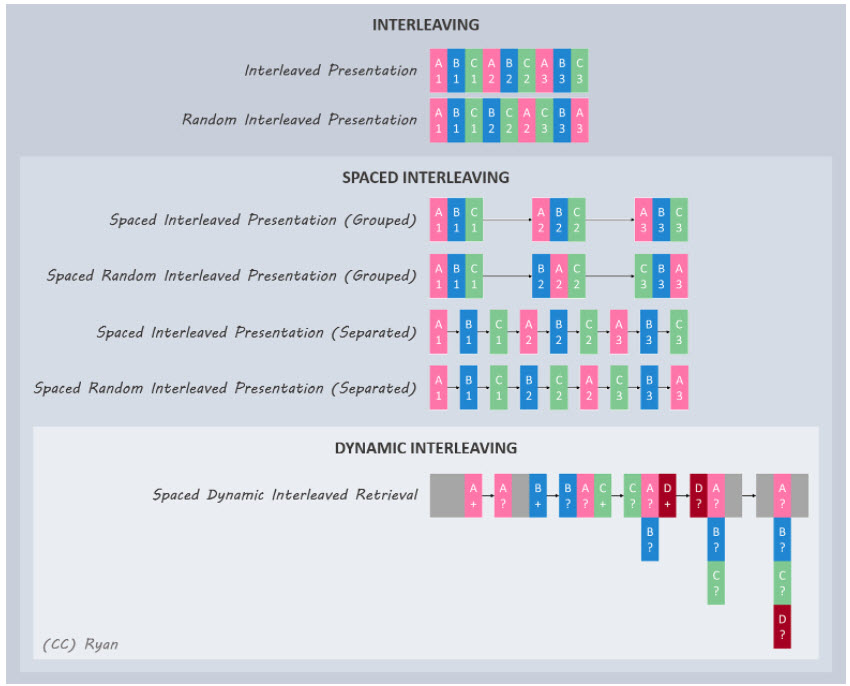
Time pilot — from ryan2point0.wordpress.com by Ryan Tracey
 

The Michigan Learning Channel is now available through your antenna on ALL Michigan PBS stations! 
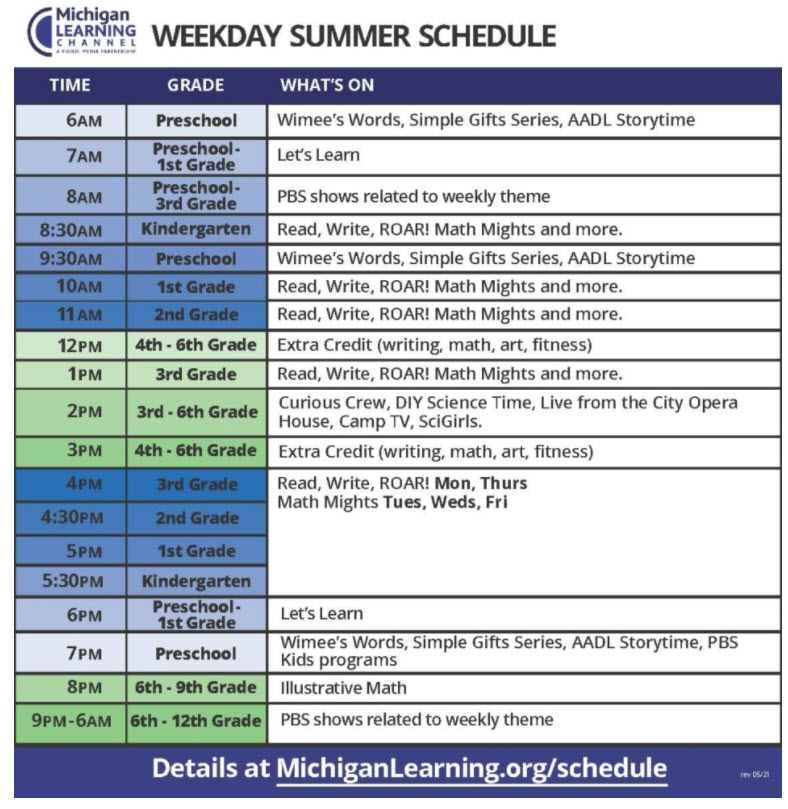
The weekday summer 2021 schedule for the Michigan Learning Channel


Returning to School: Why Video Is Here to Stay — from gettingsmart.com by Jessica Slusser

Excerpt:

Here are a few reasons video can be powerful and a few ways to incorporate it into your lesson plans:

  • Agency. We know some learners built a deep sense of agency while learning from home. Through video, students can tell their story, use a different format than they’ve used before to explain work and build and share their own lessons with classmates. Imagine the power of flipped student presentations.
  • Flip Your Classroom. Utilize the power of video by recording some of your direct instruction plans for learners to watch as “homework” then spending class time diving into work and building understanding.
  • Enriched Station Rotation. Create differentiated videos for each of your small group stations so students can watch a video that you created and be working on different review activities in their different stations. This also helps build a library of content you can use in the future.
  • Built in Assessment. Educators can create videos that are embedded in a Google Form that serves as a quick assessment. If a student gets the answer wrong, they’re moved into a new branch of the form that has a video to help build understanding, then when finished they go back to the original question to reassess. Students can also respond to assessment questions or submit work.
  • Better than Red Ink. What if instead of writing a learner’s grade with short feedback on their next written assignment, you could record a quick 30-second video that explains your grade and give real-time feedback that is more robust than the traditional red pen.
 

We Wondered If NFTs Could Change Education, So We Decided to Sell This Article on the Blockchain — from edsurge.com by Jeffrey R. Young

Excerpts:

These digital tokens can essentially contain digital contracts outlining the rights on how the buyer and creator can use the work in the future.

Here’s where the smart contract part of NFTs comes in: If the person who buys one of Aguirre’s NFTs decides to sell it in the future, Aguirre gets a cut of that secondary sale—a 10 percent royalty that’s automatically paid back to her virtual wallet. In fact, she will get a royalty every time one of her NFTs are resold, even if that happens years later.

For an artist, that’s a revolutionary shift in how much control and compensation can be gained from a piece of creative work.

From DSC:
At a bare minimum…this is a highly relevant and interesting article for those involved with the legal realm as well as those involved with the worlds of education and publishing. For example, in terms of law schools, those professors who are involved with teaching property and/or contracts may want to pay extra close attention to the topic of this article.

And for Subject Matter Experts (SMEs) of all shapes and sizes, listen to this item from Mark Cuban:

“The next best application is textbooks,” he responded to my email query. “They allow digital textbooks to be easily resold but more importantly they allow publishers and authors to collect royalties for every resale. Forever.”

But it doesn’t stop there, as you can tell from this article:


For those interested in this topic, also check out:


Recording of “The Future of Education Collaborative for Higher Education” on 8/12/21 — this event was sponsored by Instructure and AWS

From DSC:
One of the most interesting items for me in this was to hear how one university is allowing students to drive the Request For Proposal (RFP) process – giving students much more VOICE. Staff and faculty are consultants but students have the final say! Wow! 

Also, I agree with the idea that the market will drive changes within higher education. But for that to occur more significantly:

  • Employers need to hire more people from a variety of backgrounds and that come into their interviews with a greater variety of credentials.
  • The accrediting agencies involved with higher ed are going to need to become more innovative and flexible.
  • And the elephant in the room for me is that faculty members are going to have to come to the realization that those organizations/courses of the future that will thrive and have the most impact will be much more team-based and will be based upon what the market needs (i.e., better alignment is needed between the corporate/business world and the world of higher education). For far too long, the faculty member has been the sole person at the table….the person holding the steering wheel…the person in control of everything that gets presented and how it gets presented….the person who decides what they want to teach (vs. what the market actually needs) and how they want to teach it.

Finally, I bet AWS and Zoom could have said a LOT more than they actually said.

#learningfromthelivingclassroom


Moodle completes acquisitions, launching services platform — from highereddive.com by Rick Seltzer

Excerpts:

  • Moodle, an open-source learning management system provider, completed an acquisition and merger of three companies, it said Monday. Moodle is using the acquisitions to create a new services company called Moodle US.
  • Moodle US will offer services including custom development, learning design, scalable hosting solutions, and implementation, training and support for Moodle products.


“In person” classes offered in virtual reality — from zdnet.com by Greg Nichols; with thanks to Will Richardson for the resource
A virtual reality college campus welcomes students this fall.

Excerpt:

“With this cadaver lab, our pre-med students will no longer need to rely on other universities for advanced anatomy and biology classes,” said Dr. Shirley Brown, Dean of Fisk University. “Virtual reality technology takes our university to a level equal to the most advanced schools in the country.”


First Day of Class: 5 Edtech Tools That Can Make it More Engaging — from techlearning.com by Erik Ofgang

Excerpt:

For younger students, a great way to have students learn more about one another and let their creativity shine is to have them create an “About me” page using Book Creator. This can include a short bio and photo. Students can also add audio and video components to their page, providing an opportunity for more of their personality to shine. Ultimately, the various student’s pages can be combined into one ebook about the class.

…I find PronounceNames.com to be a life saver. The site has recordings of proper pronunciations for more than 100,000 names. 

 
© 2025 | Daniel Christian