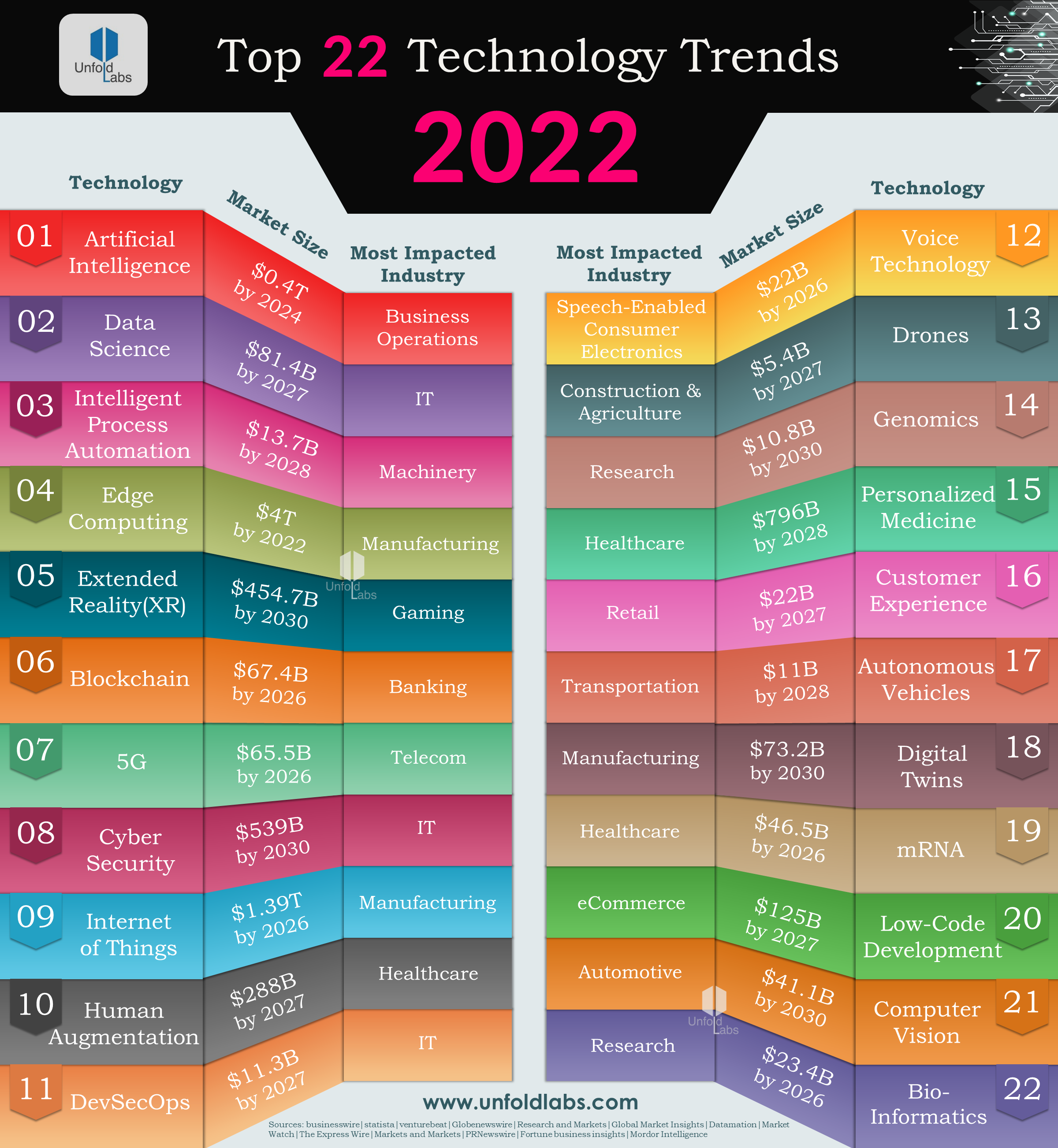
The biggest tech trends of 2022, according to over 40 experts — from fastcompany.com by Mark Sullivan
Startup founders, Big Tech execs, VCs, and tech scholars offer their predictions on how Web3, the metaverse, and other emerging ideas will shape the next year.

We asked startup founders, Big Tech execs, VCs, scholars, and other experts to speculate on the coming year within their field of interest. Altogether, we collected more than 40 predictions about 2022. Together, they offer a smart composite look at the things we’re likely to be talking about by this time next year.


28 Website Accessibility Terms to Know in 2022 — from blog.hubspot.com by Jamie Juviler

Excerpt:

No matter the type of website you run or the industry that you’re in, prioritizing web accessibility is key to your success.

To ensure your website meets today’s standards for web accessibility, you’ll first need to understand the terminology. Accessibility is a big, dense area with a lot of jargon, acronyms, and codes — enough to steer a new website owner away from the topic altogether.

That’s why we’ve put together this glossary of 28 essential web accessibility terms any website owners should be aware of. By knowing the language, you’ll find it much easier to adopt accessibility principles on your own site and better serve visitors with disabilities.

Addendum on 12/31/21:

Accessibility awareness is on the rise, but is it turning into action? — from techcrunch.com by Joe Devon

Excerpts:

Harris Poll reveals that more than half of American adults increased their online activities because of the pandemic. That number grows to 60% for people with disabilities.

The increase in online activities does not mean that everyone is able to achieve their goals. So, what kind of impact is the crisis having on accessibility? Are organizations finally getting the message on the importance of accessibility?

With that, here are the key results from the Alexa top 100 website testing:

    • Out of the websites tested, 62% were accessible to screen readers, up from 40% in 2020.
    • Every single page passed for having the valid document “lang” attribute.
    • Only 11% of websites tested had errors in input field labels.
    • The most common error was the use of ARIA (Accessible Rich Internet Applications specification)
    • The second most common error was color contrast.

From DSC:
That last article linked to:


From DSC:
As the article below clearly relays, MOOCs did NOT fail! In the last decade, they have reached 220 million learners worldwide!

I don’t know the total number of graduates from the Ivy League — throughout all of the relevant institutions’ histories — but I would bet you that MOOCs have reached far more learners. And MOOCs did so in less than a decade. 

And you’re going to tell me MOOCs have been a failure?!!!! Are you being serious!?!?!  You can talk about completion rates all that you want to (and that misses the point, as some people sign up for MOOCs without ever intending to finish the entire course). As with other things, people get out of something what they put into that thing.


A Decade of MOOCs: A Review of Stats and Trends for Large-Scale Online Courses in 2021 — from edsurge.com by Dhawal Shah

Excerpts:

Now, a decade later, MOOCs have reached 220 million learners, excluding China where we don’t have as reliable data, . In 2021, providers launched over 3,100 courses and 500 microcredentials.

Originally, MOOC providers relied on universities to create courses. But that dependence is declining as more and more of the courses are created by companies every year. These corporate partners in course creation include tech giants Google, Microsoft, Amazon and Facebook.

…the majority of the new courses launched on Coursera in 2021 are not from universities anymore.

These mass online courses were born without a business model. Yet within a decade, MOOCs went from no revenue to bringing in well over a half a billion dollars annually.


From DSC:
An interesting approach.


Gaimin has developed an innovative solution to a modern computing problem — from innotechtoday.com by Corey Noles

Excerpt:

Rather than spending billions of dollars on building dedicated resource farms, Gaimin.io are accessing the worldwide gaming community, and utilizing and rewarding this global network of untapped, globally distributed resources of 1.5 billion processing power providers, connected by high-speed internet connections, which can be aggregated, consolidated and then utilized to satisfy any of the myriad of profitable current, and future, needs for processing power.

The Gaimin.io project connects the world’s largest supply of GPU processing power, which belongs to the 1.5 billion gaming PCs in the global gaming community, with the rapidly growing, worldwide demand for massive processing power.


Also see:


The Future of Digital Court Reporting — from legaltalknetwork.com by Tony Sirna, Jim Calloway and Sharon Nelson
Tony Sirna gives an overview of the evolution of digital court reporting and the improvement it has brought about in court proceedings.

Also see:

Webinar: What NOT to do in 2022. Legal Tech trends to ignore! — from onit.com

Excerpt:

How can you sort the helpful trends from the hype?

Three experts from Buying Legal, Consilio and Onit recently gathered to discuss just that. Together, they explored the current state of legal tech and AI, how corporate legal departments should function as we enter the new year and which current legal trends are better to avoid.

Read on to learn which legal tech trends you might want to pass on as we enter 2022.


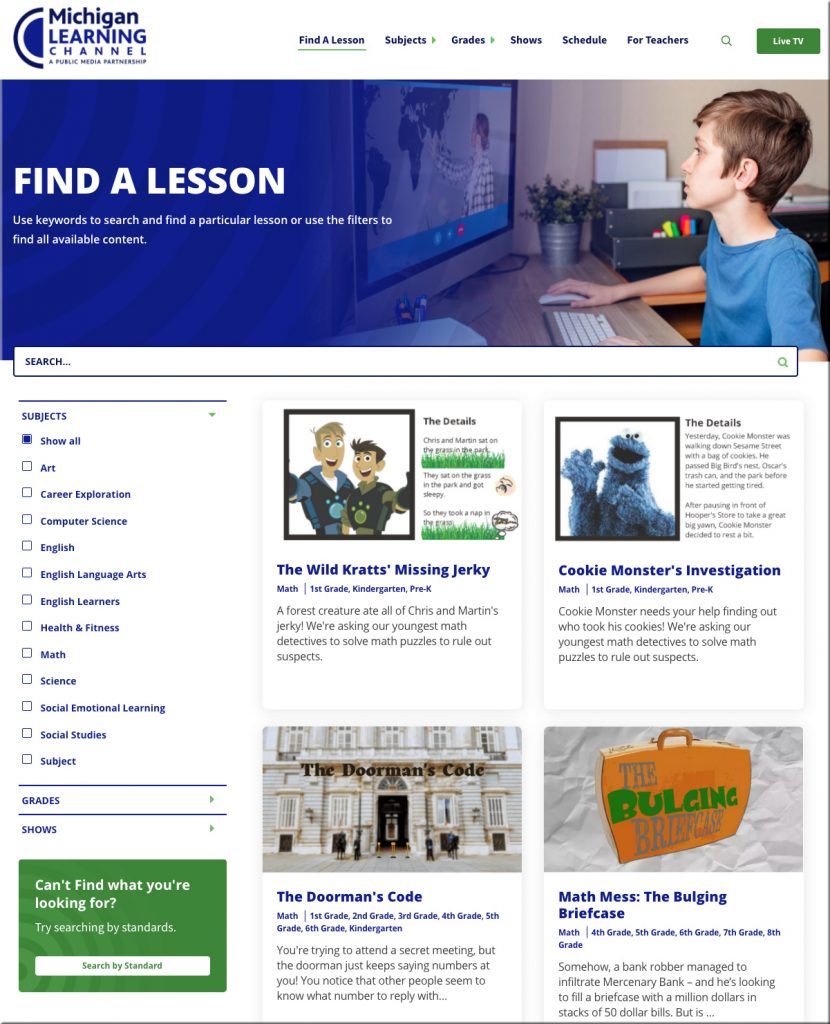
How to Listen to Podcasts in the Classroom — from 2peasandadog.com

Excerpts:

Podcasts can be used in the classroom for a variety of purposes. They are great for practicing listening skills, listening to stories, building a classroom community, and reinforcing academic content, among many others.

Teachers can access podcasts via websites, Apple apps, and Android apps.

Also from 2peasandadog.com, see:


Is Metaverse The Next Big Thing? [Weston]

Is Metaverse The Next Big Thing? — from 101blockchains.com by Georgia Weston

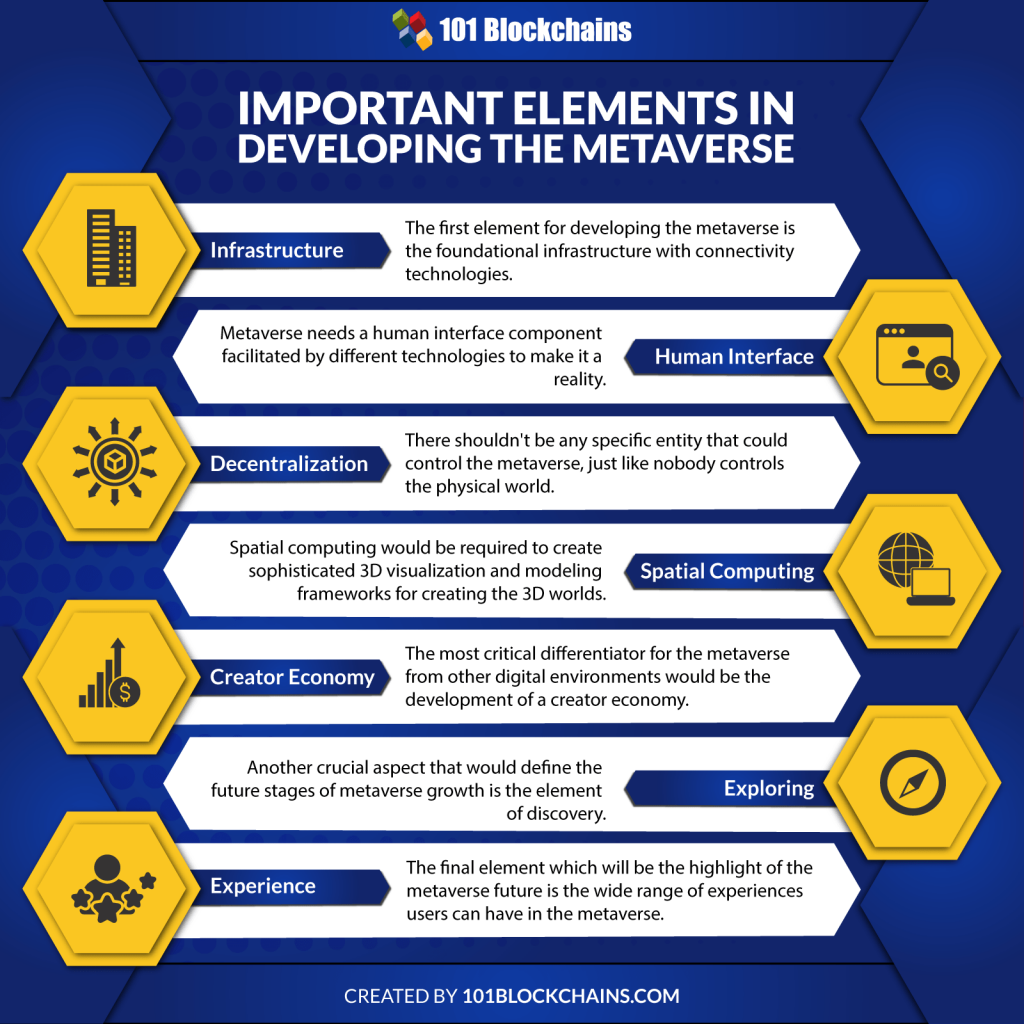
Important elements in developing the Metaverse


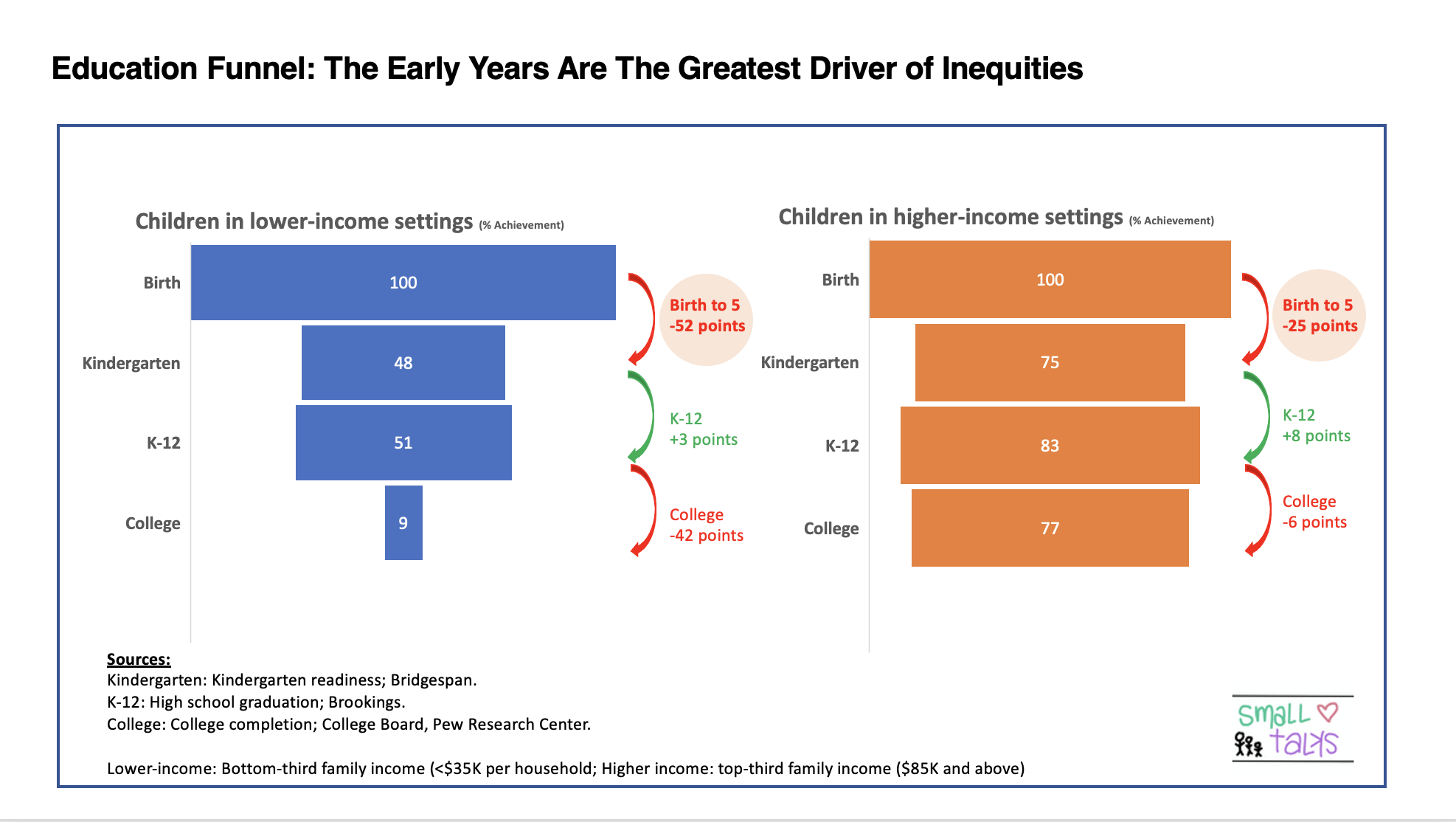
Education Has Been Hammering the Wrong Nail. We Have to Focus on the Early Years. — from edsurge.com by Isabelle Hau
This article is part of the guide Survival Mode: Educators Reflect on a Tough 2021 and Brace for the Future.

Excerpt:

Moreover, children who are expelled in preschool or early elementary are 10 times more likely to be incarcerated. Those later societal costs might have been avoided if the children are provided the nurturing attention in their early years to regulate their emotions and buffer toxic stress, which often results from exposure to trauma.

The value of the human potential unlocked by early education and social and emotional interventions is more difficult to assess: it is arguably limitless.


Repurposed real estate emerges as unconventional source of savings, revenue for colleges and universities — from highereddive.com

Excerpt:

As market conditions evolve, higher ed leaders are striving to build a profitable future amidst chronic funding obstacles. Between roadblocks like disruptive online competition, evolving demographics, crippling student debt and dwindling enrollment, traditional operating models cannot produce enough gains to satisfy market demands, argues KPMG.

It’s one reason why many institutions are exploring inventive ways to free up and generate funds without hampering student and staff experiences. As higher ed leaders look to diversify funding sources, repurposed real estate is emerging as a significant bottom-line booster.


From DSC:
As with many emerging technologies, there appear to be some significant pros and cons re: the use of NFTs (Non-Fungible Tokens)

The question I wonder about is: How can the legal realm help address the massive impacts of the exponential pace of technological change in our society these days? For examples:

Technicians, network engineers, data center specialists, computer scientists, and others also need to be asking themselves how they can help out in these areas as well.

Emphasis below is mine.


NFTs Are Hot. So Is Their Effect on the Earth’s Climate — from wired.com by Gregory Barber
The sale of a piece of crypto art consumed as much energy as the studio uses in two years. Now the artist is campaigning to reduce the medium’s carbon emissions.

Excerpt:

The works were placed for auction on a website called Nifty Gateway, where they sold out in 10 seconds for thousands of dollars. The sale also consumed 8.7 megawatt-hours of energy, as he later learned from a website called Cryptoart.WTF.

NFTs And Their Role In The “Metaverse” — from 101blockchains.com by Georgia Weston

Many people would perceive NFTs as mere images of digital artworks or collectibles which they can sell for massive prices. However, the frenzy surrounding digital art in present times has pointed out many new possibilities with NFTs. For example, the NFT metaverse connection undoubtedly presents a promising use case for NFTs. The road for the future of NFTs brings many new opportunities for investors, enterprises, and hobbyists, which can shape up NFT usage and adoption in the long term. 

NFTs or non-fungible tokens are a new class of digital assets, which are unique, indivisible, and immutable. They help in representing the ownership of digital and physical assets on the blockchain. Starting from digital artwork to the gaming industry, NFTs are making a huge impact everywhere.

The decentralized nature of the blockchain offers the prospects for unlimited business opportunities and social interaction. Metaverse offers extremely versatile, scalable, and interoperable digital environments. Most important of all, the metaverse blends innovative technologies with models of interaction between participants from individual and enterprise perspectives. 

From DSC:
How might the developments occurring with NFTs and the Metaverse impact a next-gen learning platform?

—–

Artist shuts down because people keep their work to make NFTs — from futurism.com by Victor Tangermann
NFT theft is a huge problem

Someone is selling NFTs of Olive Garden locations that they do not own — from futurism.com by
And you can mint a breadstick NFT — for free, of course

 
© 2025 | Daniel Christian