Per Jacob Strom at HeraldPR.com:

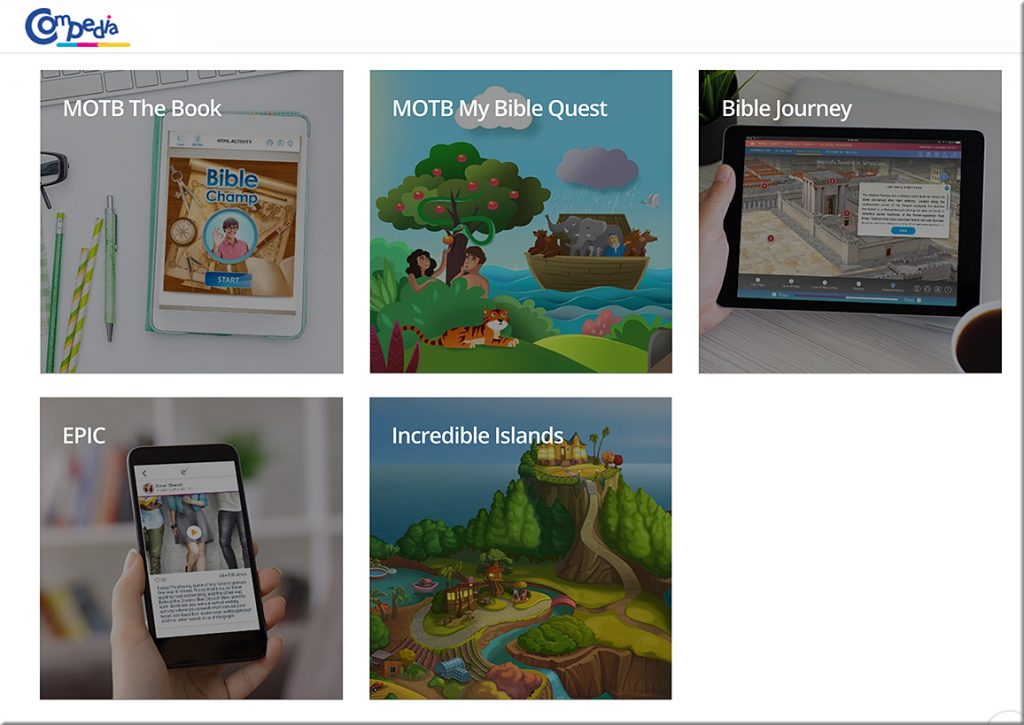
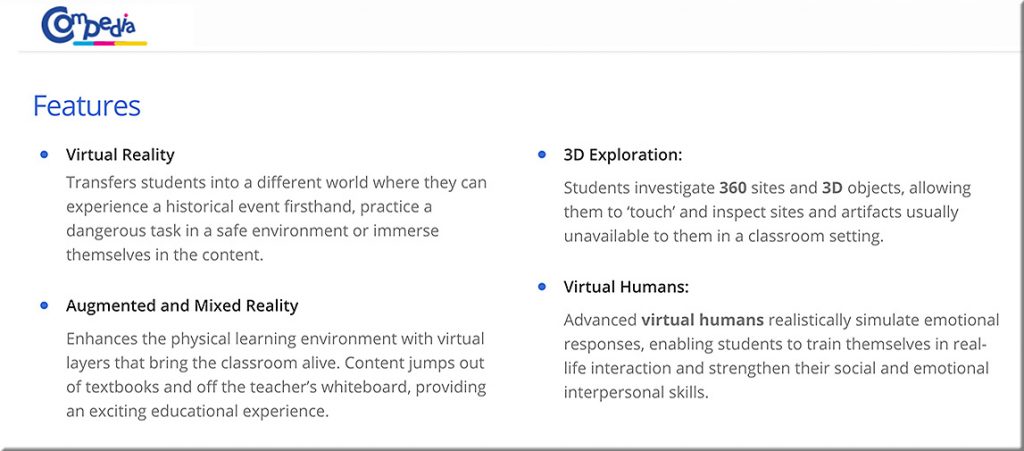
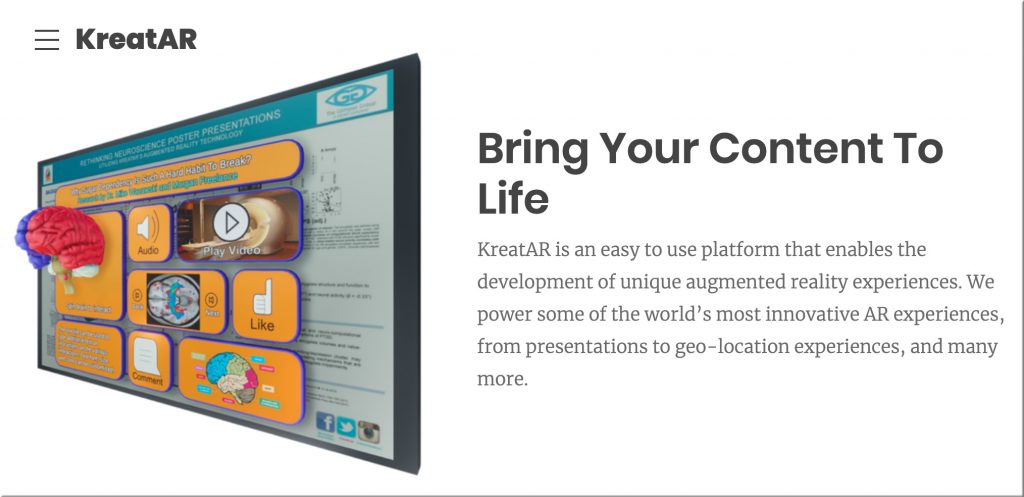
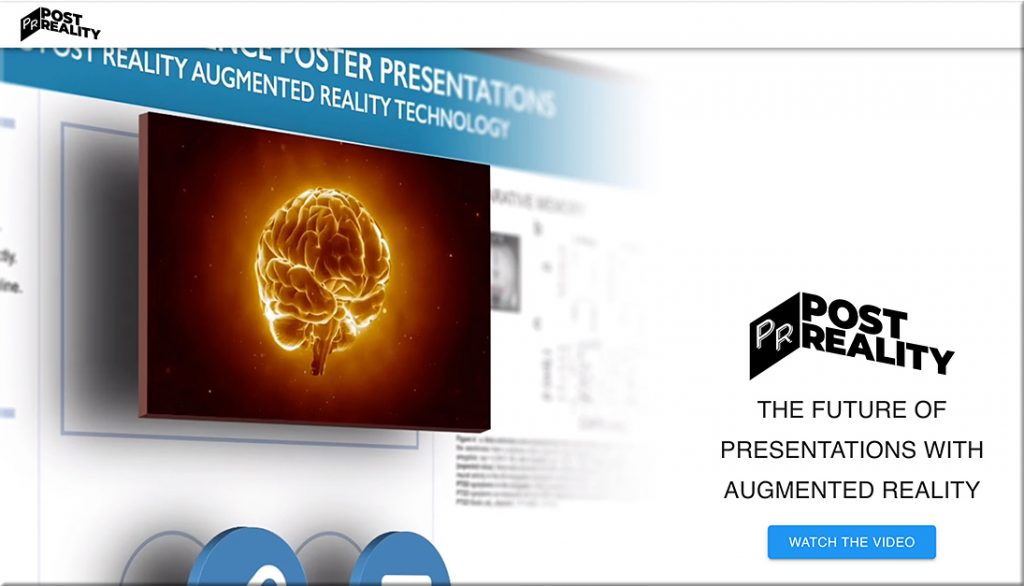
KreatAR, a subsidiary of The Glimpse Group, is helping change the way students and teachers are using augmented reality technology with PostReality, to help make learning more interactive with poster boards.

See:


Also see:


Salesforce completes $15.7B acquisition of Tableau Software, creating new enterprise tech force — from geekwire.com by Nat Levy; with thanks to Keesa Johnson for this resource out on LinkedIn

Excerpt:

Salesforce has wrapped up its $15.7 billion acquisition of Seattle’s Tableau Software, creating a powerful force in the lucrative enterprise software world.

The deal shakes up the Seattle tech scene and instantly makes Salesforce a major player for talent in the region. Making Seattle, and its plentiful tech talent, a key strategic part of Salesforce has long been a company goal, Salesforce Co-CEO Marc Benioff has said. The company even referred to Seattle as its new “HQ2.”


Dallas County Community College District Students Receive “GreenLight”? Toward Ownership, Lifelong Access of Academic Records — from linkedin.com by Timothy Marshall; with thanks to Mike Mathews for this resource out on LinkedIn

Excerpt:

(DALLAS) — Gone are the days of a lengthy and sometimes costly process to request educational records for job or college applications. Through its investments in groundbreaking technology, DCCCD is allowing students unprecedented access to their educational transcripts. This places students in the unique position to maintain lifelong digital ownership of their complete academic credentials, with the flexibility to use those records to propel them toward academic and career success.

DCCCD is pleased to announce a new partnership with Dallas-based GreenLight Credentials, a new secure digital locker. With GreenLight, DCCCD students will have wide-ranging access to their academic records anytime, anyplace, by simply clicking a button.


Why more law schools are prioritizing technology integration — from edtechmagazine.com by Eli Zimmerman
Universities are investing in video conferencing, artificial intelligence and more to ensure future lawyers remain competitive and prepared.

Excerpt:

Lawyers are beginning to show interest in incorporating technology into practice — the American Bar Association has even dedicated an entirely new section of their website to available, relevant technologies. As this interest grows, law schools are incorporating innovative solutions into their curriculums to prepare students for legal careers that will involve more technology than ever before.

The push for a more technology-oriented law school experience comes as professionals and educators become more aware of the inevitable merge of traditional practice with the tools of tomorrow.

“If we can help students understand that technology, and specifically AI, can create a much more streamlined, efficacious means of connecting lawyers to consumers of legal services, and reorient or recalibrate what it means to provide legal services by lawyers, then that’s an enormous benefit for us as legal educators in educating our students to the value and capacity of law to provide access to justice,” says Daniel Rodriguez, former dean of Northwestern University Pritzker School of Law in a Legal AI News article.


Also see:

  • Client-Driven Innovation: The Future of Legal Technology — from lawtechnologytoday.org by Vishal Rajpara
    Excerpt:
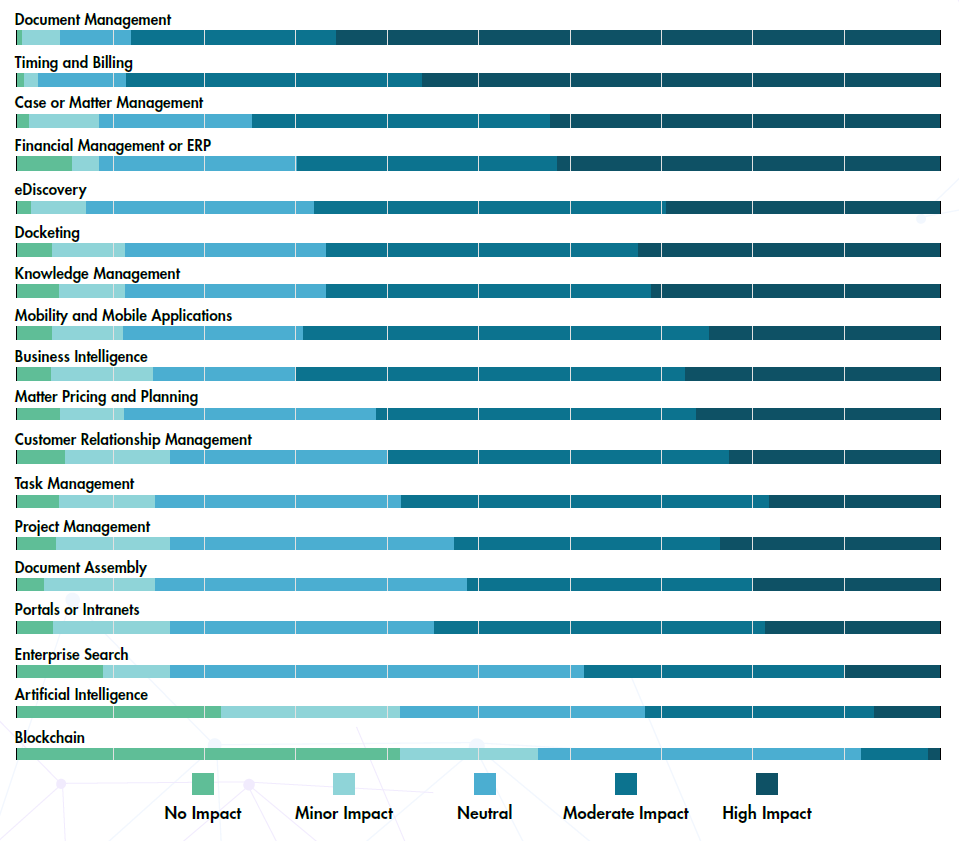
    After nearly 20 years of steady innovation-focused primarily on e-discovery, legal technology appears to be entering a new phase. While the legal profession as a whole is still somewhat skeptical of technology and wary of change—especially when compared to other industries—most lawyers now accept the premise that automation and process optimization are essential to managing law firms and legal departments more efficiently in a dynamic, hypercompetitive business environment that is increasingly data-driven.


Advanced technologies built into the platform.
Artificial intelligence technologies like machine learning, natural language processing, and data analytics must be included in legal technology platforms rather than dangled as extras for an additional cost. The utility and power of these technologies have the potential to transform the industry if organizations can apply them—at a reasonable, predictable, and sustainable cost—to workflows where they make the most sense. These capabilities are game-changers that can be applied to nearly every facet of legal operations and litigation, whether it’s ECA and TAR in discovery or billing and invoicing or long-term multi-matter management. AI and analytics help organizations leverage data to understand the details of their operations, monitor trends, refine processes, and predict budget and resource requirements.


Report: Smart-city IoT isn’t smart enough yet — from networkworld.com by Jon Gold
A report from Forrester Research details vulnerabilities affecting smart-city internet of things (IoT) infrastructure and offers some methods of mitigation.


What will happen when 28 billion devices are connected online? — from fastcompany.com
The Internet of Things is already well on its way. Here’s how it will impact our future.

Excerpt:

The Internet of Things (IoT) is the network that connects a staggering array of devices, from household appliances to factory machines. During a panel discussion at Cisco Live 2019 in June, two leading figures in IoT shared their thoughts on this rapidly evolving technology that has already transformed the world.


DC: Holy smokes!!! How might this be applied to education/learning/training in the 21st century!?!


“What if neither distance nor language mattered? What if technology could help you be anywhere you need to be and speak any language? Using AI technology and holographic experiences this is possible, and it is revolutionary.”


Also see:

Microsoft has a wild hologram that translates HoloLens keynotes into Japanese — from theverge.com by
Azure and HoloLens combine for a hint at the future

Excerpt:

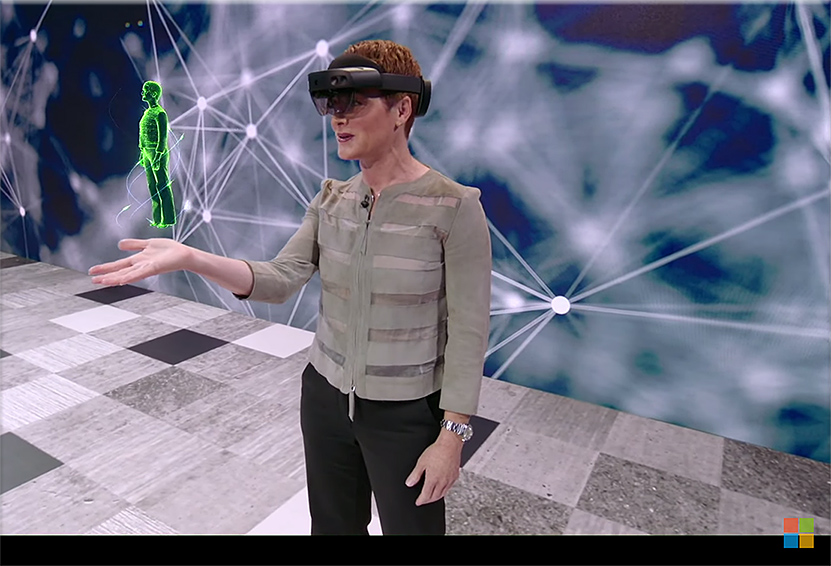
Microsoft has created a hologram that will transform someone into a digital speaker of another language. The software giant unveiled the technology during a keynote at the Microsoft Inspire partner conference [on 7/17/19] in Las Vegas. Microsoft recently scanned Julia White, a company executive for Azure, at a Mixed Reality capture studio to transform her into an exact hologram replica.

The digital version appeared onstage to translate the keynote into Japanese. Microsoft has used its Azure AI technologies and neural text-to-speech to make this possible. It works by taking recordings of White’s voice, in order to create a personalized voice signature, to make it sound like she’s speaking Japanese.


Governments take first, tentative steps at regulating AI — from heraldnet.com by James McCusker
Can we control artificial intelligence’s potential for disrupting markets? Time will tell.

Excerpt:

State legislatures in New York and New Jersey have proposed legislation that represents the first, tentative steps at regulation. While the two proposed laws are different, they both have elements of information gathering about the risks to such things as privacy, security and economic fairness.


The coming deepfakes threat to businesses — from axios.com by Kaveh Waddell and Jennifer Kingson

Excerpt:

In the first signs of a mounting threat, criminals are starting to use deepfakes — starting with AI-generated audio — to impersonate CEOs and steal millions from companies, which are largely unprepared to combat them.

Why it matters: Nightmare scenarios abound. As deepfakes grow more sophisticated, a convincing forgery could send a company’s stock plummeting (or soaring), to extract money or to ruin its reputation in a viral instant.

  • Imagine a convincing fake video or audio clip of Elon Musk, say, disclosing a massive defect the day before a big Tesla launch — the company’s share price would crumple.

What’s happening: For all the talk about fake videos, it’s deepfake audio that has emerged as the first real threat to the private sector.


From DSC…along these same lines see:


Pearson moves away from print textbooks — from campustechnology.com by Rhea Kelly

Excerpt:

All of Pearson’s 1,500 higher education textbooks in the U.S. will now be “digital first.” The company announced its big shift away from print today, calling the new approach a “product as a service model and a generational business shift to be much more like apps, professional software or the gaming industry.”

The digital format will allow Pearson to update textbooks on an ongoing basis, taking into account new developments in the field of study, new technologies, data analytics and efficacy research, the company said in a news announcement. The switch to digital will also lower the cost for students: The average e-book price will be $40, or $79 for a “full suite of digital learning tools.”


Why law faculty need to learn about legal tech and what they need to know — from aals.org by Catherine Sanders Reach and Michael Robak — with special thanks to Kim O’Leary, Tenured Professor at WMU-Cooley Law School for this resource

Excerpts:

Technology is playing an ever-increasing role in the profession of law and the delivery of legal services. Legal educators must give real consideration to the role of technology in the legal profession if legal educators are going to sufficiently prepare law students to practice law in the 21st century. In this webinar, the presenters will explain why law faculty need to learn about legal tech and what they need to know.

Click here to watch this webinar on-demand. You will be asked for your contact information before viewing.

Presentation Slides


Also see:

Tech Competence That Solo and Small Firm Lawyers Really Need: Resources Here

Excerpt:

DIGITAL ASSETS AND ESTATE PLANNING
Many estate planning lawyers are hopelessly behind on assisting clients in making provisions for digital assets. In so doing, they expose themselves to malpractice. Without proper provision for digital assets, beneficiaries can lose out on substantial sums of money that they cannot locate or access. Many lawyers I’ve spoken with have dismissed digital assets figuring that most older clients aren’t using the Internet. But that’s not necessarily the case. To the contrary, older clients may indeed be using the Internet but not be aware of the need to make provisions for disposing of assets. At some point, lawyers will be sued for failing to advise on digital assets- and deservedly so.


Also see:


Top 10 Digital Transformation Trends For 2020 –from forbes.com by Daniel Newman

Excerpt (emphasis DSC):

A faster WiFi for a faster world: Although WiFi 6 and 5G are completely different technologies, both will be bringing us much faster processing and wireless connection speeds in 2020. 5G and WiFi 6 working in concert will create the perfect end-to-end combination of ultra-fast connectivity for home and office. Expect download speeds up to 3x faster than were achievable with WiFi 5, but that isn’t the best measure of the new standard’s value. The real value of WiFi 6 will be its ability to extend faster data speeds to far more devices than WiFi 5 was able to manage.


Understanding and Overcoming Obstacles to Blockchain in Higher Education — from evolllution.com by Melissa Layne
Blockchain carries significant potential for good in higher education. But as with every other industry, the obstacles and challenges—from comprehension to compliance—pose significant roadblocks.

Higher Education and the Blockchain Ecosystem: An Overview — from evolllution.com by Melissa Layne
Implementing blockchain technologies could provide significant benefits to every department within a postsecondary institution.

Higher Education and the Blockchain Ecosystem: Using Blockchain in Admissions — from evolllution.com by Melissa Layne
With constant pressure on admissions departments to serve a diverse group of incoming learners with accuracy and speed, it’s essential to provide technological tools designed to improve and simplify the enrollment process.

 
© 2025 | Daniel Christian