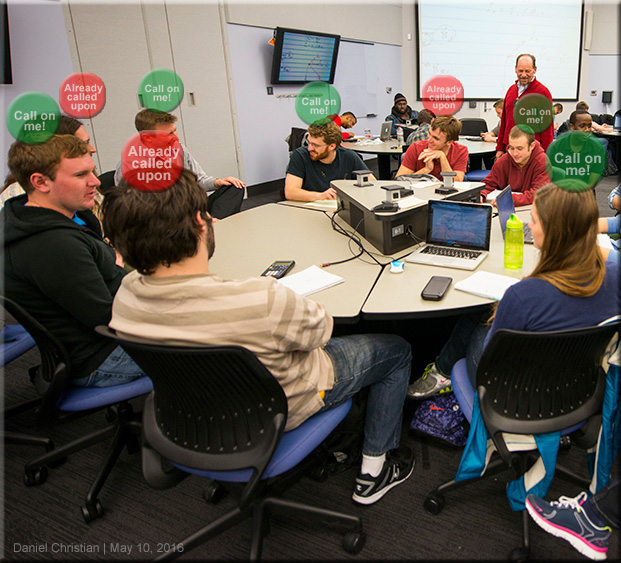
From DSC:
I created this image back in May of 2016.
From DSC:
I created this image back in May of 2016.
DC: Yup.
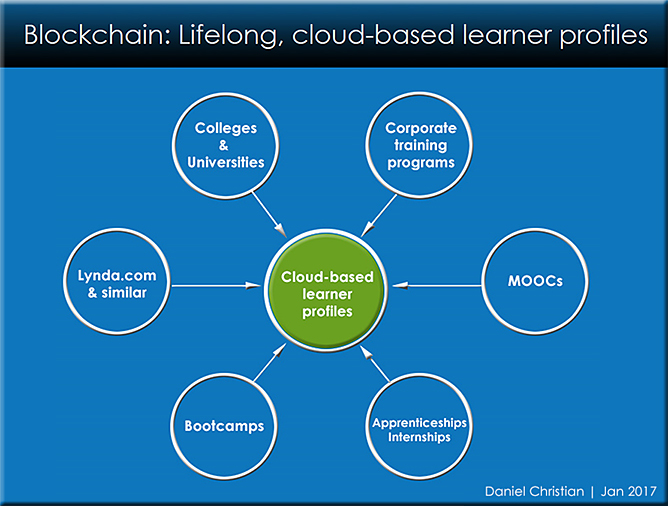
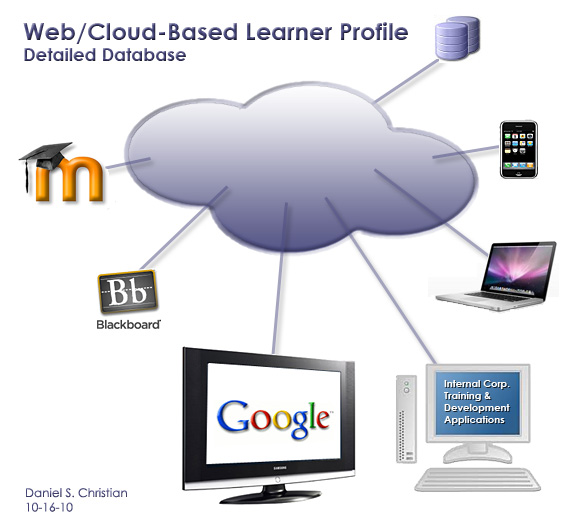
“Navigate the lifelong learner journey with Pocket.
A portable, secure and verified digital wallet for learning, work and life.”https://t.co/ncqa6e6aF4#digitalcredentials #lifelonglearning #credentials #skills #learningfromthelivingclassroom— Daniel Christian (he/him/his) (@dchristian5) January 10, 2022
Resource via @ernperez
at this article/page.
From DSC:
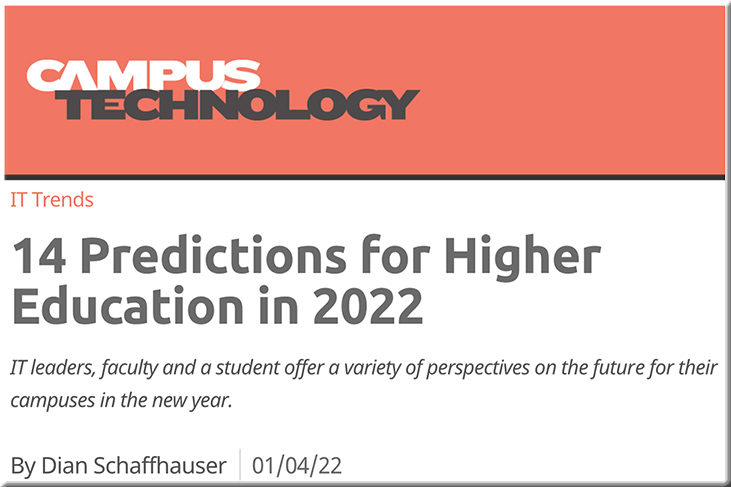
14 Predictions for Higher Education in 2022 — from campustechnology.com by Dian Schaffhauser
Excerpt:
Ask people working in higher education what they expect will happen in the new year, and the outlook is filled with visions that build on what we’ve been experiencing on college and university campuses for the last two years: a major focus on learning formats; continued exploitation of new technology; and the use of new digital models that move users “beyond Zoom.” Here we present the collective predictions of 14 IT leaders, instructional folks and a student about what they anticipate seeing in 2022. As one put it, “Let’s go, 2022! We have work to do!”
From DSC:
I’d like to thank Dian Schaffhauser, Rhea Kelly, and Mary Grush for letting me contribute some thoughts to the various conversations that Campus Technology Magazine hosts and/or initiates. I inserted some reflections into the above article and I hope that you’ll take a moment to read my and others’ thoughts out there.
3D4Medical: Project Esper — from vimeo.com by 3D4Medical
3D4Medical: Project Esper from 3D4Medical on Vimeo.
Why Samsung built an NFT aggregator into its new TVs — from digitaltrends.com by Phil Nickinson
Excerpt:
Or, perhaps, it’s the idea of an “NFT aggregation platform” being built into the television. It sounds insane — baking something that most people don’t understand, let alone engage in — into a TV. Most of us can’t even describe what a non-fungible token is, let alone tell someone how to go get one. It’s a multi-layered process that’s far more difficult than taking a screenshot of something you saw on Instagram and then sticking it up on your TV.
But that’s also not the point.
…
“In 2022, Samsung is introducing the world’s first TV screen-based NFT explorer and marketplace aggregator,” reads the press release, “a groundbreaking platform that lets you browse, purchase, and display your favorite art — all in one place.”
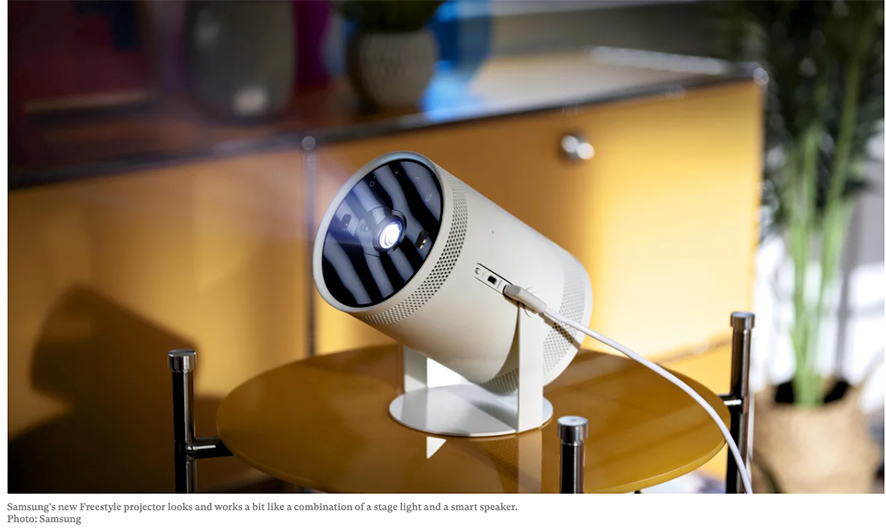
Samsung just made the TV disappear — from protocol.com by Janko Roettgers
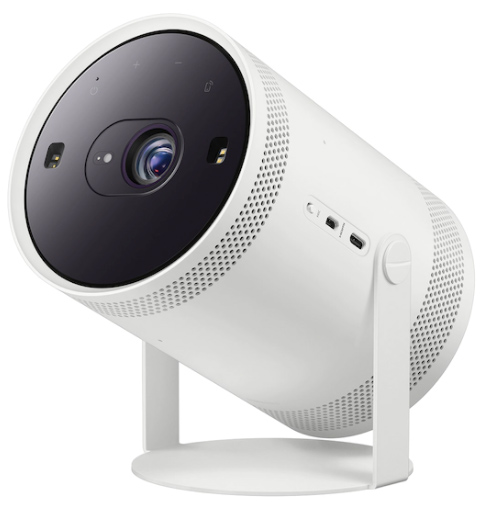
Samsung’s Freestyle projector is a smart TV. And not a TV at all. And a smart speaker. And … a lamp?
Excerpt:
Samsung’s TV R&D team seemingly never runs out of ideas: After giving the world a TV the size of a wall, a TV that looked like a giant phone and a TV that doubles as art, at this year’s CES, the company debuted a TV that’s capable of turning anything and everything into a screen.
The new Samsung Freestyle is a portable projector capable of projecting video from 30 inches to 100 inches. It offers access to the very same UI and apps as any of the company’s other 2022 smart TVs, but that’s pretty much where the similarities to a traditional TV end.
This is a Screen — And It Could be the Biggest Product Launch at CES 2022 — from interestingengineering.com by Grant Currin
Samsung is letting users re-imagine what their spaces can be.
Excerpt:
The new hyperflexible, hyperportable, hypercustomizable, hyperpersonalizable projector is all about what it can be for the individual user. Unconstrained by cables or presets, the Freestyle is marketed as an anything-you-want-it-to-be machine. Samsung says it will ship in the next few months.
Samsung Electronics Launches The Freestyle, a Portable Screen for Entertainment Wherever You Are — from news.samsung.com
Discover the Winners of the Natural Landscape Photography Awards — from fubiz.net

Panthera pardus kotiya — from 500px.com by Petr Kolb

In our hands – Directors: Dorian&Daniel from Dorian & Daniel on Vimeo.
Lauterbrunnen — from 500px.com by Michael Chlebek

Surveying the animation boom and its effects on the creative industry — from itsnicethat.com by Dalia Dawood and Alex Moy
“We’re seeing animation go into spaces that it’s not been in before” – leading studios shed light on a transforming industry and what it means for our screens.
Excerpt:
While kids’ animation remains popular – India-based children’s studio Toonz saw increased demand not only for feature films but “edutainment”, especially “social and emotional learning, an area kids missed out on when schools were shut,” says CEO P. Jayakumar – adult long-form animation has flourished. Such shows have evolved beyond slapstick humour to meet contemporary audiences’ interests, exploring serious issues such as mental health.
skihopp Gopro — youtube.com
The use of Gimbals to get stabilized images when recording digital video.
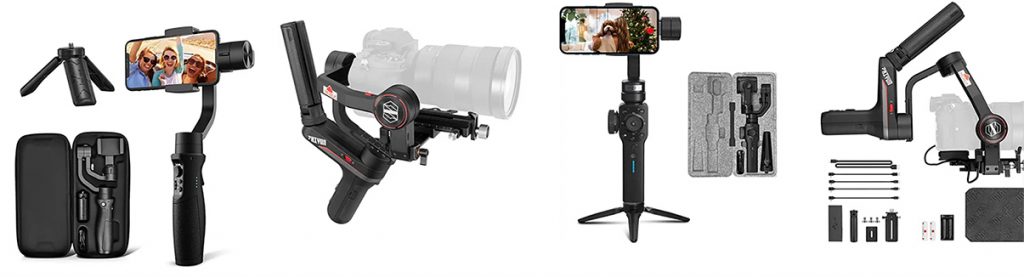
Here is an excerpt from Wikipedia:
Photography and imaging
Gimbals are also used to mount everything from small camera lenses to large photographic telescopes.
In portable photography equipment, single-axis gimbal heads are used in order to allow a balanced movement for camera and lenses. This proves useful in wildlife photography as well as in any other case where very long and heavy telephoto lenses are adopted: a gimbal head rotates a lens around its center of gravity, thus allowing for easy and smooth manipulation while tracking moving subjects.
Very large gimbal mounts in the form 2 or 3 axis altitude-altitude mounts are used in satellite photography for tracking purposes.
Gyrostabilized gimbals which house multiple sensors are also used for airborne surveillance applications including airborne law enforcement, pipe and power line inspection, mapping, and ISR (intelligence, surveillance, and reconnaissance). Sensors include thermal imaging, daylight, low light cameras as well as laser range finder, and illuminators.
Gimbal systems are also used in scientific optics equipment. For example, they are used to rotate a material sample along an axis to study their angular dependence of optical properties.
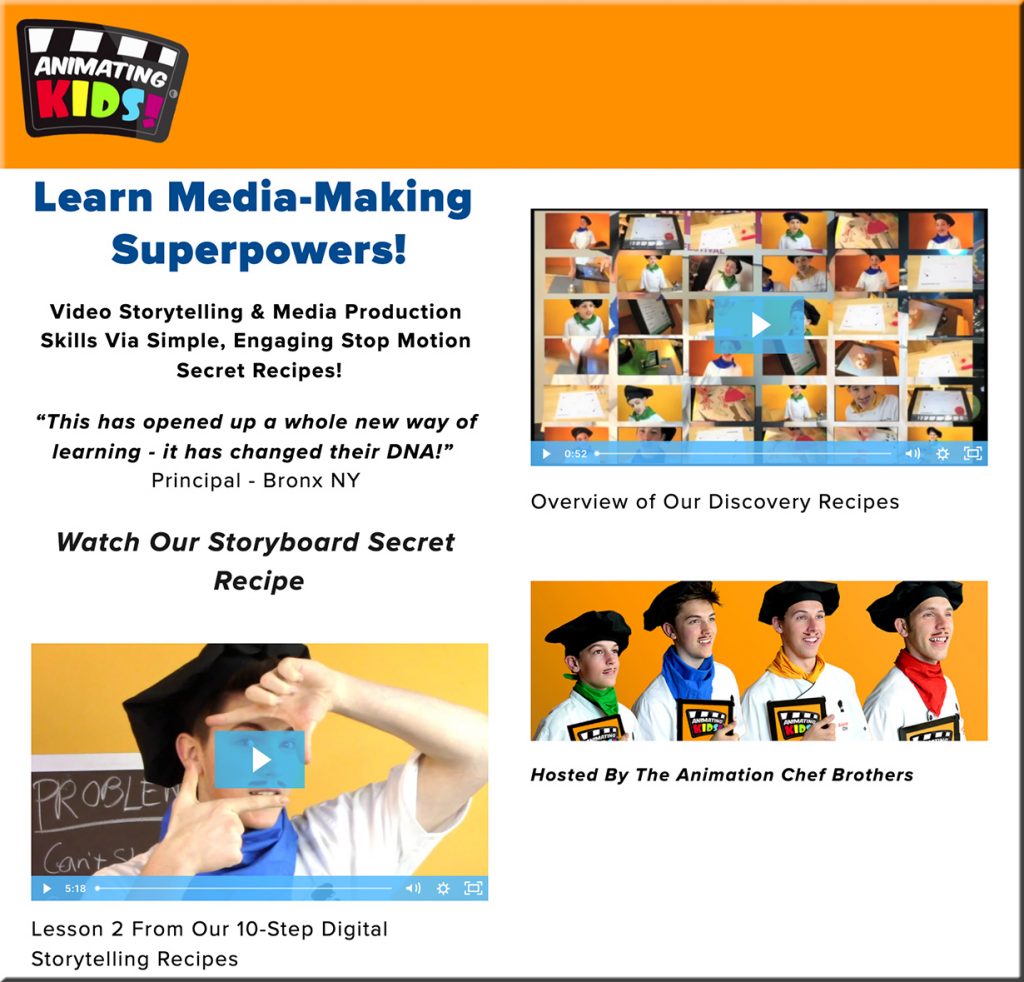
AnimatingKids.com — with thanks to Mrs. Julie Bender (an excellent art teacher within the K-12 space) for this resource
Free examples:
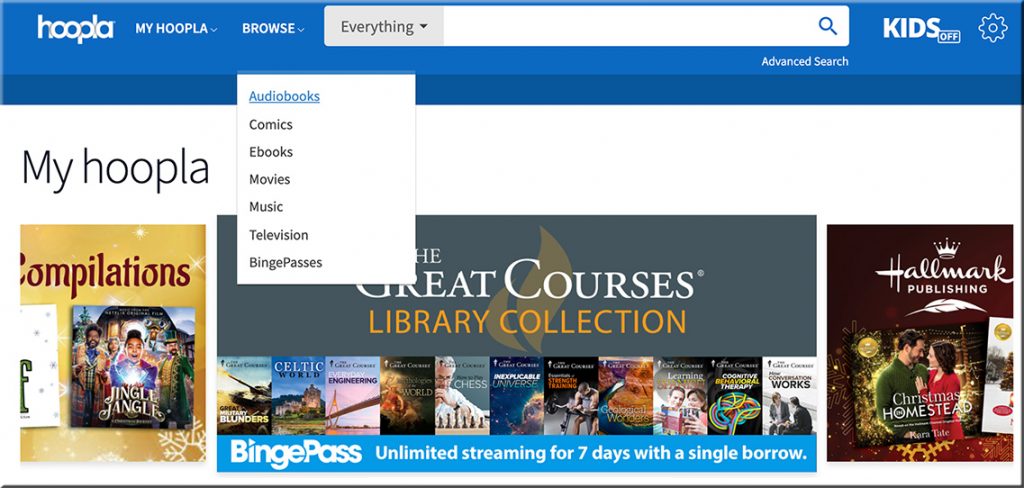
hoopla digital is a digital streaming service for library users to access eBooks, eAudiobooks, music, movies, and TV shows using portable devices like smartphones and tablets.
From DSC:
I downloaded this app yesterday and borrowed a classical Christmas album on the spot. Our local library gives us 10 items per month:
NOTE: hoopla is available on desktops, phones, tablets, Alexa devices, Rokus, Apple TVs, Fire TVs, and Android TVs.
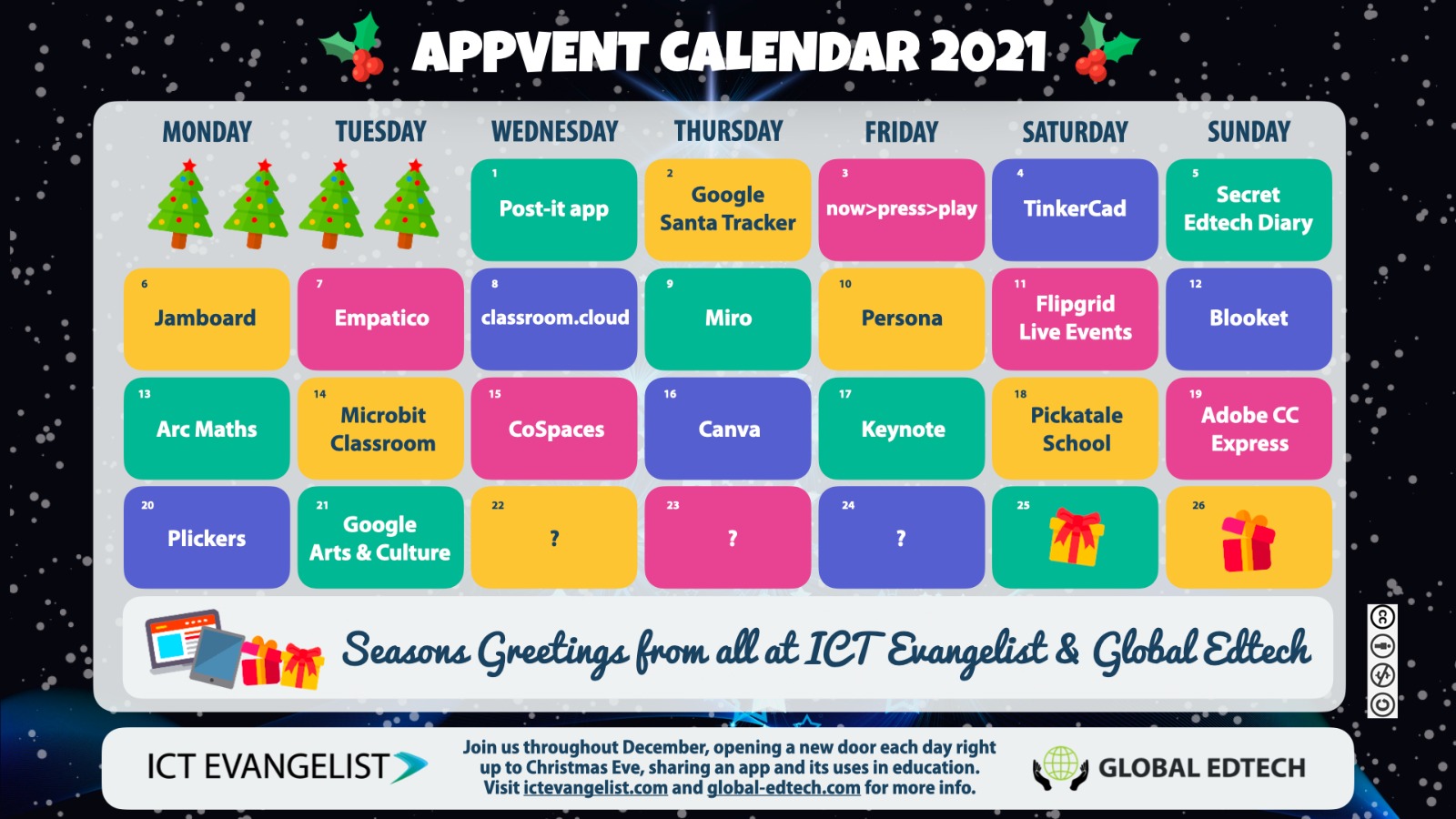
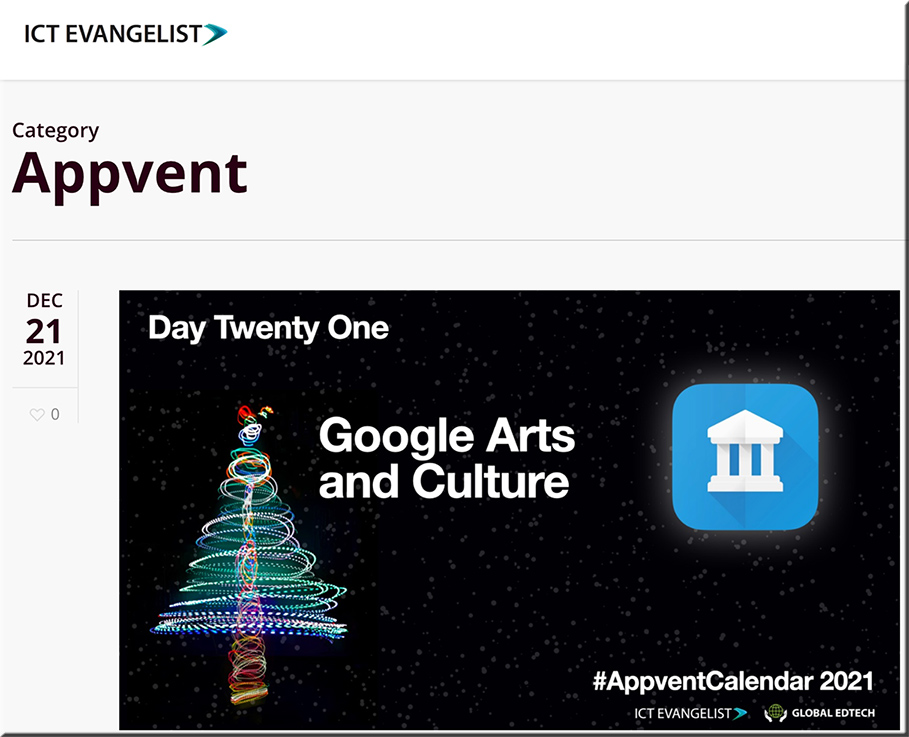
Excerpt from this posting:
Welcome to day 21 of the 2021 Appvent Calendar. It’s been so much fun sharing all of these amazing tools each day across the month so far. With Google featuring twice already on the calendar, it’s great to share again the awe and wonder of human history in the arts and within our cultures with the sharing of this amazing free app. Thanks to Gustavo Calderón De Anda for suggesting it!
Also see:
How Augmented Books should be? #JingleJangle pic.twitter.com/OfzECdbsuY
— Ori Inbar (@comogard) December 14, 2021