Methods and tools to develop future-ready skills — from blog.neolms.com by Rachelle Dene Poth

Excerpt:

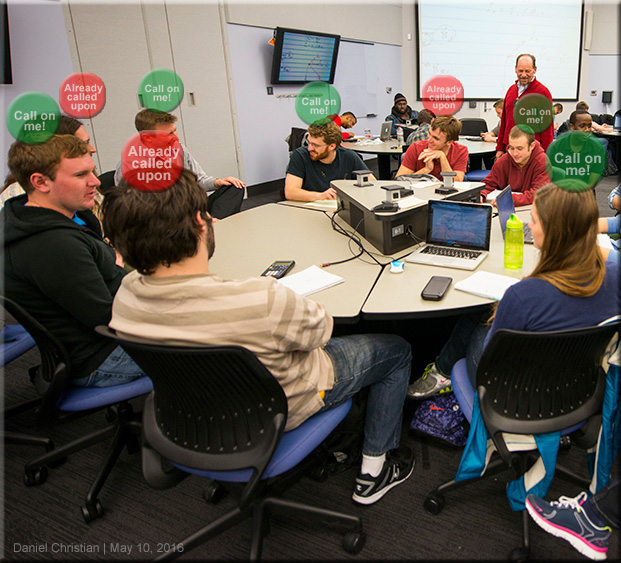
Because of the changes that we experienced in the past year, I believe that it is important to have various options, whether teaching in-person, hybrid, or virtually. Choosing methods like Genius hour or project-based learning, activities such as scavenger hunts or learning stations, or selecting digital tools that promote more interaction with and between students will help foster the development of essential future-ready and SEL skills.

There are many methods and tools to explore, but it’s important to focus on the why behind the choices we make for our students. The use of digital tools promotes collaboration, communication, creativity and many more essential skills while also promoting the power of choice for students to share what they have learned.

More choice. More control.

Also see:

Escape rooms have become very popular as a place teams can go to work out how to get free from the room in which they are “trapped.” It’s like a real-world version of a computer game that makes you work together to solve puzzles to escape from somewhere.

Breakout EDU helps to bring that experience to educators so as to better engage students and help them learn while having fun.


14 Predictions for Higher Education in 2022 [Schaffhauser]

14 Predictions for Higher Education in 2022

14 Predictions for Higher Education in 2022 — from campustechnology.com by Dian Schaffhauser

Excerpt:

Ask people working in higher education what they expect will happen in the new year, and the outlook is filled with visions that build on what we’ve been experiencing on college and university campuses for the last two years: a major focus on learning formats; continued exploitation of new technology; and the use of new digital models that move users “beyond Zoom.” Here we present the collective predictions of 14 IT leaders, instructional folks and a student about what they anticipate seeing in 2022. As one put it, “Let’s go, 2022! We have work to do!”

From DSC:
I’d like to thank Dian Schaffhauser, Rhea Kelly, and Mary Grush for letting me contribute some thoughts to the various conversations that Campus Technology Magazine hosts and/or initiates. I inserted some reflections into the above article and I hope that you’ll take a moment to read my and others’ thoughts out there.


6 Elements of Thriving Learners — from gettingsmart.com by Randy Fielding

Key points:

  • Schools aren’t to blame for last year’s Insurrection, but they can be part of the long-term solution.
  • After nearly two decades of designing creative schools around the world, Fielding International has defined six elements for thriving learners.
  • Each thriving element is mapped to a series of design patterns at SchoolPatterns.com to help schools shape environments where learners thrive.


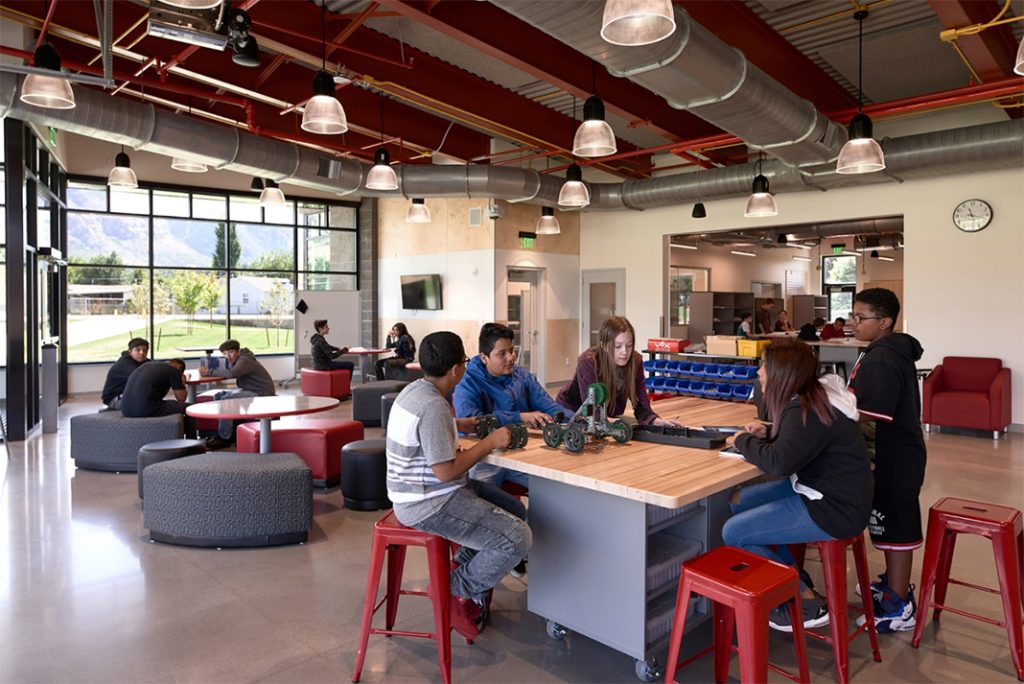
Mound Fort Innovation Center, an environment where curiosity & mastery are nurtured


5 Ways Teachers Can Help Students in Their Online Learning Journey — from edtechreview.in

Excerpt:

With the growing prominence of online education and its integration into the daily lives of students, teachers can play an active role in helping students in their online learning journey. Here’s how:


Why the Science of Teaching Is Often Ignored — from chronicle.com by Beth McMurtrie
There’s a whole literature on what works. But it’s not making its way into the classroom.

Excerpts:

Yet, teaching reformers argue, the dangers of ignoring the expanding body of knowledge about teaching and learning are ever more apparent. Traditional teaching may have sufficed when college campuses were more ivory tower than lifeboat, educating future generations of scholars and other elites rather than trying to lift up a diverse group of students and prepare them for an increasingly complex world.

Studies have also shown that faculty members are more likely to try evidence-based teaching practices if they feel they have supportive colleagues and departments. Faculty learning communities can be particularly helpful, teaching experts say, because instructors meet regularly over a series of months to tackle complex challenges, often by exploring the research and experimenting with small changes to their teaching.

Reforming teaching evaluations so that they reflect the hard work of reading and reflecting on teaching scholarship is also a critical lever for change.


Reflecting and Planning With Four Lists — from byrdseed.com by Ian Byrd

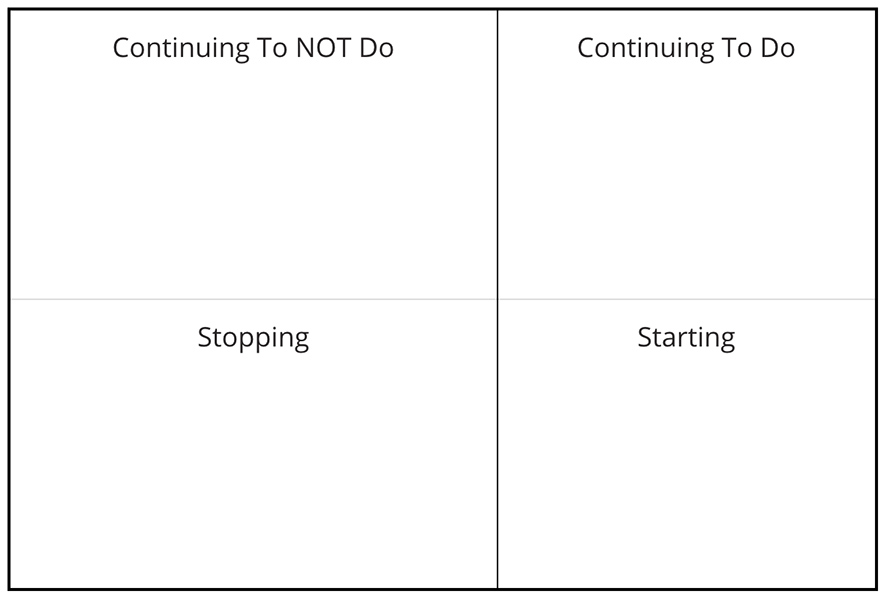
Reflecting and Planning With Four Lists - continuing to NOT do, continuing to do, stopping, and starting

(Parenthetically, be sure to see
Ian’s list of items he put into Byrdseed TV in the year 2021.)


A Case for ‘Radical Simplification’ in Higher Education — from edsurge.com by Robert Talbert
This article is part of the guide Survival Mode: Educators Reflect on a Tough 2021 and Brace for the Future.

Excerpt:

The practice is a common retrospective technique known as Start/Stop/Continue, and it poses three questions:

• What are we not doing, that we should start doing?

• What are we doing, that we should stop doing?

• What are we doing, that we should keep doing?

Sitting in my home office running through this mental exercise, here’s what I came up with…


28 Website Accessibility Terms to Know in 2022 — from blog.hubspot.com by Jamie Juviler

Excerpt:

No matter the type of website you run or the industry that you’re in, prioritizing web accessibility is key to your success.
…
To ensure your website meets today’s standards for web accessibility, you’ll first need to understand the terminology. Accessibility is a big, dense area with a lot of jargon, acronyms, and codes — enough to steer a new website owner away from the topic altogether.

That’s why we’ve put together this glossary of 28 essential web accessibility terms any website owners should be aware of. By knowing the language, you’ll find it much easier to adopt accessibility principles on your own site and better serve visitors with disabilities.

Addendum on 12/31/21:

Accessibility awareness is on the rise, but is it turning into action? — from techcrunch.com by Joe Devon

Excerpts:

A Harris Poll reveals that more than half of American adults increased their online activities because of the pandemic. That number grows to 60% for people with disabilities.

The increase in online activities does not mean that everyone is able to achieve their goals. So, what kind of impact is the crisis having on accessibility? Are organizations finally getting the message on the importance of accessibility?
…

With that, here are the key results from the Alexa top 100 website testing:

    • Out of the websites tested, 62% were accessible to screen readers, up from 40% in 2020.
    • Every single page passed for having the valid document “lang” attribute.
    • Only 11% of websites tested had errors in input field labels.
    • The most common error was the use of ARIA (Accessible Rich Internet Applications specification)
    • The second most common error was color contrast.

From DSC:
That last article linked to:


How to Listen to Podcasts in the Classroom — from 2peasandadog.com

Excerpts:

Podcasts can be used in the classroom for a variety of purposes. They are great for practicing listening skills, listening to stories, building a classroom community, and reinforcing academic content, among many others.
…
Teachers can access podcasts via websites, Apple apps, and Android apps.

Also from 2peasandadog.com, see:


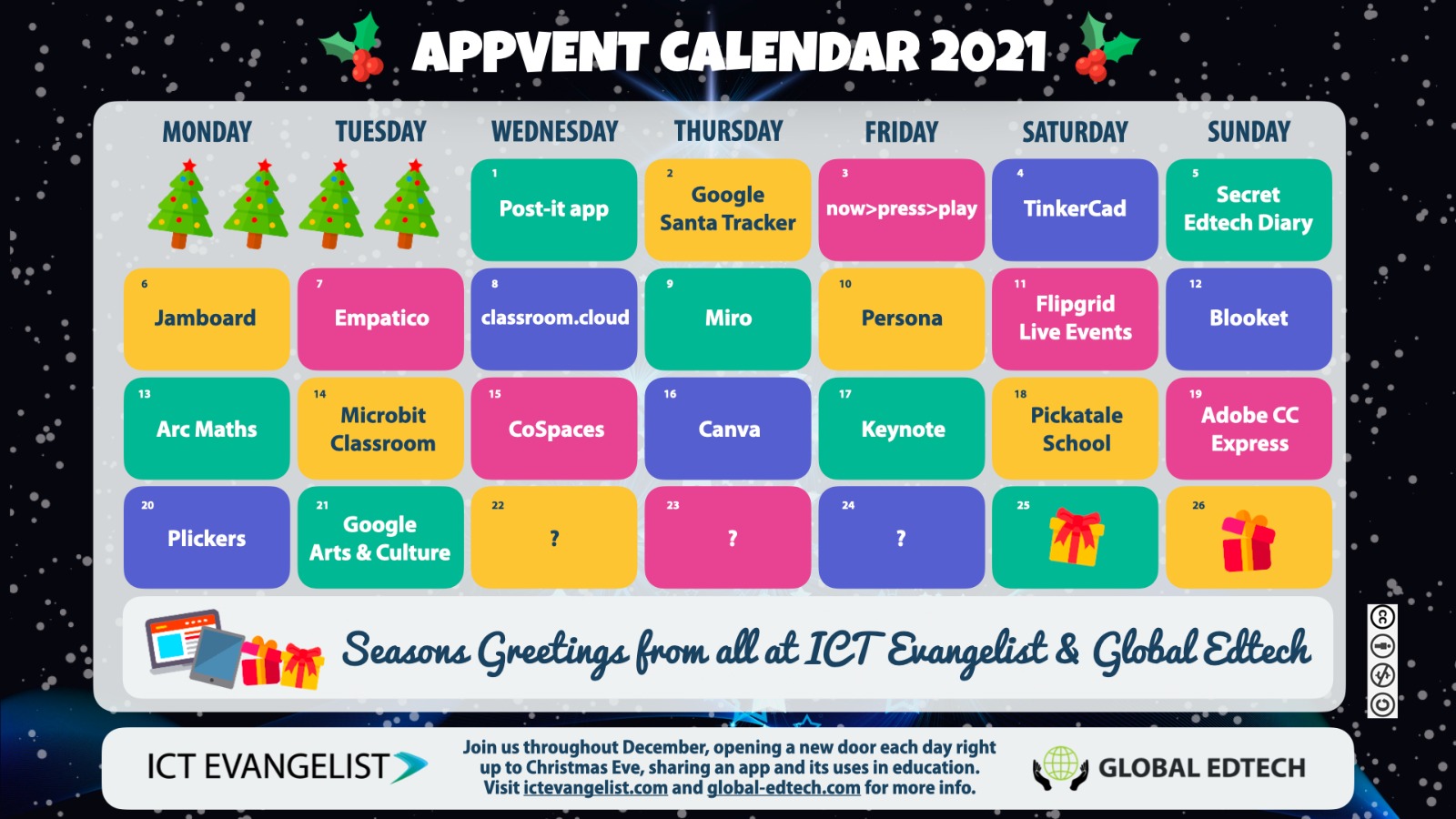
See the Appvent calendar from ICT Evangelist

Excerpt from this posting:

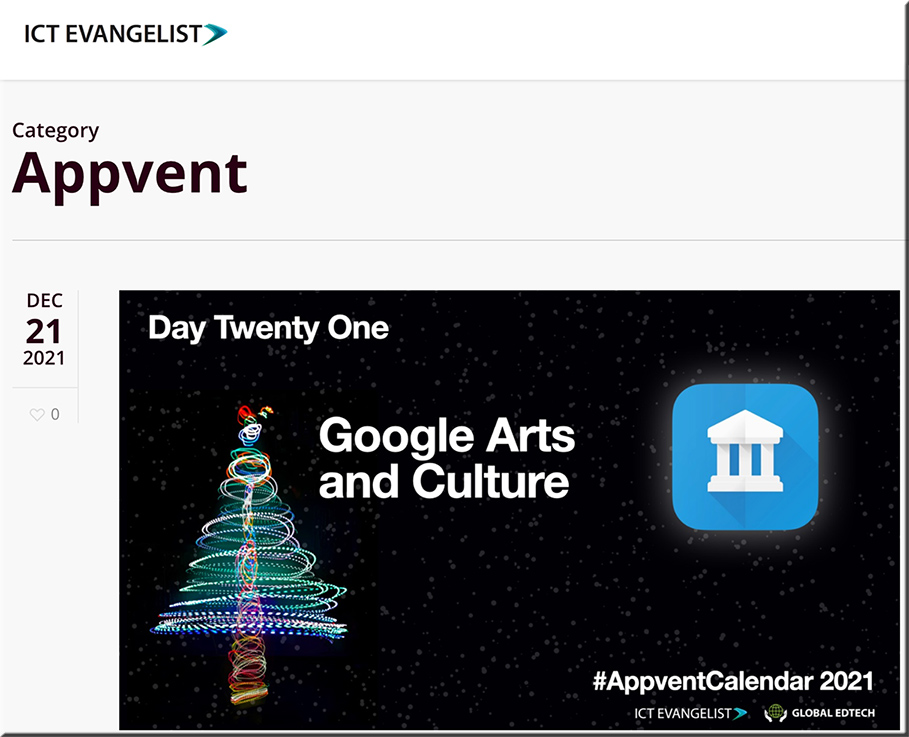
Welcome to day 21 of the 2021 Appvent Calendar. It’s been so much fun sharing all of these amazing tools each day across the month so far. With Google featuring twice already on the calendar, it’s great to share again the awe and wonder of human history in the arts and within our cultures with the sharing of this amazing free app. Thanks to Gustavo Calderón De Anda for suggesting it!

Also see:

  • 14 measurement apps for teaching math & science — from teachthought and Glenda Stewart-Smith
    Glenda Stewart-Smith of Surrey School District #36 in Canada, along with TeachThought staff, helped put together this collection of iPhone and iPad apps that offer all of these measuring abilities and more.
 
 
© 2025 | Daniel Christian