


Cosmic Wonders Abound in the ZWO Astronomy Photographer of the Year Contest — from thisiscolossal.com by Kate Mothes and various/incredible photographers

Cosmic Wonders Abound in the ZWO Astronomy Photographer of the Year Contest — from thisiscolossal.com by Kate Mothes and various/incredible photographers
In Rural Wisconsin, Pat Perry Connects the Various Forces That Shape Our World — from thisiscolossal.com by Pat Perry & Grace Ebert

To conceptualize the work, the collective helped to contact and secure permissions from the teachers pictured, and with the exception of the woman in the red floral garment at the bottom of the piece—she’s the artist’s mother and a retired educator—all work in the area. And why teachers? Perry explains:
Day after day, people find purpose. They wake up early, show up with intention, and try to make sense of things—not just for themselves, but also for others. Teachers do this every day. Not for recognition, and rarely for much pay. It’s a repetitive act of maintenance that holds things together. Choosing to shoulder that task, even while standing at the edge of something vast and indifferent, is a quiet act of defiance. Amidst overwhelmingness and uncontrollableness and unanswerableness, teachers—and all custodians of human affairs—keep meaning in the world by steadily and stubbornly tending to it.
While you’re out there, also see:
Song Dong’s Monumental Installations Mirror Memories, Globalization, and Impermanence — from thisiscolossal.com by Song Dong and Kate Mothes

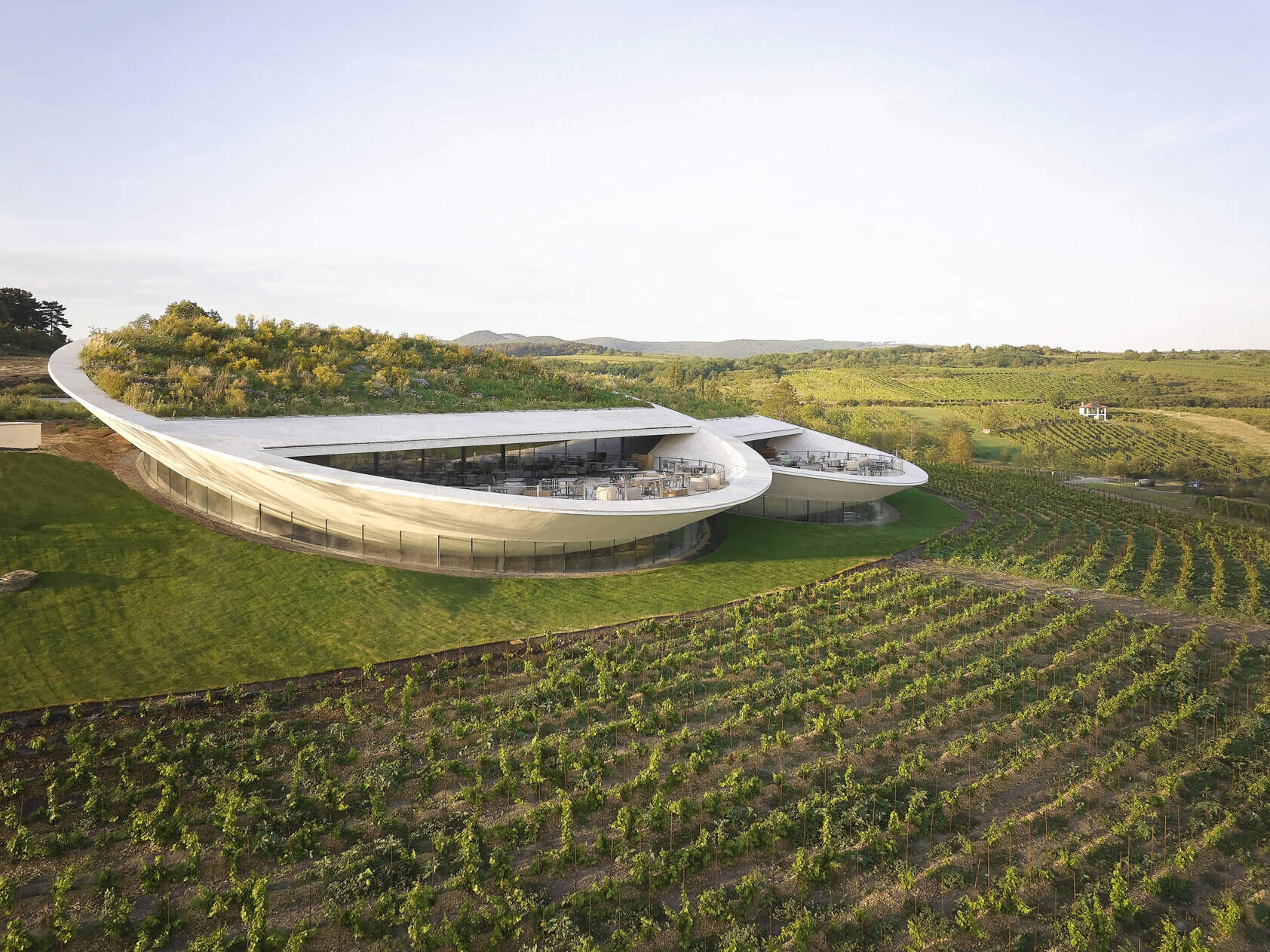
This Winery is a Stunning Blend of Architecture and Vineyards — from contemporist.com
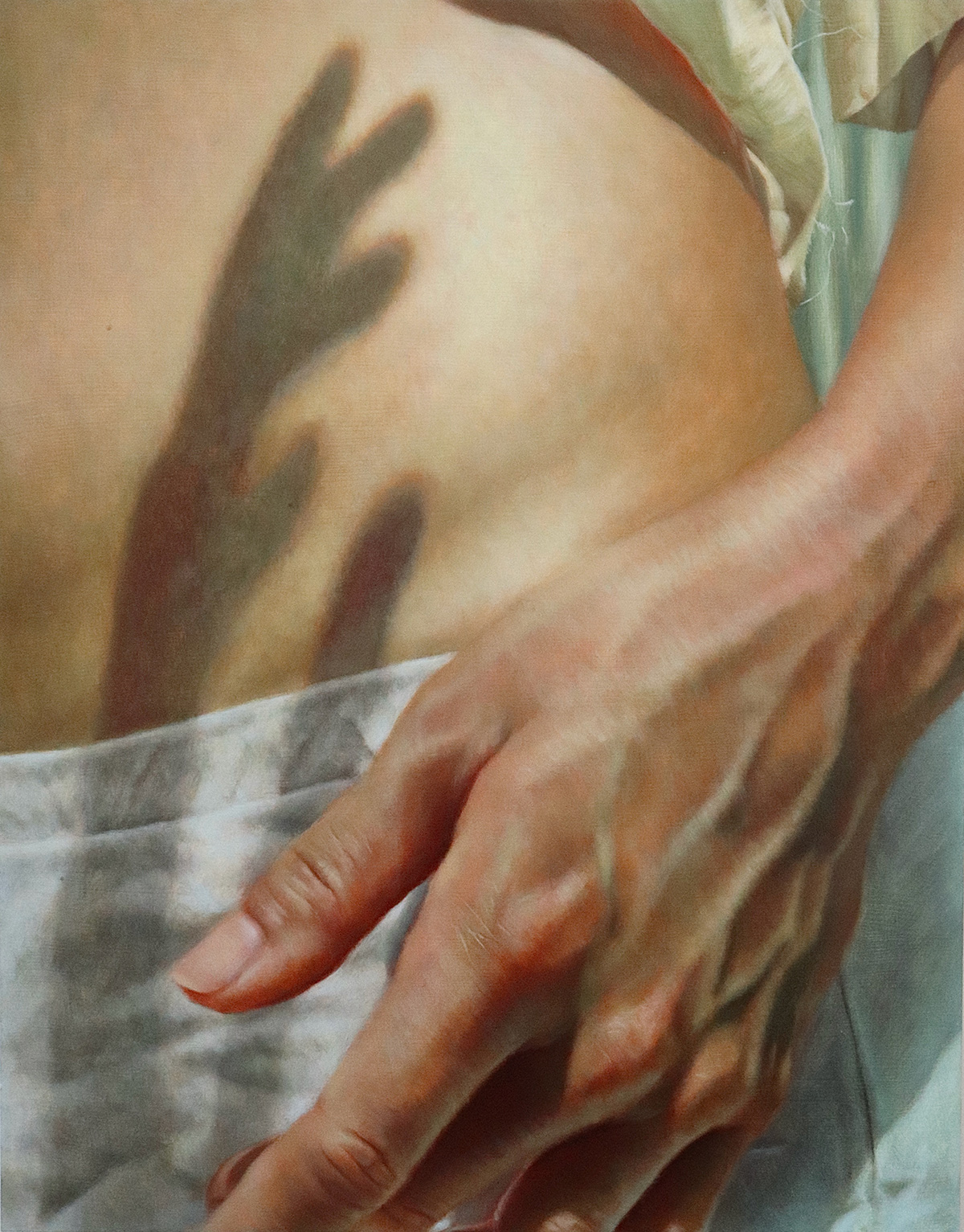
Artist Spotlight: Yuwei Tu — from booooooom.com
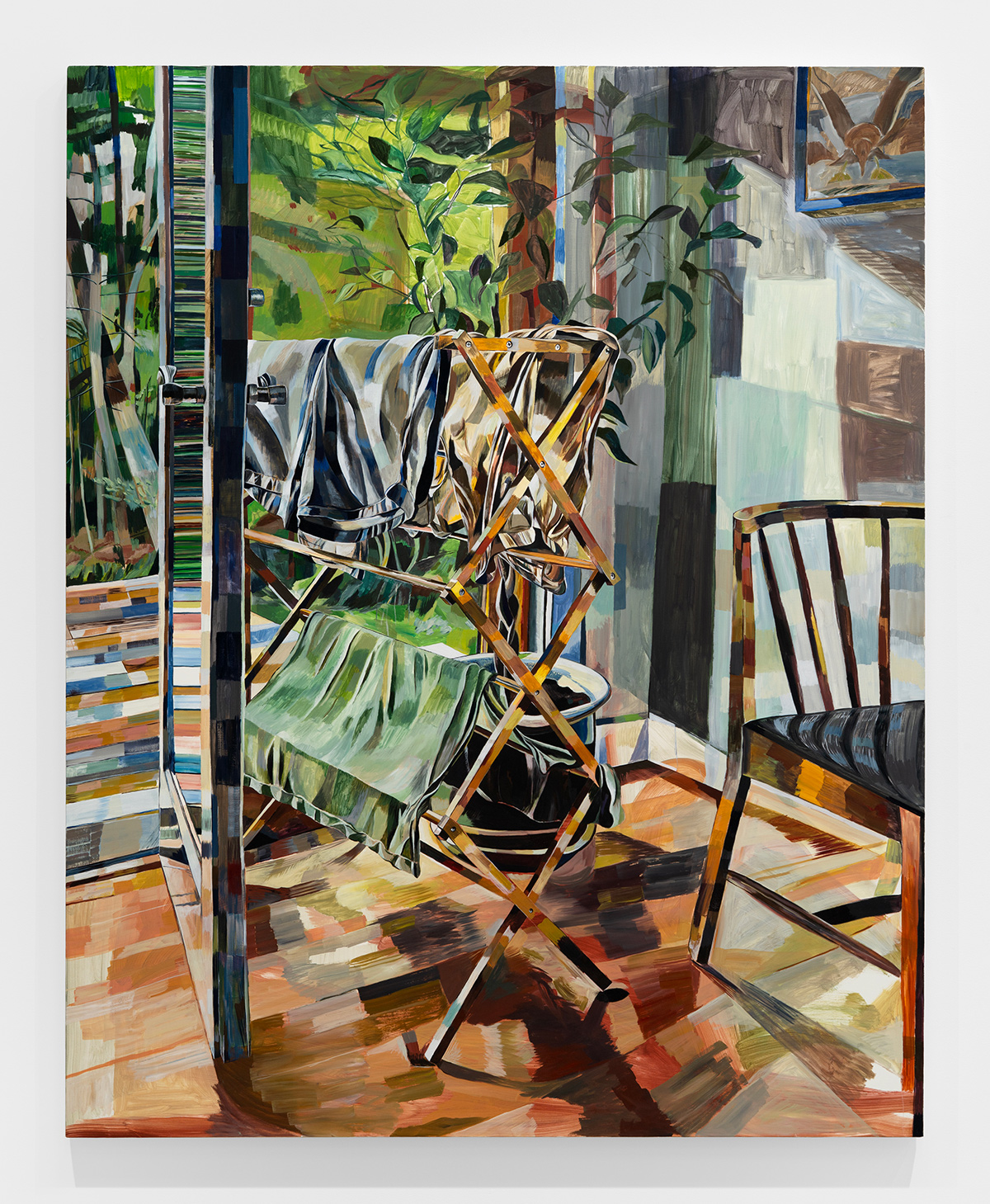
Artist Spotlight: Jay Stern — from booooooom.com
Whimsical and Wild, ‘Weird Buildings’ Celebrates Architects Who Think Outside the Box — from thisiscolossal.com by Kate Mothes

Experimenting with Color and Reflection, Kenny Harris Brews Beautiful Still Lifes — from thisiscolossal.com by Kenny Harris and Kate Mothes

Gabrielle Garland’s House Portraits Illuminate Daily Life, Individuality, and the ‘Fabric of Society’ — from thisiscolossal.com by Garbrielle Garland and Kate Mothes

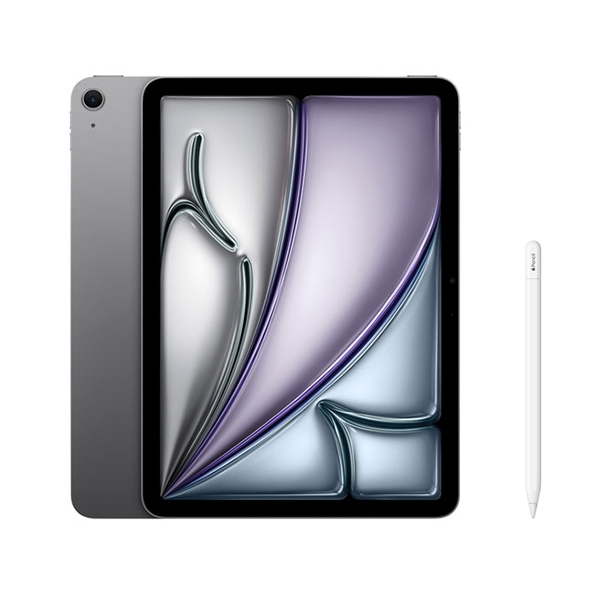
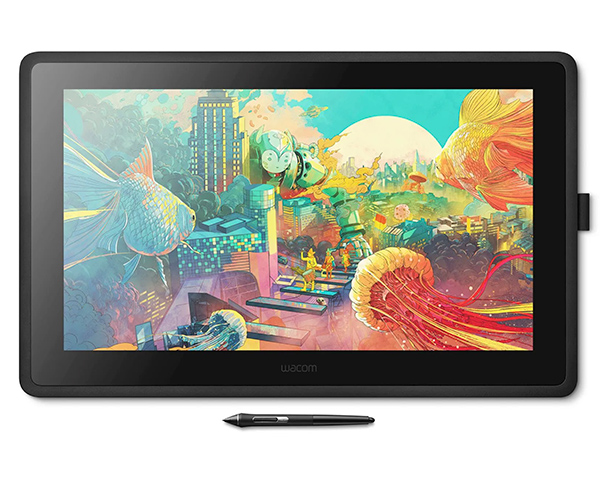
The No Bulls**t Guide To Drawing Tablets — from booooooom.com
SO WHICH DEVICE SHOULD YOU BUY?
If you’re anything like me, the answer is an iPad AND a drawing display. I heavily rely on both my desktop apps and Procreate, so limiting myself to only one device doesn’t cut it for my creative workflow.
However, it all comes down to personal preference and understanding which apps you rely on, whether portability is essential, how vital ergonomics are, and ultimately what you can afford. Once you answer those questions, everything falls into place.
What a beautiful visualization ? pic.twitter.com/A10vpOoBdr
— Love Music (@khnh80044) July 7, 2025
Get Up Close to Frank Lloyd Wright’s Unrealized Buildings with David Romero’s Digital Models — from thisiscolossal.com by Kate Mothes and David Romero
.

.
Hew Locke’s ‘Odyssey’ Flotilla Sails Through Global Colonial History and Current Affairs — from thisiscolossal.com by Hew Locke & Kate Mothes
.

.
A Rippling Townhouse Facade by Alex Chinneck Takes a Seat in a London Square — from thisiscolossal.com by Alex Chinneck and Kate Mothes

In ‘The Quilters,’ Men in a Missouri Prison Sew Gifts for Children — from thisiscolossal.com by Grace Ebert
In a room bigger than most at South Central Correctional Center in Licking, Missouri, a group of men has volunteered for a creative project that stretches beyond prison walls. For about 40 hours each week, they cut and stitch quilts for children in foster care or with disabilities, sewing vibrant, patterned patchworks and finding joy and camaraderie while doing so.
The heavens declare the glory of God.https://t.co/Zy5ZYkMiAL
— Daniel S. Christian (@dchristian5) May 20, 2025
Excerpt:
