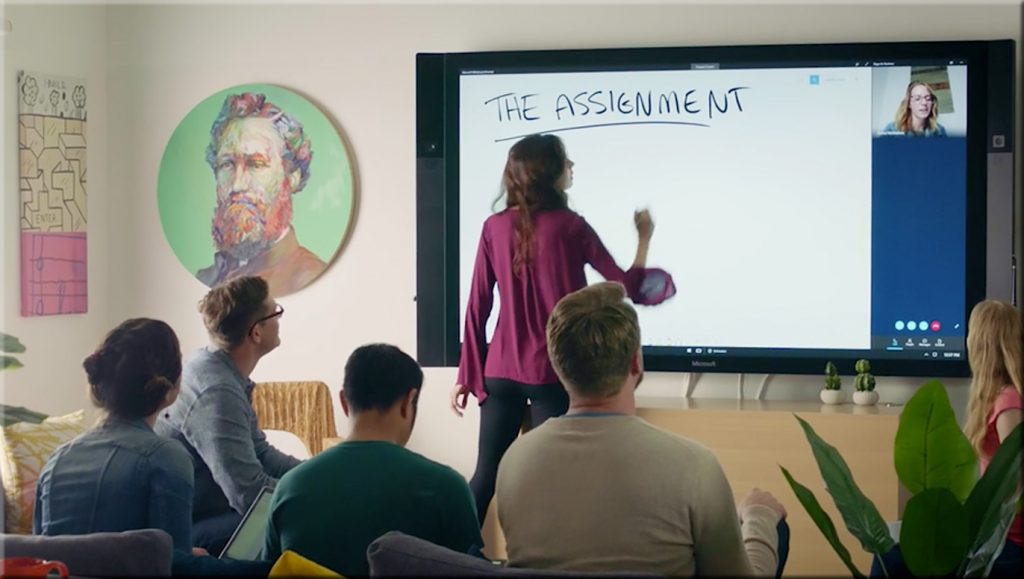
Now that we’re a few weeks into the semester, I wanted to know what was working and what was a continuing challenge for instructors, so I convened a conversation on teaching earlier this week attended by 18 of my faculty colleagues representing a range of disciplines. They were excited to be back in the classroom this fall. “There’s a different energy when we’re face-to-face,” one of them said. We had a lively discussion via Zoom about hybrid teaching, including what made it exciting and what made it frustrating, and I wanted to share a few highlights here on the blog.
I waited a minute or two while the participants thought and typed, and when it was clear that most of the participants were no longer typing, I said, “Ready, set, go!” Everyone hit enter, and a slew of responses appeared in the chat at the same time. At this point, we all spent a couple of minutes reading through the responses. I selected a couple that were particularly interesting and called on those participants to elaborate via video.
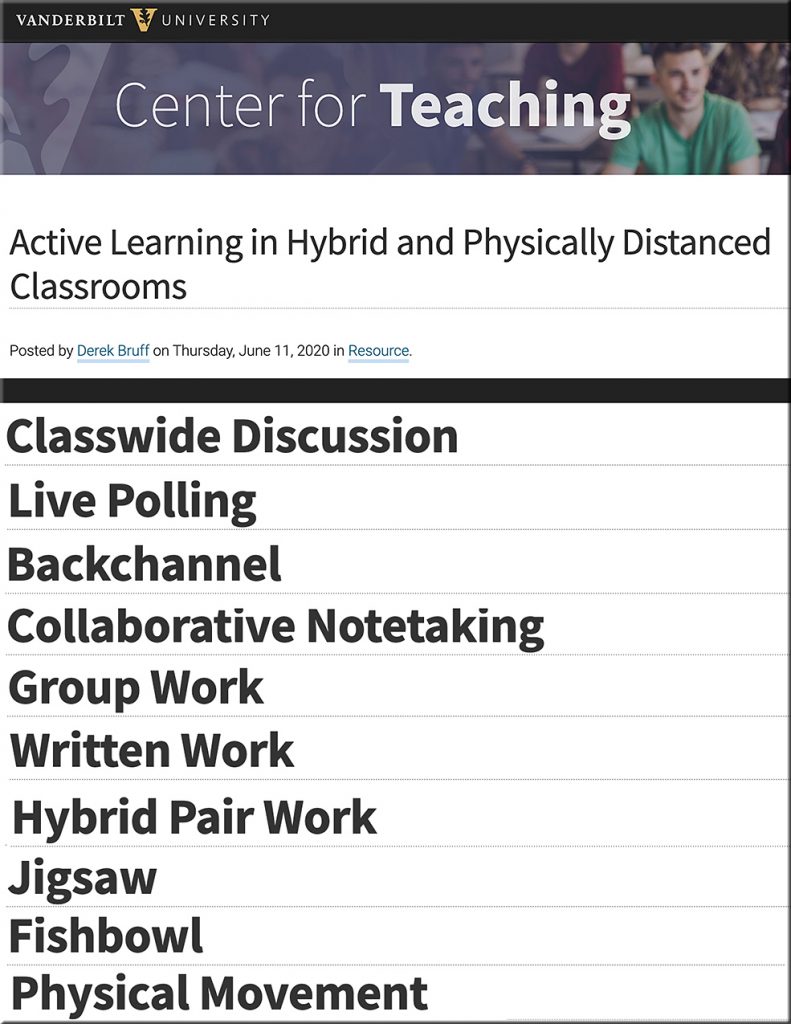
If I’m standing at the front of the classroom with half or a third of my students in the room with me, but sitting six feet apart from each other and wearing masks, while the rest of my students are joining class by videoconference, what strategies might I employ to engage all of my students in meaningful learning?
I’m going to try to outline some options here in this blog post, drawing on ideas and resources from across the higher education community, but I would enthusiastically welcome additional approaches in the comments below or via Hypothesis annotations.
Current and former Google employees are forming an online program aimed at preparing students for the workforce if they’re taking time off school due to the coronavirus pandemic.
It comes as many college students defer school as universities shift learning models to mostly online amid the Covid-19 pandemic.
Google execs past and present have volunteered to mentor college students on topics ranging from career trajectory to how to stand out in virtual Zoom interviews.
Along these lines, see:
Google has a plan to disrupt the college degree— from inc.com by Justin Bariso Google’s new certificate program takes only six months to complete, and will be a fraction of the cost of college. Excerpt:
Google recently made a huge announcement that could change the future of work and higher education: It’s launching a selection of professional courses that teach candidates how to perform in-demand jobs. These courses, which the company is calling Google Career Certificates, teach foundational skills that can help job-seekers immediately find employment. However, instead of taking years to finish like a traditional university degree, these courses are designed to be completed in about six months.
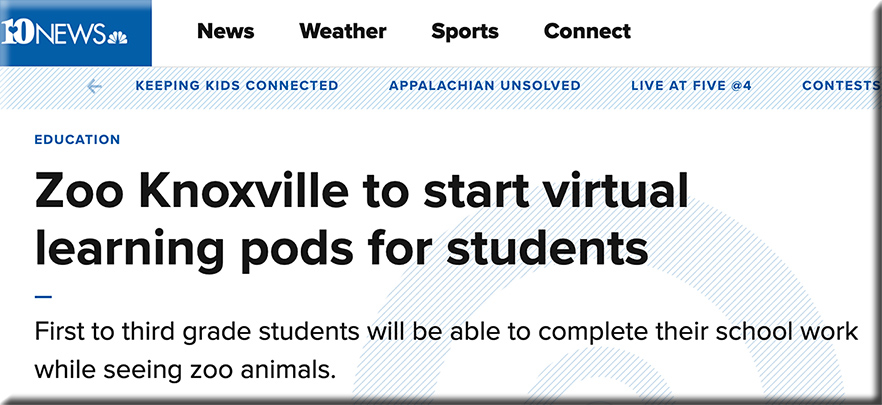
From DSC: Also, to see some more changes to the learning ecosystems out there, set up a Google Alert (or something similar in Feedly or via another tool) for “Learning Pods,” “Pandemic Pods,” and/or the “growth of homeschooling.” Here’s but one recent example:
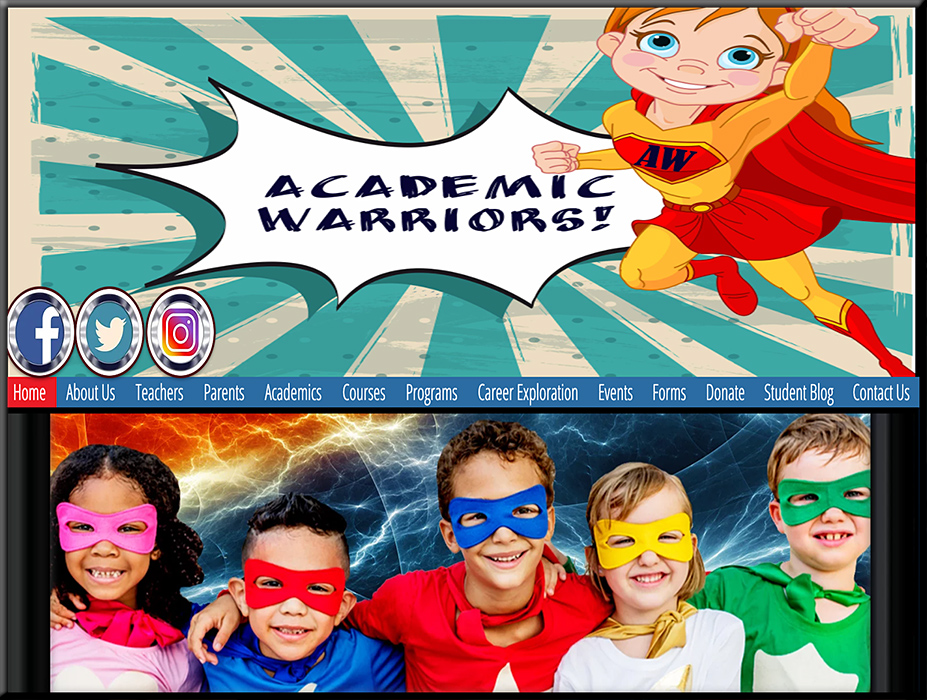
Life can be very hard for autistic, gifted and special needs learners. Autistic and gifted learners often times struggle in school because they learn very differently than their peers. These special learners need a personalized approach to their education that allows them to learn in their own way at their own pace.
Many times parents and students feel as if they are the only ones like them in the world. This can often times lead to isolation and frustration. It is important for all autistic, gifted and special needs to unite in order to support one another. We are named Academic Warriors because all our students are superheroes in a world that doesn’t always understand and/or appreciate them. We help our students to become strong, independent and positive learners despite what the world may think of them.
It is the mission of Academic Warriors to help create positive learning experiences and communities throughout the United States for autistic, gifted and special needs learners. We offer online courses, programs, private school and in person events that foster an unique learning environment that promotes unity among all our students and families. We strive to create online and in person learning communities in every state that will provide educational opportunities for all families of autistic, gifted and special needs students. Together we can create a better world for the autistic, gifted and special needs learner.
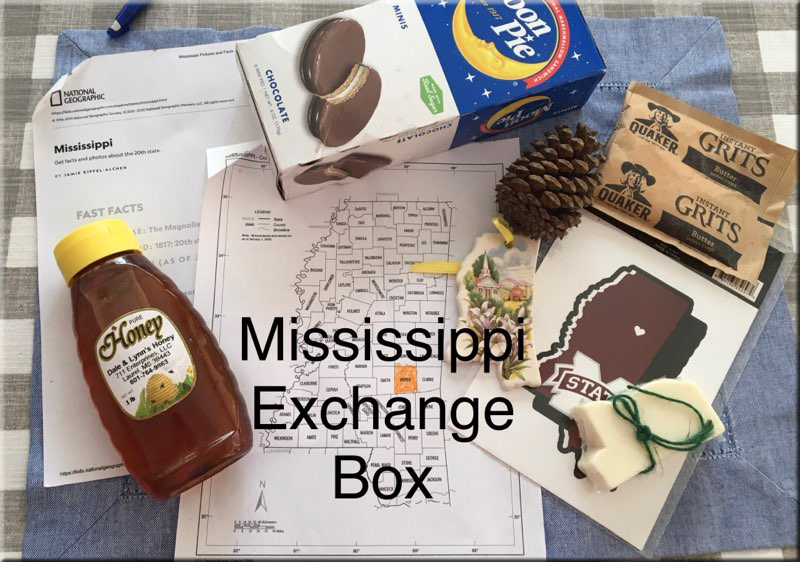
From DSC: As part of a homeschooling-based situation, my wife received the following item for one of our daughters (who needs additional/personalized assistance to learn). Simultaneously, she and our daughter sent them a Michigan Exchange Box. Very cool.
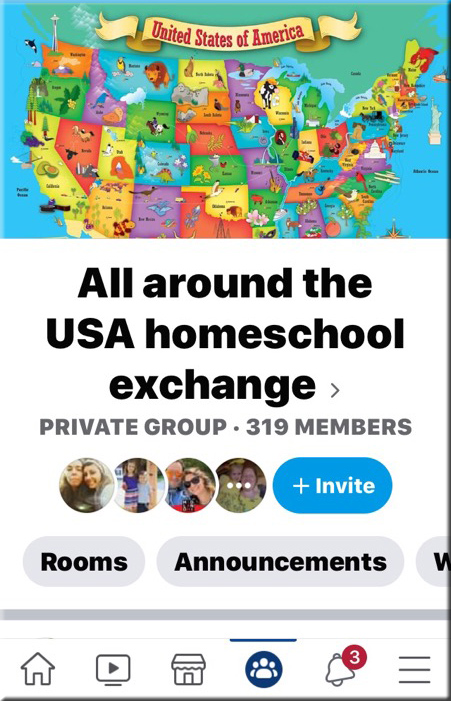
I believe my wife found this out at the following group in Facebook:
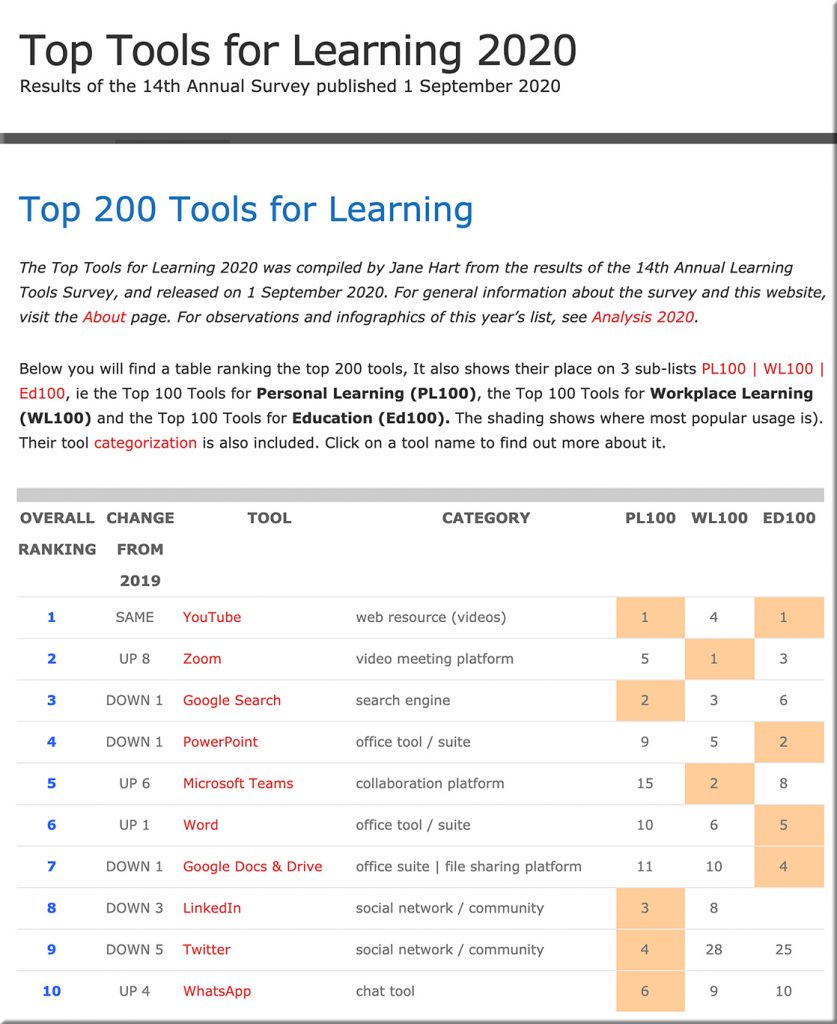
Some channels out on Youtube that have to do with learning: (and by the way, according to Jane Hart’s recent Top 200 Tools for Learning, YouTube is in the #1 spot for the 5th year in a row!)
“Horse Sense Tutoring Services is a unique resource that combines the power of Equine Assisted Learning with evidence-based reading and math strategies that engage the mind, body, and emotions in learning.We use the principles of discovery, experience, movement, reflection, and connection in partnership with our horse friends.
…
Based at The Barn for Equine Learning…my program offers targeted reading, math, and basic horsemanship tutoring for students in grades K – 8. Horses become teaching and learning partners as students experience academics and social-emotional learning in a whole new way.
If you are looking for a unique tutoring and confidence-building experience for your child, PM for more information.Sessions are held outdoors and/or in an open barn setting.
(Small group field trips with an introduction to basic horsemanship skills are also available).
From DSC:
So these are just a few examples of how the learning ecosystems are changing out there! Surely, there will be more changes coming down the pike.
The Top Tools for Learning 2020 was compiled by Jane Hart from the results of the 14th Annual Learning Tools Survey, and released on 1 September 2020. For general information about the survey and this website, visit the About page. For observations and infographics of this year’s list, see Analysis 2020.
Distance teaching also shone a light on problematic practices that were never effective in person, either. And trying to re-create them in a virtual environment didn’t make them any better. As many schools resume remote instruction this fall, watch out for these three mistakes you may be making. More importantly, give yourself the liberty to try out some of the alternative approaches that can help make distance teaching more sustainable and effective.
The pandemic will hasten a transformation of higher education business models, according to a new Moody’s Investors Service report.
The crisis will accelerate many colleges’ plans to grow their online footprints, though not all schools have the resources to invest in digital infrastructure, the report notes. They will also likely expand non-degree and certificate programs.
Analysts predict that once the pandemic subsides, some colleges will struggle if they haven’t established a strong online presence.
“Some universities previously resistant to change will have to take more expansive steps to adapt to this transformation,” Pranav Sharma, assistant vice president at Moody’s, said in a statement. “Not all universities, however, have the resources or culture to move quickly and the coronavirus will expedite existential threats for some.”
Use a Google Form as an entrance or exit ticket. Upon entering class, a quick google form can engage students with a couple of quick questions. A google form as an exit ticket can provide good insight into student learning that day.
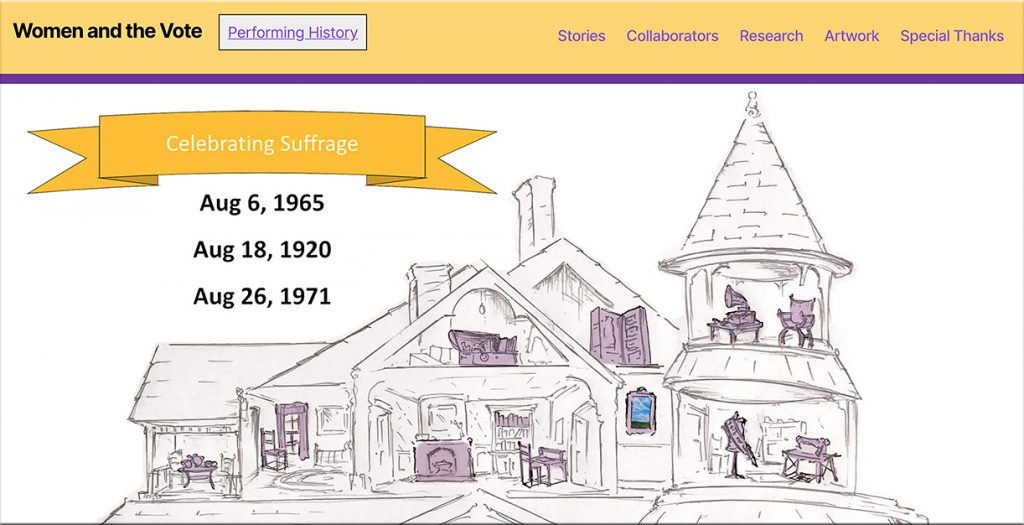
THOROUGHLY MODERN MEDIA: This spring, a college theater course about women’s voting rights aimed to produce a new play about the suffrage struggle. When the pandemic scuttled those plans, professors devised a new way to share suffragist stories by creating an interactive, online performance set in a virtual Victorian mansion. And their students were not the only ones exploring women’s voting rights as the country marks the 100th anniversary of the Nineteenth Amendment.
Then the pandemic hit. Students left Radford and Virginia Tech. Live theater was canceled.
But the class wasn’t.
“Neither of us ever said, ‘Forget it,’” Hood says. “Our students, they all wanted to know, ‘What are we doing?’ We came to them with this insane idea.”
They would create an interactive, online production staged in a virtual Victorian mansion.
…
“Stage performance is different than film or audio. If you just have audio, you only have your voice. Clarity, landing sentences, really paying attention to the structure of a sentence, becomes important,” Nelson says. “Students got a broader sense of the skills and approaches to different mediums—a crash course.”
From DSC: Talk about opportunities for interdisciplinary learning/projects!!! Playwrights, directors, actors/actresses, set designers, graphic designers, fine artists, web designers and developers, interactivity/interface designers, audio designers, video editors, 3D animators, and more!!!
From DSC:
Some of the following questions came to my mind recently:
In this age of the Coronavirus, how can we think differently about learning experience design (#LXD)?
How can *teams* of people come together to reimagine what learning could look like in the future? Who might be some new players at the table? More students? Artists? Actors? More animators? More technicians and people from A/V? Specialists in XR? Corporate trainers coming together with Instructional Designers from higher ed and from K-12? #learningecosystems#future
How can we better tighten up the alignment between K-12, higher ed / vocational programs, and the corporate world?
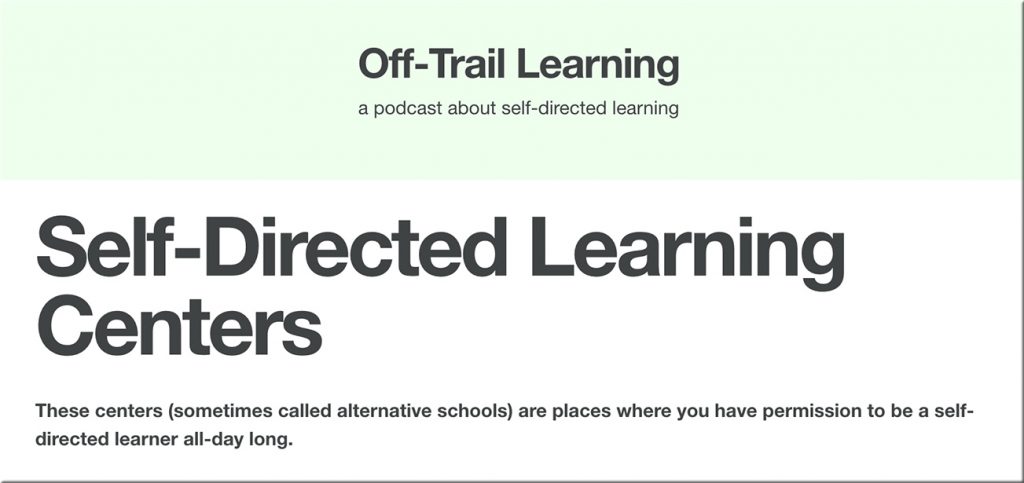
How can we make self-directed learning more prevalent (which would release an enormous amount of energy & creativity)?#heutagogy
Maybe those aren’t even the right questions…
If not, what do you think? What questions should we be asking about learning these days?
The main thing we need to remember is that this space no longer serves as an accessory to face-to-face teaching. It is now our main contact point with learners, so it needs to play different roles: communication channel, learning path, interaction platform and community space. Teachers therefore need a certain degree of freedom to design this space in the best way that suits their teaching style and philosophy as well as their course content and learning objectives.
…
What became obvious in the past months is that when it comes to teaching and learning fully online, the learning experience design aspect, including look, feel and logic of the platform from the users’ perspective- be it teachers or students-, are at least as important as the content.
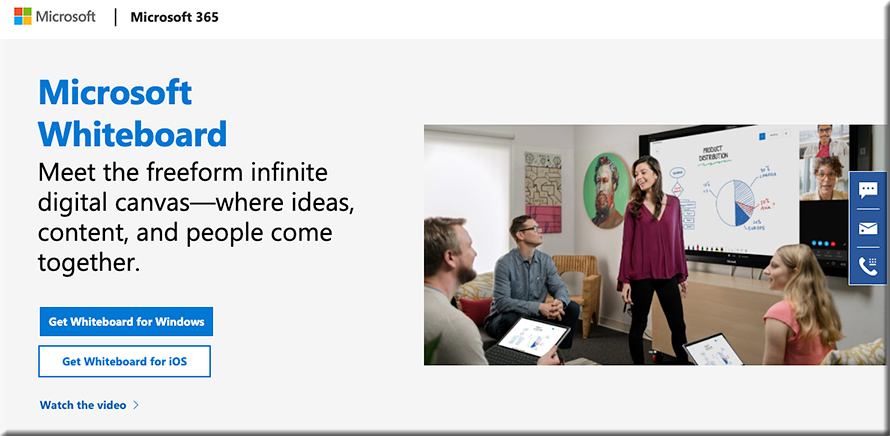
Will assistants such as the Webex Assistant for Meetings (WAM) be integrated into such tools (i.e., would such tools provide translation, transcripts, closed captioning, and more)?
How might this type of tool be used in telehealth? Telelegal? In online-based courtrooms? In presentations?
What will learning look like this fall? — excerpt and resources below are from Instructure’s Canvas CSM June 2020 Newsletter
Institutions across the world are preparing for the upcoming school year with the “new normal.” Educators have been sharing their successes, lessons learned, and new initiatives. Explore these resources on bringing the classroom environment online:
To provide the best learning environment while keeping everyone safe, WMU-Cooley Law School made the decision to continue teaching classes ONLINE for the Fall 2020 semester.
From DSC: We at the WMU-Cooley Law School are working hard to enhance and expand our teaching toolboxes, so that we can pivot as necessary in the future.
Whether we need to deliver our cognitive-science based, modern legal education via 100% online-based means, or whether it’s a blended/hybrid approach, or whether it’s 100% face-to-face again at some point in the future, we need to be ready for multiple methods and modes of teaching and learning.
But I have to say, the work is hard. There are more and different kinds of people on the front lines of this Covid-19 situation than just the wonderful folks in healthcare. Many Instructional Designers (IDs), Information Technology (IT)-related staff, faculty members, and members of administration and are working overtime, all-the-time. It’s not easy. That said, I do believe that there will be some silver linings in this situation. Many faculty members are coming to appreciate the teaching and learning power of some of these tools — and will likely integrate several of these new tools/methods even if and when they return to our face-to-face-based classrooms.
DC: #Faculty, #teachers, #trainers who have been wondering about what #ActiveLearning is…well…you have been doing ***a huge amount of it*** over the last 4-6 weeks in building your #remotelearning -based learning experiences/content.
From DSC: THIS is what active learning looks like for professors, teachers, and trainers who have been making the switch to remote/online-based teaching and learning.
OLC Innovate™ 2020 Conference Moves to June with All-Virtual Format— from prweb.com Produced by the Online Learning Consortium, in partnership with MERLOT, OLC Innovate 2020 Virtual will gather digital learning leaders and practitioners, online, June 15-26, to focus on innovation in digital, blended and online learning.
Excerpt:
BOSTON (PRWEB) MAY 01, 2020
The Online Learning Consortium (OLC) announced today that its annual OLC Innovate™ Conference is moving to an all-virtual format for 2020. OLC and conference partner MERLOT will gather the digital learning community, online, June 15-26, for OLC Innovate™ 2020 Virtual Conference (#OLCInnovate). This year’s theme, “Building Bridges in Digital, Blended and Online Learning,” frames a 10-day online program that highlights inspiring innovators and thought leaders from higher education, K-12, military, health care and workforce education.