3D Scanner Lets You Capture The Real World In VR — from vrscout.com by Kyle Melnick

Excerpt:

VR is about to get a whole lot more real.

Imagine having the power to capture your real-world environment as a hyper-realistic 3D model from the palm of your hand. Well, wonder no more, as peel 3d, a developer of professional-grade 3D scanners, today announced the launch of peel 3 and peel 3.CAD, two new easy-to-use 3D scanners capable of generating high-quality 3D scans for a wide variety of digital mediums, including VR and augmented reality (AR).


NASA & Google Partner To Create An AR Solar System — from vrscout.com by Kyle Melnick

Excerpt:

[On 9/14/22], Google Arts & Culture announced that is has partnered with NASA to further extend its virtual offerings with a new online exhibit featuring a collection of new-and-improved 3D models of our universe brought to life using AR technology.

These 3D models are for more than just entertainment, however. The virtual solar system exhibit features historical annotations that, when selected, display valuable information. Earth’s moon, for example, features landing sites for Apollo 11 and China’s Chang’e-4.


‘Spaces Matter’ — from insidehighered.com by Colleen Flaherty
Limited access to active learning spaces may disproportionately hurt historically excluded groups, and institutions should build more of these spaces in the name of equity, according to a new study. Where does higher ed stand on next-generation learning spaces?

An interactive lecture hall at Rutgers University at New Brunswick, surrounded by active learning spaces across the U.S.

Excerpt (emphasis DSC):

A new study is therefore concerning—it found that limited access to active learning classrooms forced students to self-sort based on their social networks or their attitudes toward learning. The authors warn that limited access to active learning spaces may create a marginalizing force that pushes women, in particular, out of the sciences.

The solution? Invest in active learning spaces.

From DSC:
The groups I worked in over the last 15 years created several active learning spaces, but the number of rooms was definitely limited due to the expenses involved. Students liked these spaces and the feedback from faculty members was positive as well. Some students often staked their claims in these rooms so that they could study together (this was especially true for those majoring in Engineering).


Virtual Internships matches students with top companies around the world — from techcrunch.com by Catherine Shu

Excerpts:

Remote work struck down barriers for many employees, and now Virtual Internships is doing the same for university students around the world by partnering with over 12,000 companies from 100 countries.

Virtual Internships uses AI to match students at scale with internships at companies ranging from startups to blue chips and guarantees a match within one month.


Future of Learning Council on Statewide Grassroots Strategies & Pathways — from gettingsmart.com

Description of podcast:

On this episode of the Getting Smart Podcast Shawnee Caruthers is joined by Dr. Dave Richards, the Executive Learning Strategist for Michigan Virtual and a key part of Future of Learning Council, a partner that we’ve loved working alongside over the last year.

We are also joined by two superintendents who are a part of this project – Dr. Christopher Timmis, Superintendent of Dexter Community Schools and Dr. John VanWagoner of Traverse City Area Public Schools.


3 Pitfalls to Avoid in Shift to Skills-Based Hiring, Training — from by Lynne McNamee

Excerpts:

Since the pandemic many organizations have explored a shift in hiring and people development, moving from emphasizing candidates’ formal degrees to focusing on specific skills development and certifications.

With the dramatic increase in the average cost of a college degree in the USA—average per-student annual cost is now above $35,000—it is clear that meeting staffing needs while also supporting DEI efforts requires that organizations consider an alternative to the traditional option of requiring a degree for most positions.

While it’s easy to become enthusiastic about the potential benefits of focusing on specific, needed skills, it’s also prudent to be aware of potential pitfalls—and explore intentional processes and checks that can help learning leaders avoid these three common unintended consequences.

Speaking of skills, also see:

State of Global Skills 2022: Investing in Skills Development — from coursera.org

Watch the webinar on-demand to learn:  

  • How skills development has changed during the pandemic — and which changes are expected to last
  • How countries around the world have enacted policies that develop a more skilled workforce
  • Which are the most in-demand skills, and how to use regional and global skills data to drive strategic planning


What’s next for online education? — from educationalist.substack.com by Alexandra Mihai

Excerpt:

An ecosystem not a dichotomy
As you’re hopefully already getting from my thoughts so far, I personally see our options for quality education in the future more like an ecosystem and not a series of mutually exclusive paths. It’s time to discard- or at least question-the “online vs. in person” dichotomy, almost always unfavourable to online education. It’s time to think in a more nuanced way about this. And, yes, you’ve guessed, more nuanced is always more difficult. Seeing the shades of grey requires a critical lens that we don’t need to see black and white.

The extent to which online education will be used in the future does not depend only on people (micro level), it depends on institutions (meso level) and policies (macro level).

The learning ecosystem, in my view:

  • includes various modalities used in a complementary way and as a continuum;
  • serves a multitude of audiences, at different stages of learning, with different aims and degrees of engagement;
  • requires comprehensive and interconnected support structures at institutional level, for students and faculty.
 

Scams in College and How to Avoid Them — from ivypanda.com and Yvonne McQuarrie

A young college student looking shocked at her phone.

Excerpt:

These days scams are on the rise. Employing all sorts of schemes, con artists target different society layers, from children to the elderly. College students are no exception.

Our team has prepared the infographic below to describe various scams directed at college students. We’ve also explored the ways to prevent being scammed.


The Artificial Lawyer Guide to Legal Tech – Autumn 2022 — from artificiallawyer.com

Excerpt:

It’s been a wild ride the last couple of years, but what should we be looking out for as we move into the Autumn of 2022? Here are some thoughts from Artificial Lawyer.


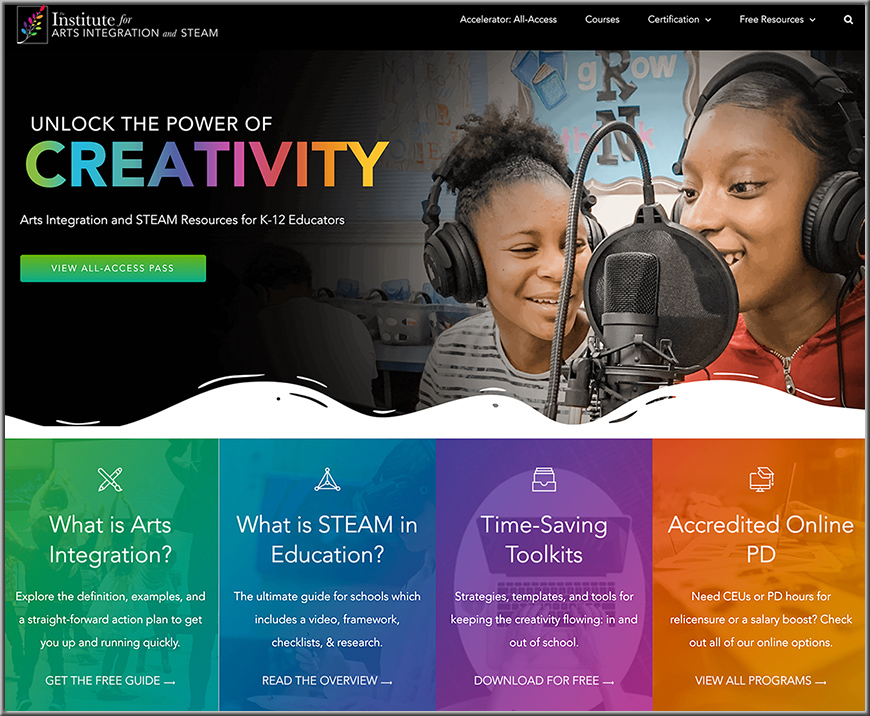
Arts Integration and STEAM Resources for K-12 Educators

Unlock the power of creativity -- arts integration and STEAM resources for K-12 educators

Official Trailer (Art Works for Teachers)

Excerpt:

Introducing the Art Works for Teacher Podcast Trailer! Get a quick sneak peek at what you can expect from this new show, launching September 22, 2022. New episodes will be available each Thursday on your favorite podcast platform, on YouTube, and right here on our site.


From DSC:
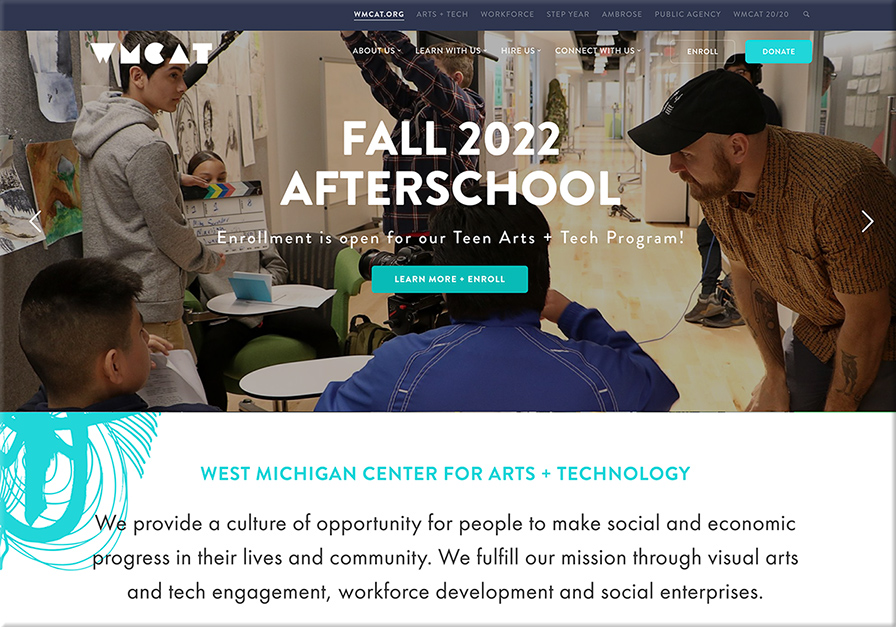
Along these lines, also see WEST MICHIGAN CENTER FOR ARTS + TECHNOLOGY. Such a learning environment builds skills and creativity while supercharging participation and engagement!


Transfer enrollment declined 13.5% since the pandemic started — from highereddive.com by Natalie Schwartz
The National Student Clearinghouse Research Center found that transfer enrollment had declined twice as much as nontransfer enrollment.

Excerpt:

Transfer enrollment at colleges and universities has declined 13.5% since the onset of the coronavirus pandemic, representing a loss of nearly 300,000 students.

That’s according to the latest figures from the National Student Clearinghouse Research Center, which based the findings on a fixed panel of institutions that collectively enroll more than 13 million undergraduate students.

Also relevant/see:


Bridget McCormick, Michigan Chief Justice Who Has Championed Access-to-Justice Initiatives, Named President of AAA — from legaltechmonitor.com by Bob Ambrogi

Excerpt:

Bridget M. McCormack, who, as chief justice of the Michigan Supreme Court, has been a leading voice on modernizing the court and justice systems to expand access to justice, is retiring from the court at the end of this year and in February will become president and chief executive officer of the American Arbitration Association-International Centre for Dispute Resolution (AAA-ICDR).

In recent years, McCormack has become a leading champion of initiatives to enhance access to justice, both within Michigan and nationally.


Teachers Are Ready for Systemic Change. Are Schools? — from edweek.org by Madeline Will
Schools need effective, transformative change. Leaders must be ready to take it on

Excerpt:

So many people in education—from teachers to U.S. Secretary of Education Miguel Cardona—have called this moment, as schools emerge from the darkest shadow of the coronavirus pandemic, our chance for a “reset in education.”

It’s a sentiment that repeatedly comes up in my interviews with teachers. They wonder if the pandemic’s disruption of schools was a once-in-a-generation chance to transform the education system, which is riddled with inequities and pedagogical practices that date back decades.

Some educators also wonder if we’re on the verge of squandering such a chance. That may be; in the rush to get students back on track, we’re at risk for overlooking many of the lessons learned from the last couple years.

“The teachers know what works,” Kelly said. “We need more people to not only listen to teachers, but we also need them to implement the things that teachers say.”

From DSC:
If the K12 learning ecosystems out there don’t change, students, families — and teachers — may let their feet do the walking. We’re seeing a similar situation within higher education, with mostly students’ feet who are starting to do the walking (to alternatives). Some employers’ feet are getting itchy to walk as well.

If you were going to weigh the power that each area holds, what would you put on the weight employers have to effect change these days? Institutions of higher education? Students and their families? Hmmm…change needs to be in the air. The status quo hasn’t been working well within K-12 or within higher education.

Also relevant within K-12, see:

Exit Interview: Why This Veteran Teacher is Leaving the Profession — from edsurge.com by Jennifer Yoo-Brannon

Excerpt:

It’s a frank and sometimes emotional conversation between Jennifer Yoo-Brannon, an instructional coach at El Monte Union High School District in California, and Diana Bell, a veteran teacher of more than 18 years who recently decided to leave the profession. They talk about what led to that departure and how teaching could change to better support educators.

Many Eyes Are on the Teachers Who Leave. What About the Ones Who Stay? — from edsurge.com by Patrick Harris II

Excerpt:

My own experience sits among countless narratives from other teachers, including teachers of the year, revealing the difficulty and the emotion behind the decision to leave a school—and for some, the choice to part ways with a system that never had their best interest at heart.

A lesser told story is the plight of the teachers who stay behind. The emotional narratives about their experiences, their feelings and the pressures they carry.


Emerging wicked weak signals — from thefuturesschool.com

Excerpt:

Scan across domains
We at TFS often use the STEEP acronym to frame our scanning and ensure we are casting a wide net with our environmental scanning. STEEP stands for Social, Economic, Environmental, and Political. Our Wicked Opportunities trend cards employ the acronym WICKED: Worldview, Industrial Science, Commerce, Kedging, Environment, and Design. There are many other frameworks out there, but what is most critical is scanning the macro environment broadly so we don’t miss any potential disruptions or opportunities.

Scan for the heart
In our VUCA world, new trends seem to materialize overnight. How can we predict where society is headed if it’s ever-changing? The answer is with values. Values uphold systems, trends, and even our own behaviors. That’s why it’s crucial we scan from the Point of Origin: sensing the values that cause the trends to emerge. If we can see a trend, it is already well-into its life cycle. Great futurists scan for the value shifts that will later result in trends. Doing so will allow us to be the disruptors of our industry.

Scan for the impacts
Scanning for impacts is what makes TFS futures intelligence superior.


From DSC:
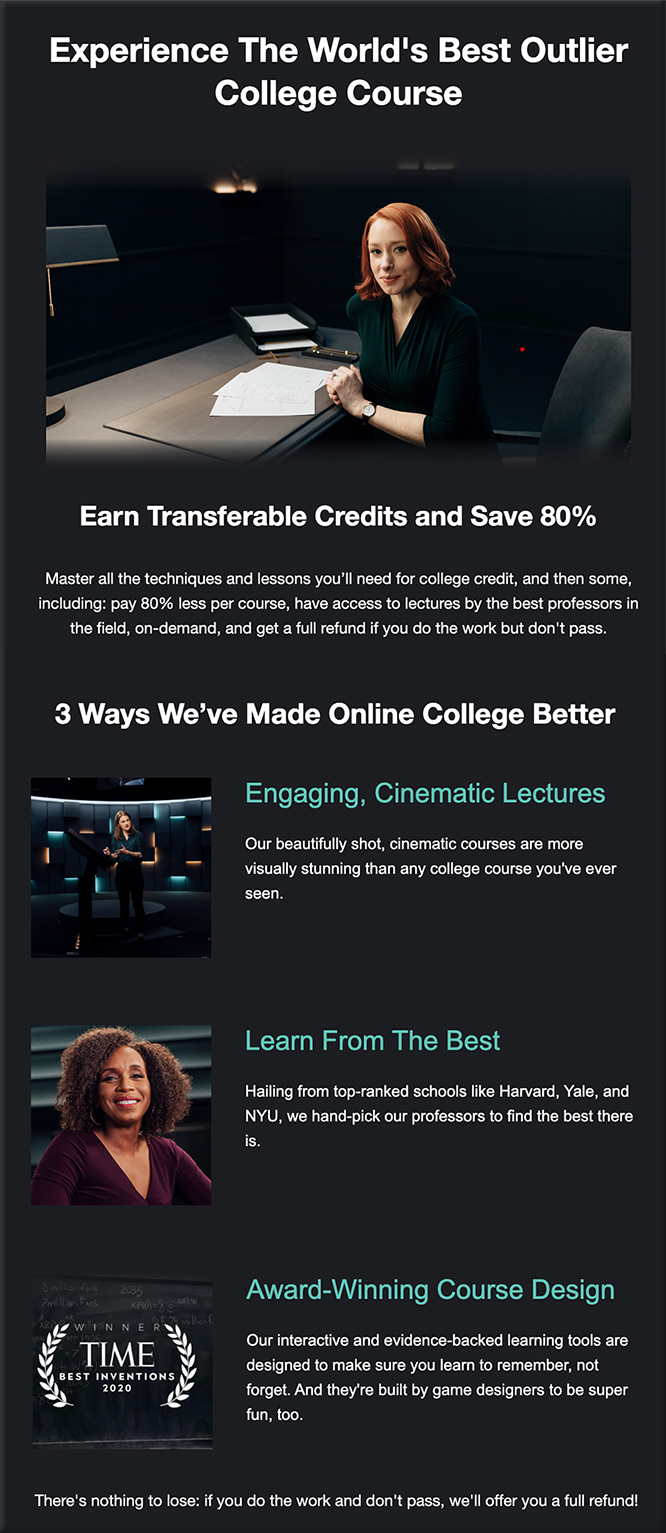
I signed up to receive some items from Outlier.org. Here’s one of the emails that I recently received. It seems to me that this type of thing is going to be hard to compete against:

  • Professionally-done content
  • Created by teams of specialists, including game designers
  • Hand-picked professors/SME’s — from all over the world
  • Evidence-based learning tools

Outlier dot org could be tough to compete against -- professional-executed content creation and delivery


From DSC:
I post this with great hesitation. But there’s some truth in here.

 
© 2025 | Daniel Christian