20 of the best free science apps for iPad & iOS — from teachthought.com by TeachThought Staff

Excerpt:

The ease-of-use and engagement factor of an iPad can really liven up a lesson.

Combine that with an app’s ability to simulate reality in br, such as chemical reactions, and you have a tool that is both safe and fun for your students.

Below, we’ve gathered 20 of the best free science apps currently available for iPhone/iPad/iOS. Note, many of the science apps below have in-app purchases but are free to download and use. The main criteria here was that it’s a science app and is worth using/teaching and learning with without making any additional purchases.

 

Managing In-Person and Distance Learning at the Same Time — from commonsense.org by Paul Barnwell

Excerpt:

As schools begin to reopen amid the changing pandemic, many classrooms will experience some form of hybrid instruction during the transition back to fully in-person learning. Along the way, schools and districts are embracing a variety of hybrid teaching and learning models. One particular model that can work for both students and teachers is known as hyflex instruction, but to be successful you’ll need to make room for some extra planning and consideration.


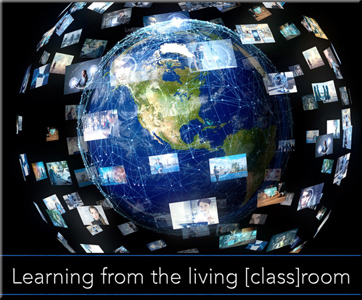
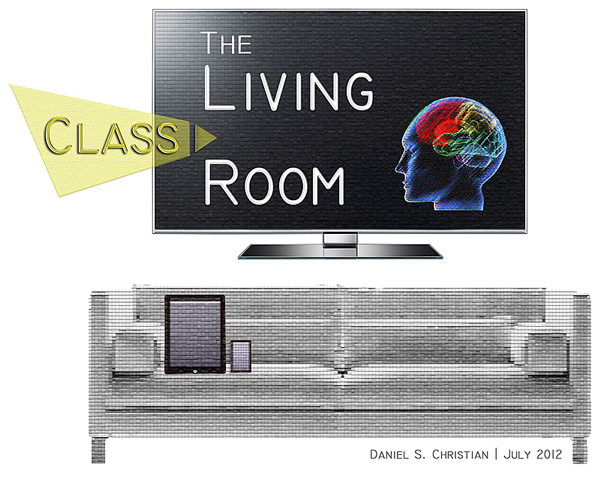
Learning from the Living [Class] Room: Adobe — via Behance — is already doing several pieces of this vision.

From DSC:
Talk about streams of content! Whew!

Streams of content

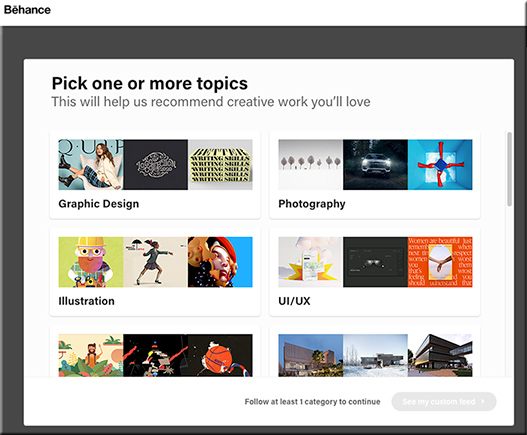
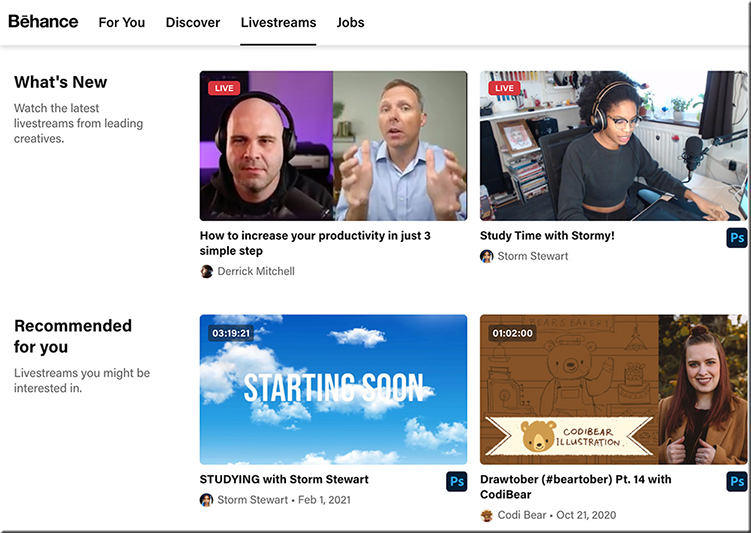
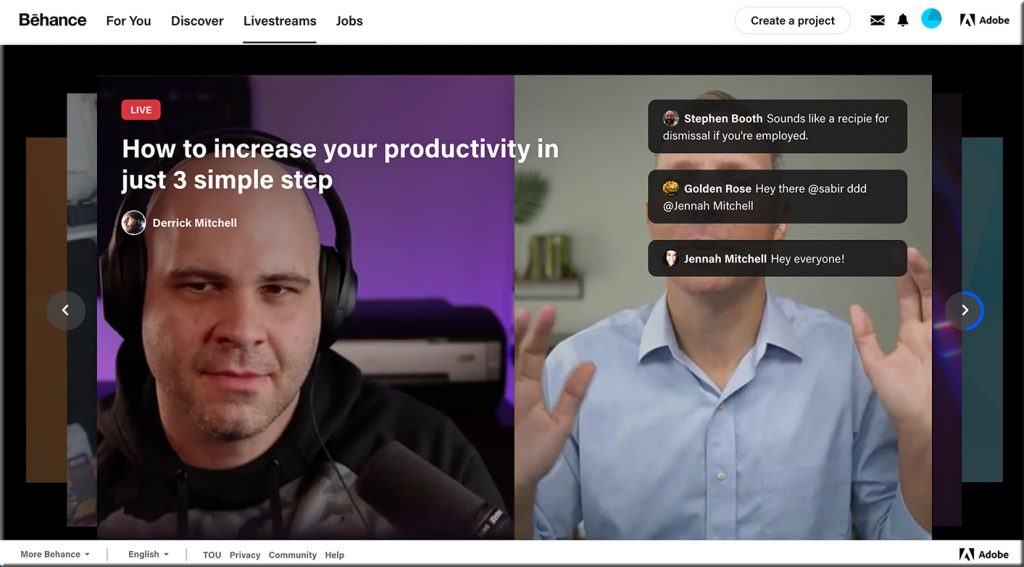
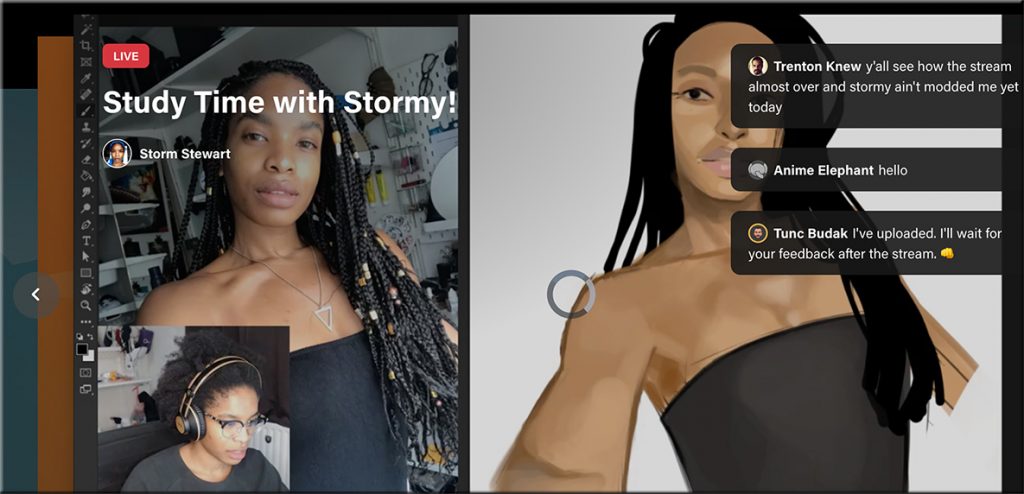
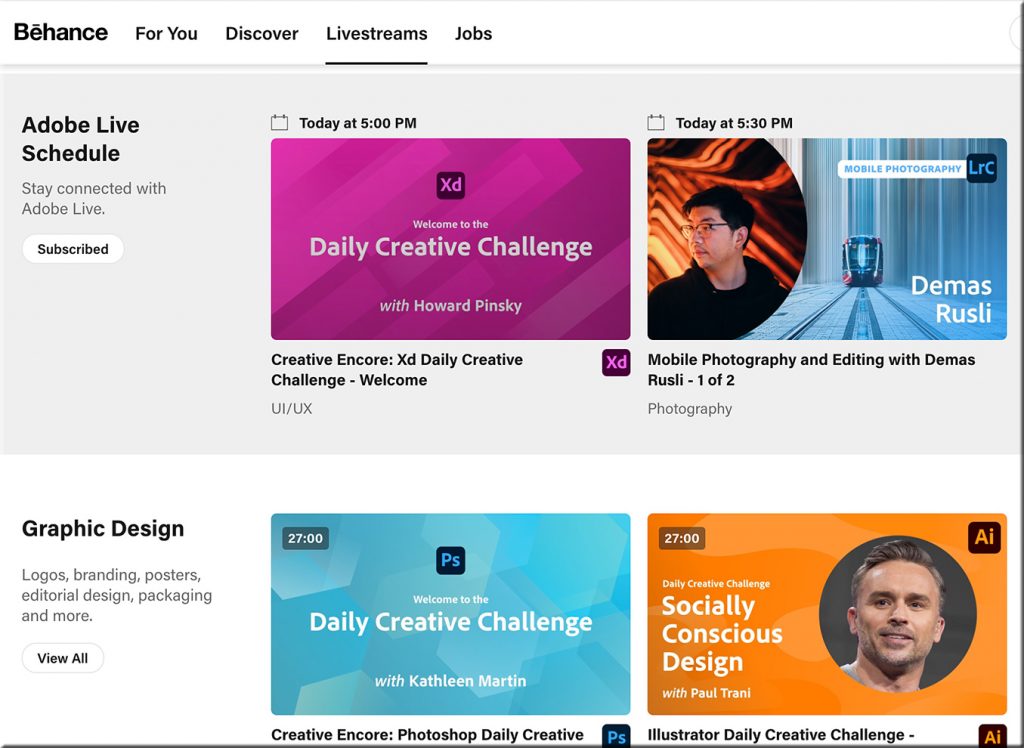
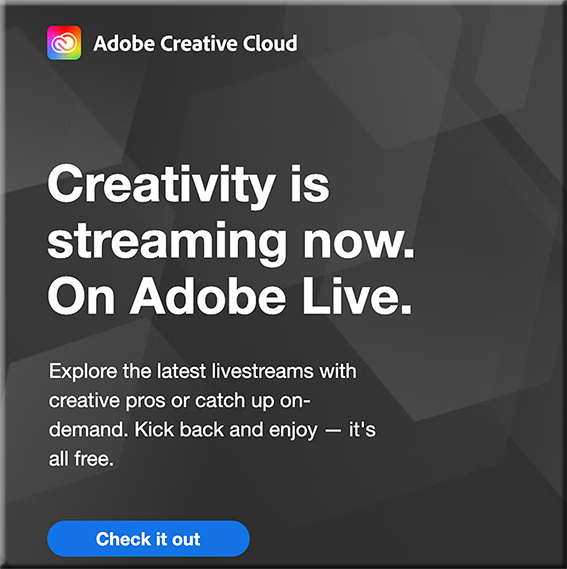
I received an email from Adobe that was entitled, “This week on Adobe Live: Graphic Design.”  (I subscribe to their Adobe Creative Cloud.) Inside the email, I saw and clicked on the following:

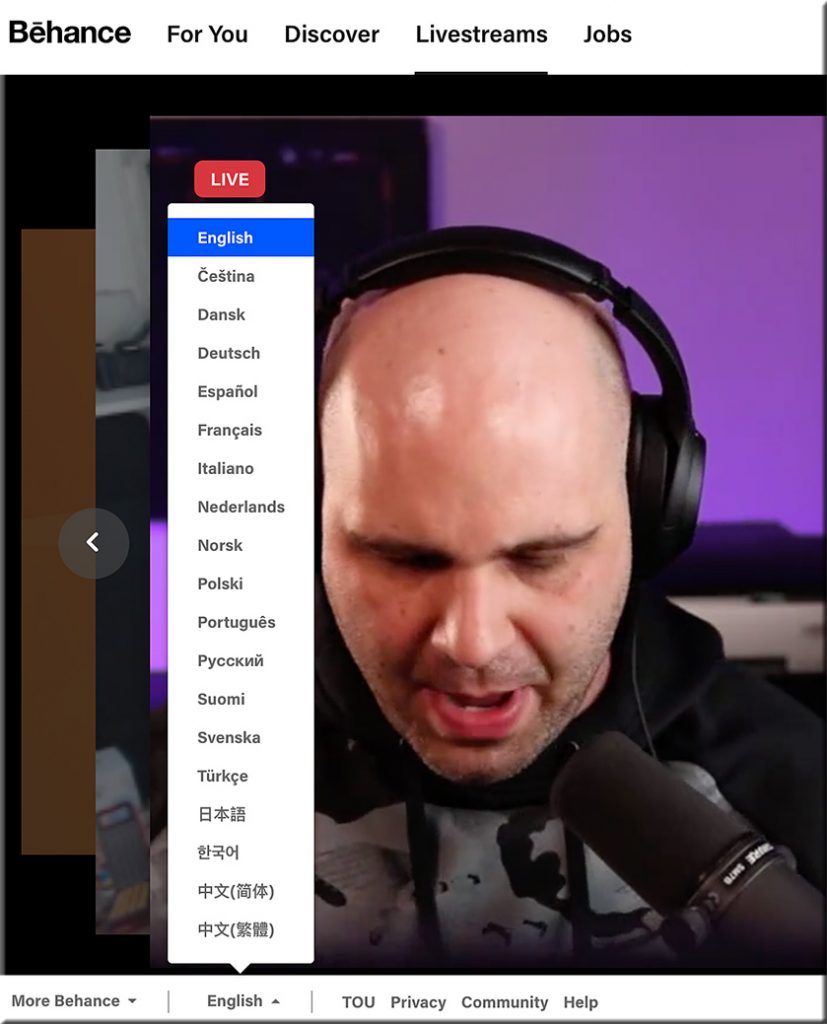
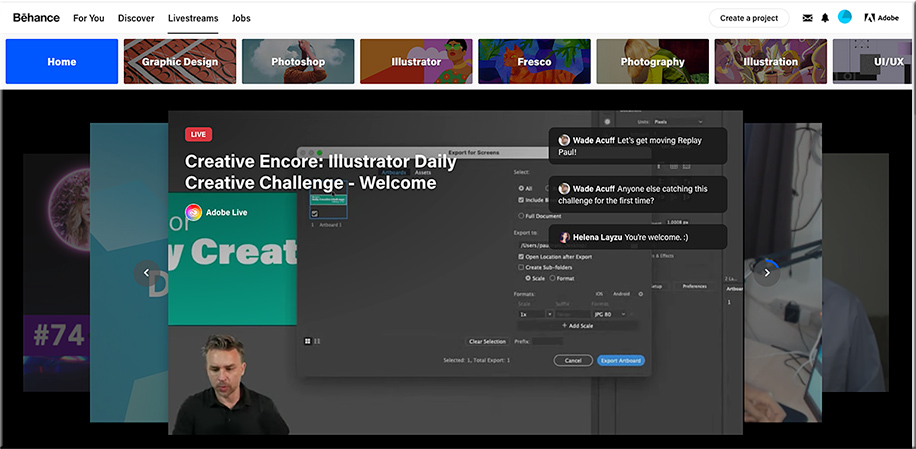
Below are some of the screenshots I took of this incredible service! Wow!


Adobe -- via Behance -- offers some serious streams of content


Adobe -- via Behance -- offers some serious streams of content


Adobe -- via Behance -- offers some serious streams of content


Adobe -- via Behance -- offers some serious streams of content


Adobe -- via Behance -- offers some serious streams of content

Adobe -- via Behance -- offers some serious streams of content

Adobe -- via Behance -- offers some serious streams of content


From DSC:
So Abobe — via Behance — is already doing several pieces of the “Learning from the Living [Class] Room” vision. I knew of Behance…but I didn’t realize the magnitude of what they’ve been working on and what they’re currently delivering. Very sharp indeed!

Churches are doing this as well — one device has the presenter/preacher on it (such as a larger “TV”), while a second device is used to communicate with each other in real-time.


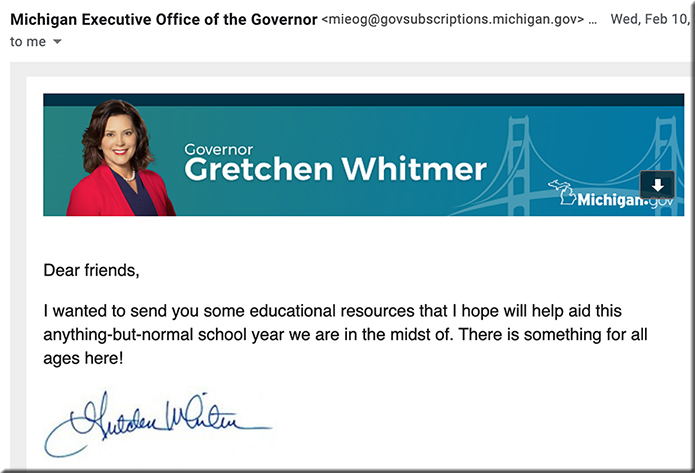
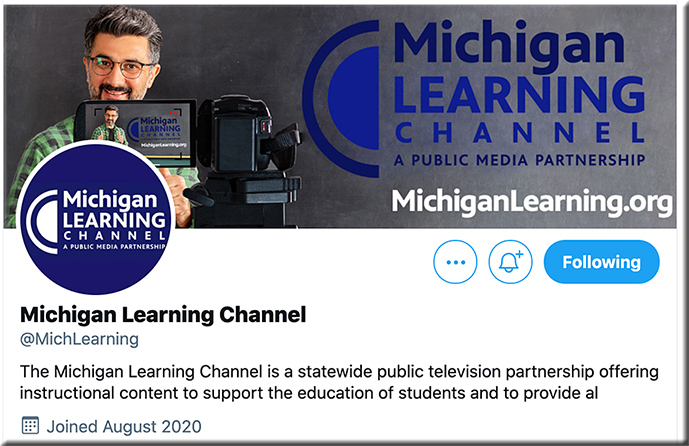
MI Governor Gretchen Whitmer's email from

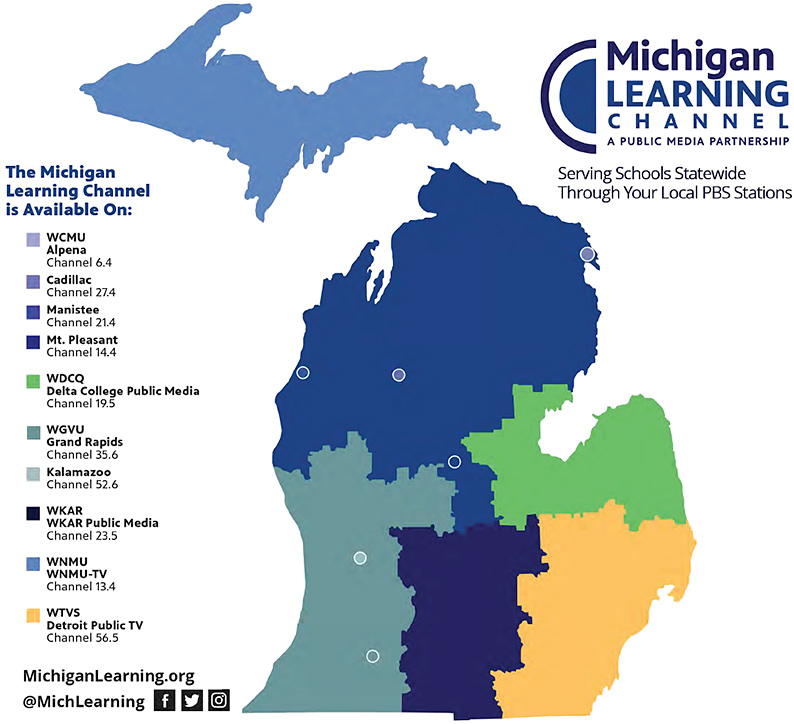
This programming is being broadcast on special on-air channels established by each of the participating public television stations in Michigan. It is also available as a livestream and stored for on-demand viewing on a variety of digital platforms, ensuring accessibility to all students, teachers and families in the state.

Michigan Learning Channel -- which stations carry it

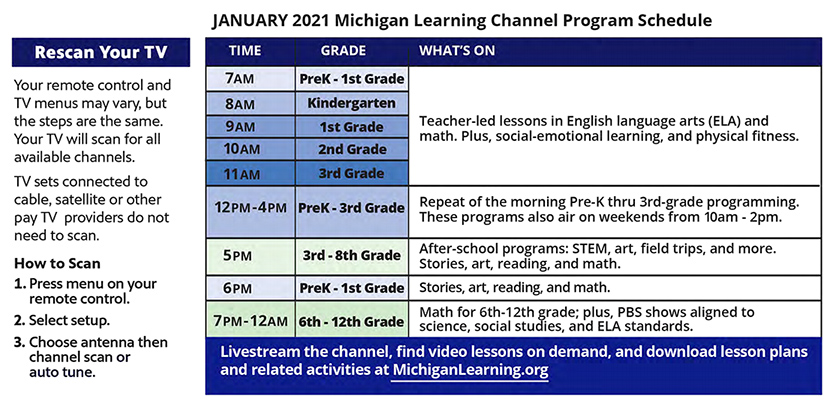
An example schedule from About MLC:

Michigan Learning Channel Program Schedule for January 2021


From DSC:
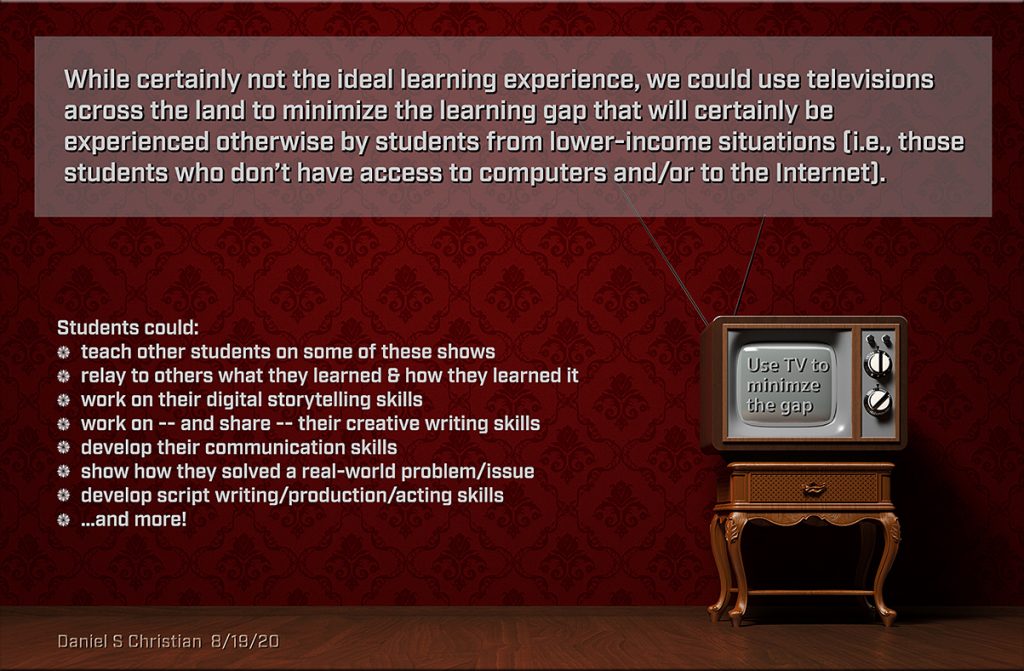
It’s great to see this inclusive, FREE, convenient piece of the K-12 learning ecosystem! I’m all about this. Perhaps such a developing platform could integrate further interactivity and social/network-based learning into it:

Let's use television -- and later on smart TVs -- to provide a free medium to all K-12 students -- and build on top of that platform as time goes by.


Also see:

The MIchigan Learning Channel on Twitter


When the Animated Bunny in the TV Show Listens for Kids’ Answers — and Answers Back — from edsurge.com by Rebecca Koenig

Excerpt:

Yet when this rabbit asks the audience, say, how to make a substance in a bottle less goopy, she’s actually listening for their answers. Or rather, an artificially intelligent tool is listening. And based on what it hears from a viewer, it tailors how the rabbit replies.

“Elinor can understand the child’s response and then make a contingent response to that,” says Mark Warschauer, professor of education at the University of California at Irvine and director of its Digital Learning Lab.

AI is coming to early childhood education. Researchers like Warschauer are studying whether and how conversational agent technology—the kind that powers smart speakers such as Alexa and Siri—can enhance the learning benefits young kids receive from hearing stories read aloud and from watching videos.

From DSC:
Looking at the above excerpt…what does this mean for elearning developers, learning engineers, learning experience designers, instructional designers, trainers, and more? It seems that, for such folks, learning how to use several new tools is showing up on the horizon.


What will the hospital of the future look like in a post COVID-19 world? — from protocol.com by Jeroen Tas and Sean Carney

Excerpt (emphasis DSC):

One thing we have realized is that COVID-19 has accelerated three transformational trends that already existed before the pandemic, but are now dramatically reshaping healthcare: the concept of a networked healthcare system, the increasing adoption of telehealth, and the idea of virtual care and guidance. At the same time, we have seen consumers becoming much more engaged in their personal health and that of their families.


From DSC:
Next up…telelegal; and, possibly, more virtual courtrooms.


Also see:


From DSC:
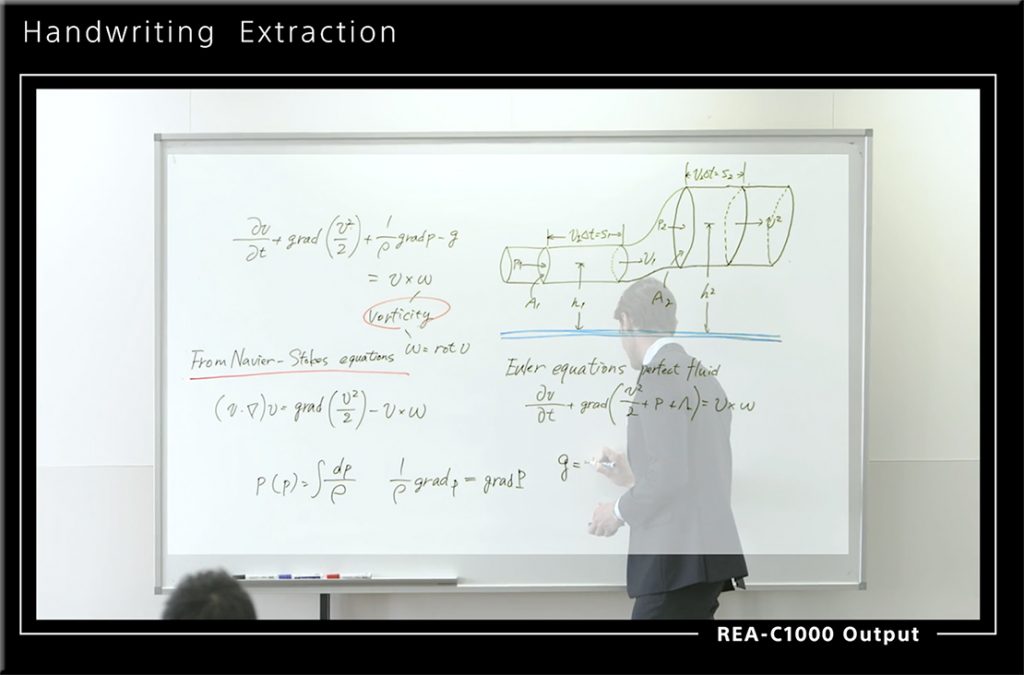
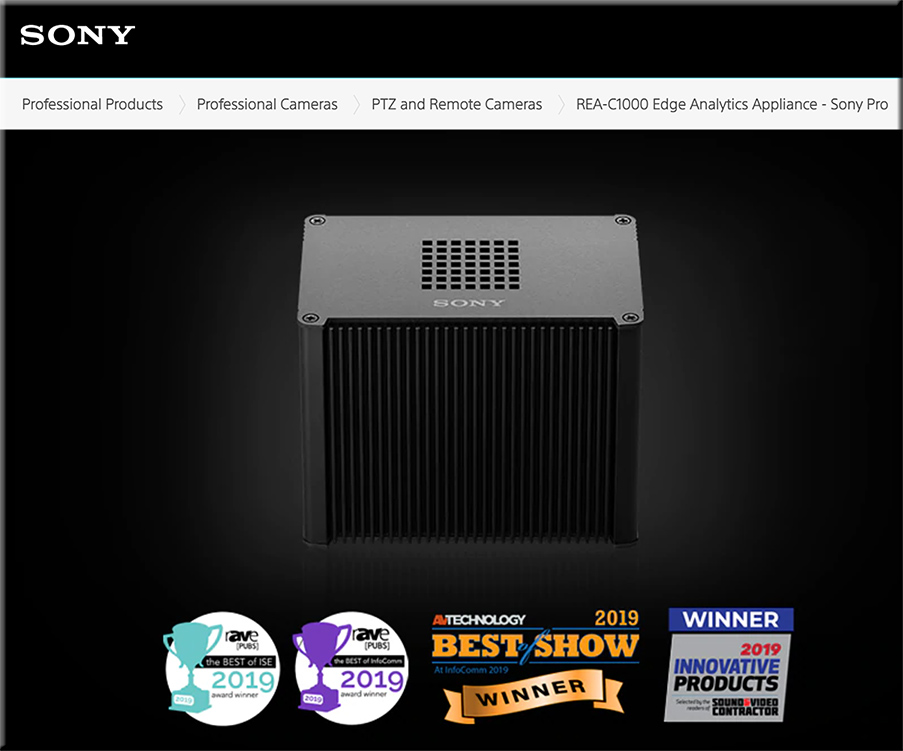
THIS is incredible technology! Check out the Chroma-keying technology and the handwriting extraction feature of the Sony Analytics appliance.

#AR hits the active learning classroom! THIS in incredible technology/functionality! See through your instructor as they write on the board!

From Sony’s website (emphasis DSC):

No matter where the speaker is standing, the Handwriting Extraction feature ensures that any words and diagrams written on a board or screen remain in full view to the audience — via AR (augmented reality).

Even if the speaker is standing directly in front of the board, their ideas, thinking process, and even their animated presentation, are all accessible to the audience. It’s also easy for remote viewers and those playing back the presentation at a later date to become immersed in the content too, as the presenter is overlaid and the content is never compromised.

Also, the chroma keying tech can be useful/engaging as well.

Chroma keying hits the Active Learning Classroom as well


Grab your audience’s attention and increase their engagement with intelligent video analytics technology.

I saw this at IUPUI’s recent webinar/tour of their new facilities. Here’s further information on that webinar from last Friday, 1/29/21:

Designing Large Active Learning Classrooms webinar/tour on 1/29/21 from the Mosaic Program at Indiana University; also features rooms/staff at IUPUI.


From DSC:
I was reviewing an edition of Dr. Barbara Honeycutt’s Lecture Breakers Weekly, where she wrote:

After an experiential activity, discussion, reading, or lecture, give students time to write the one idea they took away from the experience. What is their one takeaway? What’s the main idea they learned? What do they remember?

This can be written as a reflective blog post or journal entry, or students might post it on a discussion board so they can share their ideas with their colleagues. Or, they can create an audio clip (podcast), video, or drawing to explain their One Takeaway.

From DSC:
This made me think of tools like VoiceThread — where you can leave a voice/audio message, an audio/video-based message, a text-based entry/response, and/or attach other kinds of graphics and files.

That is, a multimedia-based exit ticket. It seems to me that this could work in online- as well as blended-based learning environments.


Addendum on 2/7/21:

How to Edit Live Photos to Make Videos, GIFs & More! — from jonathanwylie.com


8 Higher Education IT Trends to Watch in 2021 — from edtechmagazine.com by Adam Stone
Keep your eye on these trends as higher education prepares for a post-pandemic future.

Excerpt:

1. Get Used to More Advanced Learning Management Systems
At Virginia Tech, the Canvas learning management system (LMS) was critical for coordinating synchronous and asynchronous learning. Such systems will only become more sophisticated moving forward, says Randy Marchany, the university’s IT security officer. “With COVID, instructors have become more video savvy,” he says. “We’re all getting smarter about how we use these tools.”

2. A Rise in Sophisticated Videoconferencing Platforms
Even after the pandemic, educators might continue lecturing over Zoom and other videoconferencing platforms. However, they’ll be doing it in more sophisticated ways. “People will be making these experiences more collaborative, more authentic — with much richer interactions and conversations,” Grajek says. “We are all becoming more experienced consumers, and we will see a lot of innovation in this area.”

From DSC:
Yet another step closer…

Yet another step closer to the Learning from the Living Class Room vision


Along the lines of technologies’ potential impact on the legal realm — especially Access to Justice (#A2J), see:


Meet the 27 startups pioneering the Justice Tech market — medium.com by Felicity Conrad

Starting with coining the umbrella term “Justice Tech,” we’re developing a common language, a community of folks working in the space, and formalizing the newly-minted Justice Tech market.

Texas Bar and Paladin Partner to Launch Statewide Pro Bono Portal — from lawsitesblog.com by

Excerpt:

A free online portal launched today in Texas is designed to help lawyers find volunteer opportunities and assist residents of the state find help with their legal needs.

The new portal, Pro Bono Texas, was launched as a partnership between The State Bar of Texas and the justice tech company Paladin. The portal provides volunteer lawyers and law students with a centralized location to search and sign up for pro bono opportunities across the state.


The Future of Healthcare is Telehealth — from parksassociates.com

Excerpt:

COVID-19 and the resulting increases in virtual care adoption and changes in regulation have permanently altered the healthcare landscape in the US. The demand for virtual care has never been greater. There is a great need for virtual care solutions, particularly those integrating data from devices in meaningful ways. Organizations that do not do this operate at a competitive disadvantage to those who do.

From DSC:
If the future of healthcare is telehealth, where might telelegal fit within the legal realm?


How to become a livestreaming teacher — from innovatemyschool.com by Bobbie Grennier

Excerpts:

What is an encoder?
The format that a video camera records content in has to be transcoded so that it can be livestreamed to a destination like Facebook Live, YouTube, Twitch and Periscope. This is accomplished using an encoder software. An encoder optimizes the video feed for the streaming platform. The key to using an encoder is to learn to set-up scenes.

From DSC:
It will be interesting to see how learning-related platforms develop in the future. I’m continually on the lookout for innovative ideas across the learning landscapes, especially due to the Learning from the Living [Class] Room vision that I’ve been tracking this last decade. The pieces continue to come together. This might be another piece to that puzzle.

An online-based teaching and learning marketplace — backed up by AI, cloud-based learning profiles, voice-driven interfaces, learning agents, and more. Feeds/streams of content into how to learn about any topic…supporting communities of practice as well as individuals. And people will be key in this platform — technology will serve the people, not the other way around.

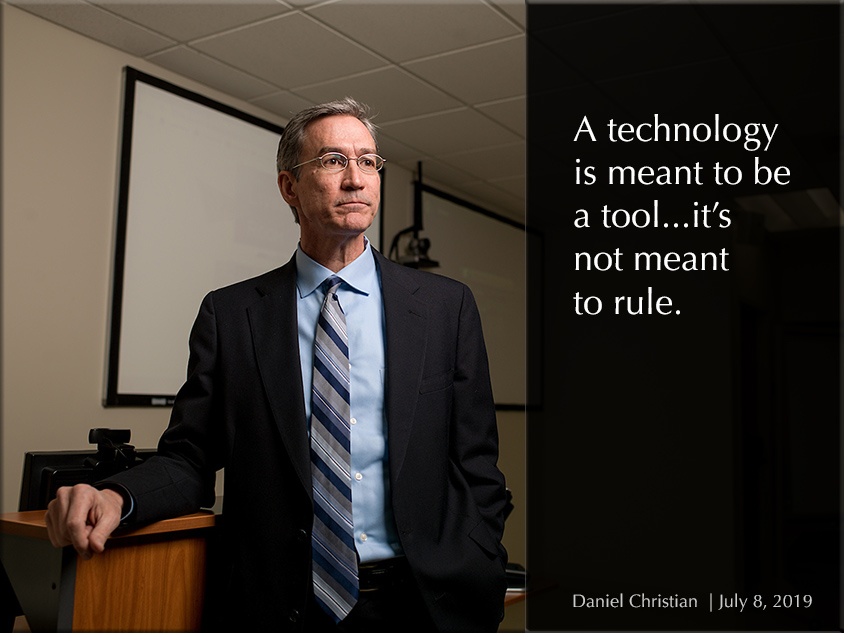
Daniel Christian -- A technology is meant to be a tool, it is not meant to rule.


An important distance learning resource for teachers, students, & parents — from educatorstechnology.com

Excerpt:

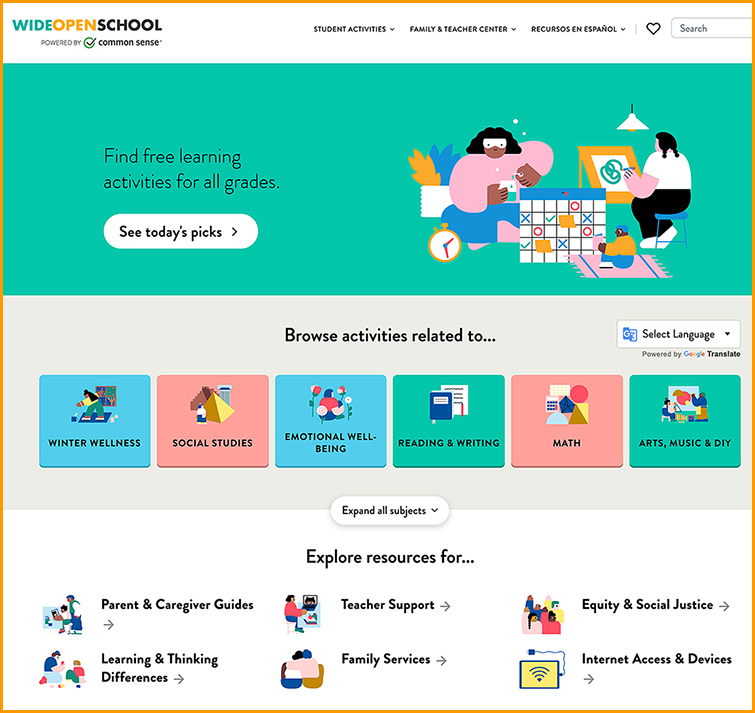
Wide Open School (WOS) is a platform developed by the leading non-profit for kids and families Common Sense media. WOS provides access to a wide range of resources designed specifically to help enhance the quality of distance learning. The work of Wide Open School is a fruit of a partnership with more than 80 leading educational organizations and services including Kahoot, Google, Khan Academy, National Geographic, PBS, Scholastic, Smithsonian, TED Ed, and many more.


Also see:

The work of Wide Open School is a fruit of a partnership with more than 80 leading educational organizations and services including Kahoot, Google, Khan Academy, National Geographic, PBS, Scholastic, Smithsonian, TED Ed, and many more.


Exciting new tools for designers, January 2021 — from by Carrie Cousins

Excerpt:

The new year is often packed with resolutions. Make the most of those goals and resolve to design better, faster, and more efficiently with some of these new tools and resources.

Here’s what new for designers this month.

 
© 2025 | Daniel Christian