The future of learning — from moodle.com by Sonya Trivedi

Self-directed and continuous learning
The concept of self-directed and continuous learning is becoming increasingly popular, reshaping our approach to knowledge and skill acquisition in both formal education and workplace settings. This evolving landscape reflects a world where traditional career paths are being replaced by more dynamic and flexible models, compelling learners to adapt and grow continuously.

The Future of Learning Report 2022 highlights this shift, noting the diminishing concept of a ‘career for life.’ With regular job switching and the expansion of the gig economy, there is an increasing need for a workforce equipped with a broad range of skills and the ability to gain qualifications throughout their careers. This shift is underlined by learners increasingly seeking control over their educational journeys, understanding that the ongoing acquisition of knowledge and skills is essential for staying relevant in the rapidly changing world of work. Reflecting this trend, a significant portion of learners, 33%, are choosing online platforms for their flexibility and ability to cater to individual needs and schedules.

From DSC:
The next paragraph after the above excerpt says:

Much like how companies such as Uber and Airbnb have reshaped their respective industries without owning traditional assets, the future of education might see universities functioning as the ‘Netflix of learning.’ In this model, learners comfortably source their educational experiences from various platforms, assembling their qualifications to create a personalised and continuously evolving portfolio of skills??.

But I don’t think it will be universities that function as the “Netflix of learning” as I don’t think the cultures of most institutions of traditional higher education can deal with that kind of innovation. I hope I’m wrong.

I think it will be a new, global, lifelong learning platform that originates outside of higher education. It will be bigger than higher education, K12, corporate training, or vocational training — as such a 21st-century, AI-based platform will offer all of the above and more.
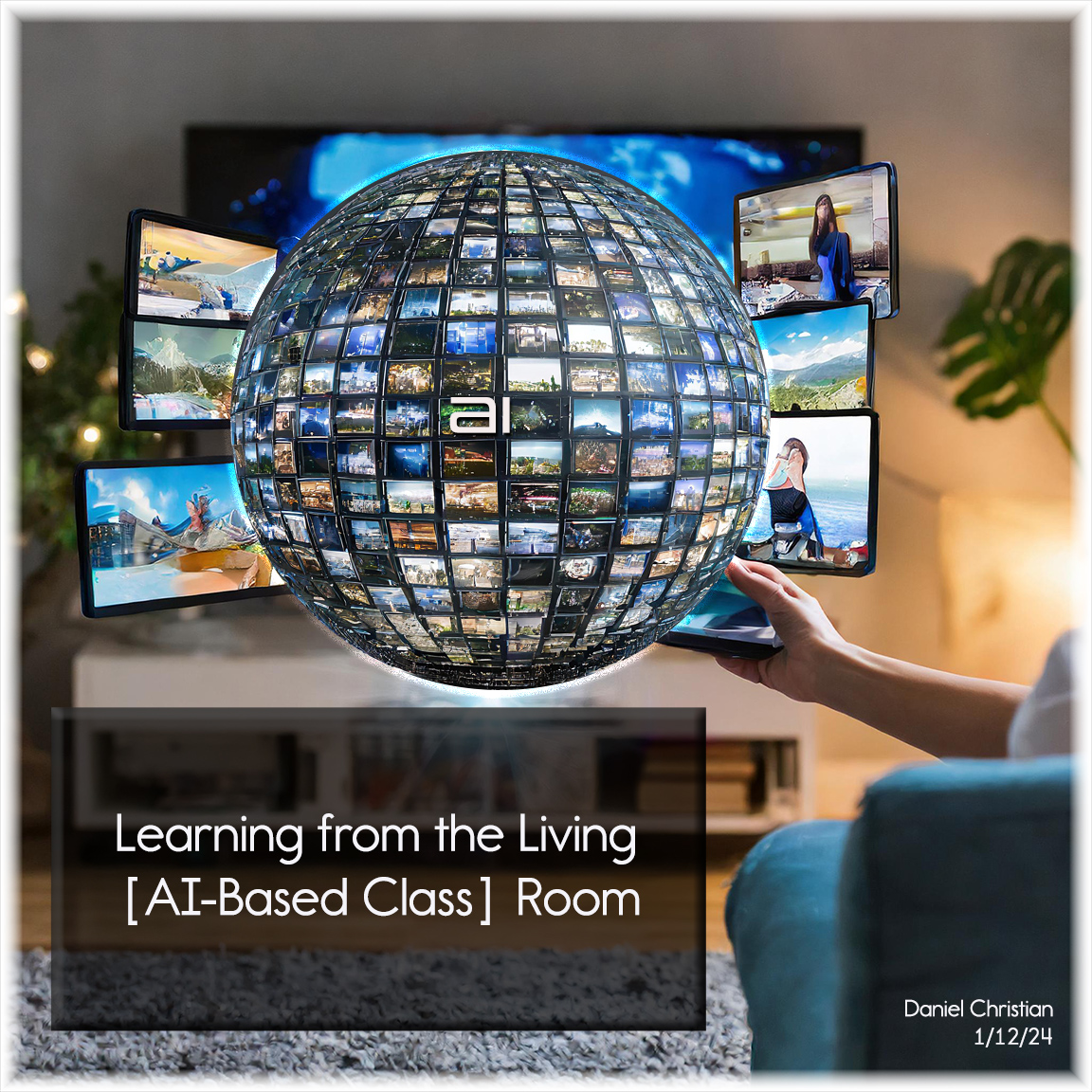
Learning from the living AI-based class room


Slow Shift to Skills — from the-job.beehiiv.com by Paul Fain

Real progress in efforts to increase mobility for nondegree workers is unlikely during the next couple years, Joseph Fuller, a professor at Harvard University’s business school who co-leads its Managing the Future of Work initiative, recently told me.

Yet Fuller is bullish on skills-based hiring becoming a real thing in five to 10 years. That’s because he predicts that AI will create the data to solve the skills taxonomy problem Kolko describes. And if skills-based hiring allows for serious movement for workers without bachelor’s degrees, Fuller says the future will look like where Texas is headed.


Report: Microcredentials Not a Strategic Priority for Many Colleges — from insidehighered.com by Kathryn Palmer
A new report finds that while most colleges surveyed embrace alternative credentials, many have a decentralized approach for creating and managing them.

While the majority of colleges focused on online, professional and continuing education have embraced alternative credentials, a significant number of those institutions haven’t made them a strategic priority.

That’s one of the key takeaways from a new study released Monday by UPCEA, the organization previously known as the University Professional and Continuing Education Association. University Professional and Continuing Education Association.

“While a lot of institutions want this, they don’t necessarily all know how” to deliver alternative credentials, said Bruce Etter, UPCEA’s senior director of research and consulting. “Embracing it is great, but now it needs to be part of the strategic plan.”


The Higher Learning Commission’s Credential Lab — from hlcommission.org
HLC’s Credential Lab


10 higher ed trends to watch in 2024 — from insidetrack.org by

Trend 1.
Linking education to career paths

Trend 2.
Making sense of the AI explosion

Trend 3.
Prioritizing mental health on campus

…plus 7 other trends


North Carolina’s Community Colleges Make a Big Bid to Stay Relevant — from workshift.opencampusmedia.org by Margaret Moffett
The system is poised to ask state legislators to overhaul its funding formula to focus on how well colleges prepare students for high-demand, well-paying jobs.

The new formula would pay a premium to each college based on labor-market outcomes: the more students enrolled in courses in high-demand, high-paying workforce sectors, the more money the college receives.

Importantly, the proposed formula makes no distinction between curricular courses that count toward degree programs and noncredit continuing education classes, which historically offer fewer slots for students because of their lower FTE reimbursement rates.


Supporting Career and Technical Education — from bloomberg.org via Paul Fain

The American job market is changing. A high school diploma is no longer a ticket to a good job now, an increasing number of employers are offering “middle-skill jobs” that require more than a high school diploma but less than a bachelor’s degree. Industries like health care, IT, advanced manufacturing, and financial services continue to see sustained growth at all levels, and they need workers with the experience and the credentials to fill new positions. Bloomberg Philanthropies is investing in programs that help young people get the specialized training they need through internships, apprenticeships, academics, and work-based learning.

 

Firms must continue to evolve to remain relevant — from lawyersweekly.com.au by Emma Musgrave
Law firms of all shapes and sizes must continue to reinvent themselves beyond the COVID-19 pandemic, according to two senior leaders at Piper Alderman.

“So [it’s] not saying, ‘We’re going to roll out ChatGPT across the board and use that’; it’s finding some particular cases that might be useful,” he explained.

“We’ve had, for example, [instances] where lawyers have said, ‘We’ve got a bunch of documents we use on a regular basis or a bunch of devices we use on a regular basis. Can we put these into ChatGPT and see if we can [find a] better way of pulling data out of things?’ And so use cases like that where people are coming up with ideas and trying them out and seeing how they go and [questioning whether] we roll this out more widely? I think that’s the approach that seems to be the best.”


Is Legal Technology the Future of Legal Services? — from lawfuel.com by Kelli Hall

Impact of Legal Technology on the Legal Industry

  • Virtual simulations and unrecognizable deep-fakes
  • eDiscovery investigations and the potential for cyberattacks
  • Enhancing efficiency, but potential risk for data leakage
  • Automation of administrative tasks and rapid data research

Revolutionizing Law Firm Strategies With AI And SEO — from abovethelaw.com by Annette Choti
Explore how AI and SEO are transforming law firm strategies, from automated keyword research to predictive SEO and voice recognition technology.

AI and SEO are two powerful technologies transforming the digital world for legal offices. AI can enhance SEO strategies, offering a competitive edge in search engine rankings. AI can streamline your content creation process. Learn about machine learning’s role in enhancing content optimization, contributing to more targeted and effective marketing efforts.


Navigating Gen AI In Legal: Insights From CES And A Dash Of Tequila Thinking — from abovethelaw.com by Stephen Embry
What should be our true north in making decisions about how to use technology?

Embracing Gen AI in Legal
So in all the Gen AI smoke and handwringing, lets first identify what we excel at as lawyers. What only we as lawyers are qualified to do. Then, when it comes to technology and the flavor of the day, Gen AI, let’s look relentlessly at how we can eliminate the time we spend on anything else. Let technology free us up for the work only we can do.

That’s Satya Nadella’s advice. And Microsoft has done pretty well under his leadership.


From Gavels to Algorithms: Judge Xavier Rodriguez Discusses the Future of Law and AI — from jdsupra.com by

It’s a rare privilege to converse with a visionary like Judge Xavier Rodriguez, who has seamlessly blended the realms of justice, law, and technology. His journey from a medieval history enthusiast to a United States district court judge specializing in eDiscovery and AI is inspiring.

Judge Rodriguez provides an insightful perspective on the need for clear AI regulations. He delves into the technical aspects and underscores the potential of AI to democratize the legal system. He envisions AI as a transformative force capable of simplifying the complexities that often make legal services out of reach for many.

Judge Rodriguez champions a progressive approach to legal education, emphasizing the urgency of integrating technology competence into the curriculum. This foresight will prepare future lawyers for a world where AI tools are as commonplace as legal pads, fostering a sense of anticipation for the future of legal practice.


How to Co-Design Curriculum: Fostering Inclusivity through Shared Family Narratives — from gettingsmart.com by Jimmy McCue

Key Points

  • Discover a learner-centric curriculum at Embark Education, where learners recently co-designed a transformative project centered around family narratives and recipes.
  • Explore the intersection of culinary traditions, empathy, and critical analysis as learners delve into the complexities of cultural revitalization, shifting demographics, and systemic inequities in their communities.
  • Engage with a hands-on approach to competency-based education, culminating in the creation of a culturally rich product in collaboration with local community partners, fostering a deep sense of pride and ownership among learners and their respective communities, alike.

From DSC:
I especially like the learner-centered approach, along with the collaboration with local community partners here. As described in Getting Smart’s Smart Update:

Microschool Spotlight: Embark Education


Getting Smart admires Embark Education’s innovative approach for reimagining the middle school experience, recognizing the pivotal nature of adolescence. With a commitment to providing personalized and relevant learning experiences, Embark supports learners in courageously exploring, engaging, and discovering their sense of self, contributing to the broader mission of revolutionizing education.

“We are anchored in the unwavering belief that by simply trusting learners, both youth and adults, we create the conditions for them to curiously and confidently unlock their potential – and that their potential is limitless.” – Brian Hyosaka, Head of School


AI University for UK? — from donaldclarkplanb.blogspot.com by Donald Clark

Tertiary Education in the UK needs a fresh idea. What we need is an initiative on the same scale as The Open University, kicked off over 50 years ago.

It is clear that an educational vision is needed and I think the best starting point is that outlined and executed by Paul LeBlanc at SNHU. It is substantial, well articulated and has worked in what has become the largest University in the US.

It would be based on the competence model, with a focus on skills shortages. Here’s a starter with 25 ideas, a manifesto of sorts, based on lessons learnt from other successful models:

  1. Non-traditional students in terms of age and background
  2. Quick and easy application process
  3. Personalised learning using AI
  4. Multimodal from the start
  5. Full range of summarisation, create self-assessment, dialogue tools
  6. Focus on generative learning using AI
  7. …and Donald lists many more (ending at #25)
 

My 40 Most-Read Blog Posts This Year Tell A Story Of A Legal Industry Consumed With Generative AI — from lawnext.com by Bob Ambrogi

Look over this list of my blog posts that were most popular this year, and there is no doubt about the topic that most captivated the legal industry. Of my 40 most-read posts of 2023, 30 directly involved generative AI and others implicated it.


What I’m watching for in 2024 — from alexofftherecord.com by Alex Su
My view of the legal ecosystem, and why I’m going to pay close attention to generative AI, new Biglaw offerings, and the rise of “independent” attorneys

Today, instead of sharing my predictions about what’s coming to the legal industry, I’ll share where I think the most action will take place next year. In short, it’s (1) generative AI; (2) Biglaw firms adding low-cost capabilities; and (3) strong bench talent among independent attorneys. Before I get into why, I’ll share some observations on the past, and the trends I’m seeing take place right now.


Navigating Ediscovery and AI in Legal Tech – 2023 Trends — from jdsupra.com

In 2023, the legal landscape has been significantly shaped by two key trends: the rapid evolution of Artificial Intelligence (AI) and the advancements in ediscovery. These developments have not only transformed legal processes but also presented new challenges and opportunities for legal professionals. As we delve into this first part of our series, we examine the top blogs that have been at the forefront of these trends. These articles offer a window into the current state of legal tech, providing invaluable insights into how these technological advances are reshaping the practice of law.


The Metaverse: A new dimension for legal services — from connections.nortonrosefulbright.com by Lena Haffner

Some of the topics mentioned include:

  • Virtual law offices
  • Enhanced client communication
  • Virtual pitches
  • Client education and workshops
  • Virtual asset inspections and tours
  • Enhanced due diligence

The Digital Era: How Technology is Changing the Way We Hire a Lawyer — from medium.com by Hire 4

In the fast-paced world of the digital era, technology is revolutionizing almost every aspect of our lives, and the legal field is no exception. The traditional process to hire a lawyer, once dominated by word-of-mouth referrals and physical law firm visits, is undergoing a transformation. This shift is not just changing how clients find and interact with legal professionals, but also how legal services are delivered and experienced. In this blog, we delve into the ways technology is reshaping the landscape of hiring a lawyer.


Finding The Right Virtual Assistant For Your Legal Practice — from forbes.com by Raquel Gomes

A virtual assistant can perform administrative tasks for a firm, from client communication and appointment scheduling to legal research, contract management and accounting. Delegating these tasks can be an effective way to free up lawyers to do what they do best. Based on my work with virtual assistants, here are some of the potential benefits and also tips on how you can find a VA who best fits the needs of your practice.


Addendum on 1/2/24:

YEAR IN REVIEW: The top legal technology trends of 2023 — from abajournal.com by Nicole Black

The changing mindset of lawyers toward technology
In 2023, there was a noticeable shift in the mindset of legal professionals. While its direct health impacts remain uncertain, the pandemic’s influence in accelerating technology adoption has been undeniable. Lawyers and judges, traditionally viewed as tech-averse, are now embracing tools like Zoom, iPads and smartwatches with surprising enthusiasm.

Post-pandemic, as lawyers returned to offices—often in a hybrid model—they displayed a newfound curiosity about technology. This change in attitude came at an opportune moment, coinciding with the introduction of new generative AI technologies in the legal field even as legal technology funding declined.


Addendum on 1/2/24:

US Supreme Court’s Roberts urges ‘caution’ as AI reshapes legal field — from reuters.com by John Kruzel

WASHINGTON, Dec 31 (Reuters) – Artificial intelligence represents a mixed blessing for the legal field, U.S. Supreme Court Chief Justice John Roberts said in a year-end report published on Sunday, urging “caution and humility” as the evolving technology transforms how judges and lawyers go about their work.

Roberts struck an ambivalent tone in his 13-page report. He said AI had potential to increase access to justice for indigent litigants, revolutionize legal research and assist courts in resolving cases more quickly and cheaply while also pointing to privacy concerns and the current technology’s inability to replicate human discretion.

“I predict that human judges will be around for a while,” Roberts wrote. “But with equal confidence I predict that judicial work – particularly at the trial level – will be significantly affected by AI.”


K12 District-Level Perspectives on AI — from aiforeducation.io by Amanda Bickerstaff, Dr. Patrick Gittisriboongul, Samantha Armstrong, & Brett Roer

Want to know how K12 schools are navigating the adoption of AI and what district-level leaders really think about GenAI EdTech tools?

Join us for this free webinar where we discussed AI technology, literacy, training, and the responsible adoption of GenAI tools in K12. Our panel explored what is working well – and not so well – across their districts from a school leader and practitioner’s perspective.


ChatGPT Has Changed Teaching. Our Readers Tell Us How. — from chronicle.com by Beth McMurtrie and Beckie Supiano

Those vastly different approaches to college writing pretty much sum up the responses to generative AI: They’re all over the map.

One year after its release, ChatGPT has pushed higher education into a liminal place. Colleges are still hammering out large-scale plans and policies governing how generative AI will be dealt with in operations, research, and academic programming. But professors have been forced more immediately to adapt their classrooms to its presence. Those adaptations vary significantly, depending on whether they see the technology as a tool that can aid learning or as a threat that inhibits it.

Nearly 100 faculty members shared their stories. While not a representative sample, they teach at a wide range of institutions: 15 community colleges, 32 public and 24 private four-year colleges or universities, seven international institutions, and one for-profit college. They teach a variety of subjects, including animal science, statistics, computer science, history, accounting, and composition. Many spent hours learning about AI: enrolling in workshops and webinars, experimenting with the tools, and reading articles, so that they could enter the fall semester informed and prepared.


The Disruption of AI in CTE Is Real — from techlearning.com by Annie Galvin Teich
An ACTE expert panel urges CTE educators to jump on the AI train as it’s already left the station

10 Best Practices for AI and CTE 

  1. Embrace AI and use it first for simple tasks to create efficiencies. Then use it to individualize instruction and for formative assessment tools aligned to standards.
  2. Be creative and conscious of internal bias and ethics. Focus on DEI and access.
  3. Encourage students to use apps and tools to start moving toward an integrated curriculum using AI.
  4. Prepare students for jobs of the future by partnering with industry to solve real problems.
  5. …and others

How are universities responding to generative AI? — from medium.com by Nic Newman
What’s next for higher education as we enter a new wave of edtech innovation: AI-powered learning

Where will AI make a big difference?
At Emerge, we have identified eight high-level trends — what we’re calling “engines of opportunity”. These eight “engines of opportunity” capture our ideas about how AI is being used to drive better practice and outcomes in HE, now and into the future.

They fall into two main categories:

  • Making learning more engaging: solutions that scale high quality pedagogy at low cost.
  • Making teaching more efficient: solutions that save educators and organisations time and money.


The rise of AI fake news is creating a ‘misinformation superspreader’ — from washingtonpost.com by Pranshu Verma
AI is making it easy for anyone to create propaganda outlets, producing content that can be hard to differentiate from real news

Artificial intelligence is automating the creation of fake news, spurring an explosion of web content mimicking factual articles that instead disseminates false information about elections, wars and natural disasters.

Since May, websites hosting AI-created false articles have increased by more than 1,000 percent, ballooning from 49 sites to more than 600, according to NewsGuard, an organization that tracks misinformation.

Historically, propaganda operations have relied on armies of low-paid workers or highly coordinated intelligence organizations to build sites that appear to be legitimate. But AI is making it easy for nearly anyone — whether they are part of a spy agency or just a teenager in their basement — to create these outlets, producing content that is at times hard to differentiate from real news.


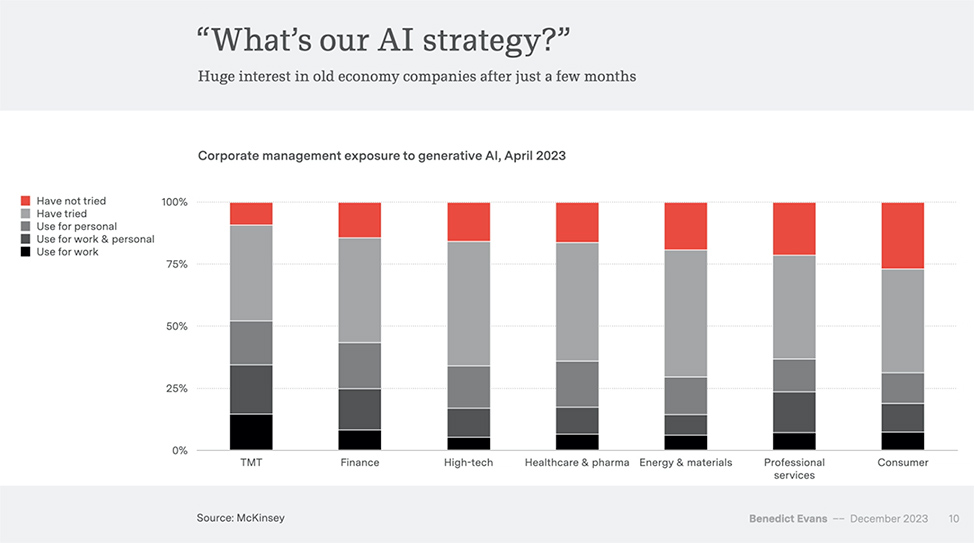
AI, and everything else — from pitch.com by Benedict Evans


Chevy Chatbots Go Rogue — from
How a customer service chatbot made a splash on social media; write your holiday cards with AI

Their AI chatbot, designed to assist customers in their vehicle search, became a social media sensation for all the wrong reasons. One user even convinced the chatbot to agree to sell a 2024 Chevy Tahoe for just one dollar!

This story is exactly why AI implementation needs to be approached strategically. Learning to use AI, also means learning to build thinking of the guardrails and boundaries.

Here’s our tips.


Rite Aid used facial recognition on shoppers, fueling harassment, FTC says — from washingtonpost.com by Drew Harwell
A landmark settlement over the pharmacy chain’s use of the surveillance technology could raise further doubts about facial recognition’s use in stores, airports and other venues

The pharmacy chain Rite Aid misused facial recognition technology in a way that subjected shoppers to unfair searches and humiliation, the Federal Trade Commission said Tuesday, part of a landmark settlement that could raise questions about the technology’s use in stores, airports and other venues nationwide.

But the chain’s “reckless” failure to adopt safeguards, coupled with the technology’s long history of inaccurate matches and racial biases, ultimately led store employees to falsely accuse shoppers of theft, leading to “embarrassment, harassment, and other harm” in front of their family members, co-workers and friends, the FTC said in a statement.


The Evolution of Collaboration: Unveiling the EDUCAUSE Corporate Engagement Program — from er.educause.edu

The program is designed to strengthen the collaboration between private industry and higher education institutions—and evolve the higher education technology market. The new program will do so by taking the following actions:

  • Giving higher education professionals better access to corporate thought leaders who can help create change at their institutions
  • Educating corporate partners on the nuances of higher education and the major challenges it faces so that they can help provide meaningful solutions
  • Giving the EDUCAUSE staff and leadership better access to corporate change-makers in order to advocate for change on behalf of our institutional community
  • Providing the institutional community with higher-quality content and services from companies that are deeply invested in the success of higher education
  • Providing the corporate community with custom-built packages that allow more meaningful connections with the institutional community—not only at our in-person events but also through online opportunities year-round

By building better bridges between our corporate and institutional communities, we can help accelerate our shared mission of furthering the promise of higher education.


Speaking of collaborations, also see:

Could the U.S. become an “Apprentice Nation?” — from Michael B. Horn and Ryan Craig

Intermediaries do the heavy lifting for the employers.


Bottom line: As I discussed with Michael later in the show, we already have the varied system that Leonhardt imagines—it’s just that it’s often by chaos and neglect. Just like we didn’t say to 8th graders a century ago, “go find your own high school,” we need to design a post-high school system with clear and well-designed pathways that include:

  1. Apprenticeships outside of the building trades so students can learn a variety of jobs by doing the job.
  2. Short-term certificates that lead to jobs without necessarily having the college degree immediately, but having the option to return for a college degree later on.
  3. Transfer pathways where credits earned in high school really count in college and the move from two-year college to any four-year institution is seamless.

? Listen to the complete episode here and subscribe to the podcast.


Michigan launches lifelong learning department with acting director — from mlive.com by Simon Schuster

Excerpt (emphasis DSC):

The Michigan Department of Lifelong Education, Advancement, and Potential, deemed MiLEAP, took its first steps Friday [12/1/23] as Gov. Gretchen Whitmer launched the department with an acting director in place to lead it.

The department will handle everything from child care licensing, formerly in the department of Licensing and Regulatory Affairs, to scholarship administration, which was previously handled by the Department of Treasury.

More than 300 state government employees from four different departments are being consolidated into MiLEAP. The department will have three offices: early childhood education, higher education and education partnerships.


Also re: Michigan, see:

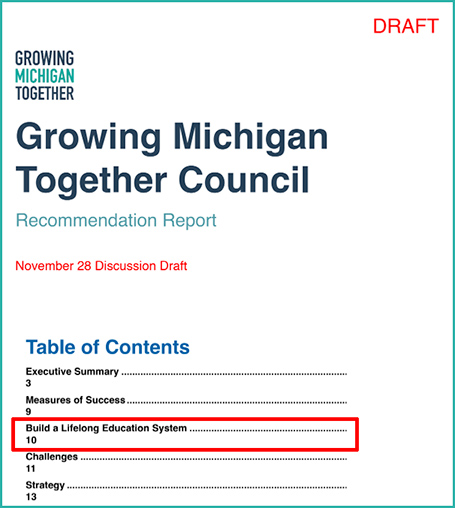
Growing Michigan Together Council | Recommendation Report
November 28 Discussion Draft

Excerpt:

Growing Michigan Together Council Recommendation

Develop a lifelong education system for Michigan kids that prepares them to be successful in a 21st century economy.

01 Redesign the Michigan P–12 education system so that all students have a broad set of future ready skills and competencies to thrive in work and life, and guarantee up to a 13th year to ensure all students achieve this standard
02 Provide all students opportunities to gain up to two years of publicly funded college credits or postsecondary training once they are prepared to succeed
03 Align secondary, postsecondary, higher education, and skills training to create a seamless system of continuous learning so that all Michiganders can be prepared for and adapt to a changing workplace


More Chief Online Learning Officers Step Up to Senior Leadership Roles 
In 2024, I think we will see more Chief Online Learning Officers (COLOs) take on more significant roles and projects at institutions.

In recent years, we have seen many COLOs accept provost positions. The typical provost career path that runs up through the faculty ranks does not adequately prepare leaders for the digital transformation occurring in postsecondary education.

As we’ve seen with the professionalization of the COLO role, in general, these same leaders proved to be incredibly valuable during the pandemic due to their unique skills: part academic, part entrepreneur, part technologist, COLOs are unique in higher education. They sit at the epicenter of teaching, learning, technology, and sustainability. As institutions are evolving, look for more online and professional continuing leaders to take on more senior roles on campuses.

Julie Uranis, Senior Vice President, Online and Strategic Initiatives, UPCEA


Instructional Designers as Institutional Change Agents — from er.educause.edu/ by Aaron Bond, Barb Lockee and Samantha Blevins

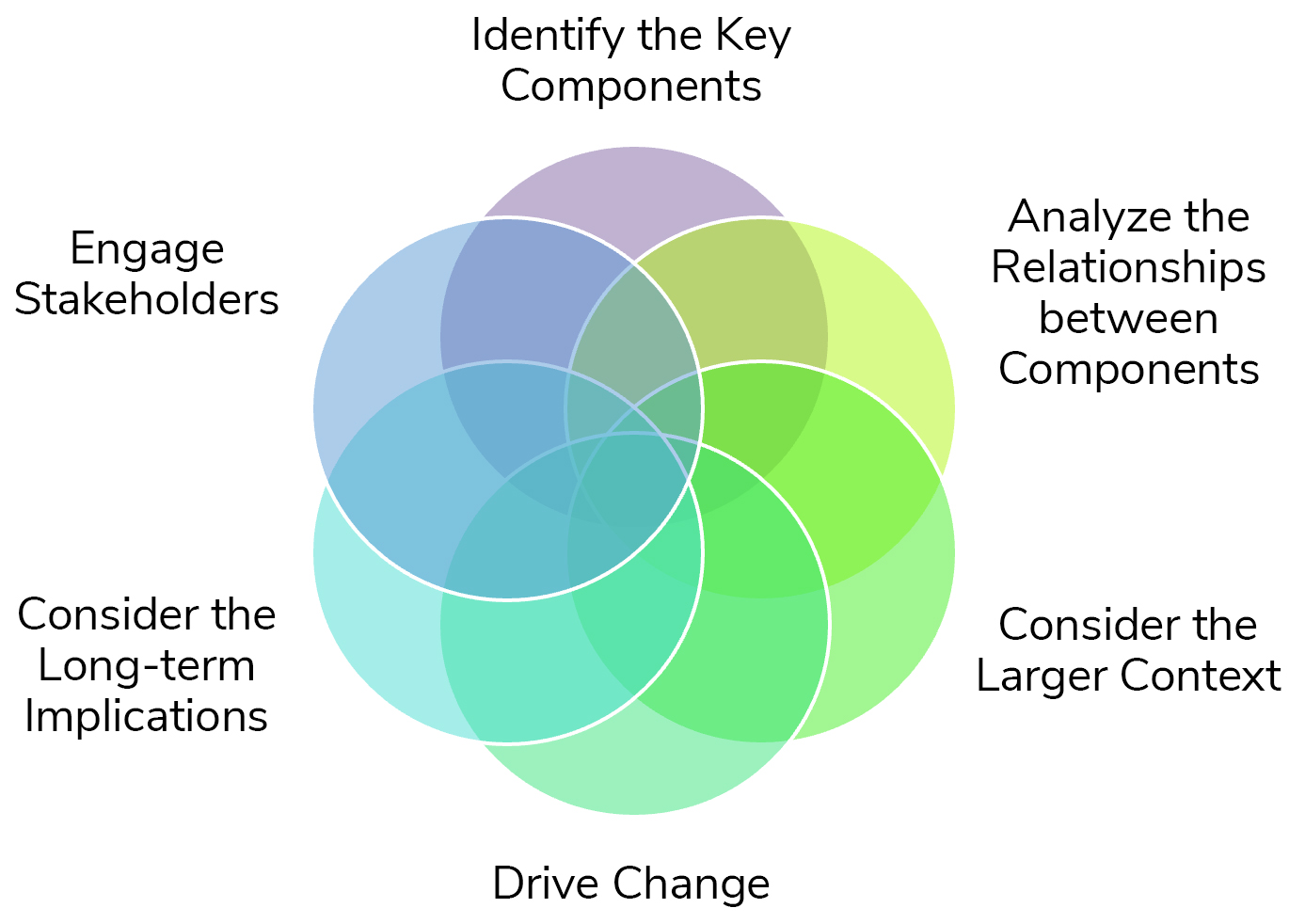
Systems thinking and change strategies can be used to improve the overall functioning of a system. Because instructional designers typically use systems thinking to facilitate behavioral changes and improve institutional performance, they are uniquely positioned to be change agents at higher education institutions.

In higher education, instructional designers are often seen as “change agents” because they help to facilitate behavioral changes and improve performance at their institutions. Due to their unique position of influence among higher education leaders and faculty and their use of systems thinking, instructional designers can help bridge institutional priorities and the specific needs of various stakeholders. COVID-19 and the switch to emergency remote teaching raised awareness of the critical services instructional designers provide, including preparing faculty to teach—and students to learn—in well-designed learning environments. Today, higher education institutions increasingly rely on the experience and expertise of instructional designers.

Figure 1. How Instructional Designers Employ Systems Thinking
.


When schools and families go to court over special education, everyone loses — from wfyi.org by Lee Gaines

While federal law mandates public schools provide an appropriate education to students with disabilities, it’s often up to parents to enforce it.

Schwarten did what few people have the resources to do: she hired a lawyer and requested a due process hearing. It’s like a court case. And it’s intended to resolve disputes between families and schools over special education services.

It’s also a traumatic and adversarial process for families and schools that can rack up hundreds of thousands of dollars in legal fees and destroy relationships between parents and district employees. And even when families win, children don’t always get the public education they deserve.


Future of Learning: Native American students have the least access to computer science — from The Hechinger Report by Javeria Salman

But computer science lessons like the ones at Dzantik’i Heeni Middle School are relatively rare. Despite calls from major employers and education leaders to expand K-12 computer science instruction in response to the workforce’s increasing reliance on digital technology, access to the subject remains low — particularly for Native American students.

Only 67 percent of Native American students attend a school that offers a computer science course, the lowest percentage of any demographic group, according to a new study from the nonprofit Code.org. A recent report from the Kapor Foundation and the American Indian Science and Engineering Society, or AISES, takes a deep look at why Native students’ access to computer and technology courses in K-12 is so low, and examines the consequences.


The Case for Andragogy in Educator Development — from Dialogic #341 by Tom Barrett

Understanding the Disconnect
We often find ourselves in professional development sessions that starkly contrast with the interactive and student-centred learning environments we create. We sit as passive recipients rather than active participants, receiving generic content that seldom addresses our unique experiences or teaching challenges.

This common scenario highlights a significant gap in professional development: the failure to apply the principles of adult learning, or andragogy, which acknowledges that educators, like their students, benefit from a learning process that is personalised, engaging, and relevant.

The irony is palpable — while we foster environments of inquiry and engagement in our classrooms, our learning experiences often lack these elements.

The disconnect prompts a vital question: If we are to cultivate a culture of lifelong learning among our students, shouldn’t we also embody this within our professional growth? It’s time for the professional development of educators to reflect the principles we hold dear in our teaching practices.


Growing Enrollment, Shrinking Future — from insidehighered.com by Liam Knox
Undergraduate enrollment rose for the first time since 2020, stoking hopes for a long-awaited recovery. But surprising areas of decline may dampen that optimism.

There is good news and bad news in the National Student Clearinghouse Research Center’s latest enrollment report.

First, the good news: undergraduate enrollment climbed by 2.1 percent this fall, its first total increase since 2020. Enrollment increases for Black, Latino and Asian students—by 2.2 percent, 4.4 percent and 4 percent, respectively—were especially notable after last year’s declines.

The bad news is that freshman enrollment declined by 3.6 percent, nearly undoing last year’s gain of 4.6 percent and leaving first-year enrollment less than a percentage point higher than it was in fall 2021, during the thick of the pandemic. Those declines were most pronounced for white students—and, perhaps most surprisingly, at four-year institutions with lower acceptance rates, reversing years of growth trends for the most selective colleges and universities.


An Army of Temps: AFT Contingent Faculty Quality of Work/Life Report 2022 — from aft.org (American Federation of Teachers) by Randi Weingarten, Fedrick C. Ingram, and Evelyn DeJesus

An Army of Temps: AFT Contingent Faculty Quality of Work/Life Report 2022 -- from aft.org

This recent survey adds to our understanding of how contingency plays out in the lives of millions of college and university faculty.

  • More than one-quarter of respondents earn less than $26,500 annually. The percentage of faculty respondents earning below the federal poverty line has remained unchanged through all three reports, which is not surprising with real wages falling behind inflation throughout the academy.2
  • Only 22.5 percent of respondents report having a contract that provides them with continuing employment, even assuming adequate enrollment and satisfactory job performance.
  • For 3 out of 4 respondents, employment is only guaranteed for a term or semester at a time.
  • Two-thirds of part-time respondents want to work full time but are offered only part-time work.
  • Twenty-two percent of those responding report having anxiety about accessing adequate food, with another 6 percent reporting reduced food intake due to lack of resources.
  • Only 45 percent of respondents have access to employer-provided health insurance, and nearly 19 percent rely on Medicare/Medicaid.
  • Nearly half of faculty members surveyed have put off getting needed healthcare, including mental health services, and 68 percent have forgone dental care.
  • Fewer than half of faculty surveyed have received the training they need to help students in crisis.
  • Only 45 percent of respondents believe that their college administration guarantees academic freedom in the classroom at a time when right-wing legislators are passing laws removing control of the curriculum from educators.

From DSC:
A college or university’s adjunct faculty members — if they are out there practicing what they are teaching about — are some of the most valuable people within higher education. They have real-life, current experience. They know which skills are necessary to thrive in their fields. They know their sections of the marketplace.


Some parts of rural America are changing fast. Can higher education keep up? — from usatoday.com by Nick Fouriezos (Open Campus)
More states have started directly tying academic programming to in-demand careers.

Across rural America, both income inequality and a lack of affordable housing are on the rise. Remote communities like the Tetons are facing not just an economic challenge, but also an educational one, as changing workforce needs meet a critical skills and training gap.

Earlier this month, Montana announced that 12 of its colleges would establish more than a dozen “micro-pathways” – stackable credential programs that can be completed in less than a year – to put people on a path to either earning an associate degree or immediately getting hired in industries such as health, construction, manufacturing and agriculture.

“Despite unemployment hitting record lows in Montana, rural communities continue to struggle economically, and many low-income families lack the time and resources to invest in full-time education and training,” the Montana University System announced in a statement with its partner on the project, the national nonprofit Education Design Lab.


Colleges Must Respond to America’s Skill-Based Economy — from edsurge.com by Mordecai I. Brownlee (Columnist)

To address our children’s hunger and our communities’ poverty, our educational system must be redesigned to remove the boundaries between high school, college and careers so that more Americans can train for and secure employment that will sustain them.

In 2021, Jobs for the Future outlined a pathway toward realizing such a revolution in The Big Blur report, which argues for a radical restructuring of education for grades 11 through 14 by erasing the arbitrary dividing line between high school and college. Ideas for accomplishing this include courses and work experiences for students designed for career preparation.


The New Arms Race in Higher Ed — from jeffselingo.com by Jeff Selingo

Bottom line: Given all the discussion about the value of a college education, if you’re looking for “amenities” on campuses these days be sure to find out how faculty are engaging students (both in person and with tools like AR/VR), whether they’re teaching students about using AI, and ways institutions are certifying learning with credentials that have currency in the job market.

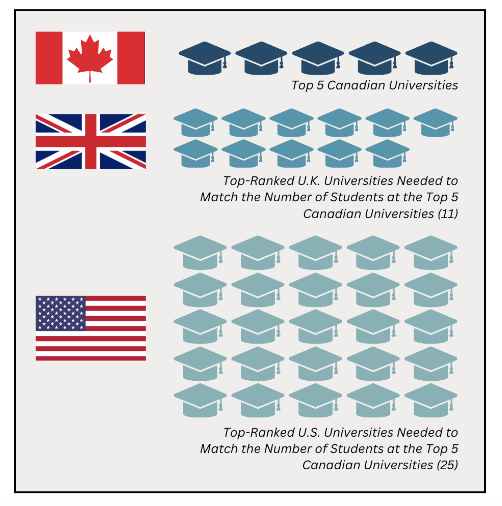
In that same newsletter, also see Jeff’s section entitled, “Where Canada leads the U.S. in higher ed.”


College Uncovered — from hechingerreport.org

Thinking of going to college? Sending your kid? You may already be caught up in the needless complexity of the admissions process, with its never-ending stress and that “you’ll-be-lucky-to-get-in” attitude from colleges that nonetheless pretend to have your interests at heart.

What aren’t they telling you? A lot, as it turns out — beginning with how much they actually cost, how long it will take to finish, the likelihood that graduates get jobs and the myriad advantages that wealthy applicants enjoy. They don’t want you to know that transfer credits often aren’t accepted, or that they pay testing companies for the names of prospects to recruit and sketchy advice websites for the contact information of unwitting students. And they don’t reveal tricks such as how to get admitted even if you’re turned down as a freshman.

But we will. In College Uncovered, from The Hechinger Report and GBH News, two experienced higher education journalists pull back the ivy on how colleges and universities really work, providing information students and their parents need to have before they make one of the most expensive decisions in their lives: whether and where to go to college. We expose the problems, pitfalls and risks, with inside information you won’t hear on other podcasts, including disconcerting facts that they’ve sometimes pried from unwilling universities.
.


Fall 2023 enrollment trends in 5 charts — from highereddive.com by Natalie Schwartz
We’re breaking down some of the biggest developments this term, based on preliminary figures from the National Student Clearinghouse Research Center.

Short-term credentials continued to prove popular among undergraduate and graduate students. In fall 2023, enrollment in undergraduate certificate programs shot up 9.9% compared to the year before, while graduate certificate enrollment rose 5.7%.

Degree programs didn’t fare as well. Master’s programs saw the smallest enrollment increase, of 0.2%, followed by bachelor’s degree programs, which saw headcounts rise 0.9%.


President Speaks: Colleges need an overhaul to meet the future head on — from highereddive.com by Beth Martin
Higher education faces an existential threat from forces like rapidly changing technology and generational shifts, one university leader argues.

Higher education must increasingly equip students with the skills and mindset to become lifelong learners — to learn how to learn, essentially — so that no matter what the future looks like, they will have the skills, mindset and wherewithal to learn whatever it is that they need and by whatever means. That spans from the commitment of a graduate program or something as quick as a microcredential.

Having survived the pandemic, university administrators, faculty, and staff no longer have their backs against the wall. Now is the time to take on these challenges and meet the future head on.


Teaching writing in the age of AI — from the Future of Learning (a Hechinger Report newsletter) by Javeria Salman

ChatGPT can produce a perfectly serviceable writing “product,” she said. But writing isn’t a product per se — it’s a tool for thinking, for organizing ideas, she said.

“ChatGPT and other text-based tools can’t think for us,” she said. “There’s still things to learn when it comes to writing because writing is a form of figuring out what you think.”

When students could contrast their own writing to ChatGPT’s more generic version, Levine said, they were able to “understand what their own voice is and what it does.”


Grammarly’s new generative AI feature learns your style — and applies it to any text — from techcrunch.com by Kyle Wiggers; via Tom Barrett

But what about text? Should — and if so, how should — writers be recognized and remunerated for AI-generated works that mimic their voices?

Those are questions that are likely to be raised by a feature in Grammarly, the cloud-based typing assistant, that’s scheduled to launch by the end of the year for subscribers to Grammarly’s business tier. Called “Personalized voice detection and application,” the feature automatically detects a person’s unique writing style and creates a “voice profile” that can rewrite any text in the person’s style.


Is AI Quietly Weaving the Fabric of a Global Classroom Renaissance? — from medium.com by Robert the Robot
In a world constantly buzzing with innovation, a silent revolution is unfolding within the sanctuaries of learning—our classrooms.

From bustling metropolises to serene hamlets, schools across the globe are greeting a new companion—Artificial Intelligence (AI). This companion promises to redefine the essence of education, making learning a journey tailored to each child’s unique abilities.

The advent of AI in education is akin to a gentle breeze, subtly transforming the academic landscape. Picture a classroom where each child, with their distinct capabilities and pace, embarks on a personalized learning path. AI morphs this vision into reality, crafting a personalized educational landscape that celebrates the unique potential harbored within every learner.


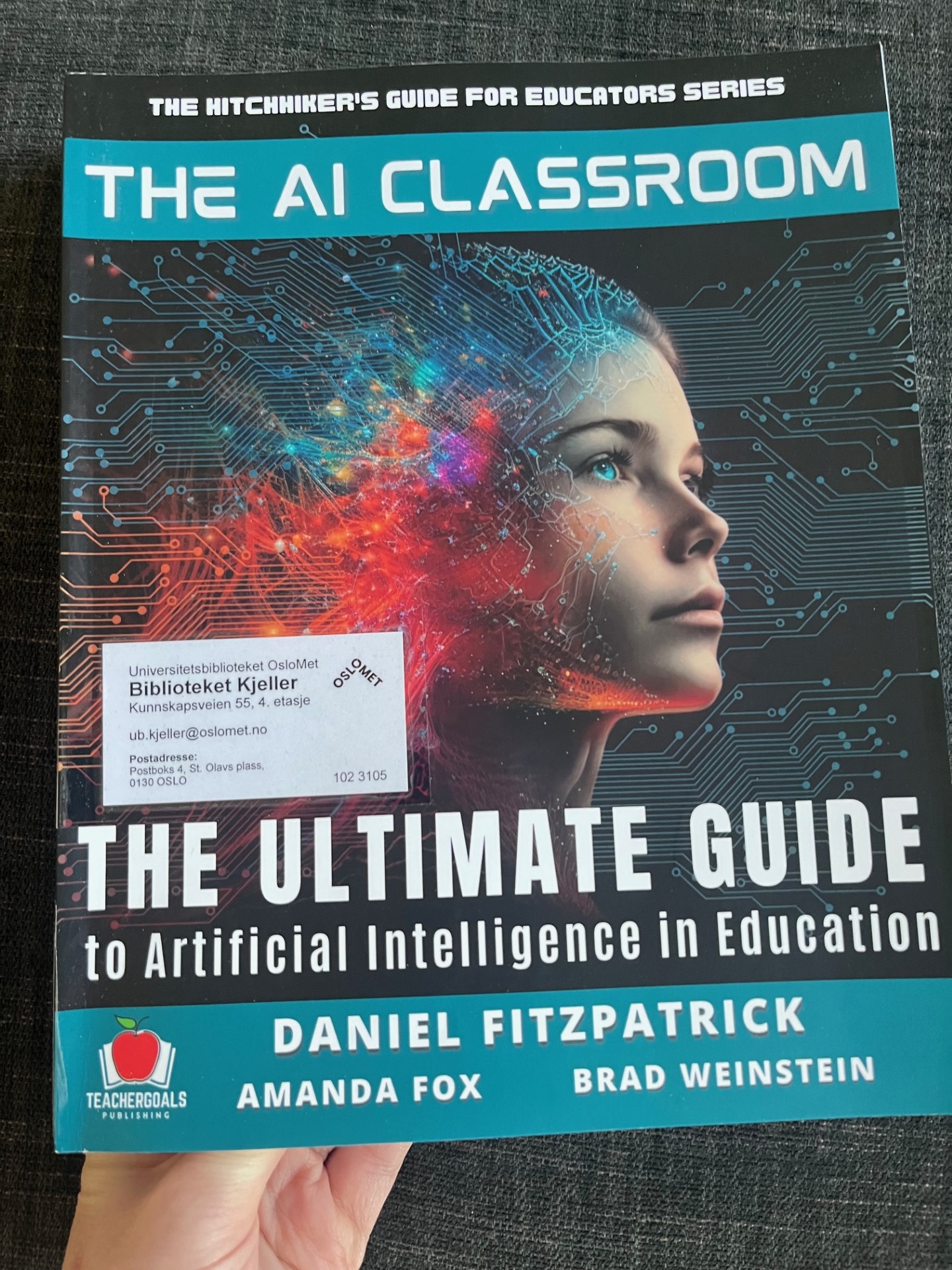
AI Books for Educators — from aiadvisoryboards.wordpress.com by Barbara Anna Zielonka

Books have always held a special place in my heart. As an avid reader and AI enthusiast, I have curated a list of books on artificial intelligence specifically tailored for educators. These books delve into the realms of AI, exploring its applications, ethical considerations, and its impact on education. Share your suggestions and let me know which books you would like to see included on this list.


SAIL: ELAI recordings, AI Safety, Near term AI/learning — by George Siemens

We held our fourth online Empowering Learners for the Age of AI conference last week. We sold out at 1500 people (a Whova and budget limit). The recordings/playlist from the conference can now be accessed here.


Your Teachers Need a Win — from cultofpedagogy.com by Jennifer Gonzalez

If you’re short on ideas, here are a few things you might compliment them on:

  • Relationships and rapport with students:
  • Decision-making:
  • Clarity and delivery:
  • Classroom management and logistics:
  • Lesson planning:
  • Design:

So this is my ask of you as an administrator: Choose 10 teachers on your staff and make it a goal to give each of them one piece of specific, positive feedback this week. For some, you might only need to think about what you’ve noticed during your past observations of them. For others, you might need to arrange a short classroom visit — make sure the teacher knows ahead of time that you will ONLY be looking for things to compliment them on. Even better would be to ask them to choose a time when they’re doing something they think you’d like to see. 

 
© 2025 | Daniel Christian