San Diego’s Nanome Inc. releases collaborative VR-STEM software for free — from vrscout.com by Becca Loux

Excerpt:

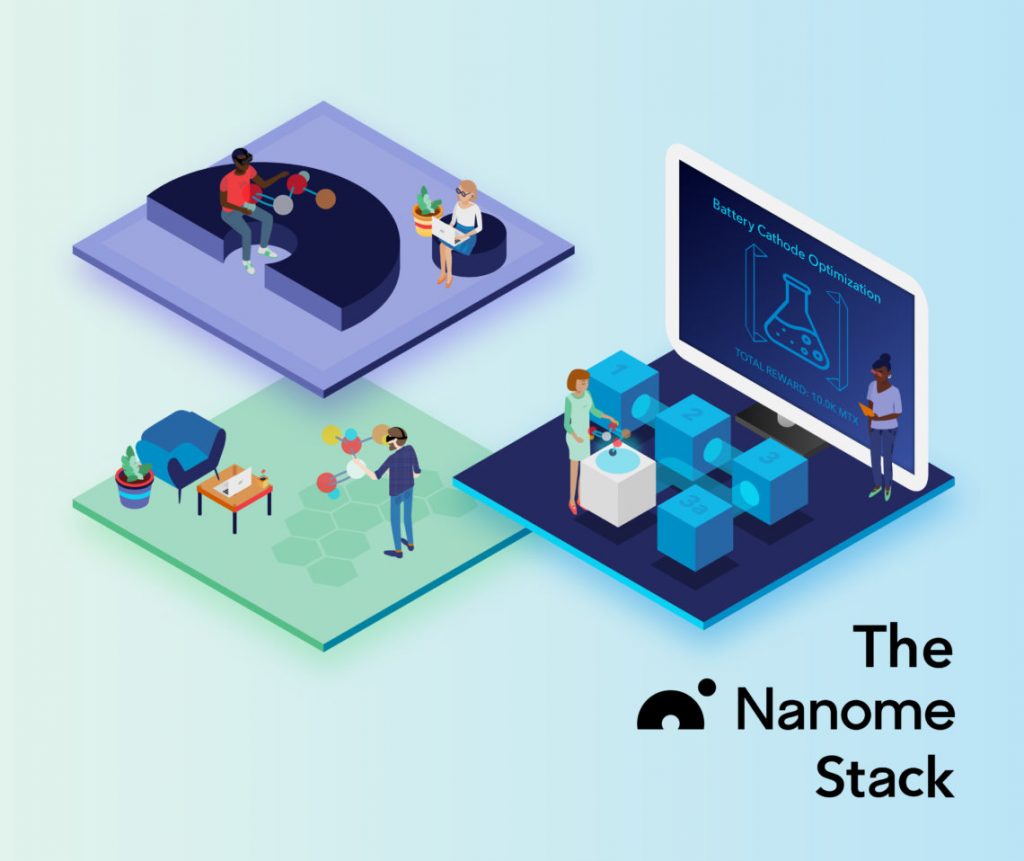
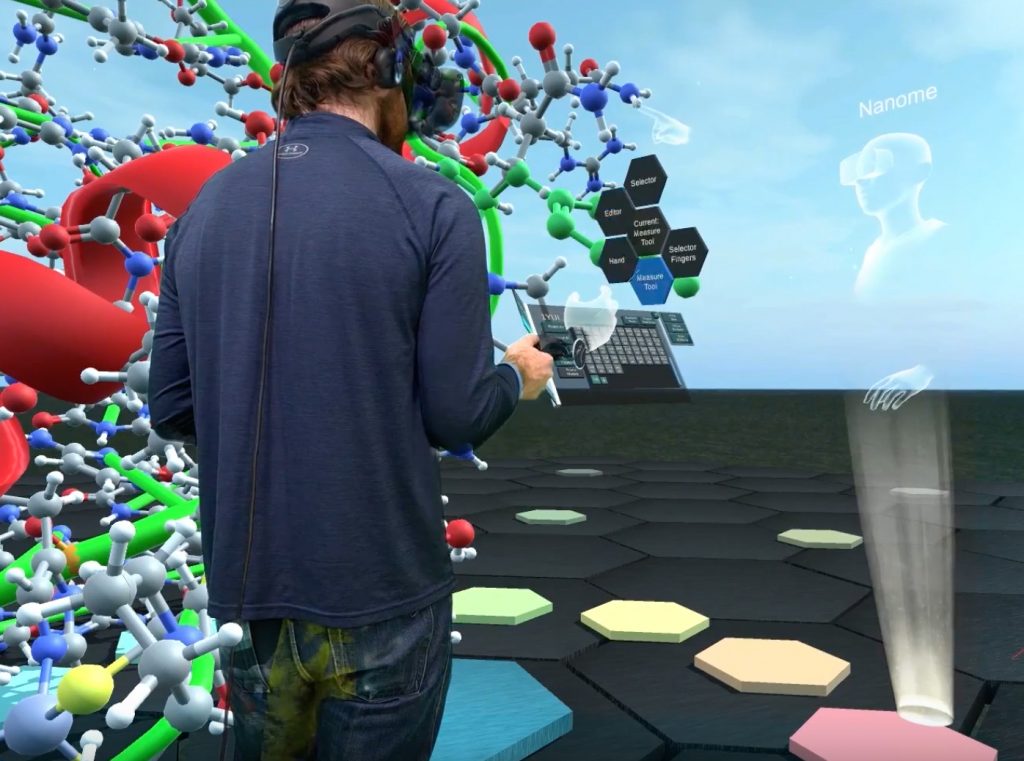
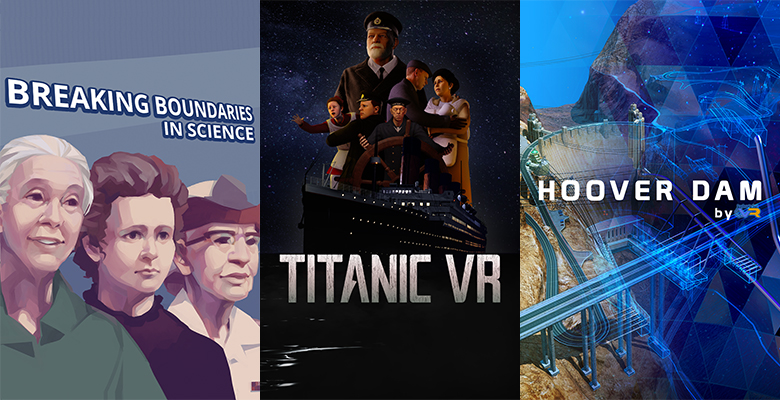
The first collaborative VR molecular modeling application was released August 29 to encourage hands-on chemistry experimentation.

The open-source tool is free for download now on Oculus and Steam.

Nanome Inc., the San Diego-based start-up that built the intuitive application, comprises UCSD professors and researchers, web developers and top-level pharmaceutical executives.


“With our tool, anyone can reach out and experience science at the nanoscale as if it is right in front of them. At Nanome, we are bringing the craftsmanship and natural intuition from interacting with these nanoscale structures at room scale to everyone,” McCloskey said.


San Diego’s Nanome Inc. Releases Collaborative VR-STEM Software For Free


10 ways VR will change life in the near future — from forbes.com

Excerpts:

  1. Virtual shops
  2. Real estate
  3. Dangerous jobs
  4. Health care industry
  5. Training to create VR content
  6. Education
  7. Emergency response
  8. Distraction simulation
  9. New hire training
  10. Exercise


From DSC:
While VR will have its place — especially for timeswhen you need to completely immerse yourself into another environment — I think AR and MR will be much larger and have a greater variety of applications. For example, I could see where instructions on how to put something together in the future could use AR and/or MR to assist with that process. The system could highlight the next part that I’m looking for and then highlight the corresponding parts where it goes — and, if requested, can show me a clip on how it fits into what I’m trying to put together.


How MR turns firstline workers into change agents — from virtualrealitypop.com by Charlie Finkand
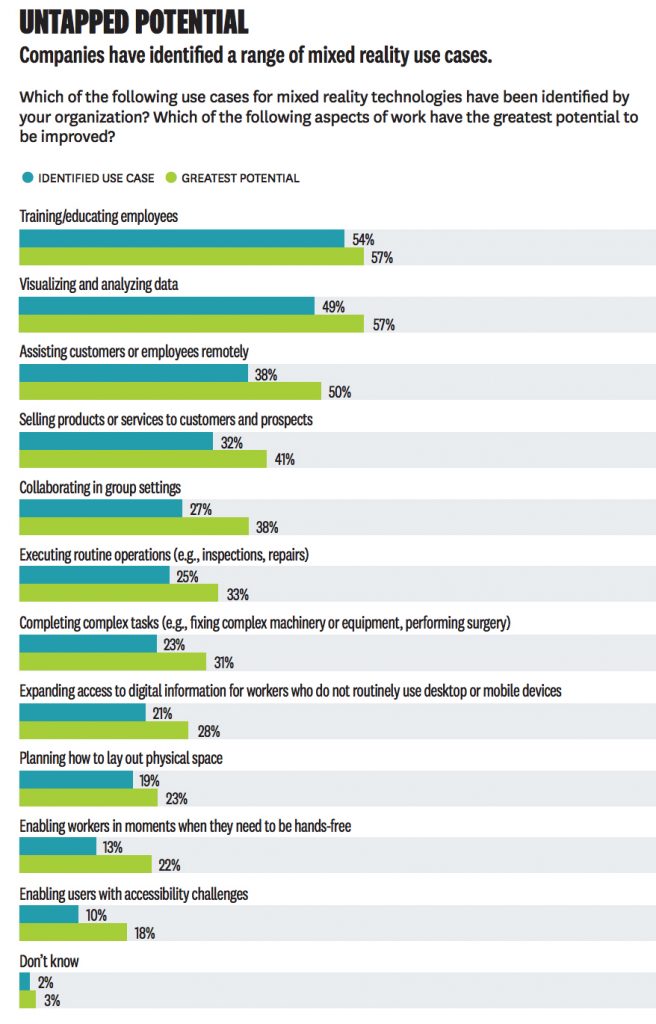
Mixed Reality, a new dimension of work — from Microsoft and Harvard Business Review

Excerpts:

Workers with mixed-reality solutions that enable remote assistance, spatial planning, environmentally contextual data, and much more,” Bardeen told me. With the HoloLens Firstline Workers workers conduct their usual, day-to-day activities with the added benefit of a heads-up, hands-free, display that gives them immediate access to valuable, contextual information. Microsoft says speech services like Cortana will be critical to control along with gesture, according to the unique needs of each situation.


Expect new worker roles. What constitutes an “information worker” could change because mixed reality will allow everyone to be involved in the collection and use of information. Many more types of information will become available to any worker in a compelling, easy-to-understand way. 


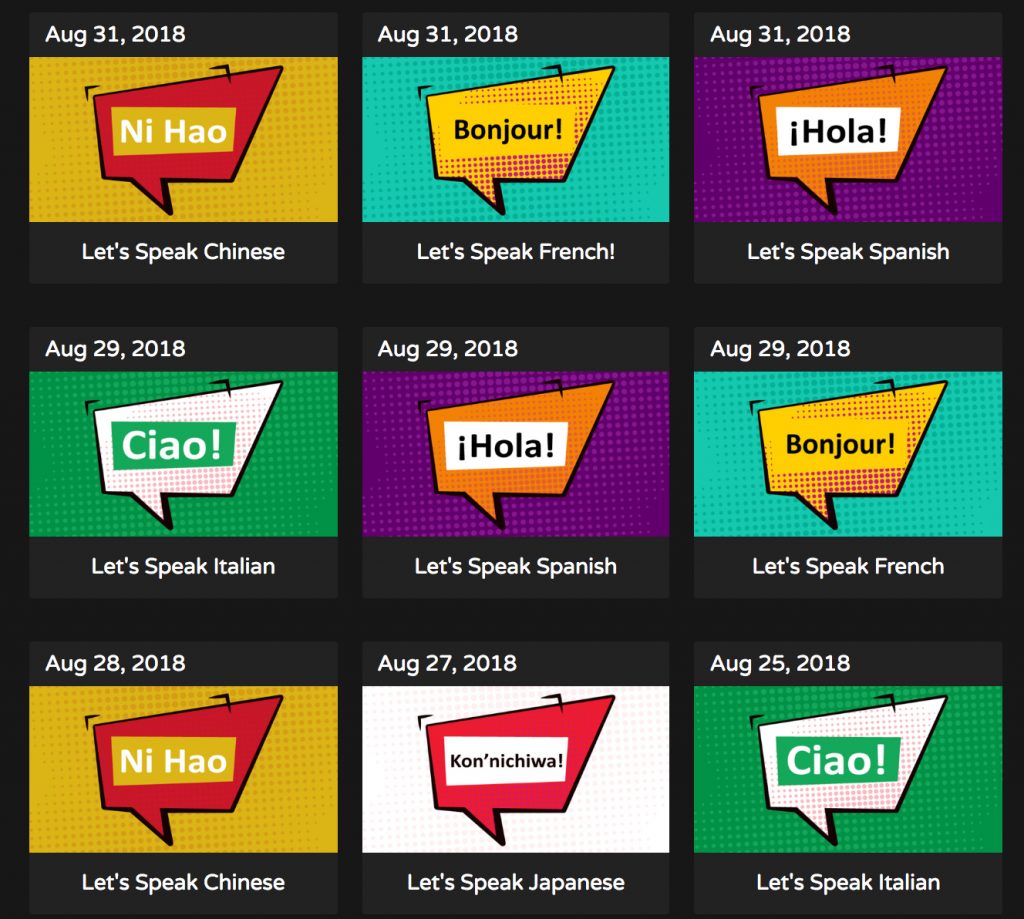
Let’s Speak: VR language meetups — from account.altvr.com


Google’s VR Labs provide STEM students with hands-on experience — from vrscout.com by Kyle Melnick

Excerpt:

STEM students engaged in scientific disciplines, such as biochemistry and neuroscience, are often required by their respective degrees to spend a certain amount of time engaged in an official laboratory environment. Unfortunately, crowded universities and the rise of online education have made it difficult for these innovators-in-training to access properly equipped labs and log their necessary hours.

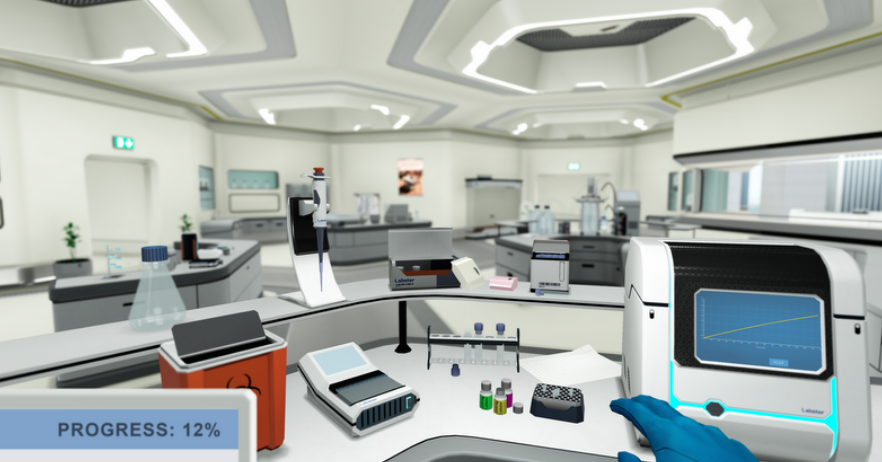
Cue Google VR Labs, a series of comprehensive virtual lab experiences available on the Google Daydream platform. Developed as part of partnership between Google and simulation education company Labster, the in-depth program boasts 30 interactive lab experiences in which biology students can engage in a series of hands-on scientific activities in a realistic environment.

These actions can include everything from the use of practical tools, such as DNA sequencers and microscopes, to reality-bending experiences only capable in a virtual environment, like traveling to the surface of the newly discovered Astakos IV exoplanet or examining and altering DNA on a molecular level.


Google’s VR Labs Provide STEM Students With Hands-On Experience


Also see:


Despite increase in Instructional Designers, there is no ‘universal profile’ for the role — from campustechnology.com by Dian Schaffhauser

Excerpt:

In higher education, one 2016 estimate pegged the “minimum” number of instructional designers employed by colleges and universities at some 13,000. But, as a new report from the Online Learning Consortium pointed out, “There is still a certain mystery surrounding who instructional designers are.”

“Instructional Design in Higher Education: Defining an Evolving Field“ seeks to clear up the mystery. The report is the second in a series to examine aspects of the digital learning landscape by doing a literature survey of existing research. The first report looked at accessibility. The series is being produced by OLC’s Research Center for Digital Learning & Leadership.


15 more companies that no longer require a degree — apply now — from glassdoor.com

Excerpt:

With college tuition soaring nationwide, many Americans don’t have the time or money to earn a college degree. However, that doesn’t mean your job prospects are diminished. Increasingly, there are many companies offering well-paying jobs to those with non-traditional education or a high-school diploma.
…
Google and Ernest & Young are just two of the champion companies who realize that book smarts don’t necessarily equal strong work ethic, grit and talent. Whether you have your GED and are looking for a new opportunity or charting your own path beyond the traditional four-year college route, here are 15 companies that have said they do not require a college diploma for some of their top jobs.


From DSC:
Several years ago when gas prices were sky high, I couldn’t help but think that some industries — though they were able to grab some significant profits in the short term — were actually shooting themselves in the foot for the longer term. Sure enough, as time went by, people started looking for less expensive alternatives. For example, they started buying more hybrid vehicles, more electric cars, and the sales of smaller cars and lighter trucks increased. The average fuel economy of vehicles went up (example). The goal was to reduce or outright eliminate the number of trips to the gas station that people were required to make.  

These days…I wonder if the same kind of thing is happening — or about to happen — with traditional institutions of higher education*? Are we shooting ourselves in the foot?

Traditional institutions of higher education better find ways to adapt, and to change their game (so to speak), before the alternatives to those organizations gain some major steam. There is danger in the status quo. Count on it. The saying, “Adapt or die” has now come to apply to higher ed as well.

Faculty, staff, and administrators within higher ed are beginning to experience what the corporate world has been experiencing for decades.

Faculty can’t just teach what they want to teach. They can’t just develop courses that they are interested in. The demand for courses that aren’t attractive career-wise will likely continue to decrease. Sure, it can be argued that many of those same courses — especially from the liberal arts colleges — are still valuable…and I would agree with some of those arguments. But the burden of proof continues to be shifted to the shoulders of those proposing such curricula.

Also, the costs of obtaining a degree needs to come down or:

  • The gorillas of debt on peoples’ backs will become a negative word of mouth that will be hard to compete against or adequately address as time goes by
  • The angst towards higher ed will continue to build
  • People will bolt for those promising alternatives to traditional higher ed where the graduates (badge earners, or whatever they’re going to be called) of those programs are hired and shown to be effective employees
  • I hope that this isn’t the case and that it’s not too late to change…but history will likely show that higher ed shot itself in the foot. The warning signs were all over the place.


The current trends are paving the way for a next generation learning platform that will serve someone from cradle to grave.


* I realize that many in higher ed would immediately dispute that their organizations are out to grab short term profits, that they don’t operate like a business, that they don’t operate under the same motivations as the corporate world, etc.  And I can see some of these folks’ points, no doubt. I may even agree with some of the folks who represent organizations who freely share information with other organizations and have motivations other than making tons of money.  But for those folks who staunchly hold to the belief that higher ed isn’t a business at all — well, for me, that’s taking things way too far. I do not agree with that perspective at all. One has to have their eyes (and minds) closed to cling to that perspective anymore. Just don’t ask those folks to tell you how much their presidents make (along with other higher-level members of their administrations), the salaries of the top football coaches, or how many millions of dollars many universities’ receive for their television contracts and/or their ticket sales, or how much revenue research universities bring in from patents and so on and so forth.


Addendum on 8/24, per University Ventures e-newsletter

2. Facebook Goes Back to College (emphasis DSC)
TechCrunch report on how digital giants are buying into Last-Mile Training by partnering with Pathstream to deliver necessary digital skills to community college students.
Most good first jobs specifically require one or more technologies like Facebook or Unity — technologies that colleges and universities aren’t teaching. If Pathstream is able to realize its vision of integrating industry-relevant software training into degree programs in a big way, colleges and universities have a shot at maintaining their stranglehold as the sole pathway to successful careers. If Pathstream’s impact is more limited, watch for millions of students to sidestep traditional colleges, and enroll in emerging faster and cheaper alternative pathways to good first jobs — alternative pathways that will almost certainly integrate the kind of last-mile training being pioneered by Pathstream.


America’s colleges and universities could learn a thing or two from Leo, because they continue to resist teaching students the practical things they’ll need to know as soon as they graduate; for instance, to get jobs that will allow them to make student loan payments. Digital skills head this list, specifically experience with the high-powered software they’ll be required to use every day in entry-level positions.

But talk to a college president or provost about the importance of Marketo, HubSpot, Pardot, Tableau, Adobe and Autodesk for their graduates, and they’re at a loss for how to integrate last-mile training into their degree programs in order prepare students to work on these essential software platforms.

Enter a new company, Pathstream, which just announced a partnership with tech leader Unity and previously partnered with Facebook. Pathstream supports the delivery of career-critical software skill training in VR/AR and digital marketing at colleges and universities.


Addendum on 8/24, per University Ventures e-newsletter
3. Faster + Cheaper Alternatives to College
Inside Higher Education Q&A on upcoming book A New U: Faster + Cheaper Alternatives to College.
Last-mile training is the inevitable by-product of two crises, one generally understood, the other less so. The crisis everyone understands is affordability and unsustainable levels of student loan debt. The other crisis is employability. Nearly half of all college graduates are underemployed in their first job. And we know that underemployment is pernicious and lasting. According to the recent report from Strada’s Institute for the Future of Work, two-thirds of underemployed graduates remain underemployed five years later, and half remain underemployed a decade later. So today’s students no longer buy that tired college line that “we prepare you for your fifth job, not your first job.” They know that if they don’t get a good first job, they’re probably not going to get a good fifth job. As a result, today’s students are laser-focused on getting a good first job in a growing sector of the economy.


2018 NMC Horizon Report: The trends, challenges, and developments likely to influence ed tech

2018 NMC Horizon Report — from library.educause.edu

Excerpt:

What is on the five-year horizon for higher education institutions? Which trends and technology developments will drive educational change? What are the critical challenges and how can we strategize solutions? These questions regarding technology adoption and educational change steered the discussions of 71 experts to produce the NMC Horizon Report: 2018 Higher Education Edition brought to you by EDUCAUSE. This Horizon Report series charts the five-year impact of innovative practices and technologies for higher education across the globe. With more than 16 years of research and publications, the Horizon Project can be regarded as one of education’s longest-running explorations of emerging technology trends and uptake.

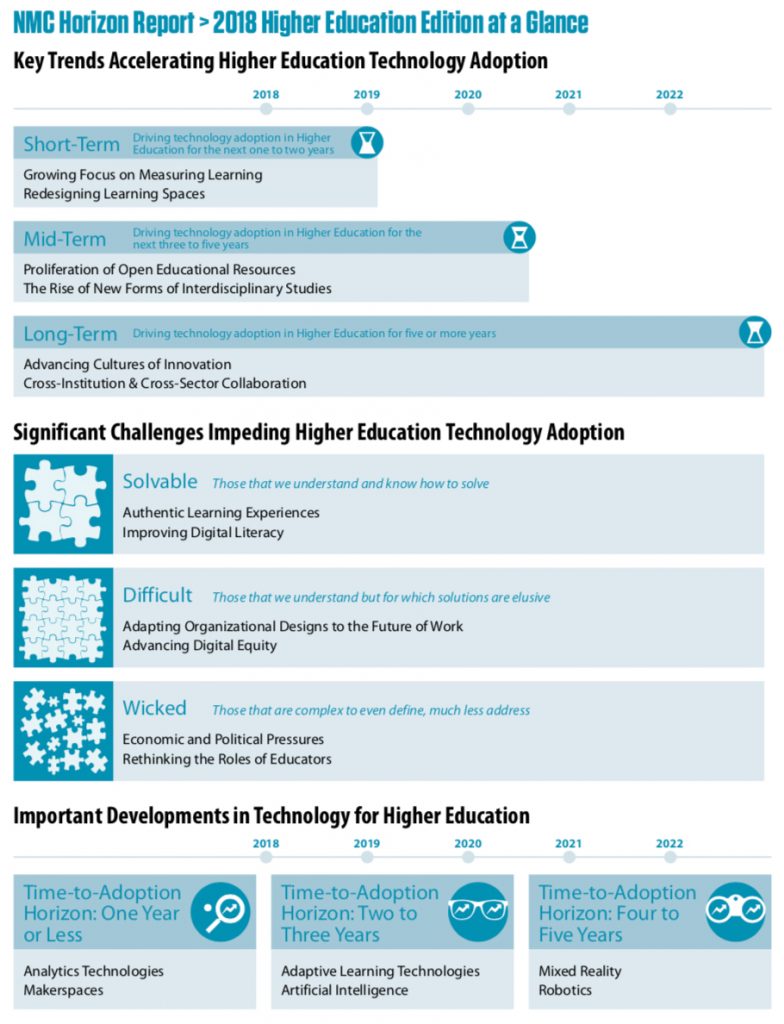
Six key trends, six significant challenges, and six developments in educational technology profiled in this higher education report are likely to impact teaching, learning, and creative inquiry in higher education. The three sections of this report constitute a reference and technology planning guide for educators, higher education leaders, administrators, policymakers, and technologists.


2018 NMC Horizon Report -- a glance at the trends, challenges, and developments likely to influence ed tech -- visual graphic


Also see:


Vanguard Projects: Expanding Teaching and Learning Horizons
Authors — from er.educause.edu by Malcolm Brown
Members of the higher education community provided a long list of projects that exemplify the six developments in educational technology from this year’s Horizon Report. A few of the projects are highlighted to convey a sense of the range and direction of current innovations in teaching and learning in higher education.

Excerpt:

This list summarizes the distribution across the six developments (as laid out in the preview):

  • Mixed reality: 31.4%
  • Makerspaces: 28.6%
  • Adaptive learning technology: 16.2%
  • Analytics technologies: 15.2%
  • Artificial intelligence: 4.8%
  • Robotics: 3.8%


50 Twitter accounts lawyers should follow — from postali.com

Excerpt:

Running a successful law practice is about much more than being an excellent attorney. A law firm is a business, and those who stay informed on trends in legal marketing, business development and technology are primed to run their practice more efficiently.

Law firms are a competitive business. In order to stay successful, you need to stay informed. The industry trends can often move at lightning speed, and you want to be ahead of them.

Twitter is a great place for busy attorneys to stay informed. Many thought leaders in the legal industry are eager and willing to share their knowledge in digestible, 280-character tweets that lawyers on-the-go can follow.

We’ve rounded up some of the best Twitter accounts for lawyers (in no particular order.) To save you even more time, we’ve also added all of these account to a Twitter List that you can follow with one click. (You can use some of the time you’ll save to follow Postali on Twitter as well.)

Click here to view the Twitter List of Legal Influencers.


From DSC:
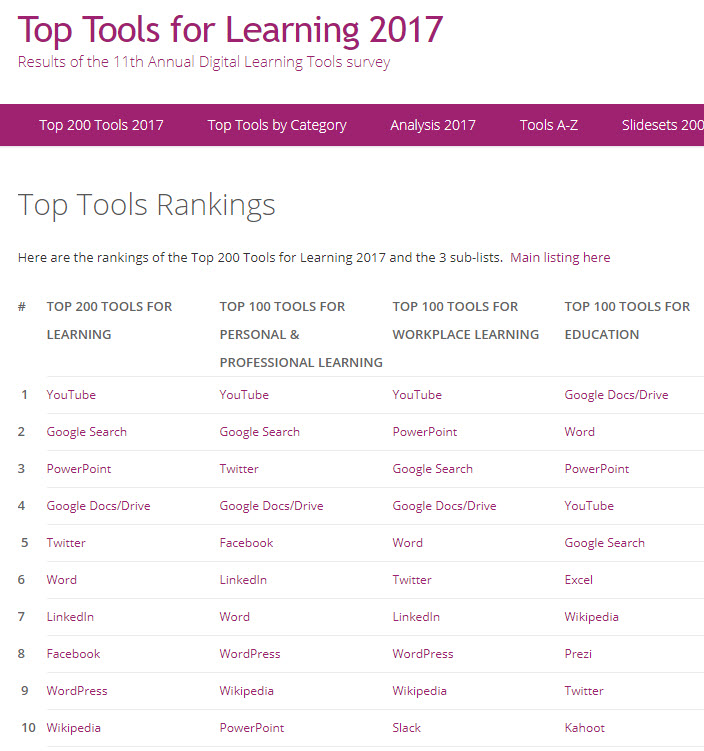
I find Twitter to be an excellent source of learning, and it is one of the key parts of my own learning ecosystem. I’m not the only one. Check out these areas of Jane Hart’s annual top tools for learning.

Twitter is in the top 10 lists for learning tools no matter whether you are looking at education, workplace learning, and/or for personal and professional learning


Also see/relevant:

  • Prudenti: Law schools facing new demands for innovative education— from libn.com
    Excerpt:
    Law schools have always taught the law and the practice thereof, but in the 21st century that is not nearly enough to provide students with the tools to succeed. Clients, particularly business clients, are not only looking for an “attorney” in the customary sense, but a strategic partner equipped to deal with everything from project management to metrics to process enhancement. Those demands present law schools with both an opportunity for and expectation of innovation in legal education.


Where teachers can find free audiobooks for their students — from thetechedvocate.org by Matthew Lynch

Excerpt (emphasis DSC):

Audiobooks are fantastic ways to bring stories to life in your classroom and keep students engaged. Reading Rockets explains, “Audiobooks have traditionally been used in schools by teachers of second-language learners, learning-disabled students, and struggling readers or nonreaders. In many cases, audiobooks have proven successful in providing a way for these students to access literature and enjoy books.” However, educators have found that audiobooks benefit all students!

Unfortunately, audiobooks are pricey, so you should not expect your students to have them at home. You should also not plan on spending large amounts of money to build your audiobook collection for your classroom. For instance, the widely popular Audible site for downloadable audiobooks is a subscription-based service, but it only allows you to choose one book per month. Instead, take advantage of the wealth of free audiobooks available for teachers and students.


What is a learning ecosystem? And how does it support corporate strategy? — from ej4.com by Ryan Eudy

Excerpt:

A learning ecosystem is a system of people, content, technology, culture, and strategy, existing both within and outside of an organization, all of which has an impact on both the formal and informal learning that goes on in that organization.

The word “ecosystem” is worth paying attention to here. It’s not just there to make the term sound fancy or scientific. A learning ecosystem is the L&D equivalent of an ecosystem out in the wild. Just as a living ecosystem has many interacting species, environments, and the complex relationships among them, a learning ecosystem has many people and pieces of content, in different roles and learning contexts, and complex relationships.

Just like a living ecosystem, a learning ecosystem can be healthy or sick, nurtured or threatened, self-sustaining or endangered. Achieving your development goals, then, requires an organization to be aware of its own ecosystem, including its parts and the internal and external forces that shape them.


From DSC:
Yes, to me, the concept/idea of a learning ecosystem IS important. Very important. So much so, I named this blog after it.

Each of us as individuals have a learning ecosystem, whether we officially recognize it or not. So do the organizations that we work for. And, like an ecosystem out in nature, a learning ecosystem is constantly morphing, constantly changing.

We each have people in our lives that help us learn and grow, and the people that were in our learning ecosystems 10 years ago may or may not still be in our current learning ecosystems. Many of us use technologies and tools to help us learn and grow. Then there are the spaces where we learn — both physical and virtual spaces. Then there are the processes and procedures we follow, formally and/or informally. Any content that helps us learn and grow is a part of that ecosystem. Where we get that content can change, but obtaining up-to-date content is a part of our learning ecosystems. I really appreciate streams of content in this regard — and tapping into blogs/websites, especially via RSS feeds and Feedly (an RSS aggregator that took off when Google Reader left the scene).

The article brings up a good point when it states that a learning ecosystem can be “healthy or sick, nurtured or threatened, self-sustaining or endangered.” That’s why I urge folks to be intentional about maintaining and, better yet, consistently enhancing their learning ecosystems. In this day and age where lifelong learning is now a requirement to remain in the workforce, each of us needs to be intentional in this regard.


Report: Accessibility in Digital Learning Increasingly Complex — from campustechnology.com by Dian Schaffhauser

Excerpt:

The Online Learning Consortium (OLC)has introduced a series of original reports to keep people in education up-to-date on the latest developments in the field of digital learning. The first report covers accessibility and addresses both K-12 and higher education. The series is being produced by OLC’s Research Center for Digital Learning & Leadership.

The initial report addresses four broad areas tied to accessibility:

  • The national laws governing disability and access and how they apply to online courses;
  • What legal cases exist to guide online course design and delivery in various educational settings;
  • The issues that emerge regarding online course access that might be unique to higher ed or to K-12, and which ones might be shared; and
  • What support online course designers need to generate accessible courses for learners across the education life span (from K-12 to higher education).


Canvas catches, & maybe passes, Blackboard — from by Lindsay McKenzie
Blackboard dominated the U.S. learning management system market for 20 years, but new data show its cloud-based competitor edging past it.

Excerpt:

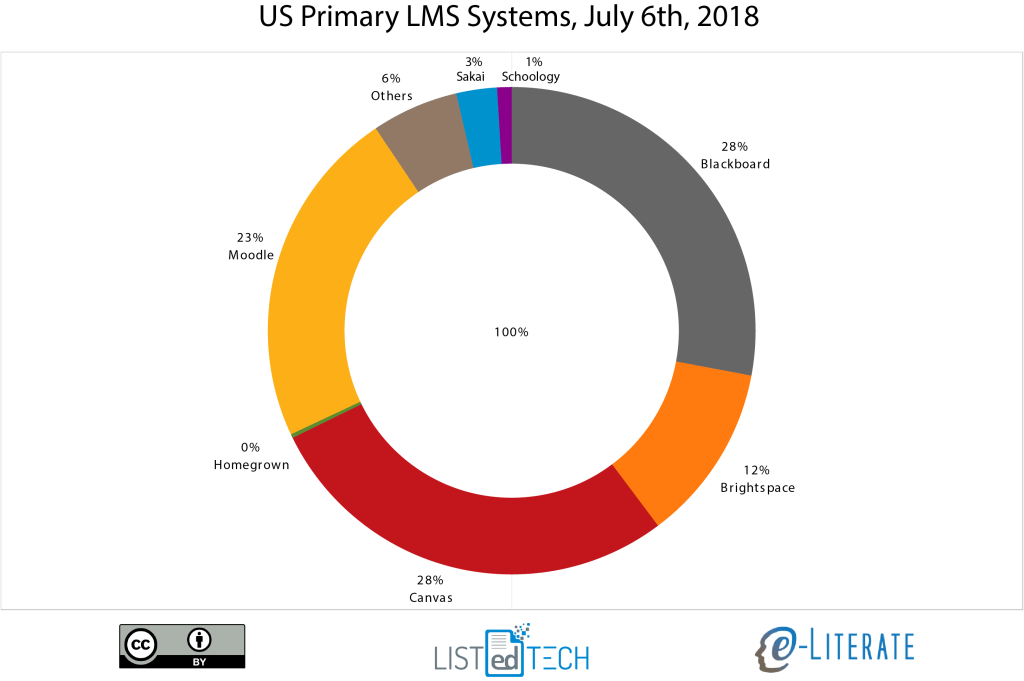
Canvas has unseated Blackboard Learn as the leading LMS at U.S. colleges and universities, according to new data from MindWires Consulting.

In a blog post on [7/8/18], Michael Feldstein, partner at MindWires Consulting and co-publisher of the e-Literate blog, wrote that Canvas now has 1,218 installations at U.S. institutions, compared with Blackboard’s 1,216. Although the two-figure difference may seem insignificant — and Blackboard and some of its allies say the data don’t accurately reflect the two companies’ relative reach — most analysts agree that Canvas’s ascent, largely at Blackboard’s expense, is noteworthy.

“This is a stunning development for a company that seemed to have established an unbreakable market dominance a decade ago,” wrote Feldstein.

At its peak in 2006, Blackboard controlled approximately 70 percent of the U.S. and Canadian market, with its nearest competitors “far, far behind,” said Feldstein. But slowly Canvas, and others such as Moodle and D2L’s Brightspace, have closed the gap.


The market share for Learning Management Systems


Also, you might want to know about the upcoming FREE opportunity to learn more about Instructure (the maker of Canvas), where Canvas is heading, and some other keynotes re: K-12 and higher education.

Next week, Instructure is hosting a conference that’s focusing on Canvas, and it’s called InstructureCarn. You can register — for free — to watch the live stream of all 5 keynotes at InstructureCarn, and Instructure will send you an email reminder to tune into the following keynote speakers and sessions:

  • Tuesday, July 24 @ 5pm MST Josh Coates, CEO, Instructure
  • Wednesday, July 25 @ 9am MST Adora Svitak, Author, Speaker, Advocate
  • Wednesday, July 25 @ 1:30pm MST Jared Stein, VP of Higher Ed Strategy, Instructure
  • Thursday, July 26 @ 9am MST Michael Bonner, 2nd Grade Teacher, Visionary Leader
  • Thursday, JULY 26 @ 1:30PM MST Mitch Benson, SVP of Product, Instructure

Click here to attend virtually!
The times listed above are in Mountain Standard Time (MST)– so you may need to convert those times to your time zone.


Teaching with Technology in 2018 — from thejournal.com by David Nagel
In our third-annual ed tech survey, teachers reveal an overwhelmingly positive attitude toward tech in the classroom and its impact on teaching, learning and professional development.

Excerpt:

Teachers are growing fonder of technology every year. Even the dreaded mobile phone is gaining acceptance as a classroom tool, at least among those who participated in THE Journal’s third-annual Teaching with Technology Survey.

Teacher Attitudes Toward Tech
While teachers in each of the preceding survey were, for the most part, pumped up about tech for learning, this year’s results reveal an evolving positivism not just about tech, but about the direction tech is heading.

Exactly three-quarters of teachers in the survey indicated tech has had an extremely positive (38.37 percent) or mostly positive (36.63 percent) impact on education. The remaining 25 percent said tech has had both positive and negative effects on education. Zero respondents said tech had a negative or extremely negative impact.

…

Responses about tech’s impact on student learning were similar, with 84 percent saying it’s had a positive impact, 6 percent saying it’s had a negative impact and 10 percent being neutral.


The title of this article being linked to is: Augmented and virtual reality mean business: Everything you need to know


Augmented and virtual reality mean business: Everything you need to know — from zdnet by Greg Nichols
An executive guide to the technology and market drivers behind the hype in AR, VR, and MR.

Excerpt:

Overhyped by some, drastically underestimated by others, few emerging technologies have generated the digital ink like virtual reality (VR), augmented reality (AR), and mixed reality (MR).  Still lumbering through the novelty phase and roller coaster-like hype cycles, the technologies are only just beginning to show signs of real world usefulness with a new generation of hardware and software applications aimed at the enterprise and at end users like you. On the line is what could grow to be a $108 billion AR/VR industry as soon as 2021. Here’s what you need to know.


The reason is that VR environments by nature demand a user’s full attention, which make the technology poorly suited to real-life social interaction outside a digital world. AR, on the other hand, has the potential to act as an on-call co-pilot to everyday life, seamlessly integrating into daily real-world interactions. This will become increasingly true with the development of the AR Cloud.

The AR Cloud
Described by some as the world’s digital twin, the AR Cloud is essentially a digital copy of the real world that can be accessed by any user at any time.

For example, it won’t be long before whatever device I have on me at a given time (a smartphone or wearable, for example) will be equipped to tell me all I need to know about a building just by training a camera at it (GPS is operating as a poor-man’s AR Cloud at the moment).

What the internet is for textual information, the AR Cloud will be for the visible world. Whether it will be open source or controlled by a company like Google is a hotly contested issue.


Augmented reality will have a bigger impact on the market and our daily lives than virtual reality — and by a long shot. That’s the consensus of just about every informed commentator on the subject.


Mixed reality will transform learning (and Magic Leap joins act one) — from edsurge.com by Maya Georgieva

Excerpt:

Despite all the hype in recent years about the potential for virtual reality in education, an emerging technology known as mixed reality has far greater promise in and beyond the classroom.

Unlike experiences in virtual reality, mixed reality interacts with the real world that surrounds us. Digital objects become part of the real world. They’re not just digital overlays, but interact with us and the surrounding environment.

If all that sounds like science fiction, a much-hyped device promises some of those features later this year. The device is by a company called Magic Leap, and it uses a pair of goggles to project what the company calls a “lightfield” in front of the user’s face to make it look like digital elements are part of the real world. The expectation is that Magic Leap will bring digital objects in a much more vivid, dynamic and fluid way compared to other mixed-reality devices such as Microsoft’s Hololens.
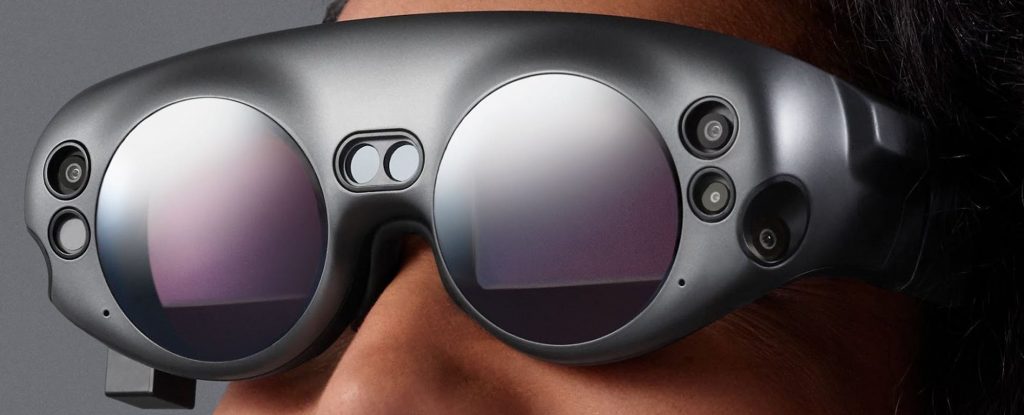
 

The title of the article being linked to here is Mixed reality will transform learning (and Magic Leap joins act one)


Now think about all the other things you wished you had learned this way and imagine a dynamic digital display that transforms your environment and even your living room or classroom into an immersive learning lab. It is learning within a highly dynamic and visual context infused with spatial audio cues reacting to your gaze, gestures, gait, voice and even your heartbeat, all referenced with your geo-location in the world. Unlike what happens with VR, where our brain is tricked into believing the world and the objects in it are real, MR recognizes and builds a map of your actual environment.


Also see:

virtualiteach.com
Exploring The Potential for the Vive Focus in Education
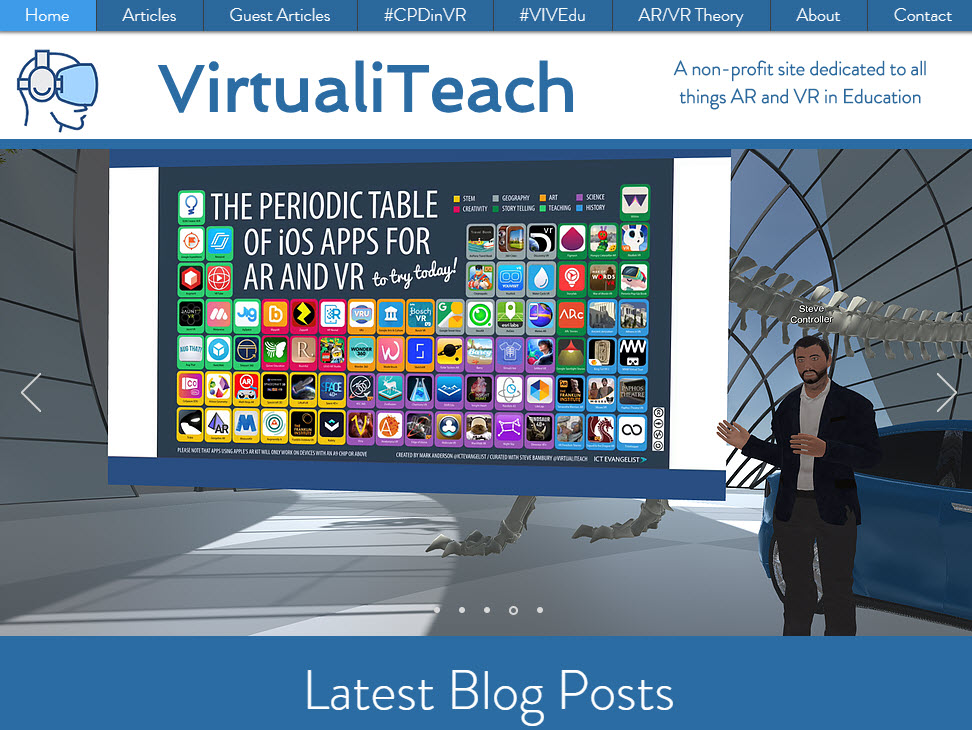
 

virtualiteach.com


Digital Twins Doing Real World Work — from stambol.com

Excerpt:

On the big screen it’s become commonplace to see a 3D rendering or holographic projection of an industrial floor plan or a mechanical schematic. Casual viewers might take for granted that the technology is science fiction and many years away from reality. But today we’re going to outline where these sophisticated virtual replicas – Digital Twins – are found in the real world, here and now. Essentially, we’re talking about a responsive simulated duplicate of a physical object or system. When we first wrote about Digital Twin technology, we mainly covered industrial applications and urban infrastructure like transit and sewers. However, the full scope of their presence is much broader, so now we’re going to break it up into categories.
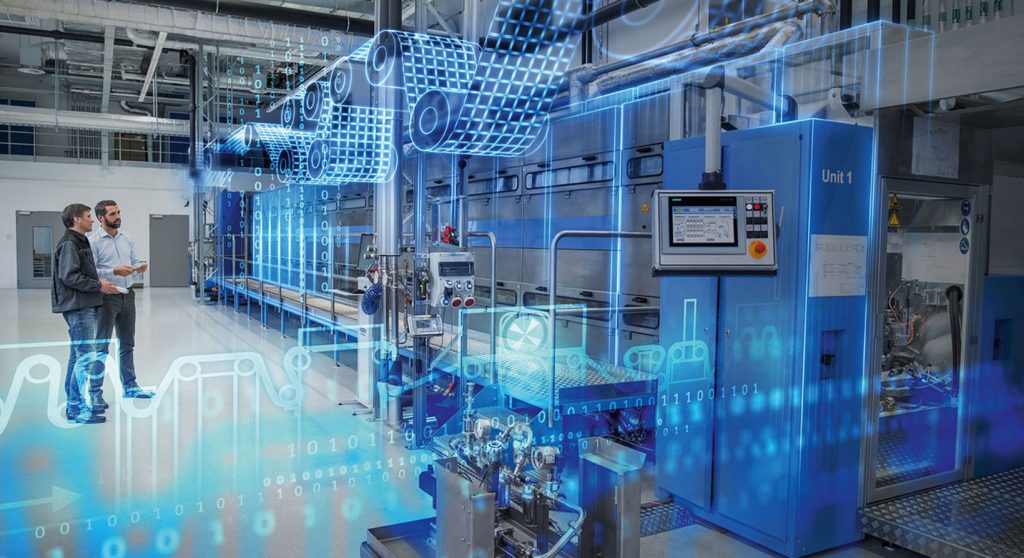
 

The title of the article being linked to here is Digital twins doing real world work


Digital twin — from Wikipedia

Digital twin refers to a digital replica of physical assets (physical twin), processes and systems that can be used for various purposes.[1] The digital representation provides both the elements and the dynamics of how an Internet of Things device operates and lives throughout its life cycle.[2]

Digital twins integrate artificial intelligence, machine learning and software analytics with data to create living digital simulation models that update and change as their physical counterparts change. A digital twin continuously learns and updates itself from multiple sources to represent its near real-time status, working condition or position. This learning system, learns from itself, using sensor data that conveys various aspects of its operating condition; from human experts, such as engineers with deep and relevant industry domain knowledge; from other similar machines; from other similar fleets of machines; and from the larger systems and environment in which it may be a part of. A digital twin also integrates historical data from past machine usage to factor into its digital model.

In various industrial sectors, twins are being used to optimize the operation and maintenance of physical assets, systems and manufacturing processes.[3] They are a formative technology for the Industrial Internet of Things, where physical objects can live and interact with other machines and people virtually.[4]


Disney to debut its first VR short next month — from techcrunch.com by Sarah Wells

Excerpt:

Walt Disney Animation Studio is set to debut its first VR short film, Cycles, this August in Vancouver, the Association for Computing Machinery announced today. The plan is for it to be a headliner at the ACM’s computer graphics conference (SIGGRAPH), joining other forms of VR, AR and MR entertainment in the conference’s designated Immersive Pavilion.

This film is a first for both Disney and its director, Jeff Gipson, who joined the animation team in 2013 to work as a lighting artist on films like Frozen, Zootopia and Moana. The objective of this film, Gipson said in the statement released by ACM, is to inspire a deep emotional connection with the story.

“We hope more and more people begin to see the emotional weight of VR films, and with Cycles in particular, we hope they will feel the emotions we aimed to convey with our story,” said Gipson.


© 2025 | Daniel Christian