Merry Christmas all!


Luke Chapter 1 and Luke Chapter 2 give a nice background to the birth of Jesus. 


Also, The Chosen team has a two-day Christmas marathon of their Christmas episodes on YouTube. It started at 9am EST on 12/24 and goes through midnight on Christmas Day. See: https://www.youtube.com/live/0Ru59RASbhw

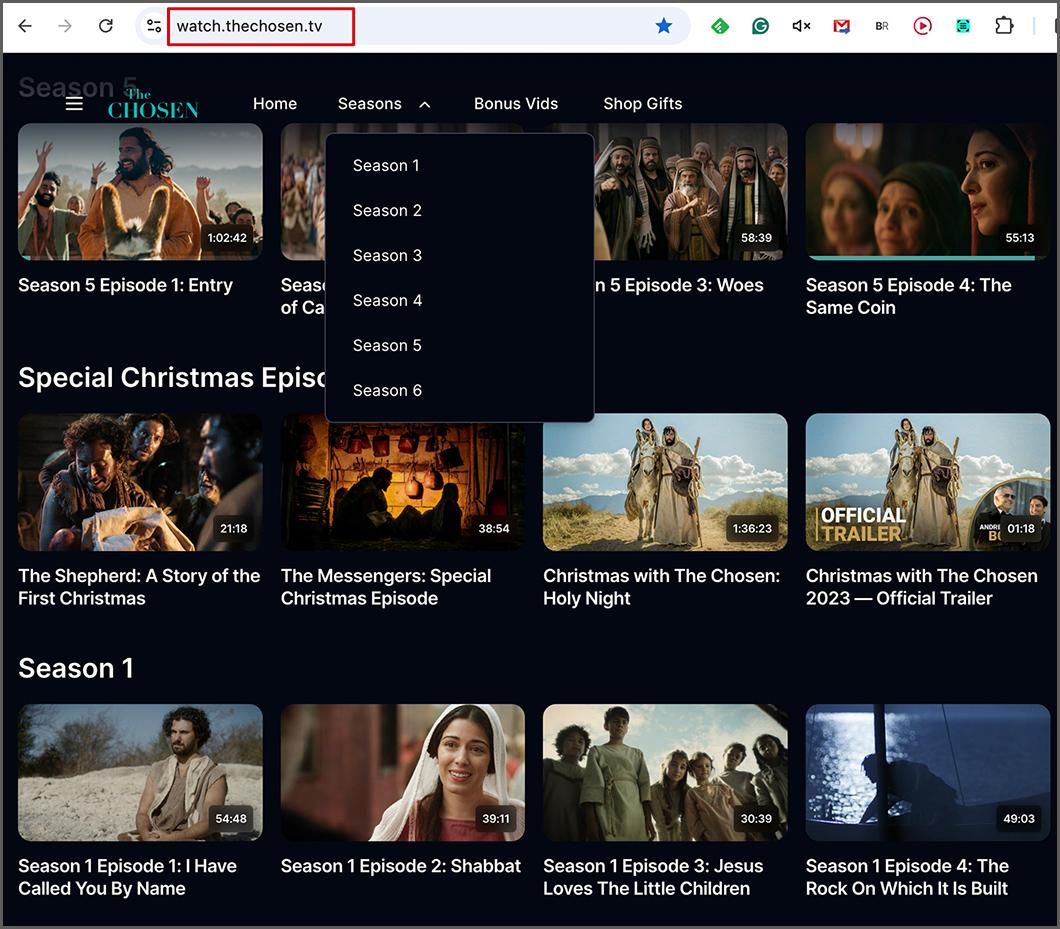
To watch The Chosen video series, see:

https://watch.thechosen.tv/
.


How Your Learners *Actually* Learn with AI — from drphilippahardman.substack.com by Dr. Philippa Hardman
What 37.5 million AI chats show us about how learners use AI at the end of 2025 — and what this means for how we design & deliver learning experiences in 2026

Last week, Microsoft released a similar analysis of a whopping 37.5 million Copilot conversations. These conversation took place on the platform from January to September 2025, providing us with a window into if and how AI use in general — and AI use among learners specifically – has evolved in 2025.

Microsoft’s mass behavioural data gives us a detailed, global glimpse into what learners are actually doing across devices, times of day and contexts. The picture that emerges is pretty clear and largely consistent with what OpenAI’s told us back in the summer:

AI isn’t functioning primarily as an “answers machine”: the majority of us use AI as a tool to personalise and differentiate generic learning experiences and – ultimately – to augment human learning.

Let’s dive in!

Learners don’t “decide” to use AI anymore. They assume it’s there, like search, like spellcheck, like calculators. The question has shifted from “should I use this?” to “how do I use this effectively?”


8 AI Agents Every HR Leader Needs To Know In 2026 — from forbes.com by Bernard Marr

So where do you start? There are many agentic tools and platforms for AI tasks on the market, and the most effective approach is to focus on practical, high-impact workflows. So here, I’ll look at some of the most compelling use cases, as well as provide an overview of the tools that can help you quickly deliver tangible wins.
…
Some of the strongest opportunities in HR include:

  • Workforce management, administering job satisfaction surveys, monitoring and tracking performance targets, scheduling interventions, and managing staff benefits, medical leave, and holiday entitlement.
  • Recruitment screening, automatically generating and posting job descriptions, filtering candidates, ranking applicants against defined criteria, identifying the strongest matches, and scheduling interviews.
  • Employee onboarding, issuing new hires with contracts and paperwork, guiding them to onboarding and training resources, tracking compliance and completion rates, answering routine enquiries, and escalating complex cases to human HR specialists.
  • Training and development, identifying skills gaps, providing self-service access to upskilling and reskilling opportunities, creating personalized learning pathways aligned with roles and career goals, and tracking progress toward completion.


Making the case for arts and humanities — from timeshighereducation.com by campus contributors, Eliza Compton
The arts and humanities are often dismissed as an unaffordable luxury, when these disciplines underpin vital human skills such as critical thinking, creativity and communication. This collection explores many ways in which arts and humanities can be harnessed for the benefit of all – students, universities and wider society

Yet, amid the threat of AI-driven automation in the workforce, fierce competition for entry-level jobs, and complex global problems such as climate change, the skills that humanities disciplines are built upon are vital. These skills – such as critical thinking, communication and creativity – are also key to universities’ capacity to share knowledge with industry, policymakers and the public. When it comes to understanding how high-tech solutions can best be applied in the real world, often the barriers are not technical but human, as low vaccine take-ups show.

These human skills are not unique to disciplines such as history, philosophy, literature, linguistics, performance and visual arts, of course. The need for deep thinking and analysis across all areas of academic enquiry is embedded in interdisciplinarity and STEAM initiatives, which integrate science, technology, mathematics and engineering with arts and humanities.

At their core, the arts and humanities interrogate what makes us human and how we understand and communicate with the world. In this collection, contributors from around the globe articulate the value that these disciplines bring to students, industry, government and society, when taught and designed effectively. It also considers how arts-based research can drive discovery, the role of interdisciplinarity in teaching and research, and how humanities-led expertise supports sustainability and inclusion.


25 Big Ideas that will define 2026 — from linkedin.com by LinkedIn News
This year’s predictions capture a world in flux, where technology and humanity will press closer than ever, fueling new opportunities and tensions.

Blockchain: Blockchain technology will create new ways for creators to keep more of their revenue by enabling them to host their own content, bypassing traditional social media platforms that take a cut of their earnings.

3.AI: Artificial intelligence will enhance creators’ ability to scale their personal brands exponentially — producing more content, creating virtual influencers and expanding reach in ways we’ve never seen.
…
Laws around artificial intelligence in mental health care are set to change dramatically in 2026, in the wake of lawsuits alleging harm or “psychosis” linked to AI tools. After years of rapid adoption — and little oversight — regulators will move to treat therapy chatbots more like medical devices than lifestyle apps.
…
Small businesses — which make up 90% of companies globally — will be the top destination for young jobseekers in 2026.
…
Generative engine optimization (GEO) is set to replace search engine optimization (SEO) as the way brands get discovered in the year ahead. As consumers turn to AI chatbots, agentic workflows and answer engines, appearing prominently in generative outputs will matter more than ranking in search engines.


So, You Want to Open a Microschool — from educationnext.org by Kerry McDonald
For aspiring founders who have the will but lack the way to launch their schools, startup partners are there to help

In recent years, microschools—small, highly individualized, flexible learning models—have become a popular education option, now serving at least 750,000 U.S. schoolchildren. More than half of microschools nationwide operate as homeschooling centers, while 30 percent function as private schools, 5 percent are public charters, and the rest fit into unique, often overlapping categories, according to a 2025 sector analysis by the National Microschooling Center. While many founders achieve success on their own, joining an accelerator or network can offer the business coaching and community connection that make the inevitable challenges of entrepreneurship more manageable. Van Camp decided to join KaiPod Catalyst, a microschool accelerator program from KaiPod Learning.

I feature six of these microschool accelerators and networks in my new book, Joyful Learning: How to Find Freedom, Happiness, and Success Beyond Conventional Schooling. Some of them have been around for years, but they have attracted rising interest since 2020 as more parents and teachers consider starting schools. These programs vary widely in the startup services and supports they offer, but they share a commitment to building relationships among founders and facilitating the ongoing success of today’s creative schooling options.


MICROSCHOOL REPORT
A small shift with an outsized impact in K-12 education— from gettingsmart.com by Getting Smart

High quality, personalized instruction in an intimate setting that focuses on the whole child is growing in popularity—and it looks very different from traditional models both past and present. What may seem like a throwback to the pioneers’ one-room schoolhouse actually speaks volumes about what we as a society have outgrown.

What began as a response to a global crisis has led to a watershed moment.

Yet to categorize microschools simply as “pandemic pods” or private schools with a low headcount largely misses the mark. They are perhaps best described as intentionally-designed small learning environments that are bucking two centuries of inertia and industrial-era constraints.

Microschools are providing educators with an entrepreneurial opportunity that was unthinkable just a couple of decades ago, in tandem with the ability to deliver high student and family satisfaction. And they’re doing it by prioritizing learner agency, personalization, and mastery over compliance and standardization.

However, for microschools to truly scale and impact equitable outcomes, the K-12 sector must address critical policy challenges related to access, accountability and regulatory restrictions.

The following key findings from deeply researched case studies and strategic guides published by the Getting Smart team are intended to provide a comprehensive overview on the microschool movement. Each section offers an opportunity to dive deeper into resources on specific, timely topics.


Speaking of education reform and alternatives, also see:

Driving systems transformation for 21st-century educators, learners, and workers. — from jff.org

Today’s education ecosystem must meet the needs of today’s learners. This means learner-centered outcomes, pathways between education and careers, and policies and practices that support both degree and non-degree programs.

Jobs for the Future’s Education practice works to support systems change in the education ecosystem, influence policies that promote diverse pathways, and identify and apply data-informed, learner-centered solutions.


People Watched 700 Million Hours of YouTube Podcasts on TV in October — from bloomberg.com (this article is behind a paywall)

  • That’s up from 400 million hours a year ago as podcasts become the new late-night TV.
  • YouTube Wins Over TV Audience With Video Podcasts.
  • YouTube is dominating in the living room.
 

Coursera to Combine with Udemy to Empower the Global Workforce with Skills for the AI Era — from investor.coursera.com

Highly Complementary Capabilities Will Create a Leading Technology Platform, Redefining Skills Discovery, Development, and Mastery for Learners and Organizations at Scale

Unites Udemy’s Dynamic AI-Powered Skills Development Marketplace with World-Class University and Industry Brands Under the Coursera Ecosystem, Expanding Value, Impact, and Choice Globally

Strengthens Combined Company’s Financial Profile with Pro Forma Annual Revenue of More Than $1.5 Billion and Anticipated Annual Run-Rate Cost Synergies of $115 Million Within 24 Months

“We’re at a pivotal moment in which AI is rapidly redefining the skills required for every job across every industry. Organizations and individuals around the world need a platform that is as agile as the new and emerging skills learners must master,” said Greg Hart, CEO of Coursera. “By combining the highly complementary strengths of Coursera and Udemy, we will be in an even stronger position to address the global talent transformation opportunity, unlock a faster pace of innovation, and deliver valuable experiences and outcomes for our learners and customers. Together, we will ensure our millions of learners, thousands of enterprise, university, and government customers, and expert instructors have a platform to keep pace with technology acceleration.”


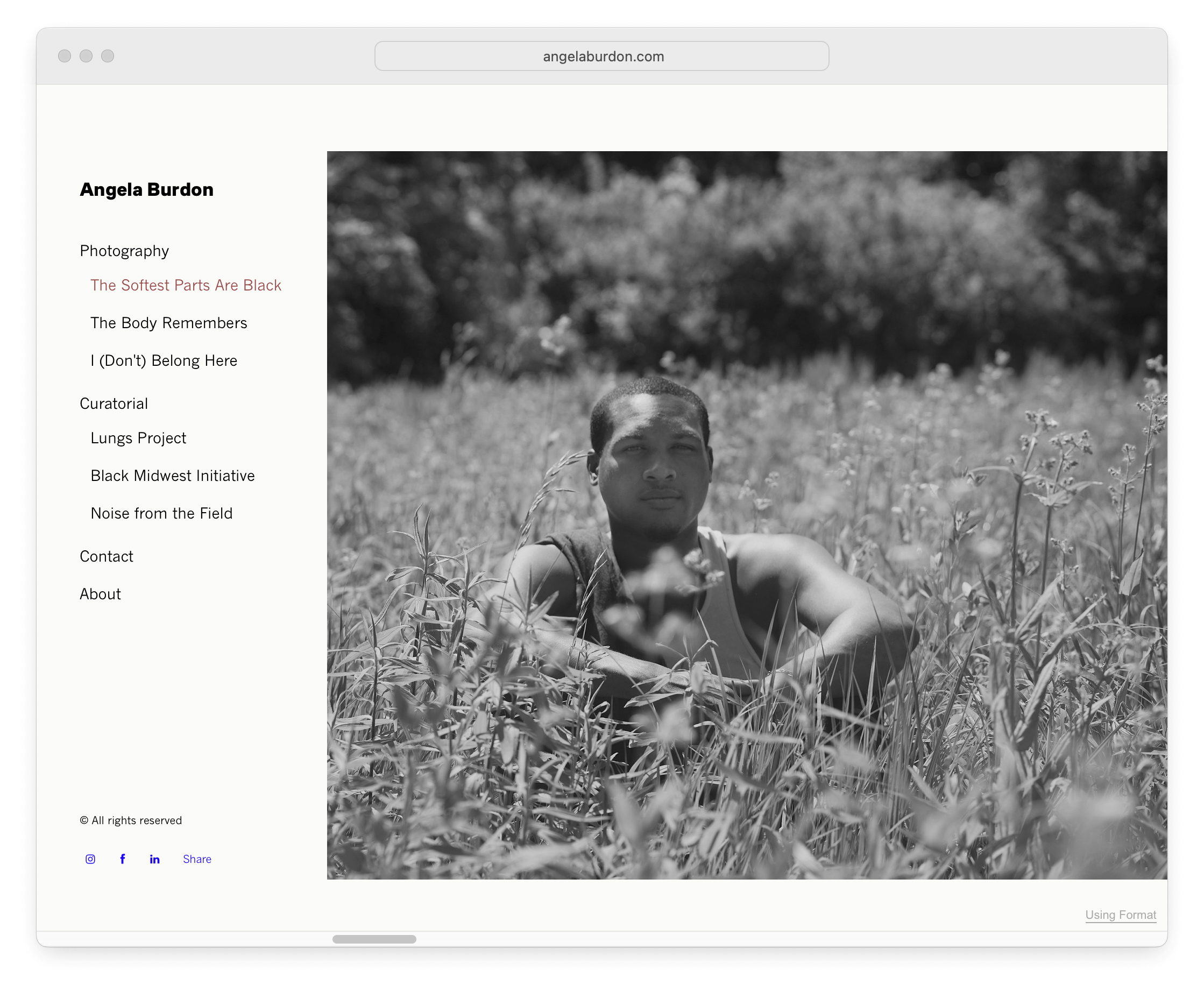
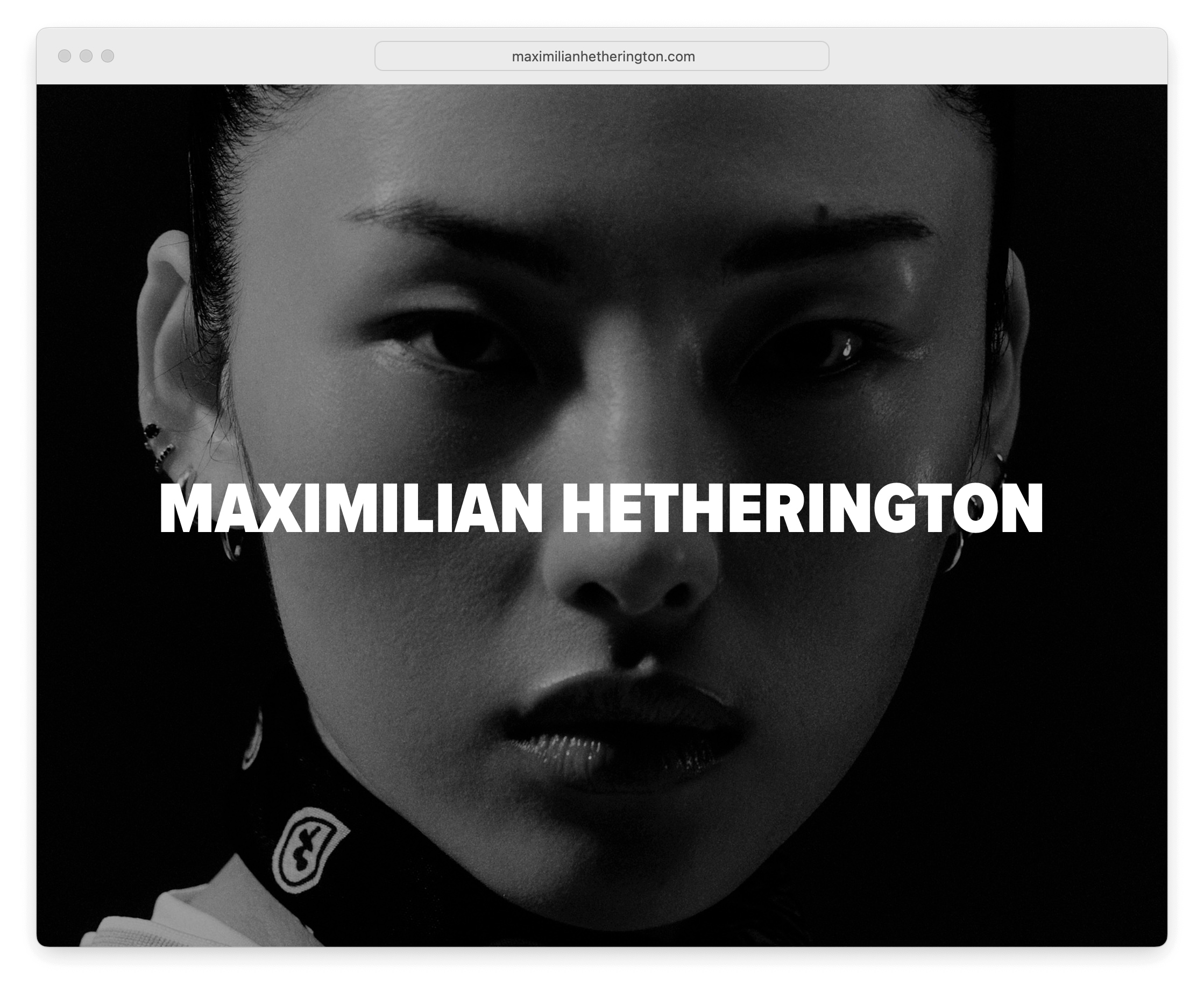
12 Photographer Portfolios Packed With Ideas and Inspiration — from booooooom.com

…


Speaking of photography, also see:

Photographer Spotlight: Pelle Cass — from booooooom.com


AI working competency is now a graduation requirement at Purdue [Pacton] + other items re: AI in our learning ecosystems


AI Has Landed in Education: Now What? — from learningfuturesdigest.substack.com by Dr. Philippa Hardman

Here’s what’s shaped the AI-education landscape in the last month:

  • The AI Speed Trap is [still] here: AI adoption in L&D is basically won (87%)—but it’s being used to ship faster, not learn better (84% prioritising speed), scaling “more of the same” at pace.
  • AI tutors risk a “pedagogy of passivity”: emerging evidence suggests tutoring bots can reduce cognitive friction and pull learners down the ICAP spectrum—away from interactive/constructive learning toward efficient consumption.
  • Singapore + India are building what the West lacks: they’re treating AI as national learning infrastructure—for resilience (Singapore) and access + language inclusion (India)—while Western systems remain fragmented and reactive.
  • Agentic AI is the next pivot: early signs show a shift from AI as a content engine to AI as a learning partner—with UConn using agents to remove barriers so learners can participate more fully in shared learning.
  • Moodle’s AI stance sends two big signals: the traditional learning ecosystem in fragmenting, and the concept of “user sovereignty” over by AI is emerging.

Four strategies for implementing custom AIs that help students learn, not outsource — from educational-innovation.sydney.edu.au by Kria Coleman, Matthew Clemson, Laura Crocco and Samantha Clarke; via Derek Bruff

For Cogniti to be taken seriously, it needs to be woven into the structure of your unit and its delivery, both in class and on Canvas, rather than left on the side. This article shares practical strategies for implementing Cogniti in your teaching so that students:

  • understand the context and purpose of the agent,
  • know how to interact with it effectively,
  • perceive its value as a learning tool over any other available AI chatbots, and
  • engage in reflection and feedback.

In this post, we discuss how to introduce and integrate Cogniti agents into the learning environment so students understand their context, interact effectively, and see their value as customised learning companions.

In this post, we share four strategies to help introduce and integrate Cogniti in your teaching so that students understand their context, interact effectively, and see their value as customised learning companions.


Collection: Teaching with Custom AI Chatbots — from teaching.virginia.edu; via Derek Bruff
The default behaviors of popular AI chatbots don’t always align with our teaching goals. This collection explores approaches to designing AI chatbots for particular pedagogical purposes.

Example/excerpt:


7 Legal Tech Trends That Will Reshape Every Business In 2026 — from forbes.com by Bernard Marr

Here are the trends that will matter most.

  1. AI Agents As Legal Assistants
  2. AI As A Driver Of Business Strategy
  3. Automation In Judicial Administration
  4. Always-On Compliance Monitoring
  5. Cybersecurity As An Essential Survival Tool
  6. Predictive Litigation
  7. Compliance As Part Of The Everyday Automation Fabric

According to the Thomson Reuters Future Of Professionals report, most experts already expect AI to transform their work within five years, with many viewing it as a positive force. The challenge now is clear: legal and compliance leaders must understand the tools reshaping their field and prepare their teams for a very different way of working in 2026.


Addendum on 12/17/25:


Higher education faces ‘deteriorating’ 2026 outlook, Fitch says — from highereddive.com by Laura Spitalniak
A shrinking pipeline of students, uncertainty about state and federal support, and rising expenses could all hurt college finances, according to analysts.

Dive Brief:

  • Fitch Ratings on Thursday issued a “deteriorating” outlook for the higher education sector in 2026, continuing the gloomy prediction the agency issued for 2025.
  • Analysts based their forecast on a shrinking prospective student base, “rising uncertainty related to state and federal support, continued expense escalation and shifting economic conditions.”
  • With its report, Fitch joins Moody’s Ratings and S&P Global Ratings in predicting a grim year for higher ed — Moody’s for the sector overall and S&P for nonprofit colleges specifically.

Yale expects layoffs as leaders brace for $300M in endowment taxes — from highereddive.com by Ben Unglesbee
The Ivy League institution’s tax bill starting next year will be higher than what it spends on student aid, university officials said.

Dive Brief:

  • Yale University is bracing for layoffs as it prepares to pay the government hundreds of millions of dollars in endowment income taxes.
  • In a public message, senior leaders at the Ivy League institution said that Yale’s schools plan to take steps such as delaying hiring and reducing travel spending to save money. But they warned workforce cuts were on the horizon.
  • “Layoffs may be necessary” in some units where cutting open positions and other reductions are insufficient, the university officials said. They expect to complete any downsizing by the end of 2026 barring “additional significant financial changes.”

Education Department adds ‘lower earnings’ warning to FAFSA — from highereddive.com by Natalie Schwartz
The agency will warn students when they’ve indicated interest in a college whose graduates have relatively low incomes.

The U.S. Department of Education has launched a new disclosure feature that warns students who fill out the Free Application for Federal Student Aid if they’re interested in colleges whose graduates have relatively low earnings, the agency said Monday. 

“Families deserve a clearer picture of how postsecondary education connects to real-world earnings, and this new indicator will provide that transparency,” U.S. Education Secretary Linda McMahon said in a Monday statement. “Not only will this new FAFSA feature make public earnings data more accessible, but it will empower prospective students to make data-driven decisions before they are saddled with debt.”


Also from highereddive.com, see:


Field Kallop Meditates on Universal Patterns Through Bold Chromatic Compositions — from thisiscolossal.com by Field Kallop and Grace Ebert
.


Psalm 16:1
A miktam[a] of David.

Keep me safe, my God, for in you I take refuge.

Deuteronomy 18:15

The Lord your God will raise up for you a prophet like me from among you, from your fellow Israelites. You must listen to him.

Luke 1:30-33

But the angel said to her, “Do not be afraid, Mary; you have found favor with God. You will conceive and give birth to a son, and you are to call him Jesus. He will be great and will be called the Son of the Most High. The Lord God will give him the throne of his father David, and he will reign over Jacob’s descendants forever; his kingdom will never end.”

 
© 2025 | Daniel Christian