Higher ed investments in student systems doubled last year, report finds — from highereddive.com by Natalie Schwartz

Dive Brief:

  • Higher education investments in student technology systems doubled in 2021 compared to the year before, marking the largest annual increase over the past decade, according to a new report from the Tambellini Group, a technology research and advisory firm.
  • However, many college leaders are hesitant to invest in modern cloud student systems because most of these products still lack the functionalities institutions seek. The Tambellini Group based its findings on technology spending by more than 3,600 U.S. institutions.
  • Vendors are adding new tools and enhancements to their student technology systems to respond to increased pressures on colleges to improve their enrollment, retention and other student success metrics. That includes by providing engagement analytics and automated alerts.

Also from highereddive.com:


Slido Lesson Plan — from techlearning.com by Stephanie Smith Budhai, Ph.D.
This Slido Lesson Plan is designed to help educators implement the digital tool into their instruction

Excerpt:

Slido is an exciting online engagement edtech tool that can be used to connect all students with academic content while getting them involved in the lesson.

While Slido is often used to incorporate polling into virtual workshops and presentations, there are a wide range of student engagement features within the Slido platform that can be used by teachers during lessons.

Also see:

Slido -- your go-to interaction app for hybrid meetings


Boost Usability of Libraries & Knowledge Hubs with Automation — from learningsolutionsmag.com by Markus Bernhardt

Excerpts (emphasis DSC):

Our article series looks at the top three areas where we see automation and AI revolutionizing the way in which successful L&D teams work: Asset libraries and knowledge hubs; hyper-personalized, truly adaptive learning; and capability mapping. This article examines the impact of AI and automation on maintaining asset libraries and knowledge hubs.
…
Thus, the contextualization engine becomes a powerful content management tool. It is also easy to use and requires no particular subject matter knowledge of the user; the librarian who has read everything does that for the user. And this works, of course, with articles, slide decks, audio, video, and even VR/AR content, and basically any file type.

Assets can be mapped to competencies, skills, learning objectives, departments, the requirements of a specific course or workshop, or to the horizontals and verticals of an organization’s internal restructuring model. And this takes place within seconds and minutes, and at scale.

With the ability to map content as well as practice exercises, questions, and assessments automatically into each concept’s complexity tree, it is now possible to use automation and AI to deliver adaptive and truly personalized learning content and learning paths. 
 

Will Learning Move into the Metaverse? — from learningsolutionsmag.com by Pamela Hogle

Excerpt:

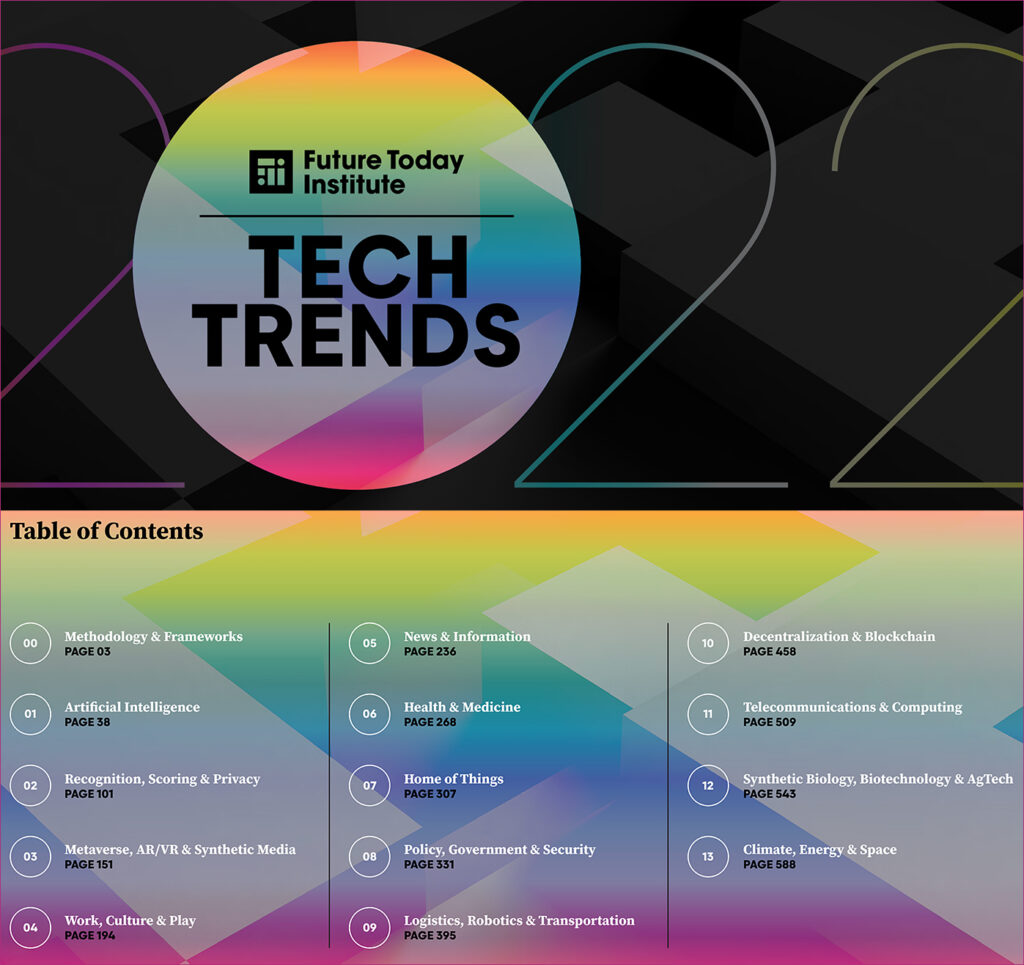
In its 2022 Tech Trends report, the Future Today Institute predicts that, “The future of work will become more digitally immersive as companies deploy virtual meeting platforms, digital experiences, and mixed reality worlds.”

Learning leaders are likely to spearhead the integration of their organizations’ workers into a metaverse, whether by providing training in using the tools that make a metaverse possible or through developing training and performance support resources that learners will use in an immersive environment.

Advantages of moving some workplace collaboration and learning into a metaverse include ease of scaling and globalization. The Tech Trends report mentions personalization at scale and easy multilingual translation as advantages of “synthetic media”—algorithmically generated digital content, which could proliferate in metaverses.

Also see:

Future Institute Today -- Tech Trends 2022


Also from learningsolutionsmag.com, see:

Manage Diverse Learning Ecosystems with Federated Governance

Excerpt:

So, over time, the L&D departments eventually go back to calling their own shots.

What does this mean for the learning ecosystem? If each L&D team chooses its own learning platforms, maintenance and support will be a nightmare. Each L&D department may be happy with the autonomy but learners have no patience for navigating multiple LMSs or going to several systems to get their training records.

Creating common infrastructure among dispersed groups
Here you have the problem: How can groups that have no accountability to each other share a common infrastructure?


7 best photography lighting kits for camera geeks — from by Atharva Gosavi
Setup the paradise for capturing the perfectness.


UX, Accessibility, & More: ID Links 5/24/22 — from christytuckerlearning.com by Christy Tucker

Excerpt:

As I read online, I bookmark resources I find interesting and useful. I share these links periodically here on my blog. This post includes links on UX, accessibility, branching scenarios, Twine, instructional design blogs, free/freemium tools, and systems thinking.


Also from Christy Tucker, see:


How an Escape Room Is Building Students’ Digital Skills at Northampton Community College — from campustechnology.com by Rhea Kelly

Excerpt of description of podcast:

We spoke with Beth Ritter-Guth, associate dean of online learning and educational technology at the college, to find out how the Learning Lab is engaging students, building digital literacy and providing valuable training in the job skills of the future.

Also see:

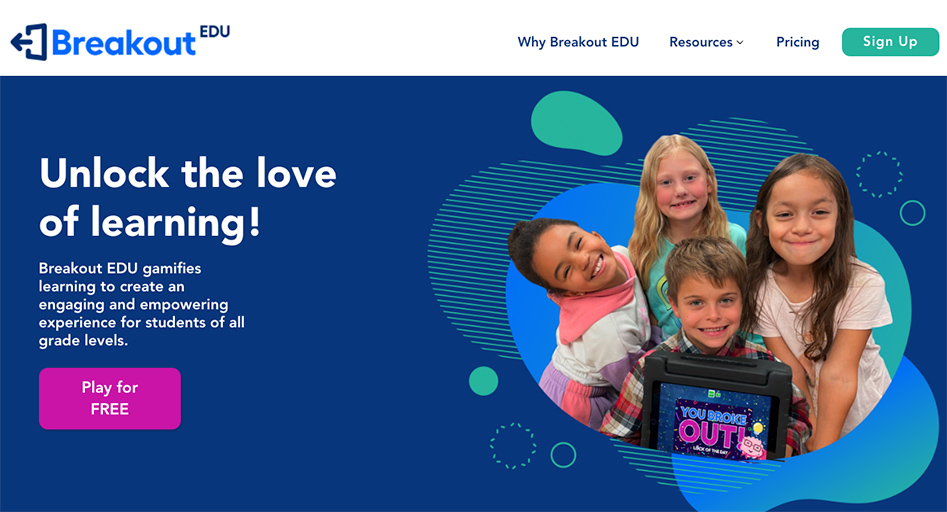
Breakout EDU gamifies learning to create an engaging and empowering experience for students of all grade levels.

Five Concepts You Can Teach Through Geocaching — from freetech4teachers.com by Richard Byrne

Excerpt:

Geocaching is one of the things that I spend a good bit of time talking about in both my workshop and in my webinar about blending technology into outdoor learning. Geocaching is a great activity to do to get kids outside for hands-on learning experiences. Here are five things that you can teach through geocaching activities.

From DSC:
This next one may be useful for educators and/or parents, but it’s useful for pretty much all of us

Tip of the week: A great group packing tool — from Jared newman

Excerpt:

As an alternative to clunky spreadsheets or endless email chains, WhoBrings is a brilliantly simple way to figure out who’s bringing what.

Just type the name of your packing list into this free website, add some items, then share the link with the rest of the group. Anyone who has the link can then claim responsibility for an item or add new items to the list. You can also specify a number of units for any item—12 beach towels, for instance, or three packs of beer—and people can choose how many they’ll bring.


Also see:

Learning, doing, and teaching biology through multimedia — from MIT Open Learning
Producing multimedia for online courses involves lifelong learning


From DSC:
The report below contains some great examples of a few of the elements in a learning ecosystem! Though there are many other elements in a learning ecosystem, tools and technologies are certainly two key components of one.

Some of the topics in this report at:

  • Knowledge bases and knowledge management technology
  • Microlearning
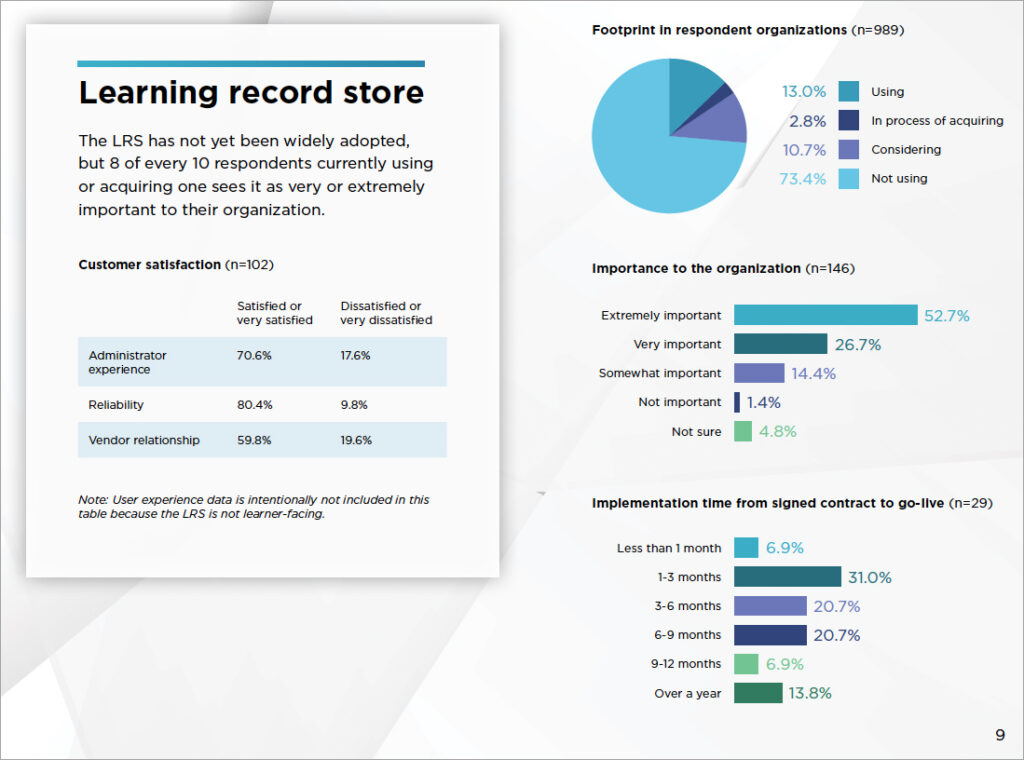
  • Learning record store
  • Learning Experience Platform (LXP)
  • Augmented reality / Virtual reality (AR/VR)
  • Adaptive learning / Intelligent tutor
  • Technology stack

2022 Trends in Learning Technology — from learningguild.com by Steve Foreman

Excerpt:

In this research report, Steve Foreman analyzes recent survey findings to examine eight learning technologies and explore how they impact the L&D space, organizations, customer satisfaction, and more.

This image contains some information regarding the learning record store


SXSW EDU Launch Winner Our Worlds Bringing Native American Culture to Life Through Mobile-Based Immersive Reality — from the74million.org by Tim Newcomb

Excerpt:

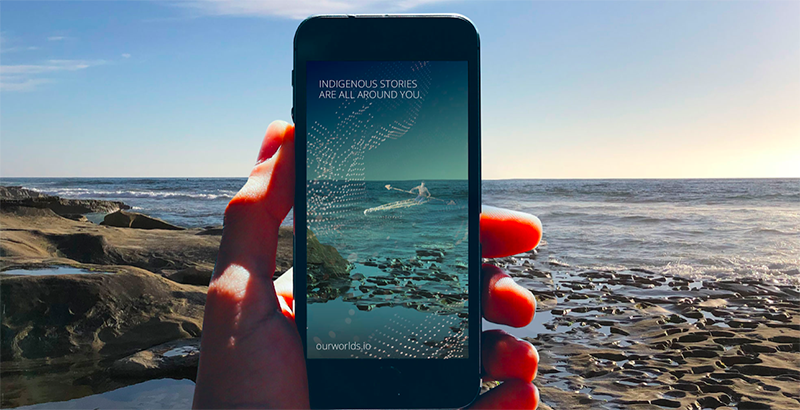
Take a stroll along the La Jolla Shores Beach in San Diego, and you might find sand between your toes. But users of the new Our Worlds app, winner of the 2022 SXSW EDU Launch Competition, might also find much more. Through augmented reality, they can look at that same stretch of beach and see handmade tule boats from the local Kumeyaay tribe.

Our Worlds launched to highlight Native American history via modern-day technology, putting what founder and CEO Kilma Lattin calls “code to culture” and pushing Native American civilization forward. Lattin says Our Worlds offers a full suite of technology — virtual reality, augmented reality, artificial intelligence — to capture all the components that make a culture.


Apple’s first AR/VR headset inches closer to launch — from protocol.com by Nat Rubio-Licht
The company reportedly showed off the device to board members as it makes progress on the headset’s operating system.

Camp K12 Launches Hatch Kids, a Metaverse & AR/VR Creation Platform for Kids — from edtechreview.in by Stephen Soulunii

….


27 Fun Ways to Celebrate the End of the School Year — from commonsense.org by Erin Wilkey O.

Excerpt:

This year, things are closer to “normal,” but we can still be creative in recognizing and celebrating students’ accomplishments. Use this list of ideas to help you plan some fun end-of-year activities — we’ve included a special section at the end for celebrating the class of 2022. Many of the ideas here play out in the digital world, but we’ve mixed in some offline options as well.

We hope these activities bring you and your students some much-deserved joy as we close out the 2021–2022 school year.


Google accelerates audiobook production exponentially — from provideocoalition.com by Allan Tépper

Excerpt:

In March 2022, I published Google’s Aloud auto-dubs your English video in Castilian or Portuguese, free. Now, Google is doing a similar quantum leap for audiobook production. In fact, I already converted and published one of my own books as an audiobook successfully using Google’s semi-automatic voices. Ahead, I’ll explain how Google’s process can convert the manuscript into a presentable audiobook in a few hours instead of over a month of work, using one of Google’s automated voices which are available for different languages and regions.


Best colouring and painting apps for kids — from educatorstechnology.com

Excerpt:

Below is a collection of some of great painting and colouring apps to help your kids unleash their expressive creativity and develop fine motor skills. These apps, mostly colouring games, provide kids access to a wide variety of colouring pages featuring images covering different topics from animals and mandalas to horoscopes and flowers to colour. Using game-based activities and interactive lessons, these apps offer kids a learning friendly space where they can exercise their painting, and drawing skills, improve their hand-eye coordination, and expand their imagination and creativity.


10 Best Web Highlighters for Desktop in 2022 — from hongkiat.com by Kei Watanabe

Excerpt:

Have you used any web highlighters? It helps us improve our productivity by copying and pasting important texts you’ve found online automatically, saving good articles in your directory, and highlighting important sentences on articles so that you can remember them when looking back.

In this article, I’ll introduce you to 10 useful web highlighters for the desktop. All these tools offer different features and you can read about each tool in detail in the following.

 
© 2025 | Daniel Christian