Inside Melbourne’s Major New Interactive Gallery, Where Art and Science Collide — from broadsheet.com.au by Liv Downing
The inaugural Science Gallery exhibition tackles mental health head-on, but with an out-of-the-box approach. Across 3500 square metres, there’s a kaleidoscopic human-sized hamster wheel you can step inside, a gigantic white balloon trapped in a pink cage, and a fake bedroom where two performance artists will live for a week.
Inside Higher Ed Acquired by Times Higher Education — from insidehighered.com by Scott Jaschik and Doug Lederman
Our editors Scott Jaschik and Doug Lederman explain how this combination of publishing companies will improve global coverage of postsecondary education and better serve the higher ed community.
Excerpt:
As journalists, we often say that we want to report the news, not be the news. We are making an exception [on 1/10/22] to announce that Inside Higher Ed has been acquired by Times Higher Education (THE), the world’s leading provider of higher education news, data and insights.
From DSC:
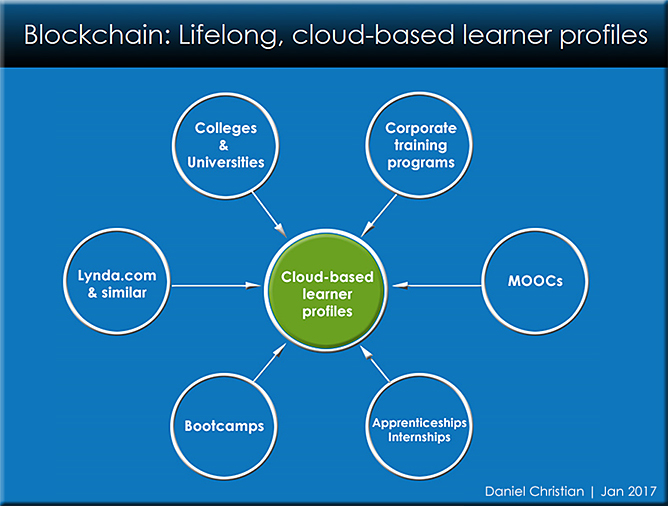
As the article below clearly relays, MOOCs did NOT fail! In the last decade, they have reached 220 million learners worldwide!
I don’t know the total number of graduates from the Ivy League — throughout all of the relevant institutions’ histories — but I would bet you that MOOCs have reached far more learners. And MOOCs did so in less than a decade.
And you’re going to tell me MOOCs have been a failure?!!!! Are you being serious!?!?! You can talk about completion rates all that you want to (and that misses the point, as some people sign up for MOOCs without ever intending to finish the entire course). As with other things, people get out of something what they put into that thing.
A Decade of MOOCs: A Review of Stats and Trends for Large-Scale Online Courses in 2021 — from edsurge.com by Dhawal Shah
Excerpts:
Now, a decade later, MOOCs have reached 220 million learners, excluding China where we don’t have as reliable data, . In 2021, providers launched over 3,100 courses and 500 microcredentials.
…
Originally, MOOC providers relied on universities to create courses. But that dependence is declining as more and more of the courses are created by companies every year. These corporate partners in course creation include tech giants Google, Microsoft, Amazon and Facebook.
…the majority of the new courses launched on Coursera in 2021 are not from universities anymore.
…
These mass online courses were born without a business model. Yet within a decade, MOOCs went from no revenue to bringing in well over a half a billion dollars annually.
From Tom Barrett’s Dialogic Learning Weekly, Issue #246 (Dec 2021) #learningecosystems #education #complexity pic.twitter.com/mrW6vXYZAX
— Daniel Christian (he/him/his) (@dchristian5) December 13, 2021
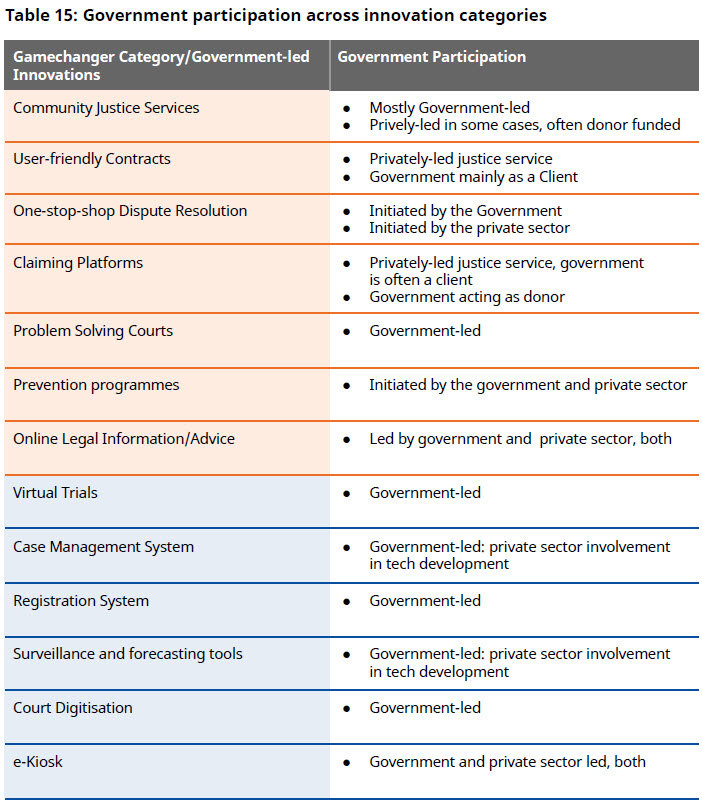
Excerpt from “Use of digital technologies in judicial reform and access to justice cooperation — from HiiL (The Hague Institute for Innovation of Law)
From DSC:
The articles below made me wonder…what will lawyers, judges, and legislators need to know about Bitcoin, Ethereum, and other cryptocurrencies? (#EmergingTechnologies)
- Bitcoin Is Boosting Cryptocurrency Firms’ Market Cap, Leaving Apple In the Dust — from interestingengineering.com by Ameya Paleja
Money is changing. - Bitcoin: Who owns it, who mines it, who’s breaking the law — from mitsloan.mit.edu by Betsy Vereckey
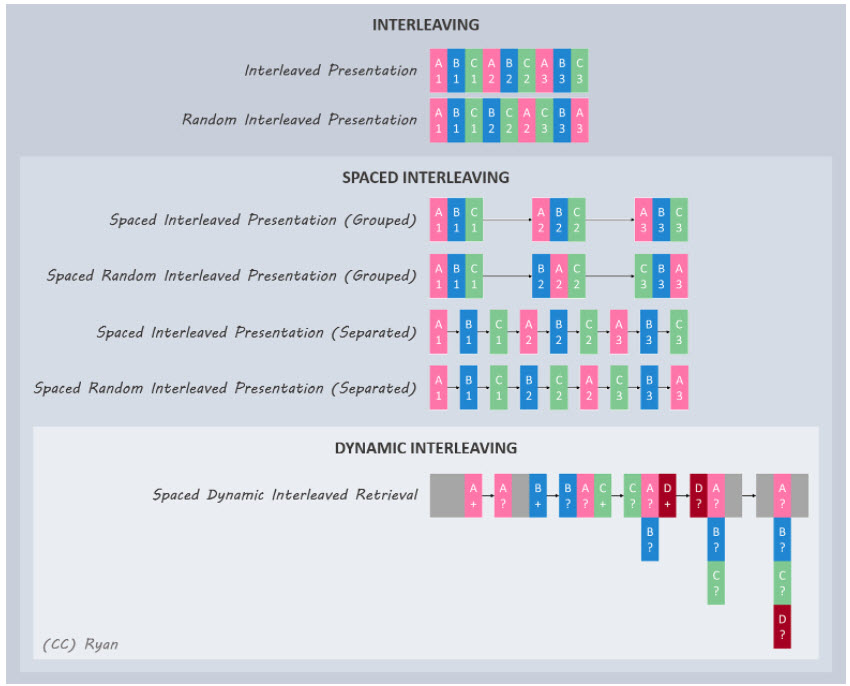
Time pilot — from ryan2point0.wordpress.com by Ryan Tracey
Moodle completes acquisitions, launching services platform — from highereddive.com by Rick Seltzer
Excerpts:
- Moodle, an open-source learning management system provider, completed an acquisition and merger of three companies, it said Monday. Moodle is using the acquisitions to create a new services company called Moodle US.
- Moodle US will offer services including custom development, learning design, scalable hosting solutions, and implementation, training and support for Moodle products.