


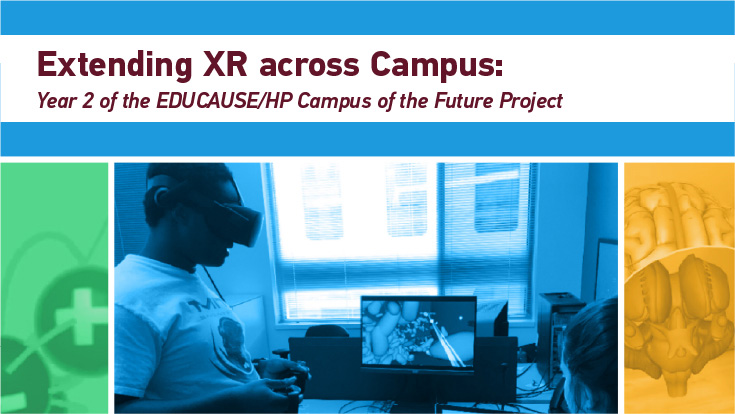
Extending XR across Campus [educause]
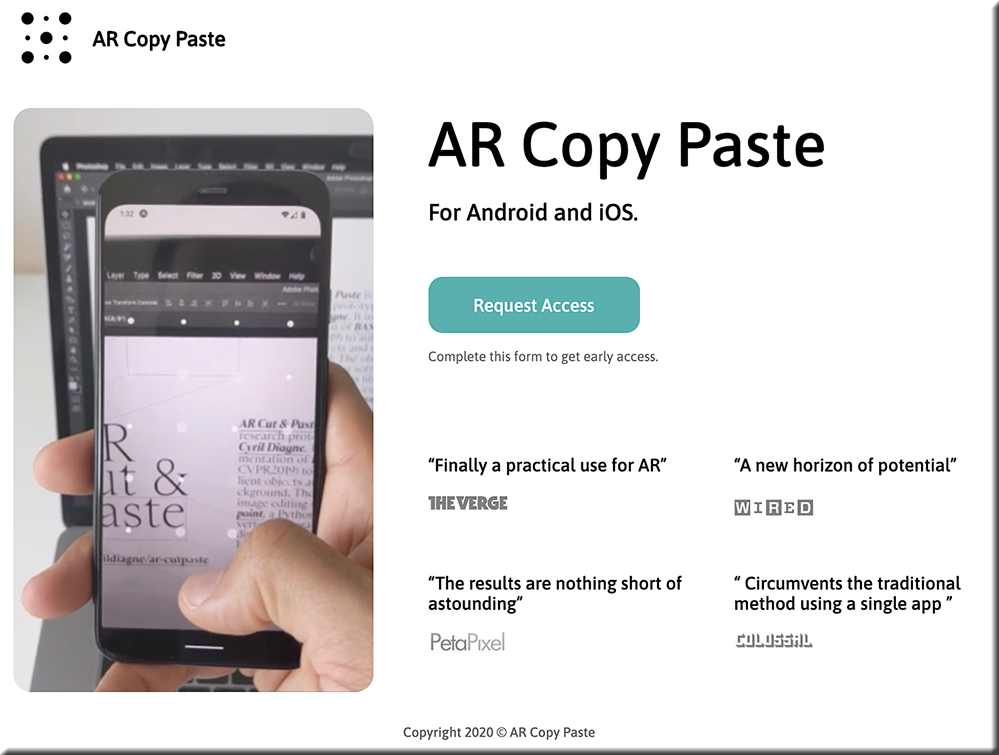
This magical interface will let you copy and paste the real world into your computer — from fastcompany.com by Mark Wilson
Wowza.
Excerpt:
But a new smartphone and desktop app coming from Cyril Diagne, an artist-in-residence at Google, greatly simplifies the process. Called AR Copy Paste, it can literally take a photo of a plant, mug, person, newspaper—whatever—on your phone, then, through a magical bit of UX, drop that object right onto your canvas in Photoshop on your main computer.
…
“It’s not so hard to open the scope of its potential applications. First of all, it’s not limited to objects, and it works equally well with printed materials like books, old photo albums, and brochures,” says Diagne. “Likewise, the principle is not limited to Photoshop but can be applied to any image, document, or video-editing software.”
4/10 – Cut & paste your surroundings to Photoshop
Code: https://t.co/cVddH3u3ik
Book: @HOLOmagazine
Garment: SS17 by @thekarentopacio
Type: Sainte Colombe by @MinetYoann @ProductionType
Technical Insights: ?#ML #AR #AI #AIUX #Adobe #Photoshop pic.twitter.com/LkTBe0t0rF— Cyril Diagne (@cyrildiagne) May 3, 2020
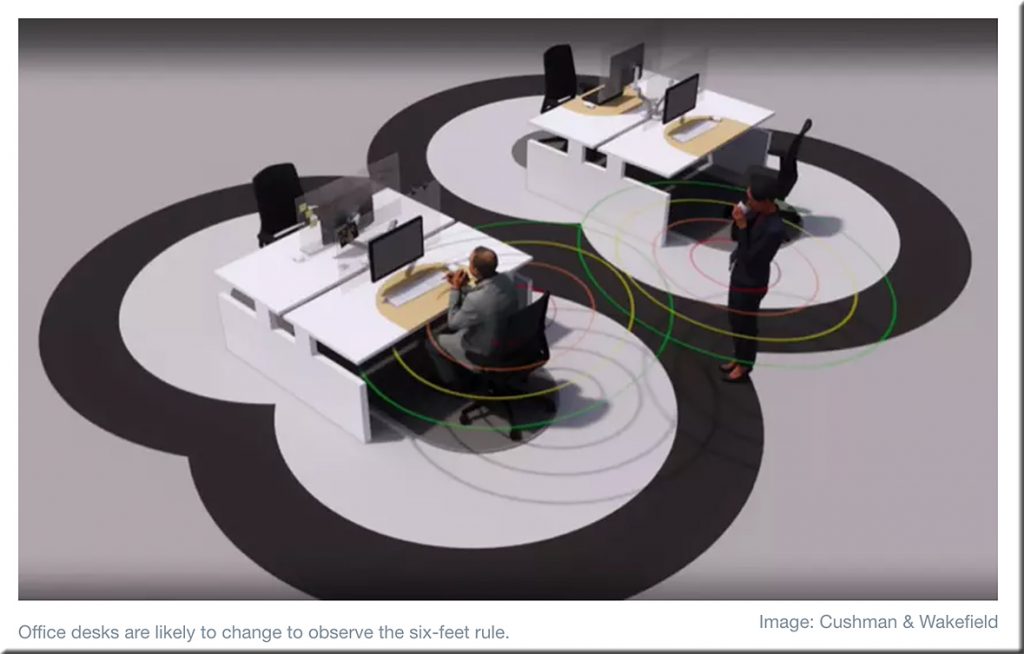
10 ways COVID-19 could change office design — from weforum.org by Harry Kretchmer
“Think road markings, but for offices. From squash-court-style lines in lobbies to standing spots in lifts, and from circles around desks to lanes in corridors, the floors and walls of our offices are likely to be covered in visual instructions.”
From DSC:
After reading the above article and quote, I wondered..rather than marking up the floors and walls of spaces, perhaps Augmented Reality (AR) will provide such visual instructions for navigating office spaces in the future. Then I wondered about other such spaces as:
From DSC:
I wonder if this patent — or these types of technologies — might enable remote learners to select/control more of their preferred viewing angles?!
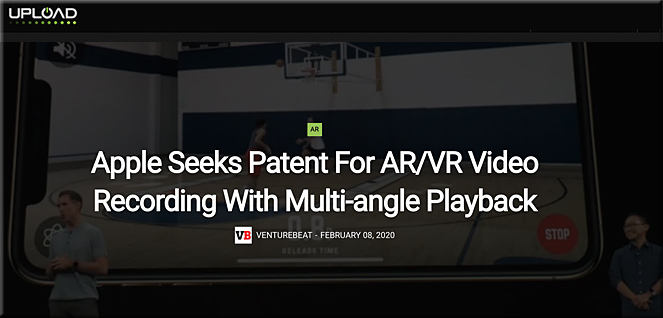
Apple Seeks Patent For AR/VR Video Recording With Multi-angle Playback — from uploadvr.com by Jeremy Horwitz
Excerpt (emphasis DSC):
If you’ve watched YouTube streams of conventional 2D videos — such as commentaries on games, TV shows, movies, or trailers — you know that the streams are visually flat: video of the content, sometimes with a person’s face superimposed in the corner for added discussion. But Apple appears set to change that paradigm for augmented and virtual reality streaming. A just-published patent application reveals that it’s been working on compositing multiple streams in a way that could let AR and VR viewers watch streamed content from their choice of angles.
DC: Hmmmm…I’m wondering if this type of thing will be integrated with something like Clearview #AI …unsettling to me.https://t.co/VZgbH5z29s https://t.co/ihNRknmt6r
— Daniel Christian (@dchristian5) January 20, 2020
XR for Teaching and Learning — from educause
Key Findings

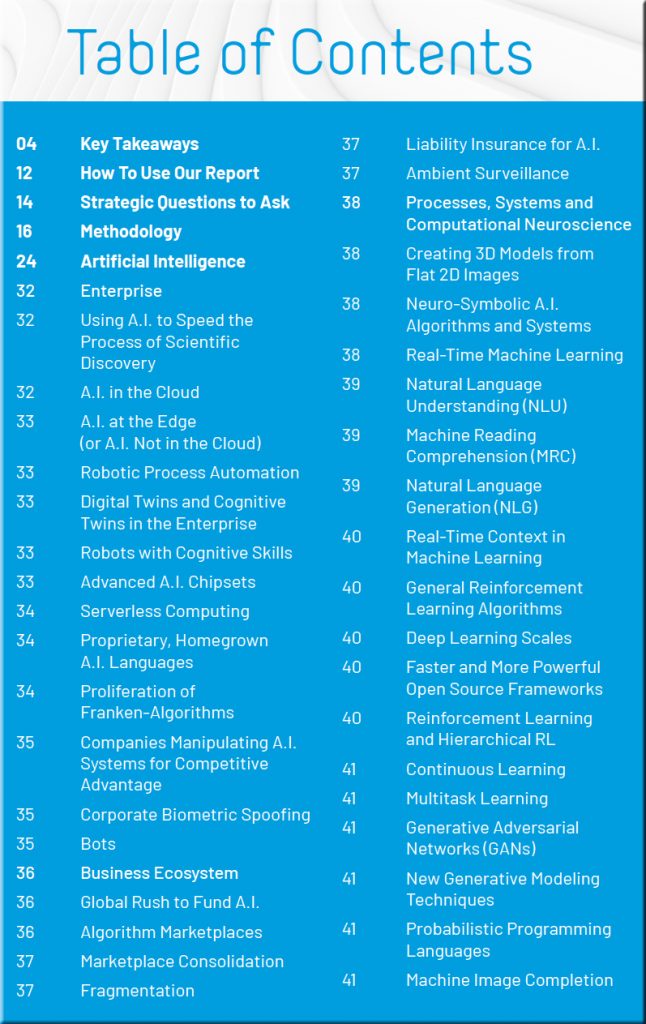
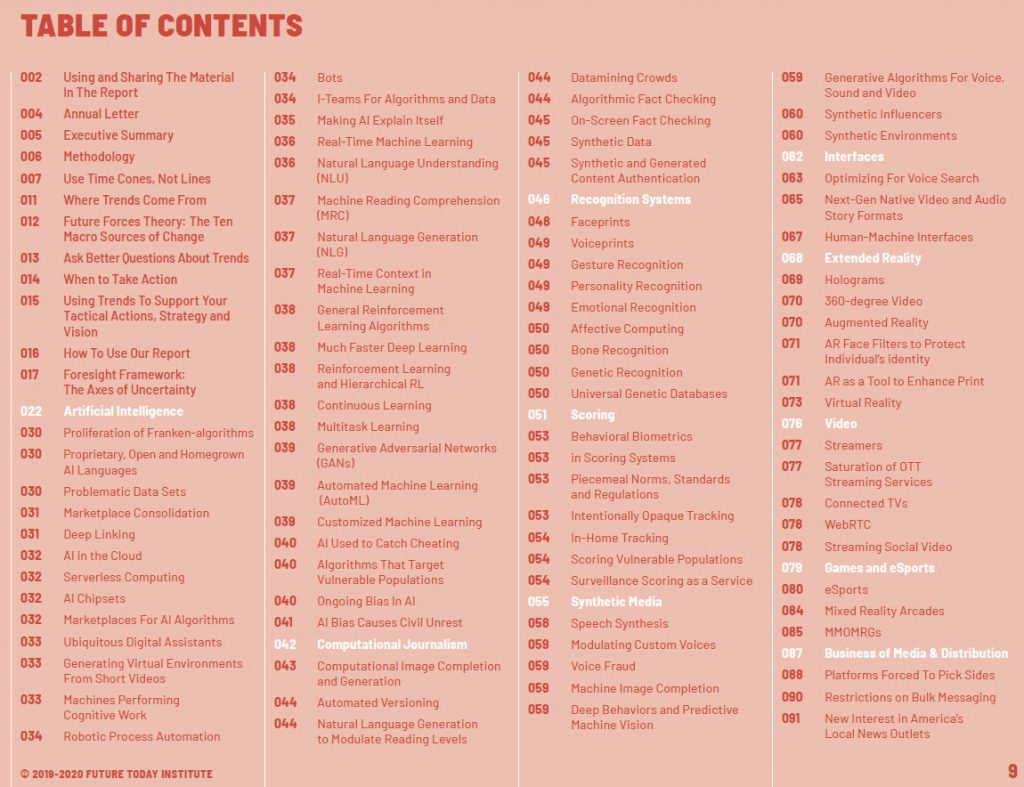
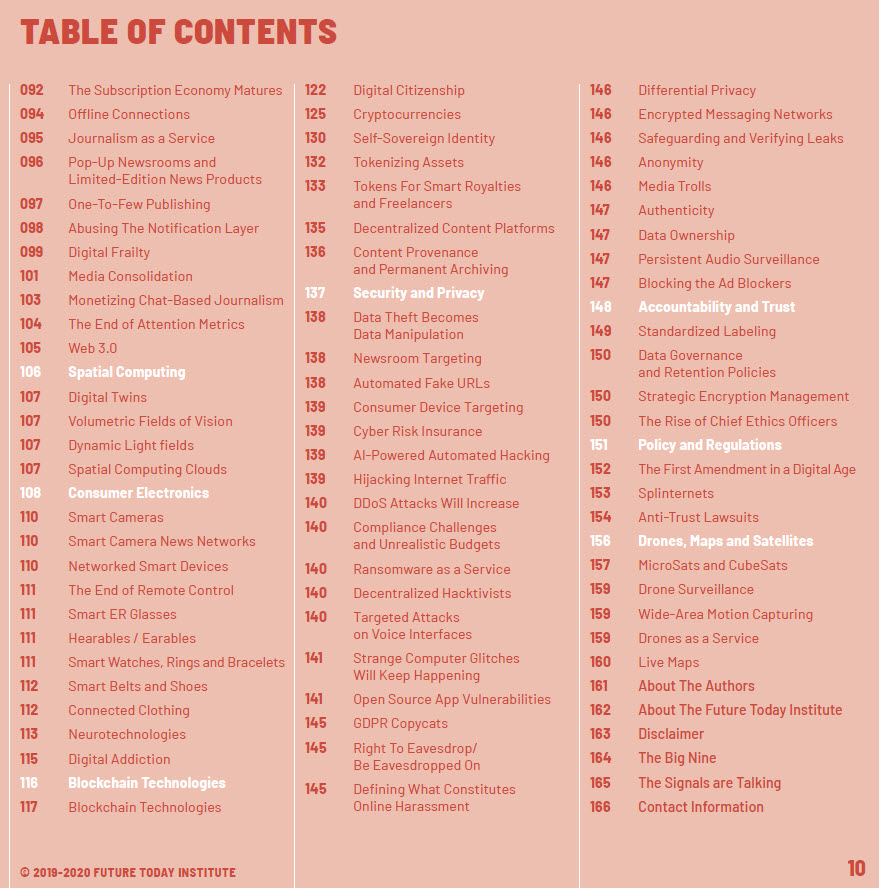
FTI 2020 Trend Report for Entertainment, Media, & Technology — from futuretodayinstitute.com
Our 3rd annual industry report on emerging entertainment, media and technology trends is now available.
KEY TAKEAWAYS
NVIDIA announces CloudXR for AR/VR rendering of SteamVR applications over 5G — from roadtovr.com by Ben Lang
Excerpt:
At MWC Los Angeles this week, NVIDIA CEO Jensen Huang demonstrated the company’s CloudXR platform which is made to stream cloud-rendered AR and VR content over 5G connections. Built to support SteamVR/OpenVR content out of the box, Nvidia says it will release a CloudXR SDK to enable companies to offer AR and VR content from the cloud.
Nvidia wants to leverage GPU-based cloud infrastructures to enable businesses to render high-end AR and VR visuals remotely and deliver them to customers over 5G. The idea is to remove VR’s high-end hardware barrier by rendering the visuals in the cloud and streaming them to a host device which itself doesn’t need particularly beefy or expensive hardware. Nvidia already offers a very similar service called GeForce Now, but it’s for traditional games rather than VR.