The 5 college majors students are betting on right now — from linkedin.com by Taylor Border

On 06/04/2026,
in 3D, A/V -- audio/visual, animation, art, Augmented Reality (AR), collaboration, communities of practice, creativity, design, digital learning, digital storytelling, entrepreneurship, experimentation, ideas, innovation, interaction design, interactivity, learning, learning ecosystem, Learning Experience Design, media/film, multimedia, music, United States, universities, vendors, Virtual Reality (VR) / worlds / learning, vision/possibilities, XR - extended reality,
by Daniel Christian
Cleveland Institute of Art’s Interactive Media Lab Redefines What an Art School Can Be — from edtechmagazine.com
The landscape for specialized colleges and universities such as art schools is shifting as higher education continues to evolve to fit emerging job markets and student interest.
Founded in 1882, Cleveland Institute of Art continuously challenges itself to stay modern and relevant. Years ago, the school’s leadership had the vision to partner with the city to revitalize an area due for reinvigoration.
The result was the Interactive Media Lab, which brings together the university, the city and private industry into a satellite campus that gives students and the community a space to create media, art and experiences with the most up-to-date tools available.
Also see:
On 05/16/2026,
in Adobe, Apple, art, communications, communities of practice, content development, aggregation, repositories, creativity, Daniel S. Christian, design, digital audio, digital photography, digital storytelling, digital video, education technology, Emotion, engagement / engaging students, experimentation, faculty/staff, graphics, higher education, homeschooling/homeschoolers, human-computer interaction (HCI), ideas, innovation, instructional design, IT in HE, K-12 related, learning, learning ecosystem, Learning Experience Design, learning preferences, liberal arts, library / librarians, media/film, multimedia, music, new media literacies, online media, presentations, productivity / tips and tricks, professional development, reading, real-world assignments, simulations, skills, STEAM-related, student-related, teachers, teaching & learning, technology (general), tools, United States, universities, vendors, vision/possibilities, web design and production,
by Daniel Christian
Want Students to Build a Healthier Relationship With Technology? Start With The Arts — from techlearning.com by Adrianna Marshall
Arts classrooms demonstrate what technology integration at its best can look like
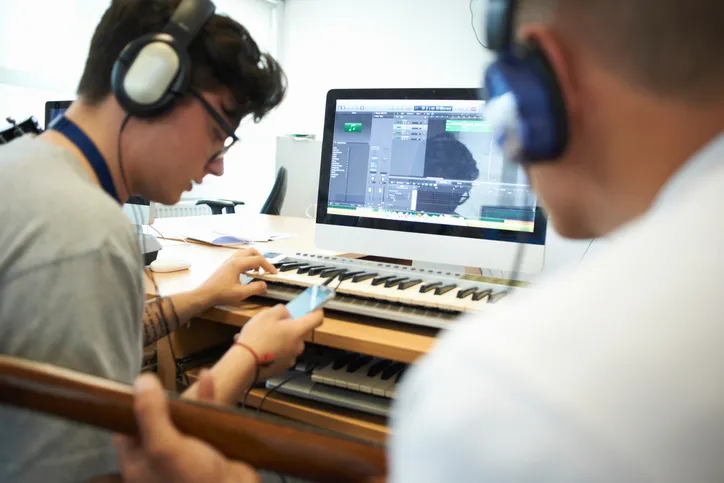
But at a moment defined by rapid AI adoption and ongoing debates about screen time, the argument for protecting and investing in arts education needs to take on a new tone. The arts continue to be one of the most effective places in school for students to build healthier, more intentional relationships with technology.
In short, in the age of AI, we need the arts more than ever.
…
Digital composition software, notation tools, and recording platforms allow students to experiment, revise, and refine their ideas in ways that would have been far more time-consuming a decade ago. Students can layer tracks, hear immediate playback, annotate their own scores, and collaborate across devices. The same is true in other contexts besides music; in visual arts, for instance, a variety of digital drawing and painting platforms enable students to practice with new mediums, styles, and techniques without having to worry about supplies or messes. But in either case, the core intellectual work of looking and listening critically, understanding structure, and making aesthetic choices remains entirely human and part of the learning.
From DSC:
I agree. At one of my previous positions, I spent 10 years supervising a digital studio — helping professors and students use a variety of applications to create things. The applications were from Adobe, Apple, and a variety of smaller vendors. The deliverables could be graphics, edited soundtracks, music, videos, flyers, posters, collages, edited photographs, presentations, websites, and more. I longed for people to discover the power of multimedia to communicate their messages, tell stories, stir emotion, powerfully engage themselves (and others), and unleash their creativity.
There were several obstacles to our digital studio being more impactful at that institution. It was under the IT department, not the academic side of the house. It was in the basement of the library, where few students and faculty traveled. During those years, it was highly uncommon for faculty members to require multimedia-based assignments — so many students had to WANT to develop these skills on their own time. The majority of students didn’t see the value in developing the types of digital skills that we were trying to build…or they didn’t have the time.
Also relevant/see:
- Want to boost early literacy skills? Try singing — from hechingerreport.org by Jackie Mader
Experts say music can help prepare children for reading success.
On 03/18/2026,
in 21st century, 24x7x365 access, adjunct faculty, Artificial Intelligence/Agents/LLMs/and Related, bots, colleges, communities of practice, community colleges, corporate / business world, digital learning, emerging technologies, experimentation, faculty/staff, future, future of higher education, game-changing environment, generational differences, Google, higher education, human-computer interaction (HCI), ideas, innovation, intelligent systems, K-12 related, leadership, learning ecosystem, liberal arts, Michigan, multimedia, music, Open AI, student-related, teachers, teaching & learning, tools, United States, universities, vendors,
by Daniel Christian
The Future of College in an AI World — from linkedin.com by Jeff Selingo
In today’s issue: The tension over AI in higher ed; application inflation continues and testing is back; what’s the future of the original classroom technology, the learning management system.
Hundreds of higher ed and industry leaders gathered Tuesday for a summit
on AI and the future of learning at the University of Michigan.
.
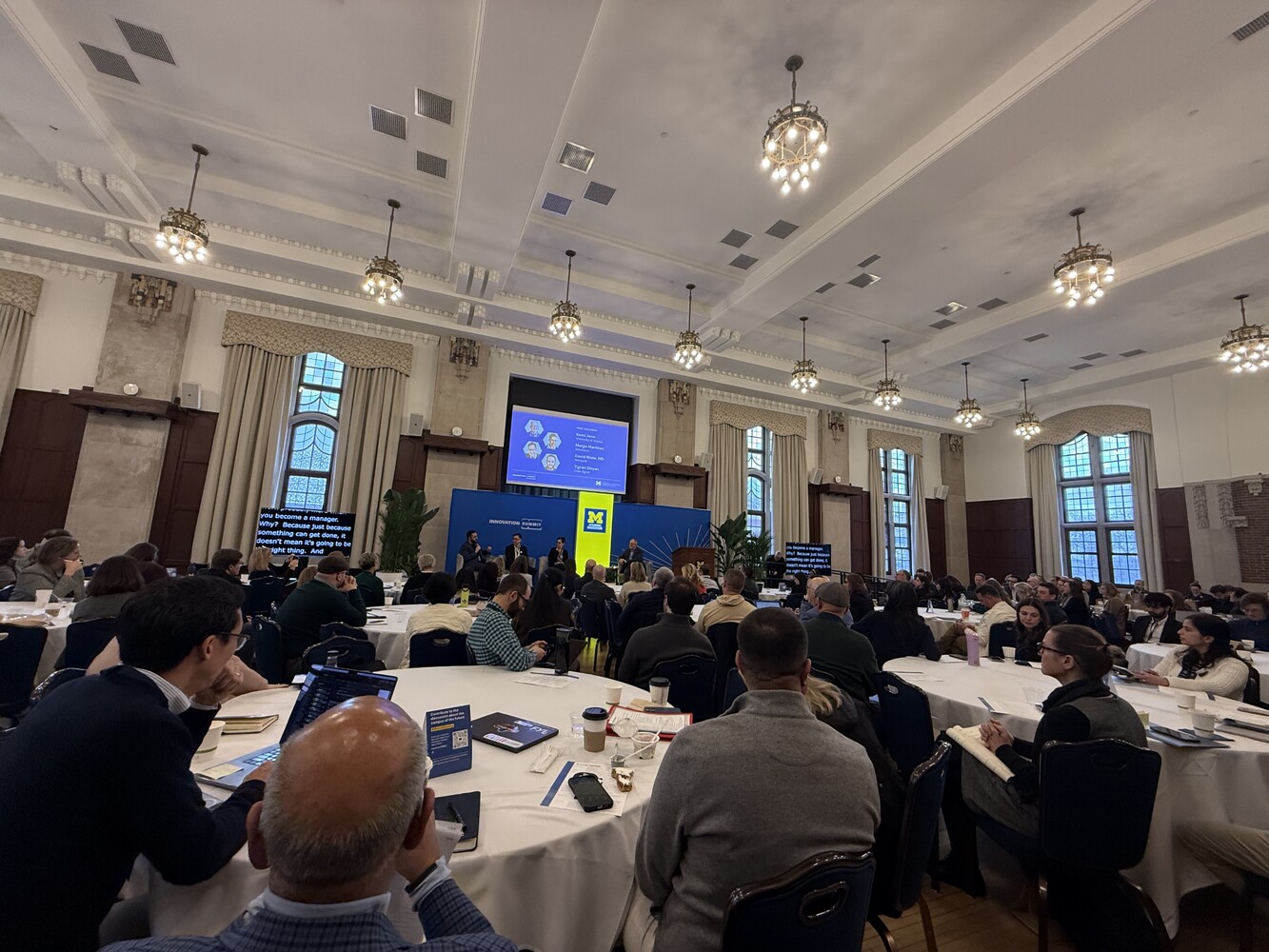
Conversations like the one we had at Michigan this week are necessary, but the action rarely matches the ambition.
- We say the humanities are the operating system of an AI world, yet students and parents don’t believe it. They’re voting with their feet toward STEM, business, and narrowly tailored majors they believe will lead to a job.
- Meanwhile, colleges are quietly eliminating the very humanities degrees the panelists were championing, employers are cutting the entry rungs off the career ladder for new graduates, and as Podium Education co-founder Christopher Parrish reminded us yesterday, there’s a yawning gap between demand for experience and the internships that actually exist.
AI Music Generators: Teaching With These Catchy AI Tools — from techlearning.com by Erik Ofgang
AI music generators are getting better and better, and there are more applications in the classroom as a result.
Are All AI Music Generators More Or Less The Same?
No. After experimenting with a few various free ones, I found a wide range of quality with the same prompts.
Gemini is the only one I’d currently recommend. It’s user-friendly but limited and only creates 30-second clips. Other music generators could potentially outperform Gemini with prompt adjustments. The ones I tried did better with the instrumentals but struggled more with the lyrics, and that kind of defeated the purpose of the tool for me.
ChatDOC: Teaching With The AI Summarizing Tool — from techlearning.com by Erik Ofgang
ChatDOC lets users turn any PDF into an AI chatbot that can summarize the text, answer questions, and generate quizzes.
What Is ChatDOC?
ChatDOC is an AI designed to help users interact with PDFs of various types, be it research papers, short stories, or chapters from larger works. Users upload a PDF and then have the opportunity to “chat” with that document, that is speak with a chatbot that bases its answers off of the uploaded text.
ChatDOC can perform tasks such as provide a short summary, search for specific terms, explain the overall theme if it’s a work of literature, or unpack the science in a research paper.
Other similar tools are out there, but ChatDOC is definitely one of the better PDF readers I’ve used. Its free version is quick and easy-to-use, and delivers on its promise of providing an AI that can discuss a given document with users and even quiz them on it.
From AI access to workforce readiness — from chieflearningofficer.com by Johnny Hamilton, Amy Stratbucker, & Brad Bigelow
Is your workforce using the right tool with an outdated mindset and playbook? Why old playbooks fall short — and what learning leaders must do next.
The leadership opportunity
Organizations do not need to predict every future AI capability. They need systems that allow people to explore with curiosity, practice safely, reflect deeply and adapt continuously — starting with what they already have and extending as capabilities evolve.
For CLOs, this is a moment to lead from the center of change — designing workforce readiness that keeps pace with accelerating technology while making work more rewarding for employees and more valuable for the organization. That is how AI moves from the promise of transformation to demonstrated readiness and, ultimately, from promise to performance.

Addendums on 3/19/26:
How to Build Practice-Based Learning Activities with AI — from drphilippahardman.substack.com by Dr Philippa Hardman
Four evidence-based methods for designing, building & deploying active learning activities with your favourite LLM
Most L&D teams are using AI to make content faster. The real opportunity is using it as a practice engine.
The Synthesia 2026 AI in L&D Report f2026 AI in L&D Report found that the fastest-growing areas of planned AI adoption aren’t in content creation — they’re in assessments and simulations (36%), adaptive pathways (33%), and AI tutors (29%). In other words: L&D teams are starting to realise that the most powerful use of AI isn’t producing learning materials. It’s creating environments where learners actually practise.
And you can build these right now — no dev team, no custom platform, no code. Each method below includes a prompt you can paste into your preferred AI tool to generate a working interactive prototype: a self-contained practice activity with a briefing screen, a live AI interaction, and a debrief — all running in the browser, ready to share with stakeholders or deploy to learners.
OpenAI Adds Interactive Math and Science Learning Tools to ChatGPT — from campustechnology.com by Rhea Kelly
Key Takeaways
- ChatGPT adds interactive learning tools: OpenAI introduced interactive math and science visualizations that allow users to explore formulas, variables, and relationships in real time.
- The tool currently covers over 70 core math and science topics and is aimed initially at high school and college-level learners.
- Users can adjust variables, manipulate formulas, and immediately see how changes affect graphs and outcomes.
On 01/06/2026,
in computer science, content development, aggregation, repositories, creativity, design, education, education technology, educational games / serious games, engagement / engaging students, experimentation, graphics, history, ideas, instructional design, journalism, K-12 related, learning, learning ecosystem, mathematics, multimedia, music, neurodivergent/special needs, platforms, podcasting, STEAM-related, teachers, tools, United States, vendors, writing, youth,
by Daniel Christian
6 Ed Tech Tools to Try in 2026 — from cultofpedagogy.com by Jennifer Gonzalez
It’s that time again ~ the annual round-up of tech tools we think are worth a look this year. This year I really feel like there’s something for everyone: history teachers, math and science teachers, people who run makerspaces, teachers interested in music or podcasting, writing teachers, special ed teachers, and anyone whose course content could be made clearer through graphic organizers.
Also somewhat relevant here, see:
- Edtech Show & Tell January 2026 — from techlearning.com by Diana Restifo and Ray Bendici
New edtech products that have caught our attention this month - Best Sites & Apps for K-12 Education Games — from techlearning.com by Diana Restifo
Game-based learning is a great way to integrate technology into the classroom while engaging kids with real learning. - Wonder Tools Tidbits to Start 2026 — from wondertools.substack.com by Jeremy Caplan
AI-spotting games, smart reads, and gems you missed
On 12/16/2025,
in art, creativity, digital photography, ideas, multimedia, music, photography, society, sociology,
by Daniel Christian
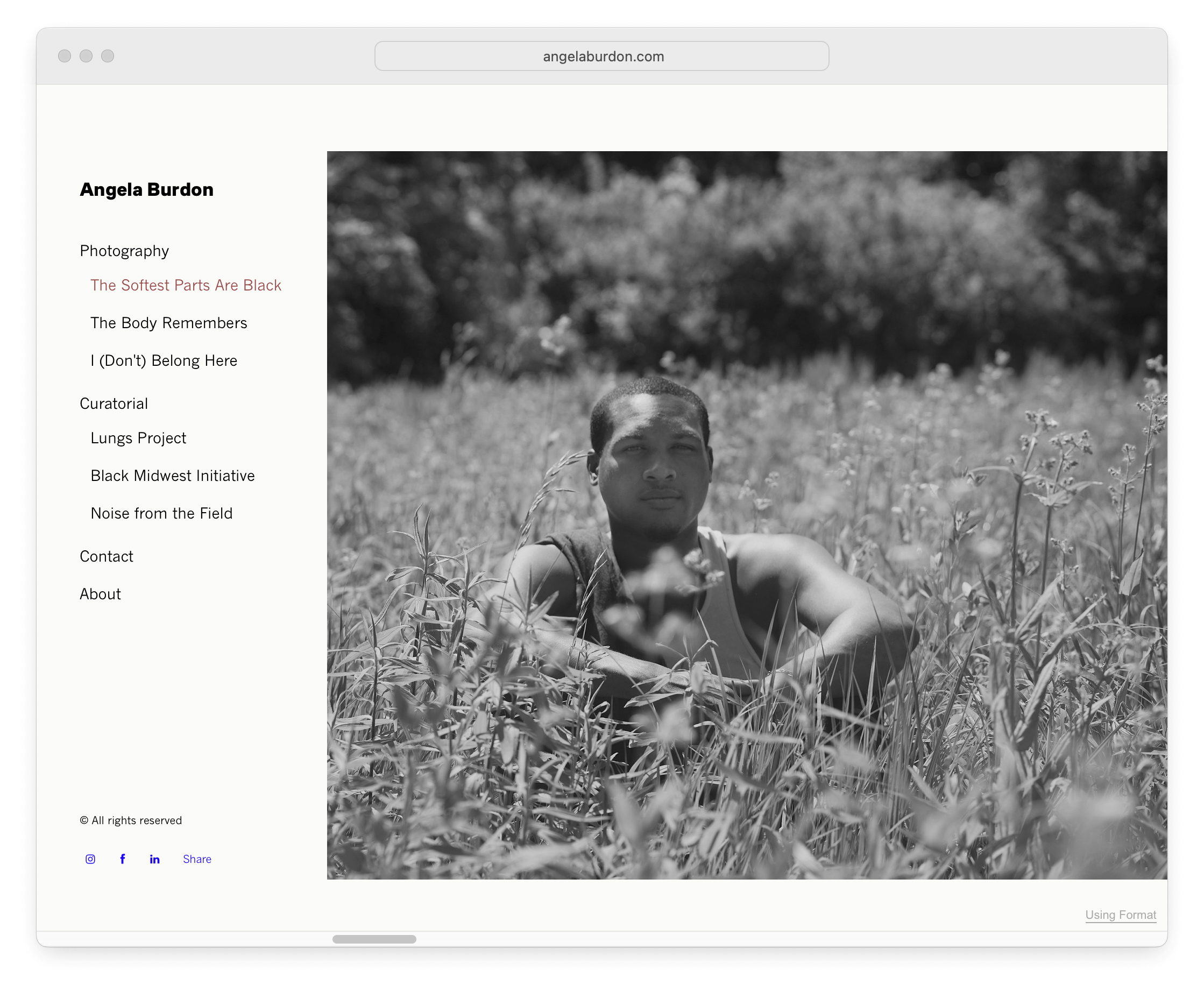
12 Photographer Portfolios Packed With Ideas and Inspiration — from booooooom.com
…
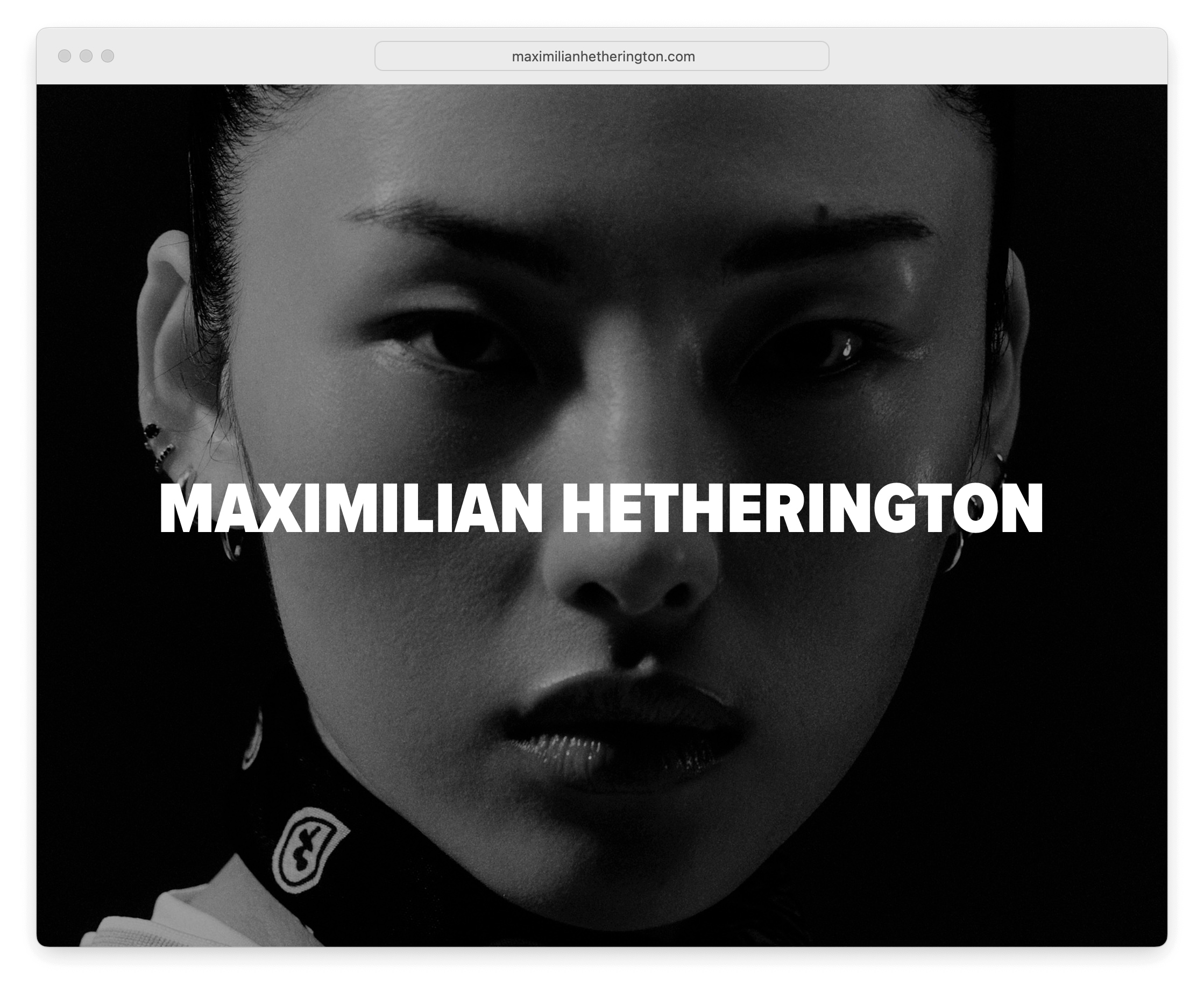
Speaking of photography, also see:
Photographer Spotlight: Pelle Cass — from booooooom.com

On 11/12/2025,
in architecture, art, Artificial Intelligence/Agents/LLMs/and Related, Asia, content development, aggregation, repositories, creativity, design, digital storytelling, graphics, human-computer interaction (HCI), ideas, innovation, multimedia, music, platforms, story, storytelling, tools, vendors,
by Daniel Christian
Just beautiful !!#videos #morning #sunrise pic.twitter.com/DBYLjuBKO4
— Alessandro ?? NO DM (@KatanaHugo) November 8, 2025
Prompt share – ASMR draw a living animal with oil paint
Prompt: close-up shot of a hand holding a paintbrush, painting on a white sheet of paper placed on a wooden desk. As the brush glides, vivid color paint flows smoothly then suddenly transforms into living [ANIMAL] [COLOR]… pic.twitter.com/rRu6oTwzlP
— Kris Kashtanova (@icreatelife) November 7, 2025
So beautiful ??? pic.twitter.com/jBFWWRbqUq
— ???????? ????? ?? (@Hoang_HQ) November 11, 2025
BIG unveils Suzhou Museum of Contemporary Art topped with ribbon-like roof — from dezeen.com by Christina Yao
.

Also from Dezeen:
MVRDV designs giant sphere for sports arena in Tirana — from dezeen.com by Starr Charles
.

I wanted to see how #VEO3 would animate these cool story book #Midjourney images. Really great actually. I love fairytales ??? Song @sunomusic #ai #aiart #aivideo #aimusic #suno #aiimages #aifairytales pic.twitter.com/u40XfBdfWu
— Kelly Boesch???? (@kellyeld) November 6, 2025
On 07/12/2025,
in art, creativity, design, digital audio, digital video, graphics, music,
by Daniel Christian
What a beautiful visualization ? pic.twitter.com/A10vpOoBdr
— Love Music (@khnh80044) July 7, 2025
On 05/22/2025,
in active learning, apprenticeships, drama/theater, education, education reform, Emotion, engagement / engaging students, experimentation, ideas, innovation, K-12 related, leadership, learning, learning ecosystem, Learning Experience Design, learning preferences, more voice more choice more control, motivation, music, pathways, pedagogy, project-based learning, real-world assignments, strategy, student-related, teachers, trends, vision/possibilities, vocational / trades, youth,
by Daniel Christian
Boys Are Struggling in School. What Can Be Done? — from edweek.org by Rick Hess
Scholar Richard Reeves says it’s time to take a hard look at gender equity
Rick: What kinds of strategies do you think would help?
Richard: In education, we should expand the use of male-friendly teaching methods, such as more hands-on and active learning approaches. We should also consider redshirting boys—starting them in school a year later—to account for developmental differences between boys and girls. We should also introduce more male mentors and role models in schools, particularly in elementary education, where male teachers are scarce. In the workforce, apprenticeship and vocational training programs need to be expanded to create pathways into stable employment for young men who may not pursue a four-year degree. Career counseling should also emphasize diverse pathways to ensure that boys who may not thrive in a traditional academic setting still have opportunities for success. Additionally, fatherhood policies should recognize the importance of male engagement in family life, supporting fathers in their role as caregivers and providers.
While on the topic of K12 education, also see:
How Electives Help All Students Succeed — from edutopia.org by Miriam Plotinsky
Giving students a choice of electives increases engagement and allows them to develop skills outside of core academic subjects.
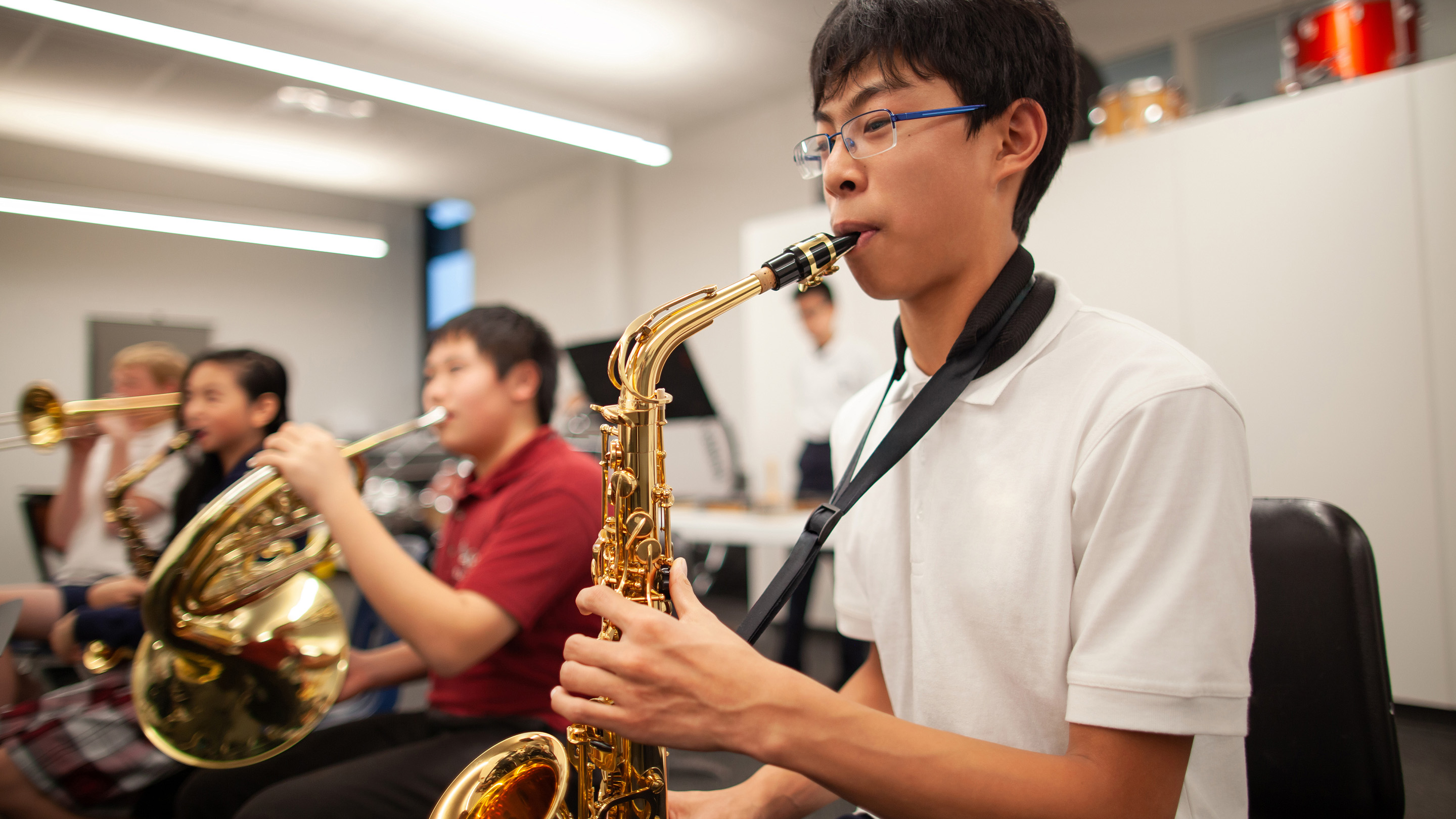
I recently conducted a student focus group on the topic of school attendance. One of the participants, a high school junior who admitted to being frequently late or absent, explained why she still came to school: “I never want to miss Drama. My teacher is awesome. Her class is the reason I show up every day.” As the rest of the focus group chimed in with similar thoughts, I reflected on the power that elective courses hold for students of all ages.
These courses, from jazz band to yoga, cement students’ sense of self not just in their primary and secondary years, but also in their journey toward adulthood. In these tight economic times, schools or districts often slash electives to save money on staffing, which is highly detrimental to student success. Instead, not only should budget cuts be made elsewhere, but also elective offerings should increase to heighten student choice and well-being.
On 03/28/2025,
in art, Artificial Intelligence/Agents/LLMs/and Related, communications, content development, aggregation, repositories, creativity, design, engagement / engaging students, experimentation, graphics, ideas, innovation, music, Open AI, platforms, student-related, teachers, teaching & learning, tools, vendors,
by Daniel Christian
7 ways to use ChatGPT’s new image AI — from wondertools.substack.com by Jeremy Caplan
Transform your ideas into strong visuals
7 ways to use ChatGPT’s new image AI
- Cartoons
- Infographics
- Posters
- …plus several more
Bro has mastered the guitar fully pic.twitter.com/mFj84P8KNo
— NO CONTEXT HUMANS (@HumansNoContext) February 9, 2025
On 12/29/2024,
in 21st century, adjunct faculty, adult learning, business, collaboration, colleges, communications, communities of practice, community colleges, content development, aggregation, repositories, corporate / business world, curriculum, digital audio, digital learning, digital storytelling, digital video, education, education technology, educational games / serious games, experimentation, faculty/staff, global, graphics, higher education, ideas, internet, journalism, K-12 related, liberal arts, library / librarians, media/film, Michigan, multimedia, music, new media literacies, online media, parents/guardians, platforms, podcasting, political science, reading, skills, social learning / networks, social media, society, sociology, story, student-related, teachers, technologies for your home, TVs, United States, universities, vendors, writing, youth,
by Daniel Christian
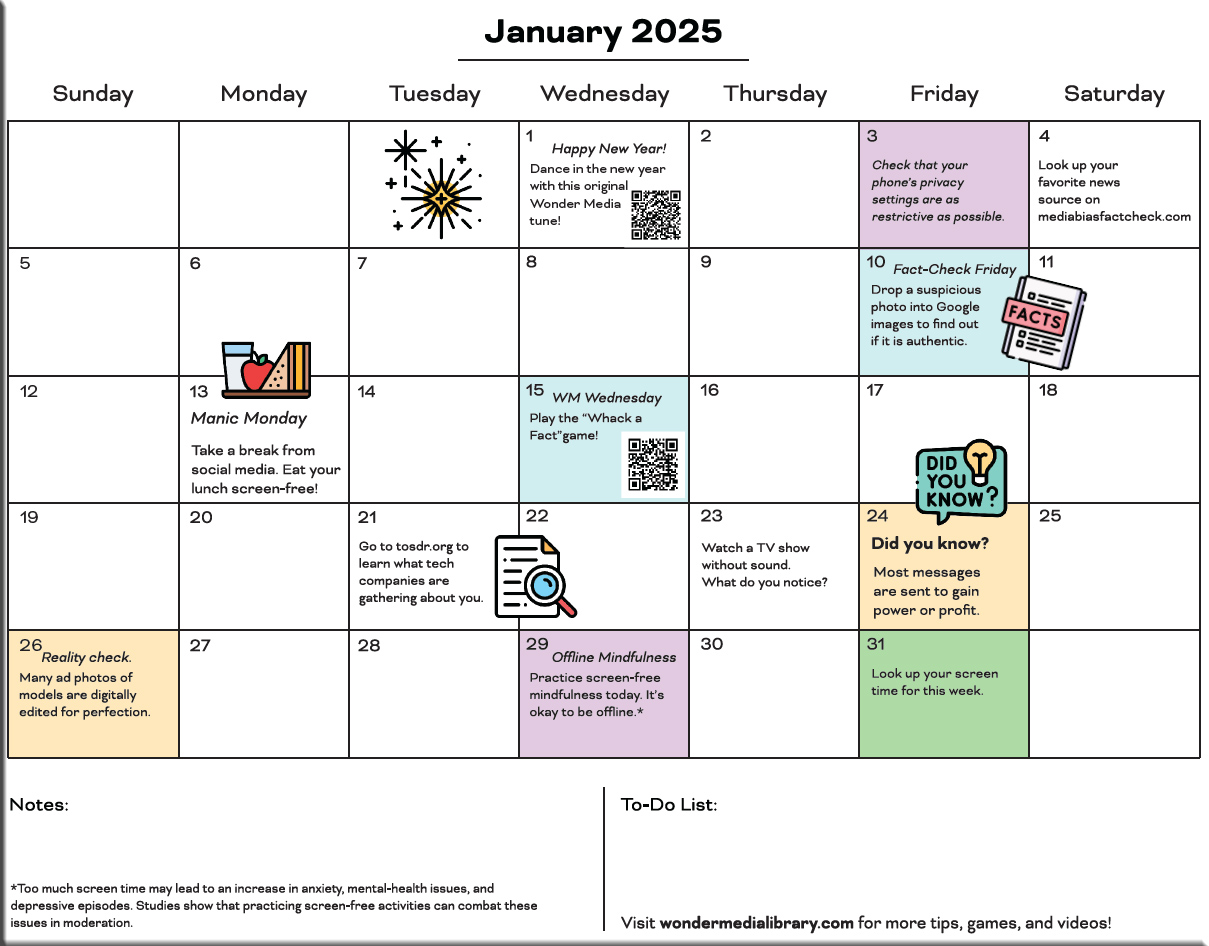
Introducing the 2025 Wonder Media Calendar for tweens, teens, and their families/households. Designed by Sue Ellen Christian and her students in her Global Media Literacy class (in the fall 2024 semester at Western Michigan University), the calendar’s purpose is to help people create a new year filled with skills and smart decisions about their media use. This calendar is part of the ongoing Wonder Media Library.com project that includes videos, lesson plans, games, songs and more. The website is funded by a generous grant from the Institute of Museum and Library Services, in partnership with Western Michigan University and the Library of Michigan.