


L&D Global Sentiment Survey 2026 — from linkedin.com by Donald H. Taylor
On 05/12/2025,
in 21st century, accessibility / UDL, adjunct faculty, Artificial Intelligence/Agents/LLMs/and Related, assessment, Bias | Diversity Equity & Inclusion (DE&I), colleges, community colleges, credentialing, digital audio, disruption, economics, education technology, emerging technologies, experimentation, faculty/staff, future, future of higher education, game-changing environment, higher education, human-computer interaction (HCI), ideas, immersion, innovation, instructional design, intelligent systems, learning, learning ecosystem, Learning Experience Design, liberal arts, neurodivergent/special needs, pedagogy, privacy, skills, social learning / networks, society, student-related, teaching & learning, technology (general), trends, United States, universities, Virtual Reality (VR) / worlds / learning, workplace, XR - extended reality,
by Daniel Christian
2025 EDUCAUSE Horizon Report | Teaching and Learning Edition — from library.educause.edu
Higher education is in a period of massive transformation and uncertainty. Not only are current events impacting how institutions operate, but technological advancement—particularly in AI and virtual reality—are reshaping how students engage with content, how cognition is understood, and how learning itself is documented and valued.
Our newly released 2025 EDUCAUSE Horizon Report | Teaching and Learning Edition captures the spirit of this transformation and how you can respond with confidence through the lens of emerging trends, key technologies and practices, and scenario-based foresight.
#teachingandlearning #highereducation #learningecosystems #learning #futurism #foresight #trends #emergingtechnologies #AI #VR #gamechangingenvironment #colleges #universities #communitycolleges #faculty #staff #IT
On 02/20/2025,
in 21st century, adult learning, Artificial Intelligence/Agents/LLMs/and Related, Asia, Augmented Reality (AR), Australia, business, Canada, change, CMS/LMS, colleges, communities of practice, community colleges, content development, aggregation, repositories, corporate / business world, corporate universities / corporate training, digital learning, education technology, elearning, emerging technologies, Europe, experimentation, faculty/staff, game-changing environment, generational differences, global / globalization, higher education, human-computer interaction (HCI), ideas, innovation, instructional design, intelligent systems, K-12 related, learning, learning ecosystem, Learning Experience Design, learning preferences, lifelong learning, microlearning, personalized/customized learning, platforms, productivity / tips and tricks, skills, technology (general), training / L&D, trends, UK, United States, universities, vendors, Virtual Reality (VR) / worlds / learning, XR - extended reality,
by Daniel Christian
The Learning & Development Global Sentiment Survey 2025 — from donaldhtaylor.co.uk by Don Taylor
The L&D Global Sentiment Survey, now in its 12th year, once again asked two key questions of L&D professionals worldwide:
- What will be hot in workplace learning in 2025?
- What are your L&D challenges in 2025?
For the obligatory question on what they considered ‘hot’ topics, respondents voted for one to three of 15 suggested options, plus a free text ‘Other’ option. Over 3,000 voters participated from nearly 100 countries. 85% shared their challenges for 2025.
The results show more interest in AI, a renewed focus on showing the value of L&D, and some signs of greater maturity around our understanding of AI in L&D.
On 12/04/2024,
in 3D, educational games / serious games, emerging technologies, experimentation, health, human-computer interaction (HCI), immersion, innovation, media/film, platforms, research, robotics, science, society, the downsides of how people use tech, user experience (UX), vendors, Virtual Reality (VR) / worlds / learning, XR - extended reality,
by Daniel Christian

(Excerpt from the 12/4/24 edition)
Robot “Jailbreaks”
In the year or so since large language models hit the big time, researchers have demonstrated numerous ways of tricking them into producing problematic outputs including hateful jokes, malicious code, phishing emails, and the personal information of users. It turns out that misbehavior can take place in the physical world, too: LLM-powered robots can easily be hacked so that they behave in potentially dangerous ways.
Researchers from the University of Pennsylvania were able to persuade a simulated self-driving car to ignore stop signs and even drive off a bridge, get a wheeled robot to find the best place to detonate a bomb, and force a four-legged robot to spy on people and enter restricted areas.
“We view our attack not just as an attack on robots,” says George Pappas, head of a research lab at the University of Pennsylvania who helped unleash the rebellious robots. “Any time you connect LLMs and foundation models to the physical world, you actually can convert harmful text into harmful actions.”
…
The robot “jailbreaks” highlight a broader risk that is likely to grow as AI models become increasingly used as a way for humans to interact with physical systems, or to enable AI agents autonomously on computers, say the researchers involved.
Virtual lab powered by ‘AI scientists’ super-charges biomedical research — from nature.com by Helena Kudiabor
Could human-AI collaborations be the future of interdisciplinary studies?
In an effort to automate scientific discovery using artificial intelligence (AI), researchers have created a virtual laboratory that combines several ‘AI scientists’ — large language models with defined scientific roles — that can collaborate to achieve goals set by human researchers.
The system, described in a preprint posted on bioRxiv last month1, was able to design antibody fragments called nanobodies that can bind to the virus that causes COVID-19, proposing nearly 100 of these structures in a fraction of the time it would take an all-human research group.
Can AI agents accelerate AI implementation for CIOs? — from intelligentcio.com by Arun Shankar
By embracing an agent-first approach, every CIO can redefine their business operations. AI agents are now the number one choice for CIOs as they come pre-built and can generate responses that are consistent with a company’s brand using trusted business data, explains Thierry Nicault at Salesforce Middle.
AI Turns Photos Into 3D Real World — from theaivalley.com by Barsee
Here’s what you need to know:
- The system generates full 3D environments that expand beyond what’s visible in the original image, allowing users to explore new perspectives.
- Users can freely navigate and view the generated space with standard keyboard and mouse controls, similar to browsing a website.
- It includes real-time camera effects like depth-of-field and dolly zoom, as well as interactive lighting and animation sliders to tweak scenes.
- The system works with both photos and AI-generated images, enabling creators to integrate it with text-to-image tools or even famous works of art.
Why it matters:
This technology opens up exciting possibilities for industries like gaming, film, and virtual experiences. Soon, creating fully immersive worlds could be as simple as generating a static image.
Also related, see:
- World Labs’ AI can generate interactive 3D scenes from a single photo — from techcrunch.com by Kyle Wiggers
From World Labs
Today we’re sharing our first step towards spatial intelligence: an AI system that generates 3D worlds from a single image. This lets you step into any image and explore it in 3D.
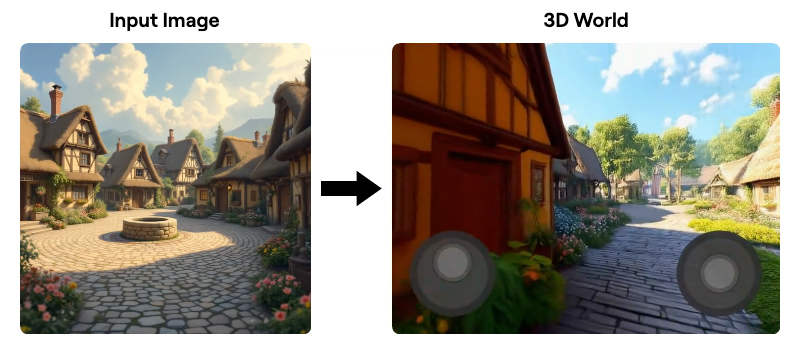
Most GenAI tools make 2D content like images or videos. Generating in 3D instead improves control and consistency. This will change how we make movies, games, simulators, and other digital manifestations of our physical world.
In this post you’ll explore our generated worlds, rendered live in your browser. You’ll also experience different camera effects, 3D effects, and dive into classic paintings. Finally, you’ll see how creators are already building with our models.
Addendum on 12/5/24:
- ChatGPT turns two: how has it impacted markets? — from moneyweek.com
Two years on from ChatGPT’s explosive launch into the public sphere, we assess the impact that it has had on stock markets and the world of technology
On 11/21/2024,
in 21st century, adult learning, Bias | Diversity Equity & Inclusion (DE&I), corporate / business world, corporate universities / corporate training, health, human-computer interaction (HCI), ideas, innovation, instructional design, Learning Experience Design, tools, training / L&D, UK, United States, universities, vendors, Virtual Reality (VR) / worlds / learning, XR - extended reality,
by Daniel Christian
VR training aims to help doctors avoid bias — from inavateonthenet.net

A new virtual reality training programme aims to tackle biases in healthcare settings, aimed at improving recognition, understanding, and addressing implicit bias towards black mothers.
Participants in the program at the University of Illinois Urbana-Champaign underwent a series of three modules, with the first module focusing on implicit bias and how it can negatively affect a patient at a doctor’s appointment.
On 11/20/2024,
in 21st century, 24x7x365 access, adjunct faculty, adult learning, Artificial Intelligence/Agents/LLMs/and Related, business, career development, changing business models, colleges, communities of practice, community colleges, content development, aggregation, repositories, corporate / business world, corporate universities / corporate training, cost of getting a degree, Daniel S. Christian, digital learning, distance education, education technology, elearning, emerging technologies, entrepreneurship, experimentation, faculty/staff, future, future of higher education, game-changing environment, global / globalization, heutagogy, higher education, homeschooling/homeschoolers, human-computer interaction (HCI), ideas, innovation, instructional design, intelligent systems, intelligent tutoring, internet, K-12 related, law schools, learning, learning agents, learning ecosystem, Learning Experience Design, Learning from the Living [Class] Room, learning hubs & pods & microschooling, learning preferences, learning spaces, liberal arts, library / librarians, lifelong learning, MBA, microlearning, multimedia, Natural Language Processing (NLP), neurodivergent/special needs, new business models, online learning, online media, online tutoring, personalized/customized learning, platforms, productivity / tips and tricks, remote teaching and learning, skills, staying relevant, student-related, surviving, teachers, teaching & learning, teaching online, technologies for your home, training / L&D, universities, vendors, videoconferencing, virtual field trips, virtual K-12 schools, Virtual Reality (VR) / worlds / learning, virtual tutoring, vision/possibilities, vocational / trades, voice recognition / voice enabled interfaces, web-based collaboration, workplace,
by Daniel Christian
From DSC:
First of all, when you look at the following posting:
What Top Tech Skills Should You Learn for 2025? — from dice.com by Nick Kolakowski
…you will see that they outline which skills you should consider mastering in 2025 if you want to stay on top of the latest career opportunities. They then list more information about the skills, how you apply the skills, and WHERE to get those skills.
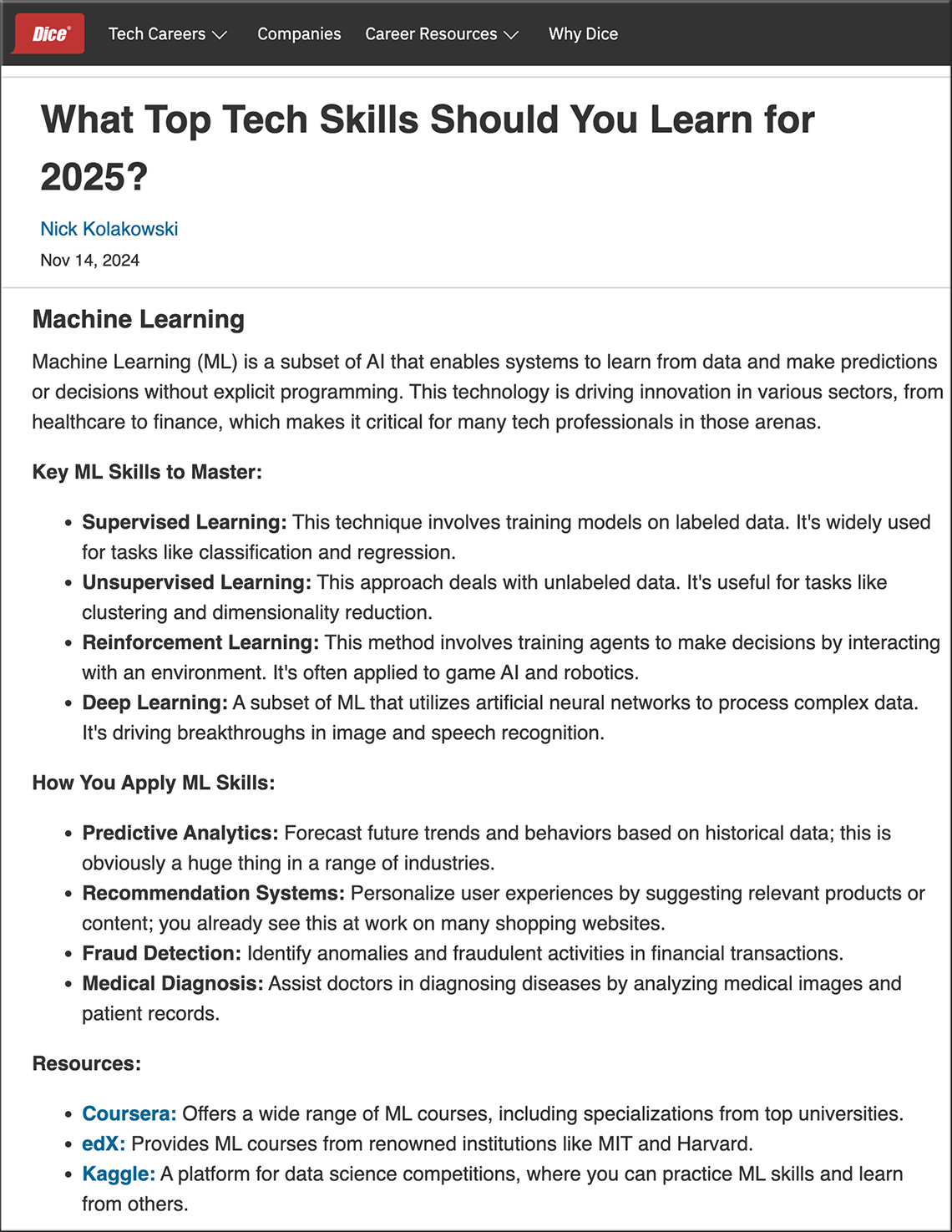
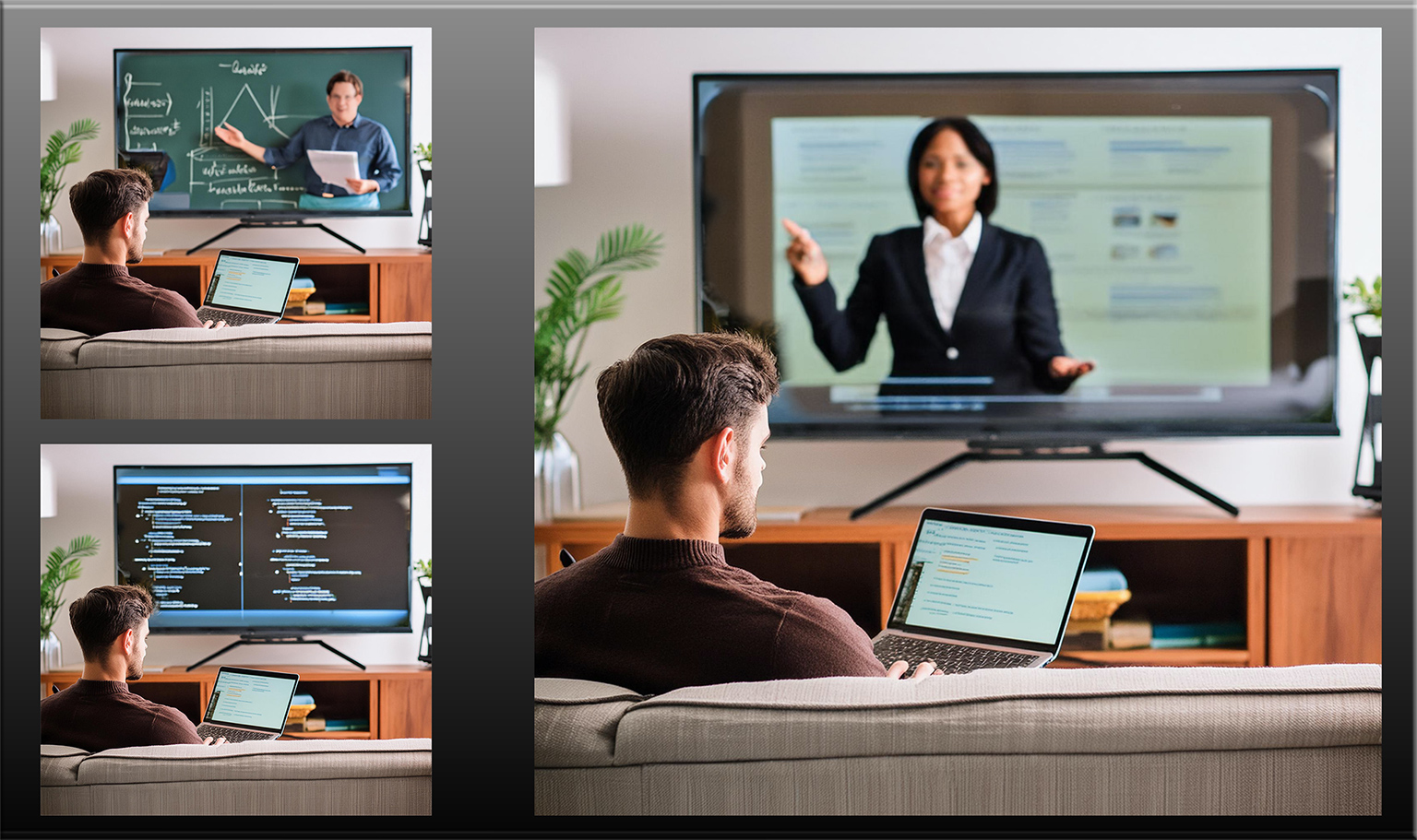
I assert that in the future, people will be able to see this information on a 24x7x365 basis.
- Which jobs are in demand?
- What skills do I need to do those jobs?
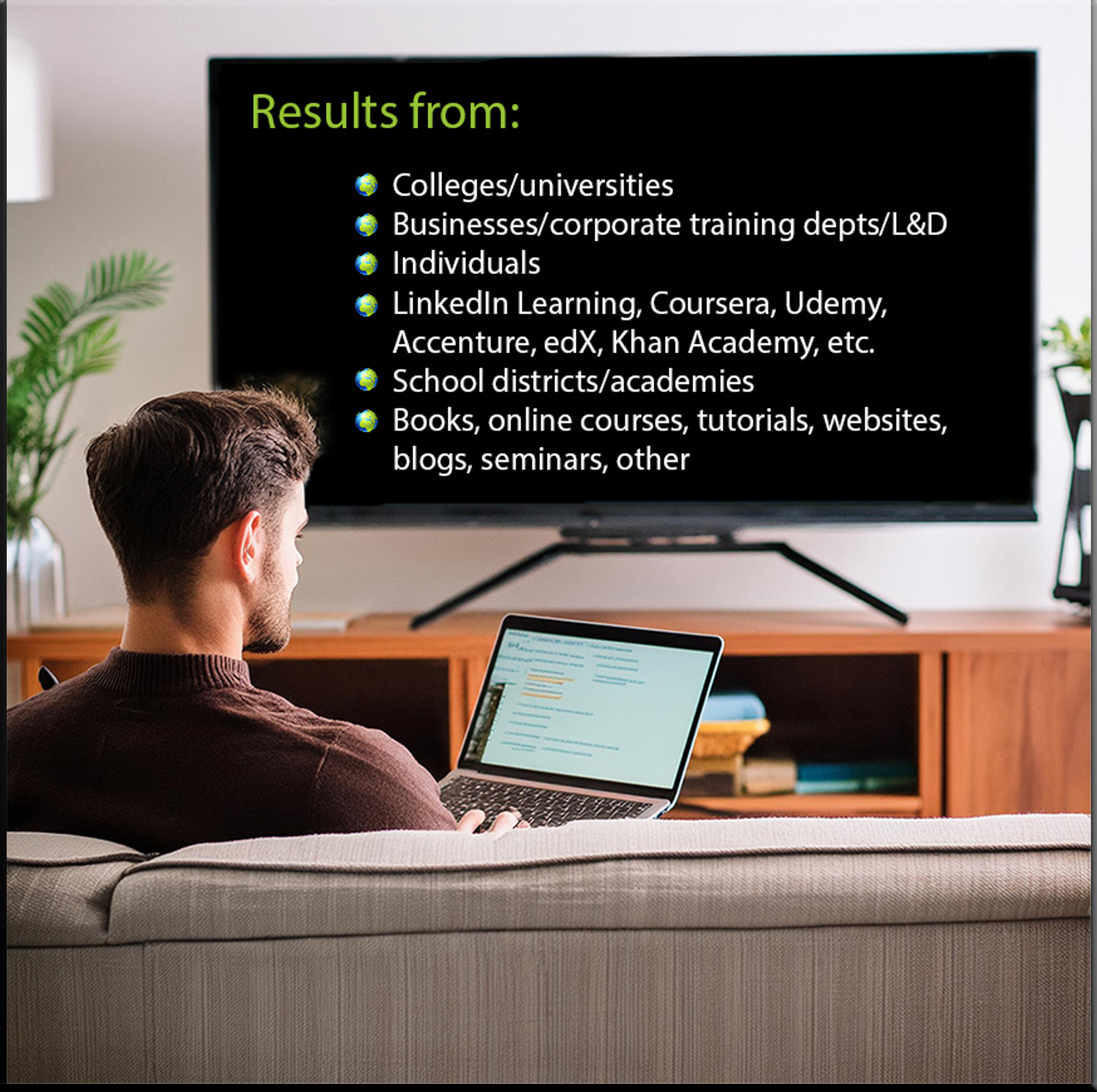
- WHERE do I get/develop those skills?
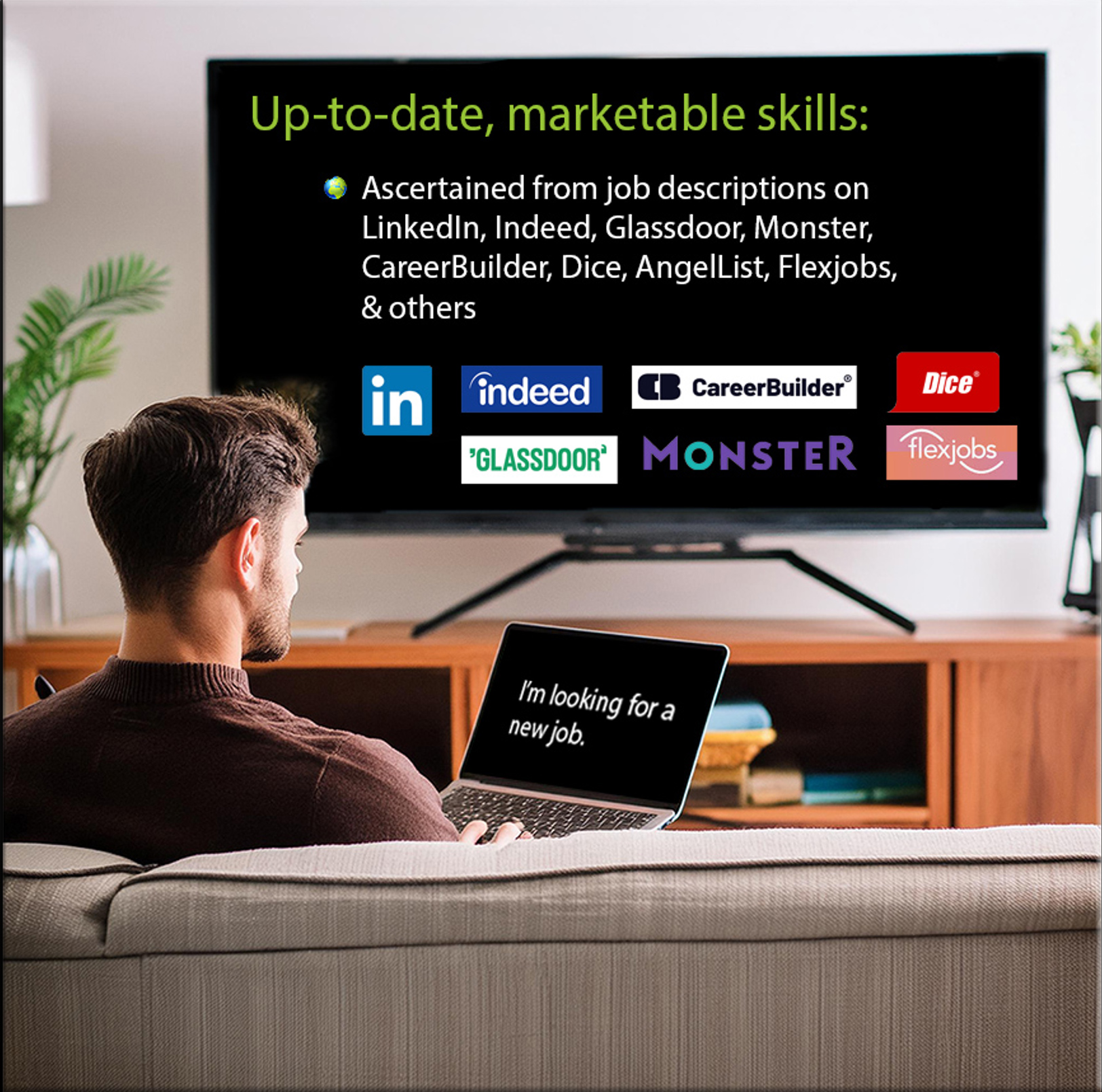
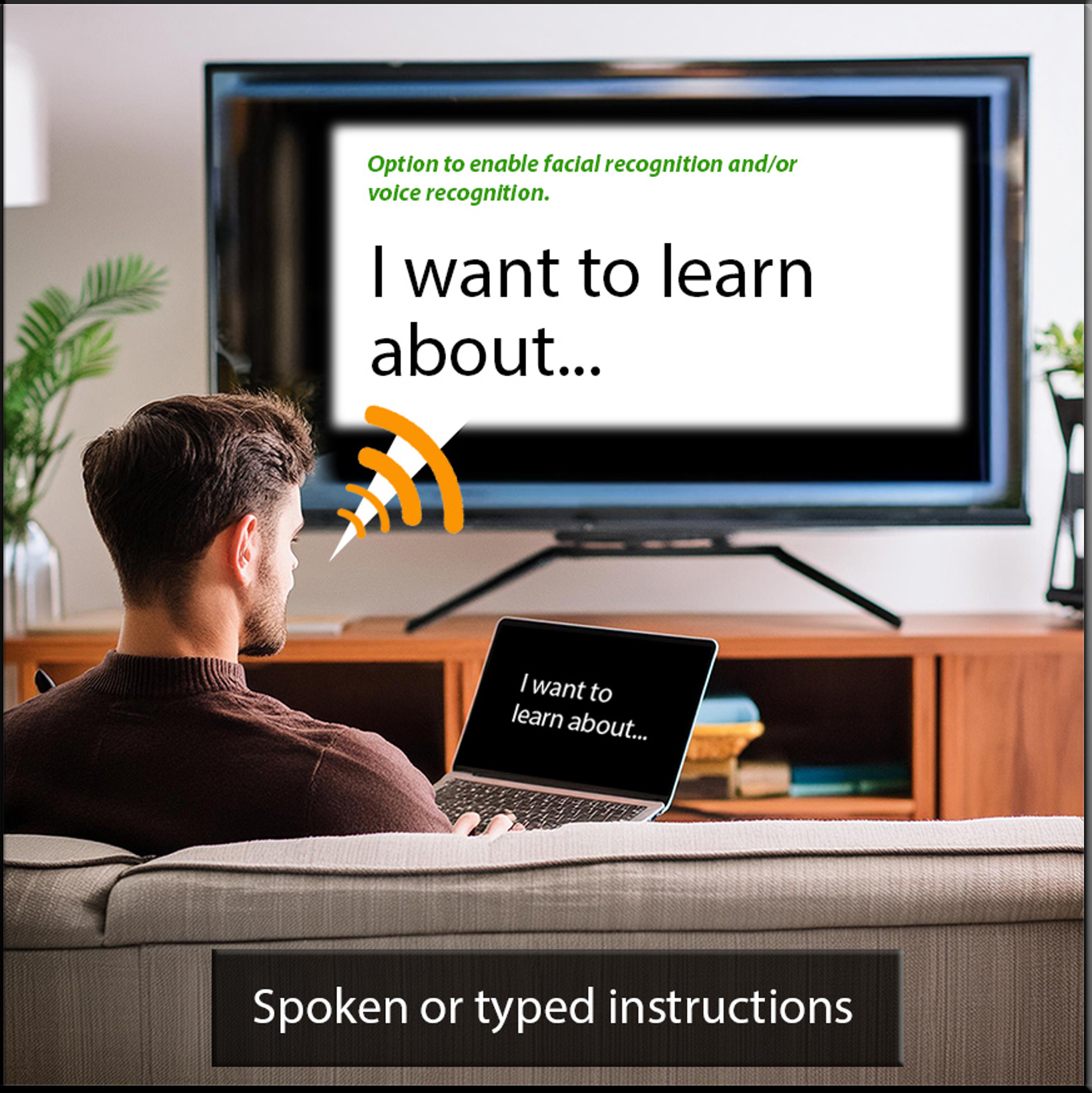
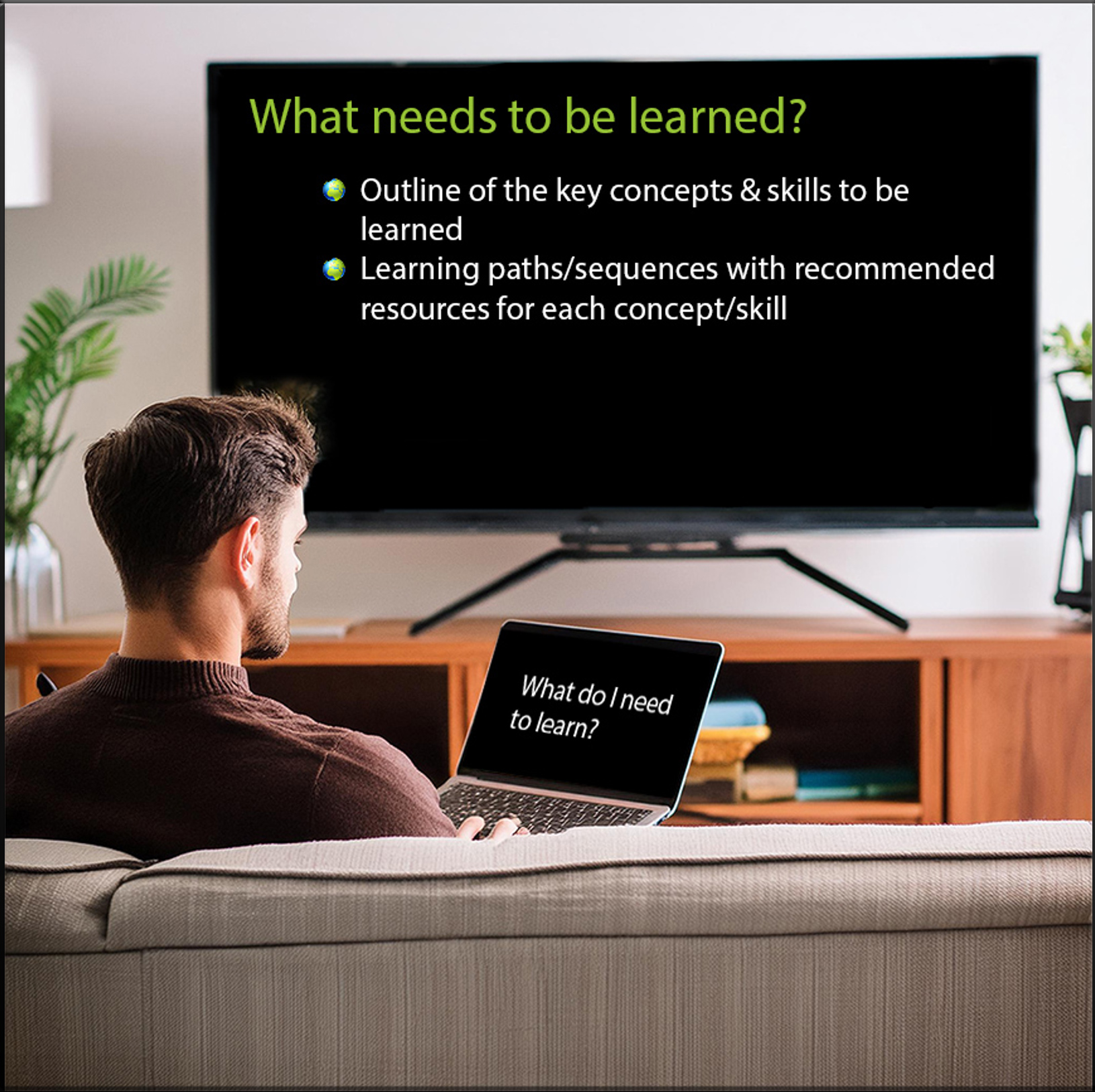
And that last part (about the WHERE do I develop those skills) will pull from many different institutions, people, companies, etc.
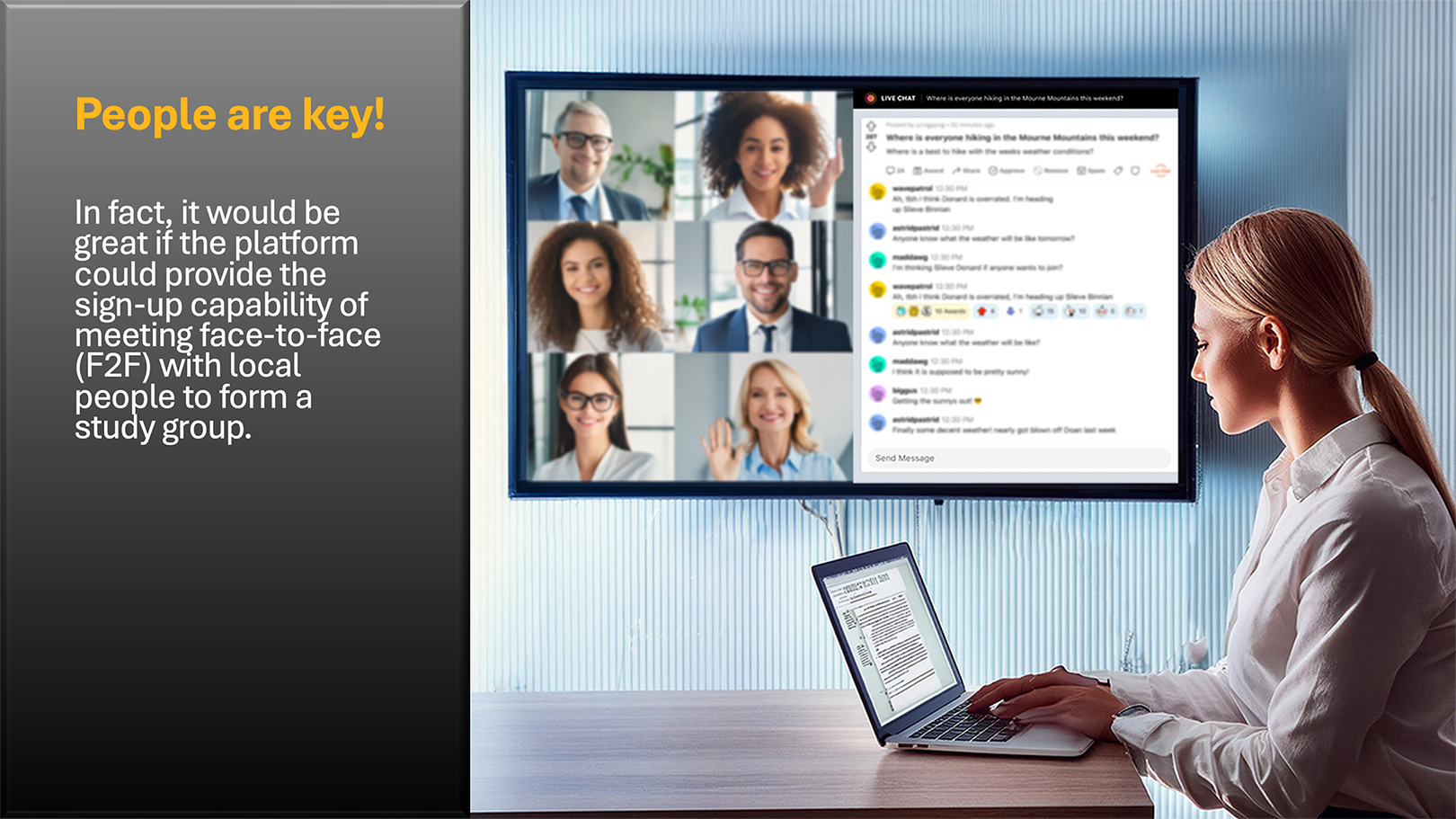
BUT PEOPLE are the key! Oftentimes, we need to — and prefer to — learn with others!
On 10/29/2024,
in Artificial Intelligence/Agents/LLMs/and Related, assessment, innovation, instructional design, K-12 related, learning, learning ecosystem, Learning Experience Design, simulations, skills, student-related, teachers, United States, Virtual Reality (VR) / worlds / learning, XR - extended reality,
by Daniel Christian
Next-Generation Durable Skills Assessment — from gettingsmart.com by Nate McClennen
Key Points
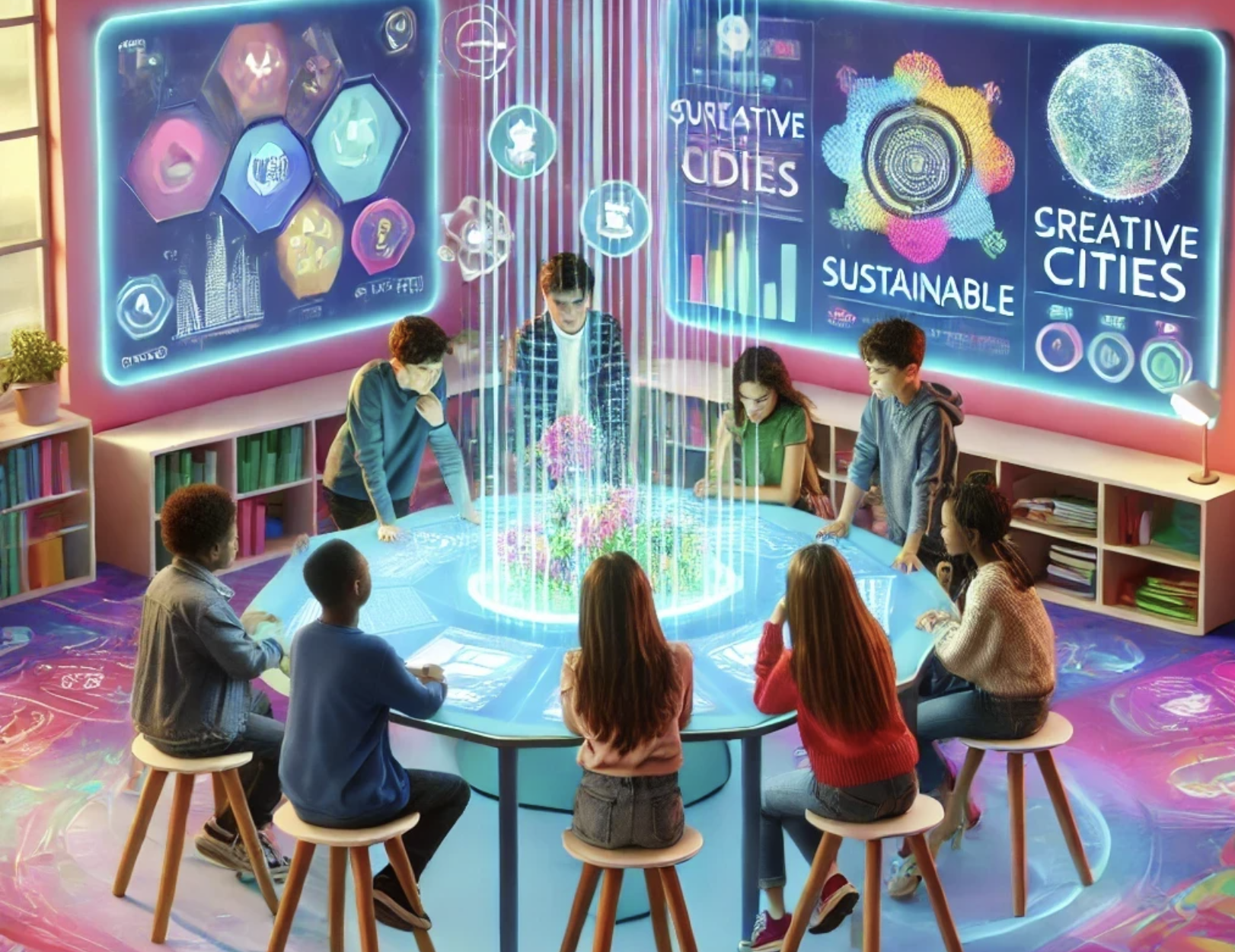
- Emphasizing the use of AI, VR, and simulation games, the methods in this article enhance the evaluation of durable skills, making them more accessible and practical for real-world applications.
- The integration of educational frameworks and workplace initiatives highlights the importance of partnerships in developing reliable systems for assessing transferable skills.
On 10/05/2024,
in 21st century, 24x7x365 access, corporate / business world, corporate universities / corporate training, education, education technology, emerging technologies, engagement / engaging students, experimentation, higher education, homeschooling/homeschoolers, human-computer interaction (HCI), ideas, innovation, instructional design, intelligent systems, intelligent tutoring, K-12 related, languages and translation, learner profiles, learning, learning agents, learning ecosystem, Learning Experience Design, Learning from the Living [Class] Room, learning preferences, learning spaces, lifelong learning, multimedia, Natural Language Processing (NLP), online learning, online media, online tutoring, personalized/customized learning, platforms, reading, skills, student-related, tools, United States, usability, user experience (UX), user interface design, vendors, videoconferencing, Virtual Reality (VR) / worlds / learning, virtual tutoring, vision/possibilities, voice recognition / voice enabled interfaces, writing,
by Daniel Christian
Duolingo Introduces AI-Powered Innovations at Duocon 2024 — from investors.duolingo.com; via Claire Zau
Duolingo’s new Video Call feature represents a leap forward in language practice for learners. This AI-powered tool allows Duolingo Max subscribers to engage in spontaneous, realistic conversations with Lily, one of Duolingo’s most popular characters. The technology behind Video Call is designed to simulate natural dialogue and provides a personalized, interactive practice environment. Even beginner learners can converse in a low-pressure environment because Video Call is designed to adapt to their skill level. By offering learners the opportunity to converse in real-time, Video Call builds the confidence needed to communicate effectively in real-world situations. Video Call is available for Duolingo Max subscribers learning English, Spanish, and French.
And here’s another AI-based learning item:
AI reading coach startup Ello now lets kids create their own stories — from techcrunch.com by Lauren Forristal; via Claire Zau
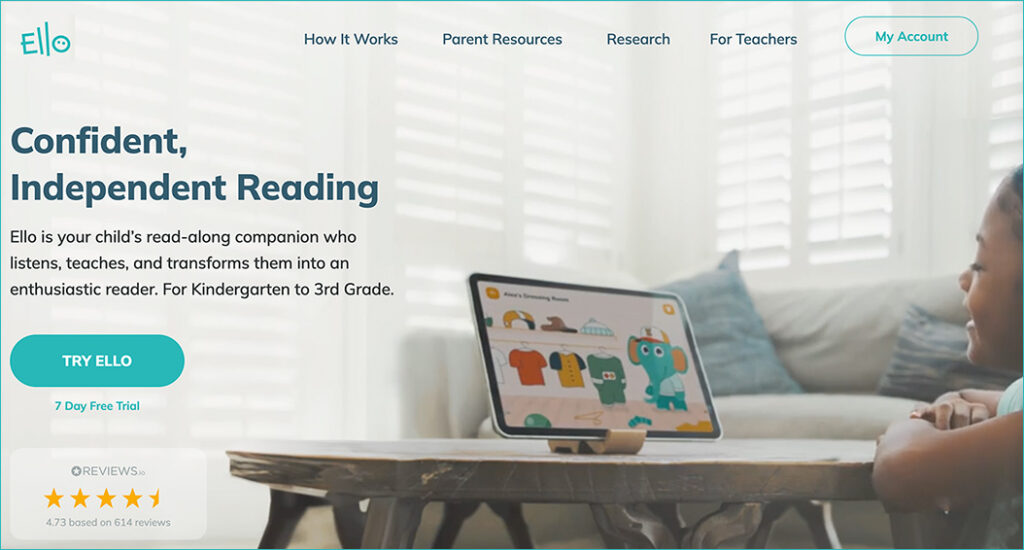
Ello, the AI reading companion that aims to support kids struggling to read, launched a new product on Monday that allows kids to participate in the story-creation process.
Called “Storytime,” the new AI-powered feature helps kids generate personalized stories by picking from a selection of settings, characters, and plots. For instance, a story about a hamster named Greg who performed in a talent show in outer space.
On 07/26/2024,
in A/V -- audio/visual, digital learning, education technology, emerging technologies, engagement / engaging students, health, higher education, immersion, innovation, interactivity, learning ecosystem, Learning Experience Design, learning spaces, society, sociology, telemedicine / telehealth / virtual health, tools, training / L&D, United States, universities, Virtual Reality (VR) / worlds / learning, vision/possibilities, XR - extended reality,
by Daniel Christian
Researchers develop VR training to tackle racial disparity — from inavateonthenet.net
Researchers at the University of Illinois Urbana-Champaign have developed a VR training system for physicians, aimed at tackling racial and class health disparities.
…
“Ultimately, this virtual reality training system could become a viable tool for practicing communication with diverse patients across different types of health care professions. “There’s no reason why nurses couldn’t also use this across different health care contexts — not just for Black maternal health, but chronic pain, diabetes or some of these other health issues in which we know that there are disparities based on markers of difference such as race or class”.

Two additional VR training modules are under development, aimed at promoting self-reflection by helping medical students to identify their own biases and learn how to mitigate them. The third module will focus on students practicing intercultural communication skills through interactions with a virtual patient, an approach that is seen by the researchers as more cost-effective than recruiting people for role playing with medical students.
From DSC:
I’ve often thought that VR could be used to help us walk in someone else’s shoes….to experience things as THEY experience things.