What Students Are Saying About Teachers Using A.I. to Grade — from nytimes.com by The Learning Network; via Claire Zau
Teenagers and educators weigh in on a recent question from The Ethicist.

Is it unethical for teachers to use artificial intelligence to grade papers if they have forbidden their students from using it for their assignments?

That was the question a teacher asked Kwame Anthony Appiah in a recent edition of The Ethicist. We posed it to students to get their take on the debate, and asked them their thoughts on teachers using A.I. in general.

While our Student Opinion questions are usually reserved for teenagers, we also heard from a few educators about how they are — or aren’t — using A.I. in the classroom. We’ve included some of their answers, as well.


OpenAI wants to pair online courses with chatbots — from techcrunch.com by Kyle Wiggers; via James DeVaney on LinkedIn

If OpenAI has its way, the next online course you take might have a chatbot component.

Speaking at a fireside on Monday hosted by Coeus Collective, Siya Raj Purohit, a member of OpenAI’s go-to-market team for education, said that OpenAI might explore ways to let e-learning instructors create custom “GPTs” that tie into online curriculums.

“What I’m hoping is going to happen is that professors are going to create custom GPTs for the public and let people engage with content in a lifelong manner,” Purohit said. “It’s not part of the current work that we’re doing, but it’s definitely on the roadmap.”


15 Times to use AI, and 5 Not to — from oneusefulthing.org by Ethan Mollick
Notes on the Practical Wisdom of AI Use

There are several types of work where AI can be particularly useful, given the current capabilities and limitations of LLMs. Though this list is based in science, it draws even more from experience. Like any form of wisdom, using AI well requires holding opposing ideas in mind: it can be transformative yet must be approached with skepticism, powerful yet prone to subtle failures, essential for some tasks yet actively harmful for others. I also want to caveat that you shouldn’t take this list too seriously except as inspiration – you know your own situation best, and local knowledge matters more than any general principles. With all that out of the way, below are several types of tasks where AI can be especially useful, given current capabilities—and some scenarios where you should remain wary.


Learning About Google Learn About: What Educators Need To Know — from techlearning.com by Ray Bendici
Google’s experimental Learn About platform is designed to create an AI-guided learning experience

Google Learn About is a new experimental AI-driven platform available that provides digestible and in-depth knowledge about various topics, but showcases it all in an educational context. Described by Google as a “conversational learning companion,” it is essentially a Wikipedia-style chatbot/search engine, and then some.

In addition to having a variety of already-created topics and leading questions (in areas such as history, arts, culture, biology, and physics) the tool allows you to enter prompts using either text or an image. It then provides a general overview/answer, and then suggests additional questions, topics, and more to explore in regard to the initial subject.

The idea is for student use is that the AI can help guide a deeper learning process rather than just provide static answers.


What OpenAI’s PD for Teachers Does—and Doesn’t—Do — from edweek.org by Olina Banerji
What’s the first thing that teachers dipping their toes into generative artificial intelligence should do?

They should start with the basics, according to OpenAI, the creator of ChatGPT and one of the world’s most prominent artificial intelligence research companies. Last month, the company launched an hour-long, self-paced online course for K-12 teachers about the definition, use, and harms of generative AI in the classroom. It was launched in collaboration with Common Sense Media, a national nonprofit that rates and reviews a wide range of digital content for its age appropriateness.

…the above article links to:

ChatGPT Foundations for K–12 Educators — from commonsense.org

This course introduces you to the basics of artificial intelligence, generative AI, ChatGPT, and how to use ChatGPT safely and effectively. From decoding the jargon to responsible use, this course will help you level up your understanding of AI and ChatGPT so that you can use tools like this safely and with a clear purpose.

Learning outcomes:

  • Understand what ChatGPT is and how it works.
  • Demonstrate ways to use ChatGPT to support your teaching practices.
  • Implement best practices for applying responsible AI principles in a school setting.

Takeaways From Google’s Learning in the AI Era Event — from edtechinsiders.substack.com by Sarah Morin, Alex Sarlin, and Ben Kornell
Highlights from Our Day at Google + Behind-the-Scenes Interviews Coming Soon!

  1. NotebookLM: The Start of an AI Operating System
  2. Google is Serious About AI and Learning
  3. Google’s LearnLM Now Available in AI Studio
  4. Collaboration is King
  5. If You Give a Teacher a Ferrari

Rapid Responses to AI — from the-job.beehiiv.com by Paul Fain
Top experts call for better data and more short-term training as tech transforms jobs.

AI could displace middle-skill workers and widen the wealth gap, says landmark study, which calls for better data and more investment in continuing education to help workers make career pivots.

Ensuring That AI Helps Workers
Artificial intelligence has emerged as a general purpose technology with sweeping implications for the workforce and education. While it’s impossible to precisely predict the scope and timing of looming changes to the labor market, the U.S. should build its capacity to rapidly detect and respond to AI developments.
That’s the big-ticket framing of a broad new report from the National Academies of Sciences, Engineering, and Medicine. Congress requested the study, tapping an all-star committee of experts to assess the current and future impact of AI on the workforce.

“In contemplating what the future holds, one must approach predictions with humility,” the study says…

“AI could accelerate occupational polarization,” the committee said, “by automating more nonroutine tasks and increasing the demand for elite expertise while displacing middle-skill workers.”

The Kicker: “The education and workforce ecosystem has a responsibility to be intentional with how we value humans in an AI-powered world and design jobs and systems around that,” says Hsieh.


AI Predators: What Schools Should Know and Do — from techlearning.com by Erik Ofgang
AI is increasingly be used by predators to connect with underage students online. Yasmin London, global online safety expert at Qoria and a former member of the New South Wales Police Force in Australia, shares steps educators can take to protect students.

The threat from AI for students goes well beyond cheating, says Yasmin London, global online safety expert at Qoria and a former member of the New South Wales Police Force in Australia.

Increasingly at U.S. schools and beyond, AI is being used by predators to manipulate children. Students are also using AI generate inappropriate images of other classmates or staff members. For a recent report, Qoria, a company that specializes in child digital safety and wellbeing products, surveyed 600 schools across North America, UK, Australia, and New Zealand.


Why We Undervalue Ideas and Overvalue Writing — from aiczar.blogspot.com by Alexander “Sasha” Sidorkin

A student submits a paper that fails to impress stylistically yet approaches a worn topic from an angle no one has tried before. The grade lands at B minus, and the student learns to be less original next time. This pattern reveals a deep bias in higher education: ideas lose to writing every time.

This bias carries serious equity implications. Students from disadvantaged backgrounds, including first-generation college students, English language learners, and those from under-resourced schools, often arrive with rich intellectual perspectives but struggle with academic writing conventions. Their ideas – shaped by unique life experiences and cultural viewpoints – get buried under red ink marking grammatical errors and awkward transitions. We systematically undervalue their intellectual contributions simply because they do not arrive in standard academic packaging.


Google Scholar’s New AI Outline Tool Explained By Its Founder — from techlearning.com by Erik Ofgang
Google Scholar PDF reader uses Gemini AI to read research papers. The AI model creates direct links to the paper’s citations and a digital outline that summarizes the different sections of the paper.

Google Scholar has entered the AI revolution. Google Scholar PDF reader now utilizes generative AI powered by Google’s Gemini AI tool to create interactive outlines of research papers and provide direct links to sources within the paper. This is designed to make reading the relevant parts of the research paper more efficient, says Anurag Acharya, who co-founded Google Scholar on November 18, 2004, twenty years ago last month.


The Four Most Powerful AI Use Cases in Instructional Design Right Now — from drphilippahardman.substack.com by Dr. Philippa Hardman
Insights from ~300 instructional designers who have taken my AI & Learning Design bootcamp this year

  1. AI-Powered Analysis: Creating Detailed Learner Personas…
  2. AI-Powered Design: Optimising Instructional Strategies…
  3. AI-Powered Development & Implementation: Quality Assurance…
  4. AI-Powered Evaluation: Predictive Impact Assessment…

How Are New AI Tools Changing ‘Learning Analytics’? — from edsurge.com by Jeffrey R. Young
For a field that has been working to learn from the data trails students leave in online systems, generative AI brings new promises — and new challenges.

In other words, with just a few simple instructions to ChatGPT, the chatbot can classify vast amounts of student work and turn it into numbers that educators can quickly analyze.

Findings from learning analytics research is also being used to help train new generative AI-powered tutoring systems.

Another big application is in assessment, says Pardos, the Berkeley professor. Specifically, new AI tools can be used to improve how educators measure and grade a student’s progress through course materials. The hope is that new AI tools will allow for replacing many multiple-choice exercises in online textbooks with fill-in-the-blank or essay questions.


Increasing AI Fluency Among Enterprise Employees, Senior Management & Executives — from learningguild.com by Bill Brandon

This article attempts, in these early days, to provide some specific guidelines for AI curriculum planning in enterprise organizations.

The two reports identified in the first paragraph help to answer an important question. What can enterprise L&D teams do to improve AI fluency in their organizations?

You could be surprised how many software products have added AI features. Examples (to name a few) are productivity software (Microsoft 365 and Google Workspace); customer relationship management (Salesforce and Hubspot); human resources (Workday and Talentsoft); marketing and advertising (Adobe Marketing Cloud and Hootsuite); and communication and collaboration (Slack and Zoom). Look for more under those categories in software review sites.


US College Closures Are Expected to Soar, Fed Research Says — from bloomberg.com

  • Fed research created predictive model of college stress
  • Worst-case scenario forecasts 80 additional closures

The number of colleges that close each year is poised to significantly increase as schools contend with a slowdown in prospective students.

That’s the finding of a new working paper published by the Federal Reserve Bank of Philadelphia, where researchers created predictive models of schools’ financial distress using metrics like enrollment and staffing patterns, sources of revenue and liquidity data. They overlayed those models with simulations to estimate the likely increase of future closures.

Excerpt from the working paper:

We document a high degree of missing data among colleges that eventually close and show that this is a key impediment to identifying at risk institutions. We then show that modern machine learning techniques, combined with richer data, are far more effective at predicting college closures than linear probability models, and considerably more effective than existing accountability metrics. Our preferred model, which combines an off-the-shelf machine learning algorithm with the richest set of explanatory variables, can significantly improve predictive accuracy even for institutions with complete data, but is particularly helpful for predicting instances of financial distress for institutions with spotty data.


From DSC:
Questions that come to my mind here include:

  • Shouldn’t the public — especially those relevant parents and students — be made more aware of these types of papers and reports?
    .
  • How would any of us like finishing up 1-3 years of school and then being told that our colleges or universities were closing, effective immediately? (This has happened many times already.) and with the demographic cliff starting to hit higher education, this will happen even more now.
    .
    Adding insult to injury…when we transfer to different institutions, we’re told that many of our prior credits don’t transfer — thus adding a significant amount to the overall cost of obtaining our degrees.
    .
  • Would we not be absolutely furious to discover such communications from our prior — and new — colleges and universities?
    .
  • Will all of these types of closures move more people to this vision here?

Relevant excerpts from Ray Schroeder’s recent articles out at insidehighered.com:

Winds of Change in Higher Ed to Become a Hurricane in 2025

A number of factors are converging to create a huge storm. Generative AI advances, massive federal policy shifts, broad societal and economic changes, and the demographic cliff combine to create uncertainty today and change tomorrow.

Higher Education in 2025: AGI Agents to Displace People

The anticipated enrollment cliff, reductions in federal and state funding, increased inflation, and dwindling public support for tuition increases will combine to put even greater pressure on university budgets.


On the positive side of things, the completion rates have been getting better:

National college completion rate ticks up to 61.1% — from highereddive.com by Natalie Schwartz
Those who started at two-year public colleges helped drive the overall increase in students completing a credential.

Dive Brief:

  • Completion rates ticked up to 61.1% for students who entered college in fall 2018, a 0.5 percentage-point increase compared to the previous cohort, according to data released Wednesday by the National Student Clearinghouse Research Center.
  • The increase marks the highest six-year completion rate since 2007 when the clearinghouse began tracking the data. The growth was driven by fewer students stopping out of college, as well as completion gains among students who started at public two-year colleges.
  • “Higher completion rates are welcome news for colleges and universities still struggling to regain enrollment levels from before the pandemic,” Doug Shapiro, the research center’s executive director, said in a statement dated Wednesday.

Addendum:

Attention Please: Professors Struggle With Student Disengagement — from edsurge.com

The stakes are huge, because the concern is that maybe the social contract between students and professors is kind of breaking down. Do students believe that all this college lecturing is worth hearing? Or, will this moment force a change in the way college teaching is done?


What DICE does in this posting will be available 24x7x365 in the future [Christian]

From DSC:
First of all, when you look at the following posting:


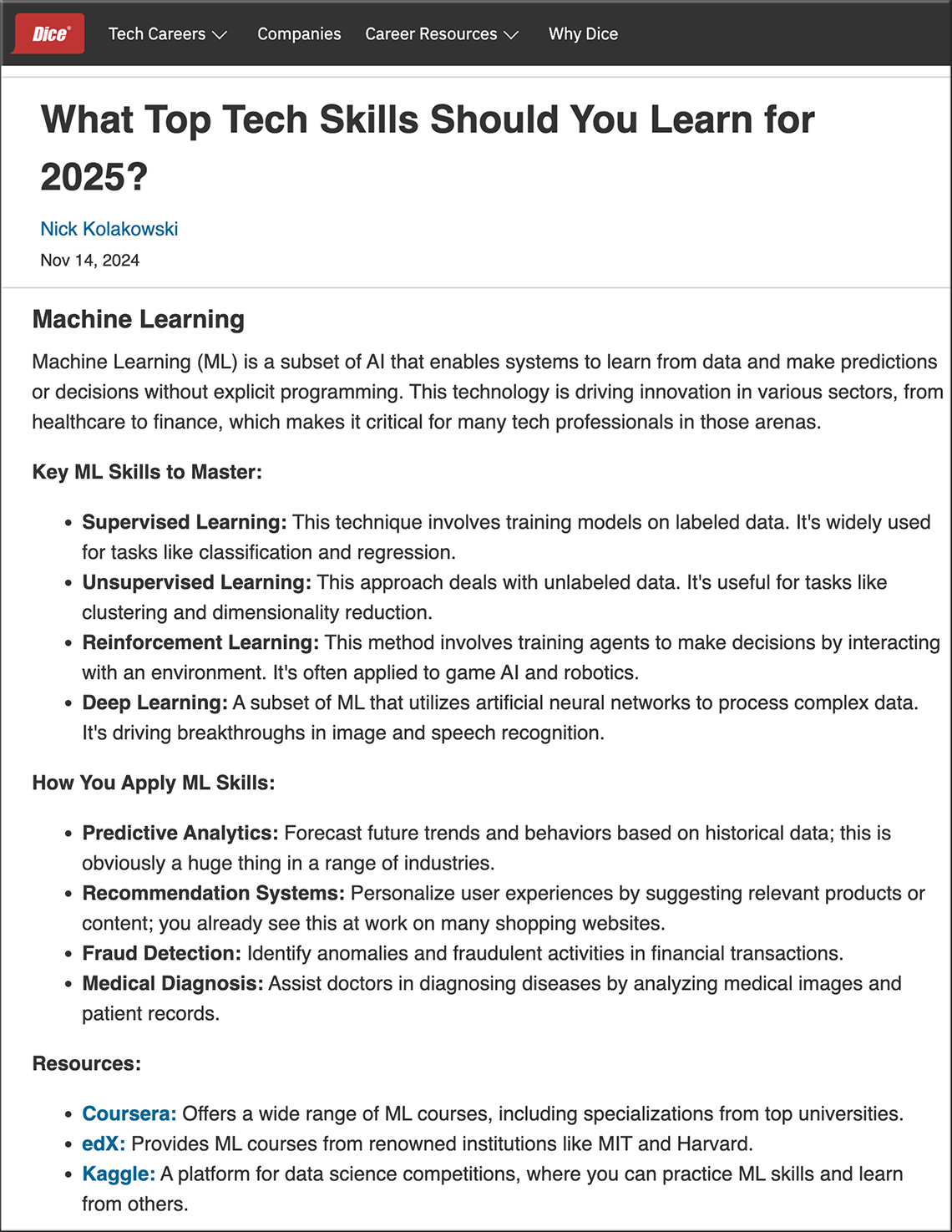
What Top Tech Skills Should You Learn for 2025? — from dice.com by Nick Kolakowski


…you will see that they outline which skills you should consider mastering in 2025 if you want to stay on top of the latest career opportunities. They then list more information about the skills, how you apply the skills, and WHERE to get those skills.

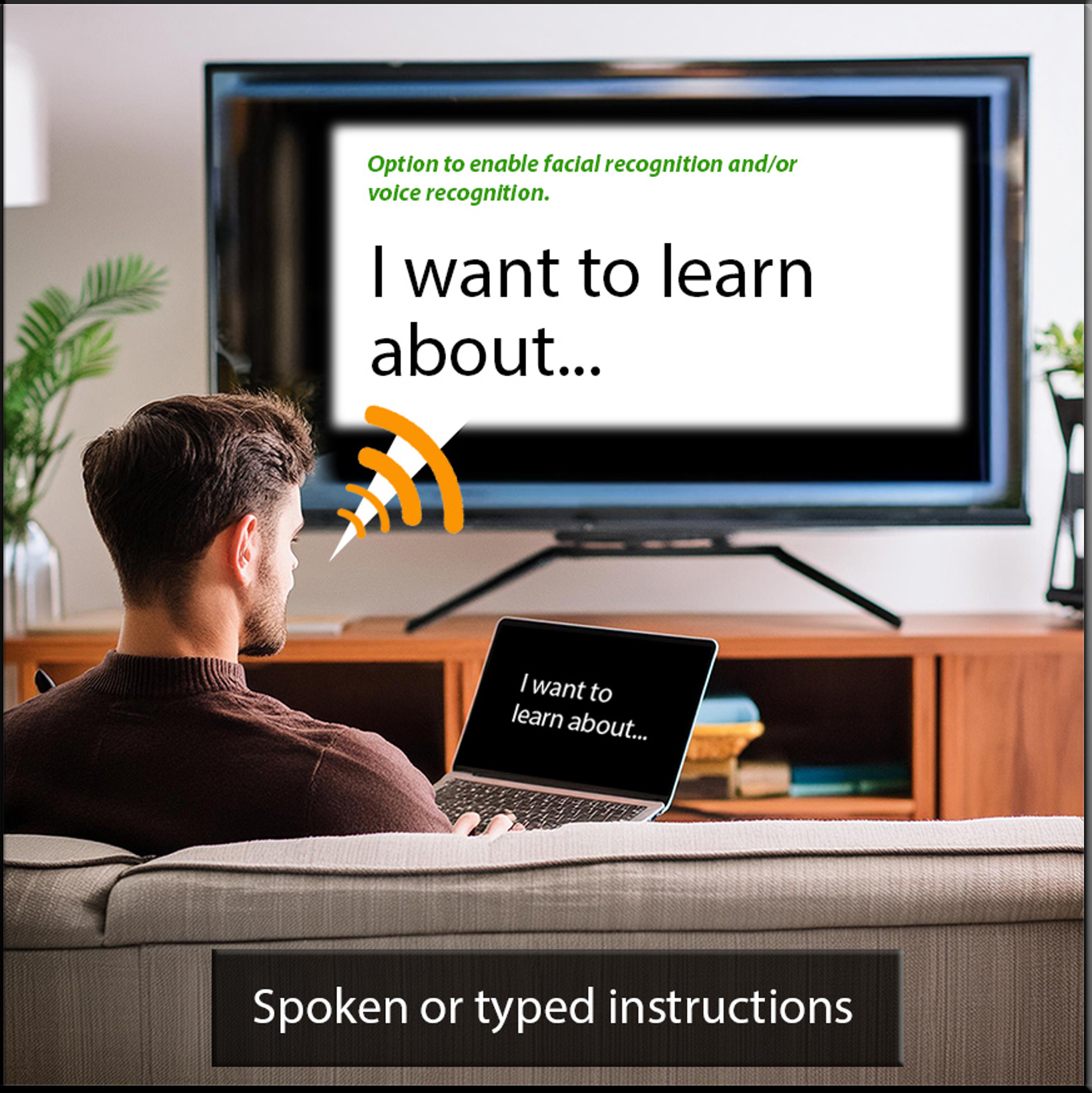
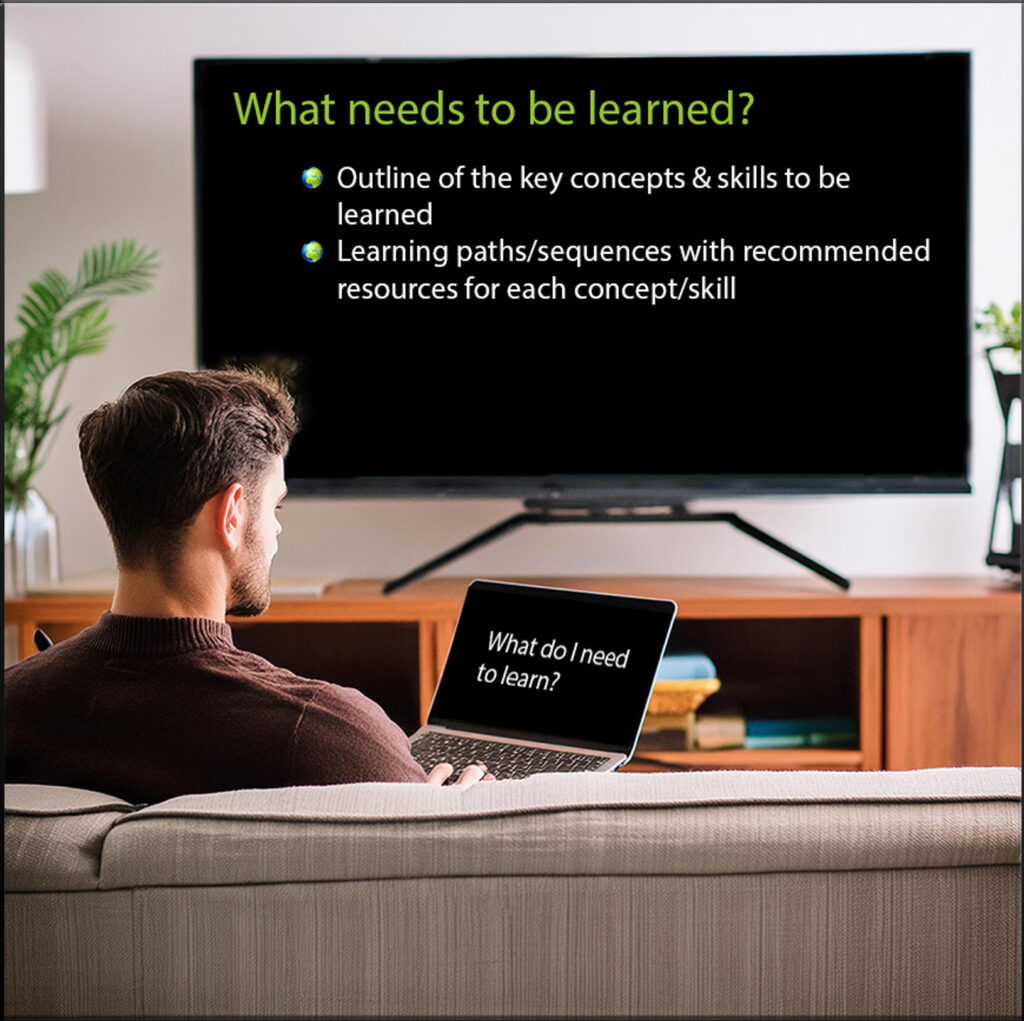
I assert that in the future, people will be able to see this information on a 24x7x365 basis.

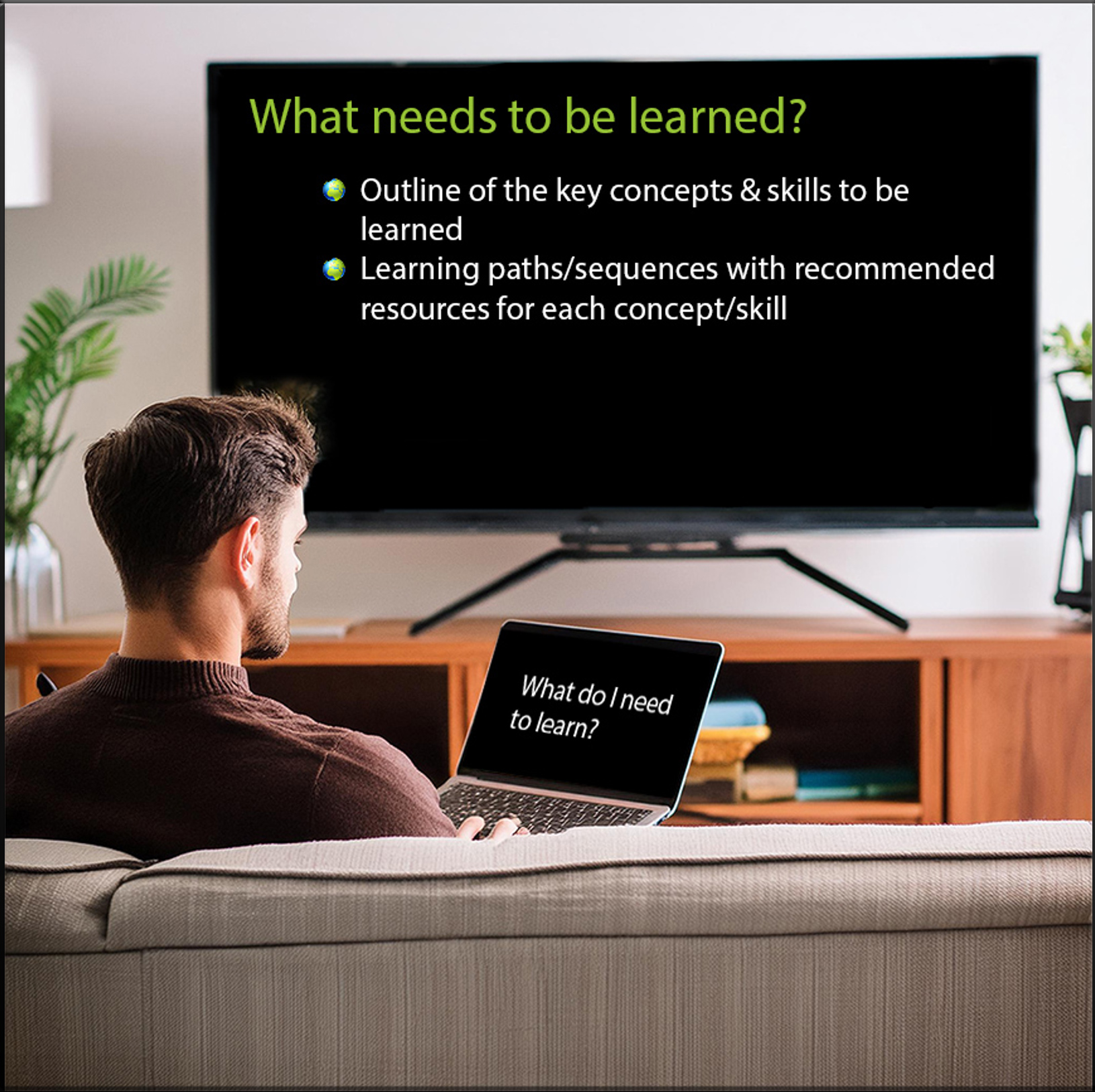
  • Which jobs are in demand?
  • What skills do I need to do those jobs?
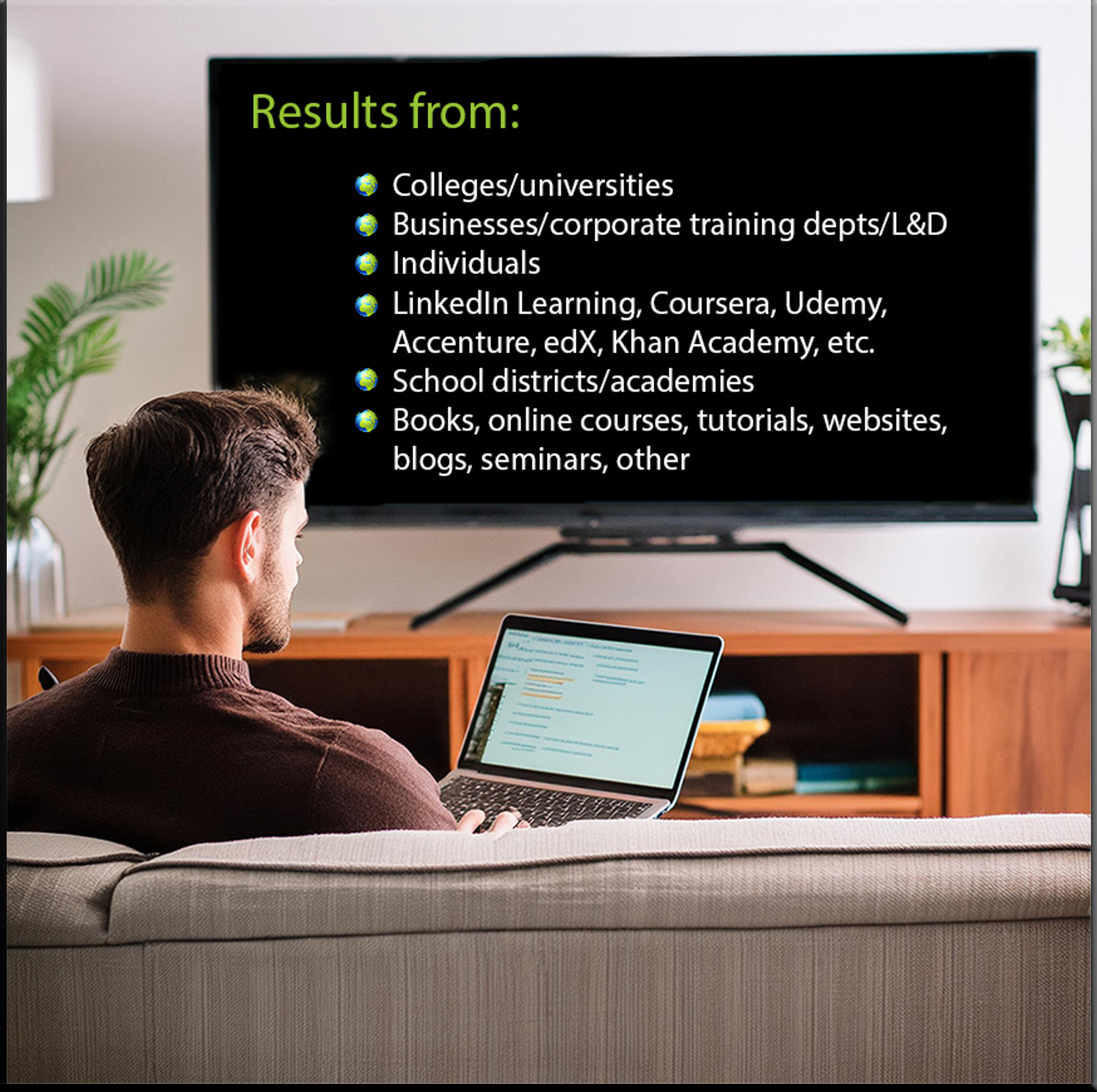
  • WHERE do I get/develop those skills?


And that last part (about the WHERE do I develop those skills) will pull from many different institutions, people, companies, etc.

BUT PEOPLE are the key! Oftentimes, we need to — and prefer to — learn with others!


It’s The End Of The Legal Industry As We Know It — from artificiallawyer.com by Richard Tromans

It’s the end of the legal industry as we know it and I feel fine. I really do.

The legal industry as we know it is already over. The seismic event that triggered this evolutionary shift happened in November 2022. There’s no going back to a pre-genAI world. Change, incremental or otherwise, will be unstoppable. The only question is: at what pace will this change happen?

It’s clear that substantive change at the heart of the legal economy may take a long time – and we should never underestimate the challenge of overturning decades of deeply embedded cultural practices – but, at least it has begun.


AI: The New Legal Powerhouse — Why Lawyers Should Befriend The Machine To Stay Ahead — from today.westlaw.com

(October 24, 2024) – Jeremy Glaser and Sharzaad Borna of Mintz discuss waves of change in the legal profession brought on by AI, in areas such as billing, the work of support staff and junior associates, and ethics.

The dual nature of AI — excitement and fear
AI is evolving at lightning speed, sparking both wonder and worry. As it transforms industries and our daily lives, we are caught between the thrill of innovation and the jitters of uncertainty. Will AI elevate the human experience or just leave us in the dust? How will it impact our careers, privacy and sense of security?

Just as we witnessed with the rise of the internet — and later, social media — AI is poised to redefine how we work and live, bringing a mix of optimism and apprehension. While we grapple with AI’s implications, our clients expect us to lead the charge in leveraging it for their benefit.

However, this shift also means more competition for fewer entry-level jobs. Law schools will play a key role in helping students become more marketable by offering courses on AI tools and technology. Graduates with AI literacy will have an edge over their peers, as firms increasingly value associates who can collaborate effectively with AI tools.


Will YOU use ChatGPT voice mode to lie to your family? Brainyacts #244 — from thebrainyacts.beehiiv.com by Sam Douthit, Aristotle Jones, and Derek Warzel.

Small Law’s Secret Weapon: AI Courtroom Mock Battles — this excerpt is by Brainacts author Josh Kubicki
As many of you know, this semester my law students have the opportunity to write the lead memo for this newsletter, each tackling issues that they believe are both timely and intriguing for our readers. This week’s essay presents a fascinating experiment conducted by three students who explored how small law firms might leverage ChatGPT in a safe, effective manner. They set up ChatGPT to simulate a mock courtroom, even assigning it the persona of a Seventh Circuit Court judge to stage a courtroom dialogue. It’s an insightful take on the how adaptable technology like ChatGPT can offer unique advantages to smaller practices. They share other ideas as well. Enjoy!

The following excerpt was written by Sam Douthit, Aristotle Jones, and Derek Warzel.

One exciting example is a “Courtroom Persona AI” tool, which could let solo practitioners simulate mock trials and practice arguments with AI that mimics specific judges, local courtroom customs, or procedural quirks. Small firms, with their deep understanding of local courts and judicial styles, could take full advantage of this tool to prepare more accurate and relevant arguments. Unlike big firms that have to spread resources across jurisdictions, solo and small firms could use this AI-driven feedback to tailor their strategies closely to local court dynamics, making their preparations sharper and more strategic. Plus, not all solo or small firms have someone to practice with or bounce their ideas off of. For these practitioners, it’s a chance to level up their trial preparation without needing large teams or costly mock trials, gaining a practical edge where it counts most.

Some lawyers have already started to test this out, like the mock trial tested out here. One oversimplified and quick way to try this out is using the ChatGPT app.


The Human in AI-Assisted Dispute Resolution — from jdsupra.com by Epiq

Accountability for Legal Outputs
AI is set to replace some of the dispute resolution work formerly done by lawyers. This work includes summarising documents, drafting legal contracts and filings, using generative AI to produce arbitration submissions for an oral hearing, and, in the not-too-distant future, ingesting transcripts from hearings and comparing them to the documentary record to spot inconsistencies.

As Pendell put it, “There’s quite a bit of lawyering going on there.” So, what’s left for humans?

The common feature in all those examples is that humans must make the judgement call. Lawyers won’t just turn over a first draft of an AI-generated contract or filing to another party or court. The driving factor is that law is still a regulated profession, and regulators will hold humans accountable.

The idea that young lawyers must do routine, menial work as a rite of passage needs to be updated. Today’s AI tools put lawyers at the top of an accountability chain, allowing them to practice law using judgement and strategy as they supervise the work of AI. 


Small law firms embracing AI as they move away from hourly billing — from legalfutures.co.uk by Neil Rose

Small law firms have embraced artificial intelligence (AI), with document drafting or automation the most popular application, according to new research.

The survey also found expectations of a continued move away from hourly billing to fixed fees.

Legal technology provider Clio commissioned UK-specific research from Censuswide as an adjunct to its annual US-focused Legal Trends report, polling 500 solicitors, 82% of whom worked at firms with 20 lawyers or fewer.

Some 96% of them reported that their firms have adopted AI into their processes in some way – 56% of them said it was widespread or universal – while 62% anticipated an increase in AI usage over the next 12 months.


DC: I’m really hoping that a variety of AI-based tools, technologies, and services will significantly help with our Access to Justice (#A2J) issues here in America. So this article, per Kristen Sonday at Thomson Reuters — caught my eye.

***

AI for Legal Aid: How to empower clients in need — from thomsonreuters.com by Kristen Sonday
In this second part of this series, we look at how AI-driven technologies can empower those legal aid clients who may be most in need

It’s hard to overstate the impact that artificial intelligence (AI) is expected to have on helping low-income individuals achieve better access to justice. And for those legal services organizations (LSOs) that serve on the front lines, too often without sufficient funding, staff, or technology, AI presents perhaps their best opportunity to close the justice gap. With the ability of AI-driven tools to streamline agency operations, minimize administrative work, more effectively reallocate talent, and allow LSOs to more effectively service clients, the implementation of these tools is essential.

Innovative LSOs leading the way

Already many innovative LSOs are taking the lead, utilizing new technology to complete tasks from complex analysis to AI-driven legal research. Here are two compelling examples of how AI is already helping LSOs empower low-income clients in need.

#A2J #justice #tools #vendors #society #legal #lawfirms #AI #legaltech #legalresearch

Criminal charges, even those that are eligible for simple, free expungement, can prevent someone from obtaining housing or employment. This is a simple barrier to overcome if only help is available.

AI offers the capacity to provide quick, accurate information to a vast audience, particularly to those in urgent need. AI can also help reduce the burden on our legal staff…


A legal tech executive explains how AI will fully change the way lawyers work — from legaldive.com by Justin Bachman
A senior executive with ContractPodAi discusses how legal AI poses economic benefits for in-house departments and disruption risks for law firm billing models.

Everything you thought you knew about being a lawyer is about to change.

Legal Dive spoke with Podinic about the transformative nature of AI, including the financial risks to lawyers’ billing models and how it will force general counsel and chief legal officers to consider how they’ll use the time AI is expected to free up for the lawyers on their teams when they no longer have to do administrative tasks and low-level work.


Legaltech will augment lawyers’ capabilities but not replace them, says GlobalData — from globaldata.com

  • Traditionally, law firms have been wary of adopting technologies that could compromise data privacy and legal accuracy; however, attitudes are changing
  • Despite concerns about technology replacing humans in the legal sector, legaltech is more likely to augment the legal profession than replace it entirely
  • Generative AI will accelerate digital transformation in the legal sector
 

Workera’s CEO was mentored by Andrew Ng. Now he wants an AI agent to mentor you. — from techcrunch.com by Maxwell Zeff; via Claire Zau

On Tuesday, Workera announced Sage, an AI agent you can talk with that’s designed to assess an employee’s skill level, goals, and needs. After taking some short tests, Workera claims Sage will accurately gauge how proficient someone is at a certain skill. Then, Sage can recommend the appropriate online courses through Coursera, Workday, or other learning platform partners. Through chatting with Sage, Workera is designed to meet employees where they are, testing their skills in writing, machine learning, or math, and giving them a path to improve.

From DSC:
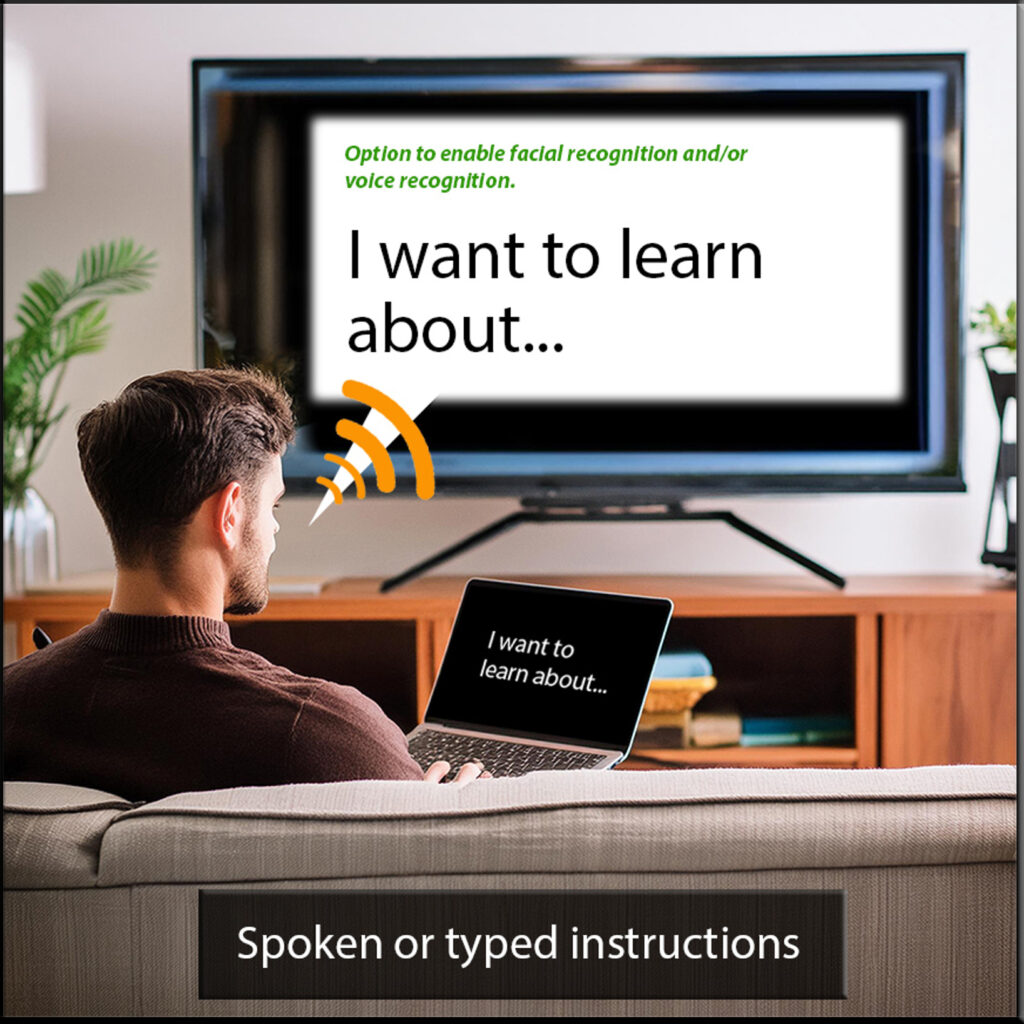
This is very much akin to what I’ve been trying to get at with my Learning from the Living [AI-Based Class] Room vision. And as learning agents come onto the scene, this type of vision should take off!


Average Student Loan Debt — from educationdata.org by Melanie Hanson; last updated August 16, 2024

Report Highlights. 

  • The total average student loan debt (including private loan debt) may be as high as $40,681.
  • The average federal student loan debt is $37,853 per borrower.
  • Outstanding private student loan debt totals $128.8 billion.
  • The average student borrows over $30,000 to pursue a bachelor’s degree.
  • A total of 42.8 million borrowers have federal student loan debt.
  • It may take borrowers close to 20 years to pay off their student loans.

From DSC:
In other words, we are approaching the end of the line in terms of following the status quo within higher education. Institutions of traditional higher education can no longer increase their cost of tuition by significantly more than the rate of inflation. Increasingly, K-12 students (and families) are looking for other pathways and alternatives. Higher ed better stop trying to change around the edges…they need new, more cost-effective business models as well as being able to be much more responsive in terms of their curricula.


One left
byu/jim_andr inOpenAI


From DSC:
I’m not trying to gossip here. I post this because Sam Altman is the head of arguably one of the most powerful companies in the world today — at least in terms of introducing change to a variety of societies throughout the globe (both positive and negative). So when we’ve now seen almost the entire leadership team head out the door, this certainly gives me major pause. I don’t like it.
Items like the ones below begin to capture some of why I’m troubled and suspicious about these troubling moves.


From DSC:
The cost of obtaining a degree is heavily on my mind this morning as I’m having to withdraw funds — again — to help our son get through his senior year of college. He’s a Marine Reservist and he continues to do his best to contribute to his expenses…but man o’ man, these expenses are just crazy.

So it’s no surprise this item caught my eye!  Anything colleges and universities can do to bring down the prices — as well as make the total prices more transparent and upfront — would be greatly appreciated by students and families alike.


Also related, see:

How Rising Higher Ed Costs Change Student Attitudes About College — from edsurge.com by Jeffrey R. Young

But she admits the issue is complicated. She said one of her own daughters, who is now 26, would have benefitted from a gap year. “The problem was the cost was a major factor,” Klein told me. “She was offered huge financial aid by a very good school, and I said, ‘We don’t know if you take a gap year if that offer is going to be on the table. And I can’t afford this school without that offer.’”


New Microschools for a New School Year — from the74million.org by Kerry McDonald
As parent demand for more individualized education options grows, everyday entrepreneurs are stepping up to meet that demand by launching microschools

Microschools and similarly creative schooling options gained increased popularity in the wake of the pandemic, and they continue to gain momentum. Not only are new schools and spaces opening across the U.S. but existing ones are expanding.

New data from VELA, a philanthropic nonprofit organization and entrepreneur community, reveals that over 90 percent of the unconventional learning environments it surveyed had more learners last fall than they did at their launch date, and the median compound rate of growth for these programs was 25 percent a year.


School is back in session, and so are AI art classes — from hyperallergic.com by Isa Farfan
New university programs are incorporating generative tools into studio art courses while attempting to address the murky ethics of the technology.

There’s a new addition to the course catalog at Ringling College of Art and Design, a small private art school in southwest Florida: an Artificial Intelligence Undergraduate Certificate.

The college claimed its new program is the first-of-its-kind AI certificate at an undergraduate arts institution in a news release earlier this month. Other schools in the United States offer courses and certificates focused on the integration of artificial intelligence and creative work, and educators across the country have already brought the technology into the art studio. Critics, however, say pushing AI into arts education won’t level the playing field for professional artists competing against increasingly sophisticated generative tools.


From DSC:
Though this next item is not necessarily related to AI, the following is still art and it’s very fun to watch!


Predicting college closures — from hechingerreport.org by Jon Marcus
Colleges across the country are closing at a rapid rate – on average, about one a week. Some of the closures were unexpected, shocking people at institutions that enrolled new students and hired new faculty right up until the decision was made to close. We chatted with Jon Marcus, our senior higher education reporter, to learn more about how students and faculty can protect themselves. 

Q: What made you decide to devote an entire episode of your College Uncovered podcast to college closures?

Jon Marcus: The number of colleges that are closing has grown so fast that it’s become a big part of what we cover on our beat. And since the College Uncovered podcast is meant to help consumers navigate the complicated process of pursuing higher education, we wanted to answer a question we increasingly hear from prospective students and their parents: How do I know if the college I pick will be around long enough for me to graduate? (The fact that this has become something people wonder speaks to the low level of confidence the public has in higher education these days.)


Private colleges likely won’t see big net tuition growth anytime soon, Fitch says — from highereddive.com by Ben Unglesbee
Fitch Ratings found a 1.1% year over year increase in net tuition revenue for fiscal 2023, but this isn’t enough to preserve margins at private nonprofits.

Dive Brief:

  • Fitch Ratings found net tuition grew in fiscal 2023 among the colleges it rates but warned that the hikes would not be sufficient to preserve margins for private nonprofits.
  • Across its portfolio of rated institutions, Fitch found a 1.1% year-over-year increase in net tuition and fees, marking renewed growth after two years of declines, according to Fitch Senior Director Emily Wadhwani.
  • “In our view, prospects for future growth in net tuition for 2024 and beyond remain limited, and will likely remain near or below 2%-2.5% annually on average for the next few years,” Wadhwani said by email.

Do Shocking College Tuition Prices Reflect What Students Actually Pay? — from edsurge.com by Nadia Tamez-Robledo

It’s no secret that high school students are looking at the prospect of college more skeptically, and a large part of their hesitation comes from worry about taking on thousands of dollars in student loans.

It’s only natural that they would experience sticker shock after researching the annual cost of attendance at universities that have caught their eye — which might be equivalent to a parent’s annual salary.

But should students count on having to scrape together that full amount?

Not likely, based on EdSurge’s number crunching.

From DSC:
But the problem is that many don’t know the games that are played behind the scenes within the world of higher education. Some families/students might see the retail price of a degree and say, “No way man…no can do.” The sticker shock is real in many cases (and not to mention the stories of seeing other friends and family members in debt decades after graduating).


How merit aid is expanding — from jeffselingo-14576223.hs-sites.com by Jeffrey Selingo

Excerpt (emphasis DSC):

Bottom line: Discounting is so widespread in higher ed now that the frequent comparisons of merit aid to “Kohl’s cash,” the discount strategy employed by the mid-market retailer–where basically every day is a sale–are not wrong.

  • “With a few exceptions, colleges all now have an opening bid with families,” said Brian Zucker, who runs Human Capital Research Corporation, one of several firms that assists colleges with their discounting strategies.
  • This discounting approach worked when institutions were able to raise their top-line prices and thus extract more revenue each year from students.
  • But at many colleges, net-tuition revenue is flat or falling. Fitch Ratings said last week that institutions it rates for bonds saw their net-tuition revenue rise just 1.1% last year–not enough to keep up with inflation or have enough of a financial cushion to weather the current enrollment storms.
  • Just like in the 1970s, when colleges developed tuition discounts, the time has come for higher ed to come up with a new pricing scheme in addition, of course, of finding ways to reduce costs.

The New Trick Families Are Using to Lower College Tuition Bills — from nymag.com by Jeffrey Selingo
Many schools are eager for paying students — and ready to offer deals.

“Colleges keep giving out more merit aid to more families because they can’t get them to pay more,” Mark Salisbury told me. Salisbury, a former administrator at Augustana College in Illinois, runs TuitionFit, a website where people can share their financial-aid offers and see what others like them got. Most of the money that colleges are giving out in merit aid isn’t coming from the endowment. Rather, it’s revenue the college never receives — a simple price cut off the top. Salisbury and others in the business refer to it as “Kohl’s cash,” after the discount strategy employed by the mid-market retailer.


Daniel Christian: My slides for the Educational Technology Organization of Michigan’s Spring 2024 Retreat

From DSC:
Last Thursday, I presented at the Educational Technology Organization of Michigan’s Spring 2024 Retreat. I wanted to pass along my slides to you all, in case they are helpful to you.

Topics/agenda:

  • Topics & resources re: Artificial Intelligence (AI)
    • Top multimodal players
    • Resources for learning about AI
    • Applications of AI
    • My predictions re: AI
  • The powerful impact of pursuing a vision
  • A potential, future next-gen learning platform
  • Share some lessons from my past with pertinent questions for you all now
  • The significant impact of an organization’s culture
  • Bonus material: Some people to follow re: learning science and edtech


Education Technology Organization of Michigan -- ETOM -- Spring 2024 Retreat on June 6-7

PowerPoint slides of Daniel Christian's presentation at ETOM

Slides of the presentation (.PPTX)
Slides of the presentation (.PDF)


Plus several more slides re: this vision.


The Digital Transformation Journey: Lessons For Lawyers Embracing AI — from abovethelaw.com by Olga V. Mack
The journey from the days of leather-bound law books to the digital age — and now toward an AI-driven future — offers valuable lessons for embracing change.

No One Will Miss The ‘Good Old Days’
I have yet to meet a lawyer nostalgic for the days of manually updating law reports or sifting through stacks of books for a single precedent. The convenience, speed, and breadth of digital research tools have made the practice of law more efficient and effective. As we move further into the AI era, the enhancements in predictive analytics, document automation, and legal research will make the “good old days” of even the early digital age seem quaint. The efficiencies and capabilities AI brings to the table are likely to become just as indispensable as online databases are today.

The Way We ‘Law’ Will Change For The Better
The ultimate goal of integrating AI into legal practice isn’t just to replace old methods with new ones; it’s to enhance our ability to serve justice, increase access to legal services, and improve the quality of our work. AI promises to automate mundane tasks, predict legal outcomes with greater accuracy, and unearth insights from vast data. These advancements will free us to focus more on the nuanced, human aspects of law — strategy, empathy, and ethical judgment.


AI to Help Double Legal Tech Market Over Five Years, Gartner Says — from news.bloomberglaw.com by Isabel Gottlieb (behind a paywall)

  • Tech to take up a bigger share of in-house legal spend
  • Generative AI boom has much longer to run

The legal tech market will expand to $50 billion by 2027, driven by the generative artificial intelligence boom, according to an analysis by market research firm Gartner Inc.

That growth, up from about $23 billion in 2022, will be driven by continued law firm spending on AI legal tech, as well as in-house departments allocating more of their overall budgets to technology, said Chris Audet, chief of research in Gartner’s legal, risk and compliance leaders practice. The market size prediction, released publicly on Thursday, comes from a late-2023 analysis for Gartner clients, and the 2022 market size comes from …


Legal Tech Market To See Huge Lift Off Thanks to GenAI — from digit.fyi by Elizabeth Greenberg

The global legal technology market has grown significantly in recent years and generative AI (GenAI) will accelerate this growth, meaning the market will reach $50 billion in value by 2027, according to Gartner.

“GenAI has huge potential for bringing more automation to the legal space,” said Chris Audet, chief of research in the Gartner for legal, risk & compliance leaders practice.

“Rapid GenAI developments, and the widespread availability of consumer tools such as OpenAI’s ChatGPT and Google’s Bard, will quickly increase the number of established legal technology use cases, in turn creating growing market conditions for an increasing number of legal-focused tools.”

“New technologies can fundamentally change the way legal organizations do business, and GenAI has enormous potential to do this,” an analyst at Gartner said.


Revolutionizing Legal Tech in 48 Hours — from law.stanford.edu by Monica Schreiber
At CodeX Hackathon, SLS Students Help Create Award-Winning AI Tools to Help Veterans and Streamline M&A

Disabled veterans seeking to file claims with the Veterans Administration are faced with multiple hurdles and reams of paperwork. Many vets resort to paying third-party companies thousands of dollars to help them with the process.

What if there were a way to streamline the claims process—to condense burdensome information gathering and data inputting into a linear, simplified set of tasks guided by a chatbot? How long would it take to roll out a tool that could accomplish that?

The answer: about 48 hours—at least for an interdisciplinary team of students from Stanford University’s schools of Law, Business, and Computer Science collaborating feverishly during Codex’s Large Language Model (LLM) Hackathon held recently on campus.


What If Your Law Firm Had A Blank Page For Legal Tech? — from artificiallawyer.com

f law firms had a blank page for legal technology and innovation, what would they do?

While organisations across all sectors are getting to grips with the opportunities and risks posed by genAI, forward-thinking law firm leaders are considering what it means for their businesses – today, tomorrow, and the day after tomorrow.

But some firms remain constrained by yesterday, due to legacy processes, ways of working and mindsets. To create the conditions for change, firms need to adopt a ‘blank page’ approach and review all areas of their businesses by asking: if we were starting afresh, how would we design the organisation to future-proof it to achieve transformative growth with genAI at the core?

From DSC:
This sentence reminds me of the power of culture:

But some firms remain constrained by yesterday, due to legacy processes, ways of working and mindsets.


Fresh Voices on Legal Tech with Sarah Glassmeyer — from legaltalknetwork.com by Dennis Kennedy, Tom Mighell, and Sarah Glassmeyer

What if, instead of tech competence being this scary, overwhelming thing, we showed lawyers how to engage with technology in a more lighthearted, even playful, way? The reality is—tech competency doesn’t have an endpoint, but the process of continuous learning shouldn’t be dull and confusing. Sarah Glassmeyer joins Dennis and Tom to talk about her perspectives on technology education for attorneys, the latest trends in the legal tech world and new AI developments, and growing your knowledge of technology by building on small skills, one at a time.
.


How Legal Technology Can Add Value to an M&A Practice — from lexology.com

Following is a primer on some of the A.I.-driven legal technologies, from contract review and automated due-diligence solutions to deal collaboration and closing-management tools, that can drive productivity and efficiency during the four phases of an M&A transaction, as well as enhance market insight and client service.


Dr Abigail Rekas, Lawyer & Lecturer at the School of Law, University of Galway

Abigail is a lecturer on two of the Law micro-credentials at University of Galway – Lawyering Technology & Innovation and Law & Analytics. Micro-credentials are short, flexible courses designed to fit around your busy life! They are designed in collaboration with industry to meet specific skills needs and are accredited by leading Irish universities.

Visit: universityofgalway.ie/courses/micro-credentials/


The Implications of Generative AI: From the Delivery of Legal Services to the Delivery of Justice — from iaals.du.edu by

The potential for AI’s impact is broad, as it has the ability to impact every aspect of human life, from home to work. It will impact our relationships to everything and everyone in our world. The implications for generative AI on the legal system, from how we deliver legal services to how we deliver justice, will be just as far reaching.

[N]ow we face the latest technological frontier: artificial intelligence (AI).… Law professors report with both awe and angst that AI apparently can earn Bs on law school assignments and even pass the bar exam. Legal research may soon be unimaginable without it. AI obviously has great potential to dramatically increase access to key information for lawyers and non-lawyers alike. But just as obviously it risks invading privacy interests and dehumanizing the law.

When you can no longer sell the time it takes to achieve a client’s outcome, then you must sell the outcome itself and the client’s experience of getting there. That completely changes the dynamics of what law firms are all about.


Preparing the Next Generation of Tech-Ready Lawyers — from news.gsu.edu
Legal Analytics and Innovation Initiative Gives Students a Competitive Advantage

Georgia State University College of Law faculty understand this need and designed the Legal Analytics & Innovation Initiative (LAII) to equip students with the competitive skills desired by law firms and other companies that align with the emerging technological environment.

“As faculty, we realized we need to be forward-thinking about incorporating technology into our curriculum. Students must understand new areas of law that arise from or are significantly altered by technological advances, like cybersecurity, privacy and AI. They also must understand how these advances change the practice of law,” said Kris Niedringhaus, associate dean for Law Library, Information Services, Legal Technology & Innovation.


The Imperative Of Identifying Use Cases In Legal Tech: A Guiding Light For Innovation In The Age Of AI — from abovethelaw.com by Olga V. Mack
In the quest to integrate AI and legal technology into legal practice, use cases are not just important but indispensable.

As the legal profession continues to navigate the waters of digital transformation, the importance of use cases stands as a beacon guiding the journey. They are the litmus test for the practical value of technology, ensuring that innovations not only dazzle with potential but also deliver tangible benefits. In the quest to integrate AI and legal technology into legal practice, use cases are not just important but indispensable.

The future of legal tech is not about technology for technology’s sake. It’s about thoughtful, purpose-driven innovation that enhances the practice of law, improves client outcomes, and upholds the principles of justice. Use cases are the roadmap for this future, charting a course for technology that is meaningful, impactful, and aligned with the noble pursuit of law.

 
© 2025 | Daniel Christian