


From DSC:
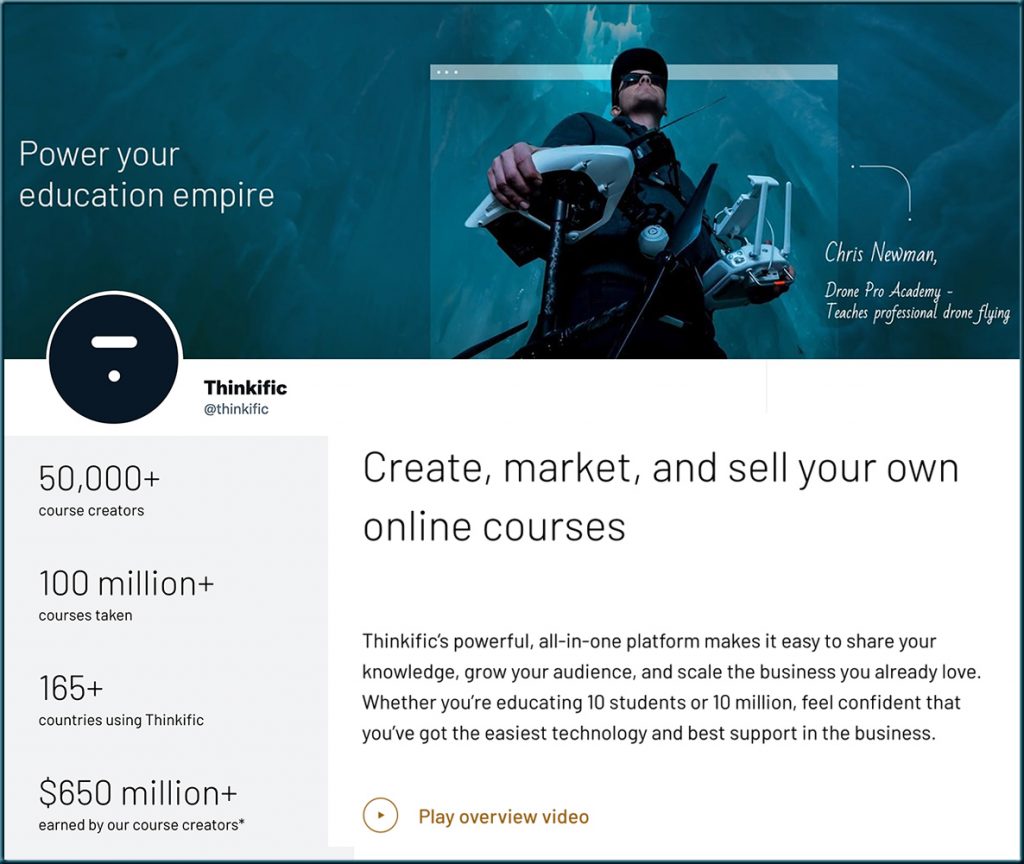
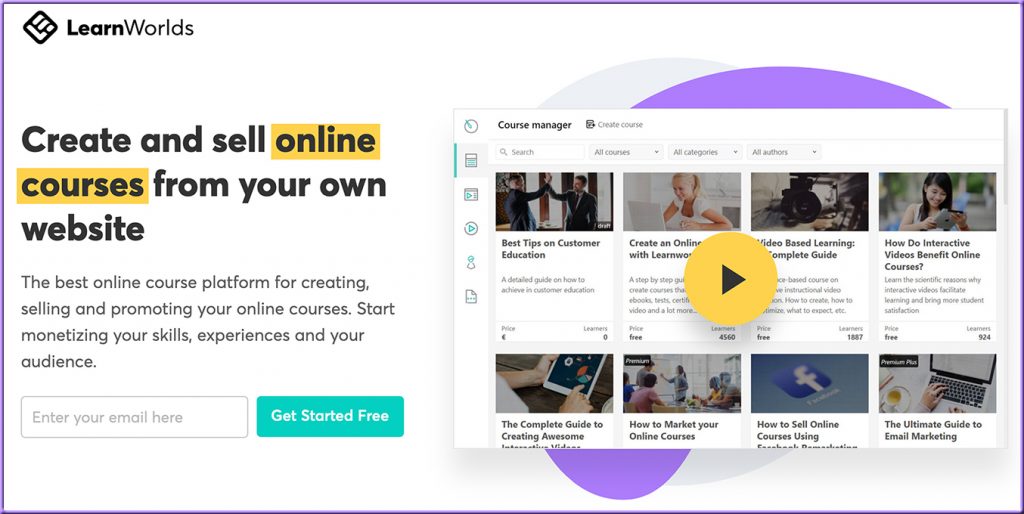
Speaking of learning-related platforms…
#learning #platforms #learningfromthelivingclassroom #onlinelearning #reinvent #education #lifelonglearning #vision #heutagogy #learningexperiencedesign
From DSC:
Speaking of learning-related platforms…
#learning #platforms #learningfromthelivingclassroom #onlinelearning #reinvent #education #lifelonglearning #vision #heutagogy #learningexperiencedesign
Elaboration Strategies That Benefit Learning — from theelearningcoach.com by Connie Malamed
Excerpt:
Although retrieval practice and spaced learning may be more well-known, elaboration is an instructional strategy worth our attention. Elaboration strategies refer to the many ways of connecting prior knowledge to what someone has newly learned. This has the potential to make the new material more memorable and meaningful.
We all know that new learning requires a foundation of prior knowledge. Elaboration techniques give people opportunities to make the connections stronger. In the book Make It Stick, the authors write, “The more you can explain about the way your new learning relates to your prior knowledge, the stronger your grasp of the new learning will be, and the more connections you create that will help you remember it later.” (Listen to my conversation with one of the authors of Make It Stick.)
Tools for Building Branching Scenarios — from christytuckerlearning.com by Christy Tucker
When would you use Twine, Storyline, Rise, or other tools for building branching scenarios? It depends on the project and goals.
Excerpt:
When would you use Twine instead of Storyline or other tools for building branching scenarios? An attendee at one of my recent presentations asked me why I’d bother creating something in Twine rather than just storyboarding directly in Storyline, especially if I was using character images. Whether I would use Twine, Storyline, Rise, or something else depends on the project and the goals.
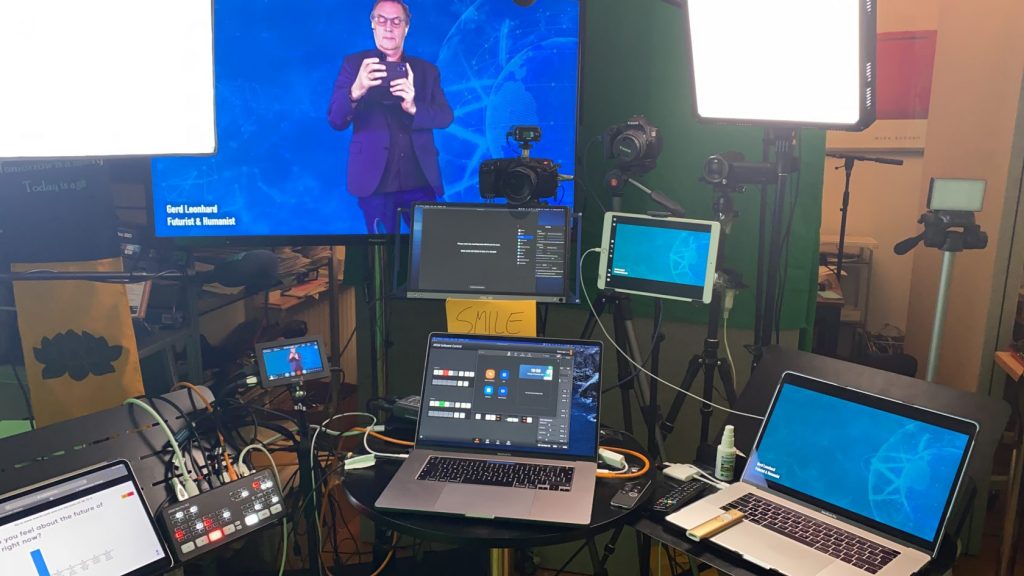
So this is what my new Streaming TV studio looks like – I call it ‘Keynote Television’ — from futuristgerd.com by Gerd Leonhard
Excerpt:
Many of you have asked me how I do my online keynotes, specifically my green screens, lights, virtual backgrounds etc. So here are some pictures and below is a short video from Twitter but the bottom line is… it’s complicated and took me some 6 months to learn it all:)). But well worth it: Keynote Television rocks!
From DSC:
I was one of those people who asked Gerd if he would tell teachers, professors, trainers, IDs, and others how he does what he does. Thanks Gerd for sharing this information! May it be a blessing to many!
What I Learned: 4 Things L&D Should Borrow from Peloton — from learningsolutionsmag.com by JD Dillon
But modern technology has evolved the experience in ways that can inspire L&D solutions.
Excerpt:
Engagement is personal. What motivates me may not motivate you. Therefore, the best gamified systems allow users to make their own choices with regards to how they engage. Some will change their behavior to earn points, ascend the leaderboard, and capture rewards. Others will disengage if they’re forced into a competitive environment. It’s fun to scroll through my Peloton badge collection, but it doesn’t bring me back for the next ride.
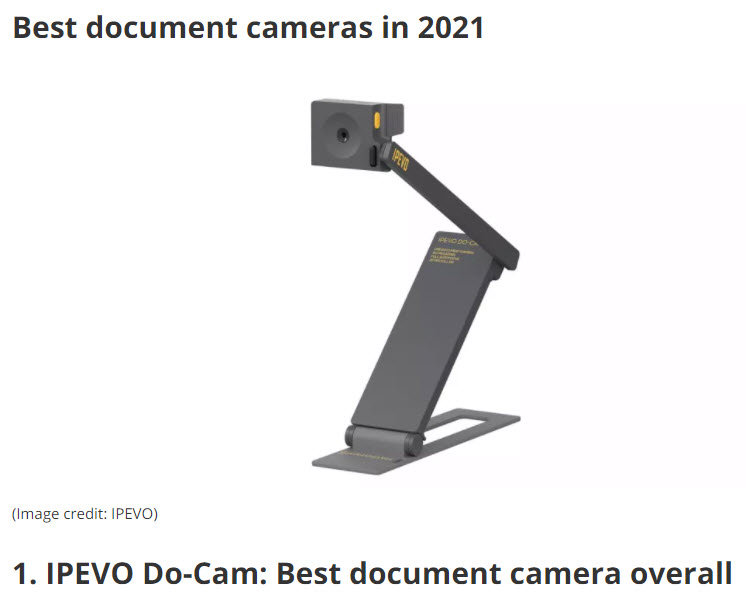
Best Document Cameras for Teachers — from echlearning.com by Luke Edwards
Get the ultimate document camera for classroom use and beyond with this guide
From DSC:
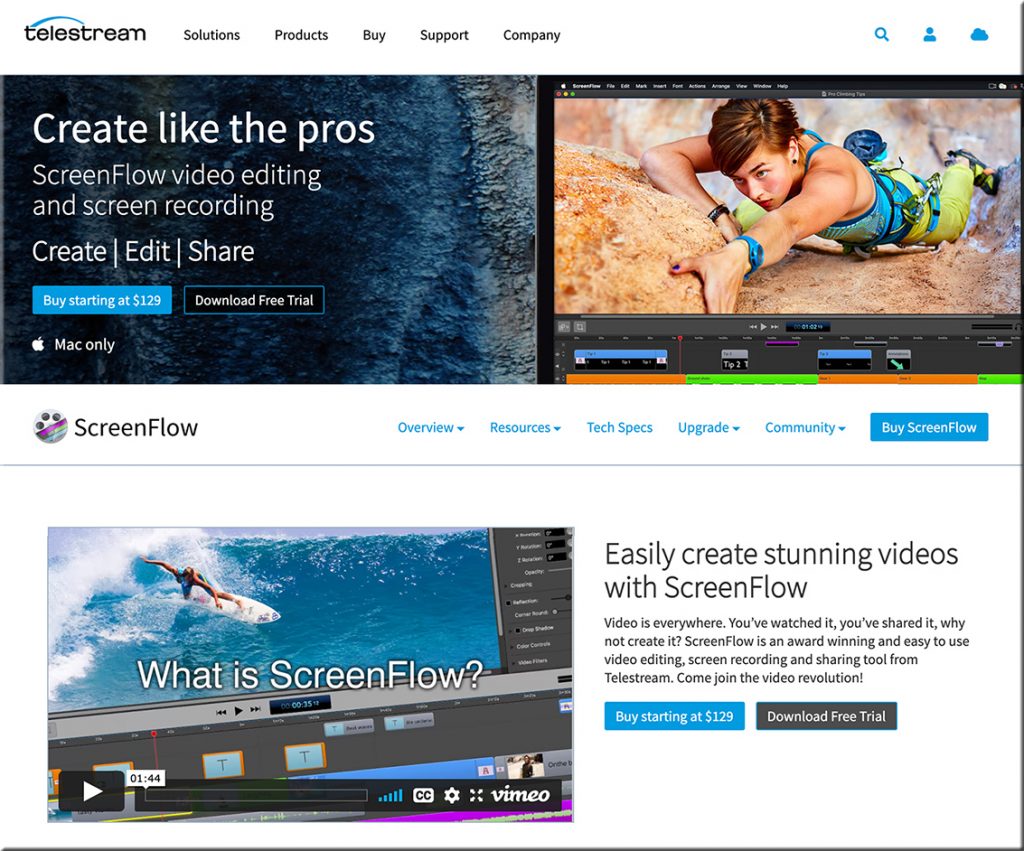
I put together a short listing of some solid tools for working with multimedia on the Mac. There are many more out there, but these should do the job(s) for you…especially Telestream’s ScreenFlow.
When Should You Use Branching Video Scenarios for eLearning? — from learningsolutionsmag.com by Bill Brandon
Excerpt:
Among the many changes today in the way we think about learning and training is the shift from knowledge transfer to skill development. Scenario-based learning (SBL) and the inclusion of practice with feedback are often overlooked but in many cases more effective approaches to the development of skill and competence.
What’s a scenario?
A scenario is a type of story; it presents learners with a situation in a way that engages them and places them in the situation. Scenarios are a methodology for quickly creating and delivering content to an audience based on needs and feedback. Scenarios are closely related to microlearning, and in fact some microlearning employs short scenarios as the main method of delivery. Learners are able to make decisions, solve problems, apply knowledge, and practice skills. The scenario presents challenges like the ones the learners will face in real-life situations.
The story is important! In his book Scenario-based Learning: Using Stories to Engage Learners, Ray Jimenez says, “The design of scenario-based training requires the craftsmanship of a storyteller, an instructional designer, and a subject matter expert.”
Teaching: Why an Active-Learning Evangelist Is Sold on Online Teaching — from chronicle.com by Beth McMurtrie
Excerpts:
Now, says Mazur, the results are in and he’s convinced: online teaching is better. Not in all circumstances, to be sure. But in his applied-physics courses, students showed larger learning gains and felt more supported than students had in in-person classes. In fact, they appear to have learned so much more effectively in this new format that he wonders if it’s “almost unethical,” to return to the classroom this fall.
“I have never been able to offer a course of the quality that I’m offering now,” he says. “I am convinced that there is no way I could do anything close to what I’m doing in person. Online teaching is better than in person.”
One benefit of this setup, says Mazur, is that students go at their own pace. He has thought a lot about how classroom-based work, even when it is student-led, is hostage to the clock and the instructor. Not every group works at the same pace, yet everyone has to wait until others are ready, or rush ahead when they fall behind. When groups set their own pace, it gives them the space to work through problems or get help as needed. The value of self-paced learning is also evident outside of class, says Mazur, who built more asynchronous work into his online course.
“I have never seen students work this hard for my course,” he says. “Never. And so consistently.”
Also see:
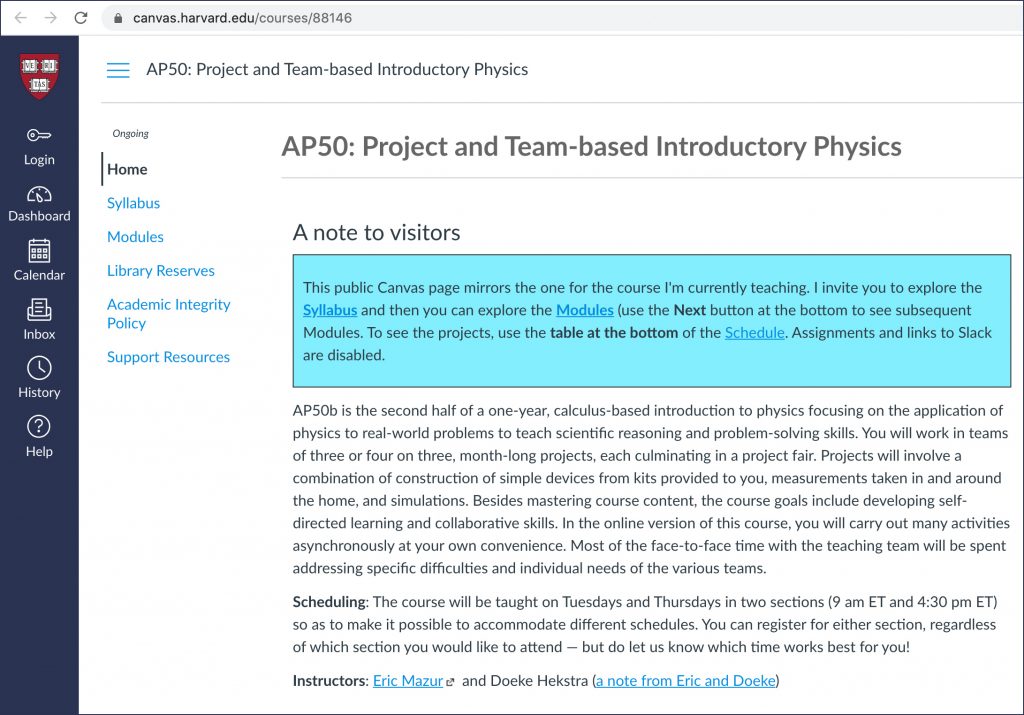
But he’s so convinced of how valuable this model is that he asked Harvard to allow him to keep teaching online this fall.
Also relevant/see:
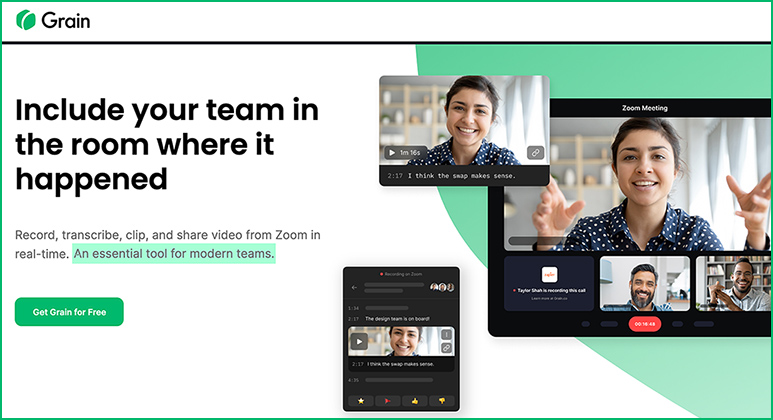
Record, transcribe, clip, and share video from Zoom in real-time. — This Grain tool/resource is from Jeremy Caplan’s Wonder Tools newsletter. Thanks Jeremy for passing this info along!
From DSC:
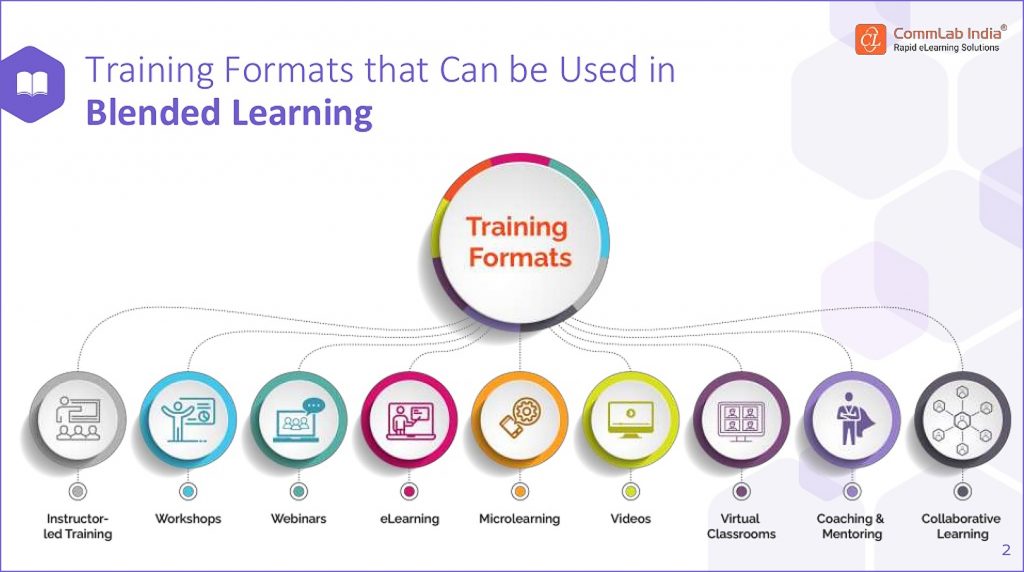
These kinds of tools should make for interesting discussions in online-, hybrid-, and hyflex-based courses…as well as in microlearning-based streams of content perhaps.
The image below was excerpted from:
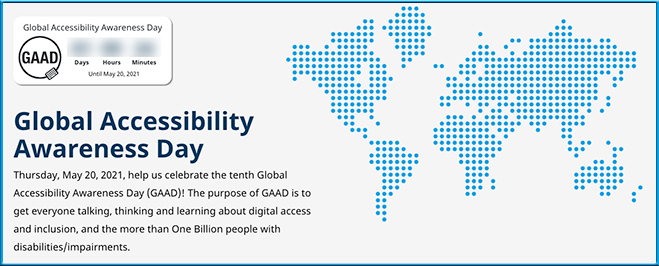
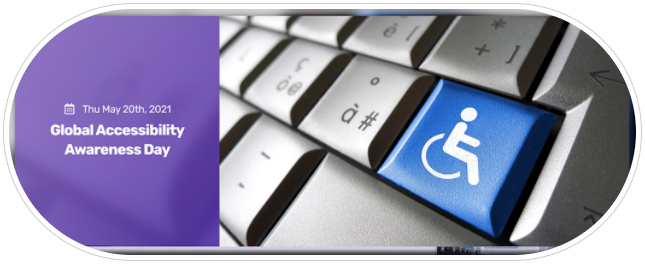
Global Accessibility Awareness Day is this Thursday, May 20, 2021
Help us celebrate the tenth Global Accessibility Awareness Day (GAAD)! The purpose of GAAD is to get everyone talking, thinking and learning about digital access and inclusion, and the more than One Billion people with disabilities/impairments.
Also see:
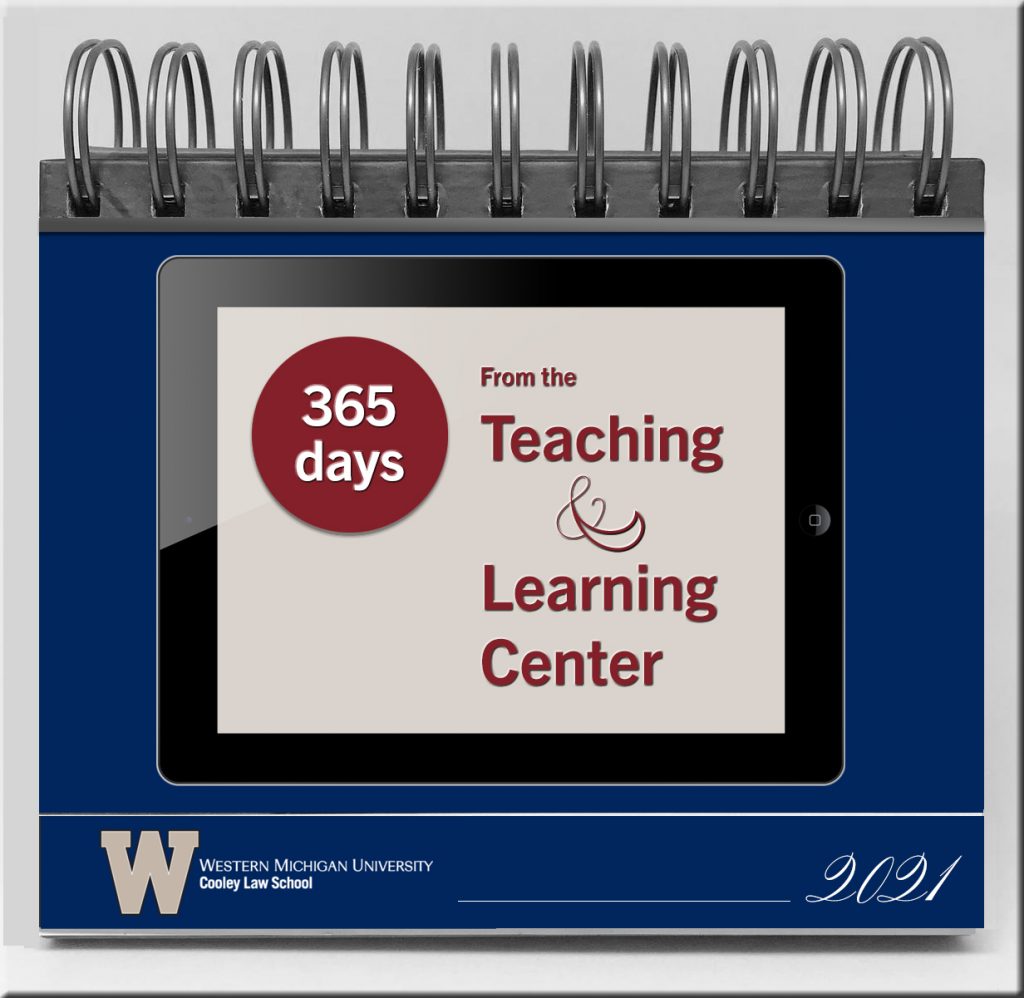
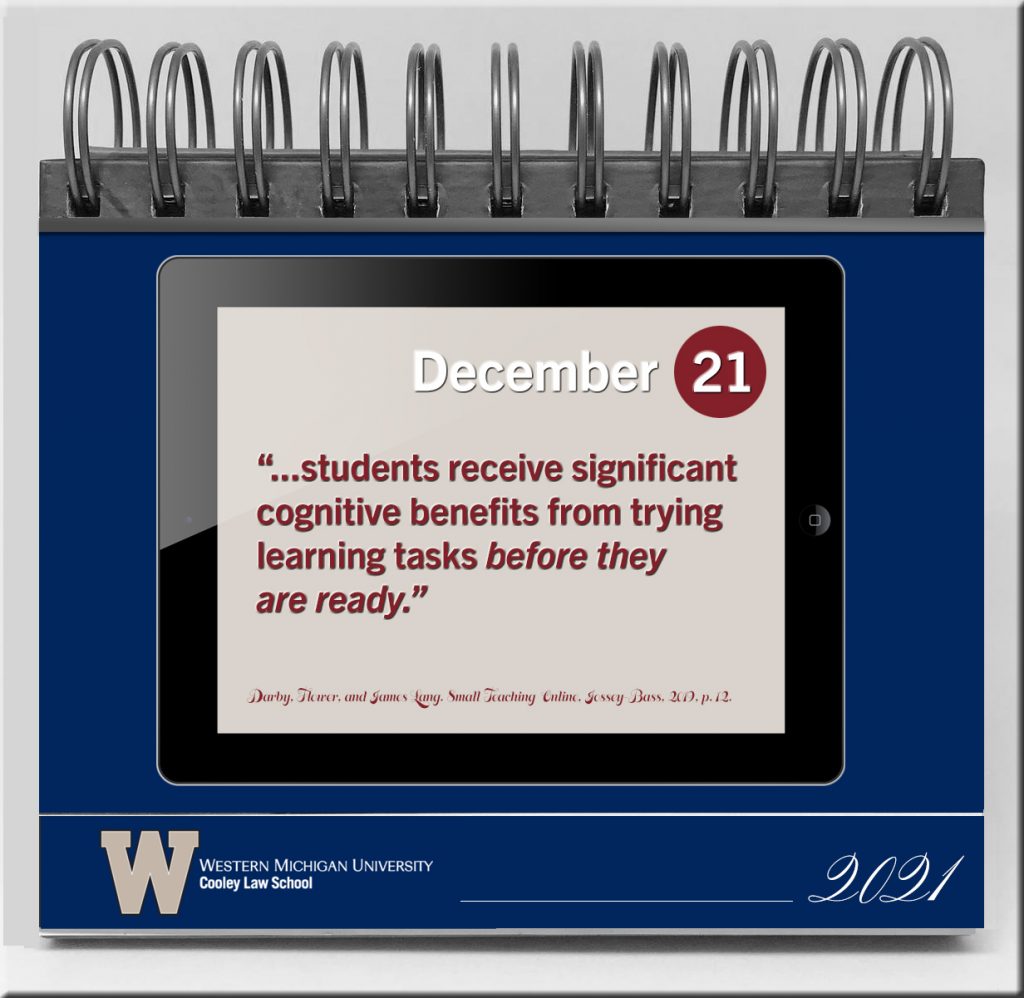
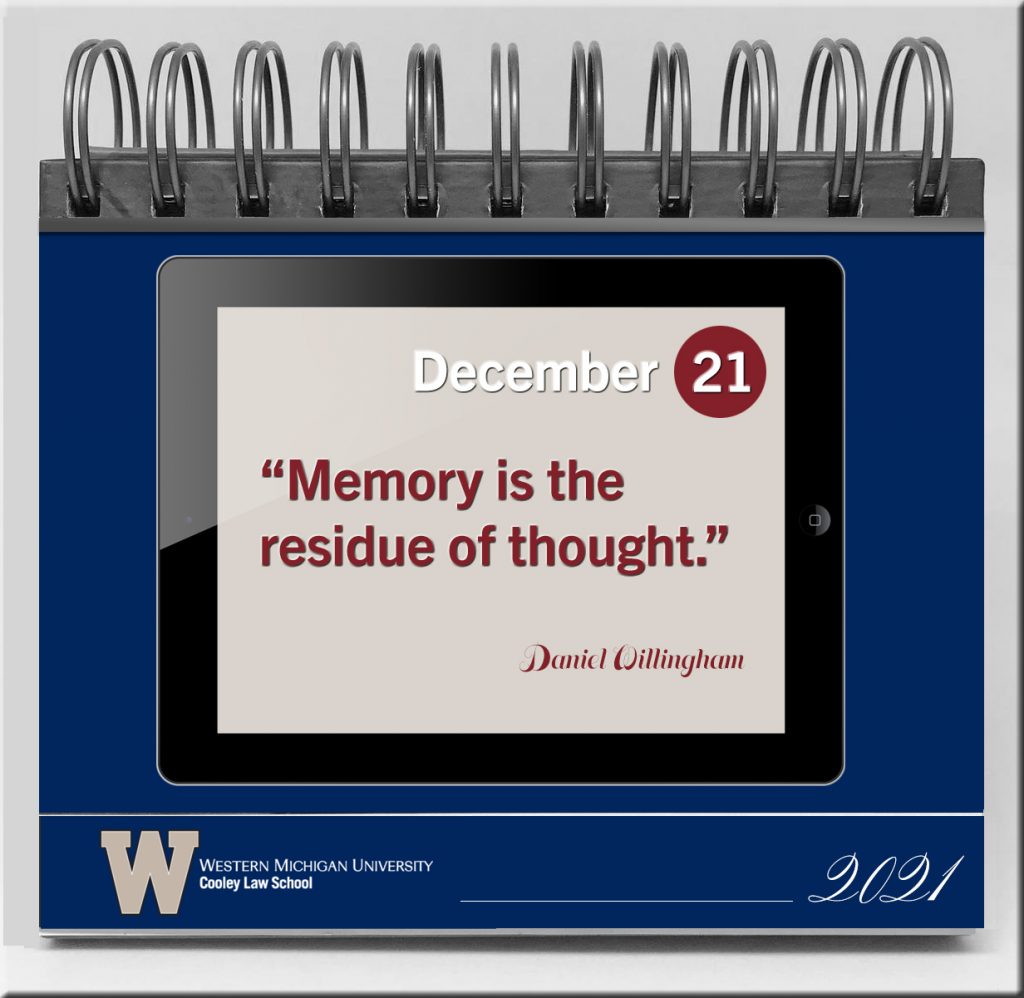
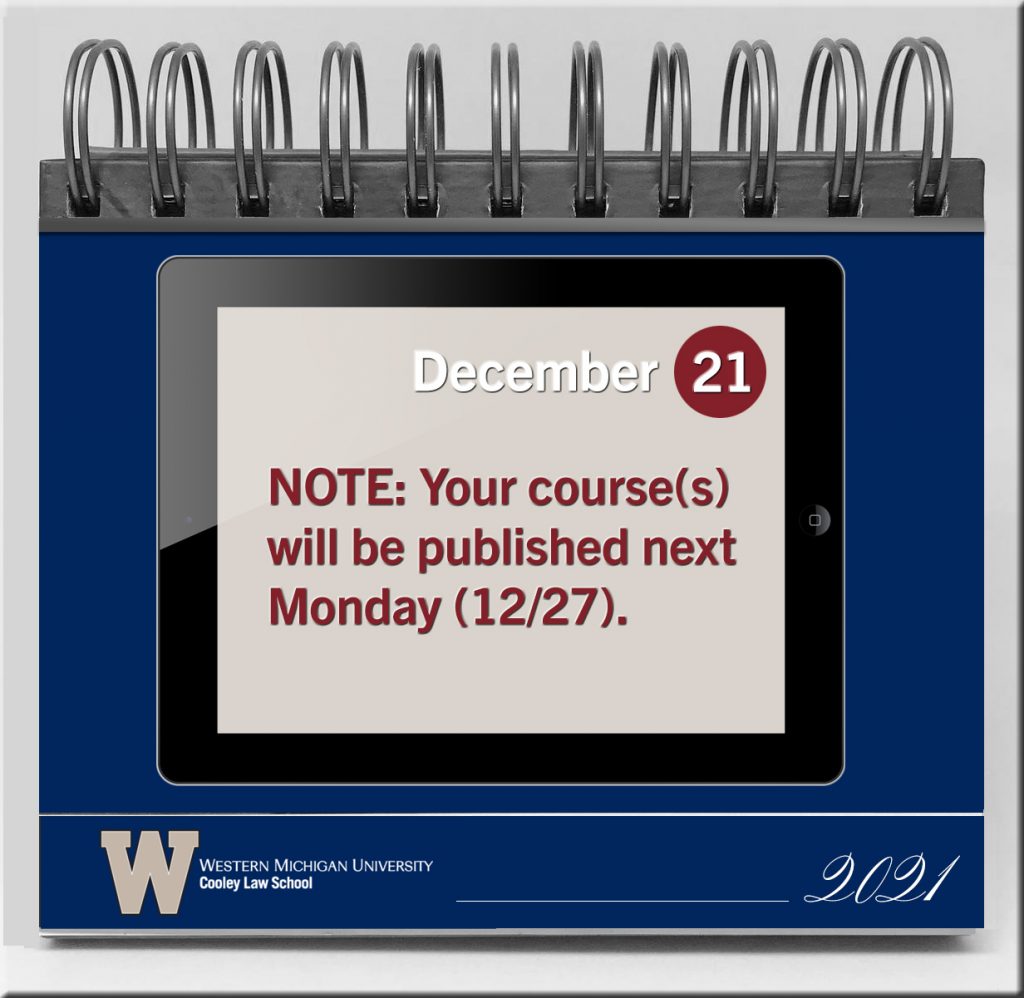
What if we could create these kinds of calendars and/or apps for faculty and staff as well as for students? — idea from Daniel Christian. The vehicles could be developed as analog/physical formats or in digital formats and apps. In the digital realm, one could receive a daily notification.
For faculty/staff:
[The Corporate Training / L&D world could do this as well.]
For students