NBC News launches interactive e-book publishing venture — from pcmag.com by Adario Strange
Excerpt:
NBC News plans to launch NBC Publishing, a venture dedicated to releasing interactive e-books for tablets and e-readers.

.
.
.
From DSC:
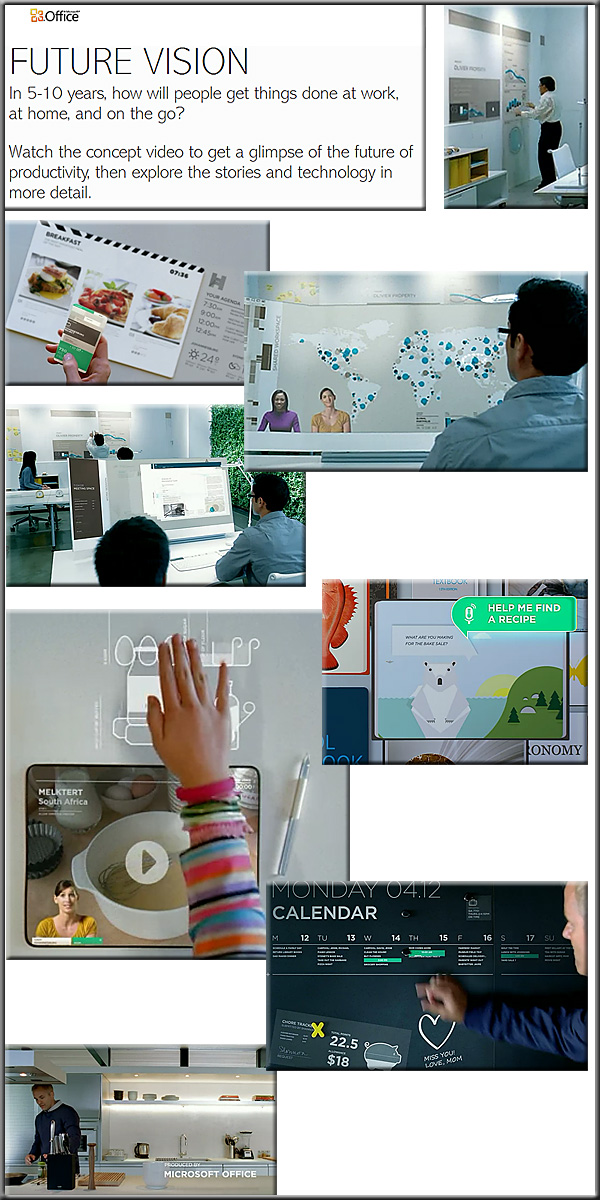
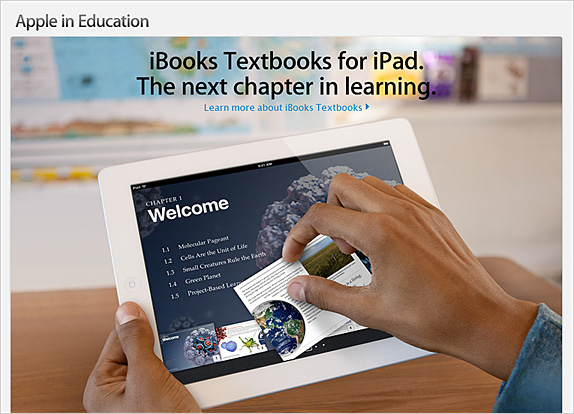
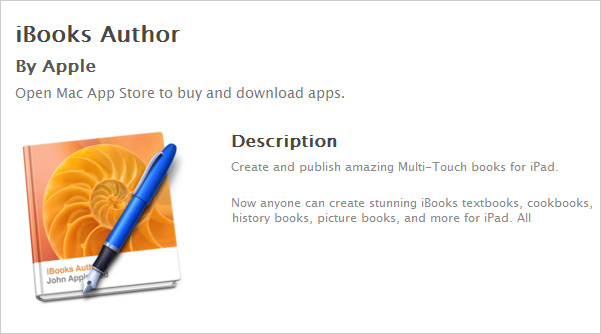
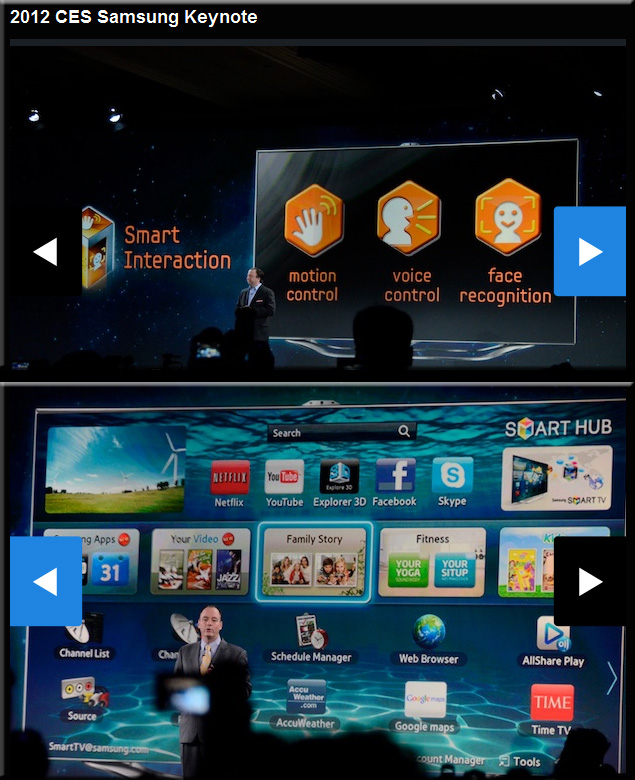
Some items that caught my eye (so far) from CES 2012:

.
.
Why tablet publishing is poised to revolutionize higher education — from Mashable.com by Trevor Bailey
Excerpt (emphasis DSC):
Richer than their print counterparts, digital textbooks include a number of interactive features. They are not limited to static pictures, but can integrate video, audio, animation, interactive simulations and even 360-degree rotations and panoramas. In addition, universities have the ability to create custom, institutionally branded viewers with unique displays and navigation options.
…
Digital publishing allows professors or subject matter experts to self-publish their own educational materials or research findings and distribute the information on tablet devices. Teachers can iterate content quickly, better keeping pace in a world where knowledge evolves every instant. On a smaller scale, they can post lesson documents online for students, versus relying on hard-copy materials.
.
.
Sesame Street pioneers interactive TV — from skynews.com.au
Excerpt:
Sesame Street hit TV screens more than 40 years ago and now the children’s television program is leading the way in interactive programming. The next generation of Sesame Street watchers will be able to interact with the characters and educational games when viewed on Xbox Kinect. A whole new season of Sesame Street is being created specifically for Xbox Kinect, pioneering a new form of programming called ‘Playful Learning’.
MIT launches online learning initiative –from MIT
‘MITx’ will offer courses online and make online learning tools freely available.
Excerpt:
MIT [on 12/19/11] announced the launch of an online learning initiative internally called “MITx.” MITx will offer a portfolio of MIT courses through an online interactive learning platform that will:
Advancing the open front — from InsideHigherEd.com by Steve Kolowich
Excerpt:
Forget free content repositories; the Massachusetts Institute of Technology wants to deliver “interactive” elite education to the masses, complete with credentials certifying “mastery” of MIT-grade coursework.
In the latest boon for the “open education” movement, the engineering mecca on Monday announced a new online learning initiative, called MITx, that will give anyone the opportunity to work through MIT course material and earn a certificate of achievement.
M.I.T. expands its free online courses — from the New York Times by Tamar Lewin
Excerpt:
While students at the Massachusetts Institute of Technology pay thousands of dollars for courses, the university will announce a new program on Monday allowing anyone anywhere to take M.I.T. courses online free of charge — and for the first time earn official certificates for demonstrating mastery of the subjects taught.
…
M.I.T. led the way to an era of online learning 10 years ago by posting course materials from almost all its classes. Its free OpenCourseWare now includes nearly 2,100 courses and has been used by more than 100 million people.
But the new “M.I.T.x” interactive online learning platform will go further, giving students access to online laboratories, self-assessments and student-to-student discussions.
One iPad publishing platform to rule them all — from Mashable.com by Josh Koppel, Co-founder and Chief Creative Officer at ScrollMotion
.
Excerpt:
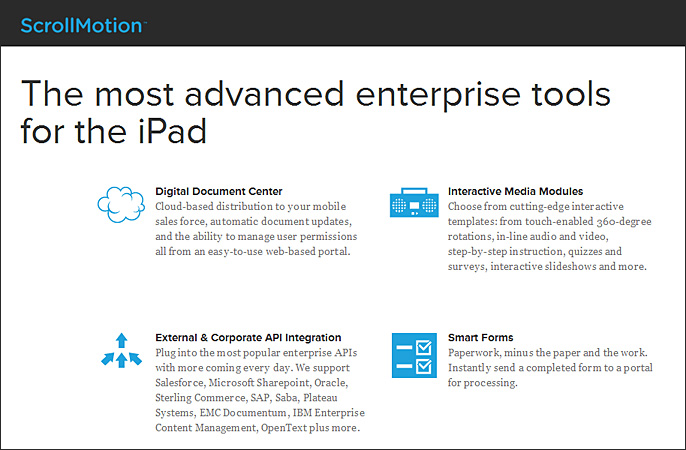
App developer ScrollMotion has created tablet content for some of the world’s largest publishers. At the Mashable Media Summit last Friday, its co-founder and chief creative officer Josh Koppel showed off a single platform built to run the entire gamut of enterprise media publishing.
.Also see:
Web-based digital storytelling tools and online interactive resources — from Danny Maas at maasd.edublogs.org
Underlying beliefs:
Future of Storytelling Expert Series: CloudKid’s Founder on Interactive Storytelling for Children — from Latitude Research° by Kim Gaskins
Excerpt:
Recently, Latitude (in collaboration with Itizen) launched an innovation study on The Future of Storytelling. Why? So we can uncover the questions, challenges, and aspirations of tomorrow’s storytellers and identify how they can better align with audience’s changing expectations. Every week for the next several weeks, Latitude will share its conversation with a different influential individual. We’ll follow the series with a summary of best practices and insights for content creators and businesses from Latitude’s SVP, Neela Sakaria.
Also see:
With our heads fully in the clouds (where else would you want your head to be?), CloudKid transforms daydreams, fantasies, and flights of imagination into characters and stories that live, breathe, laugh, run, shout and fly.
CloudKid combines story and animation philosophies with mobile/web technologies to create eye-popping programs for children—we take children’s media to places it’s never been before. From film/animation production to story/character development, CloudKid develops intellectual property and technologies that will truly change the way kids and families interact with entertainment.
Addendum later on 10/18/11:
Apple University will train executives to think like Steve Jobs — from good.is by Liz Dwyer
Excerpt:
If you want to honor Steve Jobs’ life by following in his entrepreneurial footsteps, forget heading to business school. The Los Angeles Times reports that an Apple team has been working on a top-secret project to create an executive training program called Apple University. The goal? To train people to think like Steve Jobs.
…
Apple refused to comment on the existence of Apple University, but the Times says that in 2008, Jobs “personally recruited” Joel Podolny, the dean of Yale Business School, to “help Apple internalize the thoughts of its visionary founder to prepare for the day when he’s not around anymore.” Apple analyst Tim Bajarin told the Times that, “it became pretty clear that Apple needed a set of educational materials so that Apple employees could learn to think and make decisions as if they were Steve Jobs.” Though the curriculum is still under wraps, Jobs himself oversaw the creation of the “university-caliber courses.” (emphasis DSC)
Also see:
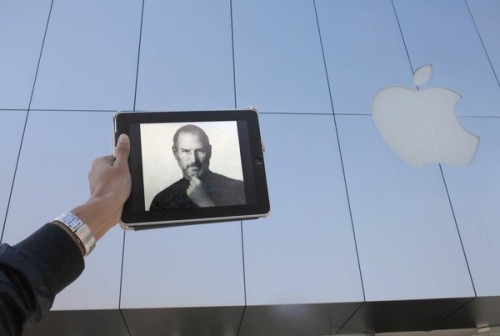
Steve Jobs helped plan Apple University — an executive training program to help
Apple carry on without him. (Michael Robinson Chavez / Los Angeles Times / October 6, 2011)
From DSC:
If Apple were to choose to disrupt higher education, several other pieces of the puzzle have already been built and/or continue to be enhanced:
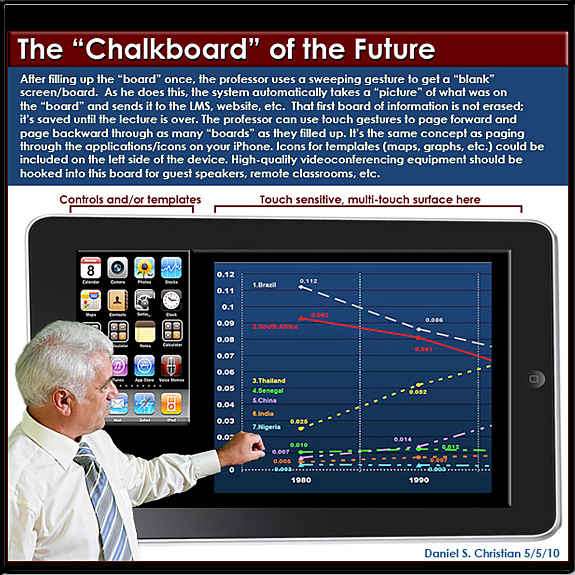

At the least, I might be losing a bit more sleep if I were heading up an MBA program or a business school…
From DSC: Expectations, today, are getting hard to beat
Since Apple’s event yesterday, I’ve heard some conversations on the radio and reviewed several blog postings and articles about Apple’s announcements…many with a sense of let down (and some with the usual critical viewpoints by the backseat drivers out there who have never tried to invent anything, but who sure like to find fault with everyone else’s inventions and innovations).
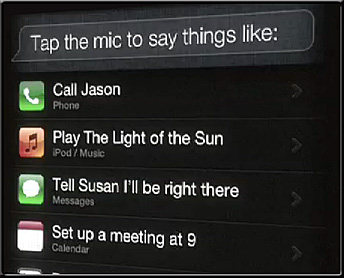
It made me reflect on how high our expectations are becoming these days! It wasn’t enough that iCloud is coming on 10/12 (and who knows the directions that will take society in). It wasn’t enough to introduce some serious software-based innovations such as Siri (which bring some significant advancements in the world of artificial intelligence) or AirPlay for the iPhone. It wasn’t enough to enter into the multi-billion dollar card industry with their new Cards app for the iPhone. Wow…tough crowd.
What might these announcements — and expectations — mean for education?
Well…I can see intelligent tutoring, intelligent agents, machine-to-machine communications, the continued growth of mobile learning, learning from the living room, the initiation of programs/events caused by changes in one’s location, continued convergence of the television/computer/telephone, continued use of videoconferencing on handheld devices, cloud-based textbooks/apps, and more.


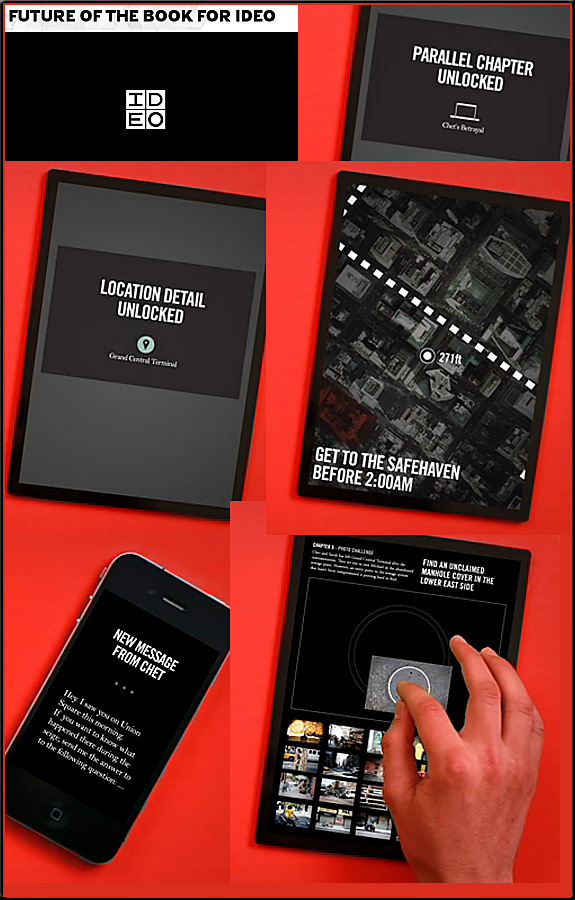
Also see:
Addendum on 9-28-11: