Per Robin Good:

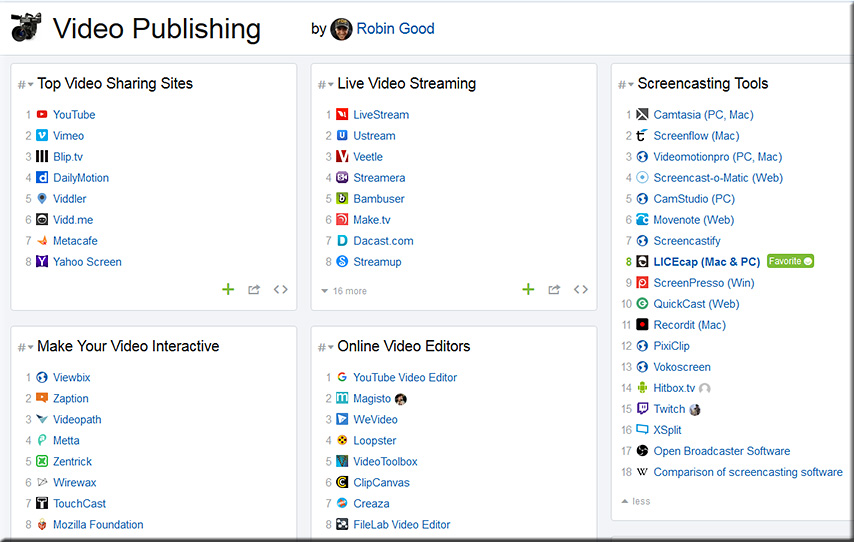
This is my own personal directory of the best tools and services to capture, edit, publish and distribute video online that I recommend.

Also, Robin lists some solid screencasting tools.


VideoPublishing-ScreencastingTools-Good-Dec2015


From DSC:
I especially appreciate the tools that help us add more interactivity to our videos.


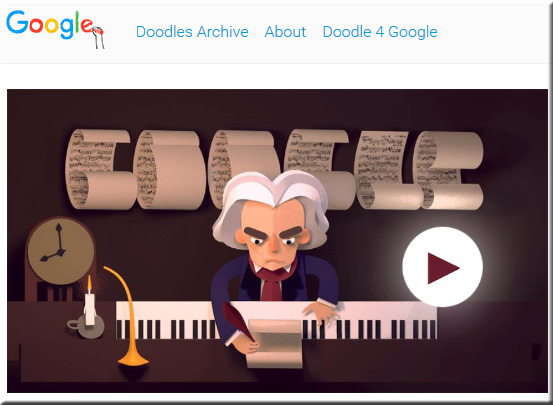
Celebrating Ludwig van Beethoven’s 245th Year <– a fun Google Doodle


beethoven-dec2015


MIT’s amazing new app lets you program any object — from fastcodesign.com
The Reality Editor is a Minority Report style AR app that makes programming your smart home as easy as connecting the dots.
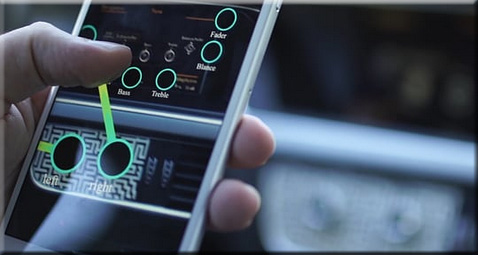
 

MITsRealityEditor-Dec2015


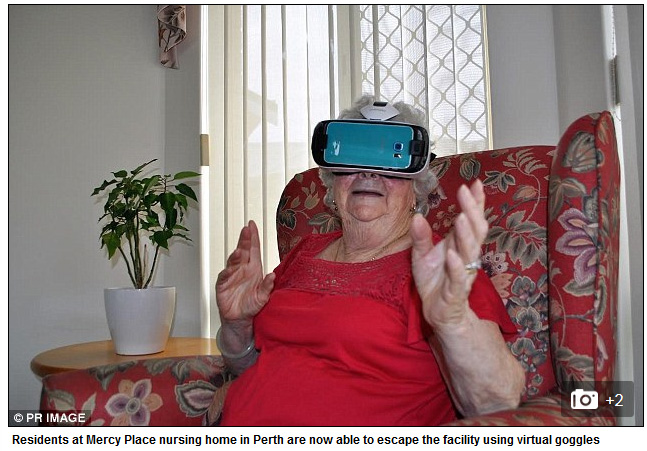
Take me away! Elderly home residents given virtual reality goggles to help them feel like they are travelling the world — from dailymail.co.uk by Belinda Cleary

  • Residents at a Perth nursing home are trialing virtual reality goggles
  • The technology will allow them to see the world without leaving their seats
  • It’s hoped the trial will bring back lost memories in dementia patients
 

perth-VR-elderly


NASA partners with Microsoft to provide holographic computing in space — from seriouswonder.com by B.J. Murphy

Excerpt:

Partnering with multinational technology company Microsoft, NASA has since been engaging with their astronauts to use HoloLens headsets to help them make complex computations and provide them with virtual aid as they work inside the ISS. Labeled Project Sidekick, this form of space-based holographic computing will help empower astronauts by allowing them to achieve greater autonomy in their work as they explore and connect back home at NASA headquarters.

With the Cygnus delivery of the HoloLens headsets, expect holographic computing to become a crucial facet of future space exploration – one more item to check off of our list on, “How to become more like Star Trek.”


How to try virtual reality today without breaking the bank — from bgr.com by Jacob Siegal

Excerpt:

2016 might be the year that virtual reality finally takes hold in the tech world. Sony, Microsoft and Oculus VR are all planning to launch their own hardware before the end of next year, with tons of developers already hard at work on games, apps and other software to ensure that VR hits the ground running.

But if you don’t want to wait until next year to see what VR has to offer, you can take a sneak peek at the innovations today without putting a strain on your wallet.


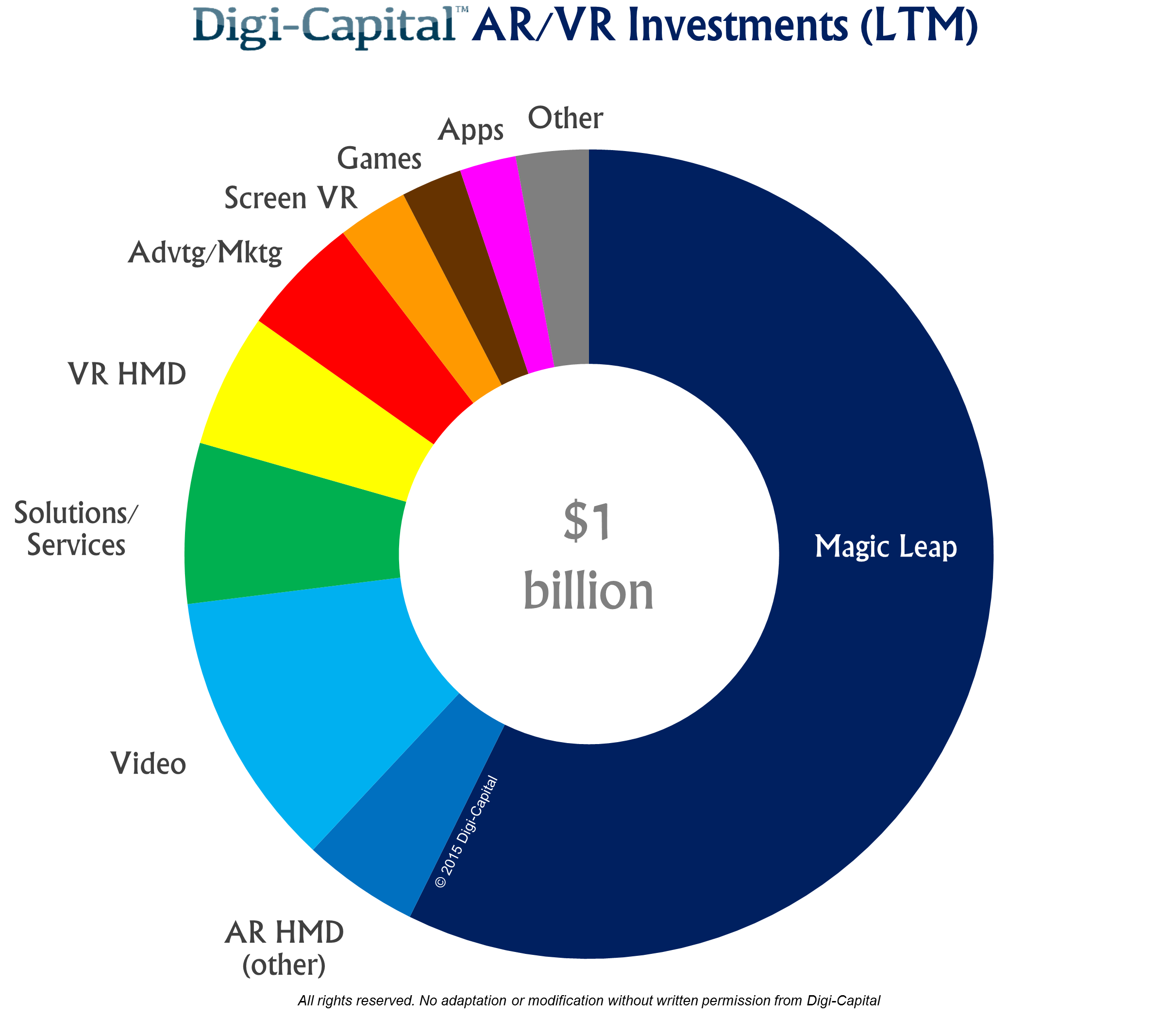
Breaking Down Billion-Dollar AR/VR Investment In The Last 12 Months — from techcrunch.com by Tim Merel


Which VR Headset Holds the Pole Position? — from statista.com by Felix Richter


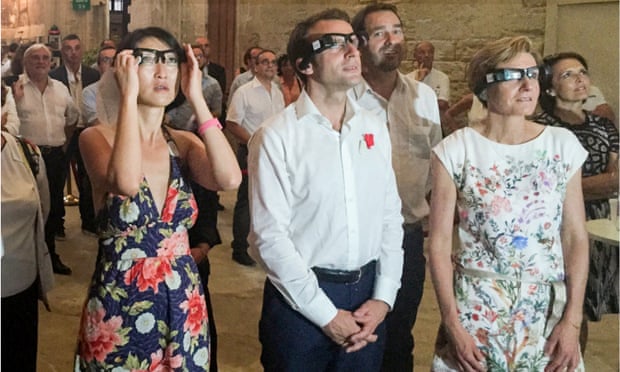
The show goes on in Paris – through augmented-reality glasses — from theguardian.com by Barbara Casassus
If your French doesn’t go beyond bonjour, you can still enjoy a night at a Parisian theatre thanks to new glasses that provide simultaneous translations

Excerpt:

It’s Saturday night at Le Comédia theatre in central Paris and I’m staring at the stage through square plastic glasses. While the actors in the musical Mistinguett, Reine des Années Folles sing boisterously in French, the words appear simultaneously in English on a small screen in the right-hand lens. Though it’s not the same as watching the show unfettered, I find it surprisingly easy to follow the translated dialogue along with the action.

.


Immersive VR Education
 

ConeOfLearning-Dale-ImmersiveLearning-Dec2015


Also see Immersive VREducation’s:
ER VR Trailer – Virtual Reality Medical Training Simulation


Virtual-reality lab explores new kinds of immersive learning — from chronicle.com by Ellen Wexler

Excerpt:

That can have implications in distance learning, he said. For students attending class via webcam or video lecture, the video is two-dimensional, and the audio doesn’t sound as it would if they were in a real classroom. Mr. Duraiswami thinks the virtual-reality technology could help the experience feel more immersive. “If all you’re seeing is a bunch of things in front of you, you’re not as immersed,” Mr. Duraiswami said. “You want the instructor to feel as if they’re right in front of you.”


10 killer media applications enabled by ‘virtual reality’ headsets — from eweek.com by Mike Elgan
Virtual reality headsets can do much more than ‘virtual reality,’ a technical term that is badly defined in most news reports. Here are 10 rapidly developing applications.


Deakin University to launch virtual and augmented reality hub — from cio.com.au by Rebecca Merrett
Industry partners, as well and students and staff, can get their hands on latest virtual/augmented reality tech

Excerpt:

Deakin University will launch an Interactive Digital Centre Hub in Melbourne CBD in the first half of 2016, which will allow industry partners to access the latest virtual and augmented reality technology. Partnering with EON Reality, more than US$10 million has been poured into the facility and will be the first of dedicated centre to virtual and augmented reality in the Asian region. Having a strong group of researchers in virtual reality, Deakin University decided to open a hub to facilitate working with industry and host education programs and courses in this field.


Virtual reality could finally get people to care about climate change — from techinsider.io by Chris Weller

Excerpt:

As the founding director of Stanford’s Virtual Human Interaction Lab, Jeremy Bailenson firmly believes that statistics don’t make people care about issues.

Experiences do.

That’s why Bailenson has spent the last few years developing an underwater virtual reality (VR) experience that shows people firsthand how climate change impacts ocean health.


All the data in the world won’t make a problem seem real unless people care about it on an emotional level, he says. According to Bailenson, virtual reality solves that problem without creating new ones.


Virtual reality in 2016: The 10 biggest trends to watch — from techrepublic.com by Erin Carson
2016 promises to be a watershed year for virtual reality as a commercial product. Here’s what to expect.


Revolutionary tech for the real world — from createtomorrow.co.uk

Excerpt (emphasis DSC):

AR is also highly effective for education and training says Ronald Azuma who leads the AR team at Intel Labs. Why? “Because it makes instructions easier to understand by displaying them directly over the real-world objects that require manipulation, thus removing the cognitive load and ambiguity in spatially transforming directions from traditional media like manuals, text, images and videos into the situation at hand.”


Samsung launches Gear VR virtual reality headset in Australia, promises 360-degree web browsing — from news.com.au
AUSTRALIAN phone users will be able to play virtual reality games, watch 360-degree films, and navigate the web using their eyes as Samsung launches its third virtual reality headset.


CES 2016: driverless cars and virtual reality to dominate at world’s biggest technology show — from mirror.co.uk
The world’s biggest technology showcase kicks off in Las Vegas on 6 January 2016. Here’s what we know about what will be happening at the Consumer Electronics Show


Should your institution move into the Augmentarium future? — from ecampusnews.com by Ron Bethke
The University of Maryland, College Park, is leading the way in studying the innovative applications of augmented and virtual reality across a wide range of fields

Excerpt:

The potential applications of virtual and augmented reality in a host of disciplines–including education, science, medicine, the arts, entertainment and industry–are massive, say large institutions like the University of Maryland (UMD), whose Augmentarium serves as a potential instrumental model for innovative research facilities and universities looking to make their impact on the future.


Sundance 2016 dominated by VR, over 30 experiences listed — from vrfocus.com

Excerpt:

This year’s Sundance Film Festival in Park City, Utah was a surprise hit for virtual reality (VR) technology. It was here that Oculus VR revealed its new film-focused division, Oculus Story Studio, while plenty of other filmmakers and story tellers showcased their own projects using head-mounted displays (HMDs) in the festival’s New Frontier section. That section is set to return for the 2016 edition of the festival from 21st – 31st January, and is this time utterly dominated by VR experiences.


Virtual reality for all, finally — from scientificamerican.com by Larry Greenemeier
Will the new generation of headsets hitting the consumer electronics market deliver enhanced virtual-reality experiences at more affordable prices?

Excerpt:

You can be forgiven for rolling your eyes at the latest round of promises that virtual reality has finally arrived for the masses. Tech companies have been hanging their hats on that one for decades without much success, due to high prices and poorly rendered graphics that have given people headaches—literally.

Despite these missteps, a new generation of virtual-reality tech targeted at consumers has begun to hit the market, most prominently with Samsung’s $100 Gear VR visor released in late November. Both Gear VR and Google Cardboard—which starts at less than $20 and was launched in 2014—rely on a smartphone clipped or slid into their respective visors. The headset’s binocularlike lenses—between the phone and wearer—help deliver a 3-D VR experience. That makes the gadgets a relatively low-risk investment for consumers and enables tech companies to gauge public demand for virtual reality in advance of devices such as ones from Oculus, Sony and HTC slated for next year that feature more sophisticated embedded sensors and displays.

Now that VR headsets no longer cost tens of thousands of dollars the door is open for educational and social applications that are true to virtual reality’s roots, allowing people to learn and interact in digital classrooms and playgrounds.


Here’s what virtual reality means for kids stuck in the hospital — from techcrunch.com by Drew Olanoff

Excerpt:

Virtual reality is here to stay and it’s more important than just playing a game or watching a boxing match in a more immersive way. It could, and will, change lives. Imagine this kind of happiness in children’s hospitals everywhere, all of the time. Then think about how doctors can train for surgery virtually. Pretty amazing stuff, eh?

Addendum on 12/20/15:


Will Lynda.com/LinkedIn.com pursue this powerful vision with an organization like IBM? If so, look out!

From DSC:
Back in July of 2012, I put forth a vision that I called Learning from the Living [Class]Room


The Living [Class] Room -- by Daniel Christian -- July 2012 -- a second device used in conjunction with a Smart/Connected TV

It’s a vision that involves a multitude of technologies — technologies and trends that we continue to see being developed and ones that could easily converge in the not-too-distant future to offer us some powerful opportunities for lifelong learning! 

Consider that in won’t be very long before a learner will be able to reinvent himself/herself throughout their lifetime, for a very affordable price — while taking ala carte courses from some of the best professors, trainers, leaders, and experts throughout the world, all from the comfort of their living room. (Not to mention tapping into streams of content that will be available on such platforms.)

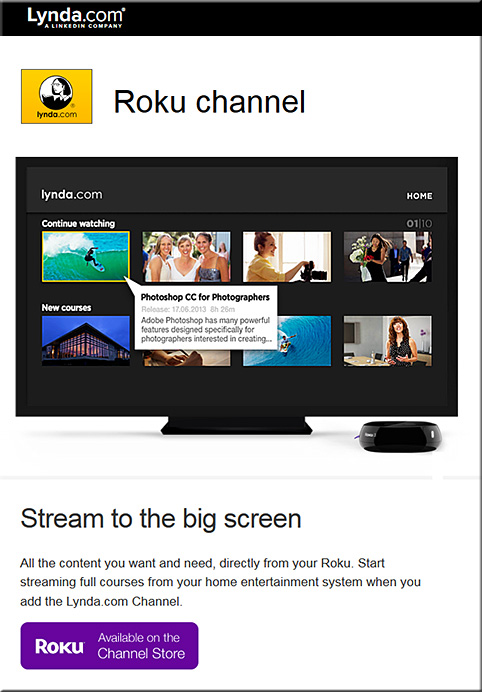
So when I noticed that Lynda.com now has a Roku channel for the big screen, it got my attention.


lyndadotcom-roku-channel-dec2015


Lets add a few more pieces to the puzzle, given that some other relevant trends are developing quite nicely:

  • tvOS-based apps are now possible — and already there are over 2600 of them and it’s only been a month or so since Apple made this new platform available to the masses
  • Now, let’s add the ability to take courses online via a virtual reality interface — globally, at any time; VR is poised to have some big years in 2016 and 2017!
  • Lynda.com and LinkedIn.com’s fairly recent merger and their developing capabilities to offer micro-credentials, badges, and competency-based education (CBE) — while keeping track of the courses that a learner has taken
  • The need for lifelong learning is now a requirement, as we need to continually reinvent ourselves — especially given the increasing pace of change and as complete industries are impacted (broadsided), almost overnight
  • Big data, algorithms, and artificial intelligence (AI) continue to pick up steam; for example, consider the cognitive computing capabilities being developed in IBM’s Watson — which should be able to deliver personalized digital playlists and likely some level of intelligent tutoring as well
  • Courses could be offered at a fraction of the cost, as MOOC-sized classes could distribute the costs over a greater # of people and back end systems could help grade/assess the students’ work; plus the corporate world continues to use MOOCs to cost-effectively train their employees across the globe (MOOCs would thrive on such a tvOS-based platform, whereby students could watch lectures, demonstrations, and simulations on the big screen and then communicate with each other via their second screens*)
  • As the trends of machine-to-machine communications (M2M) and the Internet of Things (IoT) pick up, relevant courses/modules will likely be instantly presented to people to learn about a particular topic or task.  For example, I purchased a crib and I want to know how to put it together. The chip in the crib communicates to my Smart TV or to my augmented reality glasses/headset, and then a system loads up some multimedia-based training/instructions on how to put it together.
  • Streams of content continue to be developed and offered — via blogs, via channels like Periscope and Meerkat, via social media-based channels, and via other channels — and these streams of multimedia-based content should prove to be highly useful to individual learners as well as for communities of practice

Anyway, these next few years will be packed with change — the pace of which will likely take us by surprise. We need to keep our eyes upward and outward — peering into the horizons rather than looking downwards — doing so should reduce the chance of us getting broadsided!

*It’s also possible that AR and VR will create
a future whereby we only need 1 “screen”


The pace has changed significantly and quickly


Addendum:
After I wrote/published the item above…it was interesting to then see the item below:

IBM opens Watson IoT Global Headquarters, extends power of cognitive computing to a connected world — from finance.yahoo.com
1000 Munich-based experts to drive IoT and industry 4.0 innovation
Launches eight new IoT client experience centers worldwide
Introduces Watson API Services for IoT on the IBM Cloud

Excerpt:

MUNICH, Dec. 15, 2015 /PRNewswire/ — IBM (NYSE: IBM) today announced the opening of its global headquarters for Watson Internet of Things (IoT), launching a series of new offerings, capabilities and ecosystem partners designed to extend the power of cognitive computing to the billions of connected devices, sensors and systems that comprise the IoT.  These new offerings will be available through the IBM Watson IoT Cloud, the company’s global platform for IoT business and developers.


7 trends that will revolutionize online learning — from ecampusnews.com by Andrew Barbour
A look at new tools and new opportunities to create an instructional experience that is not only different, but better, taking online learning in mainstream higher ed to the next level.

Excerpt:

eCampus News looks at seven trends that have the potential to remake the world of online learning.

  1. Blended Learning Is the Sweet Spot
  2. Video Is King
  3. Interactivity, Not Talking Heads
  4. Mobile Is a Must
  5. Identity Verification and Cheating
  6. Auto-grading
  7. Open, Intuitive Platforms


From DSC:
I appreciated their thoughts re: adding interactivity to videos.  A team-based approach may be helpful here.


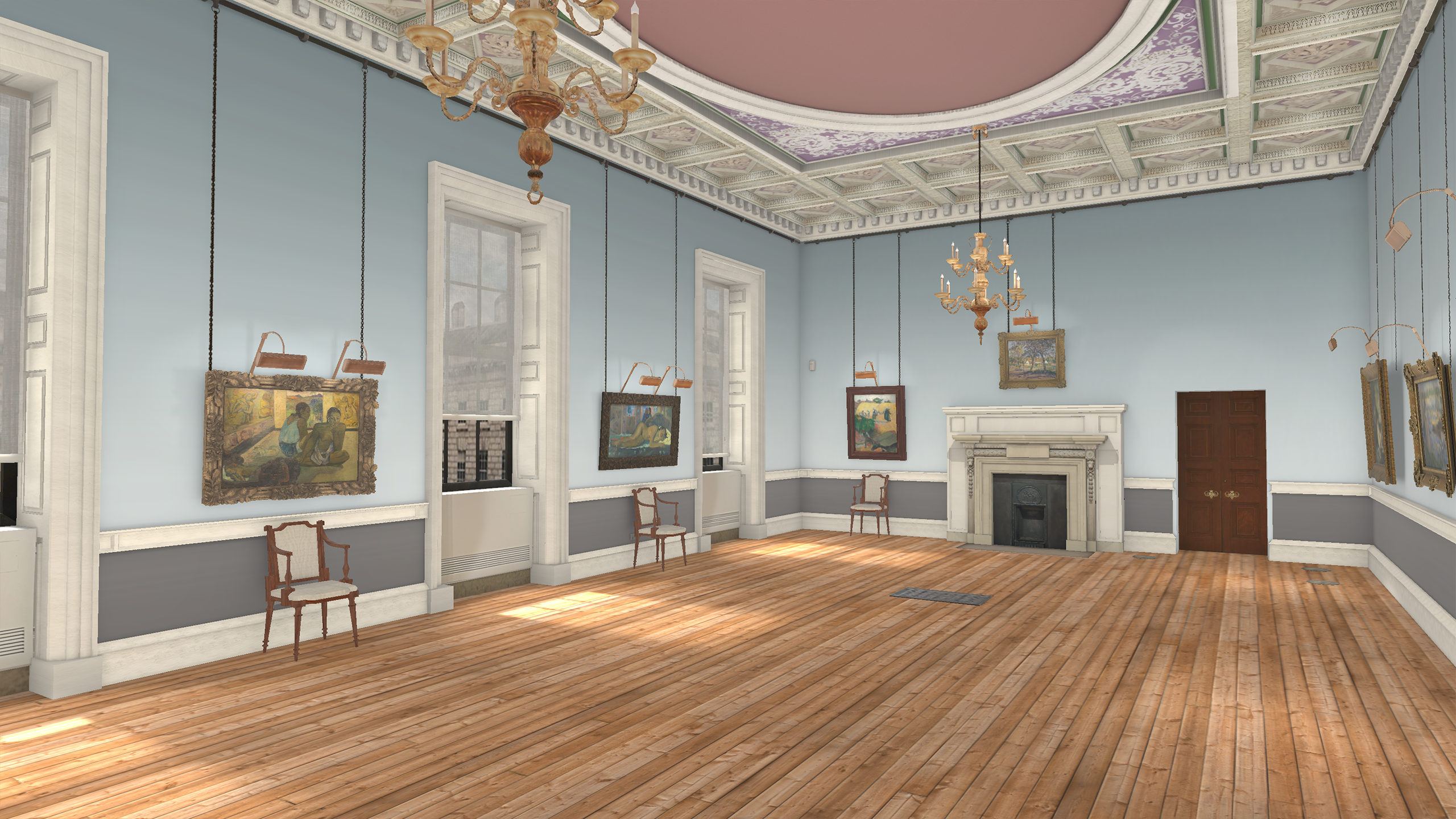
Museum collections enter VR with the launch of the Woofbert VR App for Samsung gear — from techcrunch.com by Jonathan Shieber
The museum and gallery world is getting is getting one of its first doorways into virtual reality with the launch of the new WoofbertVR app, (launched on 11/17/15) on Samsung Gear VR powered by Oculus.

Excerpt:

The company has an amazing app which will soon be able to take users on a tour of several marquee museums with some of the best collections of art and artifacts in the world.

For its first offering, the company is offering users who download the app a free view into one of the most famous rooms in the Courtauld Gallery, a gallery housing one of London’s most famous art collections.

The gallery, on a bend North of the Thames near the Waterloo Bridge, holds a treasure trove of Impressionist and Post-Impressionist masterpieces including works by Gauguin, Renoir, Manet, and Monet.

Through the first offering on the app, users get a voice guided tour of the room’s paintings narrated by the author Neil Gaiman (a Woofbert investor).


Discover Explain3D — from interestingengineering.com by Eben Atwater

Excerpt:

Long ago, someone coined the adage, ‘a picture is worth a thousand words.’ Illustrators and teachers have grasped that simple truism throughout thousands of years of human history – It’s a fact that many, if not most of us, are visual learners. That’s especially true when it comes to things mechanical. That said, it’s 2015, and certainly time for a twenty first century iteration of this venerable learning principle to manifest. And in fact, it has – Consider Explain 3D – An interactive encyclopedia of 3D simulations and visualizations that helps kids, teachers or parents to explain and understand how things work. Explain 3D is a great tool to help youngsters develop the skills of logical thinking and imagination, while poking around in some very cool modern technologies and technical stuff.


Introducing Coursera for Apple TV: Bringing Online Learning to Your Living Room — from blog.coursera.org


Apple TV


Excerpt (emphasis DSC):

We’re thrilled to announce that Coursera content will now be available on Apple TV.

Since our beginning, one of our primary goals has been to make learning more accessible for everyone. Our mobile platform brought an on-demand learning experience to people’s busy, on-the-go lifestyles, and now, we’re extending availability to your home. Regardless of where in the world you are located, you’ll now be able to learn from top university professors and renowned experts without the expense of travel or tuition.

TV availability isn’t only a first for Coursera—it marks Apple TV’s first ever introduction of online learning to its platform. Everything you can do online at Coursera, you’ll now be able to do from the comfort of your own living room: browse our entire catalogue of courses, peruse new topics, and watch videos from some of the top academic and industry experts.


From DSC:
Coursera takes us one step closed to a very powerful learning platform — one that in the future will provide a great deal of intelligence behind the scenes.  It’s likely that we will be using personalized, adaptable, digital learning playlists while enjoying some serious levels of interactivity…while also making use of web-based learner profiles (the data from which will either be hosted at places like LinkedIn.com or will be fed into employers’ and universities’ competency-based databases).  The application development for tvOS should pick up greatly, especially if the collaboration capabilities are there.

For example, can you imagine marrying the functionalities that Bluescape provides with the reach, flexibility, convenience, and affordances that are unfolding with the new Apple TV?

Truly, some mind-blowing possibilities are developing.  In the not too distant future, lifelong learning won’t ever be the same again (not to mention project-related work).

This is why I’m big on the development and use of
team of specialists — as an organization may have
a harder time competing in the future without one.


BlueScape-2015


The Living [Class] Room -- by Daniel Christian -- July 2012 -- a second device used in conjunction with a Smart/Connected TV


Storytelling app a hit; launches a new chapter in transmedia — from blogs.vancouversun.com by Gillian Shaw


Excerpt (emphasis DSC):

Paul Pattison and Luke Minaker knew they were onto something when they got an email from the mother of a nine-year-old who read the first instalment of their interactive story, Weirdwood Manor.

She wrote that she couldn’t get her son to pick up a book,” said Pattison, technical director of All Play No Work, producer of the iPad app. “She got the app for her son and he went through it in two nights. He finished both books.

And then because we don’t have book 3 out yet, unprompted by her he went over to the bookshelf and pulled off a paperback and started reading chapter books again.

While the storytelling app had already shot to ‘Best New App’ in Apple’s app store, chalking up 5,000 downloads in the first two weeks after it was released, the realization that it converted a reluctant nine-year-old to an avid reader confirmed for Pattison and Minaker they were on the right track.

It is a common theme we have been hearing,” said Pattison. “They get to this age range of eight to 12 and they stop being interested in reading. Video games, Snapchat – all these other things dominate.

Although we’re an app in digital, what we really wanted to do is re-engage kids in reading, tap into their imagination, have them rediscover that.


FutureOfTV-Apple-Oct2015


The New Apple TV Invigorates the Set-Top Box — from nytimes.com by Brian Chen

Excerpt:

I NEVER imagined I would get hooked on reading comic books on a TV screen. That changed last week after I picked up a new Apple TV.

The new device, which is similar to a set-top box and brings video and music from the Internet to a television, now has an app store. So I downloaded Madefire, one of the first apps available for the new device. Madefire adds a twist to digital comics with sound effects, music and motion, bringing the panels to life on the big screen. Within minutes, I was bingeing on a series about Superman turning into a corrupt dictator.

Playing with apps is just one new feature of the revamped Apple TV, which will ship this week. It’s that plethora of innovations and apps that leads me to conclude that the upgraded $149 box is now the best TV streaming device you can get for your money.


Apple TV challenges developers to take apps to the big screen — from http://finance.yahoo.com by Julia Love

Excerpt:

(Reuters) – Apple’s loyal army of software developers is joining the tech giant in its bid to conquer the living room with a new version of Apple TV, creating apps for the big screen that they hope will attract users and unlock a rich source of revenue.

A long-awaited update to Apple TV, which launched in 2007, will start shipping in 80 countries on Friday.

Apple views apps as the future of television. An App Store is the centerpiece of the new device, and hundreds of apps will be ready at launch, including gaming, shopping and photography.

Although developers have already been able to make apps for smart TV rivals, Apple’s vast base of developers will set the device apart, analysts say. And developers say they relish the opportunity to reach users in a more intimate setting.


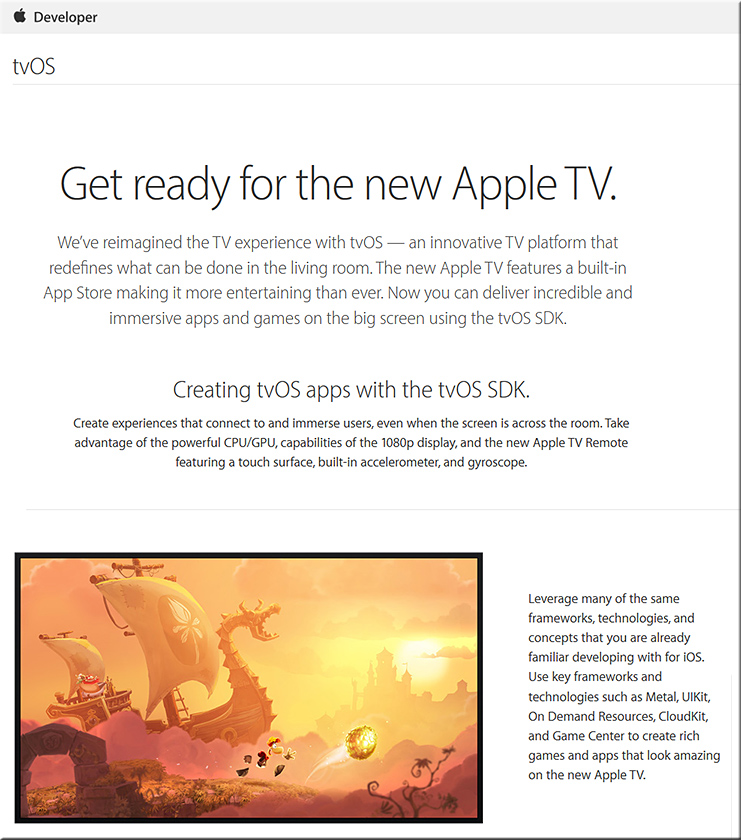
tvOS > Developer information


AppleTV-tvOS-Oct2015


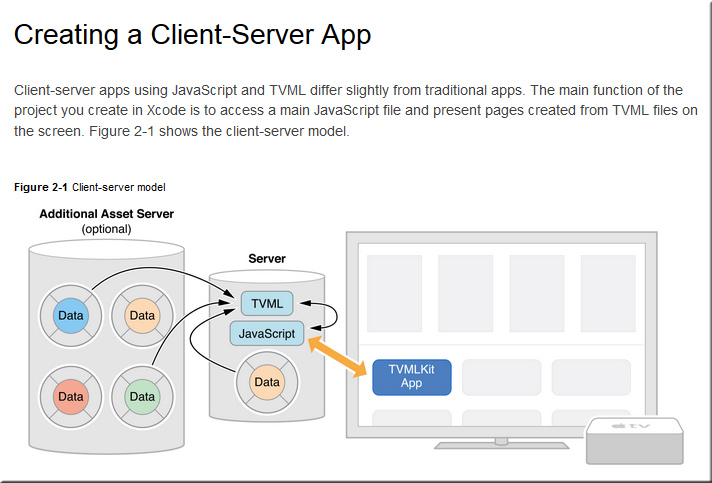
Building Apple TV Apps > Creating a Client-Server App


ClientServerApp-tvOS-Oct2015


Which Apple TV Should You Buy? — from wired.com

Excerpt:

Pre-orders for the new Apple TV have begun. Well, technically, the new Apple TVs; the latest model comes in two sizes. Oh, and the previous version remains available too. For the first time in Apple TV history, you’ve got options. Now it’s time to figure out which one’s right for you.


‘Aerial’ brings beautiful Apple TV video screensavers to your Mac — from 9to5mac.com


screensavers-oct2015


Addendum:


Campus Technology 2015 Readers’ Choice Awards

CampusTechReadersChoiceAwardsSept2015

Excerpt:

In this first-ever higher education “gear of the year” guide, Campus Technology has turned to hundreds of education professionals to tell us which products in 29 categories are truly the best. We cover the gamut of technology from 3D printers to wireless access points. In almost every category you’ll find the Platinum, Gold and Silver picks to help you short-list your shopping, fuel your decision-making or perhaps start a friendly debate on campus.

  1. Learning Management and E-learning
  2. E-Portfolios
  3. Other Instructional Tools
  4. Student Information Systems and Data Management
  5. Enterprise Resource Planning (ERP)
  6. Constituent Relationship Management (CRM)
  7. Student Success/Retention
  8. Student Response Systems and Classroom Clickers
  9. Lecture Capture
  10. Document Cameras
  11. Projectors
  12. Interactive Whiteboards
  13. Videoconferencing and Web Conferencing
  14. Virtual Classroom and Meeting
  15. Classroom Audio Distribution/Sound Enhancement
  16. Captioning
  17. Office/Productivity Suites
  18. Classroom Presentation
  19. Multimedia Authoring Suites and Creative Software
  20. E-Learning Authoring
  21. Media Tablets
  22. Chromebook
  23. Windows Tablet
  24. Convertible and 2-in-1 Notebooks
  25. Notebooks
  26. Virtual Desktops and Thin Clients
  27. Wireless Access Points and Hotspots
  28. 3D Printers
  29. Emergency Notifications


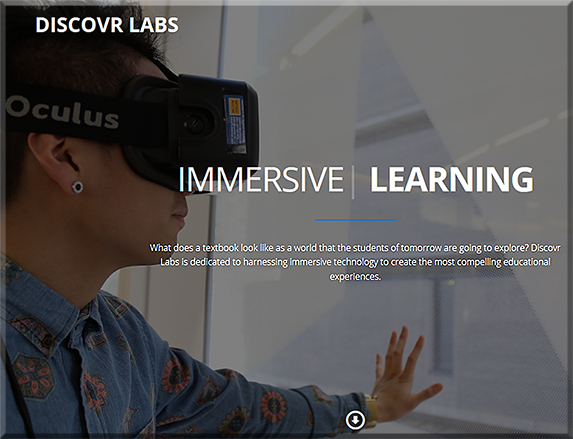
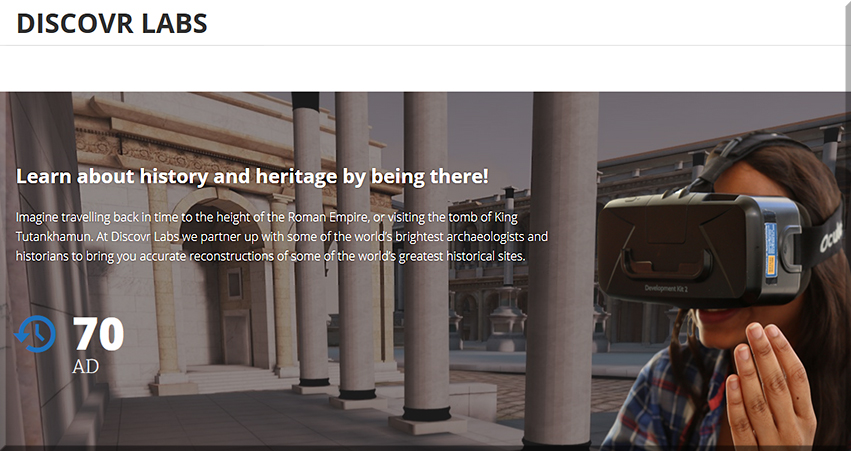
Discovr Labs brings Virtual Reality to the classroom, lets teachers see what students see  — from techcrunch.com by Greg Kumparak

Excerpt (emphasis DSC):

As consumers, we tend to focus on how virtual reality will work in our homes — the new types of games it allows, the insane 360-degree cinematic experiences, etc.  Some of VR’s greatest potential, though, lays not at home, but in the classroom.

Discovr Labs has built an interface and technology to help teachers use VR as a teaching tool. After the student straps on their headset, Discovr allows the teacher to select which module the student is interacting with, and to see exactly what the student sees; everything from the headset is beamed, wirelessly, to an all-seeing interface.


For now, Discovr is focusing on a local experience, with all of the students being in the same room as the teacher. Moving forward, they envision remote experiences where students and their teachers can come together in VR experiences regardless of their physical location.


Also see:


discovrlabs-sept2015


discovrlabs2-sept2015


A somewhat related addendum on 9/24/15:

Virtual Zeno Robot – The Future of Augmented Reality in Education — from virtual-strategy.com

Excerpt:

Digital Elite developed a new line of low-cost head mounted augmented reality paper viewers specifically for the education market. A number of novel applications in the field of robotics, virtual physics and a unique book for autism is already readily supported by the viewer. More Apps in the pipeline are being developed to support other immersive and virtual experiences.

In a scientific study the new viewers have compared favorably against expensive VR headsets, such as the Samsung/Oculus Gear VR and Zeiss VR One. The viewers were also tested in a number of real-life education scenarios and Apps. One example is a virtual robot teaching physics and geography deployed in an Augmented Reality (AR) application to break down the final frontier between physical robots and their virtual counterparts. Results are being published in conferences in Hong Kong today and Korea later this month.


Addendum on 9/25/15:

  • Five emerging trends for innovative tech in education — from jisc.ac.uk by Matt Ramirez
    No longer simply future-gazing, technologies like augmented and virtual reality (AR/VR) are becoming firmly accepted by the education sector for adding value to learning experiences.
 

From DSC:
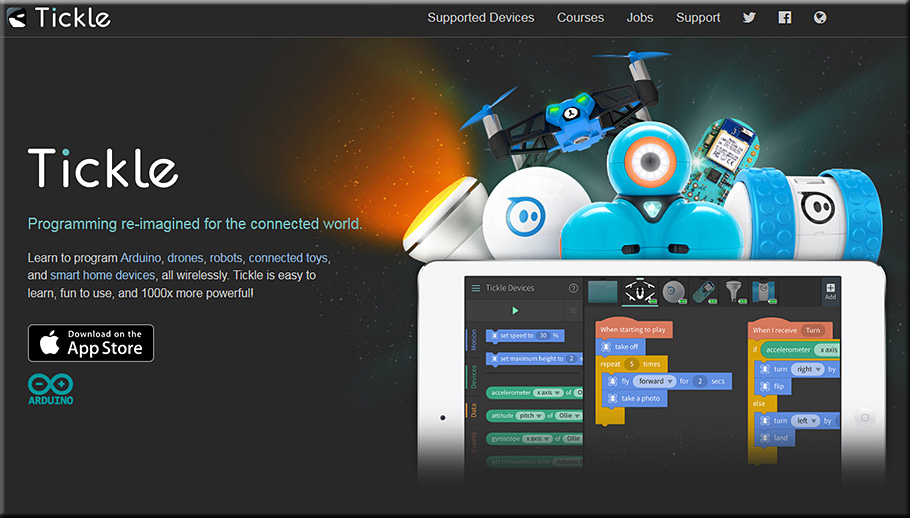
The following app looks to be something that the “makers” of the programming world might be interested in. Also, it could be great for those learners interested in engineering, robotics, and/or machine-to-machine communications; using this app could help start them down a very promising path/future.


Tickle-Sept2015

From their website:

Programming re-imagined for the connected world.
Learn to program Arduino, drones, robots, connected toys, and smart home devices, all wirelessly. Tickle is easy to learn, fun to use, and 1000x more powerful!

Easy to learn, yet incredibly powerful!
Start learning programming the same way as Computer Science courses at Harvard and UC Berkeley. Tickle is used by makers and designers around the world to create custom robots and interactive projects, including Stanford University computer scientists.

Spark your imagination.
Create stunning games and interactive stories using our library of animated characters and sounds. With the ability to program devices to interact with other devices and virtual characters, the possibilities are limitless.

1000X the super (programming) power.
If you’ve tried Scratch, Hopscotch, Tynker, Blockly, Scratch Jr, Kodable, Pyonkee, mBlock, or Code.org, now you can go beyond the screen and program your own connected future.


Penn State research group uses iBeacons to help children learn more about The Arboretum — from news.psu.edu by Katie Jacobs Bohn

Excerpt:

Susan Land and Heather Toomey Zimmerman, associate professors of education at Penn State, are leading a project that uses iBeacons (transmitters the size of a guitar pick that can communicate with mobile phones and tablets) to turn spaces like The Arboretum at Penn State into interactive places of learning for children and their families.

The project, funded by a Center for Online Innovation in Learning (COIL) Research Initiation Grant, was inspired by museums across the country — including the Palmer Museum of Art at Penn State — that have been using iBeacons to enhance visitors’ experiences.

In these cases, museumgoers are prompted to download an app to their mobile device at the beginning of their visit. As visitors explore the museum, the apps activate when they are near an iBeacon and display content relating to whichever exhibits are close by.

But Land’s project is distinctly different.


From DSC:
The topic of beacons should be on the radars of all IT departments within higher education — and ideally within K-12 as well. Such machine-to-machine communications should provide some excellent, new affordances.  For example, one can see how such technologies could be very useful for campus tours, for use within art galleries and museums, for student/faculty/teacher showcases, and more.


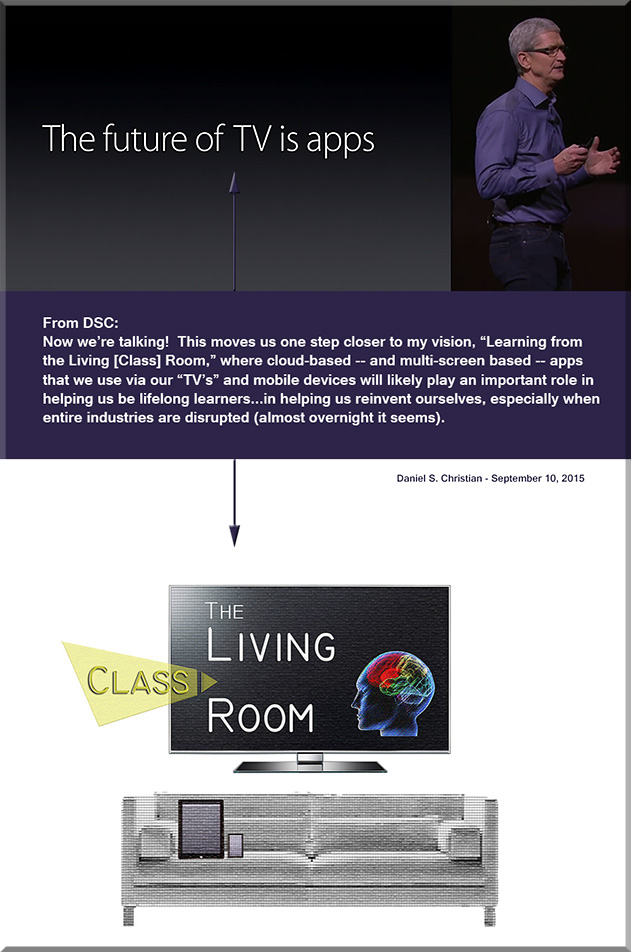
Now we’re talking! One step closer! “The future of TV is apps.” — per Apple’s CEO, Tim Cook

OneStepCloser-DanielChristian-Sept2015


From DSC:
We’ll also be seeing the integration of the areas listed below with this type of “TV”-based OS/platform:

  • Artificial Intelligence (AI)
  • Data mining and analytics
  • Learning recommendation engines
  • Digital learning playlists
  • New forms of Human Computer Interfaces (HCI)
  • Intelligent tutoring
  • Social learning / networks
  • Videoconferencing with numerous other learners from across the globe
  • Virtual tutoring, virtual field trips, and virtual schools
  • Online learning to the Nth degree
  • Web-based learner profiles
  • Multimedia (including animations, simulations, and more)
  • Advanced forms of digital storytelling
  • and, most assuredly, more choice & more control.

Competency-based education and much lower cost alternatives could also be possible with this type of learning environment. The key will be to watch — or better yet, to design and create — what becomes of what we’re currently calling the television, and what new affordances/services the “TV” begins to offer us.


MoreChoiceMoreControl-DSC


From Apple’s website:

Apple Brings Innovation Back to Television with The All-New Apple TV
The App Store, Siri Remote & tvOS are Coming to Your Living Room

Excerpt:

SAN FRANCISCO — September 9, 2015 — Apple® today announced the all-new Apple TV®, bringing a revolutionary experience to the living room based on apps built for the television. Apps on Apple TV let you choose what to watch and when you watch it. The new Apple TV’s remote features Siri®, so you can search with your voice for TV shows and movies across multiple content providers simultaneously.

The all-new Apple TV is built from the ground up with a new generation of high-performance hardware and introduces an intuitive and fun user interface using the Siri Remote™. Apple TV runs the all-new tvOS™ operating system, based on Apple’s iOS, enabling millions of iOS developers to create innovative new apps and games specifically for Apple TV and deliver them directly to users through the new Apple TV App Store™.

tvOS is the new operating system for Apple TV, and the tvOS SDK provides tools and APIs for developers to create amazing experiences for the living room the same way they created a global app phenomenon for iPhone® and iPad®. The new, more powerful Apple TV features the Apple-designed A8 chip for even better performance so developers can build engaging games and custom content apps for the TV. tvOS supports key iOS technologies including Metal™, for detailed graphics, complex visual effects and Game Center, to play and share games with friends.


Addendum on 9/11/15:

 
© 2025 | Daniel Christian