10 Steps for Working Smarter with Social Media — from the Centre for Learning & Performance Technologies by Jane Hart
Webinar for Learning & Skills Group, 17 March 2010

Excerpt below:


10 Steps for Working Smarter with Social Media
Webinar for Learning & Skills Group,  17 March 2010

Workplace Learning is changing!


A number of people, my Internet Time Alliance (ITA) colleague Charles Jennings in particular, have highlighted the fact that  training that simply involves filling people’s heads with knowledge, is ineffective and inefficient – as most people forget what they have learnt very quickly.  And that online courses, which do pretty much the same, take time, effort and money to develop.


Many are also “over-engineered” solutions – and this often leads to resentment by those who have to spend time to work through courses – when the material could have been provided in a much simpler way. But in fact this whole approach to workplace learning is not sustainable in a world that is moving very fast and where there is need for access to constantly changing information.


On the other hand, although we have now realized – due largely to the work of (my ITA colleague) Jay Cross that most of an individual’s “real” learning takes place outside formal learning .. continuously … in the workflow … by reading or listening to things, or more significantly in conversations and interactions with other people, L&D have struggled to understand how to harness informal learning, and perhaps understandably often try to force it into the formal model they feel comfortable with it.


But it is in fact, the emergence of social media, that has really begun to make us think differently about the way work and learning is happening.  For an increasing number of individuals and groups are using these new technologies in the workplace to  connect with colleagues both inside and outside the organisation in order to share ideas, resources and experiences – often under the radar of IT and L&D.   This use of social media has become a revolution in the sense that these tools are now in the hands of the employees.  So the question is what role does L&D play in all this?


One key thing to remember is Learning is not the end goal; but is a means to an end.  It’s about PERFORMANCE; people doing their jobs (better).  In fact it’s all about working smarter.  So what is working smarter?


.

Also related:
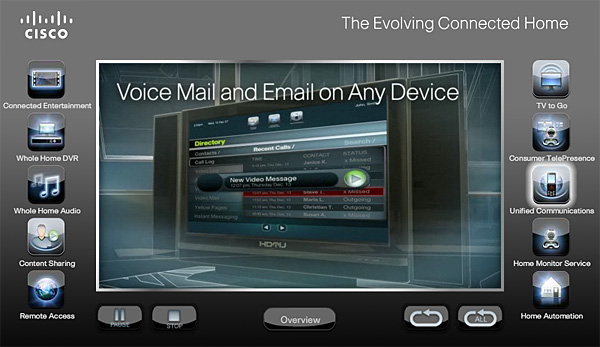
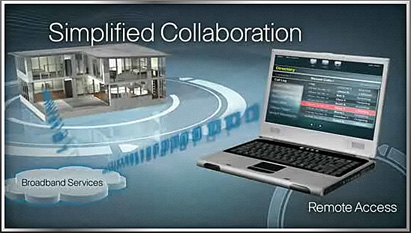
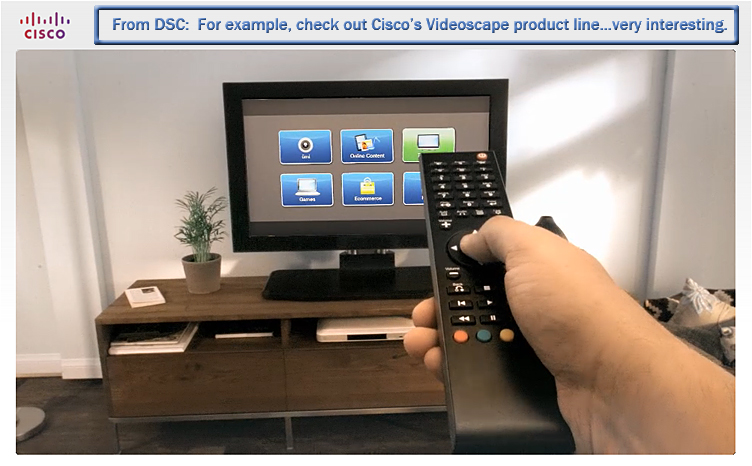
The connected life at home -- from Cisco

.

.

From DSC:

How will these types of technologies affect what we can do with K-12 education/higher education/workplace training and development? I’d say they will open up a world of new applications and opportunities for those who are ready to innovate; and these types of technologies will move the “Forthcoming Walmart of Education” along.

Above item from:

Tagged with:  

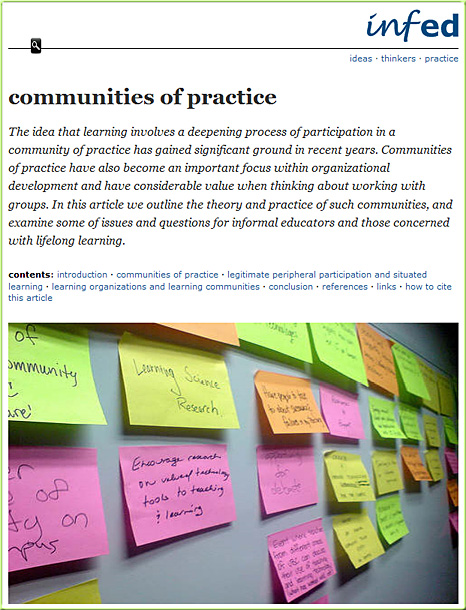
Wenger, Lave -- learning theories

Five trends in learning delivery in 2011 — from the Chief Learning Officer by Caroline Avey

  1. Increased Fidelity of Experience
  2. Kiosk Learning
  3. Crowdsourcing for Learning Assignments
  4. Data Mining
  5. The LMS Adds Informal Learning

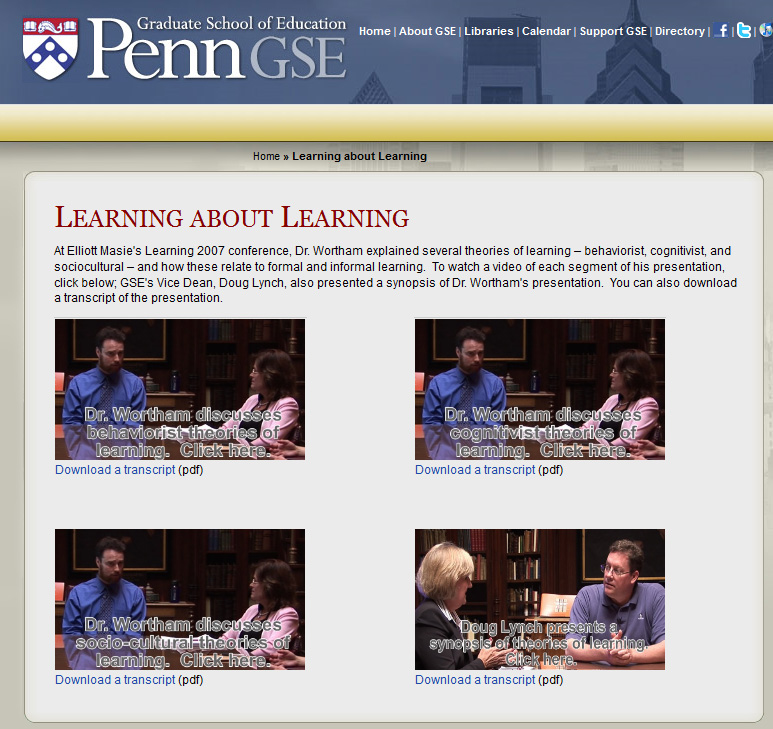
Excellent resource for understanding the basics of a various learning theories!

From DSC:
I’d like to thank:

  • Doug Lynch, Dr. Stanton Wortham, and Elliott Masie for recording these videos and for sharing their insights/expertise
  • The University of Pennsylvania for making these items available
  • Capella University for including the above resource in a course that I’m currently taking from Dr. Katherine Emmons entitled, “Learning Theory and the Educational Process.”

2/8/11:
Note/correction from my original posting:

Doug Lynch and Stanton Wortham are not at Penn State, but rather they are at the University of Pennsylvania; Elliot Masie is an Adjunct Faculty Member at the University of Pennsylvania.

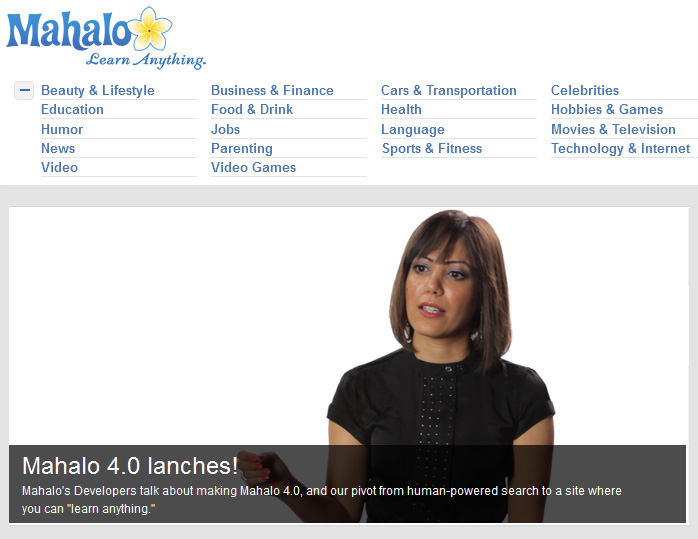
mahalo.com -- learn anything

— originally from Kirsten Winkler’s posting, “Friend or Enemy? Mahalo 4.0 – Learn Anything

Millions of TV’s (as completely converged/Internet-connected devices) = millions of learners?!?

From DSC:

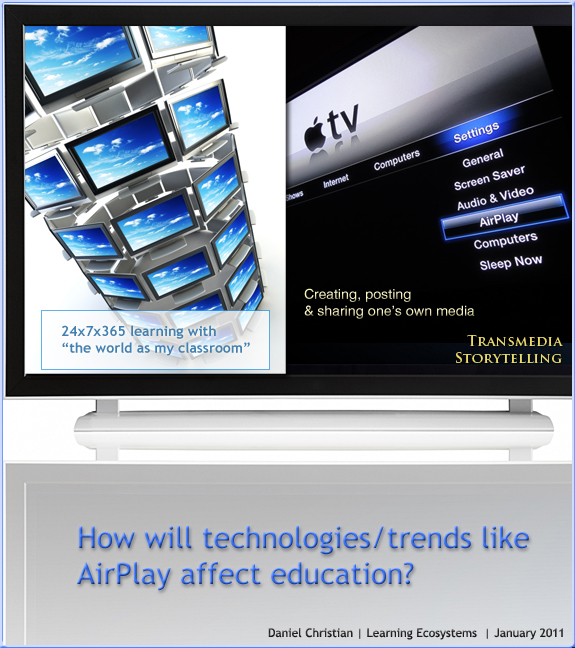
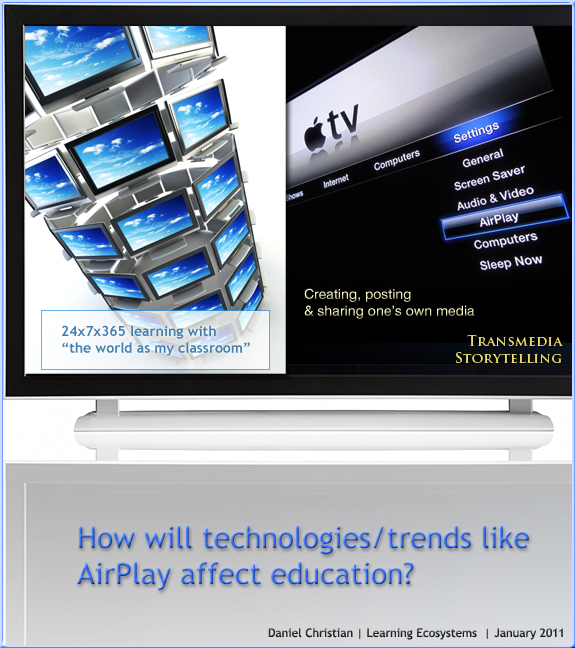
The other day, I created/posted the top graphic below. Take the concepts below — hook them up to engines that use cloud-based learner profiles — and you have some serious potential for powerful, global, ubiquitous learning! A touch-sensitive panel might be interesting here as well.

Come to think of it, add social networking, videoconferencing, and web-based collaboration tools — the power to learn would be quite impressive.  Multimedia to the nth degree.

Then add to that online marketplaces for teaching and learning — where you can be both a teacher and a learner at the same time — hmmm…

.

.

From DSC:
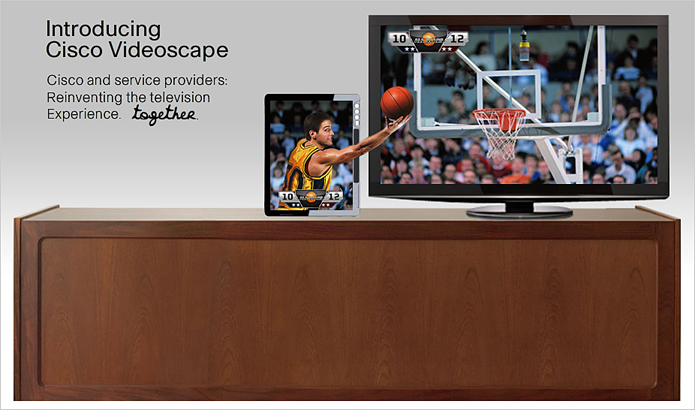
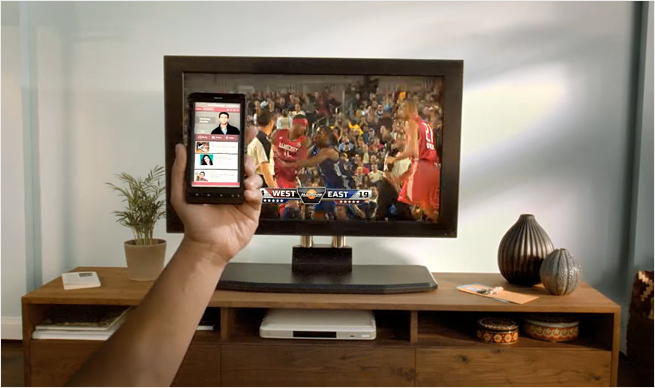
Then today, I saw Cisco’s piece on their Videoscape product line! Check it out!

.

.


.

.

.

.

How will technologies like AirPlay affect education? I suggest 24x7x365 access on any device may be one way. By Daniel S. Christian at Learning Ecosystems blog-- 1-17-11.

.


Addendum on 1-20-11:
The future of the TV is online
— from telegraph.co.uk
Your television’s going to get connected, says Matt Warman


eLearning predictions for 2011 and beyond — from Web Courseworks.com by Jon Aleckson

Excerpts:

This summer I attended the 2010 Distance Teaching and Learning Conference in Madison, Wisconsin. Some very interesting topics came up in the facilitated Think Tanks, and I wanted to share some of the predictions that were developed from these active group discussions regarding where eLearning will go in the next ten years.

Below you will find a table that summarizes the different opportunities and challenges that were predicted to arise in the next ten years by the participants in the conference Think Tanks and by [Jon Aleckson].

Opportunities Challenges
Learner
  1. Bridging informal and formal education
  2. Movement between schools to obtain courses needed for custom degrees
  3. Increase in shared knowledge among students and learners
  4. Networking and learning from each other
  5. Resumes will include informal and formal learning experiences acquired via the Internet
  1. Developing standards to gauge education and competency from multiple sources
  2. Providing an authoritative, reliable source for information (e.g. not just Wikipedia)
  3. Physical and psychological distance from other learners and instructors.
  4. Quality measures for informal and formal professional development attained on the Internet.
K-12 Instruction
  1. Reducing barriers to funding, certification, credit and accreditation
  2. Increase access to quality education for all students
  3. Open “course” concept to new blends of delivery and teaching
  4. Providing for more game-based learning experiences and techniques for a variety of learning styles
  5. Using new technology in the classroom
  1. Defining online and blended education
  2. Development of technical infrastructure, internet access and equipment
  3. Maintaining the custodial function of school
  4. Acquiring funding for bold Internet delivered experiences for the classroom
  5. Allowing use of new technology in the classroom
Corporate Training
  1. Just-in-time learning
  2. Greater access to information
  3. Peer coaching
  4. Cloud training
  5. Ability to reach those previously unreachable
  1. Intellectual property rights
  2. Resistance to using open content
  3. Peer review of resources
  4. Unknown impact of open universities
  5. Technical challenges related to size of offerings and rapidly changing technology
Content
  1. Tools allowing for easier collaboration and interaction
  2. Richer media experience (videos and simulations)
  3. Content repositories & Learning Object distribution and searchability
  4. Movement away from static textbooks as primary resource
  1. Growing tension between standard core content and differentiation of content
  2. Where will content for curriculum come from?
  3. What part will student-generated content play?
  4. More copyright issues
Learning Environment
  1. Customized learning spaces, i.e. personal learning environments (PLEs)
  2. Customization of content presentation and access
  3. eReaders and eBooks providing better and more interactive content (just in time)
  4. Changing paradigm of “bounded courses” to unbounded courses where learning is a continuous process that can occur anywhere and at any time
  1. Determining fit and purpose of new tools and pedagogical approaches
  2. Standards for smart phones/mobile apps
  3. Issues with accreditation, privacy and copyrights
  4. Universal access to technology, equipment, and the internet
Faculty
  1. More involvement and collaboration with online and distance learning initiatives
  2. More part-time faculty teaching for several institutions
  3. Faculty practices and entrepreneurs
  4. Changing role of faculty and PD instructors
  1. What will the primary role of faculty be?
  2. Faculty segmentation into master teachers, mentors, researchers, tutors, etc.
  3. Changing of promotion and tenure to accommodate different roles
  4. Changing pay structure
Administration
&
Management
  1. Continued growth of open education with some program stabilization
  2. Improved learner focus
  3. Increased blending/blurring of traditional on-campus with online options
  4. More collaboration with other administrators to influence policy makers
  1. Managing and maintaining growth
  2. How to blend on and off campus learner programs
  3. Regulatory and accreditation issues
  4. Student accountability issues (plagiarism/doctoring)
  5. Improving faculty/ instructor readiness
International Perspectives
  1. Providing access to education even to remote, rural, and developing areas
  2. Promote intercultural mixing and diversity through education
  3. Improving educational access in segregated societies
  4. Sharing resources and co-producing content to reduce cost
  5. Serve new growing customer groups
  6. Informal learning, sharing own learning with others via internet (e.g. blogs, wiki)
  1. Technological infrastructure of societies
  2. Understanding of different people and places
  3. Eliminating the “we and they” thinking
  4. Illiterate audiences
  5. International/cultural conflicts
  6. Developing culturally aware curricula
  7. Differences in cost of education and fees
  8. Selecting suitable types of content delivery
  9. Refiguring content for different learner communities

Interview with Josh Little, Bloomfire: E-Learning Innovators Series — from E-Learning Queen

Excerpt:

2. What is Bloomfire and what inspired you to develop it?
A platform that allows anyone to start a Bloomfire, which is a website geared specifically for easily sharing knowledge and the discussions that surround it. You can invite members to find and follow experts, ask questions, and share with others. Members can share and upload documents, videos, or presentations, record a video from their webcam, or create screencasts on the fly.

I developed Bloomfire out of the pain I felt along my career as a public school teacher, corporate trainer, and small business owner. In every one of these roles I felt like I was just scratching the surface of what my students, trainees, or employees needed to know to be successful. There needed to be a better way to rapidly share knowledge with people all over the world. Although traditional eLearning tools allow this, the time and cost to create content was still limiting. I knew that by using the power of the crowd, any organization could harness the the long talk of knowledge, how-to’s and tricks if they had the right tool.

Corporate Learning’s focus — from Harold Jarche

Q1) Close to 80% of learning happens informally and 20% formally, yet we spend most of our time and money on the 20%. How could we better support this and shift our time and money?

There are a few ways to address this imbalance…

Q2) Novices and experts have very different needs (curve from formal to informal). What needs to be in place to better support those differences? How can we support these differences across diverse business units (sales, service and specialized functions)?

Jay Cross and Clark Quinn have used this to explain the formal/informal mix by level of experience…

Q3) How can we shift from teaching content to developing search & find skills, critical thinking skills, creative thinking skills, analytical skills, networking skills, people skills, and reasoning and argument skills?

Organizations should start with…

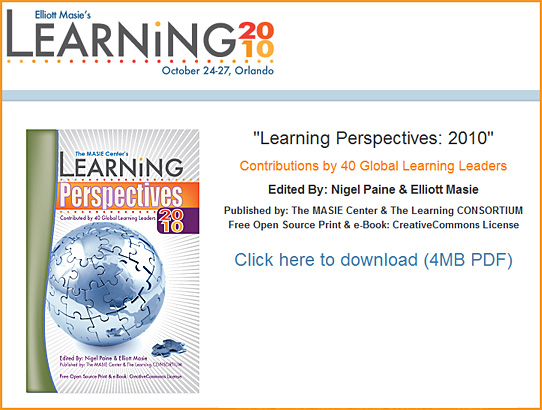
Learning 2010 -- free ebook from the Masie Center.

Part I: New Learning Frameworks
Part II: Under30 Perspectives
Part III: Learning in Action
Part IV: Learning Changes

From Elliott Masie:

We are pleased to announce a free, Open-Source, eBook for and by Learning Professionals:

“Learning Perspectives: 2010” | Contributions by 40 Global Learning Leaders | http://www.learning2010.com/ebook

The articles in this eBook cover the wide range of viewpoints and perspectives on the changing nature of Learning.  It includes articles from our 30 Under 30 Learning Leaders.  Contributors from Google, Intel, Lockheed Martin, Accenture, Alliance Pipeline, Farmers Insurance, Veterans Administration, Cleveland Clinic, CNN, Liberty Mutual, CIA, Luxotica and many more.

“Learning Perspectives: 2010” is published by The MASIE Center as an Open Source ebook and will also be distributed in hard copy format to every attendee at the upcoming Learning 2010 event to be held in Orlando, starting on October 24th. Note: “Last Minute” Registration Rates available for Learning 2010 – http://www.learning2010.com

Download your copy of “Learning Perspectives: 2010” at http://www.learning2010.com/ebook

5 Stages of Workplace Learning — from Jane Hart

I interrupt my series of postings on Collaboration Platforms, to talk a little about the stages of Workplace Learnng

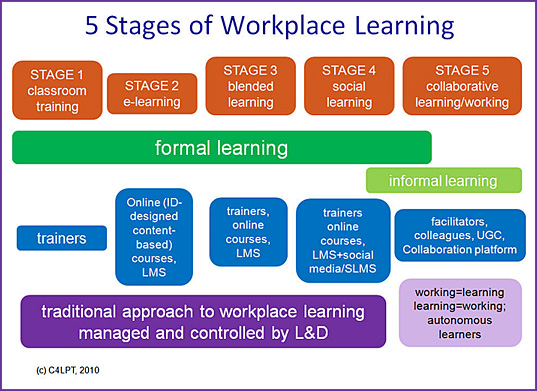
As I have read the comments on my recent postings as well as tweets and postings on other blogs,  I’ve identified what I think are 5 main stages of workplace learning.  I’ve tried to capture these,  in a very rough and ready way, in the diagram below.

5 Stages of Workplace Learning

But some of the key mindset changes that will move organisations into Stage 5 are:

  • recognising that working=learning; learning=working
  • understanding that informal learning needs to be enabled, supported and encouraged – but not designed or managed
  • “letting go”, so that there is a move from learner control to learner autonomy
  • realising that autonomous, independent and inter-dependent, self-directed learners are essential  in an agile organisation

More here…

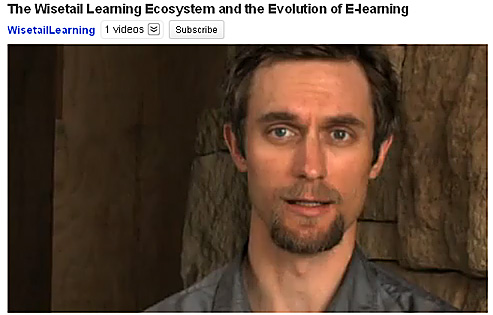
The Wisetail Learning Ecosystem

Justin Bigart, Founder + President
Wisetail / The social side of e-learning
www.wisetail.com / www.learningecosystems.com

From DSC:
While listening to Justin, several things that he said jumped out at me:

  • Learning is social
  • Audience engagement is critical
  • The definition of what is considered training content has to evolve and should be more conversational in nature; more of this material needs to be created by the people in your organization who are interacting with your clients
  • Your audience is changing

Also:

  • Use video-based content, built around storytelling
  • Use people within your organization that are the best at that act or who model that behavior or who are the ambassadors of the concept that you are trying to relay/implement
  • Make it raw, real, unscripted
  • Use socially-aware technologies and layer that with advocacy-based / video-based training
© 2025 | Daniel Christian