Specialists central to high-quality, engaging online programming [Christian]

DanielChristian-TheEvoLLLution-TeamsSpecialists-6-20-16


Specialists central to high-quality, engaging online programming — from EvoLLLution.com (where the LLL stands for lifelong learning) by Daniel Christian

Excerpts:

Creating high-quality online courses is getting increasingly complex—requiring an ever-growing set of skills. Faculty members can’t do it all, nor can instructional designers, nor can anyone else.  As time goes by, new entrants and alternatives to traditional institutions of higher education will likely continue to appear on the higher education landscape—the ability to compete will be key.

…

For example, will there be a need for the following team members in your not-too-distant future?

  • Human Computer Interaction (HCI) Specialists: those with knowledge of how to leverage Virtual Reality (VR), Augmented Reality (AR), and Mixed Reality (MR) in order to create fun and engaging learning experiences (while still meeting the learning objectives)
  • Data Scientists
  • Artificial Intelligence Integrators
  • Cognitive Computing Specialists
  • Intelligent Tutoring Developers
  • Learning Agent Developers
  • Algorithm Developers
  • Personalized Learning Specialists
  • Cloud-based Learner Profile Administrators
  • Transmedia Designers
  • Social Learning Experts


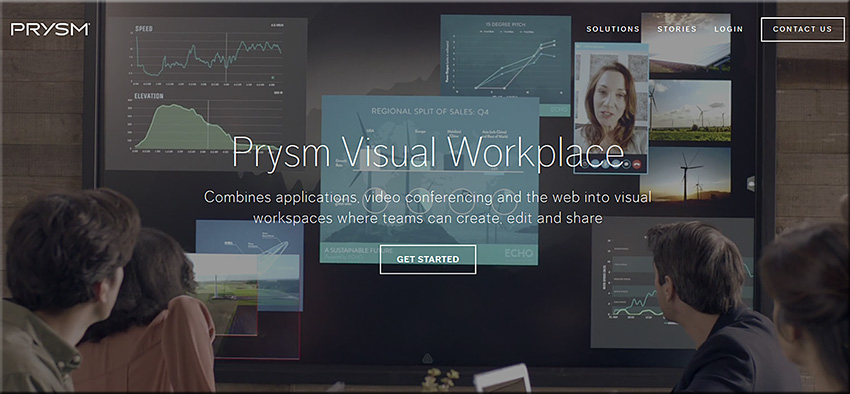
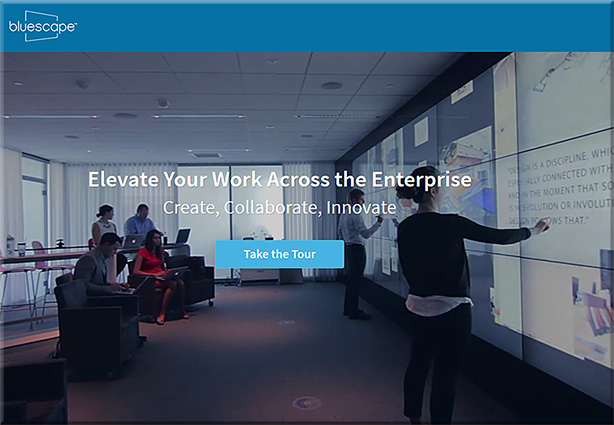
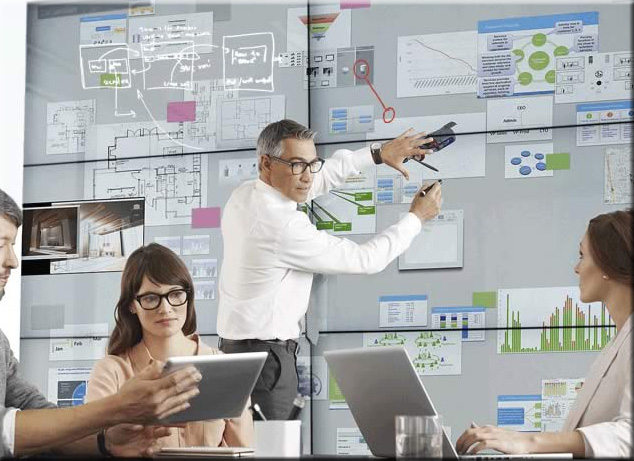
Will “class be in session” soon on tools like Prysm & Bluescape? If so, there will be some serious global interaction, collaboration, & participation here! [Christian]

From DSC:
Below are some questions and thoughts that are going through my mind:

  • Will “class be in session” soon on tools like Prysm & Bluescape?
  • Will this type of setup be the next platform that we’ll use to meet our need to be lifelong learners? That is, will what we know of today as Learning Management Systems (LMS) and Content Management Systems (CMS) morph into this type of setup?
  • Via platforms/operating systems like tvOS, will our connected TVs turn into much more collaborative devices, allowing us to contribute content with learners from all over the globe?
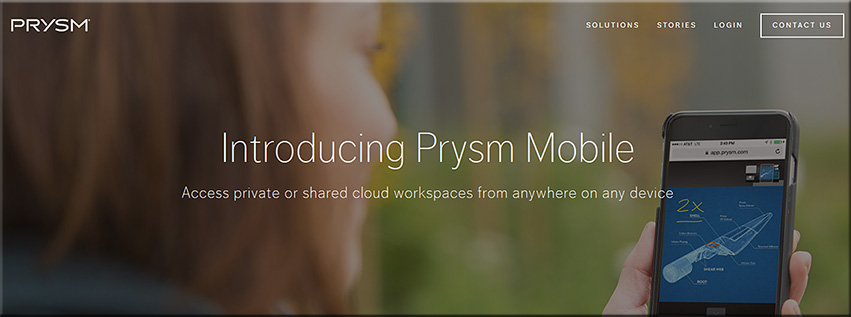
  • Prysm is already available on mobile devices and what we consider a television continues to morph
  • Will second and third screens be used in such setups? What functionality will be assigned to the main/larger screens? To the mobile devices?
  • Will colleges and universities innovate into such setups?  Or will organizations like LinkedIn.com/Lynda.com lead in this space? Or will it be a bit of both?
  • How will training, learning and development groups leverage these tools/technologies?
  • Are there some opportunities for homeschoolers here?

Along these lines, are are some videos/images/links for you:


PrysmVisualWorkspace-June2016


PrysmVisualWorkspace2-June2016


BlueScape-2016


BlueScape-2015


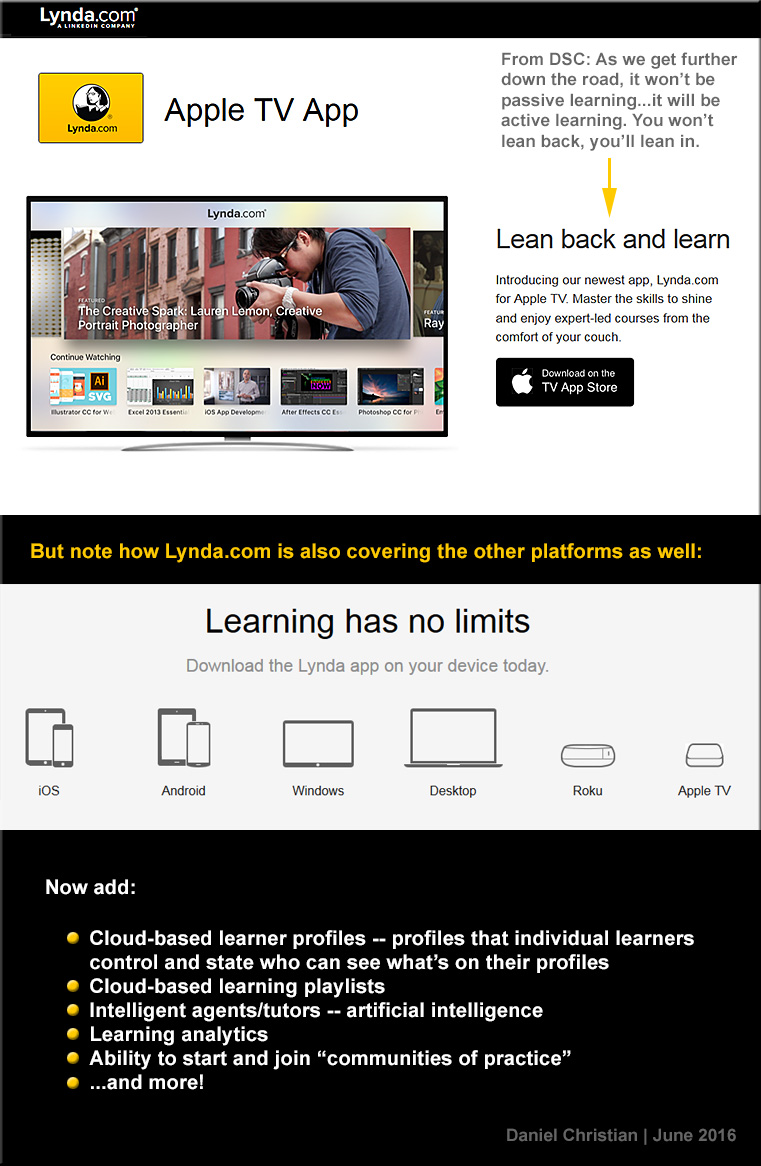
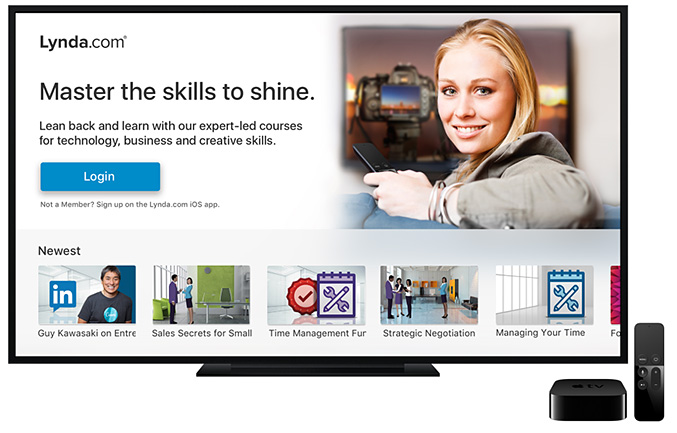
DSC-LyndaDotComOnAppleTV-June2016


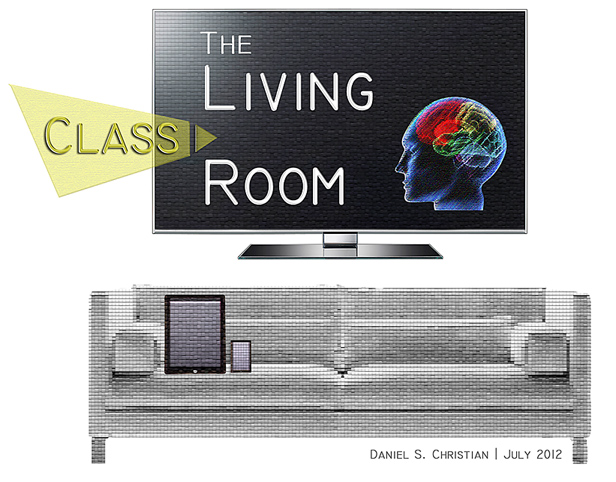
The Living [Class] Room -- by Daniel Christian -- July 2012 -- a second device used in conjunction with a Smart/Connected TV


Also see:

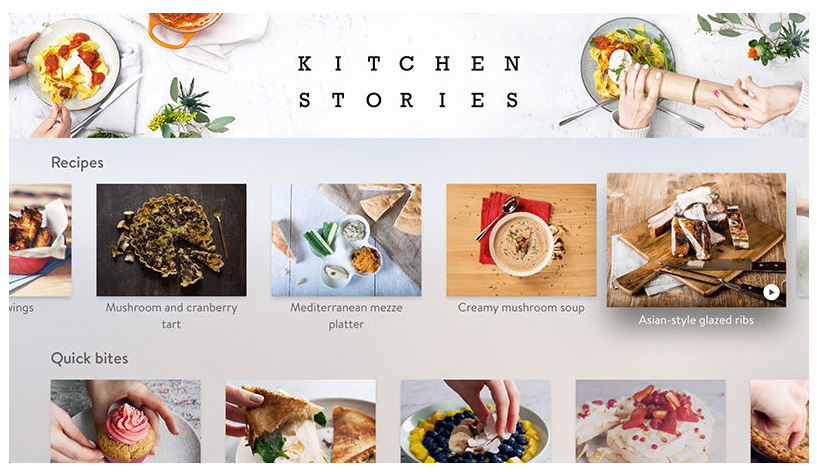
kitchenstories-AppleTV-May2016


Also see:


Prysm Adds Enterprise-Wide Collaboration with Microsoft Applications — from ravepubs.com by Gary Kayye

Excerpt:

To enhance the Prysm Visual Workplace, Prysm today announced an integration with Microsoft OneDrive for Business and Office 365. Using the OneDrive for Business API from Microsoft, Prysm has made it easy for customers to connect Prysm to their existing OneDrive for Business environments to make it a seamless experience for end users to access, search for, and sync with content from OneDrive for Business. Within a Prysm Visual Workplace project, users may now access, work within and download content from Office 365 using Prysm’s built-in web capabilities.


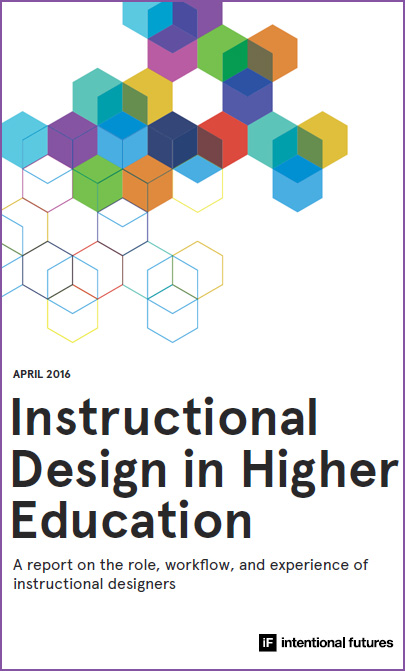
IDinHE-April2016


Excerpts:

  • Instructional designers number at least 13,000 in the U.S alone.
  • They are highly and diversely qualified.
  • Contrary to popular belief, they do more than just design instruction.
  • Above all, they struggle to collaborate with faculty.
  • One thing is certain: instructional designers are dedicated to improving learning with technology.


Also see:

Survey: Instructional Designers ‘pivotal’ in tech adoption — from campustechnology.com by Dian Schaffhauser; with thanks to eduwire for the resource/comments on this item

Excerpt:

The results of the survey are based on responses from 780 people who work in a higher education institution in the area of instructional design, instructional technology, course design or a related field. Eighty-three percent are in the United States. Based on its results, the company estimated that about 13,000 instructional designers currently work in U.S. higher education.

Why instructional designers? As the report’s authors stated, these people “have positioned themselves as pivotal players in the design and delivery of learning experiences,” bridging the gap “between faculty instruction and student online learning.” Ultimately, the report explained, the work undertaken by instructional designers has a big impact on student success.

The typical instructional designer is female (67 percent), aged 45 and highly educated (87 percent having earned at least a master’s degree).


Why can’t the “One Day University” come directly into your living room — 24×7? [Christian]

  • An idea/question from DSC:
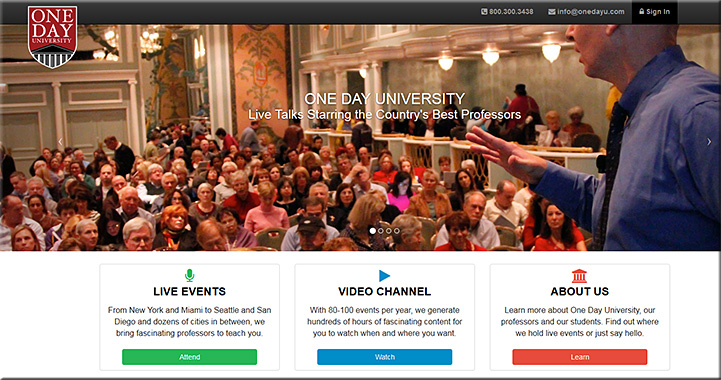
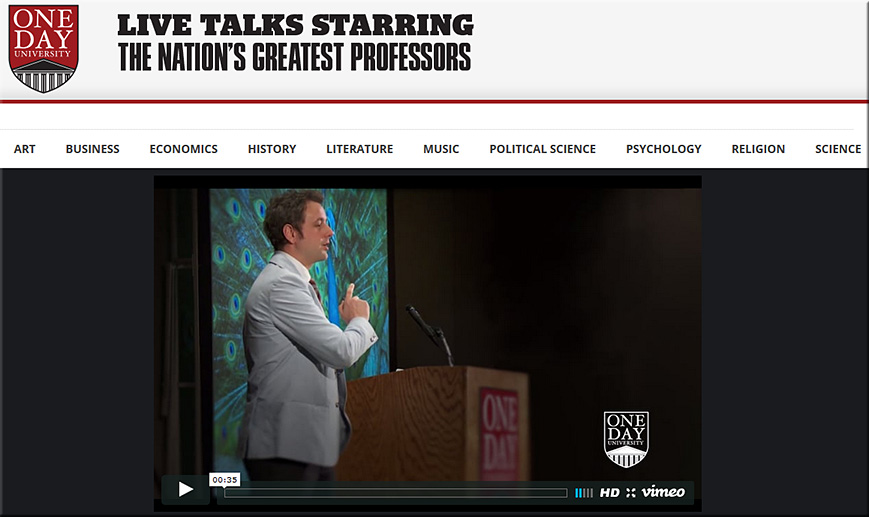
    Looking at the article below, I wonder…“Why can’t the ‘One Day University‘ come directly into your living room — 24×7?”


The Living [Class] Room -- by Daniel Christian -- July 2012 -- a second device used in conjunction with a Smart/Connected TV


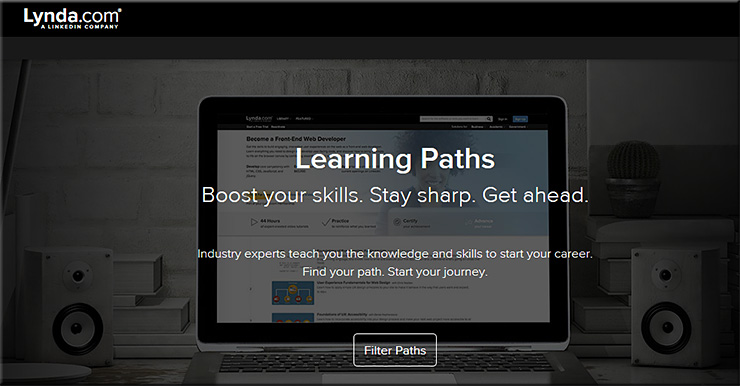
This is why I’m so excited about the “The Living [Class] Room” vision. Because it is through that vision that people of all ages — and from all over the world — will be able to constantly learn, grow, and reinvent themselves (if need be) throughout their lifetimes. They’ll be able to access and share content, communicate and discuss/debate with one another, form communities of practice, go through digital learning playlists (like Lynda.com’s Learning Paths) and more.  All from devices that represent the convergence of the television, the telephone, and the computer (and likely converging with the types of devices that are only now coming into view, such as Microsoft’s Hololens).


LearningPaths-LyndaDotCom-April2016


You won’t just be limited to going back to college for a day — you’ll be able to do that 24×7 for as many days of the year as you want to.

Then when some sophisticated technologies are integrated into this type of platform — such as artificial intelligence, cloud-based learner profiles, algorithms, and the ability to setup exchanges for learning materials — we’ll get some things that will blow our minds in the not too distant future! Heutagogy on steroids!


Want to go back to college? You can, for a day. — from washingtonpost.com by Valerie Strauss

Excerpt:

Have you ever thought about how nice it would be if you could go back to college, just for the sake of learning something new, in a field you don’t know much about, with no tests, homework or studying to worry about? And you won’t need to take the SAT or the ACT to be accepted? You can, at least for a day, with something called One Day University, the brainchild of a man named Steve Schragis, who about a decade ago brought his daughter to Bard College as a freshman and thought that he wanted to stay.

One Day University now financially partners with dozens of newspapers — including The Washington Post — and a few other organizations to bring lectures to people around the country. The vast majority of the attendees are over the age 50 and interested in continuing education, and One Day University offers them only those professors identified by college students as fascinating. As Schragis says, it doesn’t matter if you are famous; you have to be a great teacher. For example, Schragis says that since Bill Gates has never shown to be one, he can’t teach at One Day University.

…

We bring together these professors, usually four at at a time, to cities across the country to create “The Perfect Day of College.” Of course we leave out the homework, exams, and studying! Best if there’s real variety, both male and female profs, four different schools, four different subjects, four different styles, etc. There’s no one single way to be a great professor. We like to show multiple ways to our students.

Most popular classes are history, psychology, music, politics, and film. Least favorite are math and science.


See also:


OneDayUniversity-1-April2016


OneDayUniversity-2-April2016


Addendum:


lyndaDotcom-onAppleTV-April2016


We know the shelf-life of skills are getting shorter and shorter. So whether it’s to brush up on new skills or it’s to stay on top of evolving ones, Lynda.com can help you stay ahead of the latest technologies.


From DSC:
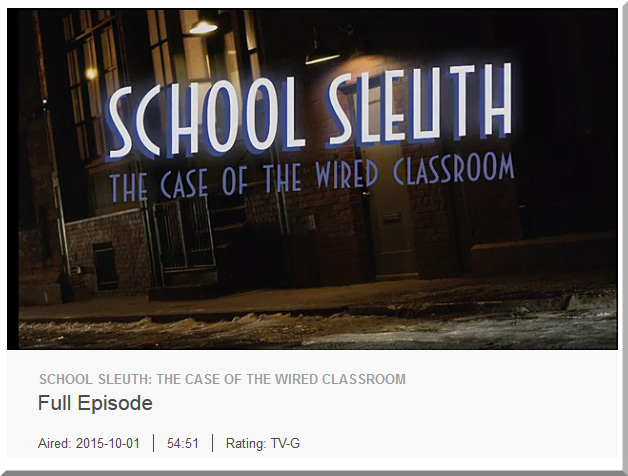
If you can clear up just short of an hour of your time, this piece from PBS entitled, “School Sleuth: The Case of the Wired Classroom” is very well done and worth your time.  It’s creative and objective; it offers us some solid research, some stories, and some examples of the positives and negatives of technology in the classroom. It weaves different modes of learning into the discussion — including blended learning, online learning, personalized learning and more. Though it aired back in October of 2015, I just found out about it.

Check it out if you can!


SchoolSleuth-WiredClassroom-Oct2015


Also see:

  • Schools push personalized learning to new heights — from edweek.org
    Excerpt:
    For most schools, reaching the next level of digitally driven, personalized learning is far from reality. Still, some schools are extending their digital reach in significant and sometimes groundbreaking ways, as the stories in this special report illustrate. They are making moves to integrate a variety of technologies to track how students learn and to use the resulting data to expand the use of hands-on, project-based learning. The goal is to build never-ending feedback loops that ultimately inform the development of curriculum and assessment. Plus, big data and analytics are gradually making their marks in K-12 education. This special report outlines the progress schools are making to use digital tools to personalize learning, but also raises the question: Are they reaching far enough?
    .
  • A Pedagogical Model for the use of iPads for Learning — from higheru.org


pedagogicalmodeliPads-dec2015


Flipping Feedback: Screencasting feedback on student essays — from facultyfocus.com by Ron Martinez

Excerpt (emphasis):

But, I thought, what if students could actually watch and hear me in a video as I go over their papers? If possible (which it is), that would approximate the kind of feedback experience I aimed to offer students without constraining it to a particular time or location.

Screencasting (recording and narrating actions performed by the instructor on a computer screen) did that and much more for me and my students. Below I describe the process and the resulting benefits.


From DSC:
Though Ron mentioned that he selected Screencast-O-Matic on his PC (and he also mentioned Quicktime), I wanted to offer up a couple of other possibilities:


Will Lynda.com/LinkedIn.com pursue this powerful vision with an organization like IBM? If so, look out!

From DSC:
Back in July of 2012, I put forth a vision that I called Learning from the Living [Class]Room. 


The Living [Class] Room -- by Daniel Christian -- July 2012 -- a second device used in conjunction with a Smart/Connected TV

It’s a vision that involves a multitude of technologies — technologies and trends that we continue to see being developed and ones that could easily converge in the not-too-distant future to offer us some powerful opportunities for lifelong learning! 

Consider that in won’t be very long before a learner will be able to reinvent himself/herself throughout their lifetime, for a very affordable price — while taking ala carte courses from some of the best professors, trainers, leaders, and experts throughout the world, all from the comfort of their living room. (Not to mention tapping into streams of content that will be available on such platforms.)

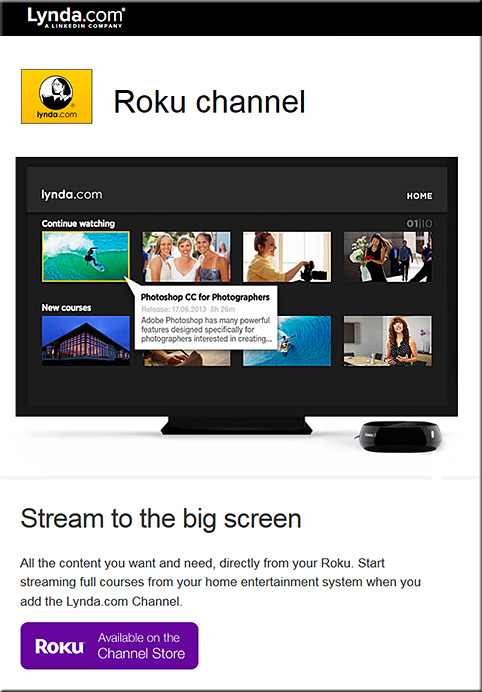
So when I noticed that Lynda.com now has a Roku channel for the big screen, it got my attention.


lyndadotcom-roku-channel-dec2015


Lets add a few more pieces to the puzzle, given that some other relevant trends are developing quite nicely:

  • tvOS-based apps are now possible — and already there are over 2600 of them and it’s only been a month or so since Apple made this new platform available to the masses
  • Now, let’s add the ability to take courses online via a virtual reality interface — globally, at any time; VR is poised to have some big years in 2016 and 2017!
  • Lynda.com and LinkedIn.com’s fairly recent merger and their developing capabilities to offer micro-credentials, badges, and competency-based education (CBE) — while keeping track of the courses that a learner has taken
  • The need for lifelong learning is now a requirement, as we need to continually reinvent ourselves — especially given the increasing pace of change and as complete industries are impacted (broadsided), almost overnight
  • Big data, algorithms, and artificial intelligence (AI) continue to pick up steam; for example, consider the cognitive computing capabilities being developed in IBM’s Watson — which should be able to deliver personalized digital playlists and likely some level of intelligent tutoring as well
  • Courses could be offered at a fraction of the cost, as MOOC-sized classes could distribute the costs over a greater # of people and back end systems could help grade/assess the students’ work; plus the corporate world continues to use MOOCs to cost-effectively train their employees across the globe (MOOCs would thrive on such a tvOS-based platform, whereby students could watch lectures, demonstrations, and simulations on the big screen and then communicate with each other via their second screens*)
  • As the trends of machine-to-machine communications (M2M) and the Internet of Things (IoT) pick up, relevant courses/modules will likely be instantly presented to people to learn about a particular topic or task.  For example, I purchased a crib and I want to know how to put it together. The chip in the crib communicates to my Smart TV or to my augmented reality glasses/headset, and then a system loads up some multimedia-based training/instructions on how to put it together.
  • Streams of content continue to be developed and offered — via blogs, via channels like Periscope and Meerkat, via social media-based channels, and via other channels — and these streams of multimedia-based content should prove to be highly useful to individual learners as well as for communities of practice

Anyway, these next few years will be packed with change — the pace of which will likely take us by surprise. We need to keep our eyes upward and outward — peering into the horizons rather than looking downwards — doing so should reduce the chance of us getting broadsided!

*It’s also possible that AR and VR will create
a future whereby we only need 1 “screen”


The pace has changed significantly and quickly


Addendum:
After I wrote/published the item above…it was interesting to then see the item below:

IBM opens Watson IoT Global Headquarters, extends power of cognitive computing to a connected world — from finance.yahoo.com
1000 Munich-based experts to drive IoT and industry 4.0 innovation
Launches eight new IoT client experience centers worldwide
Introduces Watson API Services for IoT on the IBM Cloud

Excerpt:

MUNICH, Dec. 15, 2015 /PRNewswire/ — IBM (NYSE: IBM) today announced the opening of its global headquarters for Watson Internet of Things (IoT), launching a series of new offerings, capabilities and ecosystem partners designed to extend the power of cognitive computing to the billions of connected devices, sensors and systems that comprise the IoT.  These new offerings will be available through the IBM Watson IoT Cloud, the company’s global platform for IoT business and developers.


7 trends that will revolutionize online learning — from ecampusnews.com by Andrew Barbour
A look at new tools and new opportunities to create an instructional experience that is not only different, but better, taking online learning in mainstream higher ed to the next level.

Excerpt:

eCampus News looks at seven trends that have the potential to remake the world of online learning.

  1. Blended Learning Is the Sweet Spot
  2. Video Is King
  3. Interactivity, Not Talking Heads
  4. Mobile Is a Must
  5. Identity Verification and Cheating
  6. Auto-grading
  7. Open, Intuitive Platforms


From DSC:
I appreciated their thoughts re: adding interactivity to videos.  A team-based approach may be helpful here.


HBX Intros HBX Live Virtual Classroom — from campustechnology.com by Rhea Kelly

Excerpt:

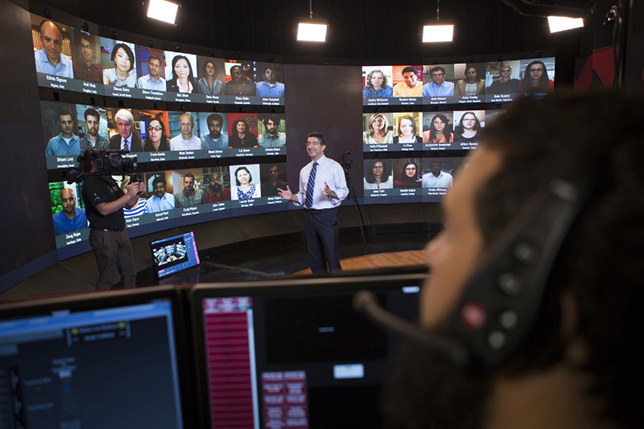
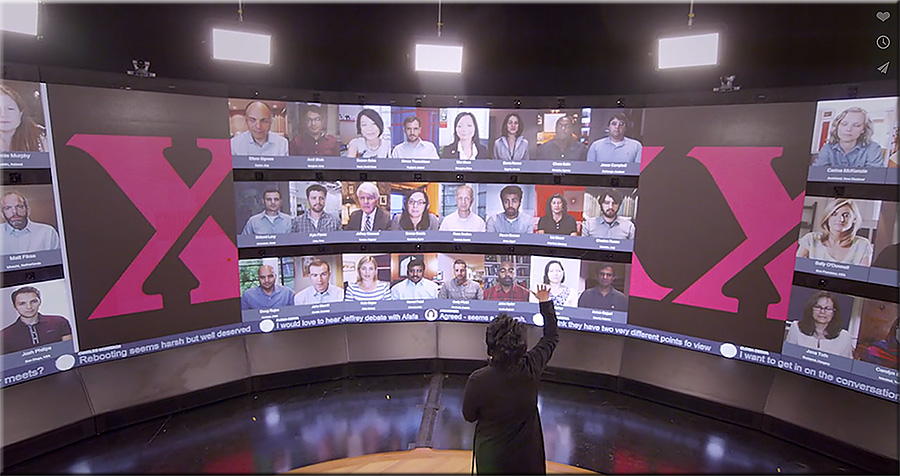
Harvard Business School‘s HBX digital learning initiative today launched a virtual classroom designed to reproduce the intimacy and synchronous interaction of the case method in a digital environment. With HBX Live, students from around the world can log in concurrently to participate in an interactive discussion in real time, guided by an HBS professor.

Built to mimic the amphitheater-style seating of an HBS classroom, the HBX Live Studio features a high-resolution video wall that can display up to 60 participants. Additional students can audit sessions via an observer model. An array of stationary and roaming cameras capture the action, allowing viewers to see both the professor and fellow students.


HBX Live

HBX Live’s virtual amphitheater
(PRNewsFoto/Harvard Business School)


Also see HBX Live in Action. 

I think that this type of setup could also be integrated with a face-to-face classroom as well (given the right facilities). The HBX Live concept fits right into a piece of my vision entitled, “Learning from the Living [Class] Room.”

Several words/phrases comes to mind:

  • Convenience. I don’t have to travel to another city, state, country. That type of convenience and flexibility is the basis of why many learners take online-based courses in the first place.
  • Global — learning from people of different cultures, races, backgrounds, life experiences.
  • The opportunities are there to increase one‘s cultural awareness.
  • HBX Live is innovative; in fact, Harvard is upping it’s innovation game yet again — showing a firm grasp/display of understanding that they realize that the landscape of higher education is changing and that institutions of traditional higher education need to adapt.
  • Harvard is willing to experiment and to identify new ways to leverage technologies — taking advantage of the affordances that various technologies offer.

BTW, note how the use of teams is a requirement here.


HBXLive-8-26-2015


Also see:

Harvard Business School really has created the classroom of the future — from fortune.com by  John A. Byrne

Excerpt:

Anand, meantime, faces the images of 60 students portrayed on a curved screen in front of him, a high-resolution video wall composed of more than 6.2 million pixels that mimics the amphitheater-style seating of a class HBS tiered classroom


Every learner is different but not because of their learning styles — from clive-shepherd.blogspot.com by Clive Sheperd

Excerpt:

I’ve been reading Make it Stick: The Science of Successful Learning by Peter Brown and Henry Roediger (Harvard University Press, 2014). What a great book! It provides a whole load of useful tips for learners, teachers and trainers based on solid research.
…
Finishing this book coincides with The Debunker Club’s Debunk Learning Styles Month. And learning styles really do need debunking, not because we, as learners, don’t have preferences, but because there is no model out there which has been proven to be genuinely helpful in predicting learner performance based on their preferences.


Learning Styles are NOT an Effective Guide for Learning Design — from debunker.club

Excerpt:

Strength of Evidence Against
The strength of evidence against the use of learning styles is very strong. To put it simply, using learning styles to design or deploy learning is not likely to lead to improved learning effectiveness. While it may be true that learners have different learning preferences, those preference are not likely to be a good guide for learning. The bottom line is that when we design learning, there are far better heuristics to use than learning styles.
…
The weight of evidence at this time suggests that learning professionals should avoid using learning styles as a way to design their learning events. Still, research has not put the last nail in the coffin of learning styles. Future research may reveal specific instances where learning-style methods work. Similarly, learning preferences may be found to have long-term motivational effects.

…

Debunking Resources — Text-Based Web Pages


Learning Styles Or Learning Preference? — from learndash.com by Justin Ferriman

Excerpts (emphasis DSC):

There are fewer buzzwords in the elearning industry that result in a greater division than “learning style”. I know from experience. There have been posts on this site related to the topic which resulted in a few passionate comments (such as this one).
…
As such, my intent isn’t to discuss learning styles. Everyone has their mind made up already. It’s time to move the discussion along.

Learner Preference & Motivation
If we bring the conversation “up” a level, we all ultimately agree that every learner has preferences and motivation. No need to cite studies for this concept, just think about yourself for a moment.

You enjoy certain things because you prefer them over others.

You do certain things because you are motivated to do so.

In the same respect, people prefer to learn information in a particular way. They also find some methods of learning more motivating than others. Whether you attribute this to learning styles or not is completely up to you.


How to respond to learning-style believers – from Cathy Moore

Excerpt:

First, the research
These resources link to or summarize research that debunks learning styles:


Are Learning Styles Going out of Style? — from mindtools.com by Bruce Murray

Excerpt (emphasis DSC):

Their first conclusion was that learners do indeed differ from one another. For example, some learners may have more ability, more interest, or more background than their classmates. Second, students do express preferences for how they like information to be presented to them… Third, after a careful analysis of the literature, the researchers found no evidence showing that people do in fact learn better when an instructor tailors their teaching style to mesh with their preferred learning style.

The idea of matching lessons to learning styles may be a fashionable trend that will go out of style itself. In the meantime, what are teachers and trainers to do? My advice is to leave the arguments to the academics. Here are some common-sense guidelines in planning a session of learning.

Follow your instincts. If you’re teaching music or speech, for example, wouldn’t auditory-based lessons make the most sense? You wouldn’t teach geography with lengthy descriptions of a coastline’s contours when simply showing a map would capture the essence in a heartbeat, right?

Since people clearly express learning style preferences, why not train them in their preferred style? If you give them what they want, they’ll be much more likely to stay engaged and expand their learning.


Do Visual, Auditory, and Kinesthetic Learners Need Visual, Auditory, and Kinesthetic Instruction? — from aft.org by Daniel T. Willingham

Excerpt (emphasis DSC):

Question: What does cognitive science tell us about the existence of visual, auditory, and kinesthetic learners and the best way to teach them?

The idea that people may differ in their ability to learn new material depending on its modality—that is, whether the child hears it, sees it, or touches it—has been tested for over 100 years. And the idea that these differences might prove useful in the classroom has been around for at least 40 years.

What cognitive science has taught us is that children do differ in their abilities with different modalities, but teaching the child in his best modality doesn‘t affect his educational achievement. What does matter is whether the child is taught in the content‘s best modality. All students learn more when content drives the choice of modality. In this column, I will describe some of the research on matching modality strength to the modality of instruction. I will also address why the idea of tailoring instruction to a student‘s best modality is so enduring—despite substantial evidence that it is wrong.


From DSC:
Given the controversies over the phrase “learning styles,” I like to use the phrase “learning preferences” instead.  Along these lines, I think our goal as teachers, trainers, professors, SME’s should be to make learning enjoyable — give people more choice and more control. Present content in as many different formats as possible.  Give them multiple pathways to meet the learning goals and objectives.  If we do that, learning can be more enjoyable and the engagement/motivation levels should rise — resulting in enormous returns on investment over learners’ lifetimes.


Addendum on 6/17/15:


Addendum on 7/14/15:


From DSC:
In watching the video below, note how this presenter is able to initiate cameras/feeds/effects with a touch of a button (so to speak). What if recording studios could be setup for professors, teachers, and trainers to use like this?  It could be sharp — especially given the movement towards flipping the classroom and implementing active learning based environments.


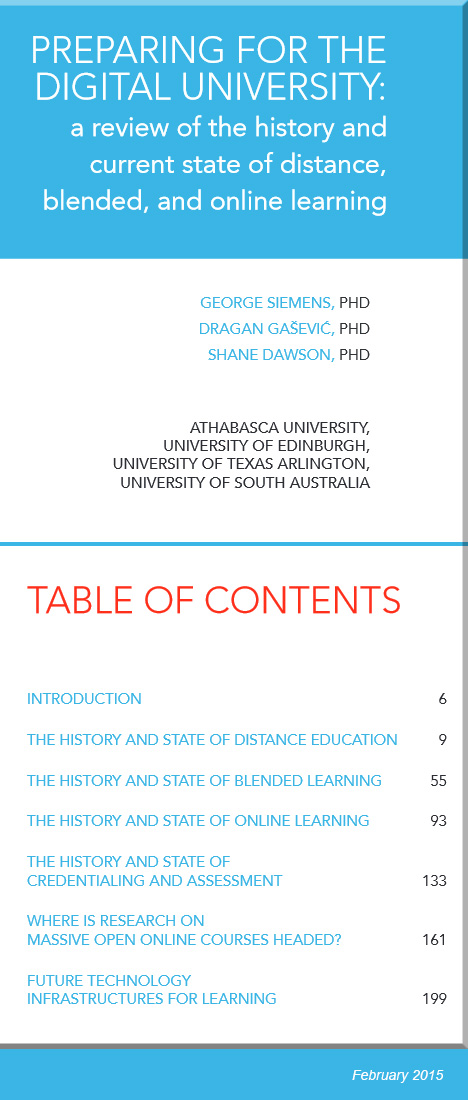
Preparing for the Digital University: A review of the history & current state of distance, blended, & online learning - Siemens, Gasevic, Dawson


 Excerpt:

It is our intent that these reports will serve to introduce academics, administrators, and students to the rich history of technology in education with a particular emphasis of the importance of the human factors: social interaction, well-designed learning experiences, participatory pedagogy, supportive teaching presence, and effective techniques for using technology to support learning.

The world is digitizing and higher education is not immune to this transition. The trend is well underway and seems to be accelerating as top universities create departments and senior leadership positions to explore processes of innovation within the academy. It is our somewhat axiomatic assessment that in order to understand how we should design and develop learning for the future, we need to first take a look at what we already know. Any scientific enterprise that runs forward on only new technology, ignoring the landscape of existing knowledge, will be sub-optimal and likely fail. To build a strong future of digital learning in the academy, we must first take stock of what we know and what has been well researched.

During the process of completing this report, it became clear to us that a society or academic organization is required to facilitate the advancement and adoption of digital learning research. Important areas in need of exploration include faculty development, organizational change, innovative practices and new institutional models, effectiveness of teaching and learning activities, the student experience, increasing success for all students, and state and provincial policies, strategies, and funding models. To address this need, we invite interested academics, administrators, government and industry to contact us to discuss the formation of an organization to advocate for a collaborative and research informed approach to digital learning.

February 2015
George Siemens
Dragan Gasevic
Shane Dawson


From DSC:
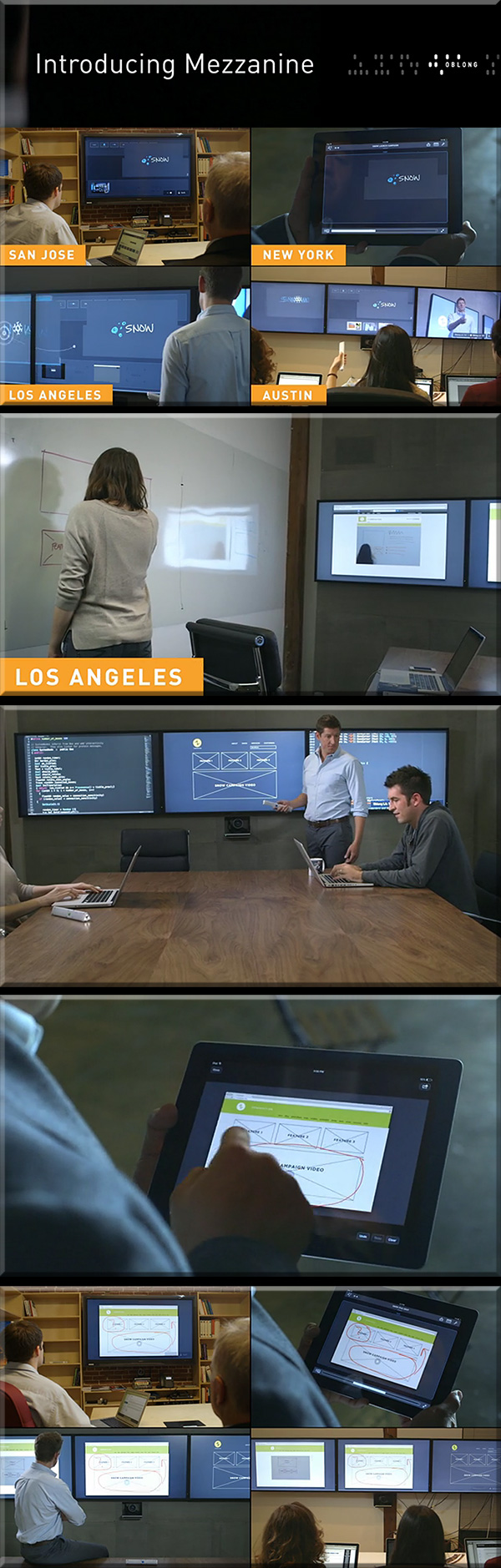
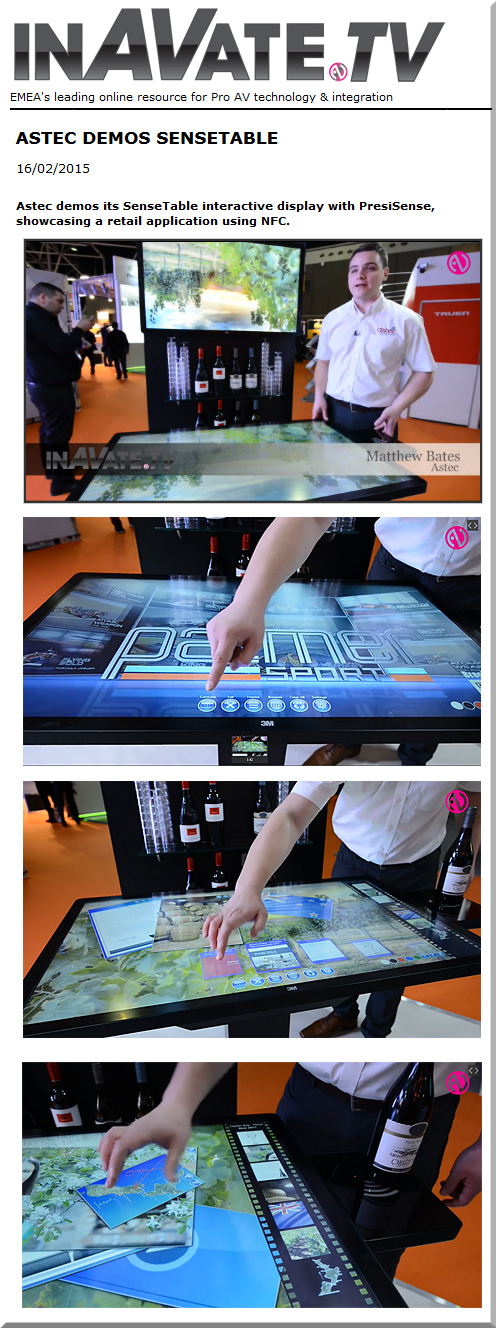
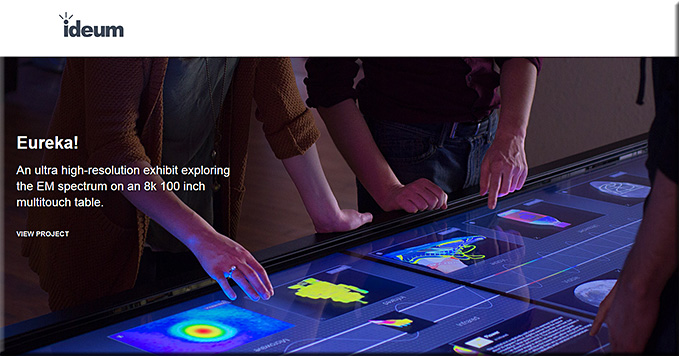
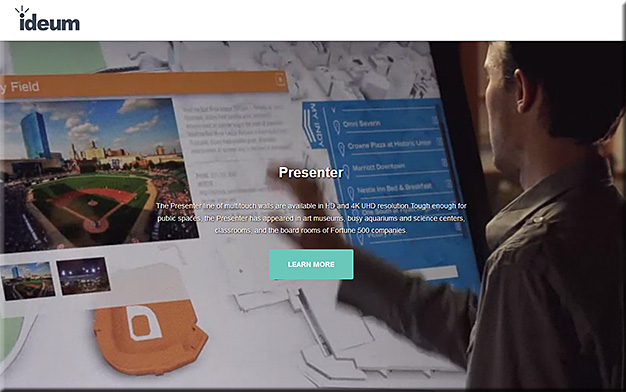
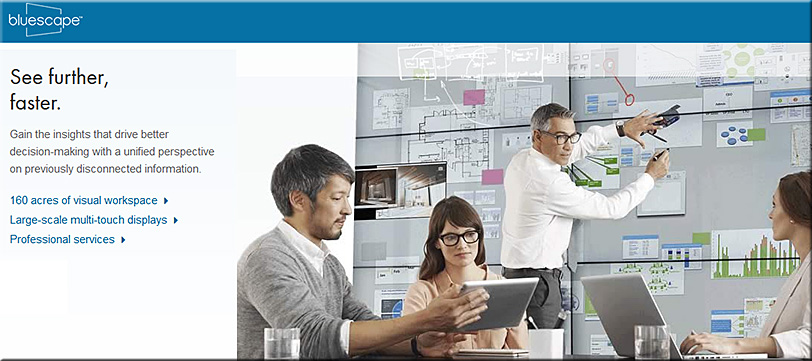
Check out some of the functionality in these solutions. Then imagine if these solutions were in the size of an entire wall in a classroom or in a corporate L&D facility. Whew!

  • Some serious opportunities for collaboration would arise for remote learners –as well as those located in the face-to-face setting
  • What new affordances would be present for those teaching in K-12, higher ed, or trainers working within the training/learning and development fields? Conversations/discussions would be recorded — to be picked up at the next session. In the meantime, learners could review the discussions at their own pace.
  • What if all of this were possible in your future Smart/Connected TV?
  • I’m also talking here about a vendor that could offer solutions that K-12 systems and institutions of higher ed could afford; some of the solutions below have much of what I’m envisioning here, but are out of the price range. Or the product is multitouch and fairly large, but it doesn’t offer the collaborative features of some of the other products here.


mezzanine-feb-2015


Feb2015-AstecSenseTable-InteractiveDisplay


ideum-feb2015


ideumPresenter-feb2015

Ideum’s touch walls come close to what I’m talking about in this posting. If they could add some functionality for seeing/bringing in/collaborating with remote learners — as found in Mezzanine — then that would be great!

Also see:


Also see bluescape — but these excellent, innovative solutions are out of the price range for most K-12 and higher ed institutions:


bluescape-1-feb-2015


Is this the online learning model of the future? — from ecampusnews.com by Rony Zarom
Flex class options are seeing spikes in enrollment among Gen C students; here’s how to get started.

Excerpt:

“Flex-classes,” a preferred learning style among Gen Cs that offers “flex-attendance“ options to join classes “in-person” or “online” throughout the duration of a course, allowing students to more efficiently, and affordably, learn anytime, anywhere.

In fact, if the current enrollment growth rate continues, nearly half of all college students will be enrolled in a flexible online learning course by 2020.

Based on a cross-generational commonality to stay digitally connected and plugged into mobile devices, these two generations expect more accessible, technology-forward learning environments that give them the flexibility, mobility and freedom to learn when and where they want.

…

One of the biggest weather deterrents that disrupts student attendance and educators’ lesson plans is snow days, and thanks to virtual flex-class options, snow day disruptions may be coming to an end for good.

Schools around the country have been implementing flex-classes to allow students the option to join classes online on days they can’t make it to school, instead of making up the lost days at another time and often dipping deep into summer vacations. Students can tune in to their classrooms via mobile device or tablet to complete their learning initiatives for the day. The snow day approach is a realistic option for institutions looking to test the effectiveness of flex-class implementation.


From DSC:
This is an interesting approach.  What I like about it is that it provides more choice and more control for the student.

What I wonder about is how would this type of learning environment impact the pedagogies that a professor would need to employ…? Or are we not that far along here yet? That is, how does one simultaneously offer a productive online learning experience as well as an effective face-to-face learning experience?

Also, on a slight tangent here from this model…
I’ve been wondering about whether remote students could effectively/simultaneously come into a face-to-face classroom setting — and I think the answer is yes.  As with the corporate world, teams are scattered throughout a nation or from various places throughout the globe — and yet work gets done. Projects get done. Collaboration happens. Learning happens.

Some institutions, including the college where I work at, are experimenting with using telepresence robots to bring in those remote students. The version 2.0’s and above of these robots may be an option.  However, I’m wondering if a better option might be available if a vendor could morph something like Cisco’s StadiumVision into an educational setting…? That is, provide 3-4 camera angles/perspectives per classroom and let the remote learners switch between viewing angles on their end of things…? Such as setup would be very interesting to experiment with.

Also, in regards to learning spaces, should one wall be dedicated to bringing in remote students? That is, one of the walls could display who all is coming into a classroom remotely so that they could be a part of the discussions and so that the F2F students could see and interact w/ those remote students.

Finally, might these ideas dovetail into the idea of providing learning hubs — where Subject Matter Experts (SMEs) could be synchronously or asynchronously presenting information (in a digital/virtual manner) and leading a discussion for those who are seated and learning together in a physical setting? 


© 2025 | Daniel Christian