From DSC:
Wow!

The two apps listed below could represent a new, major, door-opening concept! Such a concept could usher in an era that provides many new affordances — affordances made possible by the presence of beacon-related technologies (or similar machine-to-machine communications).  If this is/becomes the case, we should expect to see a whole new wave of this kind of application, especially as wearables gain traction.


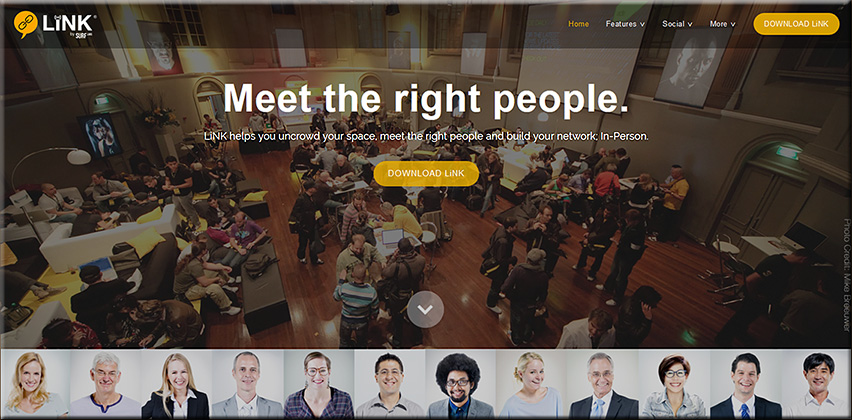
This startup is using iBeacon to make In Real Life (IRL) networking more efficient — from technical.ly by Brady Dale
A pair of Amazon and Fab.com alums are working on a new way to answer the age-old question:

“Who should I meet here and are they relevant to my background?”


MeetTheRightPeopleViaLINK-March2015

Excerpt:

We’ve all been frustrated by the notion of networking. You walk into a meetup full of people you don’t know, but you do know something about them. Say, for example, it’s a meetup of developers. You know that lots of people there are devs, but what kind? And just because it’s an Android devs meetup, for example, that doesn’t mean that’s what they all actually do. It also doesn’t mean that there aren’t a bunch of other people circulating who are simply trying to network but aren’t actually developers.

The best you can do is start walking up to people and asking — but often your pick is a miss. If you have an objective when you go networking, how can you improve your chances of finding the people you want to find? One startup that’s working on a solution is Surf Labs. The new, two-person company, cofounded by Amazon and Fab.com alums, has released two iOS products that could make it more likely that you will find the person you are looking for.


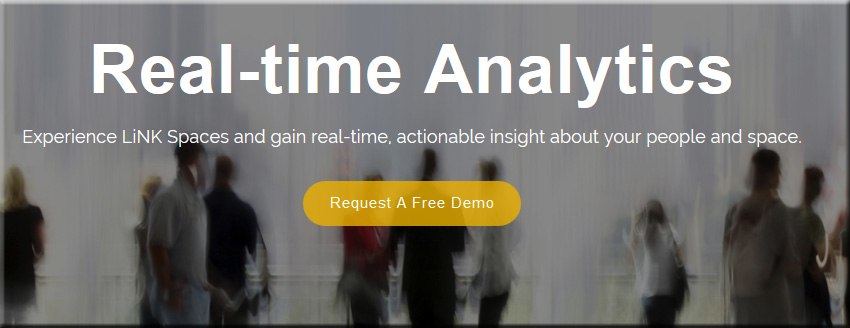
Surf Labs’ first product is called LiNK…and their second product is called LiNK Spaces.


LINKSpaces-March2015


MCxLiNK Spaces - Mockup 1
A rendering of how a LiNK Spaces dashboard could work in a coworking space.
(Image courtesy of Surf Labs)


Addendum on 3/16/15:


Beacons-at-2015-SXSW


Adaptivity Tops Gartner’s Strategic Tech List for Ed — from campustechnology.com by Dian Schaffhauser

Excerpt:

Even as education spending is projected to inch up two percent this year to reach $67.8 billion worldwide, the way in which school districts, colleges and universities are spending that money is evolving to reflect the growing digital nature of teaching and learning, according to Gartner. In a new report, “Top 10 Strategic Technologies Impacting Education in 2015,” the business IT consulting firm ranked 10 innovations and tech trends that it believes the education CIO should plan for in 2015.

Many of the technologies aren’t emerging from within education itself, said Gartner Vice President Jan-Martin Lowendahl. They’re being “driven by major forces such as digital business and the consumerization and industrialization of IT.”

…

1. Adaptive Learning
2. Adaptive Digital Textbooks
3. CRM
4. Big Data
5. and 6. Sourcing Strategies and ‘Exostructure’
7. Open ‘Microcredentials’
8. Digital Assessment
9. Mobile
10. Social Learning


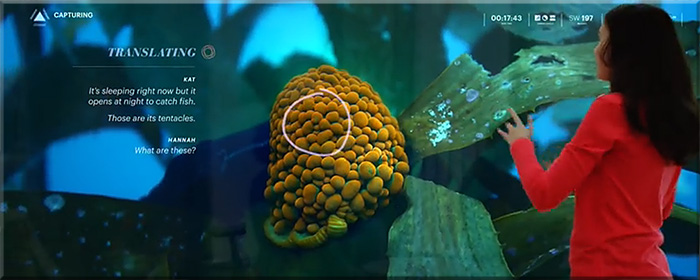
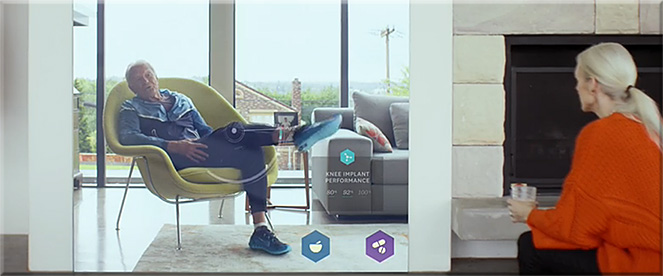
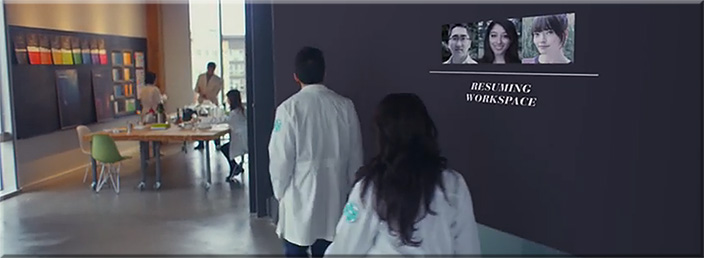
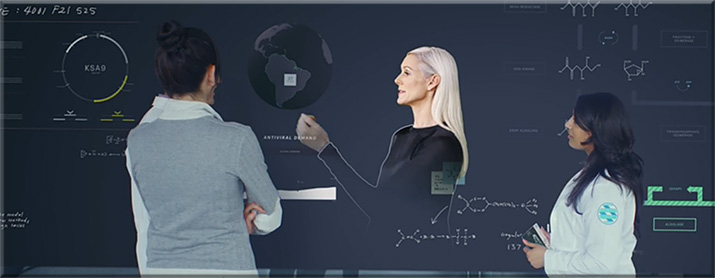
MicrosoftProductivityVision2015


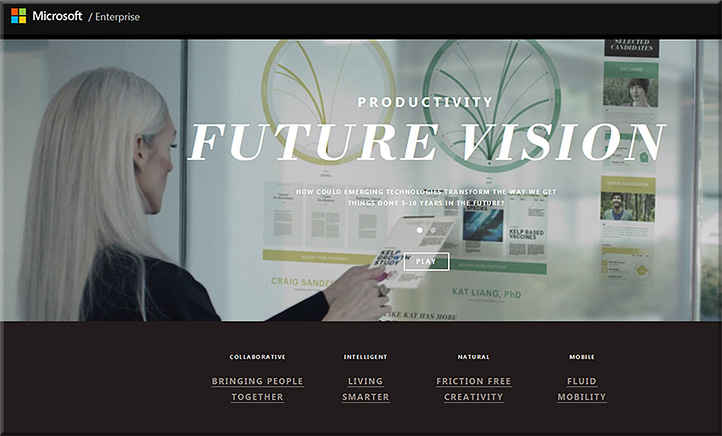
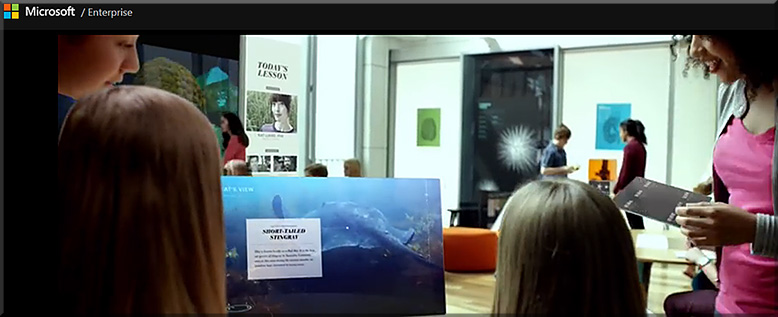
Example snapshots from
Microsoft’s Productivity Future Vision


MicrosoftProductivityVision2-2015


MicrosoftProductivityVision3-2015


MicrosoftProductivityVision5-2015


MicrosoftProductivityVision6-2015


MicrosoftProductivityVision7-2015


MicrosoftProductivityVision8-2015


MicrosoftProductivityVision4-2015


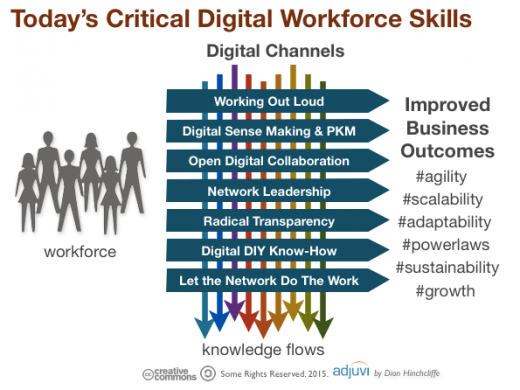
digital workforce skills — from jarche.com by Harold Jarche

Excerpt:

Behaviour change comes through small, but consistent, changes in practice. So how do we move from responsibility, to creativity, and potentially to innovation? Play, explore, and converse. But first we need to build a space to practice. This is where management plays a key role: providing the space to ‘Do it Yourself’.


todays_digital_workforce_skills2


Our employer-employee marriages need counseling — from forbes.com by Dov Seidman

Excerpt (emphasis DSC):

Our Big Asks of employees have become so pervasive that they’re transforming into competencies. A report by Palo Alto-based non-profit research firm Institute for the Future identifies 10 increasingly important work skills. These include talents like: The ability to critically assess and develop content that uses new media forms, and to leverage these media for persuasive communication; cross-cultural competency; proficiency at thinking and coming up with solutions and responses beyond that which is rote or rules-based; and the ability to translate vast amounts of data into abstract concepts and to understand data-based reasoning.


Andrew McAfee: The Second Machine Age is approaching. Here’s how we can prepare. — from huffingtonpost.com by Dawn Nakagawa , EVP, Berggruen Institute

Excerpt:

Nakagawa: Inequality is already a problem. How much worse will inequality get in this new future?

McAfee: The stratospheric wealth of the 1 percent presents some challenges. But I think it’s largely a distraction from the more important challenge, which is not about the people at the top pulling away. It is about the 50th-percentile worker or the 25th-percentile worker. It is about the stagnation in the prospects and earnings of the middle class. We need to focus on how to improve the prospects for the middle and the bottom, people who are finding themselves stagnating or sliding backwards. It could well be that higher marginal tax rates on top levels of income and wealth are part of the solution, but we need to broaden the conversation to look for comprehensive solutions to a complex problem.

…

Nakagawa: How do we need to change the education system, not to address the labor force skills gap we see today but to prepare our younger generation for the economy that is coming?

McAfee: Our education system is in need of an overhaul. It is frustrating that our primary education system is doing a pretty good job at turning out the kinds of workers we needed 50 years ago. Basic skills, the ability to follow instructions, execute defined tasks with some level of consistency and reliability. Machines can do all those things better than we can. What they can’t do, at least not yet, are things like negotiate, provide loving and compassionate care, motivate a team of people, design a great experience, realize what people want or need, figure out the next problem to work on and how to solve it and so on. And not all the items on that list require advanced degrees. We’re going to need people with all kinds of skills and training for some time to come, so let’s rethink our education system so that it provides the required variety.


Social Media in Education: Resource Roundup — from edutopia.org by Ashley Cronin
This collection of blogs, articles, and videos aims to help educators deploy social-media tools to develop professionally, connect with parents and communities, and engage students in 21st-century learning.


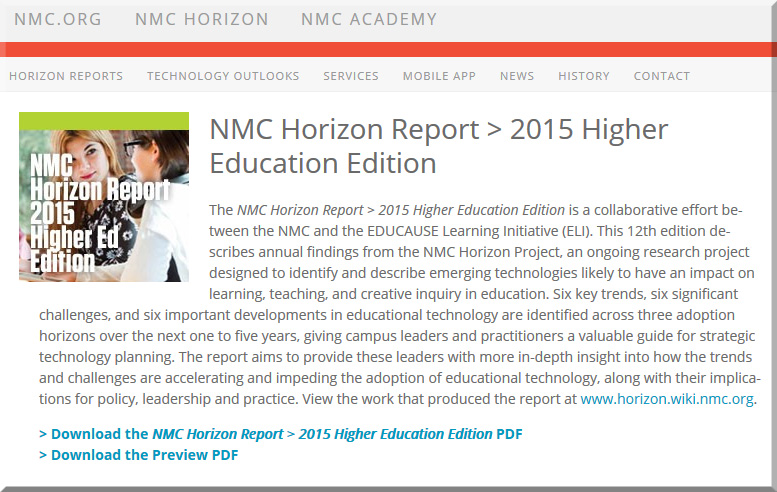
NMC Horizon Report > 2015 Higher Education Edition — from nmc.org

Excerpt:

What is on the five-year horizon for higher education institutions? Which trends and technologies will drive educational change? What are the challenges that we consider as solvable or difficult to overcome, and how can we strategize effective solutions? These questions and similar inquiries regarding technology adoption and educational change steered the collaborative research and discussions of a body of 56 experts to produce the NMC Horizon Report: 2015 Higher Education Edition, in partnership with the EDUCAUSE Learning Initiative (ELI). The NMC Horizon Report series charts the five-year horizon for the impact of emerging technologies in learning communities across the globe. With more than 13 years of research and publications, it can be regarded as the world’s longest-running exploration of emerging technology trends and uptake in education.


NMCHorizonReport-2015


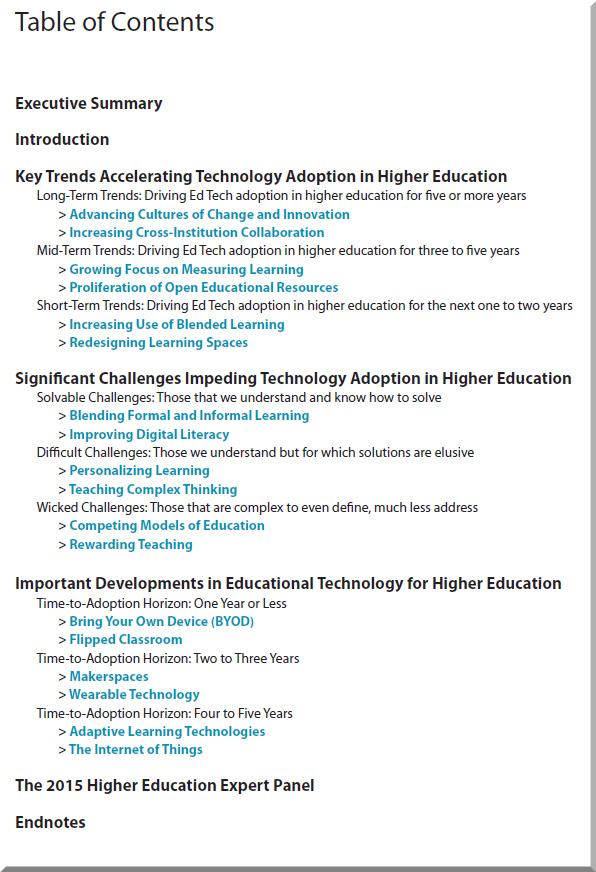
NMCHorizonReport-2015-toc


Rhizomatic, digital habitat – A study of connected learning and technology application — from researchgate.net by Thomas Kjærgaard & Elsebeth Korsgaard Sorensen, Institute of Philosophy and Learning, Aalborg University, Denmark

Keywords:
Rhizomatic learning, connectivism, digital habitat, inclusion, cooperative learning, community of practice.

1.0 Introduction
It is fair to claim that today’s college classrooms are technology rich; in our case almost every student brings his/her own laptop, smartphone and maybe tablet-computer to class every day. It is our experience that the technology richness doesn’t always contribute to the learning process, especially in presentation-oriented, teacher-centered teaching. The majority of the activities carried out on the computers are substituting paper based alternatives. In our case the technologies only rarely redefine the pedagogic design or the students’ behavior. The students in this study almost never use blogs (0%), social bookmarking (6%), twitter (0%) or multimodal note taking on smartphones. So they generally copy analogue behavior to the digital world. We believe that with the web-technology at hand today the possibilities for redefining the pedagogic design and the students learning processes are many. Because of that this study was designed as a synthesis of partially an attempt to redefine the utilization of digital tools according to their affordances, and partially to study a networking community of practice in a college classroom (Sorensen & Dalsgaard 2008). By combining digital tools that aspire to have great potential in teaching and learning activities that utilize the network structures that the students know already form their private lives we hope to make a strong connection that will generate a powerful pedagogic design. Furthermore the technology will show its general equity as more than just a note taking tool.

…

6.0 In conclusion
In the six classes that participated in this small study it seemed that many benefitted from the new technology-based way of collaborating. But it is still only a few groups that really worked as communities of practice in digital habitats, it seems that only very few possessed ‘network literacy’. Our survey showed that the students were not used to thinking of the internet as a place for not only searching information but also for processing information. The survey says that in the childhood homes of the students computers were used for entertainment (64%) and games (84%) and only 12% used computers for forums and blogs etc. Maybe we can’t use their childhood experiences with computer usage to explain their adult usage of computers in general but there is a connection between those students who come from families where internet forums and blogs were used to process information and those students current network literacy. The problem is that only three students came for such families, hence the foundation for stating anything general is way too insecure.

It would be interesting to investigate why some groups worked as communities of practice and why others didn’t. Unfortunately that was not within the scope of this study but it might be in future studies. It could seem like the groups that became communities of practice were the ones where the group members already knew how to learn in networks and which knowledge that was appropriate to ‘store’ in their group peers.

This notion, if it is meaningful on a larger scale, is similar to what Rheingold calls network literacy (Rheingold 2012).

Is the term ‘homo conexus’ describing the evolution of the homo sapiens into at more networking more knowledge sharing, more co-creating being? It seems to be what the literature on the field predict (Bay 2009, Rheingold 2012, Castells 2005, Siemens 2005). However in our small study it didn’t seem to be the case. We saw a glimpse of ‘homo conexus’ in some groups but the conclusion is that there is still quite a long way from the connected, networking homo conexus of the literature to an average student in our classes. The study shows that working in a technology rich, rhizomatic classroom demanded a lot form both teachers and students.

  • First and foremost both students and teachers have to acknowledge the principals of the rhizomatic approach. The pedagogic design must present a map of possibilities and not a fixed route. This is in itself a challenge for some students.
  • Then students and teachers have to be literate in the technologies.
  • Then students and teachers have to acknowledge that mastering learning is an important part of learning.
  • Then students and teachers have to understand and accept their new position in the learning process and in the didactic design

If those circumstances are present then the rhizomatic, digital habitat seems to be an interesting pedagogic design that could be investigated further. If we look at isolated instances (the Tabby Lou story, Gee 2012) it is evident that almost anything can be learned if you master learning in at network and that potential should be utilized in teaching.


I ran across a few items that may tie in with my Learning from the Living [Class] Room vision:


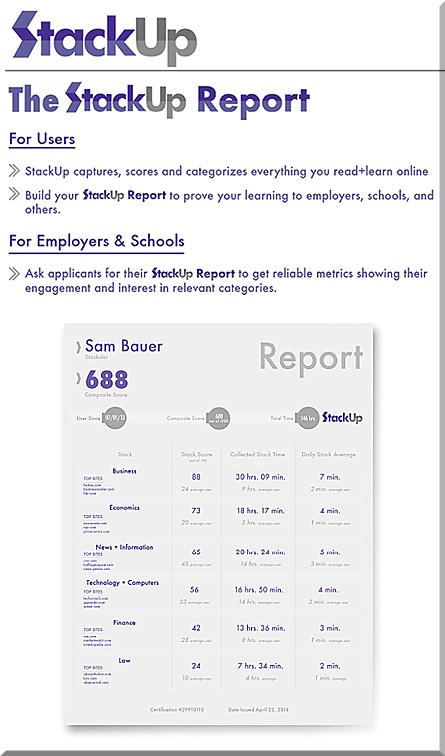
A very interesting concept at Stackup.net (@ScoreReporting)

Score everything you read + learn online. Use the StackUp Report to prove to employers that your dedication and interest make you the ideal candidate.


TheStackUpReport-Jan2015


From DSC:
This is big data — but this time, it’s being applied to the world of credentials. Is this part of how one will obtain employment in the future?  Will it work along with services like Beansprock (see below)?


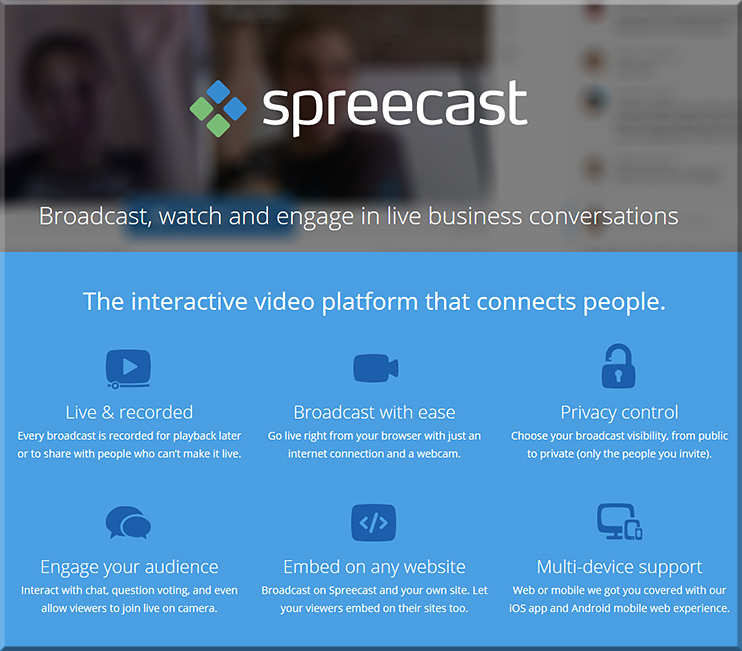
Then there was spreecast: An interactive video platform that connects people:


spreecast-jan2015


From DSC:
A related item to these concepts:


The Future of Lifelong Learning — from knewton.com


The Future of Lifelong Learning

Created by Knewton and Knewton


—————


AI software that could score you the perfect job — from wired.com by Davey Alba

Excerpt:

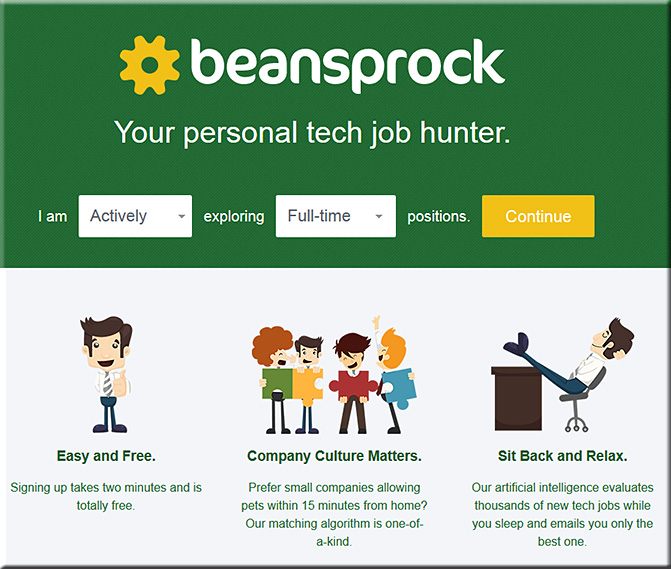
Today, little more than two years later, Levy and Smith are launching a website called Beansprock that uses natural language processing and machine learning techniques to match you with a suitable job. In other words, they’re applying artificial intelligence to the career hunt. “It’s all about helping the job hunter find the best job in the job universe,” Levy says.

.

beansprock-feb2015


YouTube’s Chief, Hitting a New ‘Play’ Button — from nytimes.com by Jonathan Mahler

Excerpt (emphasis DSC):

At one point, the moderator asked Ms. Wojcicki if she thought cable television would still be around in 10 years. She paused for a moment before answering, with a bit of a sly smile, “Maybe.” The crowd laughed, even though just about everyone in the packed auditorium knew she was only half-joking.

If cable TV is gone in a decade, Ms. Wojcicki and the global digital video empire over which she presides will be one of the main causes. YouTube, founded in 2005 as a do-it-yourself platform for video hobbyists — its original motto was “Broadcast Yourself” — now produces more hit programming than any Hollywood studio.

Smosh, a pair of 20-something lip-syncing comedians, have roughly 30 million subscribers to their various YouTube channels. PewDiePie, a 24-year-old Swede who provides humorous commentary while he plays video games, has a following of similar size. The list goes on and on. For the sake of perspective, successful network television shows like “NCIS: New Orleans” or “The Big Bang Theory” average a little more than half that in weekly viewership. The 46-year-old Ms. Wojcicki — who will soon give birth to her fifth child — has quietly become one of the most powerful media executives in the world.


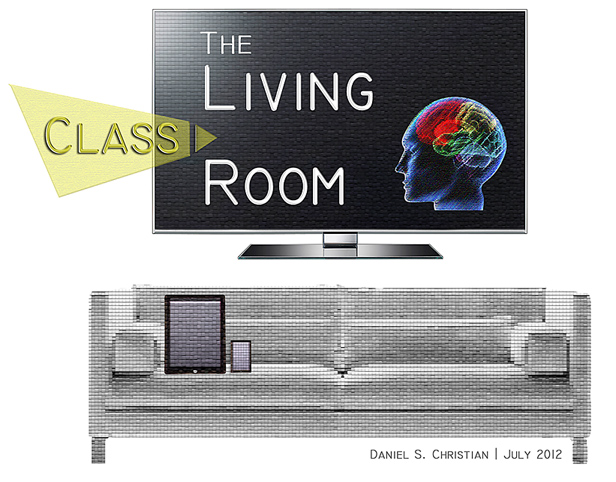
The Living [Class] Room -- by Daniel Christian -- July 2012 -- a second device used in conjunction with a Smart/Connected TV


Also see:

  • Smart TV Alliance serves 58 million TV sets — from broadbandtvnews.com by The Smart TV Alliance development platform is now compatible with one-third of the global smart TV market. App developers who use the Alliance’s common developer portal can reach 58 million smart TVs in a single, integrated process. The brands served include LG Electronics, Panasonic, TP Vision and Toshiba
  • Roku-Connected Televisions And The Future Of The Smart TV Wars — from fastcompany.com by Chris Gayomali
    At CES, Roku announced new partnerships that will cram its platform inside more televisions. Built-in is the new box.
    .
  • Netflix Launches Smart TV Seal of Approval Program — from variety.com by Todd Spangler
    Sony, LG, Sharp, Vizo and makers of Roku TVs are expected to be first certified under ‘Netflix Recommended TV’ program
    Excerpt:
    Netflix — in a smart bid to get its brand affixed onto smart TVs — has announced the “Netflix Recommended TV” certification program under which it will give the thumbs up to Internet-connected television sets that deliver the best possible video-streaming experience for its service.


From DSC:
As you can see, BBBBBIIIIIGGGGG players are getting into this game.  And there will be BBBBBIIIIIGGGGG opportunities that open up via what occurs in our living rooms. Such affordances won’t be limited to the future of entertainment only.


Trying to solve for the problem of education in 2015 — by Dave Cormier; with thanks to Maree Conway for her posting this on her University Futures Update

Excerpt:

The story of the rhizome
The rhizome has been the story i have used, frankly without thinking about it, to address this issue. There are lots of other ways to talk about it – a complex problem does not get solved by one solution. In a rhizomatic approach (super short version) each participant is responsible for creating their own map within a particular learning context. The journey never ‘starts’ and hopefully never ends. There is no beginning, no first step. Who you are will prescribe where you start and then you grow and reach out given your needs, happenstance, and the people in your context. That context, in my view, is a collection of people. Those people may be paying participants in a course, they may be people who wrote things, it could be people known to the facilitator. The curriculum of the course is the community of people pulled together by the facilitator and all those others that join, are contacted or interacted with. The interwebs… you know.

…

The point here is that i attempt to replace the ‘certainty of the prepared classroom’ with the ‘uncertainty of knowing’. In doing so I’m hoping to encourage students to engage in the learning process in their own right. I want them to make connections that make sense to them, so that when the course is over, they will simply keep making connections with the communities of knowing they have met during the class. The community is both the place where they learn from other people, but, more importantly, learning how to be in the community is a big part of the curriculum. Customs, mores, common perspectives, taboos… that sort of thing.
 

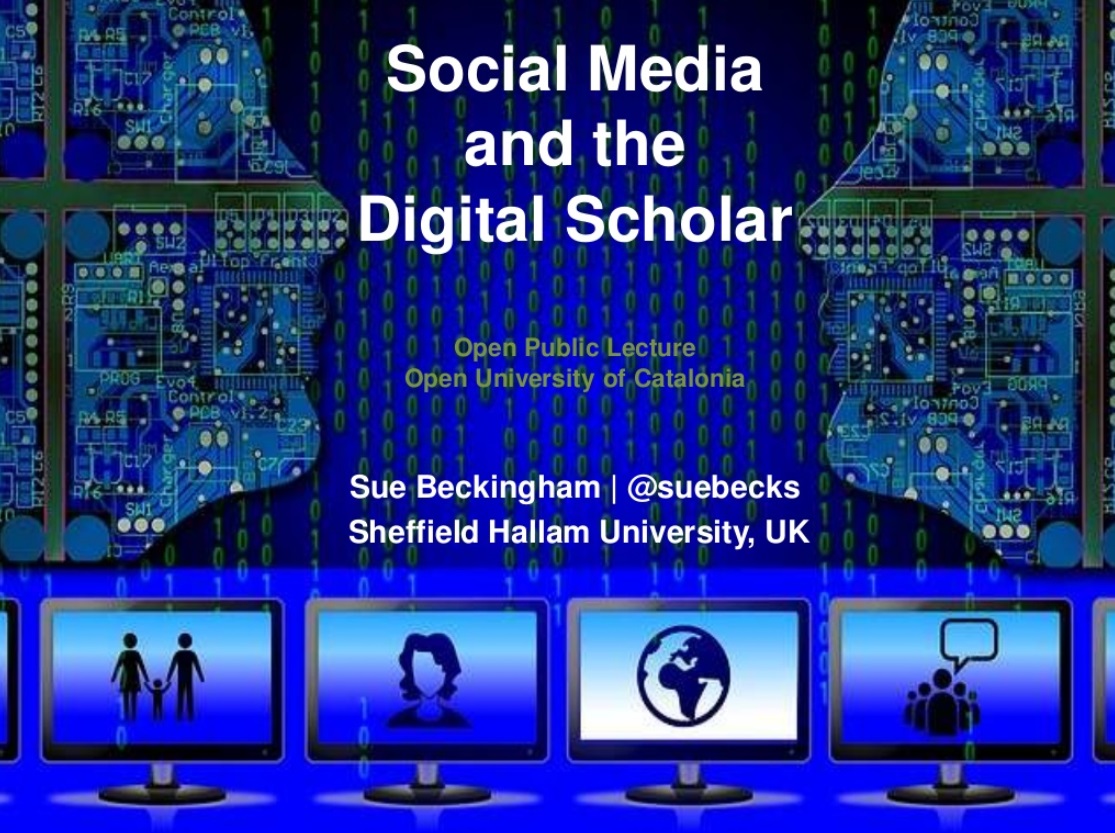
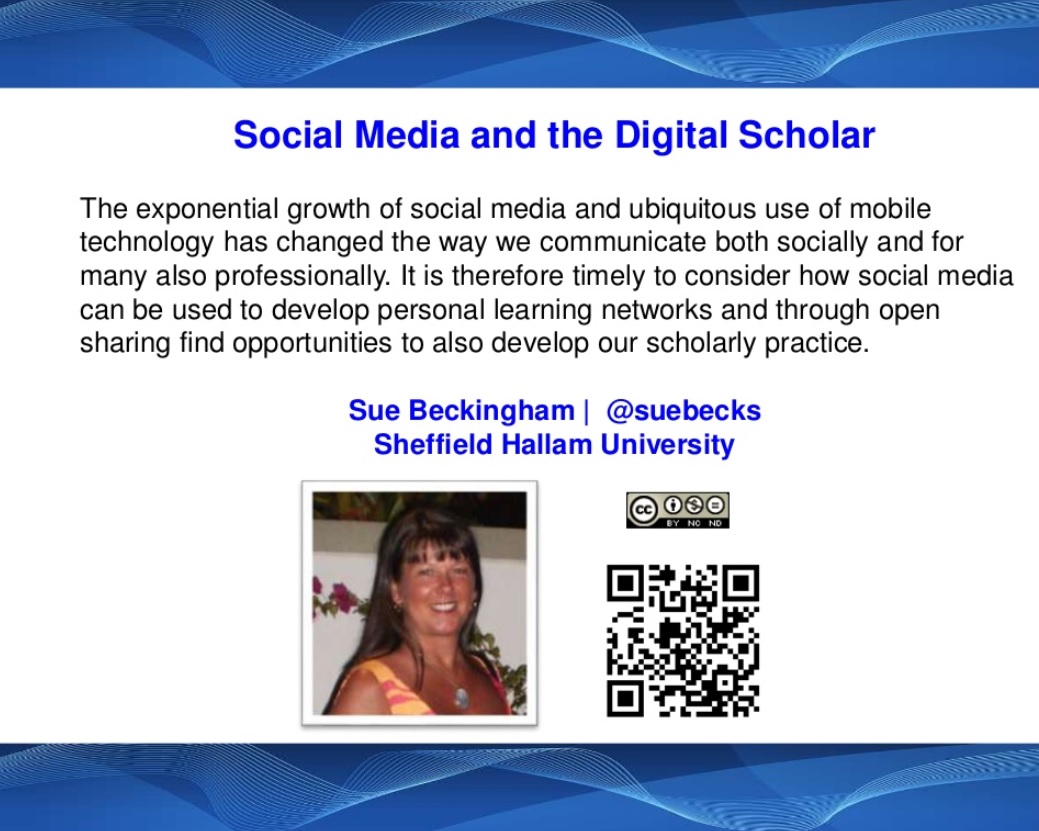
Social Media and the Digital Scholar — from Sue Beckingham; with thanks to Tom D’Amico (@TDOttawa) for his Scoop on this


SueBeckingham2-SM-DigitalScholar-Dec2014


SueBeckingham-SM-DigitalScholar-Dec2014


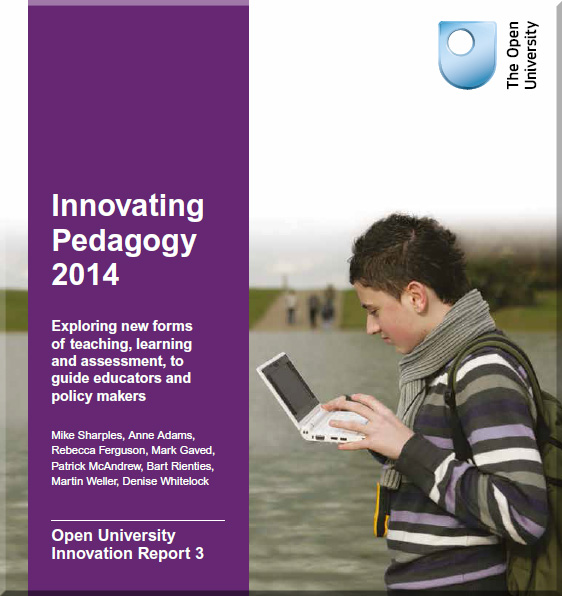
2014 Innovating Pedagogy Report

InnovatingPedagogy2014

Featured in 2014’s annual report:

  1. Massive open social learning
  2. Learning design informed by analytics
  3. Flipped classrooms
  4. Bring your own devices
  5. Learning to learn
  6. Dynamic assessment
  7. Event-based learning
  8. Learning through storytelling
  9. Threshold concepts
  10. Bricolage
 

Changing role of the CLO — from business-standard.com by Gurprriet Singh

Excerpt:

The ownership for keeping skills and competencies sharpened will move to the employee. With the emergence of MOOCs, social media enabled knowledge and connections, which facilitate you to identify and appoint mentors across dimensions and distance, the role of L&D as the provider of knowledge and provider of resource is soon becoming extinct. Individuals need to own their own development and leverage the resources available in social media. Just recently, IBM cut salaries by 10 per cent, of employees who had not kept their skills updated.

…

As Jack Welch said, “If the rate of change inside your organisation is slower than the rate of change outside, the end is near”. In such a scenario, the thinking and orientation must shift from being able to manage change TO being able to change on a dime which means Dynamism. The role of L&D thus becomes key in influencing the above cultural pillars. And to do so, is to select for the relevant traits, focus on interventions that help hone those traits. Traits and skills are honed by Experience. And that brings me to the 70:20:10.


From DSC:
I think Gurprriet is right when he says that there’s a shift in the ownership of our learning.  We as individuals need to own our own development and leverage social media, MOOCs, online and/or F2F-based courses, other informal/on-the-job resources, our personal learning networks, and our Communities of Practice.  Given the pace of change, each of us needs to be constantly building/expanding our own learning ecosystems.  We need to be self-directed, lifelong learners (for me, this is where learning hubs and learning from our living rooms will also play a role in the future). One approach might be for those in L&D/corporate training-related functions to help employees know what’s out there — introduce them to the streams of content that are constantly flowing by. Encourage them to participate, teach them how to contribute, outline some of the elements of a solid learning ecosystem, create smaller learning hubs within a company.


LearningNowTV-Nov2014


From their website:
(emphasis DSC)

LEARNING NOW tv is a live-streamed internet tv channel bringing you inspirational interviews, debates and round tables, and advice and guidance on real world issues to keep you up-to date in the world of learning and development.

Membership to the channel is FREE. You will be able to interact with us on our social channel during the live stream as well as having a resource of the recorded programmes to refer to throughout the year.

Learning Now tv is run and produced by some of the L&D world’s leading experts who have many years’ experience of reporting the real-world issues for today’s learning and development professionals.


I originally saw this at Clive Sheperd’s posting:
TV very much alive for learning professionals


Also see:


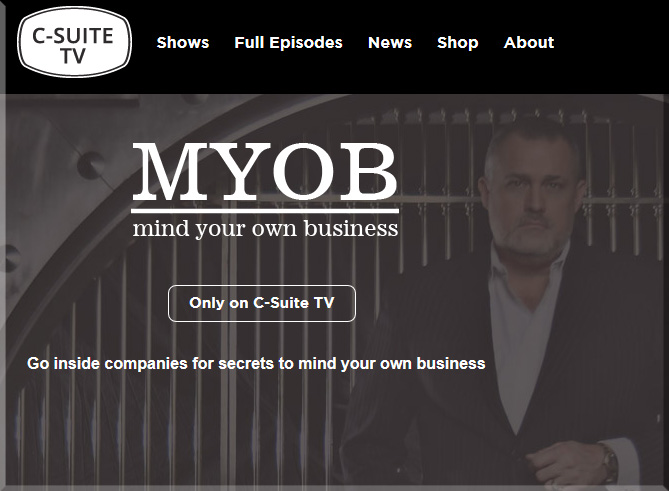
MYOB-July2014


This new service makes me think of some related graphics:


MoreChoiceMoreControl-DSC


StreamsOfContent-DSC


The Living [Class] Room -- by Daniel Christian -- July 2012 -- a second device used in conjunction with a Smart/Connected TV


Addendum on 12/2/14 — from Learning TRENDS by Elliott Masie – December 2, 2014 | #857

Idea – Courses in the Air:
There were representatives from airlines, Aviation Authorities and even Panasonic – which makes the interactive movie and TV systems on long distance airplanes.  So, I rolled out one of my “aha ideas” that I would love to see invented sometime: Courses in the Air.

What if a passenger could choose to take a mini-course on a 4 to 14 hour flight. It would be a MOOC in the Sky – with video, reading and interactive elements – and someday might even include a real time video chat function as well.  The learner could strive to earn a “badge” or roll them up into a certificate or degree program – that they pursued over several years of flights.  It would be an intriguing element to add to international travel.


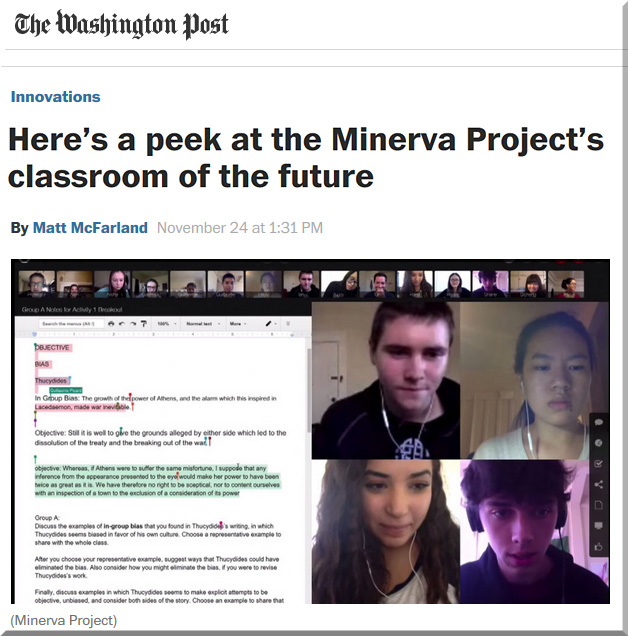
MinervasClassroomOfTheFuture-11-24-14


Here’s a peek at the Minerva Project’s classroom of the future — from washingtonpost.com by Matt McFarland
Check out five ideas that could impact the way we live, work and play.

Excerpt:

“Think of the fanciest version of Google Hangouts or Skype designed to be a classroom,” explains a student. “It’s very different than a traditional classroom, but in a way it’s what a traditional classroom distilled down to its purest form I feel like would look like,” says another.


Also see:


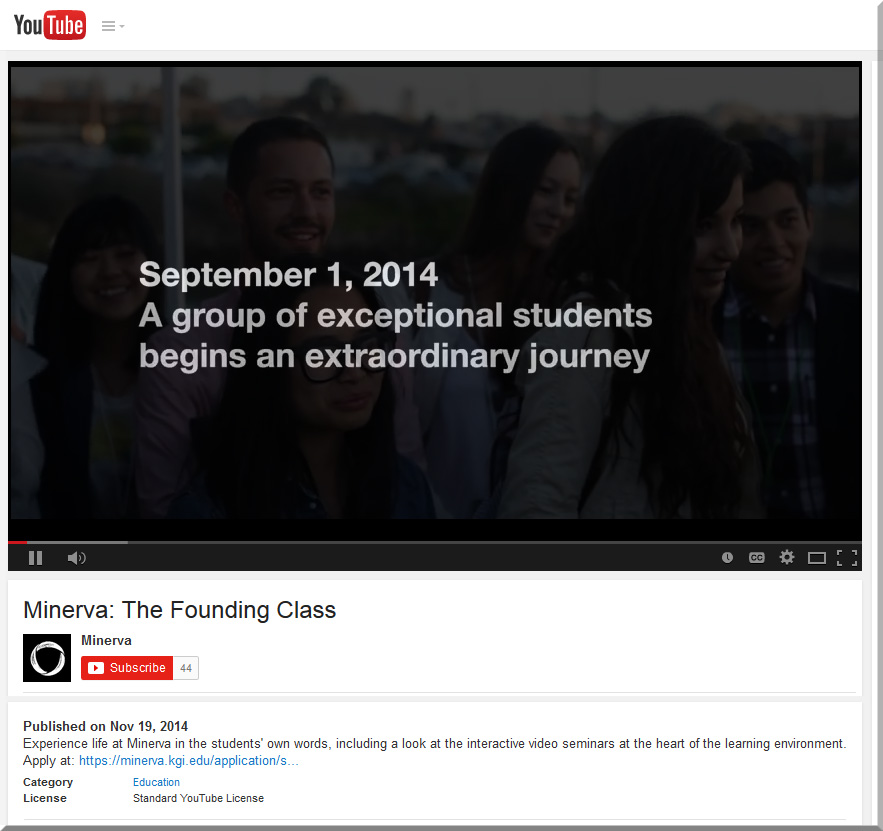
Minerva-Sep2014

 
© 2025 | Daniel Christian