Some reflections/resources on today’s announcements from Apple

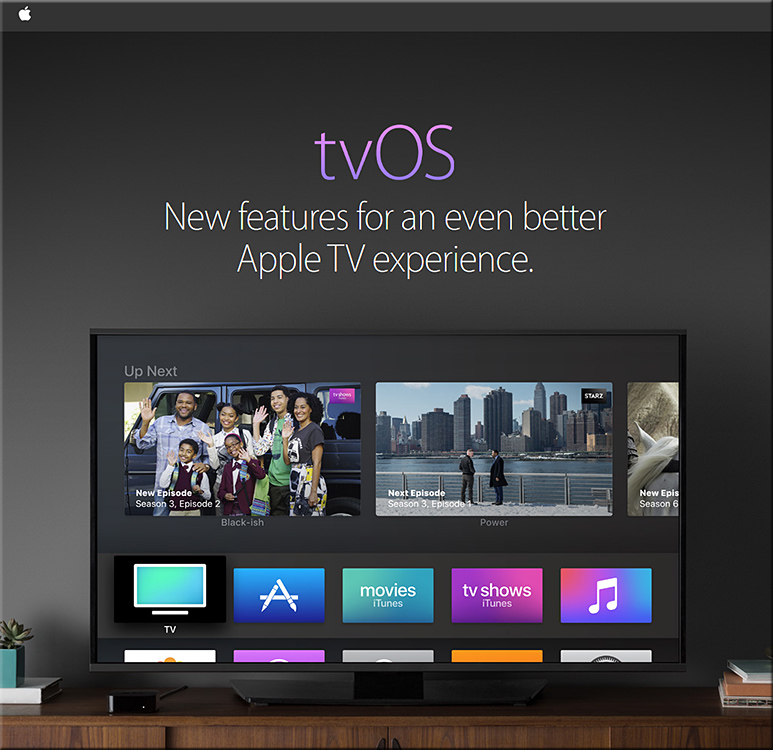
tv-app-apple-10-27-16


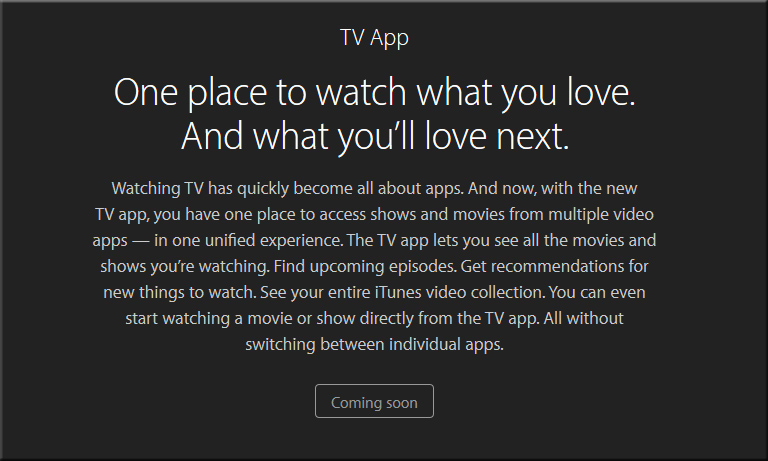
tv-app2-apple-10-27-16

From DSC:
How long before recommendation engines like this can be filtered/focused down to just display apps, channels, etc. that are educational and/or training related (i.e., a recommendation engine to suggest personalized/customized playlists for learning)?

That is, in the future, will we have personalized/customized playlists for learning on our Apple TVs — as well as on our mobile devices — with the assessment results of our taking the module(s) or course(s) being sent in to:

  • A credentials database on LinkedIn (via blockchain)
    and/or
  • A credentials database at the college(s) or university(ies) that we’re signed up with for lifelong learning (via blockchain)
    and/or
  • To update our cloud-based learning profiles — which can then feed a variety of HR-related systems used to find talent? (via blockchain)

Will participants in MOOCs, virtual K-12 schools, homeschoolers, and more take advantage of learning from home?

Will solid ROI’s from having thousands of participants paying a smaller amount (to take your course virtually) enable higher production values?

Will bots and/or human tutors be instantly accessible from our couches?

Will we be able to meet virtually via our TVs and share our computing devices?


bigscreen_rocket_league


The Living [Class] Room -- by Daniel Christian -- July 2012 -- a second device used in conjunction with a Smart/Connected TV


Other items on today’s announcements:


macbookpro-10-27-16


All the big announcements from Apple’s Mac event — from amp.imore.com by Joseph Keller

  • MacBook Pro
  • Final Cut Pro X
  • Apple TV > new “TV” app
  • Touch Bar


Apple is finally unifying the TV streaming experience with new app — from techradar.com by Nick Pino


How to migrate your old Mac’s data to your new Mac — from amp.imore.com by Lory Gil


MacBook Pro FAQ: Everything you need to know about Apple’s new laptops — from amp.imore.com by Serenity Caldwell


Accessibility FAQ: Everything you need to know about Apple’s new accessibility portal — from imore.com by Daniel Bader


Apple’s New MacBook Pro Has a ‘Touch Bar’ on the Keyboard — from wired.com by Brian Barrett


Apple’s New TV App Won’t Have Netflix or Amazon Video — from wired.com by Brian Barrett


Apple 5th Gen TV To Come With Major Software Updates; Release Date Likely In 2017 — from mobilenapps.com


The Few, The Proud, the Unusual — by Jack Uldrich

Excerpt:

An army of ants is an awe-inspiring and efficient force of nature. While each ant is individually small, collectively they accomplish amazing things—provided they have a sufficient source of food. The same is true of today’s modern corporation—if it has a profitable source of revenue. Alas, when the food or the money dries up, both the army and the corporation are endangered.

To protect themselves, ants rely on a unique sub-group of “pioneer ants.” Their sole job is to move out away from the main army in search of the next source of food. In this way, the pioneers act as a hedge against the possibility of being caught without a future source of food.

Every organization should also have at least a few “pioneers ants” whose single job is to identify future opportunities. To ensure these individuals have the best chance of success, I have outlined a series of unusual characteristics that I believe will bolster their odds of success–and, thus, your success…


Every organization should also have at least a few “pioneers ants” whose single job is to identify future opportunities.


If you doubt that we are on an exponential pace of change, you need to check these articles out! [Christian]

exponentialpaceofchange-danielchristiansep2016


From DSC:
The articles listed in
this PDF document demonstrate the exponential pace of technological change that many nations across the globe are currently experiencing and will likely be experiencing for the foreseeable future. As we are no longer on a linear trajectory, we need to consider what this new trajectory means for how we:

  • Educate and prepare our youth in K-12
  • Educate and prepare our young men and women studying within higher education
  • Restructure/re-envision our corporate training/L&D departments
  • Equip our freelancers and others to find work
  • Help people in the workforce remain relevant/marketable/properly skilled
  • Encourage and better enable lifelong learning
  • Attempt to keep up w/ this pace of change — legally, ethically, morally, and psychologically


PDF file here


One thought that comes to mind…when we’re moving this fast, we need to be looking upwards and outwards into the horizons — constantly pulse-checking the landscapes. We can’t be looking down or be so buried in our current positions/tasks that we aren’t noticing the changes that are happening around us.


The Internet of Things is here, and it isn’t a thing — from wsj.com by Christopher Mims
Selling services via connected devices is how many companies have created businesses

Excerpt:

Everyone is waiting for the Internet of Things. The funny thing is, it is already here. Contrary to expectation, though, it isn’t just a bunch of devices that have a chip and an internet connection.

The killer app of the Internet of Things isn’t a thing at all—it is services. And they are being delivered by an unlikely cast of characters: Uber Technologies Inc., SolarCity Corp. , ADT Corp., and Comcast Corp. , to name a few. One recent entrant: the Brita unit of Clorox Corp. , which just introduced a Wi-Fi-enabled “smart” pitcher that can re-order its own water filters.


When internet-connected devices are considered a service, consumers don’t have to worry about integrating gadgets. Focusing on services also helps vendors clarify their offerings.


How does the combination of smarts, sensors and connectivity enhance people’s lives?


FACT SHEET: ED Launches Initiative for Low-Income Students to Access New Generation Of Higher Education Providers — from ed.gov

Excerpt:

[On 8/16/16], the U.S. Department of Education (ED) is inviting eight selected partnerships between institutions of higher education and non-traditional providers to participate in the EQUIP (Educational Quality through Innovation Partnerships) experiment.

These partnerships will allow students—particularly low-income students—to access federal student aid for the first time to enroll in programs offered by non-traditional training providers, in partnership with colleges and universities, including coding bootcamps, online courses, and employer organizations. The goals of the experiment are to: (1) test new ways of allowing Americans from all backgrounds to access innovative learning and training opportunities that lead to good jobs, but that fall outside the current financial aid system; and (2) strengthen approaches for outcomes-based quality assurance processes that focus on student learning and other outcomes. The experiment aims to promote and measure college access, affordability, and student outcomes.


Obama Administration to Fund Nontraditional Training for Students — from wsj.com
Education Department will give up to $17 million in loans and grants for training at eight entities that aren’t traditional colleges

Excerpt:

WASHINGTON—The Obama administration will inject millions of dollars into a group of nontraditional education providers to address a vexing problem: Many Americans are leaving college with debt but without skills the economy needs.

The administration is turning to the private sector for help. In a novel experiment, the Education Department announced Tuesday up to $17 million in loans and grants for students to undergo training at eight entities that aren’t traditional colleges. Most are for-profit companies. They include coding academies such as New York startup Flatiron School and Portland, Ore.-based Epicodus, as well as websites such as Study.com and StraighterLine that provide online courses at reduced costs.

The one that stands out from the group is corporate giant General Electric Co., which won’t receive funds directly but will provide training at one of its jet-engine plants under the program.

The program, called Educational Quality through Innovative Partnerships, or Equip, is designed to enable low-income Americans to learn skills in areas where colleges often fall short, such as learning how to write computer code, or using new software to operate high-tech manufacturing equipment to make jet engines.


Can’t Afford Coding Camp? The Feds May Have a Loan for You — from wired.com by Issie Lapowsky

Excerpt:

A new Department of Education program focused on skills training aims to address that second part. Announced last year, the so-called Educational Quality through Innovation Partnerships program will offer federal student aid to students enrolled at non-traditional institutions like coding bootcamps and skills-training programs.

[On 8/16/16], the Department of Education revealed the eight organizations and educational institutions with programs that will be covered as part of the EQUIP pilot program. For now, the programs are located on both coasts and in Texas. They include bootcamps like The Flatiron School, as well as newly launched training programs from companies like General Electric. The Department of Education chose the programs from dozens of applications, and each organization will partner with an established, accredited college or university. Meanwhile, third-party quality assurance partners have signed up to monitor students’ results.


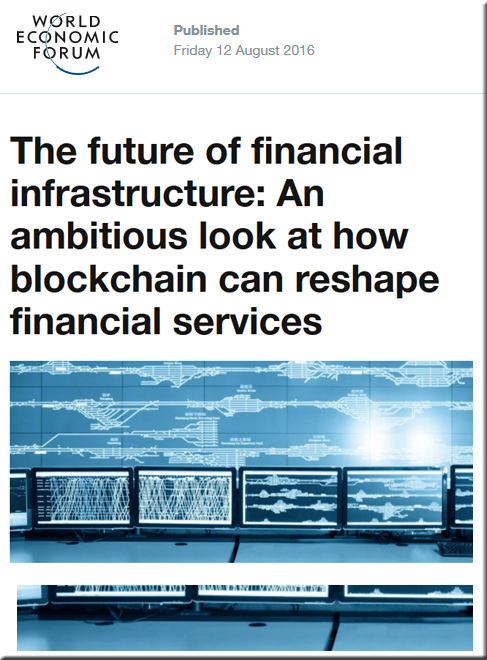
WEF-August2016-Blockchain


The future of financial infrastructure: An ambitious look at how blockchain can reshape financial services — from weforum.org

Key findings include:

  • Distributed ledger technology (blockchain) has the potential to drive simplicity and efficiency by establishing new financial services infrastructure and processes
  • Distributed ledger technology will form the foundation of next generation financial services infrastructure in conjunction with other existing and emerging technologies
  • Similar to technological advances in the past, new financial services infrastructure will transform and question traditional orthodoxies in today’s business models
  • The most impactful distributed ledger technology applications will require deep collaboration between incumbents, innovators, and regulators, adding complexity and delaying implementation

The report is centered on use cases, considering how distributed ledger technology could benefit each scenario. How will blockchain transform the future of financial services?


Ernst & Young’s report anticipates blockchain to reach critical mass in 3-5 years — from coinspeaker.com by Tatsiana Yablonskaya
Ernst and Young explains that financial industry is far from being the only one that can benefit from the blockchain technology.

Excerpt (emphasis DSC):

Ernst & Young, leading consulting firm, one of the “Big Four” audit firms and the third largest professional services firm in the world, has made some predictions about the future of the blockchain technology and its significance in various industry sectors in the recent report.

The attention of multiple financial companies has been focused on the blockchain lately. This unique technology is well adaptable to the increasing requirements of secure bookkeeping and automation in various industries.

The EY report predicts that blockchain will reach critical mass in financial services in 3-5 years, with other industries following quickly. “One reason the blockchain reaction is racing toward critical mass faster than previous disruptive technologies is that it is arriving in the midst of the digital transformation already sweeping through most sectors of the global economy. Consequently, despite the obstacles still to be overcome, businesspeople and governments are preconditioned to recognize blockchain’s potential. Tech companies have already established much of the digital infrastructure required to realize blockchain business visions.”


From DSC:
Applying this technology towards the world of learning…

I wonder how blockchain might impact credentialing for lifelong learning, and will it be integrated into services available via tvOS-based applications?  This type of cloud-based offering/service could likely be a piece of our future learning ecosystems. Innovative, forward-thinking institutions should put this on their radar now, and start working on such efforts.


The Living [Class] Room -- by Daniel Christian -- July 2012 -- a second device used in conjunction with a Smart/Connected TV


Campus Technology 2016: Revolution is in the air — from edtechmagazine.com by Amy Burroughs
Georgia Tech educator and author forecasts that technology may be the answer to higher education’s ‘triple threat.’

Excerpts:

In his keynote address at Campus Technology 2016, educator and author Richard DeMillo predicted that technology will be the key to resolving the toughest challenges facing higher education. In his speech, “A Revolution in Higher Education: Tales from Unlikely Allies,” DeMillo said that this revolution may be quiet, but it is happening, as more educators and leaders embrace innovation.

One problem, he said, is that the model of education that has dominated until now — small classrooms built around lecture-based pedagogy — is too expensive to be sustainable. Technology, however, now makes it possible to deliver education that is equally effective, yet less costly and less exclusionary (think MOOCs, online learning and emerging capabilities such as artificial intelligence). All this prompts a revolutionary rethinking of time-tested assumptions, he said.


What persists, he said, is his belief that higher education, for all its greatness, is not immune from the influence of politics, business, sociology and the economy.


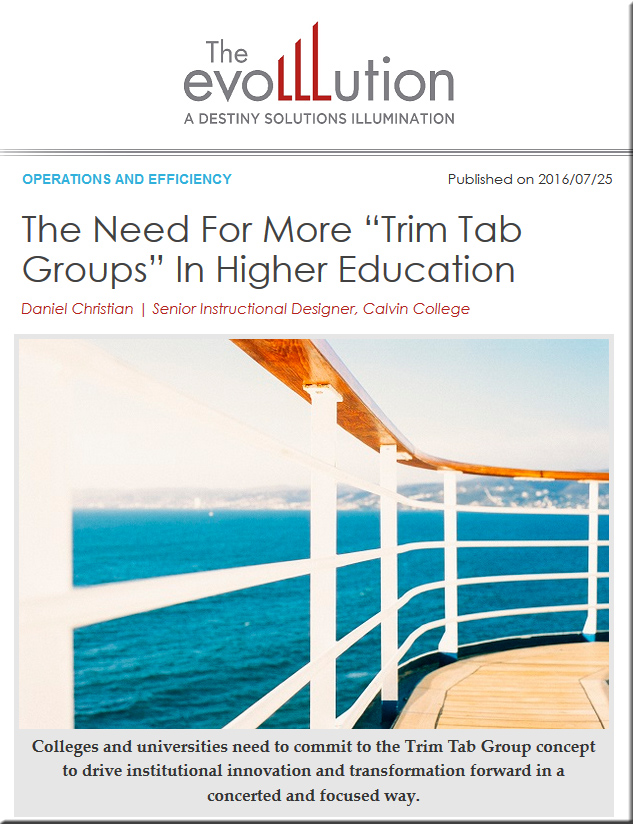
DanielChristian-NeedForMoreTrimTabGroupsHE-July2016


The need for more “Trim Tab Groups” in higher education — from evolllution.com by Daniel Christian

Excerpt:

So to apply this concept to the world of higher education: what higher education institutions need to develop these days are those smaller, nimbler groups that can innovate and experiment with a variety of things. Those smaller groups can then hand over to the larger organization—or to a brand new branch of the existing organization—what is successful and is showing promise. Then the smaller, nimbler group can move onto something else.

By forming Trim Tab Groups throughout higher education, we gain the capacity to experiment with relatively small projects that will ultimately have much larger impacts on the institutions and the learners that those institutions serve.


trim-tab


As such, many segments of higher education must adapt and change—or risk servicing far fewer learners over the next two to three decades, as they watch their customers head elsewhere. And then it’s a costly game of musical chairs for faculty and staff, as the larger organizations downsize.

— Daniel Christian


How colleges are keeping up with business changes — from insidehighered.com by Doug Lederman and Rick Seltzer

Excerpt:

MONTREAL — College and universities’ coping mechanisms are on full display this week as business officers fight a mix of financial pressures ranging from budget crunches to tuition discounting run amok to high levels of debt blocking necessary construction.

Strategies to tackle the problems are on display at the National Association of College and University Business Officers’ annual meeting here. The multiday conference comes as business officers increasingly believe that higher education is in a financial crisis, according to a new Inside Higher Ed survey. But they also feel better than they have in previous years about their own institutions’ futures.

That dichotomy is apparent in Montreal, where many sessions talk about the myriad challenges business offices face — and the way institutions are tackling them.

Also see #NACUBOAM on Twitter.


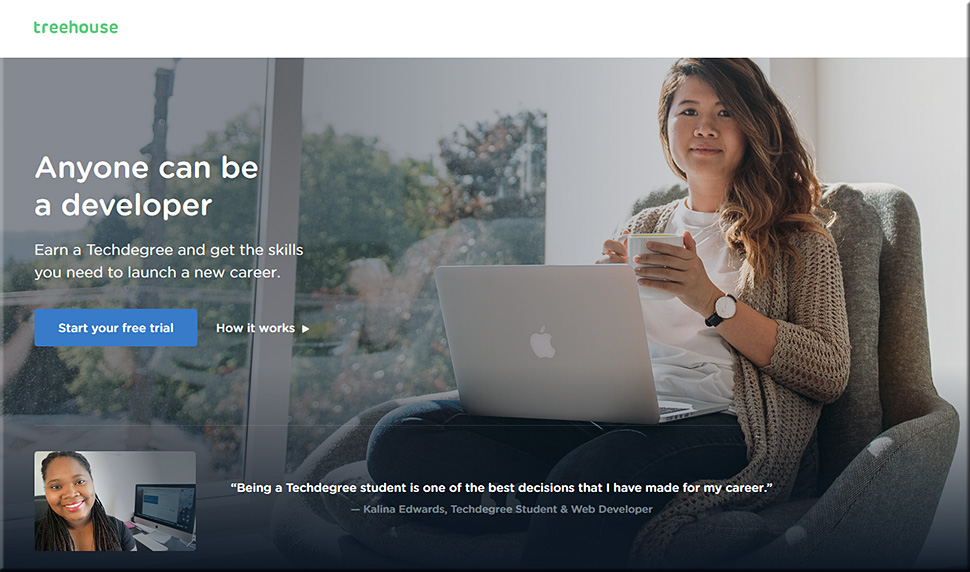
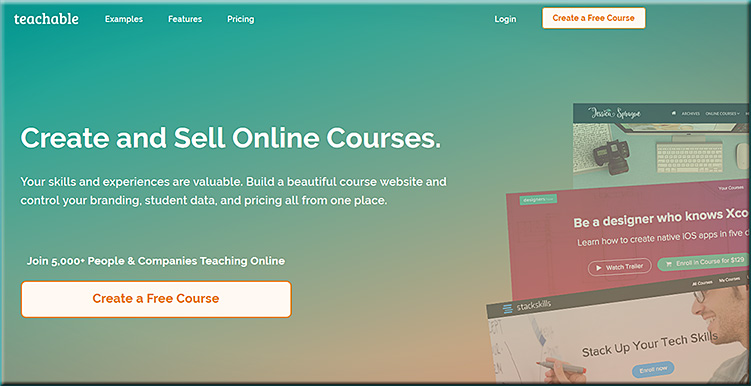
Some relatively recent additions to the education landscape include:
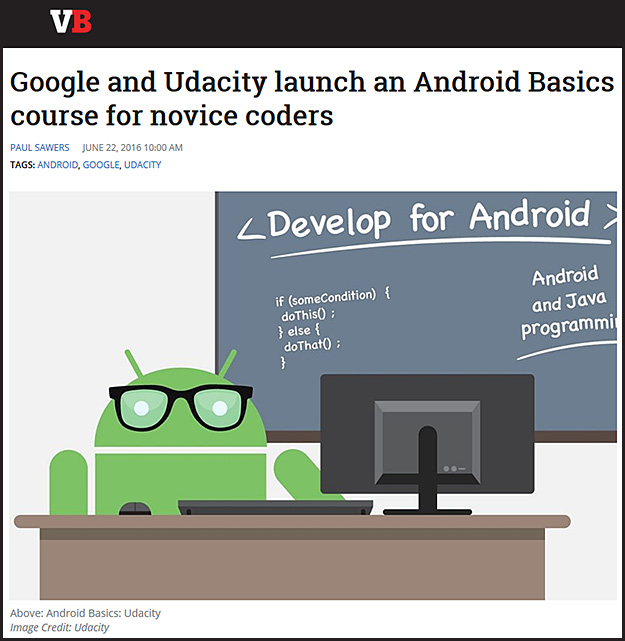
 

GoogleUdacity-CodingJuly2016


treehouse-2016


Teachable-June2016


FutureLeague-2016


StackSocial-July2016


Skillshare-July2016


CenterCentre-June2016


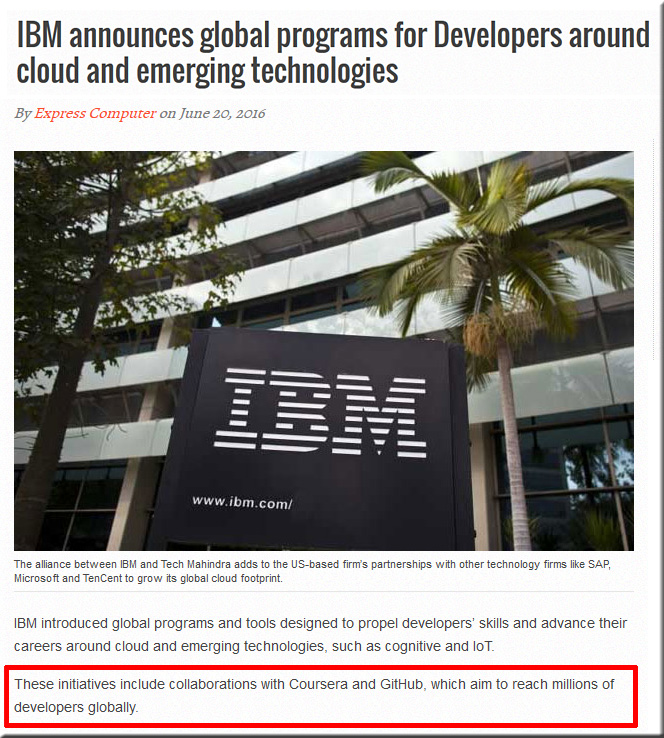
IBMCourseraGitHub-Courses-June2016


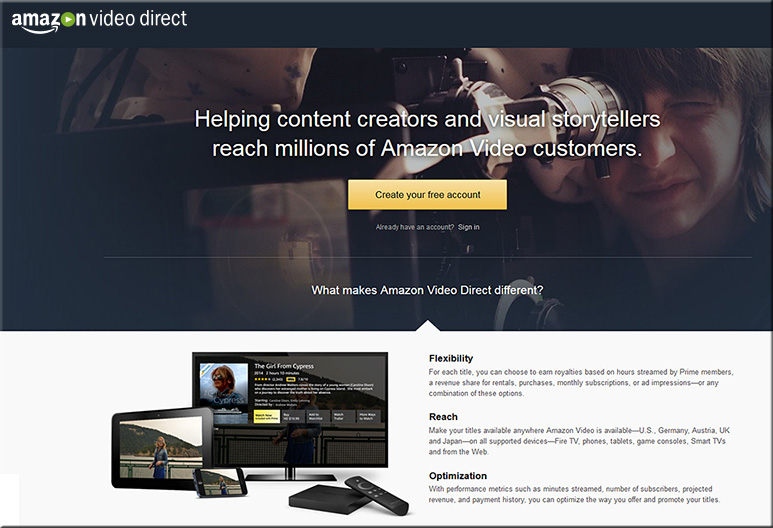
AmazonVideoDirect-June2016


Also see:


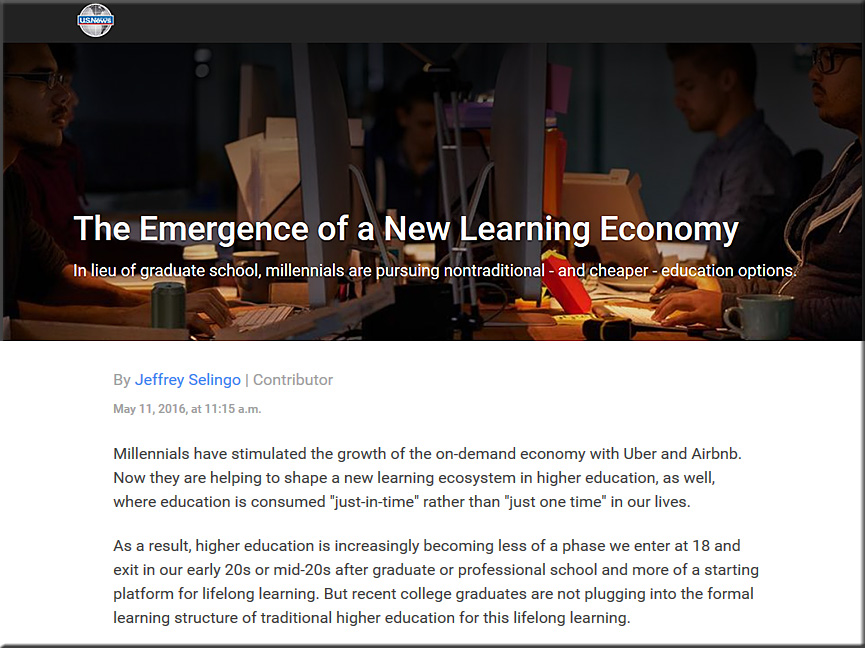
MillennialsPursuingOtherOptions-Selingo-May2016


Taking competency-based credentials seriously in the workforce — from campustechnology.com by John K. Waters
Companies like AT&T and Google are expanding their partnerships with online education providers, creating new educational pathways to real jobs.

Excerpt:

But in the Age of the Internet, for-profit online education providers such as Udacity and Coursera have tweaked that model by collaborating with companies to develop programs tailored to their specific needs.

Together the two companies created the Front-End Web Developer Nanodegree program, Udacity’s first branded microcredential. (“Nanodegree” is trademarked.)

“We worked with Udacity to develop curriculum based on tangible hiring and training needs,” said John Palmer, senior vice president and chief learning officer at AT&T, in an e-mail. “Our teams collaborated on determining what skills we needed now to address the needs of our business, but also what skills would be needed five to 10 years from now — not just at AT&T, but at other tech companies.”


uCertify
uCertify-june2016


Also related:

  • Students and higher ed leaders put their faith in online classes [#Infographic] — from edtechmagazine.com by Meg Conlan
    As a growing number of students enroll in nontraditional college classes, the value of online education becomes more clear.
    Excerpt:
    As cost-effective alternatives to traditional college classes, online learning programs continue to gain steam in higher ed.
    According to statistics gathered for an Online Learning Consortium infographic, 5.8 million students are now enrolled in online courses, and the majority put tremendous stock in the quality of their education: 90 percent of students say their online learning experiences are the same or better than in-classroom options.College and university leadership agrees: The infographic states that 71 percent of academic leaders say learning outcomes for online courses are the same or better than that of face-to-face classes.
 

OnlineLearningAlternativesGrowing-June2016


Related postings:


Acquisitions, mergers and reinvention (not closures) will characterize higher ed’s future — from evolllution.com; an interview with Kenneth Hartman | Past President of Drexel University Online, Drexel University

Excerpts:

We’re going to see a lot of different alternative options popping up at alternative prices with alternative delivery mechanisms offering alternative credentials in the future. I don’t think a lot of institutions will be shutting down. There will be some that close, but it’s more likely that their assets will be acquired by other, stronger institutions.

These types of programs are popping up all over the country and I think the market forces tell a story. Colleges that are able to be adaptable and flexible will be the leaders in this new higher education marketplace. Adaptability, vision and flexibility are going to be critical for schools that are not heavily-endowed. If they do not have the will to do that then I think unfortunately Christensen’s prediction will probably come true. However, I’m optimistic that when the pain gets high enough, trustees of these institutions will demand that their senior leadership provide them with the way to prevent closure.


What a Microsoft-owned LinkedIn means for education — from campustechnology.com by Dian Schaffhauser

Excerpt:

Ironically, he suggested, higher ed is also the most vulnerable target of LinkedIn as it continues to work on development of a competency marketplace that could one day replace four-year degrees as the baseline requirement for employment.

The vision of this competency marketplace is that employers can identify candidates who are close matches for positions based on the competencies their jobs require. Likewise, job candidates can get information from LinkedIn about what competencies a given position requires and pursue that through some form of training, whether through a class at a local college, a bootcamp, online learning or some other form of instruction.

“The signal for universities that the world is about to change is when employers begin to drop degree requirements from job descriptions,” said Craig. And by the way, he added, that’s already happening at recognizable companies such as Google, Penguin Random House, EY and PwC, which have either eliminated that requirement from entry-level job descriptions or begun masking a candidate’s degree status from hiring managers because they “think the degrees are actually false or poor or misleading signals of ultimate job performance.”

Not only does LinkedIn have by far the largest collection of candidate profiles, but it has become the leading platform for distributing microcredentials, said Craig.


“You can identify education and training opportunities to remediate gaps between where you are and what the job description says you need to have to qualify. So all the pieces are there,” he said. “Currently, it’s still early, but you can see where this is going. We think that is the story of the next decade in higher education.”


12 promising non-traditional college pathways to attainment — from eddesignlab.org

Excerpt:

We hear a lot about reinventing college and how we might better design the journey from school to work. Some students want faster or more experiential pathways to prosperity, re-entry points after stop-outs or opportunities for lifelong learning. “Non-traditional pathways” is a phrase you’ll hear a lot if you hang around policy and design folks who are thinking about broadening “attainment of degrees” to include meaningful credentials that lead to career readiness. This broader college success definition is not a cop out—it’s a recognition that technology, access to micro-credentials, and access to modular learning generally are blurring the lines between vocational training, liberal arts exploration, and 21st century skill building because, increasingly, students are in a position to order all these off the menu.

Lumina Foundation strategists Holly Zanville and Amber Garrison Duncan are in the thick of these designs, and the Lab caught up with them recently to help us build a list of the most promising ways that institutions, students, and third parties are piecing together non-traditional paths to meaningful credentials. Here’s a take on our “Top 12,” but we welcome your tweaks, additions, and favorite examples.


Top-ranked coding bootcamp, Fullstack Academy, launches first alumni startup investment fund — from prnewswire.com
Will provide seed funding for its graduates to launch their own startups

Excerpt:

NEW YORK, June 15, 2016 /PRNewswire/ — Fullstack Academy, the Y Combinator-backed top coding bootcamp in the U.S.,  today announced  Fullstack Fund, a new initiative to invest in promising startups created by its graduates.  “Students who complete our software engineering program go on to work for great companies like Google and Amazon, but some have opted for the entrepreneurial startup environment,” said David Yang, CEO and co-founder of Fullstack Academy. “So we asked ourselves — how can we better support alumni with a strong entrepreneurial slant? The Fullstack Fund  will empower some of the amazing teams and products that are coming out of our school.”


Addendum on 6/27/16:


Addendum on 6/30/16:
 

Noodle-June2016


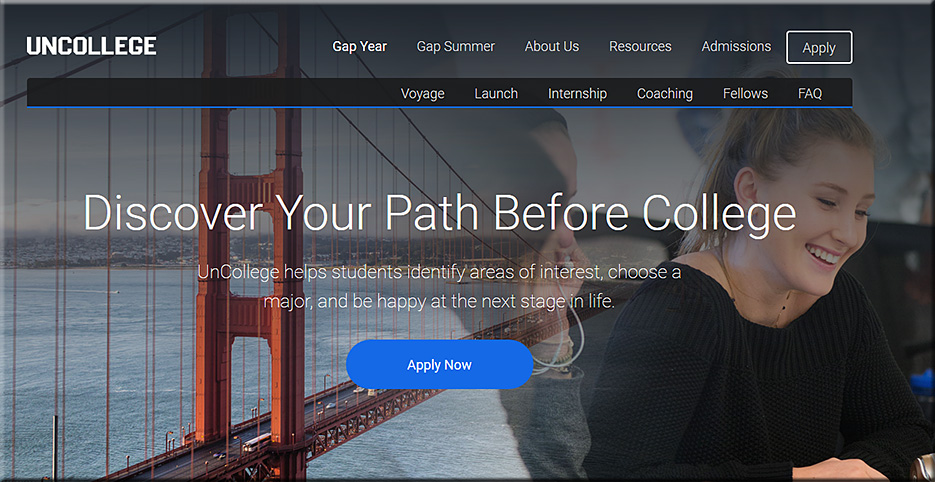
Uncollege-June2016


CodingDojo-June2016


And a somewhat related posting:

More than 90% of institutions offer alternative credentials — from campustechnology.com by Sri Ravipati
The same study to report this statistic also found that millennial students prefer badging and certificates to traditional degrees.

Excerpt:

Millennial students seem to prefer badging and certificate programs to traditional bachelor’s degrees, according to a new study from University Professional and Continuing Education Association (UPCEA), Pennsylvania State University and Pearson that explored the role that alternative credentials play in higher education.

Demographic Shifts in Educational Demand and the Rise of Alternative Credentials” includes responses from 190 institutions, including community colleges (11 percent), baccalaureate colleges (12 percent), master’s colleges or universities (27 percent) and doctorate-granting universities (50 percent). Of the 190 institutions surveyed, 61 percent were public entities. Across the board, research revealed that programs offering alternative credentialing have become widespread in higher education, with 94 percent of the institutions reporting they offer alternative credentials. Alternative credentials can take the form of digital badges, certificates and micro-credentials.


Addendum on 7/11/16:

A model for higher education where all learning counts — from marketplace.org by Amy Scott

Excerpt:

Imagine it’s 2026, and you’re one of a billion people using a new digital platform called the Ledger.

So begins a new video from the Institute for the Future and ACT Foundation, envisioning a future system that would reward any kind of learning – from taking a course, to reading a book, to completing a project at work.

“Your Ledger account tracks everything you’ve ever learned in units called Edublocks,” the video’s narrator explains. “Each Edublock represents one hour of learning in a particular subject. Anyone can grant Edublocks to anyone else.”

The Ledger would use the same technology that powers bitcoin, the virtual currency, to create a verifiable record of every learning transaction, said Jane McGonigal, director of game research and development at the Institute for the Future, a think tank in Palo Alto, California.


What the bot revolution could mean for online learning — from huffingtonpost.com by Daily Bits Of

Excerpt:

We’re embracing the bot revolution
With these limitations in mind, we embrace the bot movement. In short, having our bite-sized courses delivered via messaging platforms will open up a lot of new benefits for our users.

  1. The courses will become social.
  2. It will become easier to consume a course via a channel that fits best for the course.
  3. The courses will become more interactive.
  4. Bots will remove some of the friction


The future of online learning will happen via messaging services.


Also relevant here:


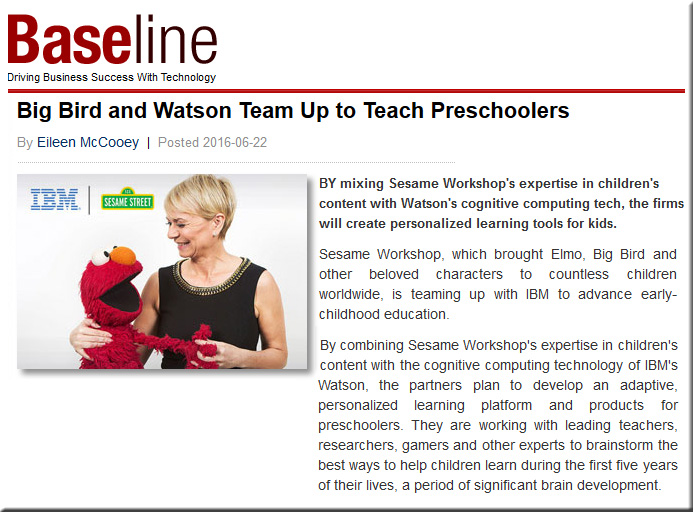
WatsonTrainPreSchoolers-June2016


From DSC:
By posting such items, I’m not advocating that we remove teachers, professors, trainers, coaches, etc. from the education/training equations.  Rather, I am advocating that we use technology as tools for educating and training people — and using technologies to help people of all ages grow, and reinvent themselves when necessary.  Such tools should be used to help our overworked teachers, professors, trainers, etc. of the world in delivering excellent, effective elearning experiences for our students/employees.


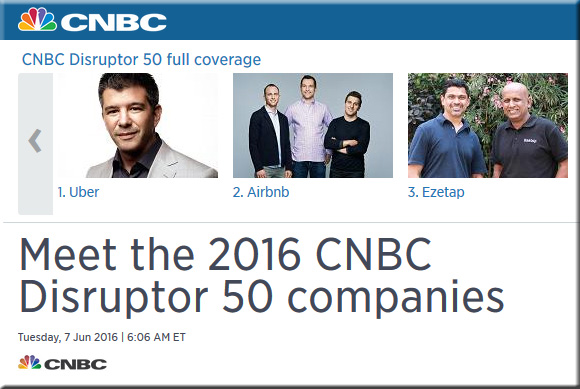
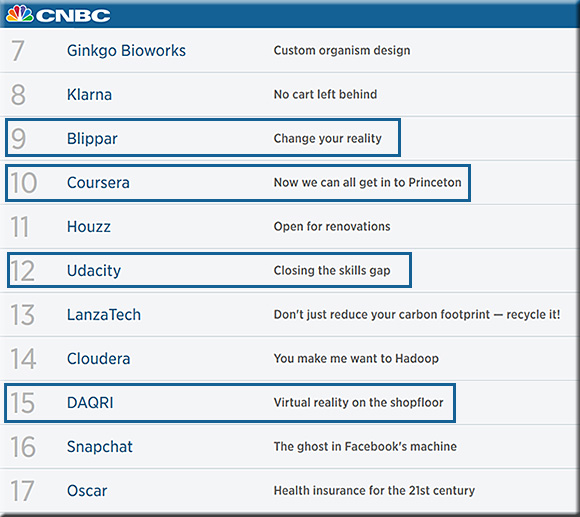
CNBCDisruptorsTop50-2016

CNBCDisruptorsTop50-2016-2


Meet the 2016 CNBC Disruptor 50 companies — from cnbc.com
CNBC reveals the 2016 Disruptor 50 list, identifying start-ups out ahead of big consumer and business shifts, and already worth billions.

Excerpt:

In the fourth annual Disruptor 50 list, CNBC features private companies in 15 industries — from aerospace to financial services to cybersecurity to retail — whose innovations are revolutionizing the business landscape. These forward-thinking starts-ups have identified unexploited niches in the marketplace that have the potential to become billion-dollar businesses, and they rushed to fill them. Some have already passed the billion-dollar mark at a speed that is unprecedented. In the process, they are creating new ecosystems for their products and services. Unseating corporate giants is no easy feat. But we ranked those venture capital–backed companies doing the best job. In aggregate, these 50 companies have raised $41 billion in venture capital at an implied Disruptor 50 list market valuation of $242 billion, according to PitchBook data. Already it’s hard to think of the world without them. Read more about the consumer and business trends that stand out in the 2016 list ranking and the methodology used to select this year’s Disruptor companies.


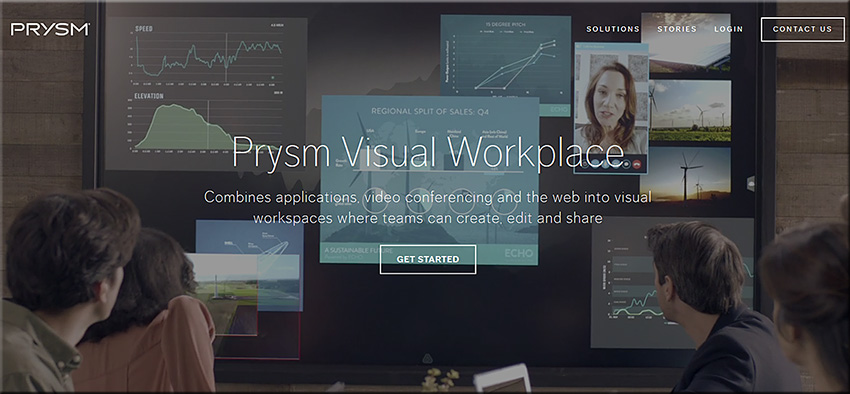
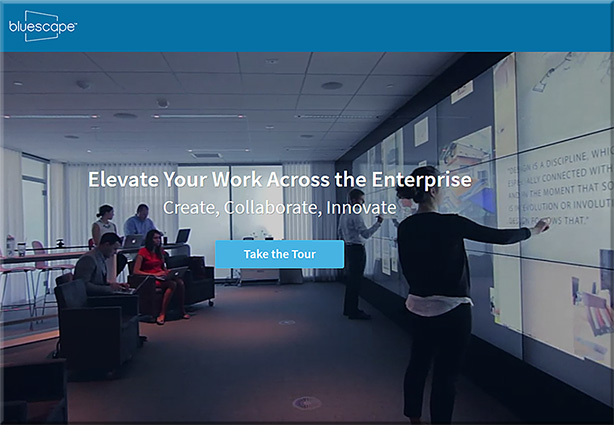
Will “class be in session” soon on tools like Prysm & Bluescape? If so, there will be some serious global interaction, collaboration, & participation here! [Christian]

From DSC:
Below are some questions and thoughts that are going through my mind:

  • Will “class be in session” soon on tools like Prysm & Bluescape?
  • Will this type of setup be the next platform that we’ll use to meet our need to be lifelong learners? That is, will what we know of today as Learning Management Systems (LMS) and Content Management Systems (CMS) morph into this type of setup?
  • Via platforms/operating systems like tvOS, will our connected TVs turn into much more collaborative devices, allowing us to contribute content with learners from all over the globe?
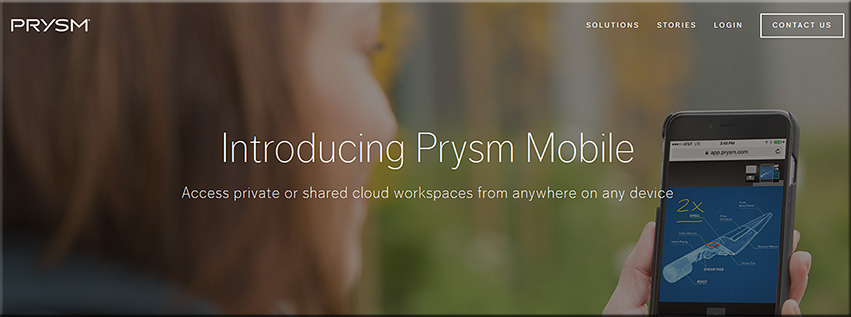
  • Prysm is already available on mobile devices and what we consider a television continues to morph
  • Will second and third screens be used in such setups? What functionality will be assigned to the main/larger screens? To the mobile devices?
  • Will colleges and universities innovate into such setups?  Or will organizations like LinkedIn.com/Lynda.com lead in this space? Or will it be a bit of both?
  • How will training, learning and development groups leverage these tools/technologies?
  • Are there some opportunities for homeschoolers here?

Along these lines, are are some videos/images/links for you:


PrysmVisualWorkspace-June2016


PrysmVisualWorkspace2-June2016


BlueScape-2016


BlueScape-2015


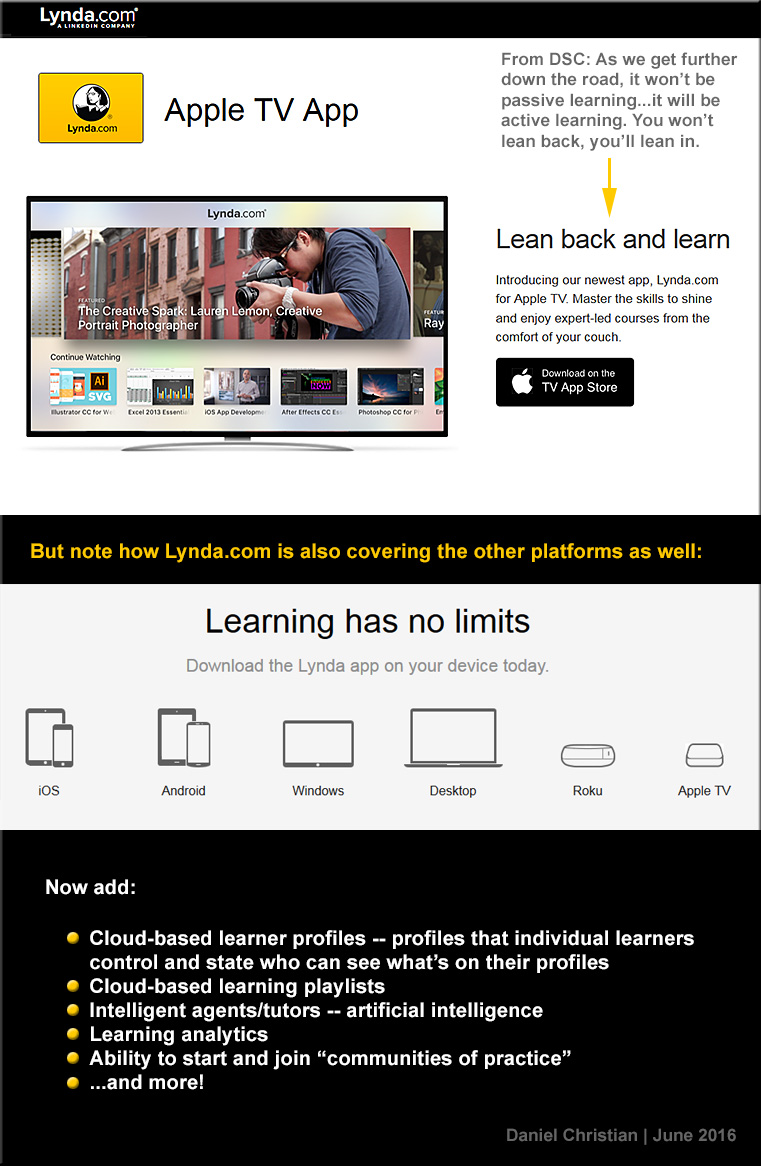
DSC-LyndaDotComOnAppleTV-June2016


The Living [Class] Room -- by Daniel Christian -- July 2012 -- a second device used in conjunction with a Smart/Connected TV


Also see:

kitchenstories-AppleTV-May2016


Also see:


Prysm Adds Enterprise-Wide Collaboration with Microsoft Applications — from ravepubs.com by Gary Kayye

Excerpt:

To enhance the Prysm Visual Workplace, Prysm today announced an integration with Microsoft OneDrive for Business and Office 365. Using the OneDrive for Business API from Microsoft, Prysm has made it easy for customers to connect Prysm to their existing OneDrive for Business environments to make it a seamless experience for end users to access, search for, and sync with content from OneDrive for Business. Within a Prysm Visual Workplace project, users may now access, work within and download content from Office 365 using Prysm’s built-in web capabilities.


© 2025 | Daniel Christian