Four K-12 education models that may gain popularity during COVID-19 — from forbes.com by Kerry McDonald
Excerpts:
- Forest Schools
- Microschools
- Virtual Degree Programs
- Homeschooling
From DSC:
When reading the article below…Wayne Gretzky’s quote comes to mind here:

ANALYSIS: The New Normal—Law Firms May Never Be the Same — from news.bloomberglaw.comby Sara Lord
Excerpt:
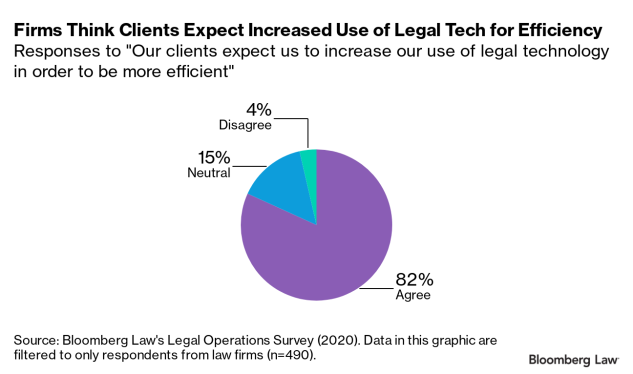
In our recent 2020 Legal Operations Survey, Bloomberg Law asked organizations including law firms, corporations, non-profit organizations, and academic institutions, a number of questions relating to their use of data and metrics. Included in our survey were questions relating to whether law firms measure the value of legal operations and legal technology. Responses indicated that two-thirds of law firms measure legal operations value and nearly one-quarter of law firms using legal technologies measure the value of that legal technology.
DC: Ouch! Likely a *major game-changer* — esp given the current landscape of #HigherEducation. If traditional institutions of higher ed want to survive, they better take #onlinelearning far more seriously & research/develop excellent learning experiences.https://t.co/ijmorKMbTv
— Daniel Christian (@dchristian5) May 6, 2020
From DSC:
Readers of this blog will know that I’m a big fan of online learning. That said, I realize it’s not for everyone. Our son, who is studying to become an actor, hates it.
Given:
…it’s hard to do some things online. I get it.
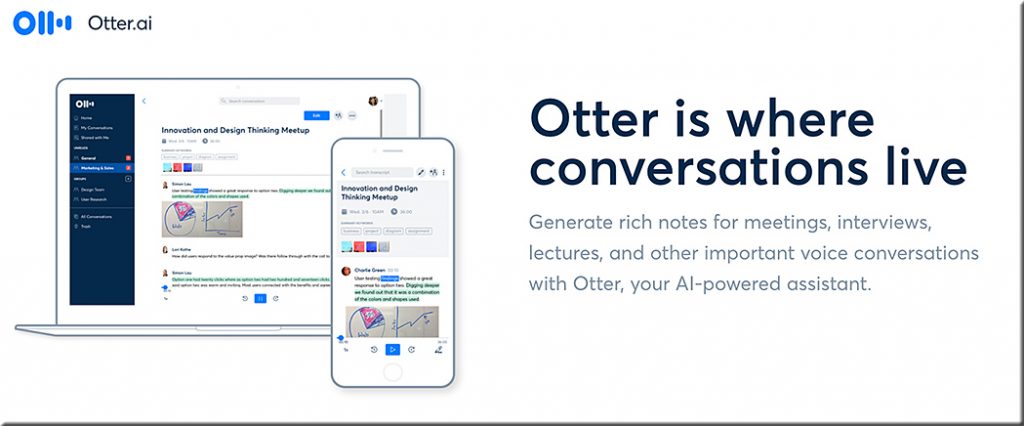
That said, I wouldn’t rule out the further significant growth and development of online-based learning experiences by any stretch of the imagination. The Coronavirus will force traditional institutions of higher education (plus many K-12 school systems as well as corporate training programs) to invest much more aggressively in the research and development of online-based learning experiences. And with AI-based tools like Otter.AI, our future virtually/digitally-based learning ecosystems could be very powerful indeed.
As but one example, consider that AI technologies — as unseen but present participants in future videoconferencing calls — will “listen” to the conversation and likely provide us with a constantly updating sidebar that will consist of beneficial resources such as:
The output from that sidebar will likely be able to be saved /downloaded just like we do with transcripts of chat sessions. The available options for such a service will be customizable, and filtering mechanisms can be turned on, or off, or be adjusted.
All of that said, it IS time to reduce the investments that are being used to create new athletic facilities and/or other new physical buildings. And it’s time to start reallocating those millions of dollars of investments into creating/developing highly-effective online-based learning experiences.
Don’t get me wrong. Going to campus is an ideal learning experience, and I hope that for everyone out there. But if the current trends continue — especially the increasing costs of obtaining a degree — that won’t be an option for a growing number of people (especially with the aftermath/ripple effects of the Coronavirus on our society).
#CostOfObtainingADegree #StudentRelated #AI #InstructionalDesign #IntelligentSystems #IntelligentTutoring #FutureOfHigherEducation #Innovation #LearningEcosystems #HigherEducation #Change #NewBusinessModels #Reinvent #StayingRelevant #Surviving
Dawn of the Age of Digital Learning — from medium.com by Michael Moe and Vignesh Rajendran
An Acceleration of Trends That Have Been Building for Years
Excerpts:
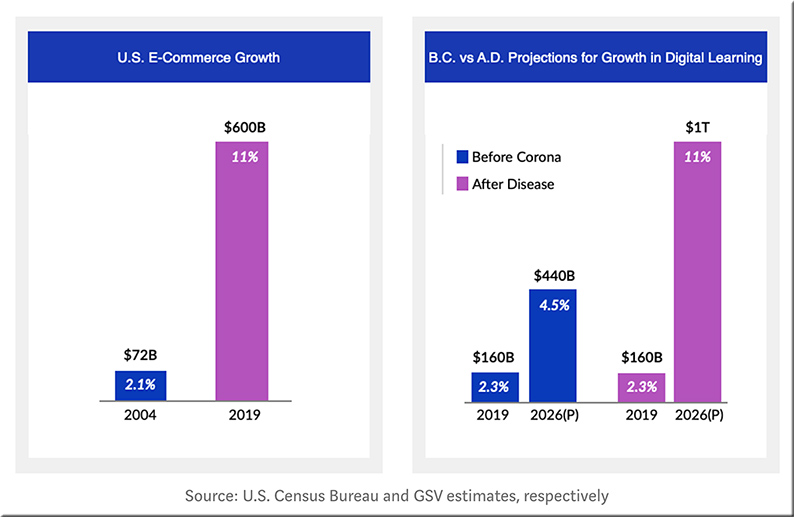
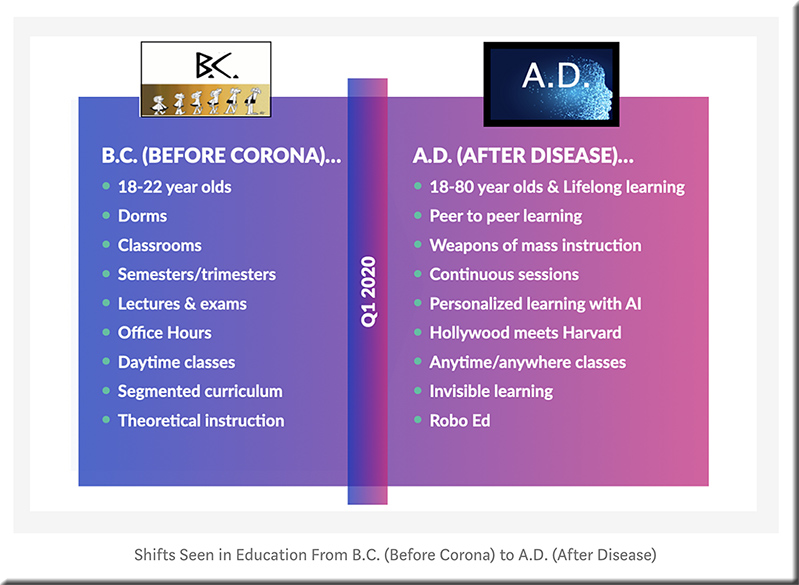
Some of these new online learners will sink. Some will crawl out of the pool and never go back in. But we believe most will get the hang of it, like it, and will no longer be confined to the shore. Effectively, the genie is not going back in the bottle… digital learning has come of age. We have a B.C. (Before Coronavirus) world transitioning to A.D. (After Disease).
…
The Coronavirus has brought forth the Dawn of the Age of Digital Learning — a time for builders to create the platforms, tools, and technology to propel society forward.
From DSC:
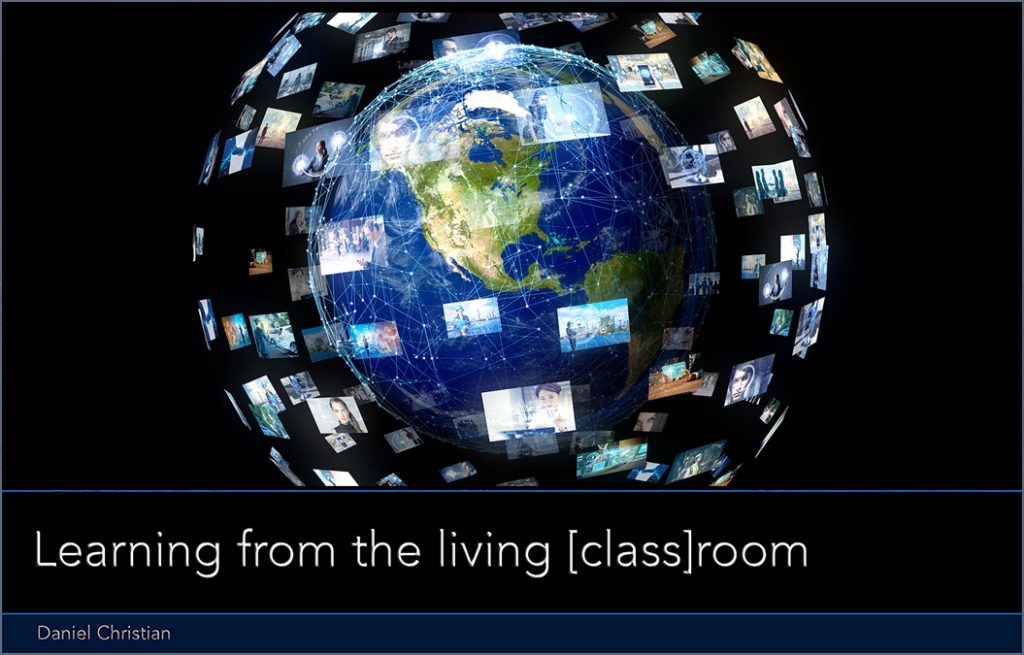
So many of the things in this article reminded me of the things, developments, trends, needs, and possibilities that I have been tracking for years in this vision of a next-generation, global learning platform that I have entitled:
My guess is that the large, primarily online institutions/organizations will come out of this ordeal in much better shape than the majority of the traditional institutions of higher education. It won’t matter what faculty members at liberal arts institutions think about online learning. And as much as some faculty members won’t like to see or hear about it, students will no longer need for such faculty members to be sold on it. Students will come to realize that it was under those faculty members watch that their own enormous gorillas of debt were created. And they are beginning to witness and hear that it’s taking (or will take) older family members decades to pay down their debt.
So, I think that the market will decide the fate of many traditional institutions of higher education. Lifelong learners will vote with their feet — and fingers actually, by typing in a new URL — and simply move to the SNHU’s, ASU’s, UMass Online’s, WGU’s, and Liberty University’s of the world. After 5-10 years of investments in online learning, there will likely be some pretty amazing learning experiences out there.
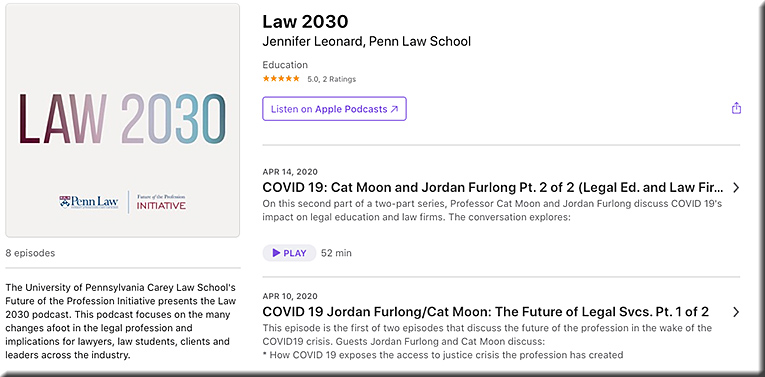
This episode is the first of two episodes that discuss the future of the profession in the wake of the COVID19 crisis. Guests Jordan Furlong and Cat Moon discuss:
From DSC:
At several points in the conversation, when Cat and Jordan were both referring to the importance of experimentation within the legal realm, I was reminded of this graphic that I did back in 2013:

I was reminded of it as well because Jennifer Leonard rightly (in my perspective), brought in higher education into the discussion at several points. There are some similarities — especially concerning power and privilege. Well, it’s now true in the legal realm as well (and probably has been true for a while…I’m just behind).
Experimentation. Experimentation. Experimentation. <– so key in the legal realm right now!
Other notes I took:
Today, the following things ARE happening — so it CAN be done! The people in charge just didn’ want to do these things.
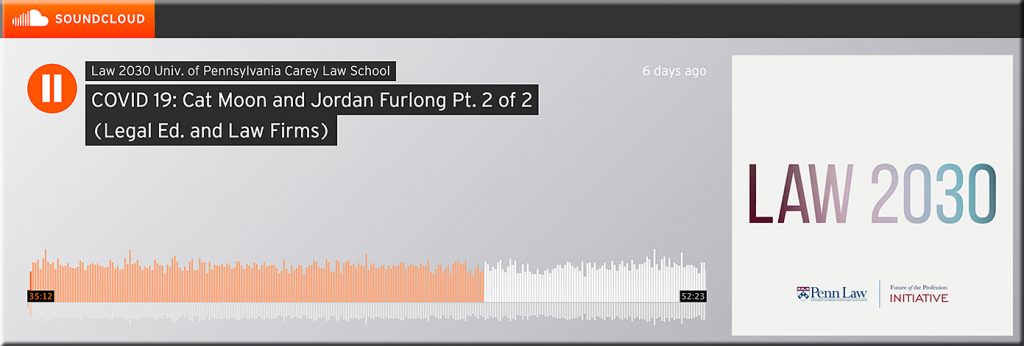
On this second part of a two-part series, Professor Cat Moon and Jordan Furlong discuss COVID 19’s impact on legal education and law firms. The conversation explores:
Notes I took:
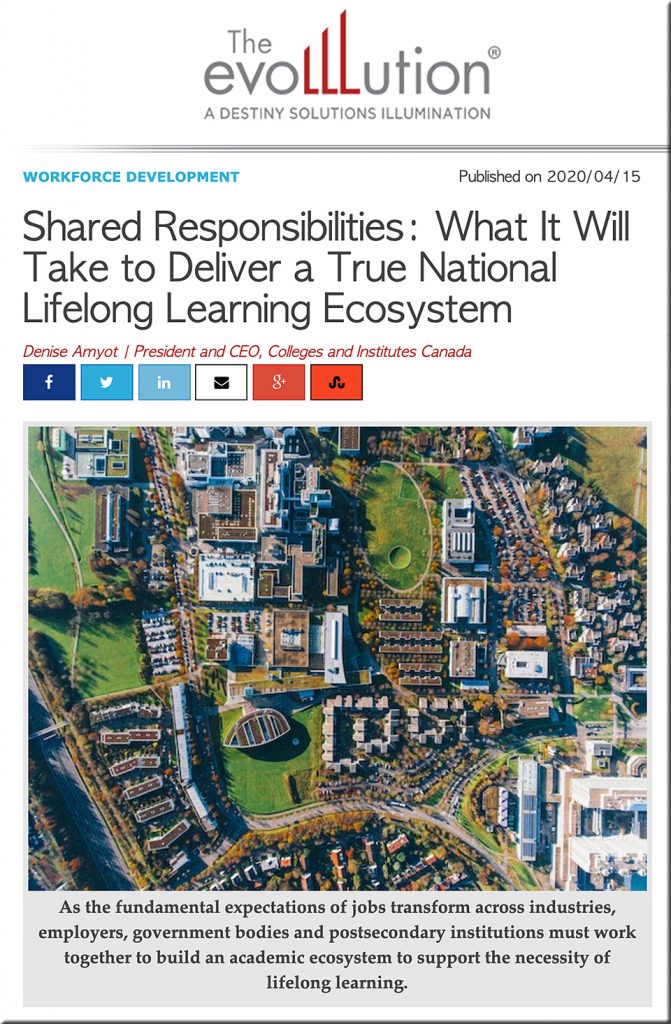
Shared Responsibilities: What It Will Take to Deliver a True National Lifelong Learning Ecosystem — from evoLLLution.com by Denise Amyot | President and CEO, Colleges and Institutes Canada
Building a more flexible and accessible postsecondary sector will require concerted efforts from postsecondary institutions, governments, and employers, all of whom have a role to play in making the culture of lifelong learning a reality.
LawNext Episode 71: Legal Futurist Richard Susskind on Coronavirus, Courts and the Legal Profession — from .lawsitesblog.com by Robert Ambrogi
Excerpt:
Ever since the publication of his seminal 1996 book, The Future of Law, Richard Susskind has remained the world’s most-recognized and most-respected speaker and author on the future of legal services. But even he could not have foreseen the sudden relevance of his latest book, Online Courts and the Future of Justice.
On this episode of LawNext, Susskind joins host Bob Ambrogi for a conversation about the legal profession and the judicial system in a time of global pandemic. Will the pandemic fast-forward law’s leap into the future? Will there be fundamental change in legal services delivery? Will courts move online more quickly than even he had thought? Susskind shares his thoughts on these questions and more.
Also see:
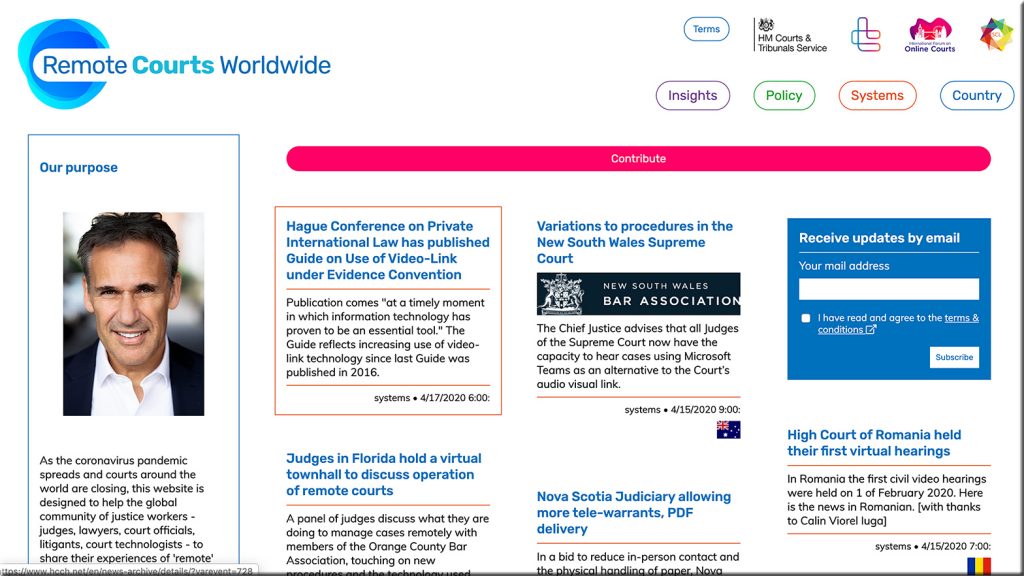
“Some healthcare providers had dabbled in this before COVID-19, but the interest has increased now that social distancing is mandated in many areas.”
DC: And, hopefully, #telelegal won’t be too far behind #telemedicine / #virtualhealth https://t.co/1Wv9uvv7Kj
— Daniel Christian (@dchristian5) April 7, 2020
5. Telemedicine
Have you received the emails from your healthcare professionals that they are open for telemedicine or virtual consultations? To curb traffic at hospitals and other healthcare practitioners’ offices, many are implementing or reminding their patients that consultations can be done through video. Rather than rush to the doctor or healthcare center, remote care enables clinical services without an in-person visit. Some healthcare providers had dabbled in this before COVID-19, but the interest has increased now that social distancing is mandated in many areas.
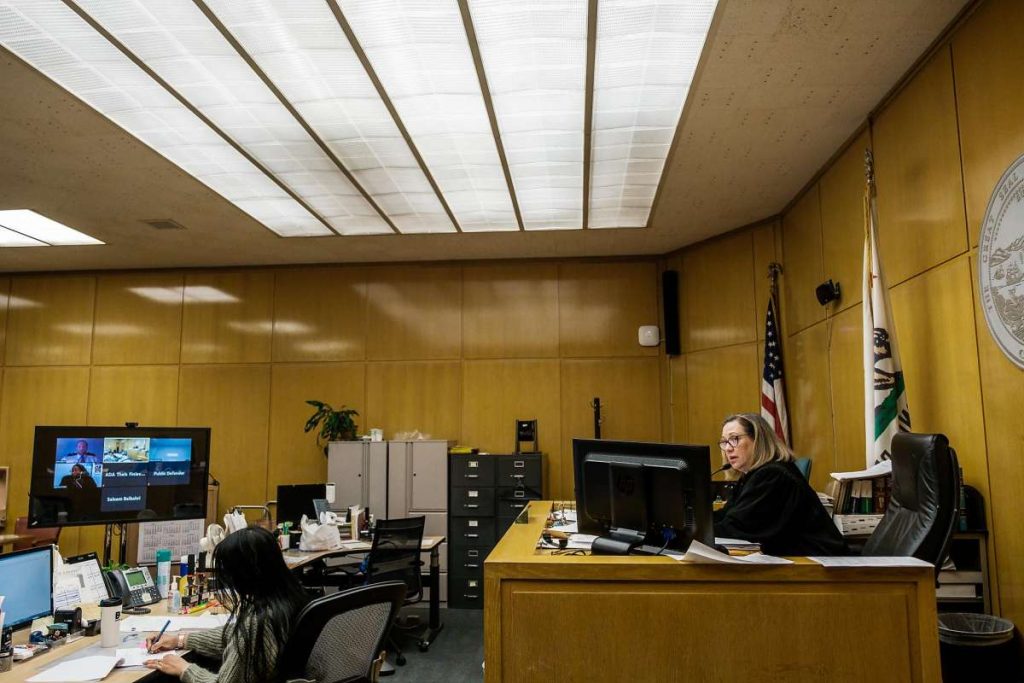
Trial by video conference? Not yet, but coronavirus forces Bay Area courts to embrace more virtual proceedings — from sfchronicle.com by Bob Egelko
Also see:
8 technologies you should be using in your depositions and trials in 2020 — from jdsupra.com
From virtual proceedings and paperless depositions to real-time technologies and mobile capabilities, technology has become an integral part of practicing law today.
Excerpt:
As legal technology continues to advance and evolve, trials and depositions bear little resemblance to the paper-centric proceedings they used to be in decades past. The days when litigation meant being buried in boxes and boxes of documents and exhibits are long gone.
From virtual proceedings and paperless depositions to real-time technologies and mobile capabilities, technology has become an integral part of practicing law today. If you want to get the most out of your next deposition or trial, you need to be familiar with the top technologies that are changing the game in 2020.
It’s the dawning of a new day in the job market. Here’s what that means for higher ed — from edsurge.com by Sean Gallagher
Excerpts:
As we enter a recession, many experts believe that the unemployment rate will spike well into the double digits—to 15 percent according to Goldman Sachs, or as high as 32 percent according to the Federal Reserve Bank of St. Louis. Whatever the exact figure, we’ve gone quickly from nearly full employment to tens of millions of Americans being out of work in a transformative “100-year flood.” Hopefully, this economic disruption will be as short as possible —but a shift of this magnitude will have both immediate and long-lasting implications for the higher education ecosystem in addition to the world of work itself.
…
According to past opinion polls we’ve conducted at Northeastern University, American workers recognize that lifelong learning is critical to staying prepared for these ongoing technology-related changes in the job market. Upskilling workers to compete in a more technology-driven job market—and developing human skills to augment or work alongside smart machines—is now even more of an imperative.
What jobs employers will be hiring for—and what professional programs learners will be interested in pursuing—will also inevitably be reshaped.
Why education is a ‘wicked problem’ for learning engineers to solve — from edsurge.com by Rebecca Koenig
Excerpts (emphasis DSC):
So, back to the wicked problem: How do we make education that’s both quality education and at the same time accessible and affordable?
“Now, we are building a new technology that we call Agent Smith. It’s another AI technology— and we’re very excited about it—that builds [a] Jill Watson for you. And Agent Smith can build a Jill Watson for you in less than 10 percent of the hours.”
…
So one question for online education is, can we build a new set of tools—and I think that’s where AI is going to go, that learning engineering is going to go—where AI is not helping individual humans as much as AI is helping human-human interaction.
Huge ethical issues and something that learning engineering has not yet started focusing on in a serious manner. We are still in a phase of, “Look ma, no hands, I can ride a bike without hands.”
…
Technology should not be left to technologists.
How innovations in voice technology are reshaping education — from edsurge.com by Diana Lee
Voice is the most accessible form you can think of when you think about any interface. In education, it’s already started to take off.
It could be basic questions about, “Am I taking a class to become X?” or “How strong are my skills relative to other people?” An assistant can help with that. It could potentially be a coach, something that follows you the rest of your life for education. I’m excited about that. People that can’t normally get access to this kind of information will get access to it. That’s the future.
From DSC:
The use of voice will likely be a piece of a next-generation learning platform.
From DSC:
The items below are meant for those involved with digital transformation, developing strategy, and keeping one’s organization thriving into the future.
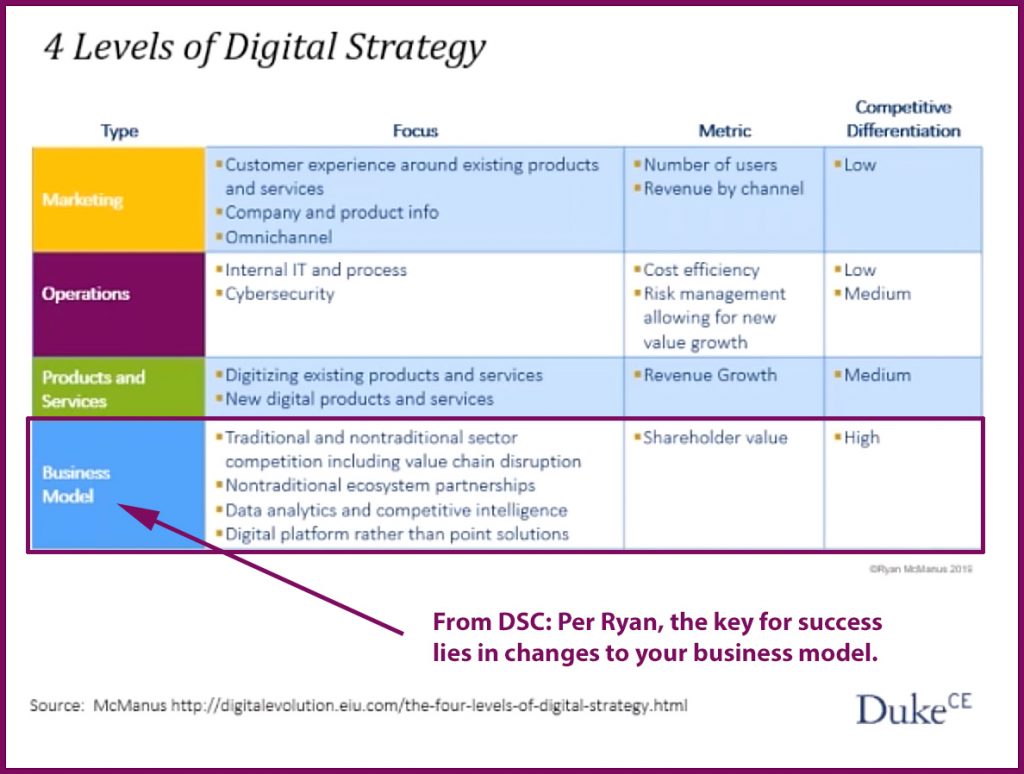
Strategy in the Digital Revolution with Ryan McManus — from dukece.com; with thanks to Laura Goodrich for this resource out on Twitter
Description of webinar:
Today, every business is focused on digital transformation, yet most organizations are struggling to realize value from their efforts and investments. Less than 20% of business leaders believe their digital transformation efforts have been successful. With unprecedented access to data and technology, how is it that firms and their leaders are experiencing such disappointing results?
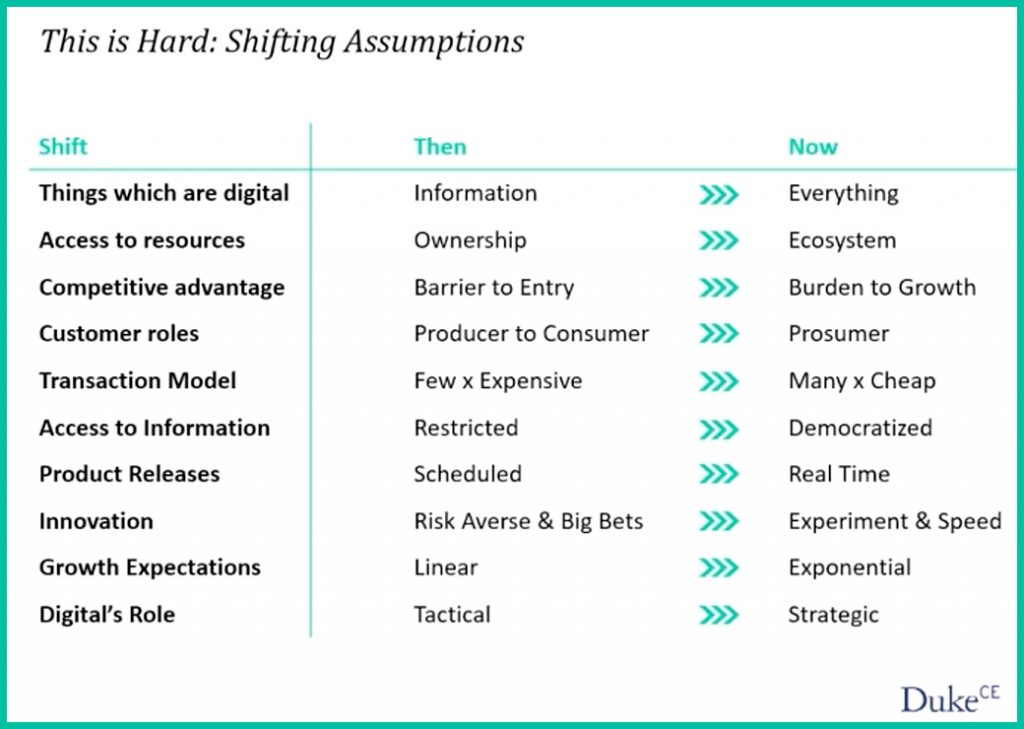
At the root of the problem is the disconnect between how leaders understand strategy and the new rules of the digital revolution. Most leaders haven’t been taught how to think about a world that is very different from the one which gave rise to popular strategic concepts, and as a result, they apply outdated strategy models and thinking to the new world, trying to squeeze the competitive realities of the digital revolution into linear, analog strategic planning concepts.
In this complimentary on-demand webinar, Ryan McManus, lecturer at Columbia University Business School and Duke Corporate Education, discusses the New Strategy Playbook, including:
Example slides:
Also see: